Festive Cichlid: Mesonauta festivus
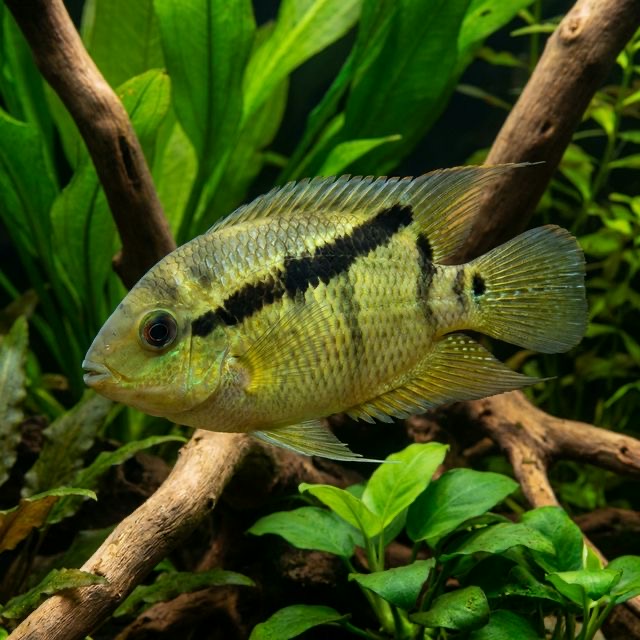
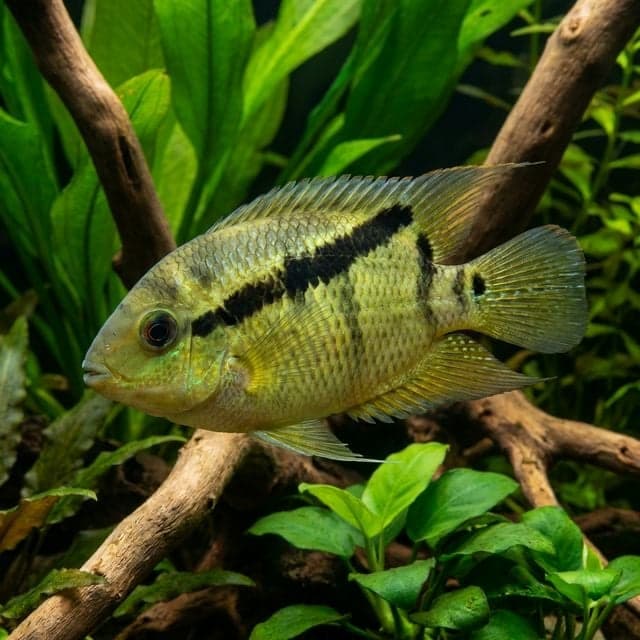
A peaceful, elongated cichlid with a diagonal black stripe. Good community cichlid.
Festive Cichlid
The Festive Cichlid, scientifically known as Mesonauta festivus, is a stunning freshwater fish that is gaining popularity among aquarists and cichlid enthusiasts alike. Originating from the Amazon River Basin, this species is renowned for its vibrant coloration and unique body structure. Adult Festive Cichlids exhibit a striking combination of iridescent blue and yellow hues, adorned with dark vertical stripes, which makes them a focal point in any aquarium. Their size can reach up to 6-8 inches, and their fascinating patterns only become more pronounced with maturity, adding to their visual appeal.
This captivating species holds importance within the aquarium hobby not only for its aesthetic qualities but also for its interesting behavior and adaptability in various aquatic environments. As a species that thrives in the wild, the Festive Cichlid has developed a robust adaptability to different water conditions, making them a great choice for both novice and experienced aquarists. Their charming personalities and relatively peaceful nature when properly tanked make them a beloved emblem of freshwater aquarium diversity.
Natural Habitat & Origin
The Festive Cichlid is native to the slow-moving rivers and floodplains of the Amazon Basin in South America, specifically in countries like Brazil and Peru. This region is characterized by a rich biodiversity, with the fish inhabiting clear and blackwater environments where dense vegetation provides cover and spawning sites. Natural habitats typically feature sandy or muddy substrates, with abundant leaf litter and organic materials that contribute to the fish's diet.
In these waters, Festive Cichlids favor areas with a variable pH range, often settling in softer water with a slightly acidic to neutral pH (around 6.0 to 7.5). The ambient temperature in their natural habitat generally falls between 75°F and 82°F (24°C to 28°C), which is crucial to mimic for successful aquarium keeping. The environmental context, including the presence of driftwood and live plants, plays a significant role in their overall well-being, reaffirming the need for an adequately designed aquarium setup to reflect their natural surroundings.
Care Requirements
For optimal health, the Festive Cichlid requires a well-maintained aquarium with specific water parameters. The ideal pH level should range from 6.0 to 7.5, with a temperature maintained between 75°F and 82°F (24°C to 28°C). Hardness should be relatively low, with a general hardness (GH) of 5-15 dGH.
In terms of tank setup, a minimum tank size of 50 gallons is recommended to provide ample swimming space, considering their social compatibility with other fish. The substrate should be sandy or fine gravel, allowing for easy digging and foraging. Providing ample hiding spots through the use of driftwood, rock formations, and live plants will help simulate their natural habitat, boost their confidence, and reduce stress. Soft, ambient lighting can enhance their coloration and comfort, while also promoting plant growth for a more enriching environment.
Diet & Feeding
The Festive Cichlid is classified as an omnivore, thriving on a varied diet that can include both plant and animal matter. In captivity, these cichlids thrive on high-quality flakes or pellets that are rich in protein, ensuring their nutritional needs are met adequately. Fresh or frozen foods, such as brine shrimp, bloodworms, and daphnia, are excellent protein sources that support their development.
In addition to protein-based foods, incorporating vegetable matter such as blanched spinach or spirulina flakes can contribute to their well-rounded diet. It is crucial to feed them small amounts several times a day rather than a single large meal, allowing them to graze and mimic their natural foraging habits, thus promoting overall health and well-being.
Behavior & Temperament
The Festive Cichlid exhibits a predominantly peaceful demeanor, making them suitable for community aquariums, especially if provided with ample space and hiding spots. Typically, they display a semi-aggressive nature, especially during breeding or territorial disputes, thus it is essential to monitor tank dynamics closely. Though they can be social, Festive Cichlids may prefer to establish their own territories within the tank.
In terms of vertical positioning in the tank, these cichlids are known to inhabit the mid-level areas, where they feel most secure and can engage with the tank's environment effectively. It is recommended to observe their interactions with other tank mates to ensure a harmonious community, as overcrowding or insufficient hiding spaces can lead to stress and territorial behaviors.
Tank Mates
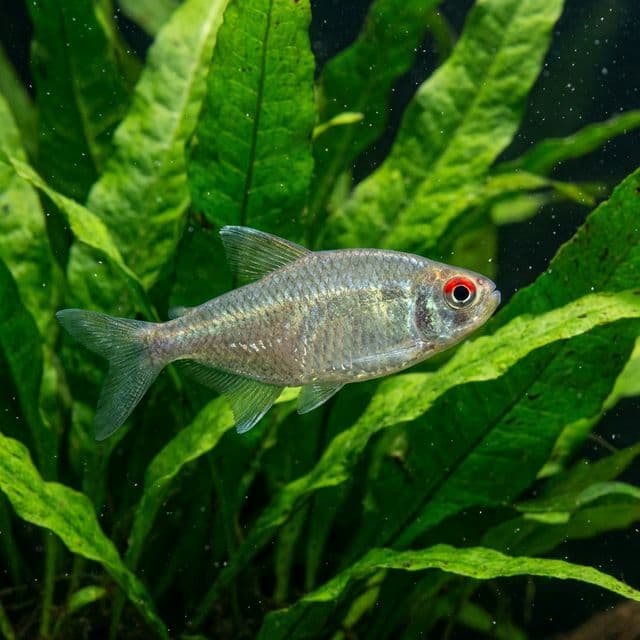
When selecting compatible tank mates for the Festive Cichlid, it is essential to consider species that can withstand similar water conditions and exhibit compatible temperaments. Ideal tank mates include peaceful cichlids such as the Keyhole Cichlid (Cleithracara maronii), various tetras (like the Lemon Tetra), as well as catfish species such as Corydoras. Additionally, larger schooling fish like the Rainbowfish and peaceful barbs, including Cherry Barbs, can thrive alongside them.
However, certain species should be avoided in a community tank with Festive Cichlids. Aggressive fish like larger cichlids (e.g., Oscars or Red Devils) or overly boisterous species may cause stress and territorial disputes leading to potential injury. Similarly, very small fish may be viewed as prey, making their cohabitation unwise.
Breeding
Breeding Festive Cichlids in captivity can be a rewarding experience, though it requires specific conditions to encourage successful spawning. They are typically monogamous, forming strong pairs that engage in courtship displays. To promote breeding, it is vital to provide a spacious environment with clean water and an appropriate substrate for laying eggs. Flat surfaces such as smooth rocks, conical decorations, or spawning slates are ideal for this purpose.
The female will lay a batch of eggs, usually numbering between 100 to 300, which the male fertilizes. The pair will display protective behavior, guarding the eggs diligently until they hatch, generally within 3-5 days. After hatching, the fry will require fine food like infusoria or finely crushed flakes to ensure their proper growth. Providing a separate breeding tank can enhance the chances of successful rearing, safeguarding the young from potential bullying by tank mates.
Common Health Issues
Like any aquarium fish, the Festive Cichlid may be susceptible to certain health issues, including ich (Ichthyophthirius multifiliis), fin rot, and internal parasites. Ich is a common freshwater disease characterized by white spots on the skin and fins, which can be treated effectively with appropriate medication or by raising the tank temperature slightly.
Preventive measures such as maintaining optimal water quality through regular testing and water changes, quarantining new arrivals, and avoiding overfeeding can minimize the risk of illness. Additionally, stress reduction achieved through appropriate tank setup and minimizing aggressive interactions will contribute significantly to the overall health of Festive Cichlids. Ensuring a well-balanced diet along with regular observation of behavior and physical condition will lead to healthy, vibrant specimens in your aquarium.