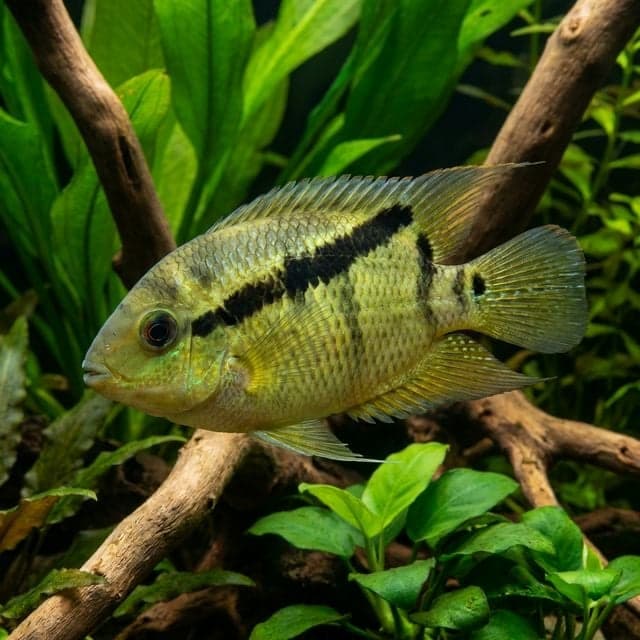
Candy Striped Plec L015: Peckoltia vittata
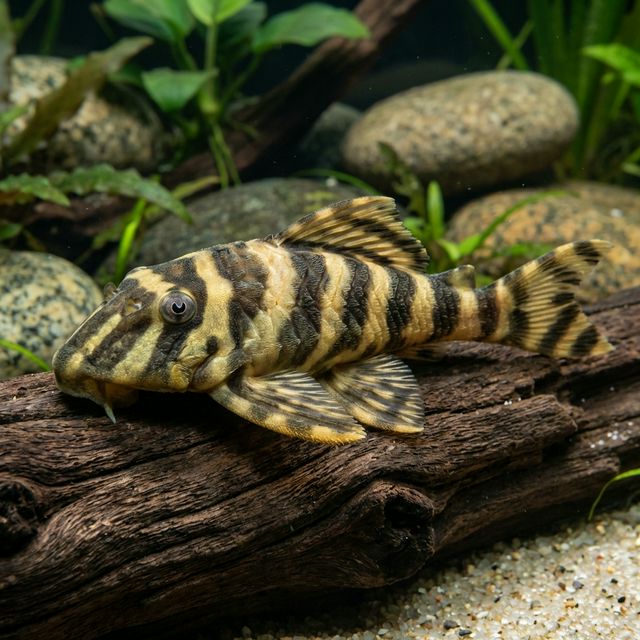
A popular Pectoltia species with bold yellow and black stripes. Stays manageable in size.
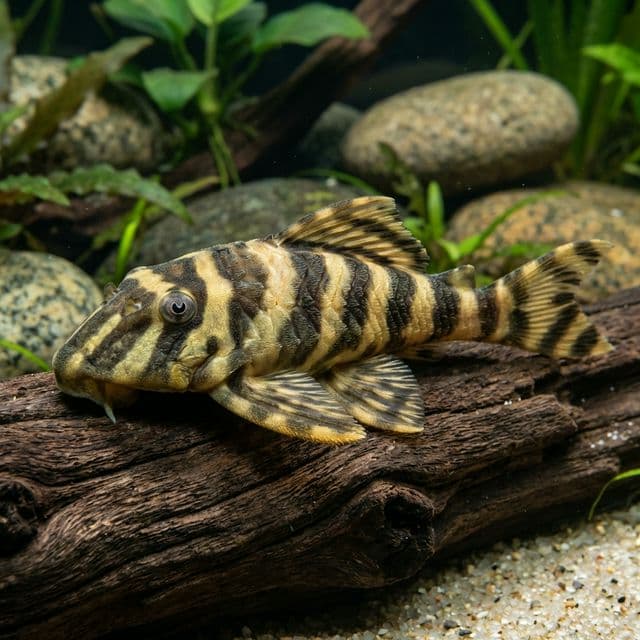
Candy Striped Plec L015
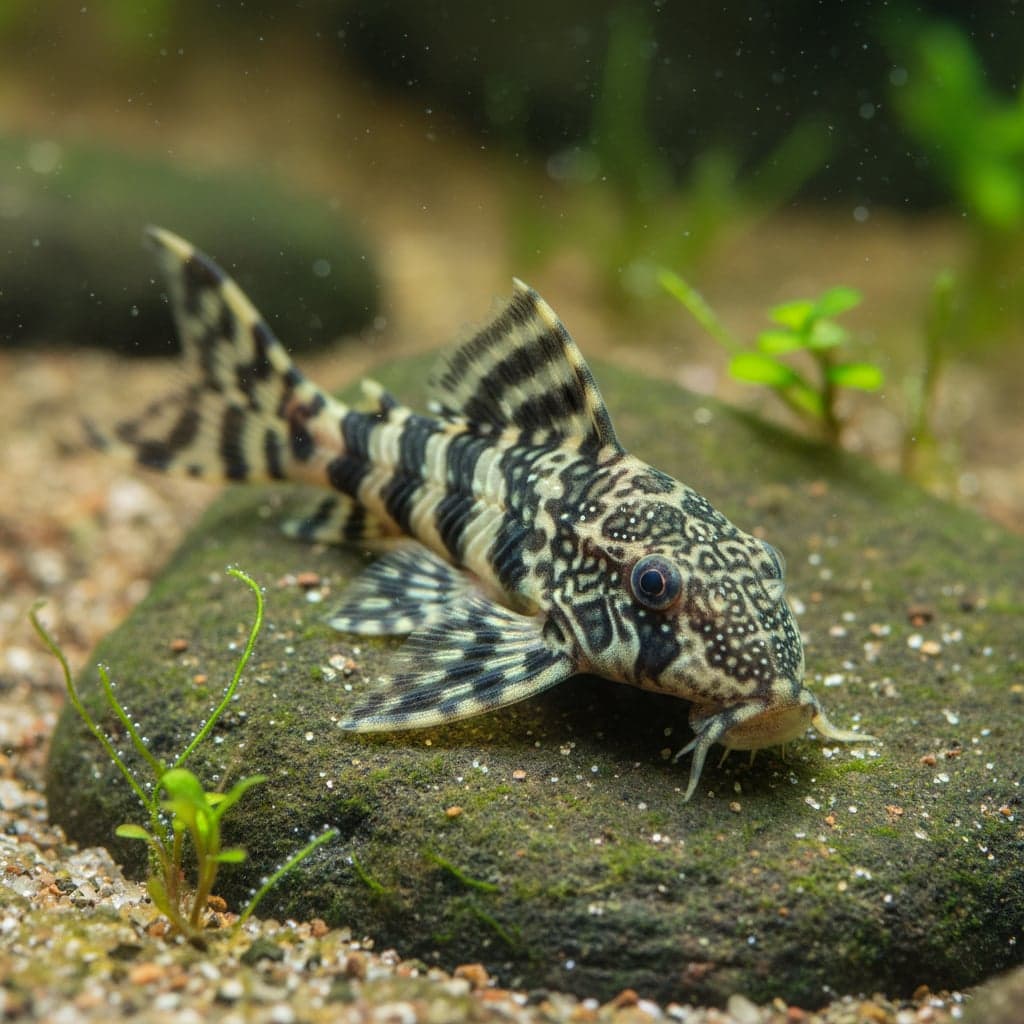
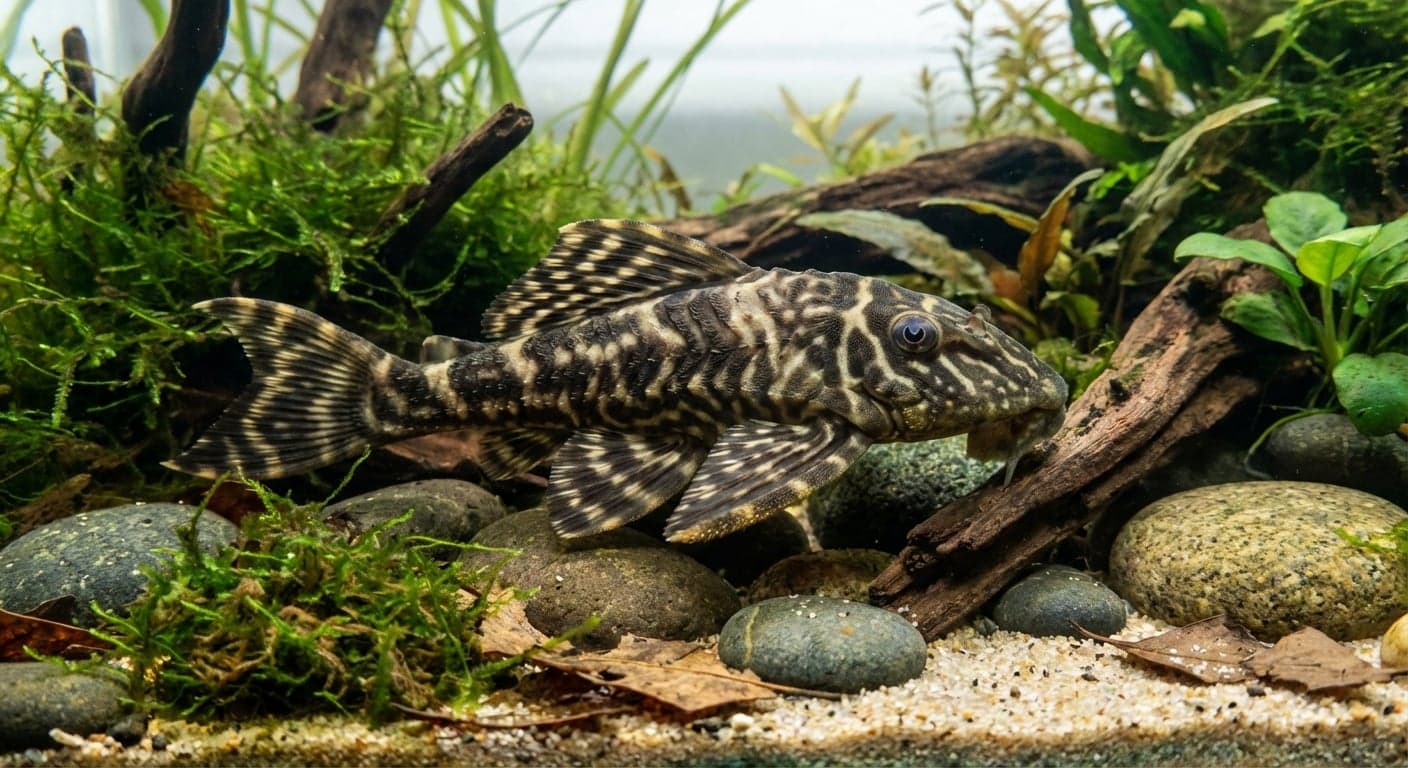
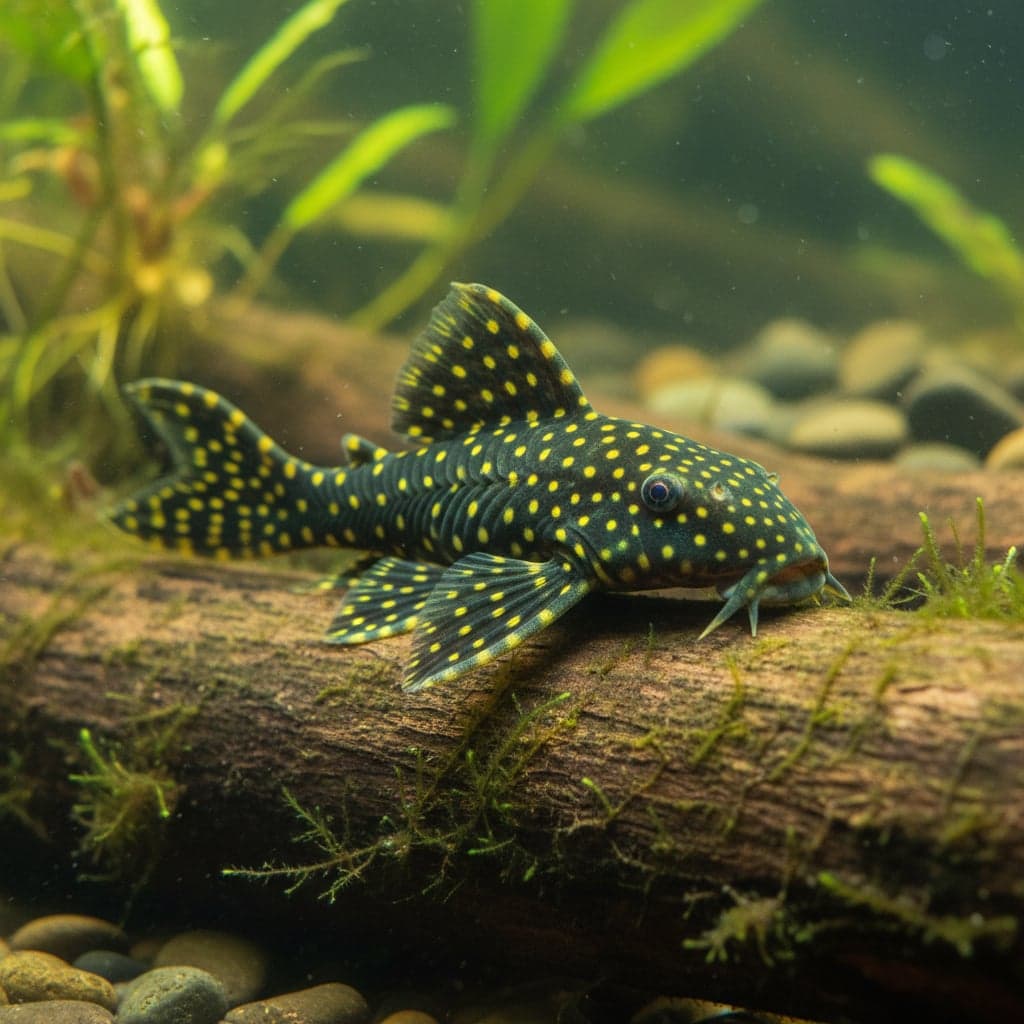
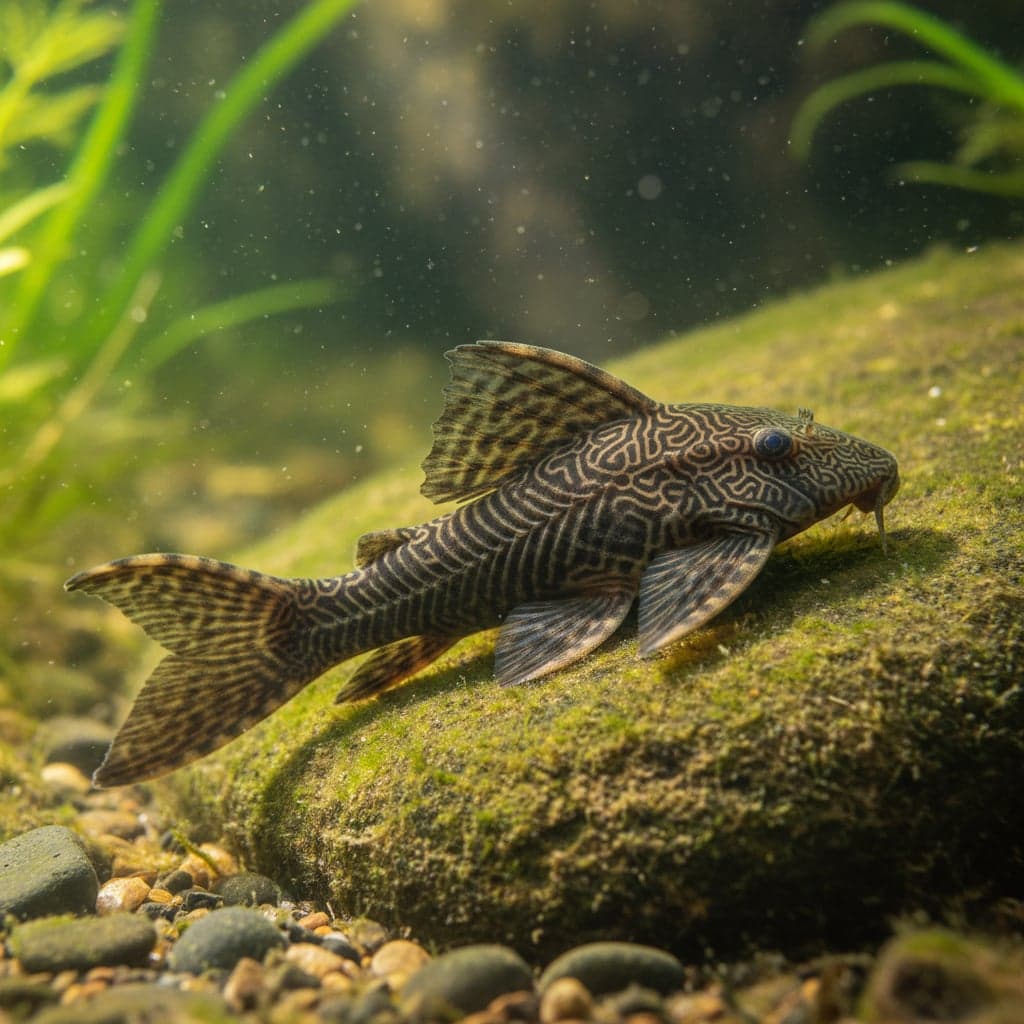
The Candy Striped Plec L015, scientifically known as Peckoltia vittata, is an alluring freshwater fish that captivates aquarists with its vibrant coloration and unique pattern. Displaying a striking combination of yellow and black stripes, this species is often sought after for its aesthetic appeal. The Candy Striped Plec not only enhances the beauty of planted aquariums and biotope setups but also plays a critical role in keeping algae under control, making it both a visually appealing and functional addition to the aquatic environment. It has gained popularity among hobbyists for its peaceful nature, making it a suitable choice for community tanks.
In addition to its visual appeal, the Candy Striped Plec L015 holds a significant place in the aquarium hobby due to its interesting behaviors and adaptability. Known for its lively personality and bottom-dwelling habits, this fish exhibits a rugged charm. Its serene disposition and compatibility with various tank mates contribute to the harmonious atmosphere of the aquarium. With the right care and attention, enthusiasts can enjoy observing their unique traits, from their territorial antics to their engaging feeding behaviors, making the Candy Striped Plec a favorite among both novice and experienced aquarists.
Natural Habitat & Origin
The Candy Striped Plec L015 is indigenous to the Amazon River basin, particularly in countries like Brazil and Peru. This species thrives in slow-moving waters, predominantly found in blackwater environments where tannins from decaying organic matter create dimly lit conditions. The natural habitats often consist of submerged logs, leaf litter, and dense vegetation, providing ample hiding spots and breeding areas. These habitats exhibit slightly acidic to neutral pH levels that contribute to the overall well-being of the fish.
Adults of this species are commonly found in deeper pools, while juveniles inhabit shallower areas, showcasing the variety of environments this versatile fish can adapt to. The rich biodiversity of the Amazon is critical to the Candy Striped Plec's development, and replicating elements of this expansive ecosystem in aquariums is essential for maintaining their health and vibrancy. Understanding their natural habitat is key to providing optimal conditions and fostering thriving populations in captivity.
Care Requirements
To ensure Proper care of the Candy Striped Plec L015, aquarium enthusiasts should maintain specific water parameters. The ideal temperature for this species ranges from 24°C to 28°C (75°F to 82°F), with a pH level between 6.0 and 7.5, and water hardness ranging from 2 to 15 dGH. Monitoring these parameters closely will help create a conducive environment that closely mirrors their natural habitat.
When designing the tank setup for the Candy Striped Plec, a minimum tank size of 100 liters (approximately 26 gallons) is recommended. The substrate should consist of fine sand or soft-gravel to protect their sensitive bristles. Incorporating driftwood, rocks, and caves will provide essential hiding spots and territorial spaces, while live plants help in creating a natural aquascape and contribute to water quality. Moderate lighting is best to mimic their natural environment, allowing plants to thrive without overwhelming the fish. This combination of elements will ensure the health and happiness of the Candy Striped Plec L015 in your aquarium.
Diet & Feeding
The Candy Striped Plec L015 is classified as an omnivore, with a diet that consists primarily of biofilm, detritus, and algae. In captivity, it is crucial to provide a varied diet to maintain their health and vibrant colors. High-quality sinking pellets and wafers specifically designed for plecos are excellent staples, supplemented by fresh vegetables such as zucchini, cucumber, and spinach. Offering occasional protein-rich foods like frozen bloodworms and brine shrimp will also promote their overall well-being.
In addition to formulated flakes and pellets, it's beneficial to introduce a variety of foods to encourage natural foraging behaviors. This fish can often be seen grazing on the surface of driftwood or leaves, so including these elements in their diet can enhance their feeding experience. Consistent feeding routines and a balanced diet will ensure that the Candy Striped Plec thrives in your aquarium setting.
Behavior & Temperament
The Candy Striped Plec L015 is known for its peaceful and relatively shy nature, often seeking refuge among rocks or driftwood during the daytime. As nocturnal fish, they become more active during the night, exploring their surroundings and foraging for food. While they are generally non-aggressive, males may display territorial behaviors, particularly during breeding season or when establishing their space. It’s vital to provide ample hiding spots to minimize stress and potential conflicts.
In terms of schooling habits, the Candy Striped Plec L015 prefers a solitary lifestyle or may coexist with a few others of its kind. They usually stay on the bottom or mid-levels of the aquarium, gracefully moving among the substrate and plants. Ensuring a well-structured tank with many vertical and horizontal elements will allow this species to thrive and exhibit its natural behaviors while maintaining harmony with tank mates.
Tank Mates
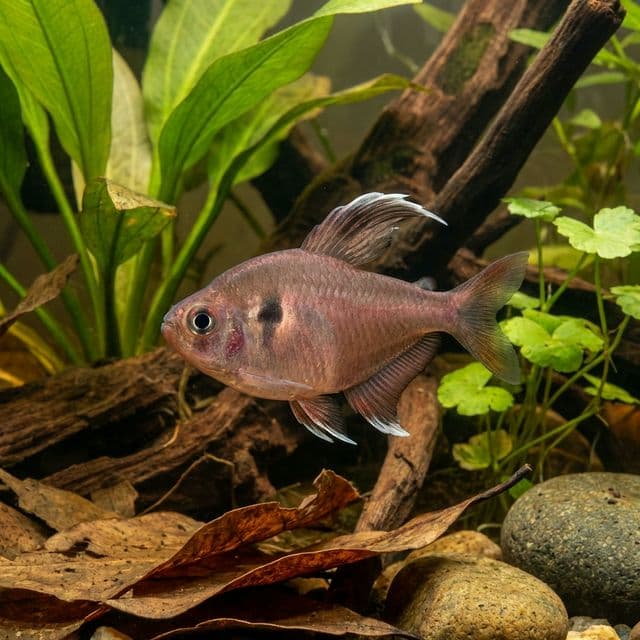
When selecting tank mates for the Candy Striped Plec L015, it’s crucial to choose compatible fish that can thrive in similar water conditions. Suitable companions include peaceful species such as tetras, rasboras, and smaller cichlids like Apistogramma. Additionally, species like Corydoras and other bottom-dwellers can coexist harmoniously with the Candy Striped Plec, allowing for a vibrant and balanced community tank.
Conversely, aggressive or fin-nipping species should be avoided as potential tank mates for the Candy Striped Plec. Fish such as large cichlids, certain barbs or aggressive catfish can display territorial behavior that may stress the Candy Striped Plec. Maintaining a peaceful community by carefully selecting compatible species will enhance the overall aquarium experience for both fish and aquarists alike.
Breeding
Breeding the Candy Striped Plec L015 in captivity can be a rewarding challenge for dedicated aquarists. These fish usually exhibit specific spawning behaviors, with males establishing territories and wooing females by displaying their unique colors and posturing. Successful breeding often requires a separate breeding tank that mimics their natural environment, including subdued lighting, ample hiding spots made from driftwood, and a well-maintained environment with stable water parameters.
To encourage spawning, provide a balanced diet rich in protein and ensure the water temperature is on the warmer side, around 26°C to 28°C (79°F to 82°F). Once a pair forms, the female will lay eggs in a hidden spot, usually within a cave or crevice. After spawning, the male takes on the responsibility of guarding and aerating the eggs until they hatch, typically within a few days. Monitoring and maintaining optimal conditions, along with observing their behavior during this time, can significantly enhance the likelihood of successful breeding.
Common Health Issues
Like all fish species, the Candy Striped Plec L015 can be susceptible to certain health issues, particularly if not provided with proper care. Common ailments include ich (Ichthyophthirius multifiliis), fin rot, and stress-related diseases. Ensuring a clean and stable environment will reduce the likelihood of these diseases, as maintaining ideal water parameters is essential to their health.
Prevention is key when it comes to keeping your Candy Striped Plec healthy. Regular water changes, efficient filtration, and monitoring for early signs of disease such as white spots, clamped fins, laboured breathing, or loss of appetite. Quarantine new fish before introduction, avoid copper-based treatments that can harm sensitive catfish, and keep driftwood available for natural grazing. Do not overstock the tank, and remove uneaten food promptly to protect water quality. A balanced diet and stable, clean water keep Candy Striped Plecs healthy, colourful, and active for the long term.