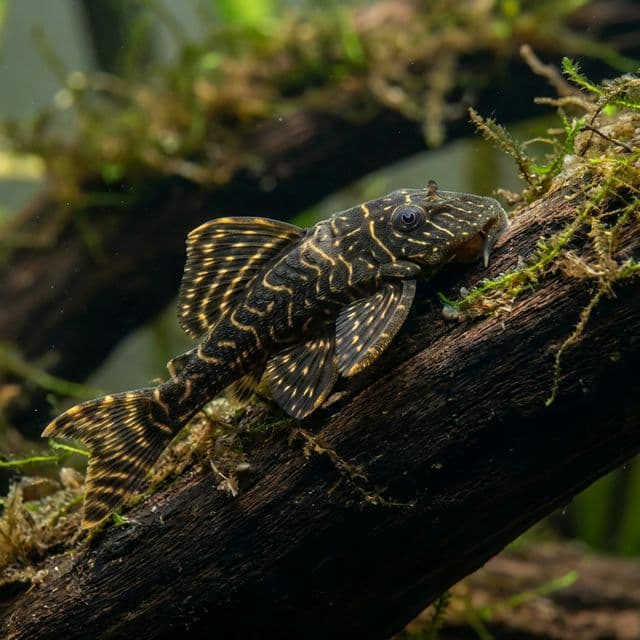
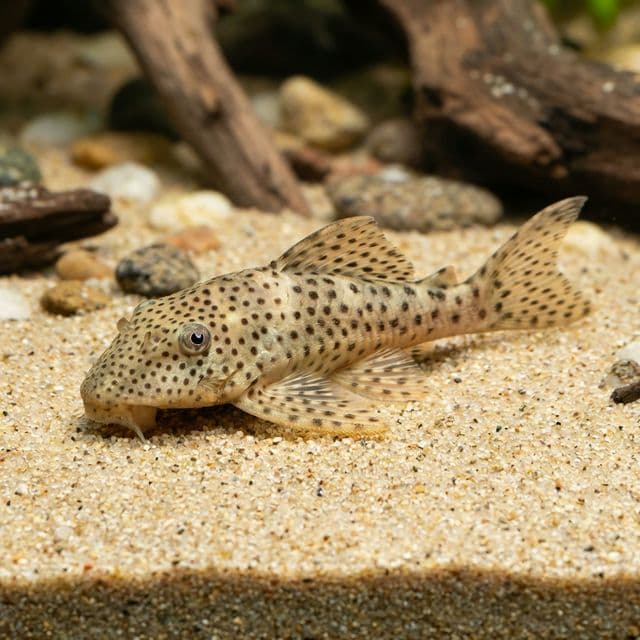
Flash Plec L204: Panaqolus albivermis
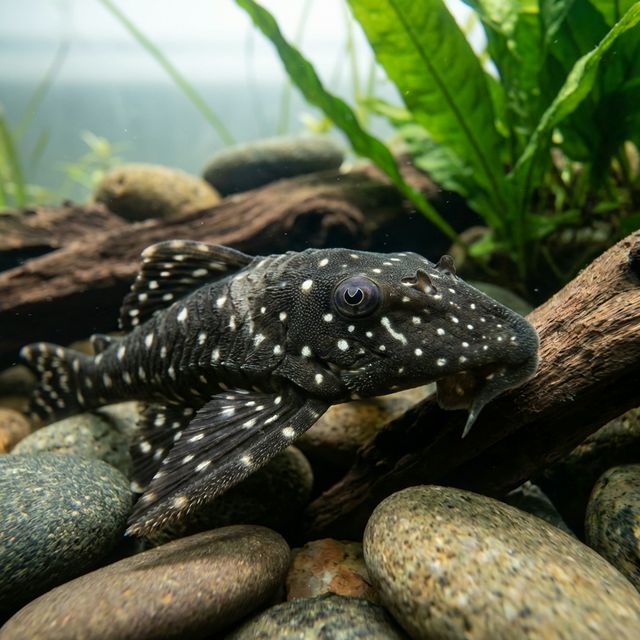
A beautiful dwarf pleco with fine black and white stripes. Easy to keep and breed.

Flash Plec L204
The Flash Plec L204, scientifically known as Panaqolus albivermis, is a striking species of freshwater catfish that has rapidly gained popularity among aquarists due to its stunning appearance and unique behaviors. Recognizable by its intricate patterns of white lines against a dark base, the Flash Plec exhibits a flashy coloration that makes it a centerpiece in planted or biotope aquariums. Mature specimens can showcase a dazzling display of markings, resulting in a visually appealing addition to any aquatic environment. Its striking looks not only contribute to its allure but also embody the diverse natural beauty found in South American river systems.
Beyond its aesthetic appeal, the Flash Plec L204 holds a significant place in the aquarium hobby for its unique feeding habits and ecological role. As a Loricariid catfish, it plays a vital role in controlling algae levels and maintaining water quality in both aquarium settings and its natural habitat. This fish prefers to graze on biofilm and detritus, contributing to the ecological balance of its environment. For aquarists, caring for the Flash Plec L204 can be an enriching experience, fostering understanding and appreciation of aquatic ecosystems while providing an opportunity to observe the intriguing behaviors of this captivating species.
Natural Habitat & Origin
The Flash Plec L204 hails from the rich waterways of South America, specifically the Amazon Basin in countries such as Brazil and Peru. Its preferred environments are characterized by diverse freshwater habitats, often found in blackwater rivers, streams, and floodplains that support dense plant life and underwater structures. These habitats provide essential hiding spots and grazing surfaces for the Flash Plec L204, allowing it to thrive in conditions rich in organic detritus and biofilm, which largely influence its feeding behavior.
These waters are typically soft and acidic, with low light penetration, creating a complex ecosystem that not only supports various aquatic life forms but also contributes to the distinct coloration and patterns of the Flash Plec. The presence of leaf litter, submerged wood, and dense vegetation in its natural environment is critical, as these elements provide both food sources and shelter for this species. Recognizing the ecological significance of these habitats is essential for responsible aquarists aiming to recreate a well-balanced environment for the Flash Plec L204 in captivity.
Care Requirements
To successfully care for the Flash Plec L204, achieving the proper water parameters and tank setup is crucial. Ideally, the aquarium should maintain a temperature range between 75°F and 82°F (24°C to 28°C), with a pH of 6.0 to 7.5 and a hardness of 2 to 15 dGH. These parameters closely mimic the conditions of the plec's natural habitat, promoting health and well-being. Regular water changes, along with efficient filtration, are necessary to maintain high water quality and low nitrate levels, which benefits the Flash Plec’s feeding behavior.
In terms of tank setup, a minimum tank size of 30 gallons is recommended to provide ample space for swimming and foraging. The substrate should consist of a fine sand or smooth gravel, allowing the fish to graze without injury. Lighting should be moderate to low, simulating the dappled light found in natural habitats. Dense plantings, along with driftwood and caves, create hiding spots and mimic natural structures, providing security for the Flash Plec. The addition of leaf litter can further enhance the aesthetic and ecological aspects of the tank while serving as a source of food.
Diet & Feeding
The Flash Plec L204 is primarily herbivorous, with a diet that consists of algae, plant matter, and biofilm in its natural habitat. In captivity, it thrives on a varied diet that includes high-quality sinking pellets, wafers, and flakes designed for herbivorous fish. Supplementing its diet with frozen foods like spirulina brine shrimp, blanched vegetables such as zucchini and cucumber, and occasional protein sources like bloodworms can promote optimal health. It is also beneficial to provide driftwood in the tank, as these fish enjoy rasping on it, which aids in digestion and helps maintain their dental health.
Feeding should occur once or twice a day, with care taken not to overfeed. It's essential to ensure any uneaten food is promptly removed, as residual food can lead to water quality issues. A diverse diet not only enhances the vitality of the Flash Plec L204 but also encourages natural behaviors, making it a lively and engaging addition to your aquarium.
Behavior & Temperament
The Flash Plec L204 is generally a peaceful and relatively solitary fish, though it can exhibit some social behaviors when kept in appropriate groups. Typically, it is best kept individually or in pairs, as multiple males may lead to territorial displays and fights. While they are not overly aggressive, they can sometimes be defensive of their chosen spots, particularly around caves or hiding places. These fish are primarily bottom-dwellers, often seen using their specialized mouths to graze along the substrate and scale the surfaces of tank decor.
In terms of placement within the tank, the Flash Plec benefits from a spacious environment with ample floor space. While they often inhabit the lower levels of the aquarium, they may occasionally ascend to mid-levels during feeding or exploration. Providing various hiding spots and territorial dividers like driftwood will ensure a stress-free environment, promoting natural behavior and a healthy living space.
Tank Mates
Finding compatible tank mates for the Flash Plec L204 requires consideration of temperament and environmental needs. Ideal companions include peaceful species such as Tetras, Rasboras, Angelfish, and other soft-water, schooling fish that inhabit the mid to upper levels of the aquarium. Other suitable tank mates may include peaceful Loricariids or small Species of Cichlids that do not exhibit aggressive behavior toward bottom dwellers.
However, avoid housing the Flash Plec L204 with overly aggressive species, larger cichlids, or fish known to nip fins, as these can stress the Flash Plec and lead to health issues. Additionally, it’s important to ensure that larger, boisterous tank mates don’t monopolize feeding opportunities, especially since the Flash Plec primarily forages near the substrate.
Breeding
Breeding the Flash Plec L204 in captivity can be a rewarding challenge, although successful spawning requires specific conditions. Typically, this species is encouraged to breed during the rainy season in their natural habitat, which can be replicated in an aquarium setting by simulating a drop in water temperature and increasing water flow. Lowering the water level slightly and introducing fine-leaved plants or spawning mops can also prompt natural breeding behaviors.
During the courtship ritual, males exhibit territorial behaviors and attract females to their chosen spawning site, often within caves or under driftwood. After spawning, the female will lay eggs, which the male fertilizes and subsequently guards and aerates. It’s essential to ensure a separate breeding tank to prevent adult fish from eating the eggs or fry. Water conditions must be maintained with specific parameters of soft, acidic water, similar to their natural habitat, to support the health and growth of the fry.
Common Health Issues
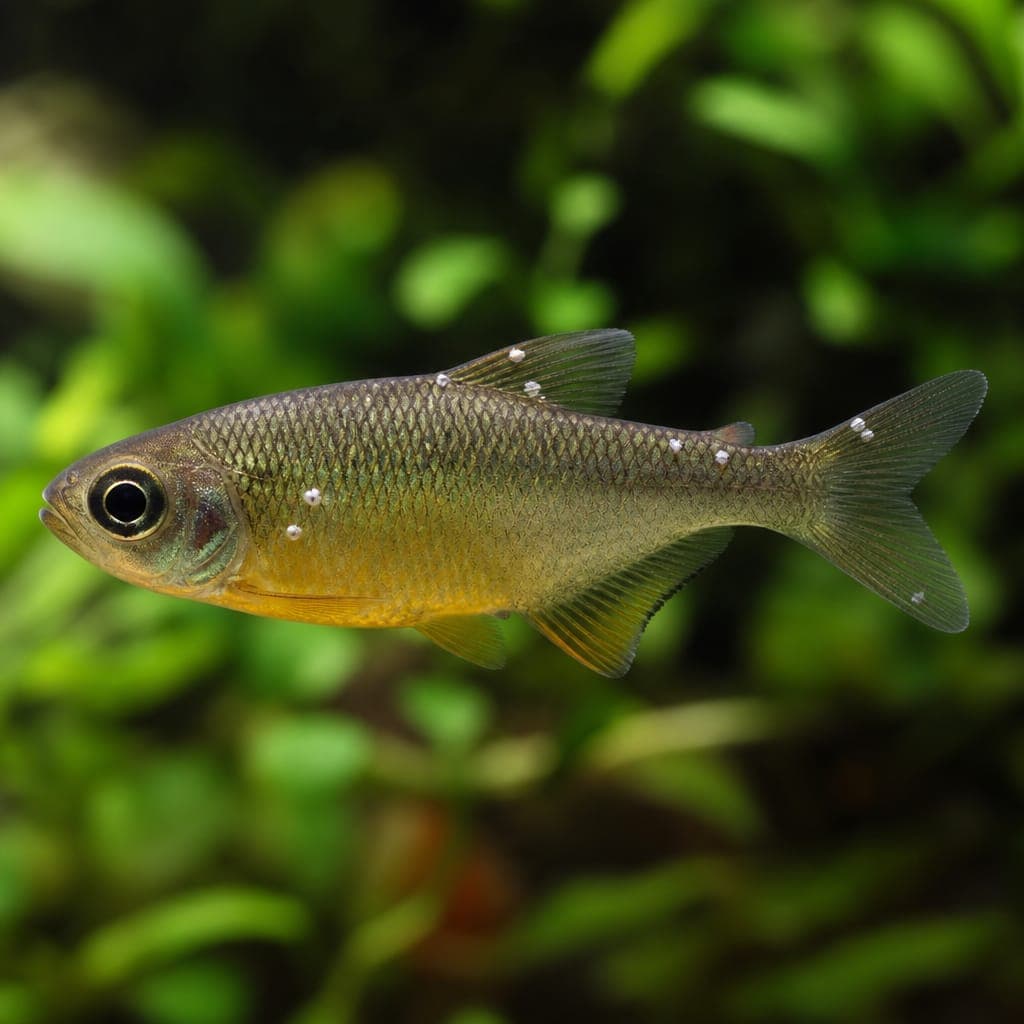
The Flash Plec L204 is generally a hardy species, but like all aquarium fish, it can be susceptible to specific health issues. Common ailments include ich (white spot disease), fin rot, and various parasitic infections. To mitigate these risks, maintain excellent water quality with regular changes, stable soft water, and a clean substrate. Quarantine new fish and avoid overcrowding or aggressive tank mates. Provide plenty of driftwood and a varied herbivorous diet to support digestion and immunity. Prompt treatment and attentive care keep Flash Plecs healthy grazers for years.