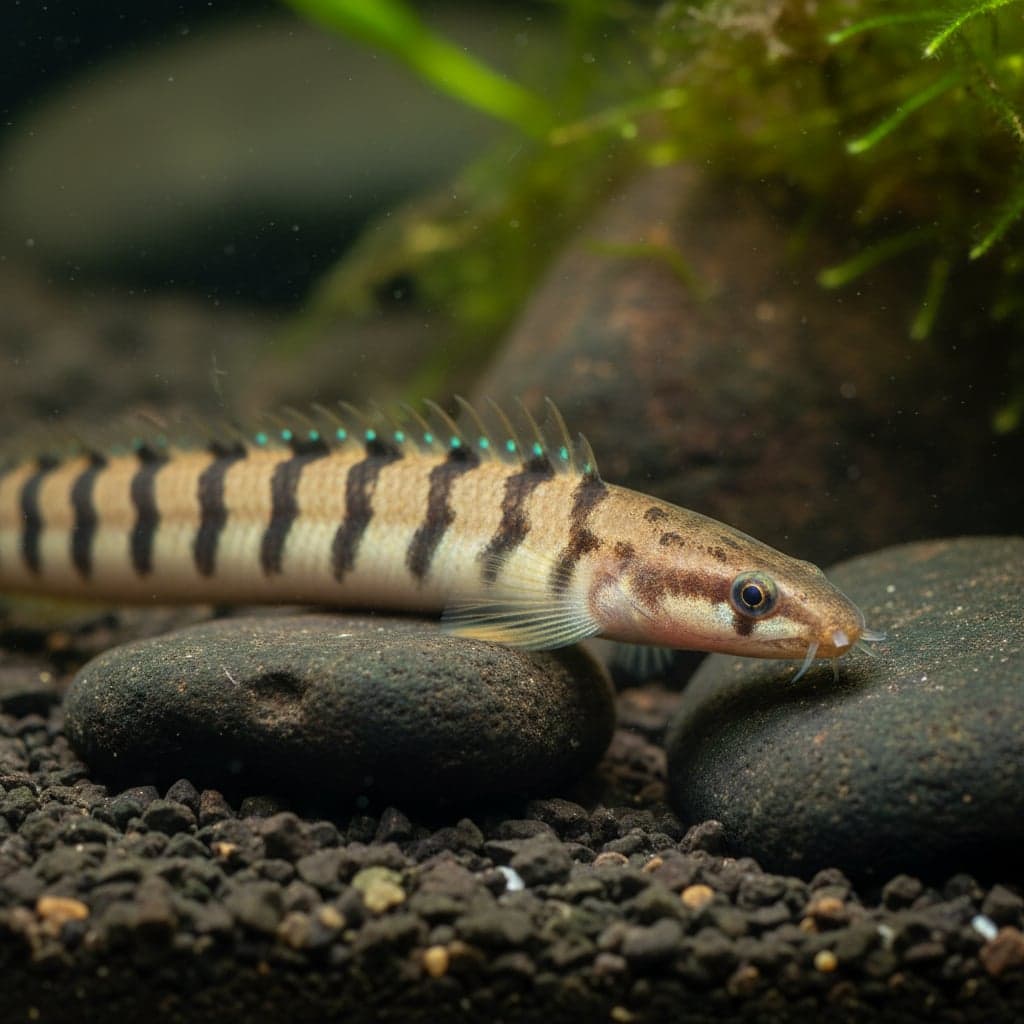
Spot-tailed Clown Plec L206: Panaqolus sp. L206
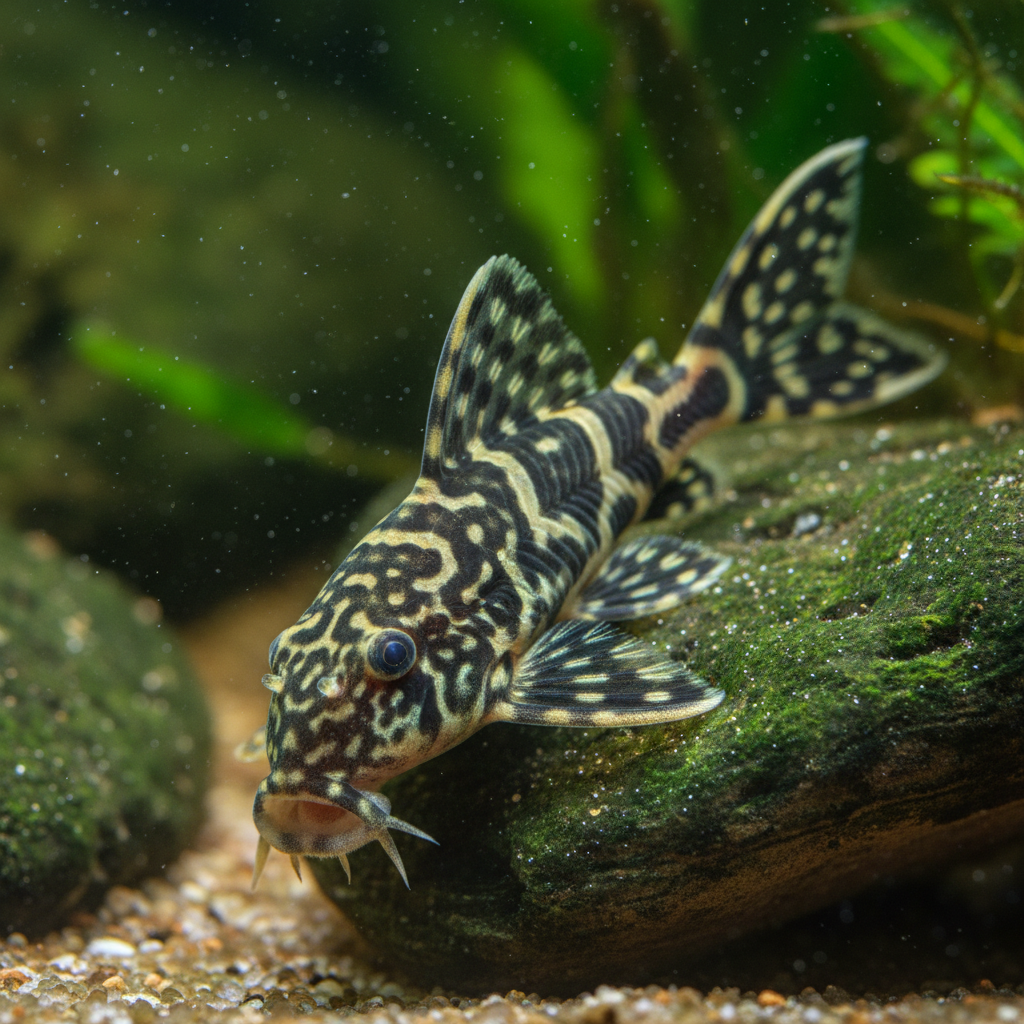
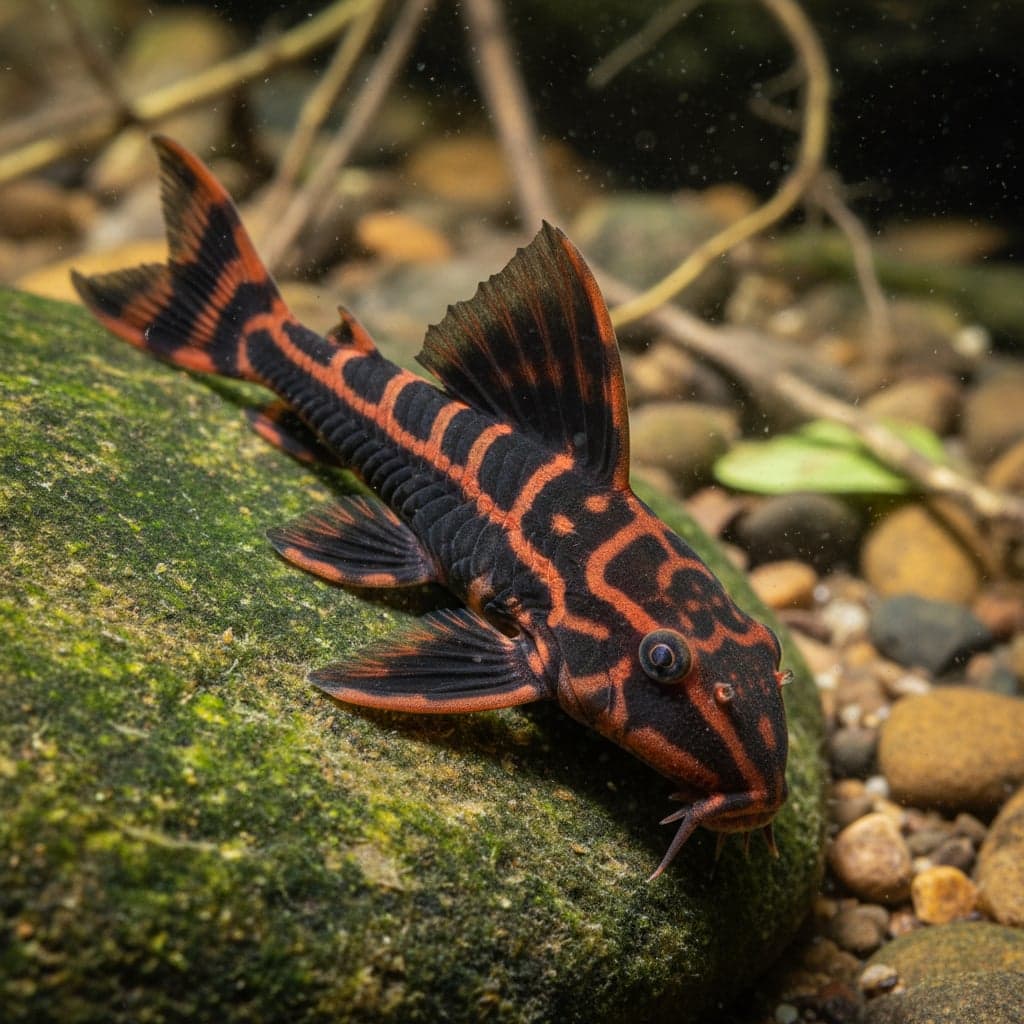
A spectacularly beautiful, miniature wood-eating pleco vividly decorated with thick brown banding and a spotted tail.

Spot-tailed Clown Plec L206
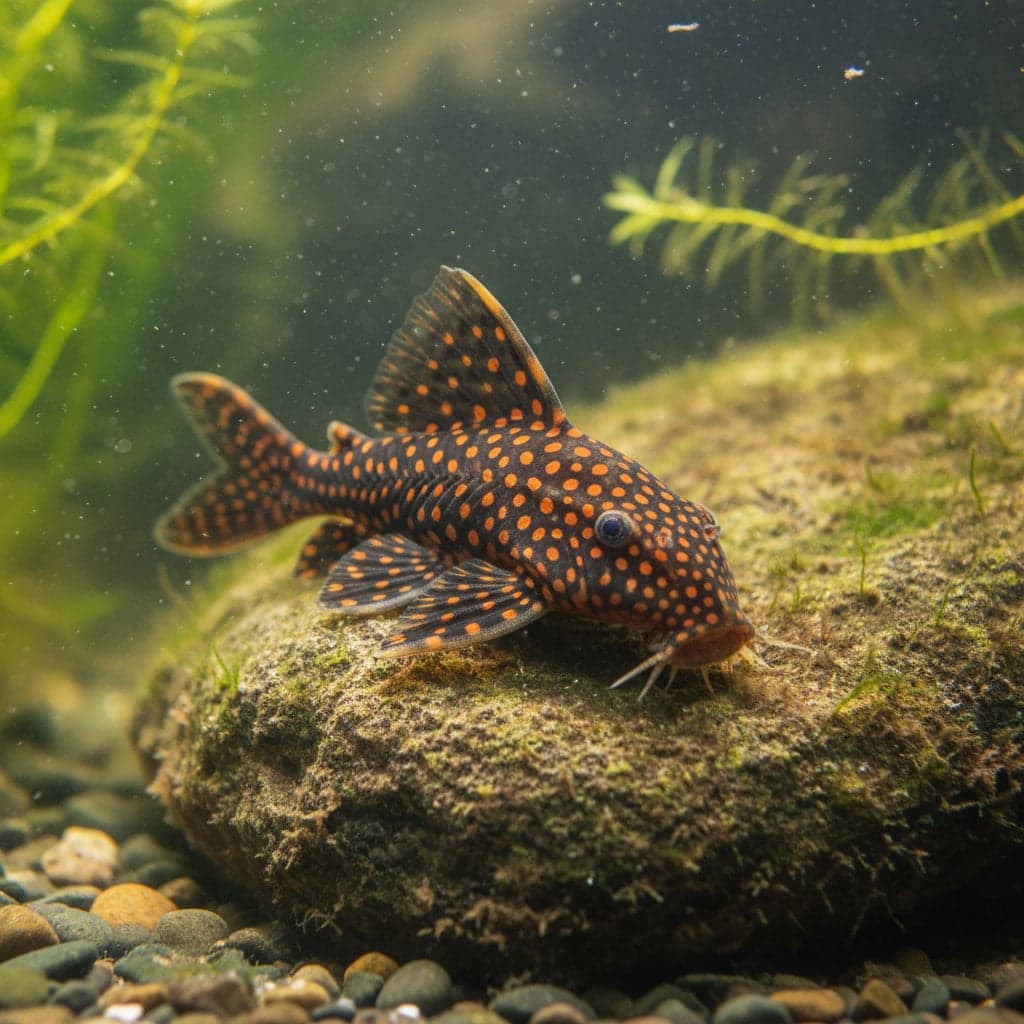
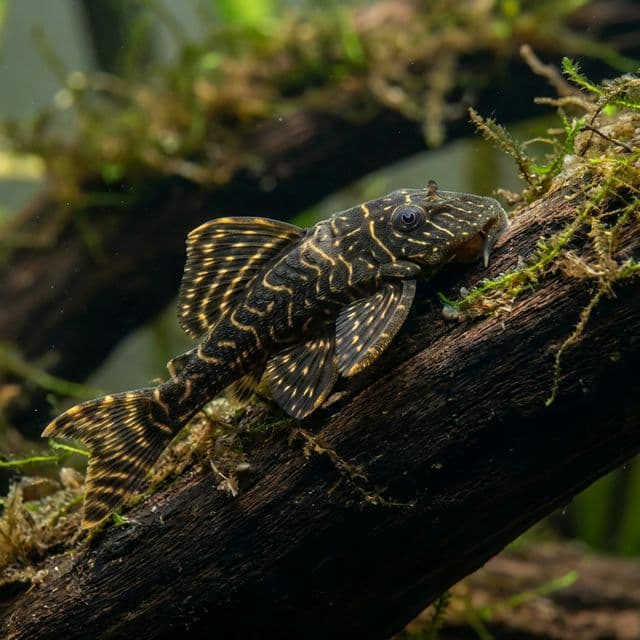
The Spot-tailed Clown Plec L206, scientifically known as Panaqolus sp. L206, is a captivating and unique species of freshwater fish that has gained substantial popularity in the aquarium hobby due to its striking appearance and interesting behavior. This species is known for its distinctive pattern of yellow or golden spots against a dark brown or black body, which not only enhances its visual appeal but also makes it a stunning addition to aquascapes. The Spot-tailed Clown Plec typically reaches about 4-5 inches in length, making it a manageable size for many home aquarium setups, while its playful antics and inquisitive nature further endear it to aquarists.
Beyond its aesthetic value, the Spot-tailed Clown Plec L206 is significant in the aquarium hobby for its role in promoting biodiversity awareness. This species showcases the beauty of the aquatic ecosystems of South America, inspiring aquarium enthusiasts to learn about conservation efforts. Furthermore, its specific care requirements provide an excellent opportunity for hobbyists to deepen their understanding of maintaining water quality and creating enriching habitats for their aquatic pets, enhancing the overall experience of home aquariums.
Natural Habitat & Origin
The Spot-tailed Clown Plec is native to the blackwater rivers and streams of the Amazon Basin in South America, particularly found in regions of Brazil and Peru. These habitats are characterized by their soft, acidic waters rich in organic material, which contribute to the dark coloration of the water. The dense vegetation and leaf litter that abound in these environments provide both shelter and a natural source of food for the Spot-tailed Clown Plec, as they are known to graze on algae and detritus found on submerged surfaces. This species thrives in areas with slow-moving water and plenty of hiding spots, highlighting the importance of replicating such environmental elements in captivity to ensure their health and well-being.
Care Requirements
To ensure the well-being of the Spot-tailed Clown Plec L206, specific water parameters must be maintained. Ideally, the water pH should be in the range of 6.0 to 7.5, with a temperature between 75°F to 82°F (24°C to 28°C) and a hardness of 2-15 dGH. The minimum tank size should be around 30 gallons, as these fish thrive in spacious environments that allow for exploration. Substrate choices should favor sandy or fine gravel, providing a comfortable bottom layer where the plec can forage for food. Low to moderate lighting is recommended, as excessive illumination can encourage algae overgrowth, which may inhibit the fish's ability to forage effectively. Incorporating a variety of hiding spots through the use of driftwood, caves, and live or artificial plants will create a more natural and secure environment for the Spot-tailed Clown Plec.
Diet & Feeding
The Spot-tailed Clown Plec is a primarily herbivorous fish, making them a vital contributor to algae control in a community tank. Their diet should be mainly consisting of high-quality sinking pellets, which are specially formulated for plecos, supplemented with a variety of greens such as blanched zucchini, spinach, and other leafy vegetables. While they are not strict omnivores, including occasional protein sources like frozen or live foods (such as bloodworms or brine shrimp) can be beneficial for their health. It’s recommended to provide a balanced diet, ensuring that at least a portion of their food mimics their natural herbivorous habits, which significantly contributes to their overall well-being and coloration.
Behavior & Temperament
The Spot-tailed Clown Plec L206 is generally known for its peaceful demeanor, making it a suitable addition to community aquariums. While they are not schooling fish, they tend to thrive when kept in pairs or small groups and are best suited for environments that allow them to establish their own territory. They commonly display a bottom-dwelling behavior, spending most of their time exploring and grazing along the substrate and driftwood. While they are not aggressive, they can exhibit territorial tendencies towards their own kind, particularly males, so it’s essential to provide ample hiding spaces in your aquarium to minimize potential conflicts. Vertical placements like driftwood structures can offer additional climbing opportunities, allowing these fish to explore different levels of the tank.
Tank Mates
When choosing compatible tank mates for the Spot-tailed Clown Plec L206, it is advisable to select peaceful species that thrive in similar water conditions. Suitable companions include small to medium-sized tetras, rasboras, and peaceful cichlids like dwarf cichlids or Apistogrammas. Additionally, characins and cats like Corydoras can cohabit harmoniously in the same aquarium environment. Conversely, species that exhibit aggressive or fin-nipping behaviors, such as bettas or larger cichlids, should be avoided, as they can stress the Spot-tailed Clown Plec and potentially lead to health complications.
Breeding
Breeding the Spot-tailed Clown Plec L206 in captivity can be a challenging yet rewarding endeavor, as these fish require specific conditions for successful spawning. To facilitate breeding, provide a dedicated breeding tank with a dark substrate, plenty of hiding spots, and slightly lower water temperature (around 75°F-78°F) and soft, acidic conditions. Provide a spawning cave or flat surface where the female can lay her eggs, as these plecos are cavity spawners. Once the eggs are laid, the male will typically guard and aerate them until they hatch. Fry should be fed a diet of finely crushed flakes or specialized fry food to ensure proper growth during their early development stage.
Common Health Issues
The Spot-tailed Clown Plec L206 can be prone to several health issues commonly seen across freshwater fish. Some of the more prevalent concerns include ich (white spot disease), fin rot, and internal parasites. Prevention techniques involve maintaining optimal water quality through regular testing and partial water changes, as well as employing a varied and balanced diet for enhanced immune support. Observing the fish for any signs of distress or illness and promptly quarantining any affected specimens can assist in managing health issues effectively and preventing them from spreading. Regular observation and proactive care will help maintain the overall health and longevity of your Spot-tailed Clown Plec.