Wormline Plec L121/L305: Peckoltia braueri
A beautifully patterned dwarf pleco featuring intricate worm-like lines across its body, making it a favorite for smaller community tanks.
Also known as: L121 pleco · L-121 · L121 · Peckoltia braueri
Wormline Plec L121/L305
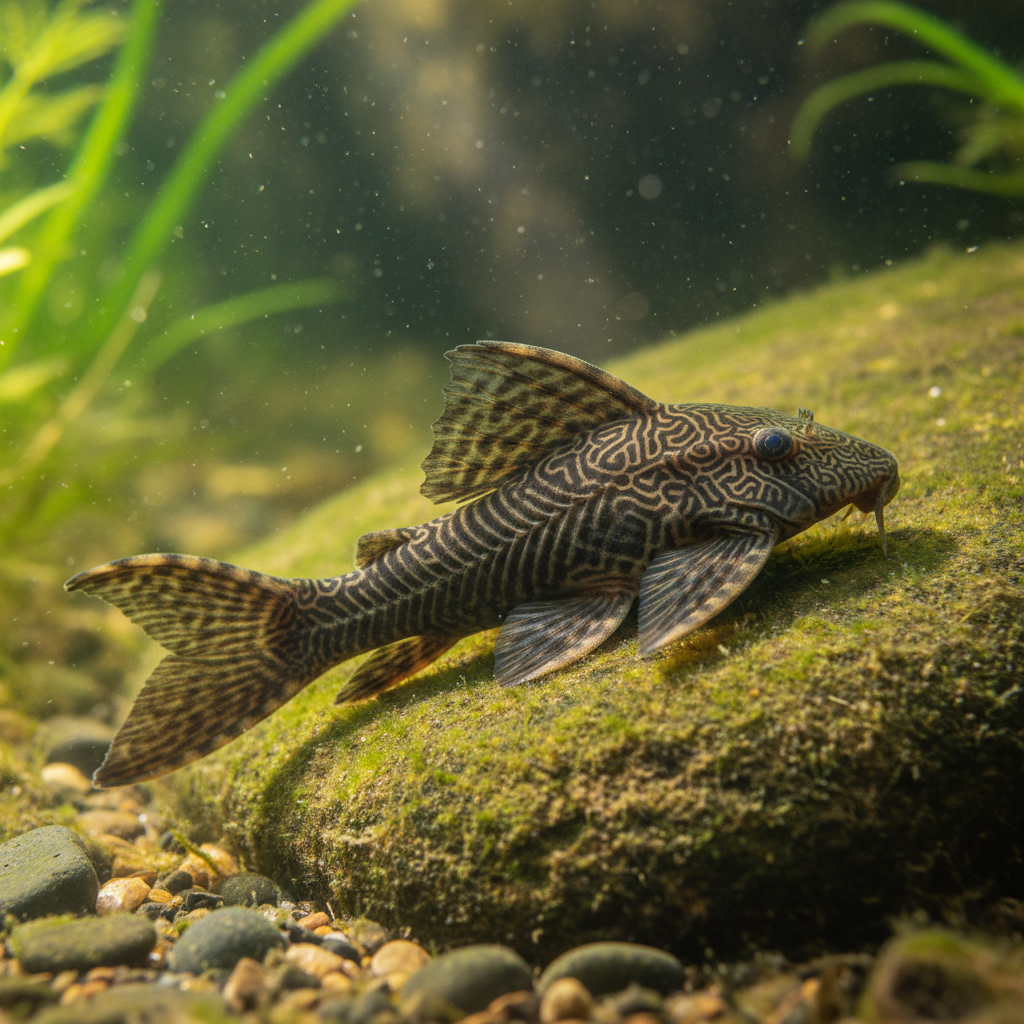
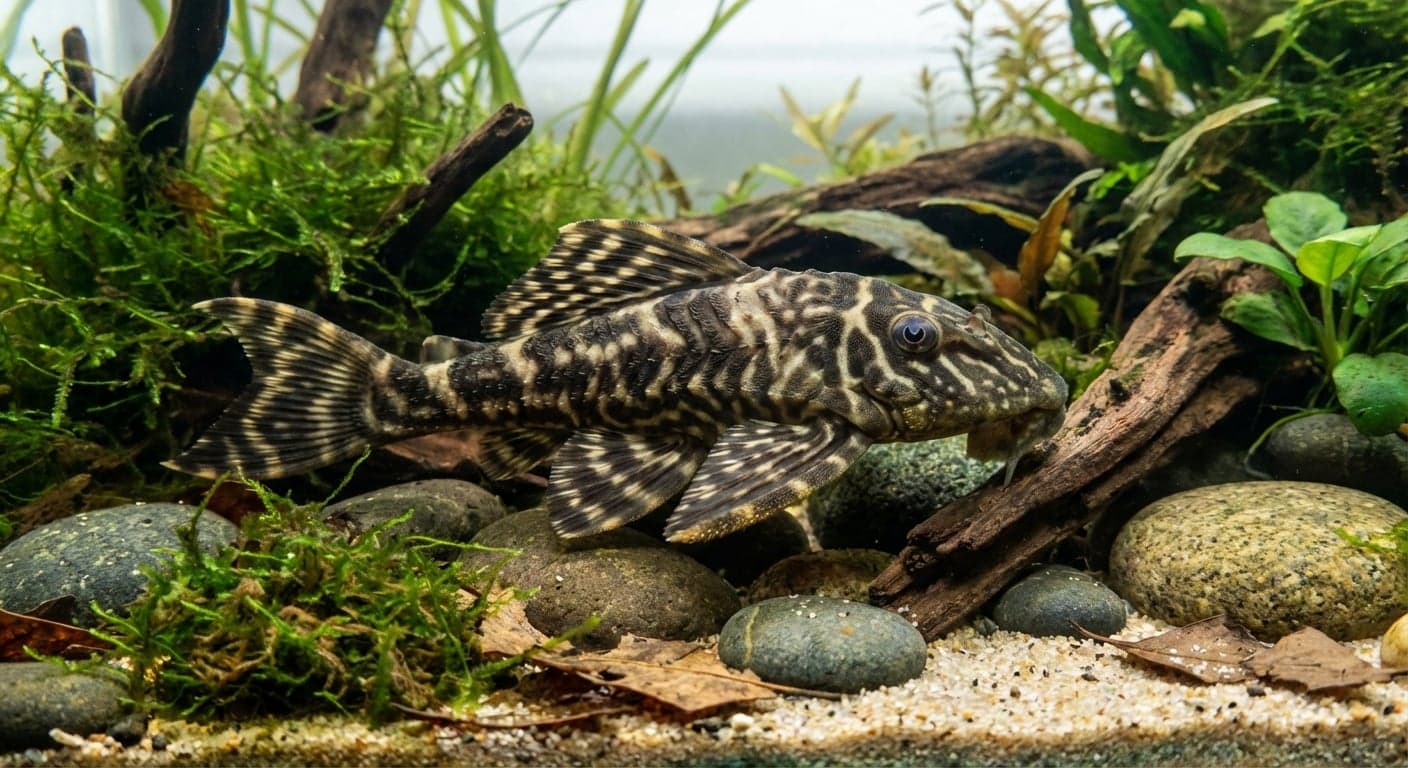
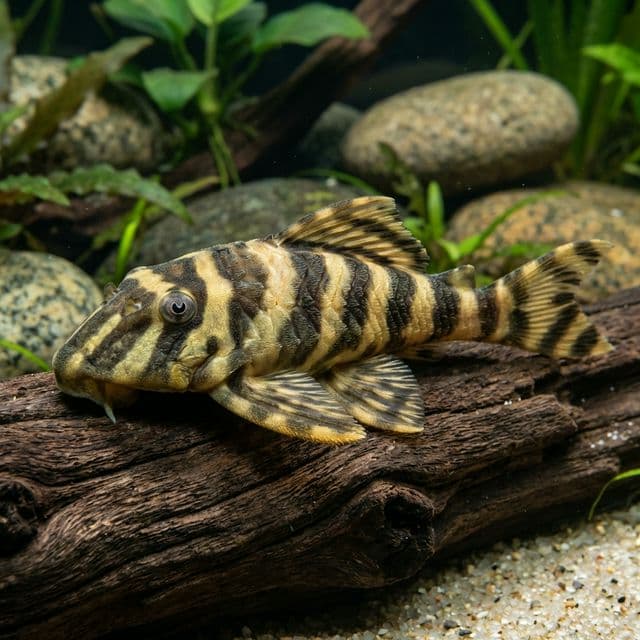
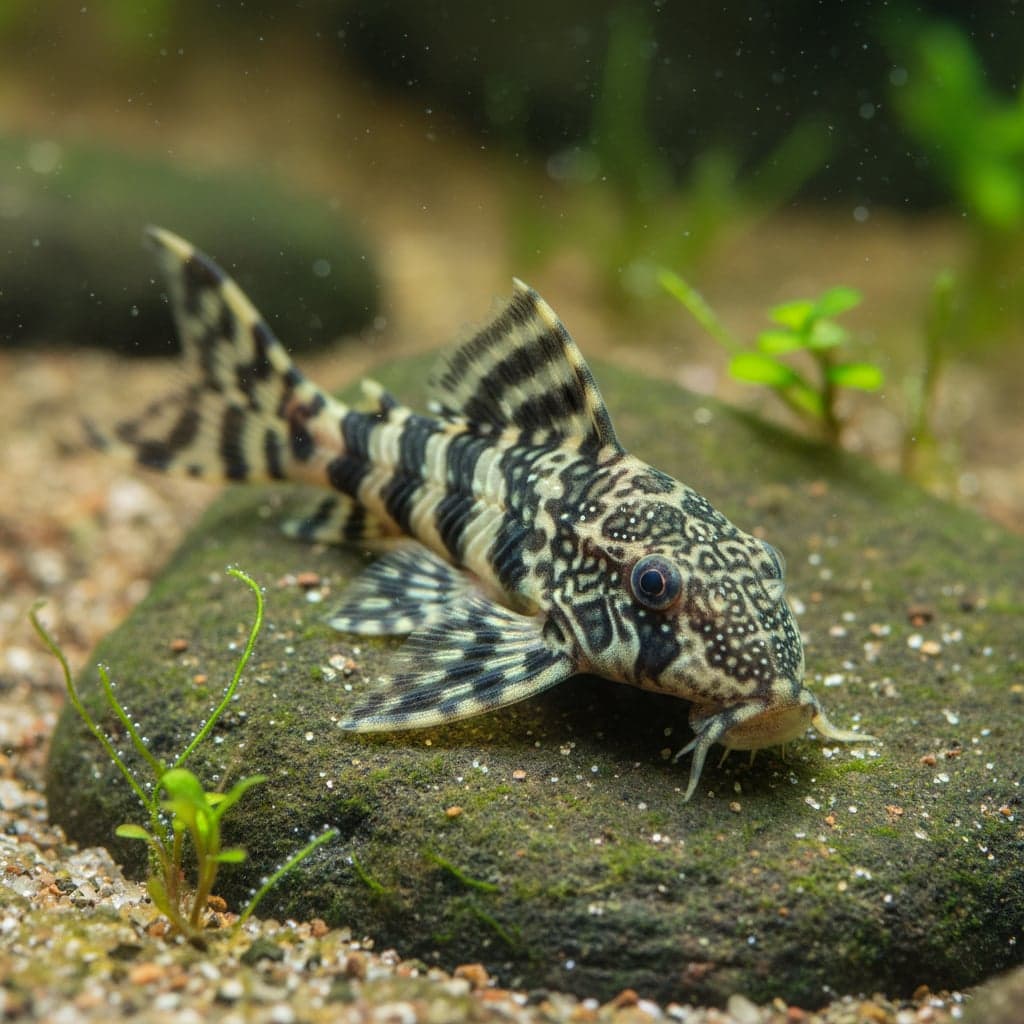
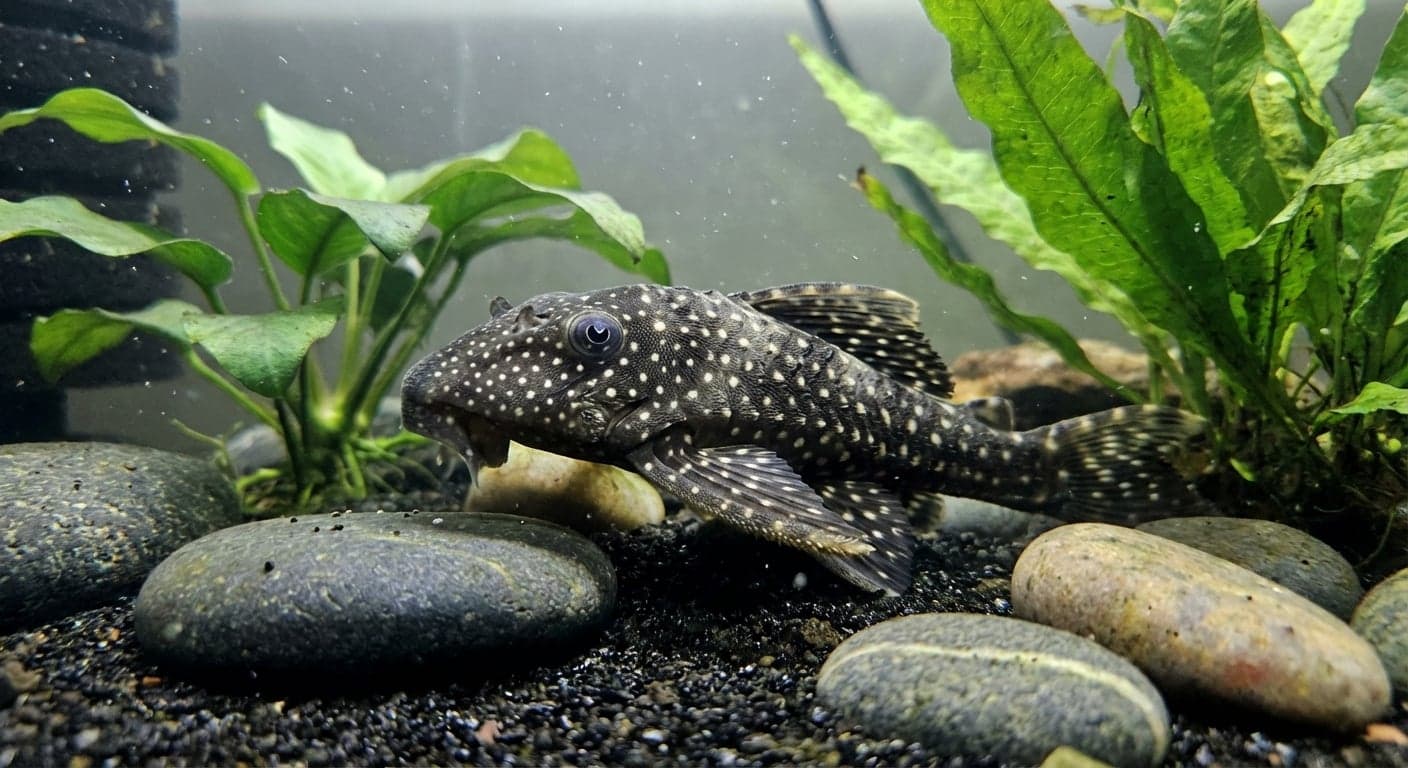
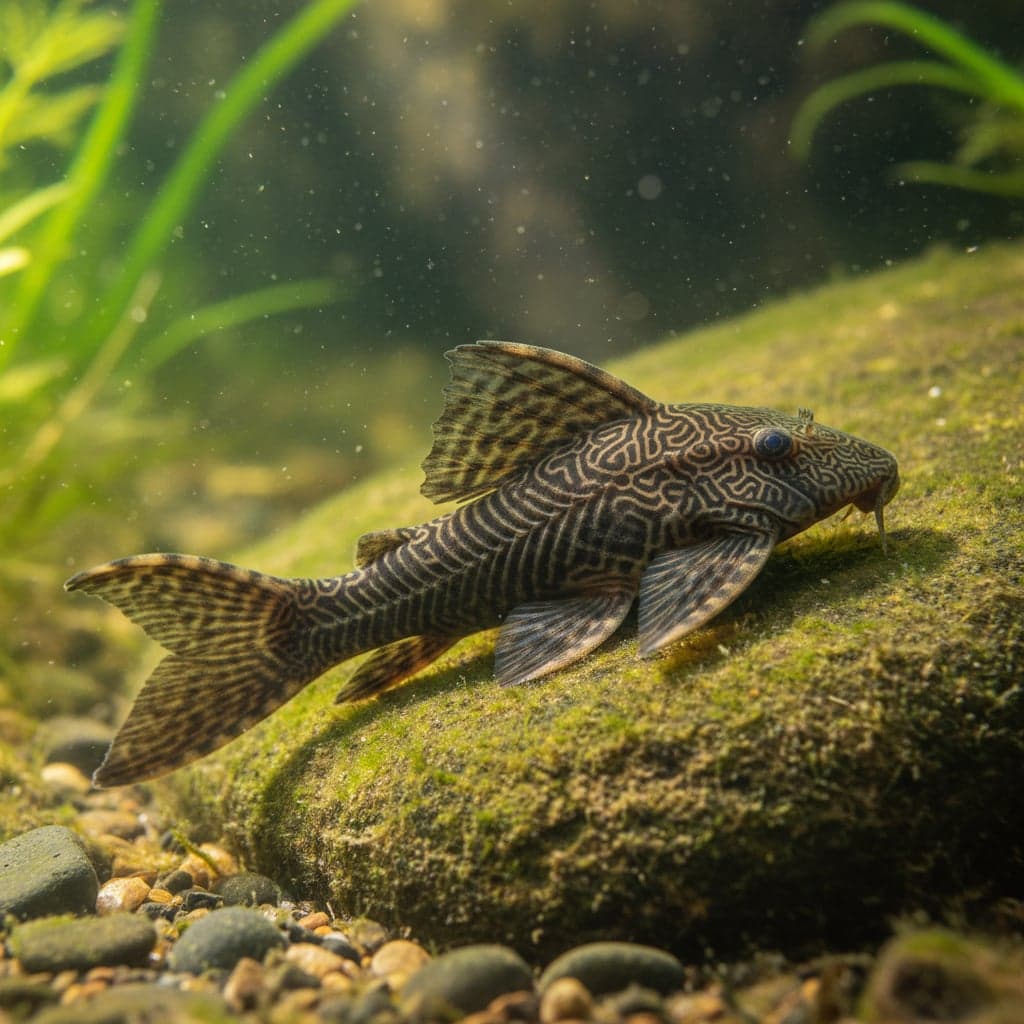
The Wormline Plec, scientifically known as Peckoltia braueri, is a unique and visually striking freshwater fish that has garnered attention among aquarium enthusiasts. This species is characterized by its elongated body and intricate pattern of stripes, resembling a worm-like design, which differentiates it from other plecos. The base coloration typically ranges from a light tan to a rich brown, with its striking black stripes offering a stunning contrast that enhances its appeal. This pleco not only serves as an aesthetic addition to aquariums but also plays a crucial role in promoting a balanced ecosystem by helping to manage algae growth.
In the aquarium hobby, the Wormline Plec L121/L305 holds significance as a sought-after species for aquarists looking to add diversity to their tank setup. Known for its peaceful nature and adaptability, this fish can thrive in a range of setups while offering the benefits of algae control. Its captivating appearance and engaging behaviors make it a favorite among collectors and hobbyists, contributing to its popularity in aquatic communities.
Natural Habitat & Origin
The Wormline Plec is native to the fast-flowing waters of the Rio Xingu River basin in Brazil. This region is known for its clear, warm waters with significant amounts of submerged wood and vegetation, providing a rich and diverse habitat. Peat-rich blackwater habitats host this species, which is crucial for the health of the Wormline Plec, as they thrive in soft, slightly acidic waters. The presence of leaf litter and natural cover aids in their survival, supporting their omnivorous diet while providing shelter from potential predators.
Due to its specific environmental requirements, the Wormline Plec is often found in habitats where the water is not only low in alkalinity but also rich in dissolved organic material. Being a species adapted to this particular ecological niche, understanding its natural habitat helps aquarists create optimal conditions for its long-term health and well-being in captivity.
Care Requirements
The care requirements for the Wormline Plec L121/L305 include precise water parameters and tank setup, ensuring a stable environment reflecting its natural conditions. Ideal water parameters for this fish include a pH of 6.0 to 7.5, a temperature range of 75°F to 82°F (24°C to 28°C), and a hardness level of 2–10 dGH. Maintaining these parameters is crucial, as fluctuations can lead to stress and health issues.
For tank setup, a minimum aquarium size of 30 gallons is recommended, providing ample space for swimming and exploring. The substrate should consist of fine sand or soft gravel to protect their delicate bodies. Adding driftwood, caves, and plants offers essential hiding spots and promotes natural behaviors. Lighting should be moderate to low, as Wormline Plecs prefer shaded areas that mimic their natural habitat and reduce stress levels.
Diet & Feeding
The Wormline Plec is an omnivorous species, making it relatively easy to feed in a home aquarium. Its diet primarily consists of algae, decaying plant matter, and small invertebrates found in its natural habitat. A varied diet is crucial for its health; therefore, it's recommended to provide high-quality sinking pellets or wafers specifically formulated for herbivorous fish. In addition to pellets, supplementing their diet with blanched vegetables like zucchini, cucumbers, and leafy greens will ensure a balanced nutrition profile.
Frozen or live foods such as bloodworms and brine shrimp can be offered occasionally to enhance dietary diversity and encourage natural hunting behaviors. It's essential to avoid overfeeding, as uneaten food can pollute the water and lead to health problems.
Behavior & Temperament
In terms of behavior, the Wormline Plec L121/L305 is generally peaceful and can coexist well with many aquarium species. This fish is somewhat territorial, especially in smaller tanks, and it will establish a pecking order, although it rarely exhibits aggression. Wormline Plecs are not schooling fish but can be seen grazing on surfaces and seeking shelter among decorations or driftwood.
This species mostly prefers to occupy the bottom layers of the tank, making it ideal for bottom-dweller companionship. They are also known to be relatively nocturnal, displaying more activity during the evening hours when they forage for food and explore their surroundings.
Tank Mates
Finding suitable tank mates for the Wormline Plec requires careful consideration of its peaceful temperament. Compatible species include other peaceful bottom dwellers like Corydoras catfish, smaller tetras, and livebearers such as guppies. Additionally, certain medium-sized cichlids can be appropriate, provided they are not overly aggressive.
It's best to avoid housing the Wormline Plec with overly territorial or aggressive species, including larger cichlids and some barbs, which may stress the pleco and lead to conflicts. Keeping them in a well-planted setup with plenty of hiding spots will also create a serene community environment.
Breeding
Breeding the Wormline Plec L121/L305 in captivity can be a rewarding experience, though it requires specific conditions to encourage spawning behavior. These fish typically breed in isolated caves or amongst dense vegetation, mimicking their natural reproductive habitat. To initiate breeding, a separated breeding tank with ideal parameters—such as slightly cooler temperatures and increased water flow—can stimulate spawning conditions.
When ready to spawn, the female will lay eggs on flat surfaces or within the cave, with the male taking responsibility for guarding and aerating the eggs. After a few days, the fry will hatch and require a carefully monitored environment to thrive, along with suitable infusoria or finely crushed flakes for initial feeding. Wild-caught specimens may take longer to adapt to breeding in captivity, requiring patience and consistent environmental conditions.
Common Health Issues
Though generally hardy, the Wormline Plec L121/L305 can be susceptible to common freshwater fish diseases such as ich (Ichthyophthirius multifiliis) and fin rot, particularly if water quality deteriorates. Regular water changes and maintaining stable parameters can help prevent these issues.
To further safeguard their health, ensure that they are not stressed by aggressive tank mates and provide a balanced diet. Quarantine new fish before introducing them into the main tank and ensure that the tank is adequately cycled to reduce the risk of diseases. Regular monitoring for any signs of illness, including changes in behavior or deterioration in physical appearance, will go a long way in maintaining a healthy environment.