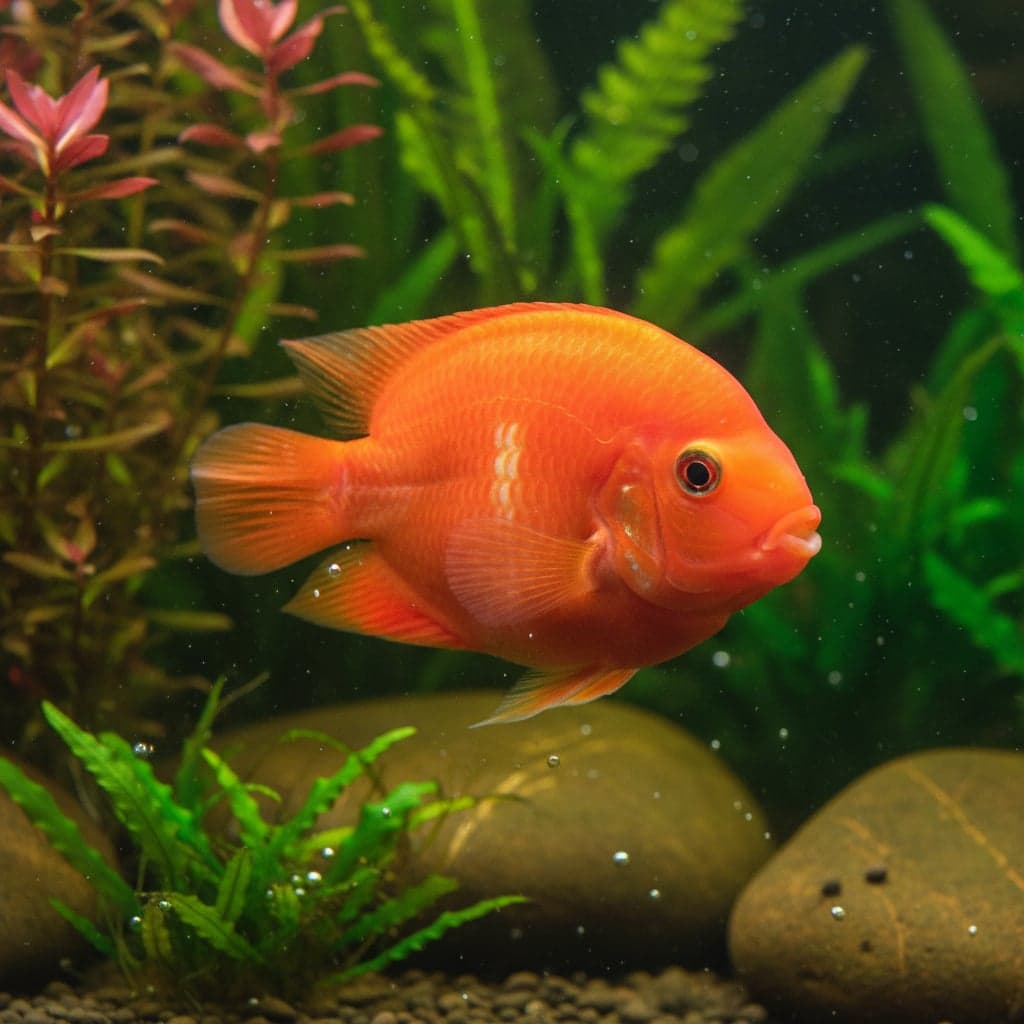
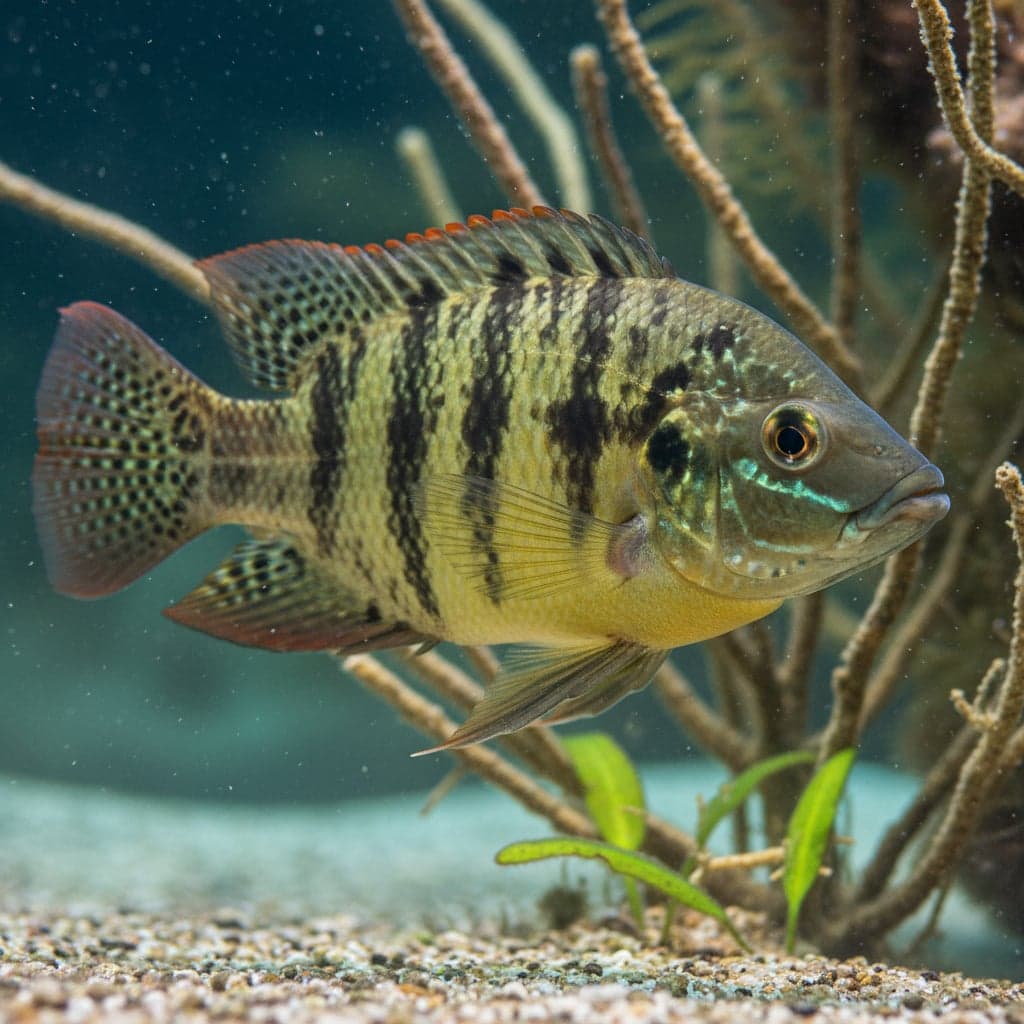
Polar Blue Parrot Convict: Amatitlania nigrofasciata x (Hybrid)
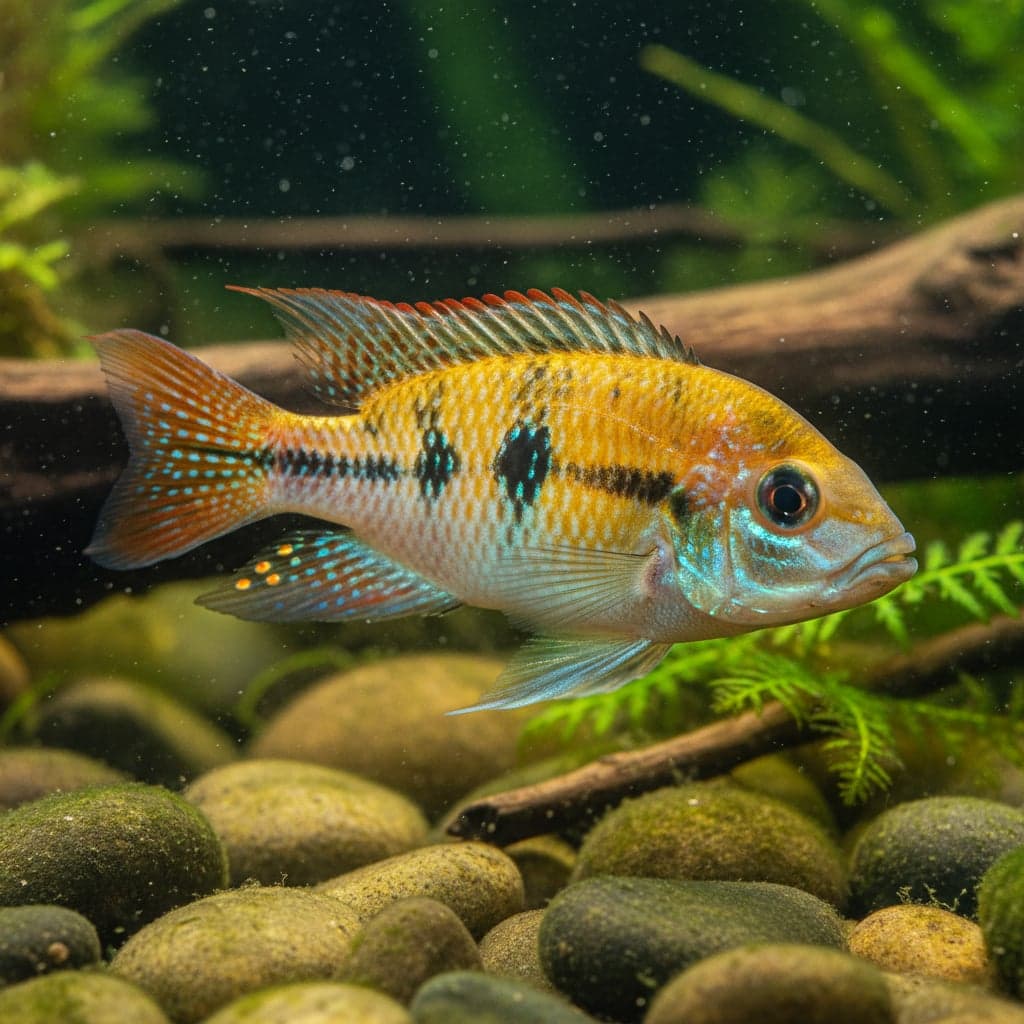
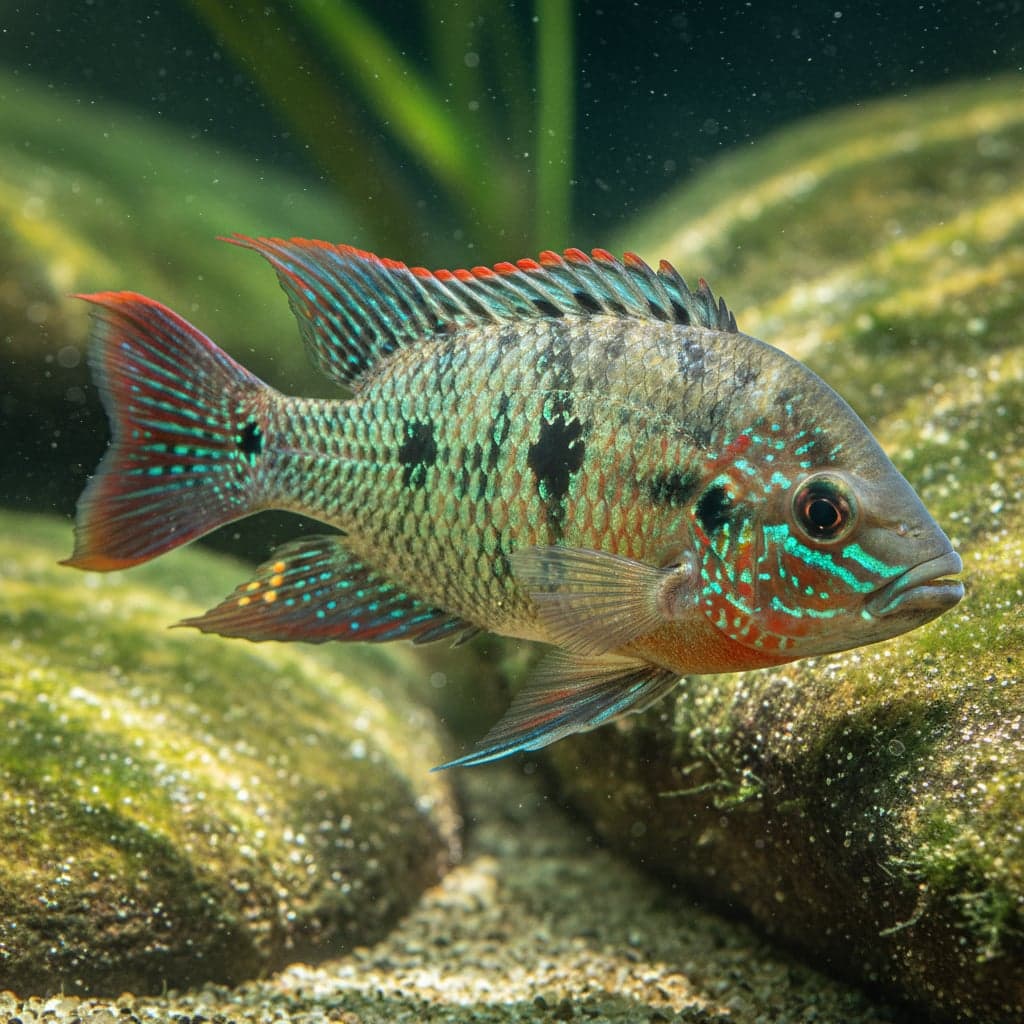
A deeply controversial, balloon-bodied hybrid featuring the classic black-and-silver stripes of a Convict Cichlid on an impossibly round body.
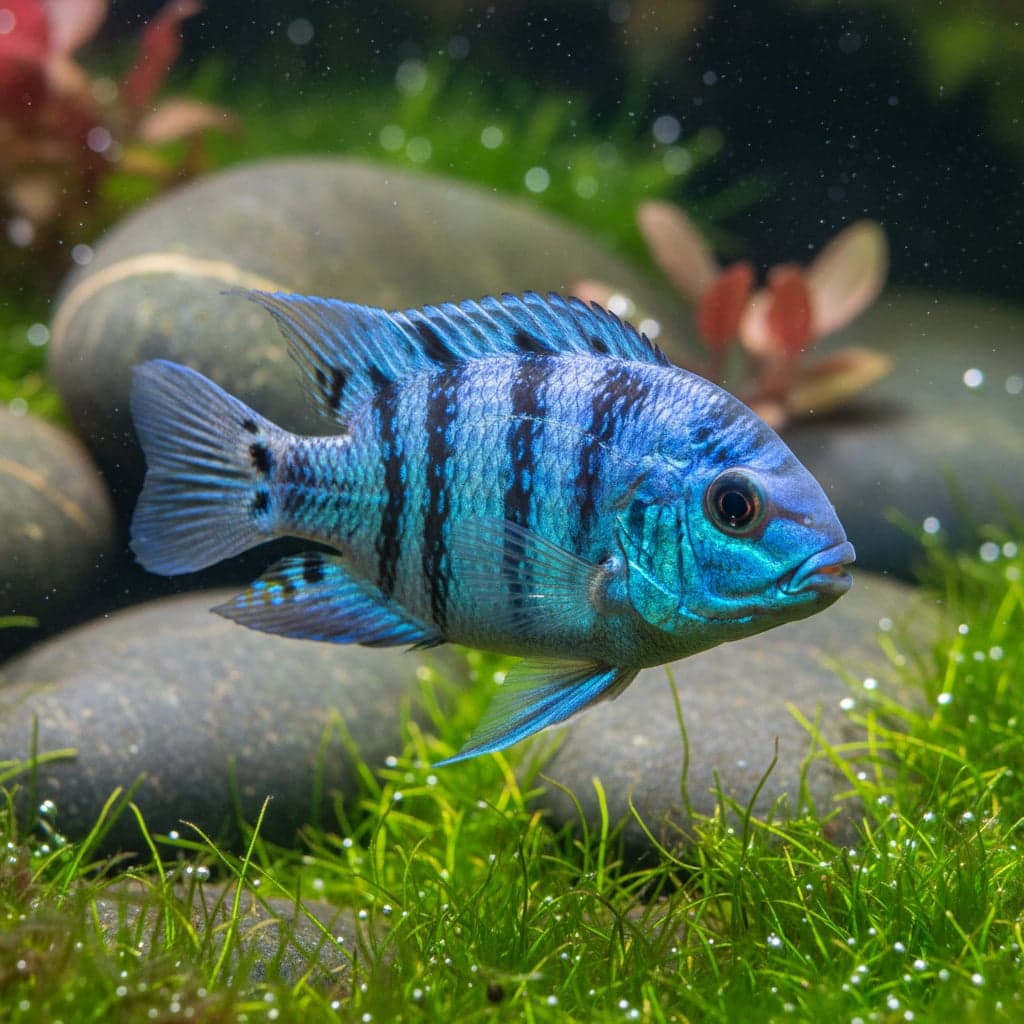
Polar Blue Parrot Convict
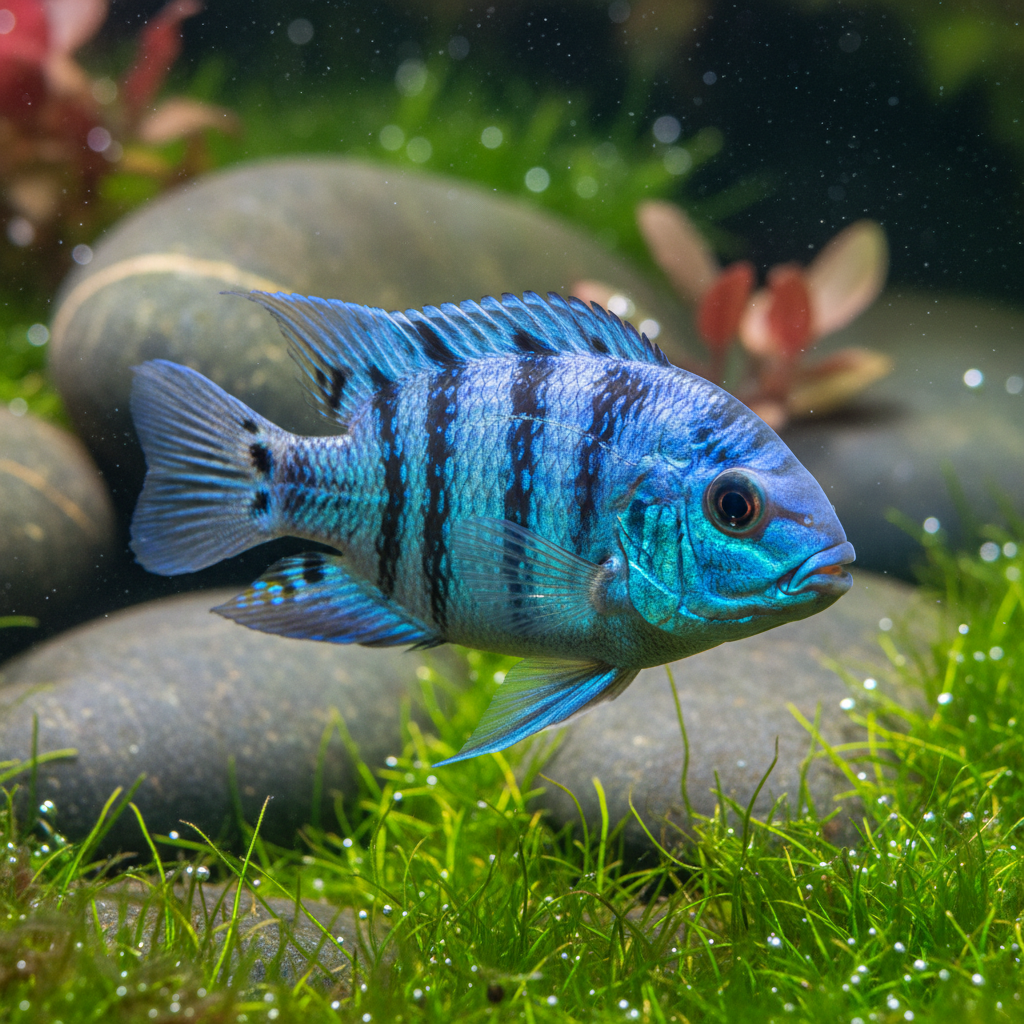
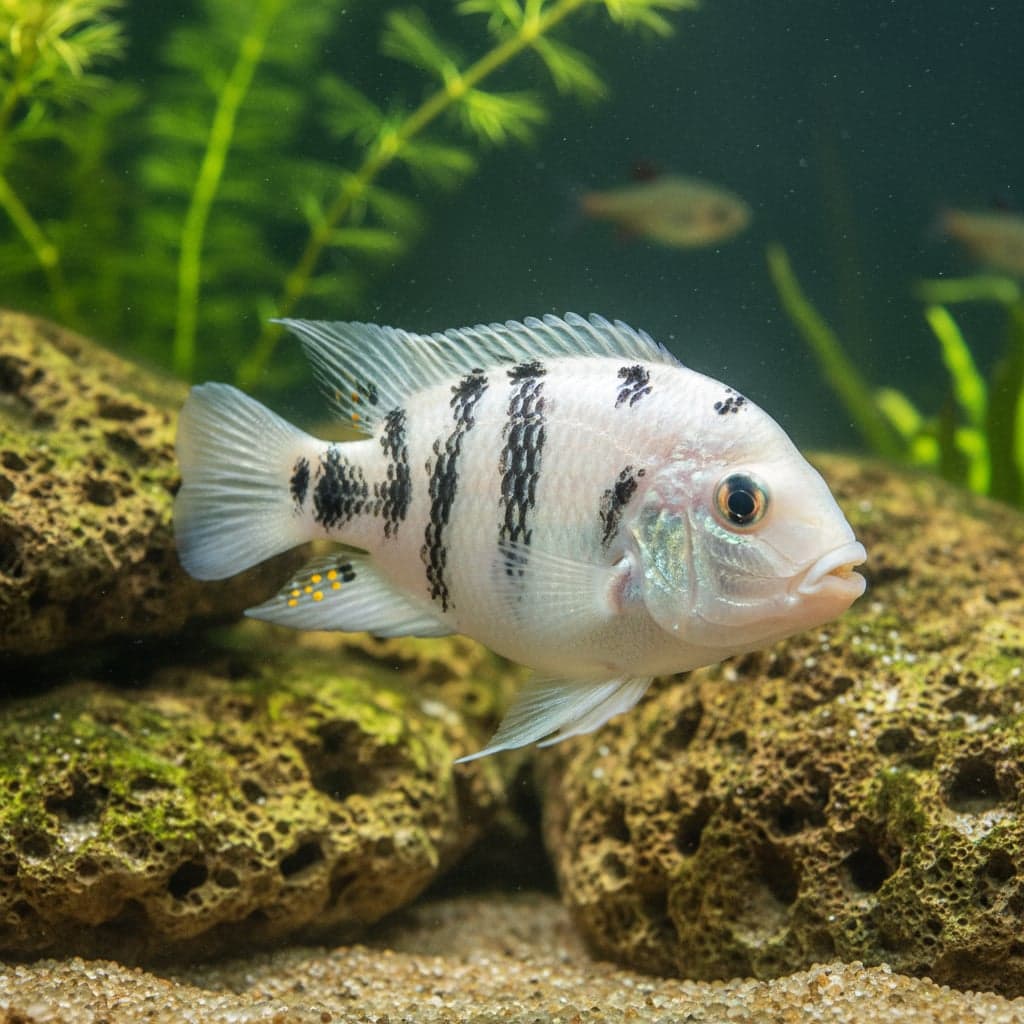
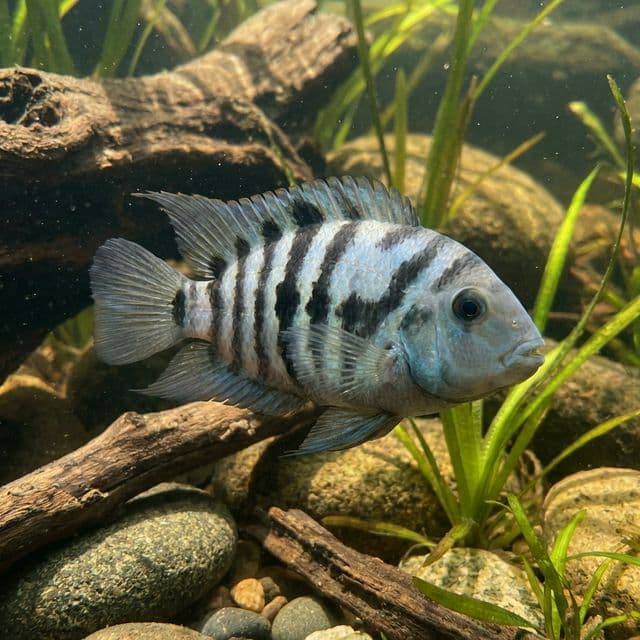
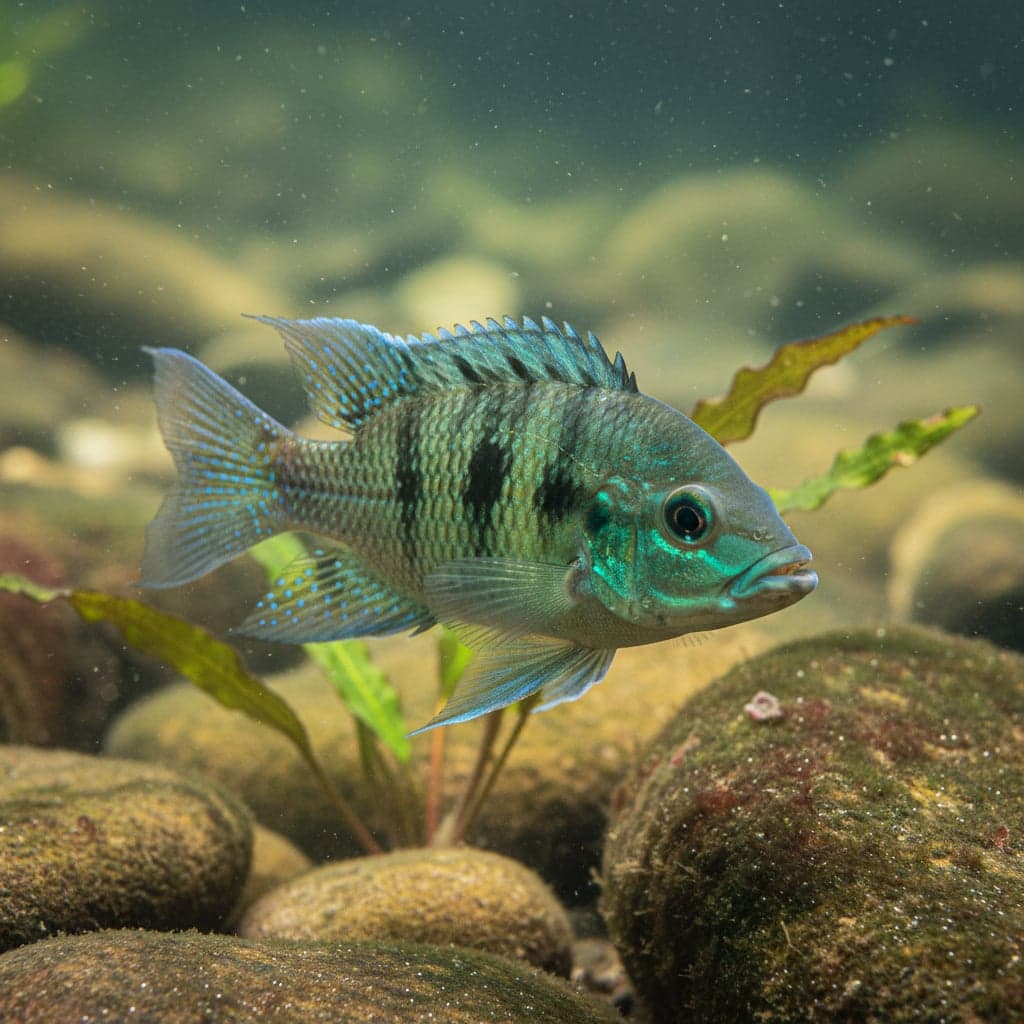
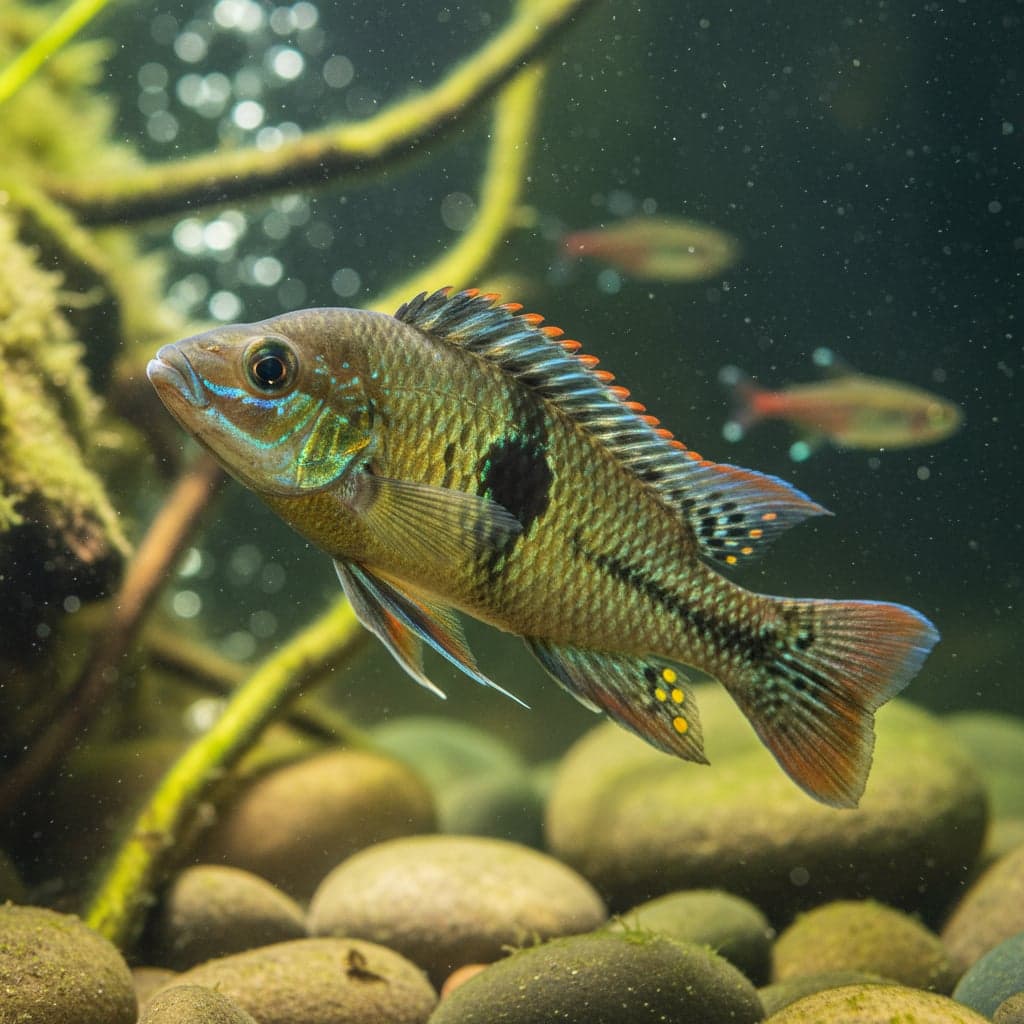
The Polar Blue Parrot Convict is a captivating hybrid known for its stunning color variations and unique body shape. This extraordinary fish results from crossing the popular Convict Cichlid (Amatitlania nigrofasciata) with the Parrot Cichlid, resulting in a fish that showcases a beautiful blend of hues ranging from vibrant blues and whites to striking blacks and grays. Its distinctive, rounded body shape, reminiscent of a parrot's beak, sets it apart from other cichlid species, making it a sought-after specimen in the aquarium trade. The Polar Blue Parrot Convict not only serves as a visual delight but also embodies the increasing trend of hybridization in the aquarium hobby, captivating aquarists with its unique traits and personality.
In addition to its aesthetic appeal, the Polar Blue Parrot Convict holds a significant place within the aquarium community. Its hybrid nature often sparks interest in genetic diversity and the implications of breeding practices in captive environments. This fish demonstrates resilience and adaptability, thriving in various water conditions, which further enhances its appeal for both novice and experienced aquarists. Moreover, the Polar Blue Parrot Convict can bring lively activity and behavior to community tanks, establishing a vibrant ecosystem that showcases interactions among species.
Natural Habitat & Origin
The Polar Blue Parrot Convict originates from Central America, where its parental species, the Convict Cichlid, is naturally found in lakes, streams, and rivers. These habitats typically feature a combination of rocky substrates and areas rich in vegetation, providing hiding spots and breeding grounds. The waters in these regions are often clear to slightly tinted, influenced by organic material that contributes to the natural blackwater streams. The environmental conditions are generally warm, with temperatures ranging from 24°C to 28°C (75°F to 82°F), and a pH level that can vary widely, but usually hovers around 6.5 to 8.0. Understanding the native habitat of the Polar Blue Parrot Convict can be crucial for creating a suitable aquarium environment that mimics its natural surroundings.
In captivity, it is essential to replicate these conditions as much as possible to ensure the health and well-being of the Polar Blue Parrot Convict. This unique hybrid not only showcases the beauty of aquatic life but also highlights the importance of environmental considerations in fostering a thriving aquatic ecosystem within a home aquarium.
Care Requirements
Caring for Polar Blue Parrot Convicts requires attention to several water parameters to ensure they thrive. Ideally, the aquarium should maintain a temperature between 24°C to 28°C (75°F to 82°F), with a pH level ranging from 6.5 to 8.0 and a hardness of 5-15 dGH. These ranges help replicate the fish's natural habitat and support its overall health. A minimum tank size of 150 liters (40 gallons) is recommended for a small group, as these fish can be somewhat territorial and require space to establish their hierarchy.
In terms of tank setup, the aquarium should include a sandy or soft substrate to mimic their natural environment, alongside plenty of hiding spots created with rocks, caves, and driftwood. These structures not only offer shelter but also encourage natural behaviors such as hiding and spawning. Proper lighting is essential, with moderate intensity being ideal, as these fish can be somewhat sensitive to bright lights. Additionally, incorporating live plants can enhance the aesthetics of the tank while providing additional cover and a sense of security for the fish.
Diet & Feeding
Polar Blue Parrot Convicts are omnivorous, flourishing on a varied diet that incorporates both protein and plant-based components. They benefit from a balanced diet consisting of high-quality pellets, flakes, and frozen foods. Offering a mix of spirulina-based flakes, vegetable matter, and live or frozen foods such as brine shrimp, bloodworms, and daphnia can help ensure optimal health. It is important to feed them multiple times a day in small quantities to prevent overfeeding, which can lead to health issues. Providing a variety in their diet not only improves their nutritional intake but also keeps feeding time engaging and stimulating.
Choosing high-quality fish food brands will promote vigorous growth and vibrant coloration, essential aspects of maintaining the allure of the Polar Blue Parrot Convict. Additionally, it is crucial to monitor feeding closely, as they can become aggressive during feeding times, especially when competing for the same food source.
Behavior & Temperament
The Polar Blue Parrot Convict exhibits a dynamic and lively temperament, noted for its curious nature and engaging behaviors. These fish are generally active swimmers and can demonstrate territorial tendencies, particularly during breeding. They are not schooling fish; rather, they thrive in pairs or small groups, usually establishing a hierarchy within the tank. As cichlids, they may display aggression, especially towards similarly-sized or colored tank mates. Therefore, creating a balanced community tank with compatible species is crucial.
In terms of vertical placement, Polar Blue Parrot Convicts tend to occupy various levels of the aquarium, but they often prefer the mid and lower regions where they can explore caves or hideouts. Providing structured territories and ensuring ample space can help mitigate aggressive behavior and promote a more harmonious aquarium environment.
Tank Mates
Choosing compatible tank mates for Polar Blue Parrot Convicts is essential to reduce aggression and ensure a balanced aquarium community. Suitable companions include:
- Other medium-sized cichlids, such as the Rainbow Cichlid (Herotilapia multispinosa)
- Tetras, such as the Larger Tetra (Hemigrammus bleheri)
- Barbs like the Cherry Barb (Puntius titteya)
- Gouramis, such as the Pearl Gourami (Trichopodus leerii)
It is critical to avoid species that display aggressive tendencies or are of a similar size and shape, which could provoke conflict. Species like larger Cichlids, certain types of Bettas, and those with long, flowing fins should be avoided, as they could become targets of aggression. By selecting peaceful and compatible species, you can create a thriving, multi-species aquarium that highlights the unique characteristics of the Polar Blue Parrot Convict.
Breeding
Breeding Polar Blue Parrot Convicts in captivity can be rewarding and relatively straightforward, given the right conditions. To encourage spawning, a breeding pair should be established, ideally from the same lineage to maintain hybrid vigor. An ideal breeding environment incorporates a separate spawning tank with a flat surface, such as a smooth stone or a breeding slate, where the female can lay her eggs.
The optimal temperature for breeding should be slightly elevated, around 26°C to 29°C (79°F to 84°F), with a pH level of about 7.0. It is also beneficial to provide additional filtration that maintains clean water while minimizing water agitation to protect the eggs after laying. Once the female lays the eggs, she will guard them diligently, while the male will help protect the territory. With proper care, the fry typically hatch within 3 to 4 days and begin swimming independently within a week. Proper feeding of the fry with finely crushed flakes or powdered foods is essential for their successful growth and development.
Common Health Issues
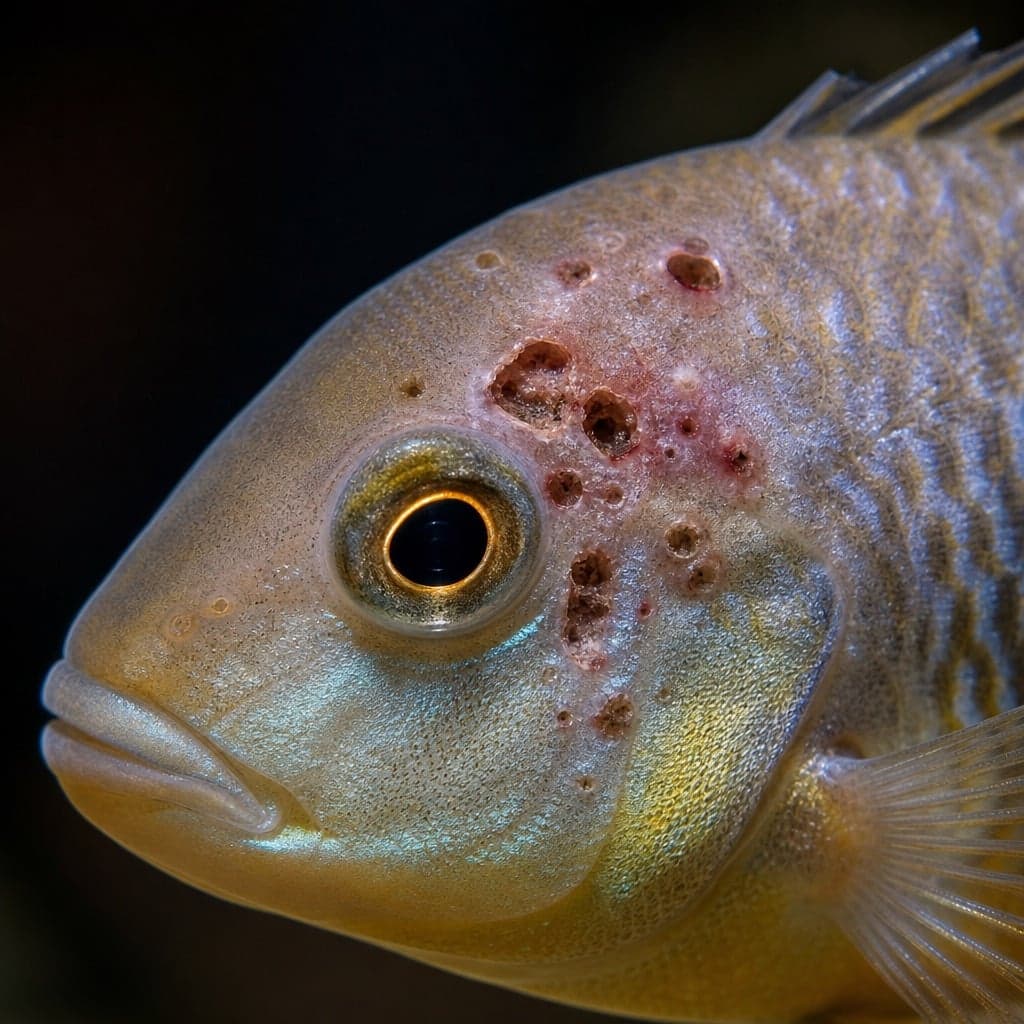
The Polar Blue Parrot Convict, like all aquarium fish, may be susceptible to certain health issues predominantly seen in cichlids. Common diseases include ich (white spot disease), hole-in-the-head disease, and bacterial infections linked to poor water quality. Stable parameters, regular water changes, and a varied diet help keep this hybrid cichlid healthy and active.