Polka Dot Plec L020: Spectracanthicus zuanoni
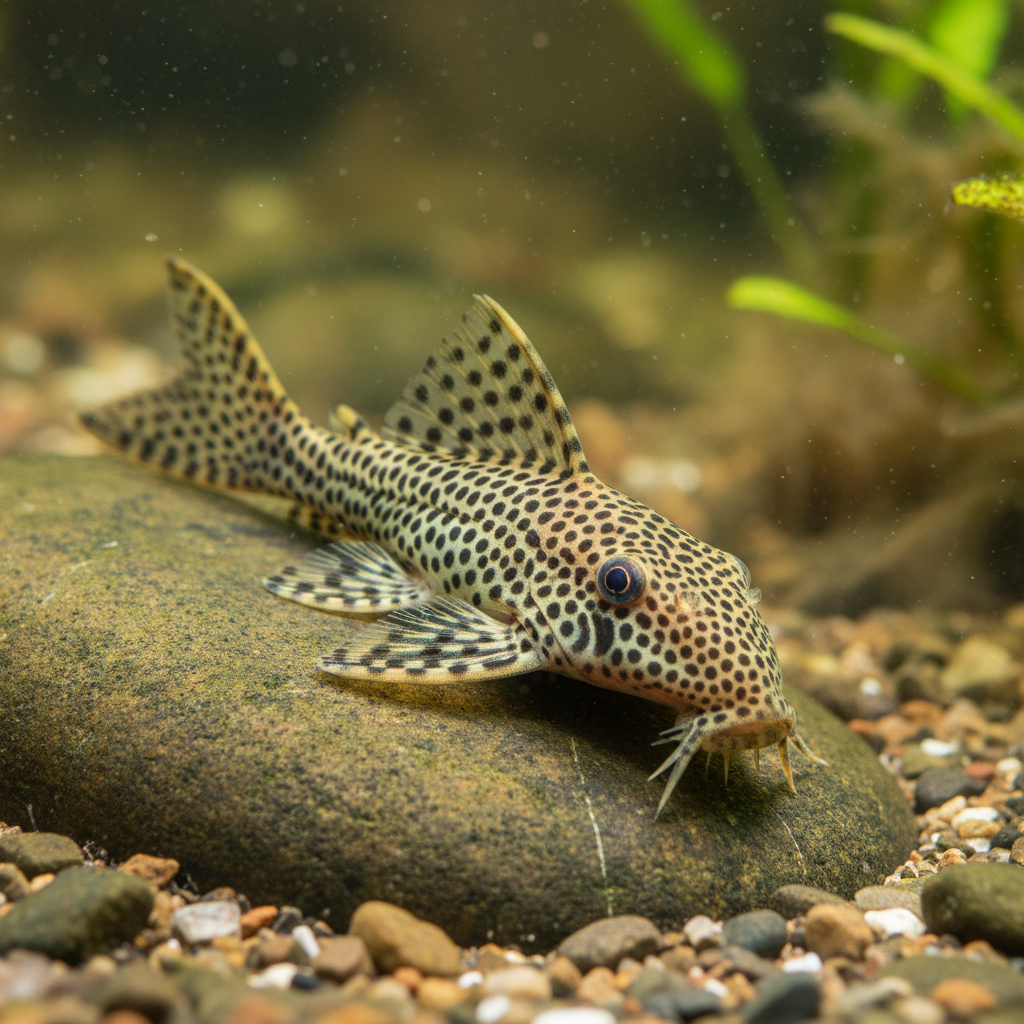
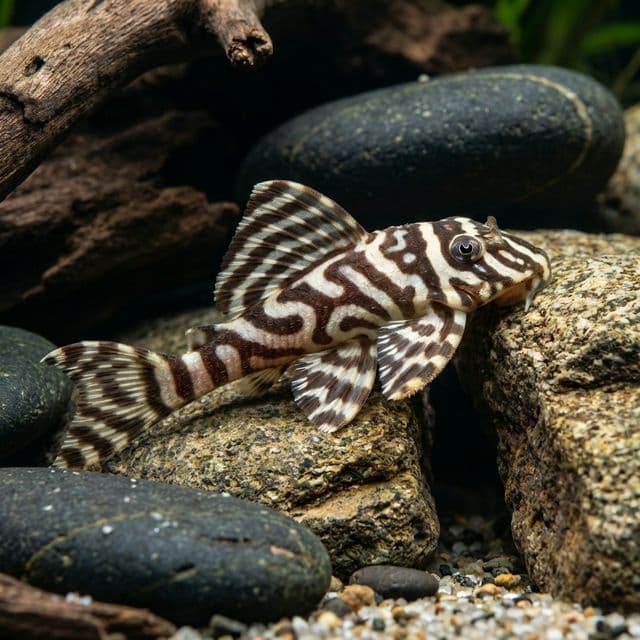
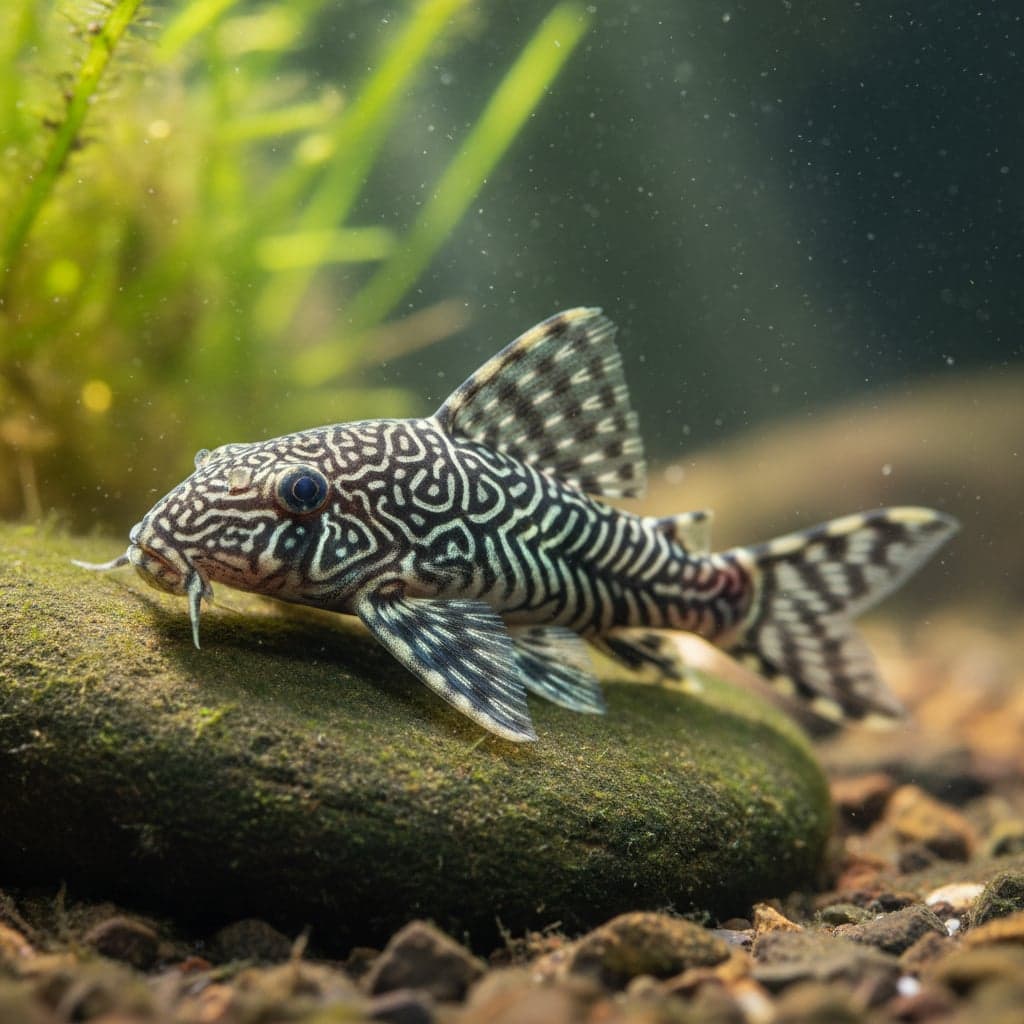
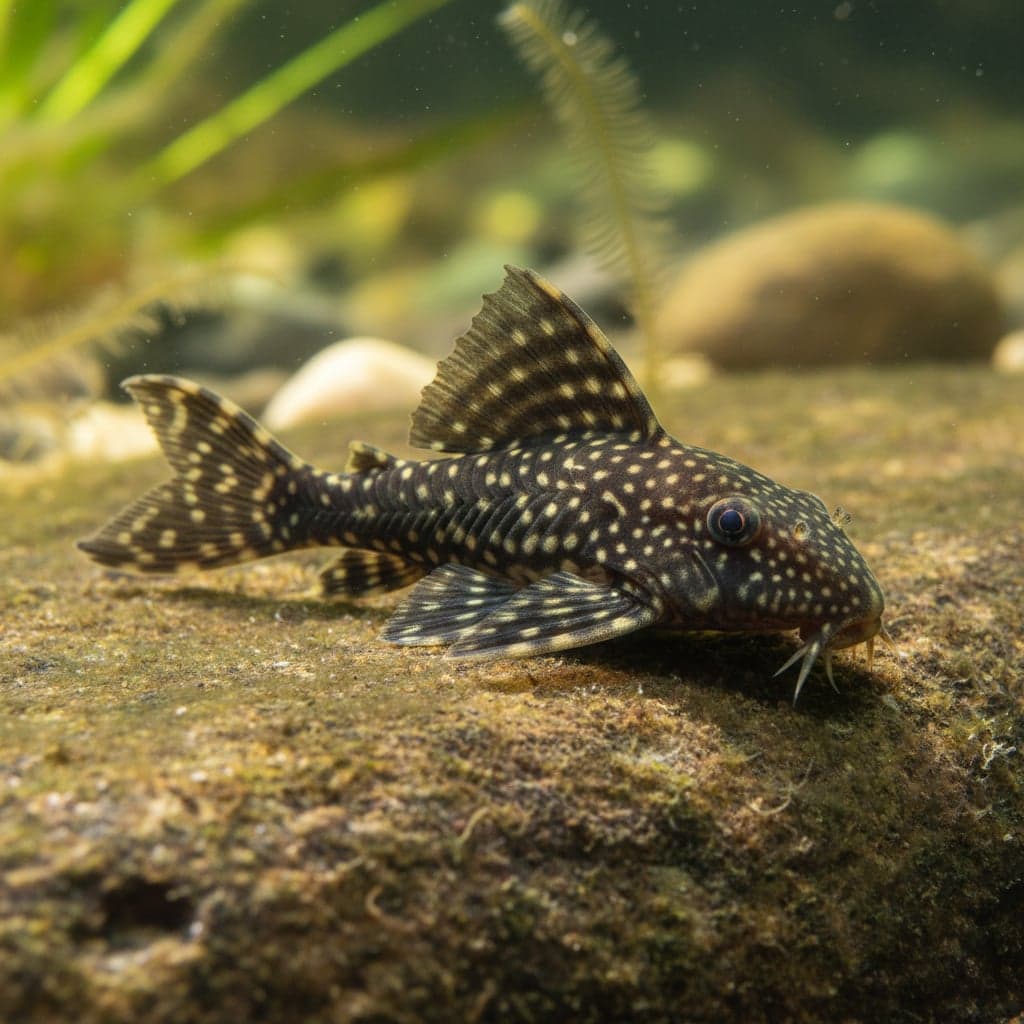
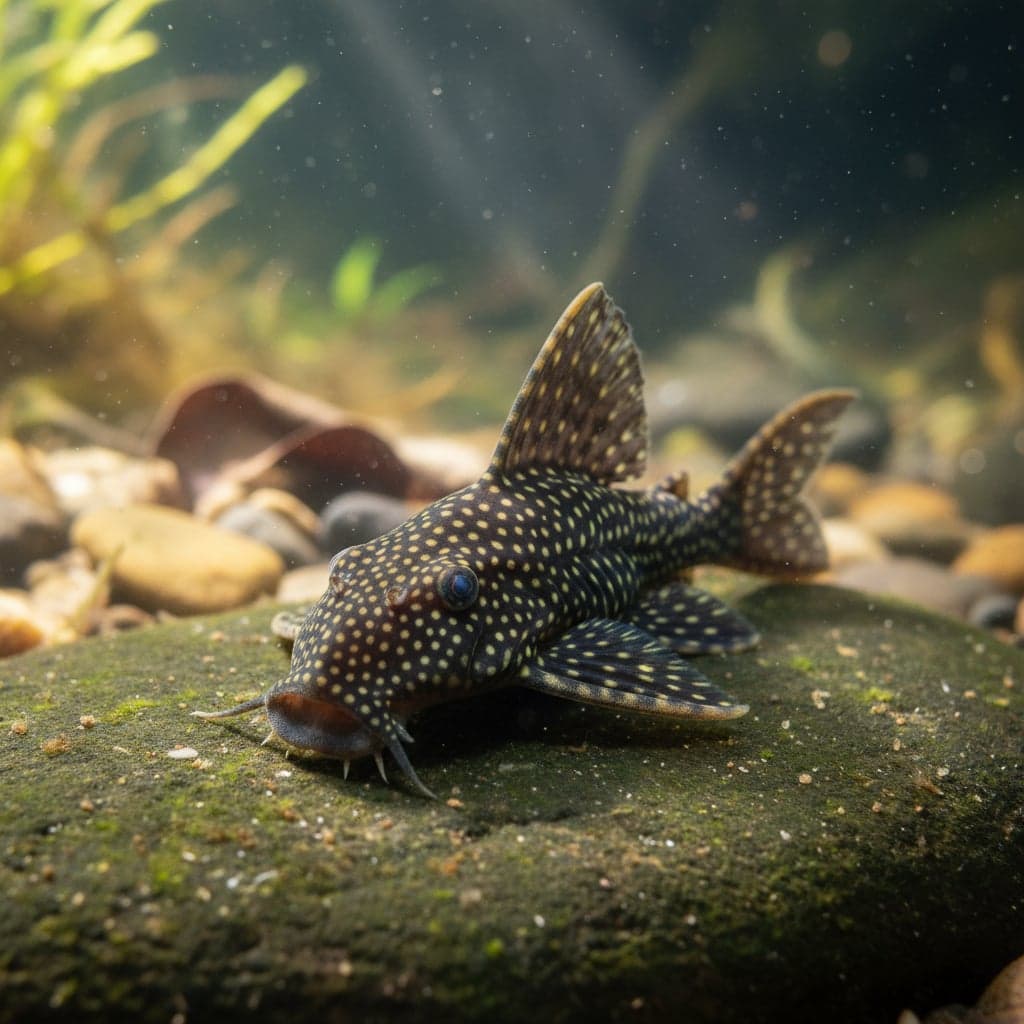
A stunning, medium-sized pleco featuring massive, glowing white polka dots over a dark brown body.
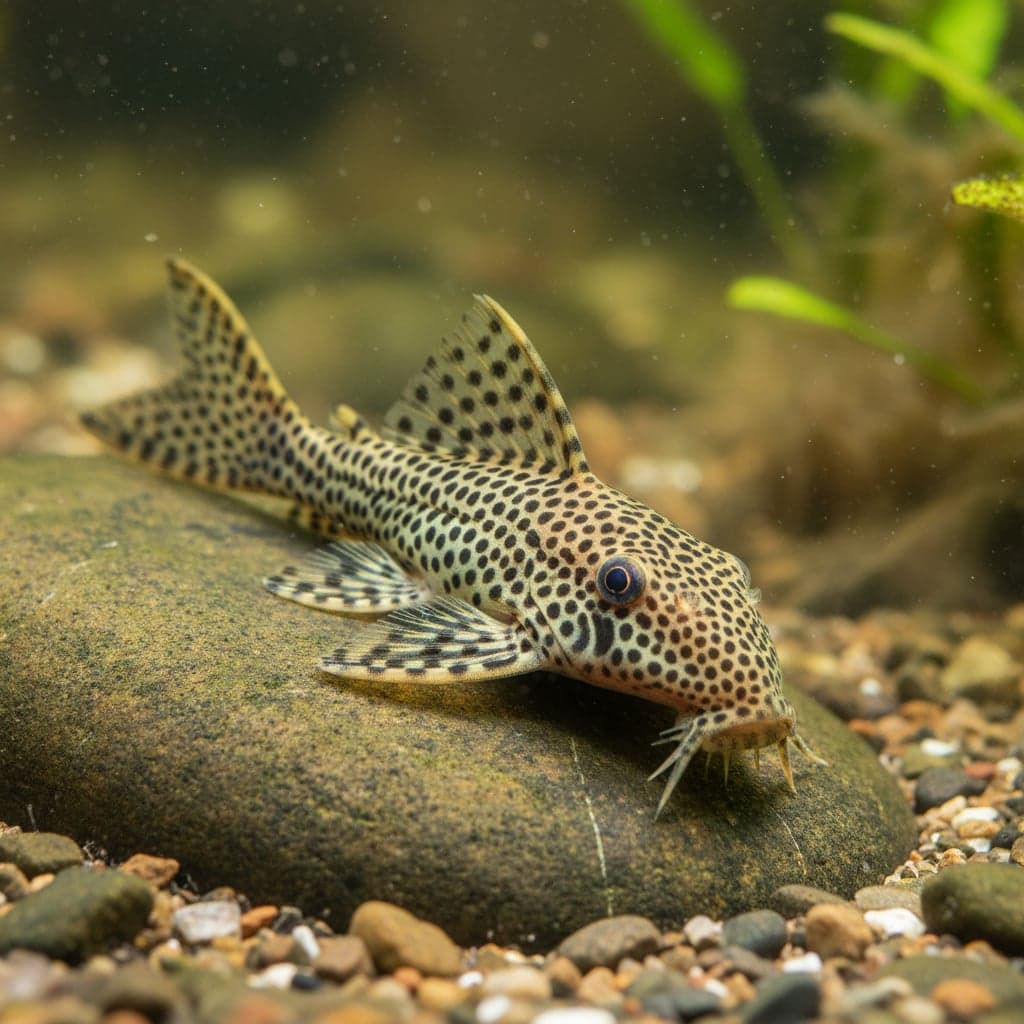
Polka Dot Plec L020
The Polka Dot Plec L020, scientifically known as Spectracanthicus zuanoni, is a stunning addition to freshwater aquariums cherished by hobbyists worldwide. Renowned for its unique pattern of striking white polka dots against a dark body, this pleco not only dazzles with its appearance but also plays a vital role in the aquarium ecosystem as a natural algae grazer. Their distinctive look and engaging behavior make them a sought-after species, appealing to both beginner and experienced aquarists alike.
Not just a visual delight, the Polka Dot Plec L020 also contributes significantly to tank maintenance. By efficiently consuming algae and detritus, this species helps maintain water quality, keeping aquariums healthy and balanced. With their calm demeanor, they adapt well to community tanks, enhancing the spectacular setup of any aquarist’s collection. As a species that thrives in well-maintained habitats, understanding their needs is crucial, making them a fascinating subject for study and admiration among fish lovers.
Natural Habitat & Origin
The Polka Dot Plec L020 hails from the Amazon River basin in Brazil, specifically the regions surrounding the state of Pará. In their natural habitat, they inhabit slow-moving rivers and streams that feature extensive underwater structures like fallen logs and rock formations. The waters in these regions are typically soft and acidic, often characterized as blackwater, which has high concentrations of tannins derived from decaying plant matter.
These blackwater environments not only shape the physical characteristics of the Polka Dot Plec but also influence their behavior and dietary needs. The dimly lit conditions of their native waters necessitate adaptations that allow them to thrive in such unique ecosystems, making it essential for aquarists to replicate these conditions to foster healthy captive populations.
Care Requirements
To properly care for a Polka Dot Plec L020, emphasis should be placed on replicating their natural environmental conditions as closely as possible. The ideal water parameters include a pH of 6.0 to 7.5, a water temperature range of 75°F to 82°F (24°C to 28°C), and a hardness level between 2 and 15 dGH. Regular water changes are crucial, as they help maintain water quality and clarity.
In terms of tank setup, a minimum tank size of 75 gallons is recommended to give this species ample space to swim and explore. Substrate should be soft and sandy to protect their delicate bodies, while the inclusion of driftwood and caves will provide hiding spots and mimic their natural habitat. Moderate lighting is preferable to replicate the dim ambiance of their native waters, along with plenty of plants to create a lush environment.
Diet & Feeding
Polka Dot Plec L020 are primarily herbivorous with omnivorous tendencies, making their diet varied and essential for their health. Their primary food source in the wild consists of algae and detritus, which should be mirrored in captivity using high-quality sinking vegetable pellets, wafers, and algae tablets. To provide a balanced diet, supplement their meals with fresh vegetables like zucchini, cucumber, and blanched spinach. Additionally, occasional servings of high-quality frozen or live foods, such as bloodworms or brine shrimp, can promote their growth and overall health.
Feeding should be done once or twice a day, ensuring that excess food is promptly removed to prevent water quality issues. This consistent feeding regime not only caters to their nutritional needs but also keeps them active, healthy, and contributing to a balanced aquarium ecosystem.
Behavior & Temperament
Polka Dot Plec L020 are generally peaceful and territorial towards one another, often exhibiting behaviors indicative of a shy but curious temperament. These fish tend to prefer the lower levels of the tank, where they can hide among rocks, driftwood, and plants, which offer security from aggressive tank mates. While they are not typically aggressive, they may establish a pecking order and defend their territory if placed with other bottom-dwelling species.
They do well either singly or in small groups, provided that there are ample hiding places to diffuse any potential territorial disputes. Their calm nature makes them suitable for community tanks, but it is essential to observe their interactions to ensure harmony among all species involved.
Tank Mates
When selecting tank mates for the Polka Dot Plec L020, it is crucial to choose species that share similar water parameter preferences and temperaments. Compatible tank mates include small to medium-sized community fish such as tetras, rasboras, and other peaceful loach species. Additionally, they can coexist with non-aggressive cichlids, such as discus or angelfish, provided that the tank is spacious and well-structured.
However, it is essential to avoid keeping them with aggressive or overly territorial species, such as some larger cichlids or predatory fish, as they may stress or harm the Polka Dot Plec. A well-planned community tank focused on harmony and shared environmental needs will yield the best results for keeping this beautiful fish.
Breeding
Successfully breeding Polka Dot Plec L020 in captivity can be challenging due to their specific requirements and breeding behaviors. Spawning typically occurs during the late spring or rainy season, mirroring conditions in their natural habitat. To encourage breeding, provide a well-maintained environment with stable water parameters and ample hiding spots.
A spawning site, such as a cave or flat surface, should be added to the tank. The male takes the lead in guarding the cave while attracting a female. After mating, the female lays eggs, which the male fertilizes and subsequently guards until they hatch. Upon hatching, the fry will require a diet of finely crushed flakes or specialized fry food until they can accept larger particles.
Common Health Issues
Polka Dot Plec L020 are relatively hardy but can be susceptible to a few health issues that are common in freshwater fish. One of the primary concerns is ich, a parasitic disease that manifests as white spots on the skin. Maintaining excellent water quality and reducing stress through proper tank conditions and healthy tank mates can help prevent outbreaks.
Another potential issue encompasses fin rot, often caused by poor water quality or physical injury, which can be avoided through regular maintenance and monitoring. It is advisable to maintain a proactive approach to health by checking for signs of distress, ensuring a balanced diet, and regularly conducting water tests to prevent common diseases in aquarium fish.