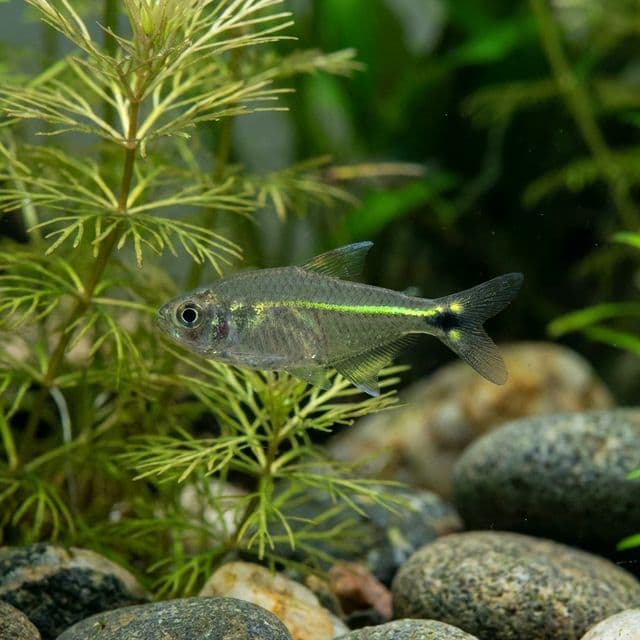
Pretty Tetra: Hemigrammus pulcher
A deeply colored, diamond-shaped schooling fish from the Amazon resembling a larger, darker version of the classic Neon Tetra.
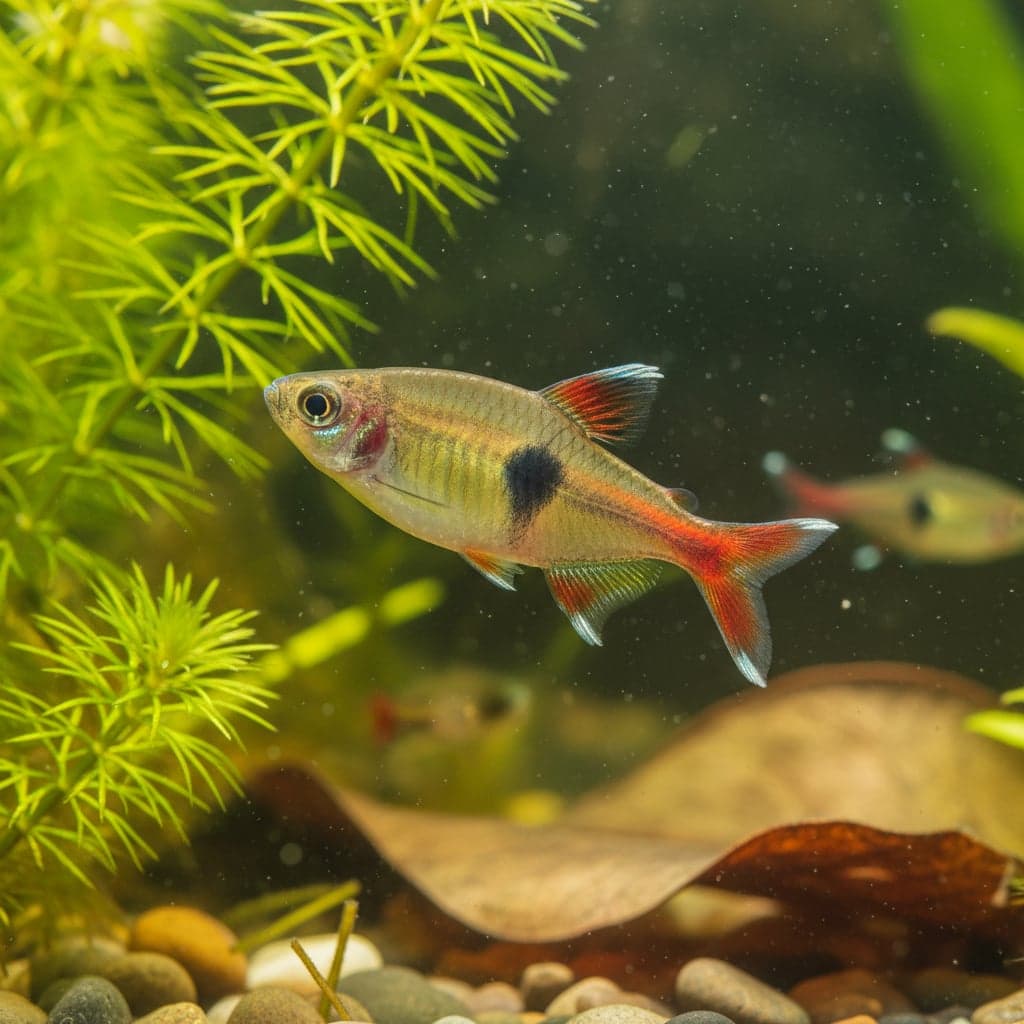
Pretty Tetra
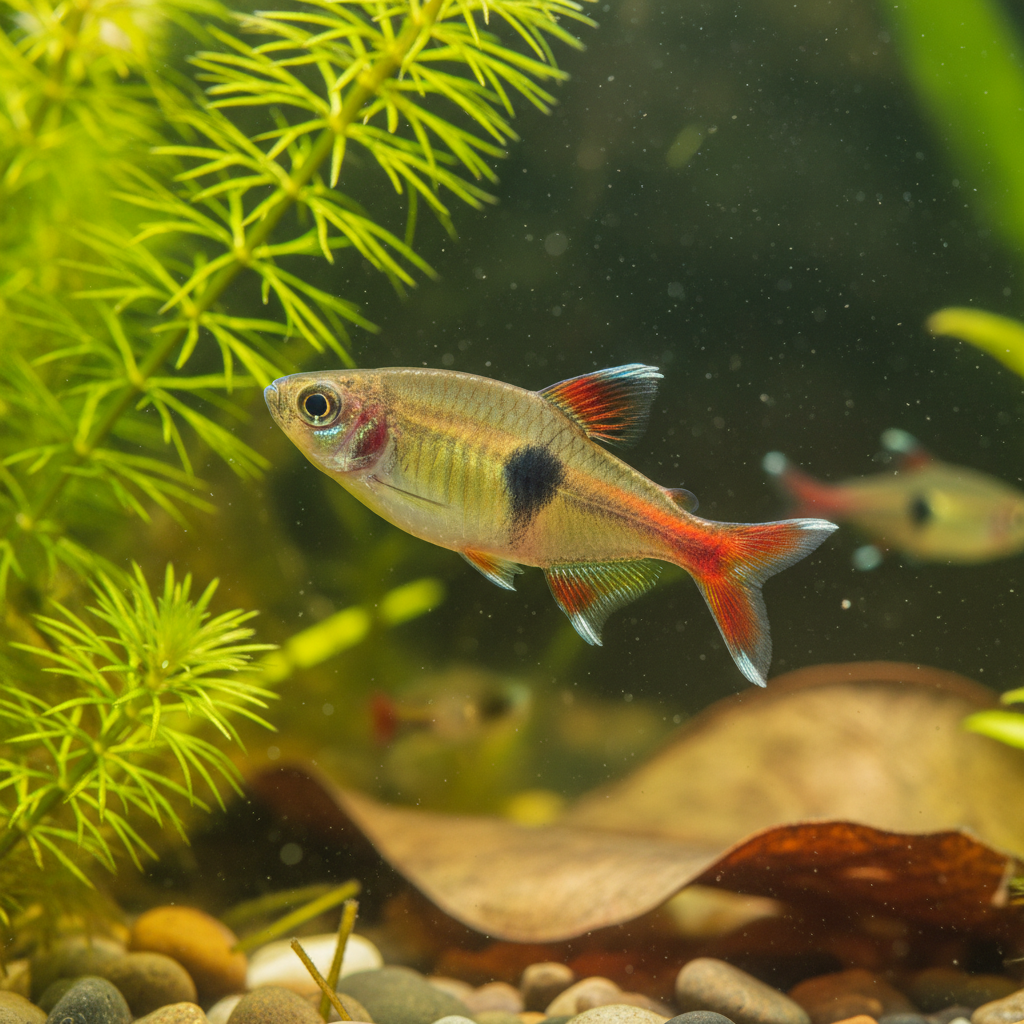
The Pretty Tetra, scientifically known as Hemigrammus pulcher, is a captivating freshwater fish that has gained significant popularity among aquarium enthusiasts. This small, vibrant species is renowned for its striking coloration, typically featuring a translucent body adorned with iridescent blue and red hues that scintillate under aquarium lighting. Its attractive physical appearance, complemented by a small, slender form that usually does not exceed 2 inches in length, makes the Pretty Tetra an enchanting addition to both community tanks and species-specific setups.
Aside from its visual appeal, the Pretty Tetra holds a vital place in the aquarium hobby due to its hardy nature and ease of care, making it an ideal candidate for novice aquarists. Its vibrant colors and peaceful demeanor contribute to its desirability, often leading to large schools of these fish being showcased in home aquariums. As a schooling species, they exhibit beautiful group dynamics that provide entertainment and aesthetic pleasure to any aquatic display, further enhancing the enjoyment of keeping aquatic pets.
Natural Habitat & Origin
The Pretty Tetra hails from the diverse freshwater ecosystems of the Amazon Basin, particularly in Brazil. This species typically resides in blackwater rivers, tributaries, and flooded forests, where the water is stained by tannins from decaying plant matter. In their natural habitat, they thrive in slow-moving waters with dense vegetation, which not only provides shelter but also a rich source of food from organic detritus. The environmental context of their habitat includes warm water temperatures, a consistent acidity, and a soft water profile, all of which contribute to the overall well-being of the Pretty Tetra.
Care Requirements
For a healthy and thriving aquarium environment, the Pretty Tetra requires specific water parameters. The ideal pH range is between 5.5 to 7.0, and the temperature should be maintained between 75°F to 82°F (24°C to 28°C). The tank’s hardness should ideally be between 2 to 10 dGH. A minimum tank size of 10 gallons is recommended to allow for adequate swimming space, especially in a group. Soft, sandy substrates tend to mimic their natural habitat, while the inclusion of dense planting—such as Amazon swords and floating plants—will provide necessary cover and simulates the peacefulness of their native environment. Moderate lighting should be utilized to promote plant growth while creating a comfortable atmosphere for the fish.
Diet & Feeding
As an omnivorous species, the Pretty Tetra's diet should be varied to ensure optimal health and coloration. They will gladly consume high-quality flake or pellet foods designed for tropical fish, which provide essential nutrients. Supplementing their diet with frozen or freeze-dried foods such as brine shrimp, daphnia, or bloodworms will enhance their color and vitality. Additionally, offering live foods occasionally can stimulate natural hunting behaviors and serve as a delightful treat. It is essential to avoid overfeeding and to maintain a feeding schedule that balances nutrient intake while keeping the water parameters stable.
Behavior & Temperament
Pretty Tetras are inherently social fish that thrive in schools, ideally requiring a group of at least six to feel secure and comfortable. In a well-structured environment, they exhibit active swim patterns and engage in playful behaviors. Their temperament is largely peaceful, making them perfect candidates for community tanks. These fish tend to occupy the middle to upper levels of the water column; thus, ensuring that the upper regions of the tank are free for swimming is essential. While they may occasionally show slight signs of territoriality during breeding periods, in general settings they are non-aggressive and coexist harmoniously with various species.
Tank Mates
Creating an environment with compatible tank mates for the Pretty Tetra is crucial for minimizing stress and promoting harmonious interactions. Ideal companions include peaceful species such as Neocaridina shrimp, Corydoras catfish, and other tetras like the Neon Tetra or Glowlight Tetra. Avoiding aggressive fish, particularly larger cichlids or fin-nippers such as bettas or certain barbs, will contribute significantly to the wellbeing of the Pretty Tetra and its tankmates. Additionally, it’s prudent to steer clear of species that might intimidate or outcompete these gentle fish for food.
Breeding
Breeding Pretty Tetras can be a rewarding experience when proper conditions are met. They are known for their egg-scattering spawning behavior. To encourage breeding, a separate breeding tank may be set up with fine-leaved plants or spawning mops for the eggs to adhere to. Water parameters should be slightly acidic, with temperature raised to around 80°F (27°C) to stimulate spawning. Once the eggs are laid—typically around 100 to 200 eggs—they should be removed from the breeding tank to prevent parental consumption. The fry can be fed infusoria or specialized fry food until they are large enough to consume powdered flakes.
Common Health Issues
While Pretty Tetras are generally resilient fish, they can still be vulnerable to common health issues such as neon tetra disease, ich (white spot disease), and fin rot. Preventive measures include maintaining optimal water conditions, regular tank maintenance, and a balanced diet. Quarantining new arrivals before introducing them to the main tank can also minimize disease transmission. Regular observation for changes in behavior, appetite, or physical appearance will allow for early detection and treatment of potential health problems, ensuring the longevity and vitality of these charming little fish.