Rainbow Cichlid: Herotilapia multispinosa
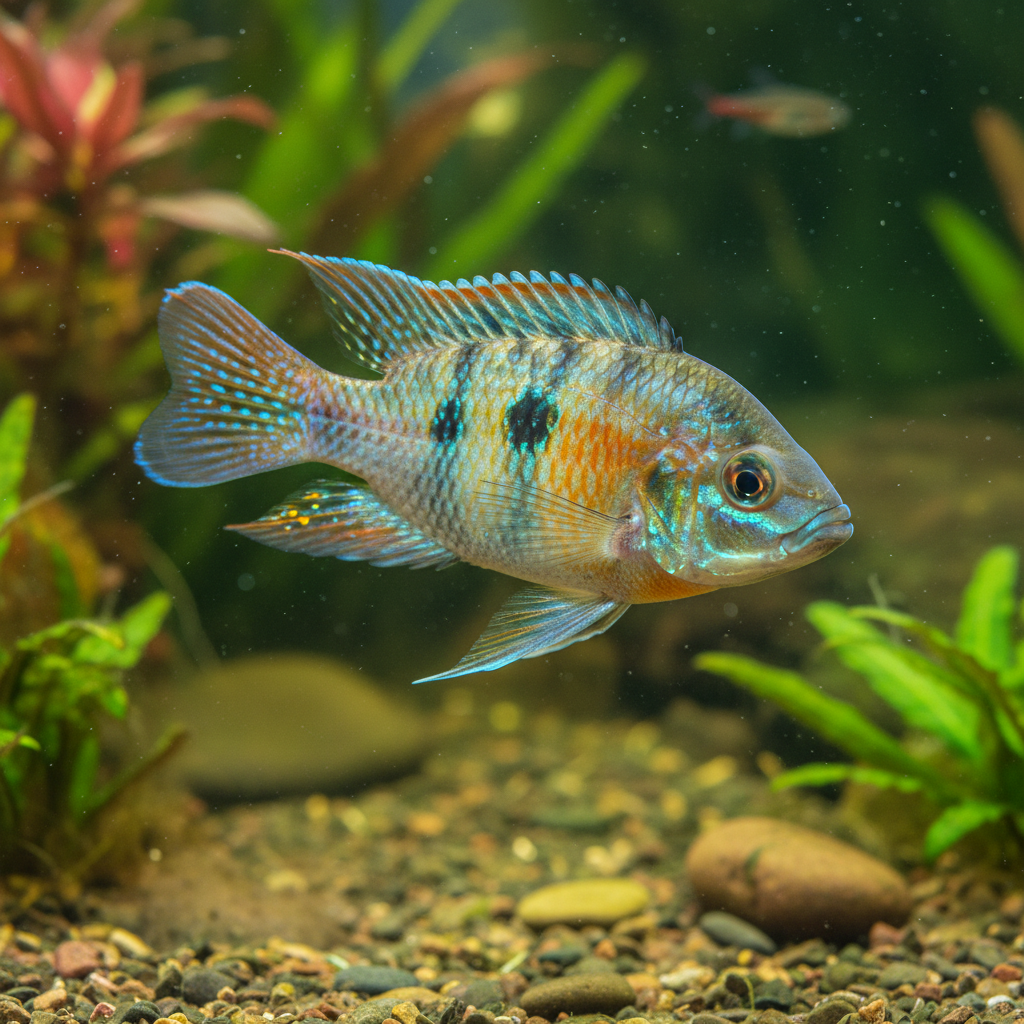
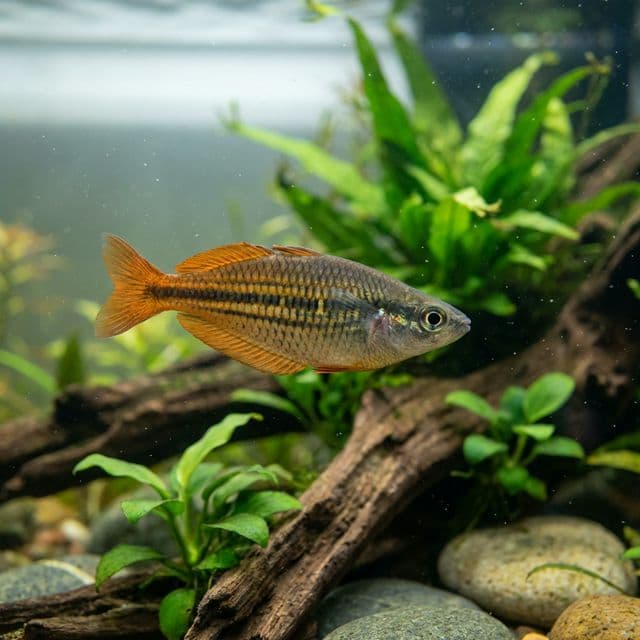
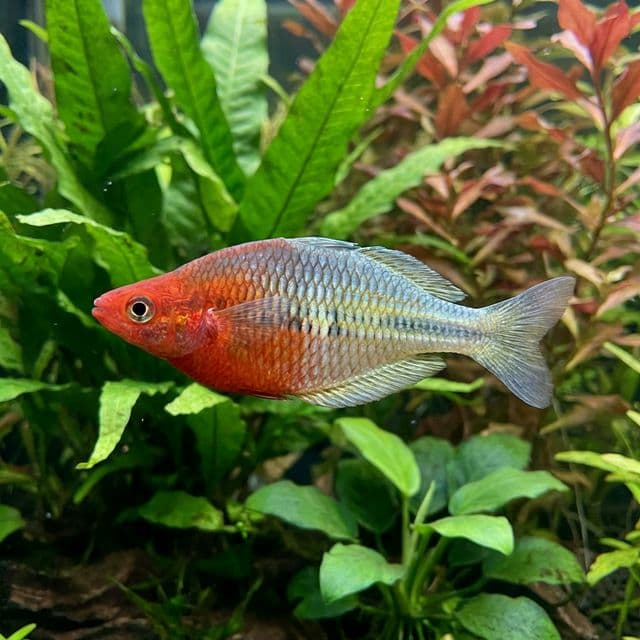
A remarkably peaceful, brightly colored Central American cichlid featuring constantly changing golden-yellow and black markings.

Rainbow Cichlid
The Rainbow Cichlid, scientifically known as Herotilapia multispinosa, is a captivating freshwater fish that belongs to the Cichlidae family. Renowned for its vibrant colors that range from deep blues and greens to warm oranges and yellows, this species is a visual spectacle in any aquarium. Its unique patterning and iridescence not only enhance its aesthetic appeal but also play a significant role in social interactions among these fish. The Rainbow Cichlid has carved out a considerable niche in the aquarium hobby due to its striking looks and relatively manageable care requirements, making it an ideal choice for both novice and experienced aquarists.
Beyond its beauty, the Rainbow Cichlid holds cultural and ecological importance in its native regions of Central America. Within the aquarium community, it is often celebrated as a symbol of vibrant biodiversity. The fish exhibits unique behaviors, particularly during breeding, which endears it further to hobbyists. The combination of its colorful appearance and engaging personality makes the Rainbow Cichlid a centerpiece of discussion among fish enthusiasts, enhancing its overall significance in the aquarium hobby.
Natural Habitat & Origin
The Rainbow Cichlid originates from the freshwater rivers and lakes of Central America, particularly in Nicaragua and Costa Rica. These waters are characterized by a mix of environments, typically warm, shallow, and rich in vegetation. The species is commonly found in areas with sandy substrates and abundant plant life, where it can seek refuge and forage for food. The conditions of these habitats are generally alkaline with a pH range of 7.0 to 8.5, making it essential for aquarists to replicate these water parameters for the well-being of their Rainbow Cichlids.
The water in these natural habitats can vary from clear to somewhat turbid, influenced by the surrounding vegetation and seasonal changes. This dynamic environment not only supports a range of symbiotic species but also fosters the Rainbow Cichlid’s adaptability. Understanding these environmental contexts is crucial for hobbyists who wish to create an optimal living space for their fish.
Care Requirements
To maintain the health and vibrancy of the Rainbow Cichlid, precise care requirements must be adhered to. Ideal water parameters include a temperature range of 75°F to 82°F (24°C to 28°C), a pH level between 7.0 and 8.5, and a hardness level of 10 to 20 dGH. Shifting the parameters beyond these values can result in stress and illness for the fish. A well-maintained aquarium should mimic the Rainbow Cichlid’s natural environment as closely as possible.
In terms of tank setup, a minimum tank size of 30 gallons is recommended to accommodate these active swimmers. A sandy or fine gravel substrate will help replicate their natural bottom environments. The inclusion of caves and driftwood not only offers hiding spots but also encourages natural territorial behavior. Lighting should be moderate, as overly bright conditions can stress the fish. Live plants, such as java ferns and anubias, can be used to enhance the visual appeal of the aquarium while providing additional cover for the Rainbow Cichlid.
Diet & Feeding
The Rainbow Cichlid is an omnivore, and its diet consists predominantly of plant material, small invertebrates, and detritus in the wild. In captivity, a balanced diet should comprise high-quality flakes or pellets specifically formulated for cichlids, supplemented with frozen or live foods such as bloodworms, brine shrimp, and daphnia to enhance their color and health. Feeding should be conducted two to three times daily, with small portions that can be consumed within a few minutes to prevent food waste and maintain water quality. Including vegetable matter, such as blanched spinach or zucchini, can also contribute to a balanced diet, reflecting their natural eating habits.
Behavior & Temperament
The Rainbow Cichlid exhibits a range of social behaviors that make it a particularly interesting species to keep. They are generally peaceful but can become territorial, especially during breeding periods. They prefer to maintain a defined territory in the aquarium, which can lead to scuffles with conspecifics if the space is insufficient. In terms of social behavior, Rainbow Cichlids can peacefully cohabitate with other species, but their aggression levels might increase when establishing dominance in the tank.
These fish typically inhabit the middle to bottom levels of the aquarium, often hiding among plants or in caves to feel secure. They are known to be more active during dawn and dusk, engaging in playful behaviors that can be fascinating to observe. When kept in groups, it’s essential to ensure adequate space and hiding places for each fish to minimize stress and aggression.
Tank Mates
Selecting the right tank mates for the Rainbow Cichlid is vital to ensure a harmonious community aquarium. Compatible species include other medium-sized cichlids such as the Blue Acara, Angelfish, or Platies, and larger tetras like the Congo Tetra. These species share similar environmental requirements and can coexist peacefully with Rainbow Cichlids. Additionally, community fish like Corydoras catfish or larger rasboras can also make suitable companions.
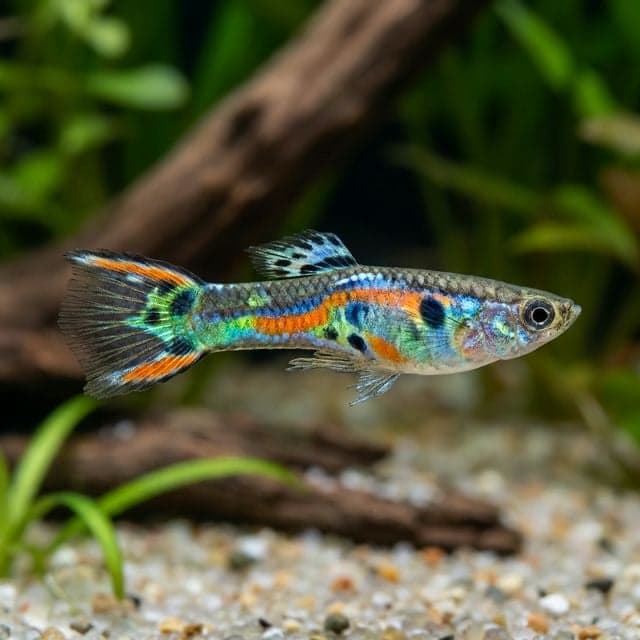
However, it is crucial to avoid pairing Rainbow Cichlids with overly aggressive species, such as Arowanas or larger South American Cichlids, which could provoke stress or harm. Smaller, timid species like Neon Tetras or guppies may also be at risk, as they can easily become targets when the Rainbow Cichlids exhibit territorial behaviors.
Breeding
Breeding the Rainbow Cichlid in captivity can be a rewarding experience, though it requires particular conditions to ensure success. These fish reach sexual maturity at around 6 months of age, and the males are typically more vibrantly colored than females. For breeding, setting up a separate breeding tank with similar water parameters to their natural habitat is advisable. Optimal conditions include a flat surface for laying eggs, such as a smooth rock or broad leaf.
During courtship, the male will display vibrant colors and perform elaborate displays to woo the female. After successful mating, the female can lay up to several hundred eggs, which she or the male will guard zealously. The fry will hatch in 3 to 4 days and should be fed infusoria or finely crushed flakes until they grow large enough to accept larger foods. It is essential to maintain a separate breeding tank to prevent stress to the parents and ensure the fry have enough space to grow.
Common Health Issues
The Rainbow Cichlid is generally a hardy species; however, they can be susceptible to several common health issues. One of the most prevalent diseases is Ichthyophthirius multifiliis, commonly known as "Ich," which manifests as white spots on the body and fins. Regular water quality checks and maintaining appropriate parameters can mitigate this risk. Other concerns include fin rot and dropsy, often caused by poor water conditions or stress.
Preventative measures that aquarists can take include ensuring a clean environment through regular water changes, avoiding overstocking the tank, and monitoring the fish for any signs of illness. Providing a balanced diet to enhance immune system health is also crucial. If any health issues arise, prompt treatment with appropriate medication, along with symptom monitoring, will improve the chances of recovery.
In summary, by understanding the Rainbow Cichlid's natural behaviors and care requirements, aquarists can create an inviting aquarium that supports their natural foraging, territorial displays, and long-term health. Consistent maintenance, compatible tank mates, and a varied diet reduce stress and disease risk. Quarantine new arrivals and act quickly on white spots, frayed fins, or unusual lethargy so Rainbow Cichlids stay vibrant and active for years.