Stardust Plec L262: Hypancistrus sp. L262
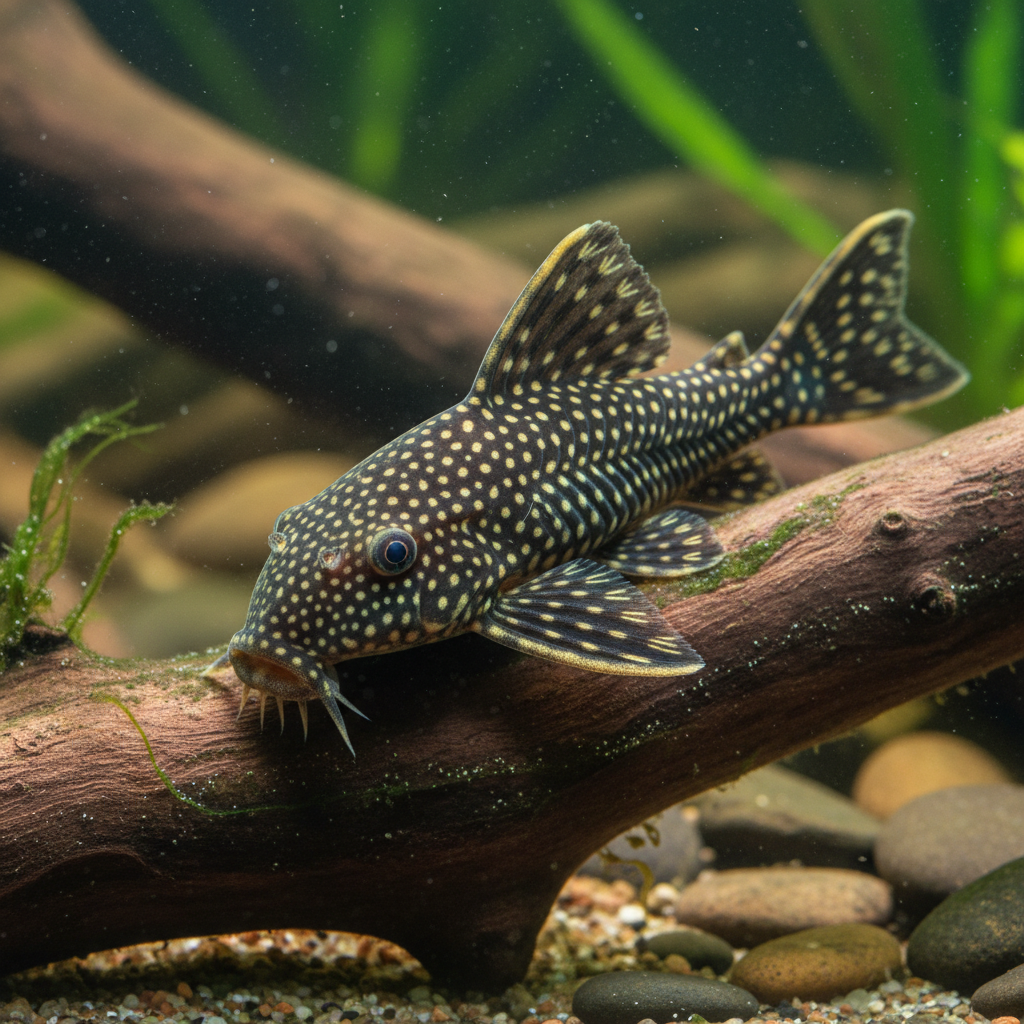
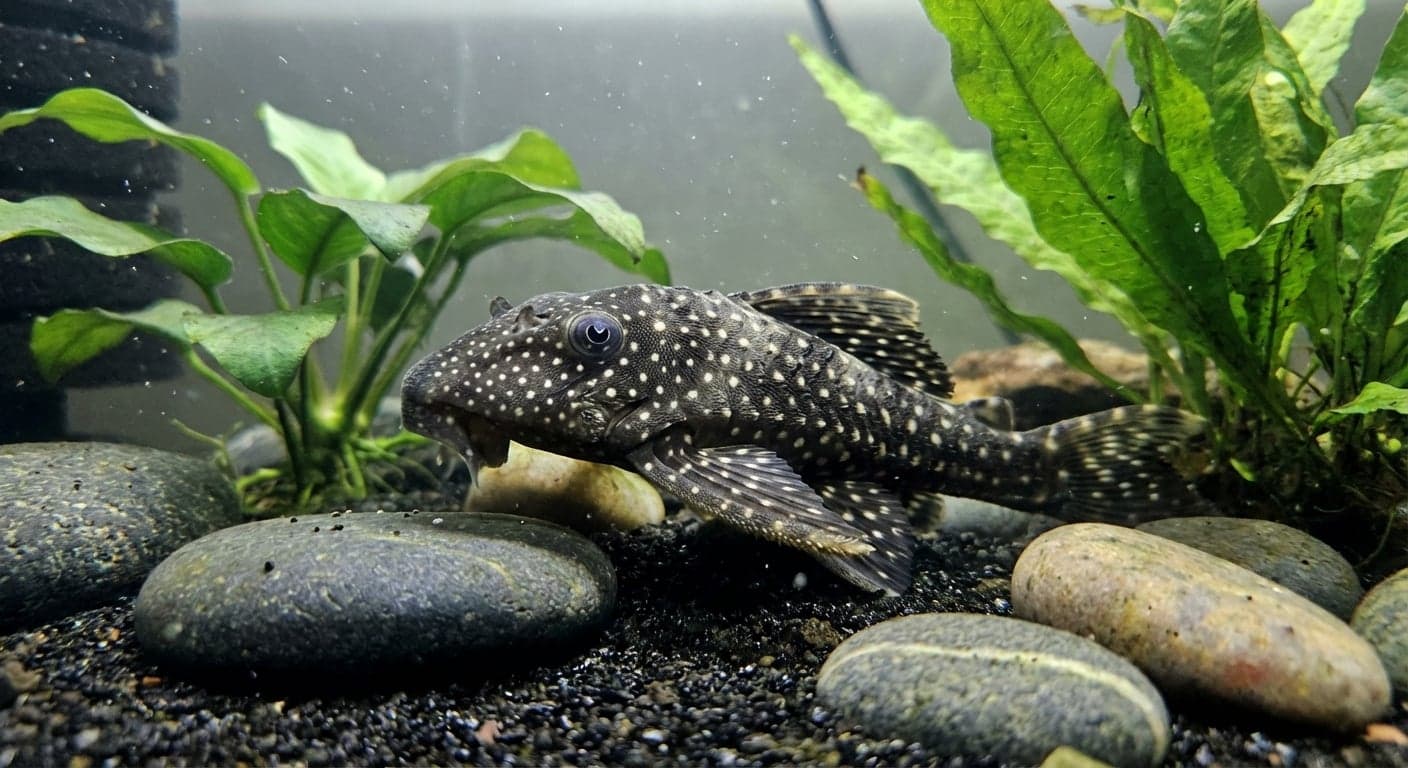
A 9cm Hypancistrus speckled with white stars. A cave spawner that needs driftwood and meaty food rather than algae.
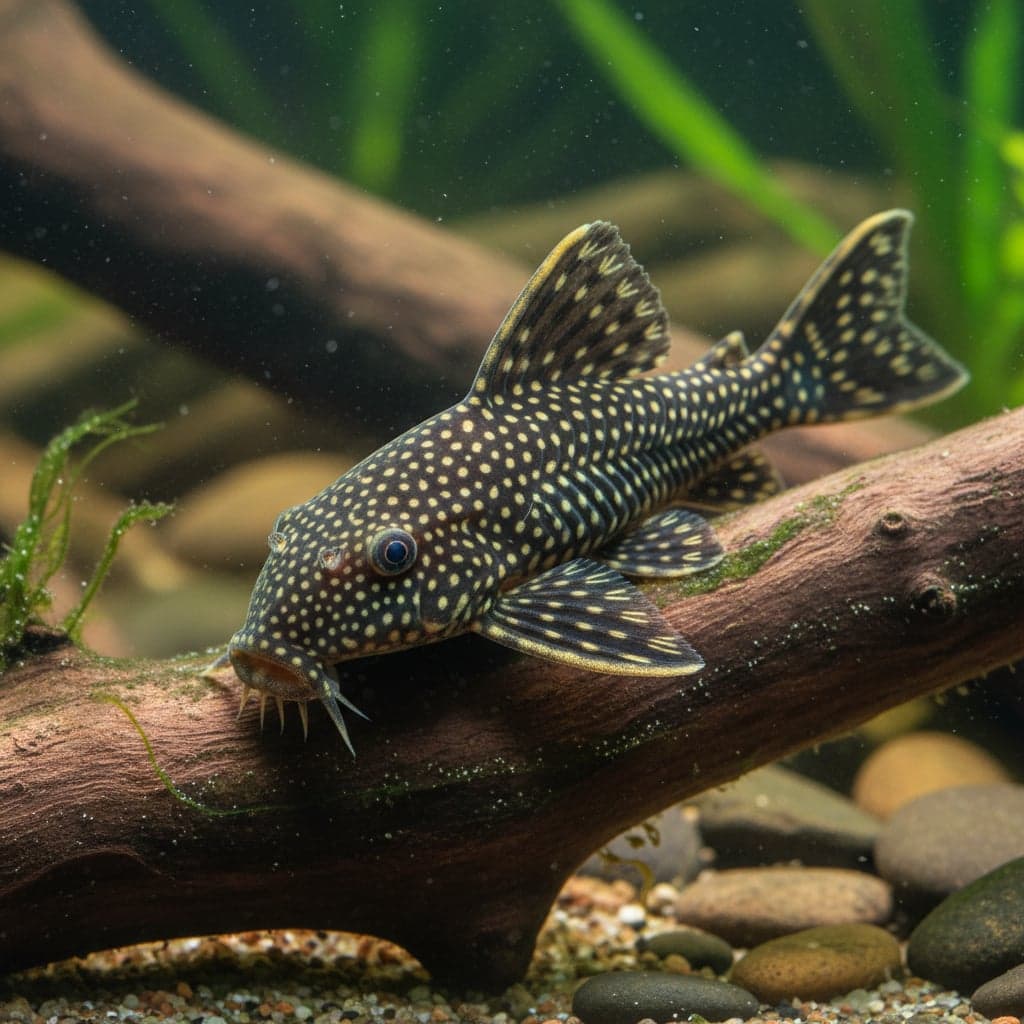
Stardust Plec L262
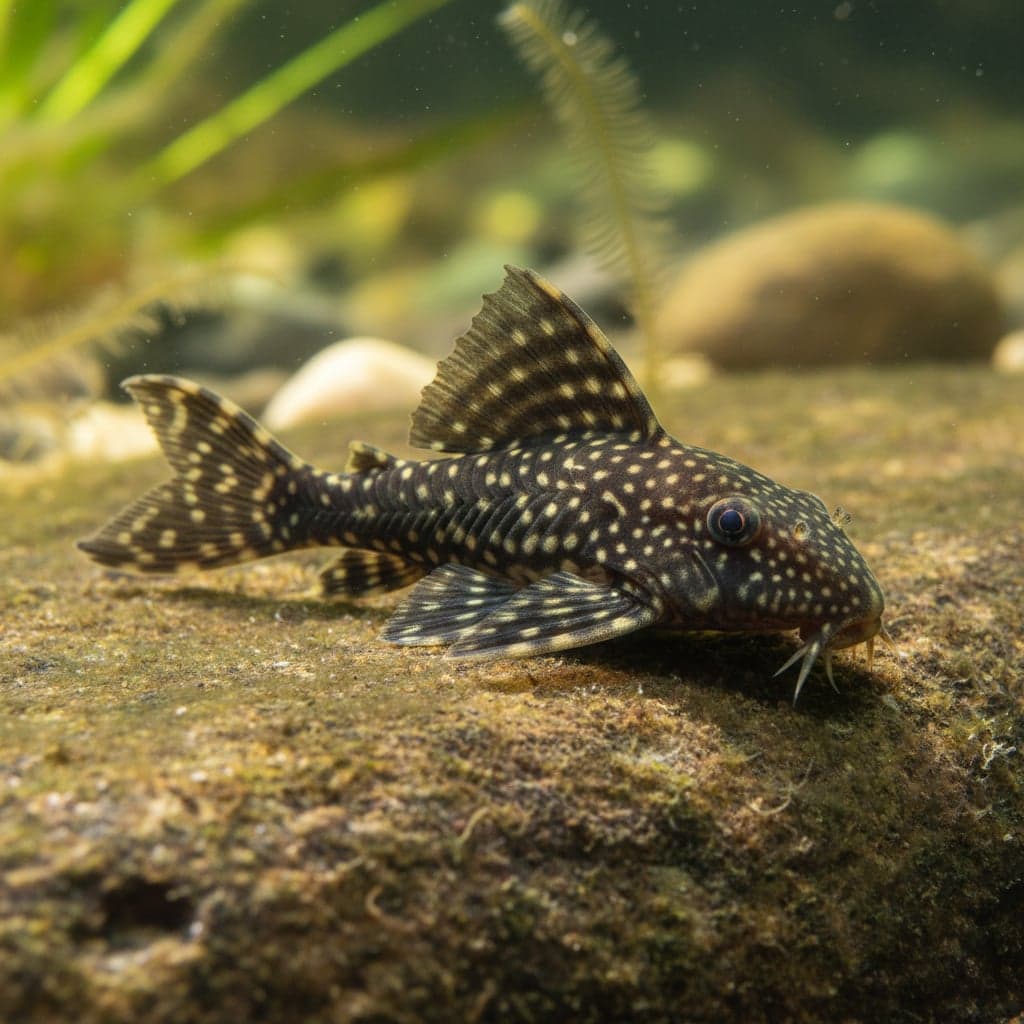
The Stardust Plec L262, scientifically known as Hypancistrus sp. L262, is an illustrious species of catfish treasured by aquarists for its striking appearance and unique patterns. This fish is notable for its vibrant, star-like markings against a dark background—a feature that has earned it the name "Stardust." The intricate pattern of white or pale yellow spots provides an eye-catching contrast and lends it an almost ethereal quality, making it a stunning addition to any aquarium setup. Beyond its visual appeal, the Stardust Plec L262 is significant in the aquarium hobby for its ability to contribute to tank cleanliness by consuming algae and detritus, thus supporting a healthier environment for other aquatic inhabitants.
As a member of the Loricariidae family, the Stardust Plec L262 is more than just a pretty face; its captivating behavior and essential ecological role in aquaria elevate its status among both novice and experienced fish keepers. These inhabitants of the riverbeds are not only admired for their beauty but also for their hardiness. Their avid nature for grazing and natural behaviors make them fascinating to observe, as they engage in activities that mimic their wild counterparts. As such, they have gained a steadfast place in the hearts of aquarists who appreciate both aesthetic and functional value in their tank inhabitants.
Natural Habitat & Origin
The Stardust Plec L262 hails from the tributary systems of the Rio Orinoco in Venezuela, where it thrives in densely vegetated waters. Its natural habitat is characterized by soft, acidic blackwater environments that are rich in tannins, giving the water a tea-like coloration due to decomposing plant matter. This environment not only influences the physical appearance of the fish but fosters a unique ecosystem where it can flourish among submerged roots, leaf litter, and rocky crevices. Understanding this geographical context helps hobbyists recreate suitable conditions in captivity, honoring this species' origins.
In the wild, the Stardust Plec L262 prefers waters with slow currents and abundant hiding places, which are essential for its well-being. The combination of gentle water flow and dense organic material ensures a stable habitat, offering both food and refuge from predators. This ecological niche underscores the importance of replicating similar conditions in a home aquarium to promote health and longevity for the species.
Care Requirements
To successfully care for the Stardust Plec L262, it is crucial to replicate its natural habitat with specific water parameters. Ideal conditions include a pH range of 6.0 to 7.5, a water temperature of 75°F to 82°F (24°C to 28°C), and a hardness level of 2-15 dGH. Regular water changes and monitoring are necessary to maintain optimal water quality, as these factors heavily influence the health and color of the fish.
Tank setup is equally important; a minimum tank size of 30 gallons is recommended to provide ample swimming space and territories. Substrate should be sandy or fine gravel to minimize stress on the fish's sensitive underside. Additionally, incorporating driftwood and smooth stones creates natural hiding spots necessary for the Stardust Plec, promoting its psychological well-being. Dim lighting coupled with plenty of live plants will help recreate the natural blackwater environment, enriching the overall aesthetic of the aquarium while offering shelter and security.
Diet & Feeding
The Stardust Plec L262 is primarily an omnivore, thriving on a varied diet that mimics its natural feeding habits. In captivity, it will benefit from high-quality sinking pellets that are specifically formulated for plecos, as well as algae wafers that provide essential nutrients. To ensure a balanced diet, it’s advisable to supplement its meals with fresh vegetables such as zucchini, cucumber, and blanched spinach. Additionally, occasional feedings of frozen or live foods like bloodworms or brine shrimp will encourage natural behaviors and promote healthy growth.
Feeding should occur in small amounts two to three times a week, allowing for a balanced intake while preventing overfeeding, which can lead to water quality issues. Monitoring the fish’s dietary preferences is vital, as individual preferences can vary, and maintaining their health through diet is paramount for an optimal aquarium experience.
Behavior & Temperament
The Stardust Plec L262 is generally a peaceful fish, exhibiting a calm demeanor that allows it to coexist harmoniously with many community tank mates. This species is predominantly nocturnal, exhibiting more active behavior during the night, which makes it an interesting addition for those who enjoy observing natural feeding behaviors. While they can be somewhat territorial, especially towards their own kind, aggression is usually minimal if adequate hiding spaces and territories are established.
Positioned primarily near the bottom of the aquarium, the Stardust Plec L262 tends to prefer substrate areas where it can graze. It is important for aquarists to provide ample visual barriers with decor and plants to minimize territorial disputes. This setup encourages a more relaxed environment and helps display the fish's natural behaviors, ensuring a more dynamic and aesthetically pleasing aquarium.
Tank Mates
When selecting tank mates for the Stardust Plec L262, it’s crucial to choose species that are similarly peaceful and compatible with its bottom-dwelling nature. Good companions include small to medium-sized tetras, rasboras, and peaceful cichlids such as the dwarf cichlid species. Corydoras catfish and other Loricariiformes can also coexist well, given their similar habitat preferences.
However, it's essential to avoid aggressive or overly large fish, as these can stress the Stardust Plec and disrupt the overall balance of the tank. Similarly, larger species that occupy the same bottom levels could potentially lead to confrontations over territory and food resources. By carefully selecting tank mates, aquarists can create a vibrant community that showcases the beautiful and serene nature of the Stardust Plec L262.
Breeding
Breeding the Stardust Plec L262 in captivity can be a rewarding challenge for dedicated aquarists. These fish will exhibit spawning behavior when provided with optimal conditions: a spacious breeding tank with water temperature ranging between 78°F to 82°F (25-28°C) and a pH around 6.5 to 7.0. They prefer flat surfaces such as tiles or smooth rocks for spawning, and the presence of caves can encourage breeding activity.
To stimulate spawning, it is beneficial to perform a water change with slightly cooler, soft water which can mimic seasonal rains in their natural habitat. During the breeding process, the male will guard the eggs and display protective behavior towards them, making the use of a breeding tank highly recommended to prevent stress from other tank inhabitants. Successful breeding may result in the female laying up to 30-100 eggs, which should hatch within a few days.
Common Health Issues
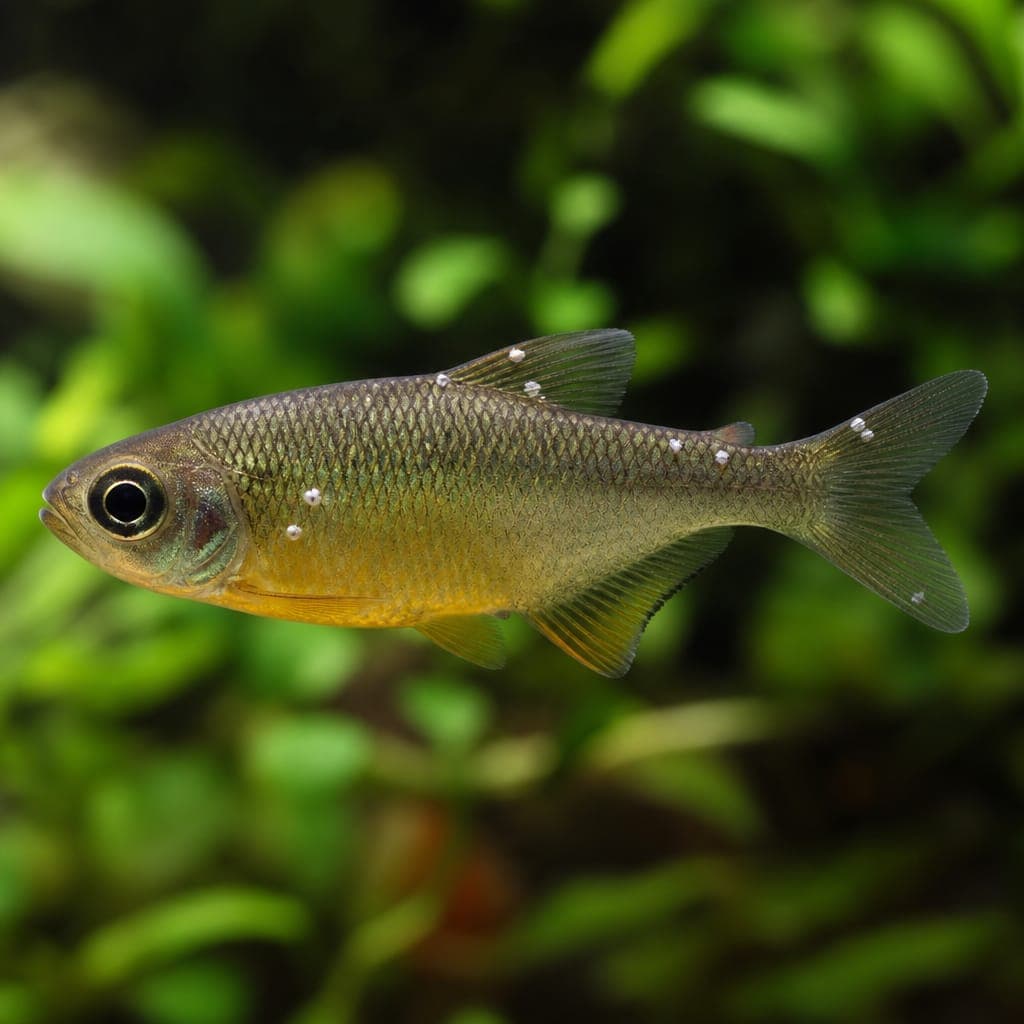
The Stardust Plec L262 is relatively resilient but can still be susceptible to a few health issues common in captive fish. One of the primary concerns is ich (Ichthyophthirius multifiliis), which manifests as white spots on the body and fins, usually caused by stress or poor water conditions. Regular water testing and maintaining a stable environment are effective preventative measures.
Other potential health issues include fin rot, which can occur if the fish is exposed to sharp decorations or aggressive tank mates, as well as dietary deficiencies if not fed a balanced diet. To prevent these problems, keep water clean and well-oxygenated, offer a balanced diet of sinking wafers, vegetables, and occasional protein, and quarantine new arrivals. Avoid sharp décor and aggressive tank mates that can damage fins. Watch for white spots, frayed fins, or weight loss, and treat promptly. Stable soft water, low nitrates, and ample wood or caves keep Stardust Plec L262 healthy and grazing for years.