Fish

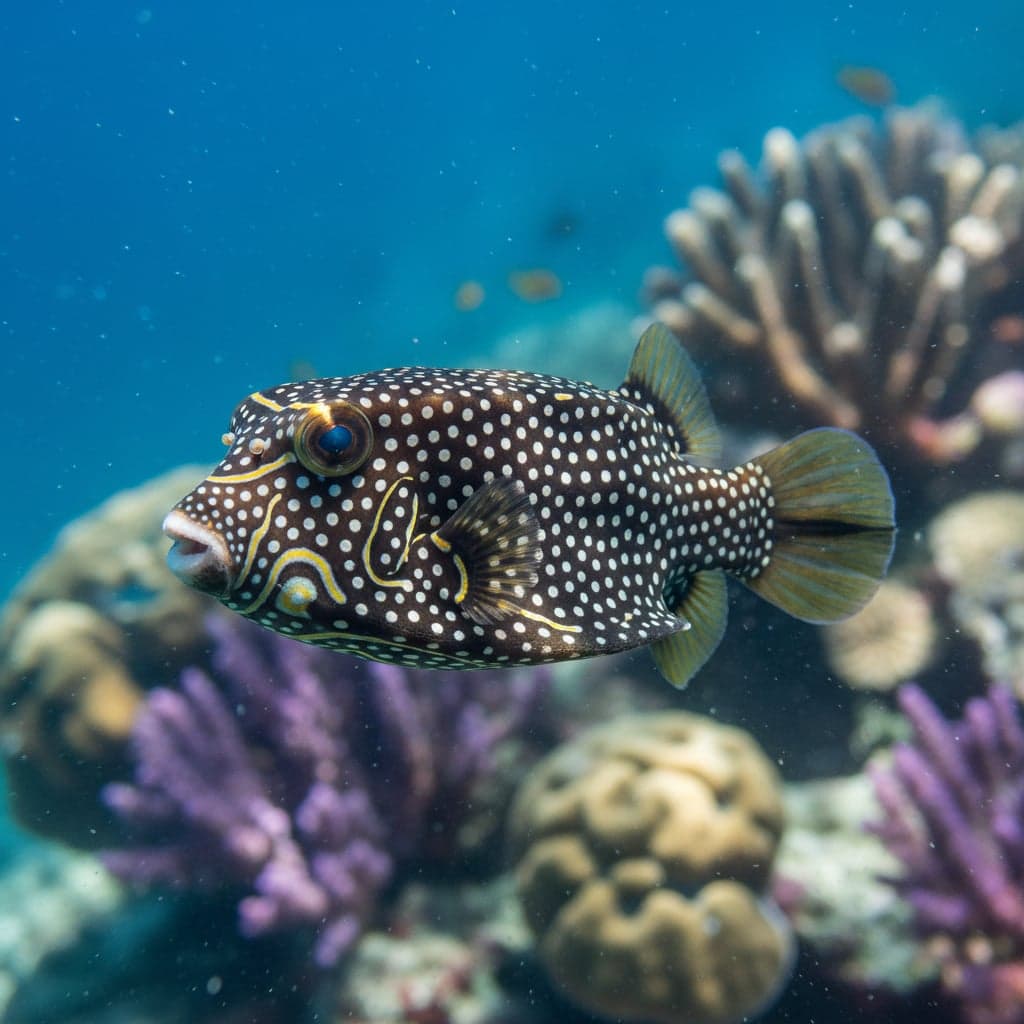
Twistii Wrasse

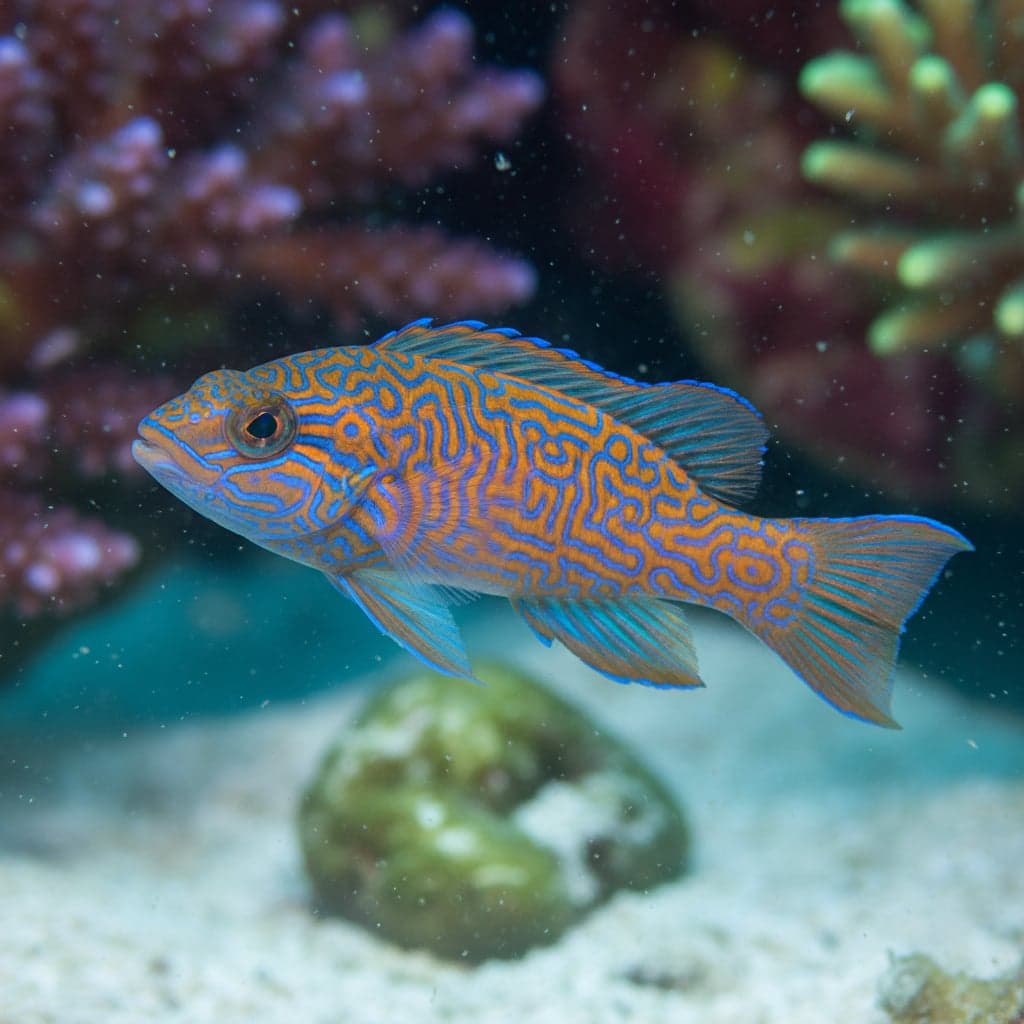
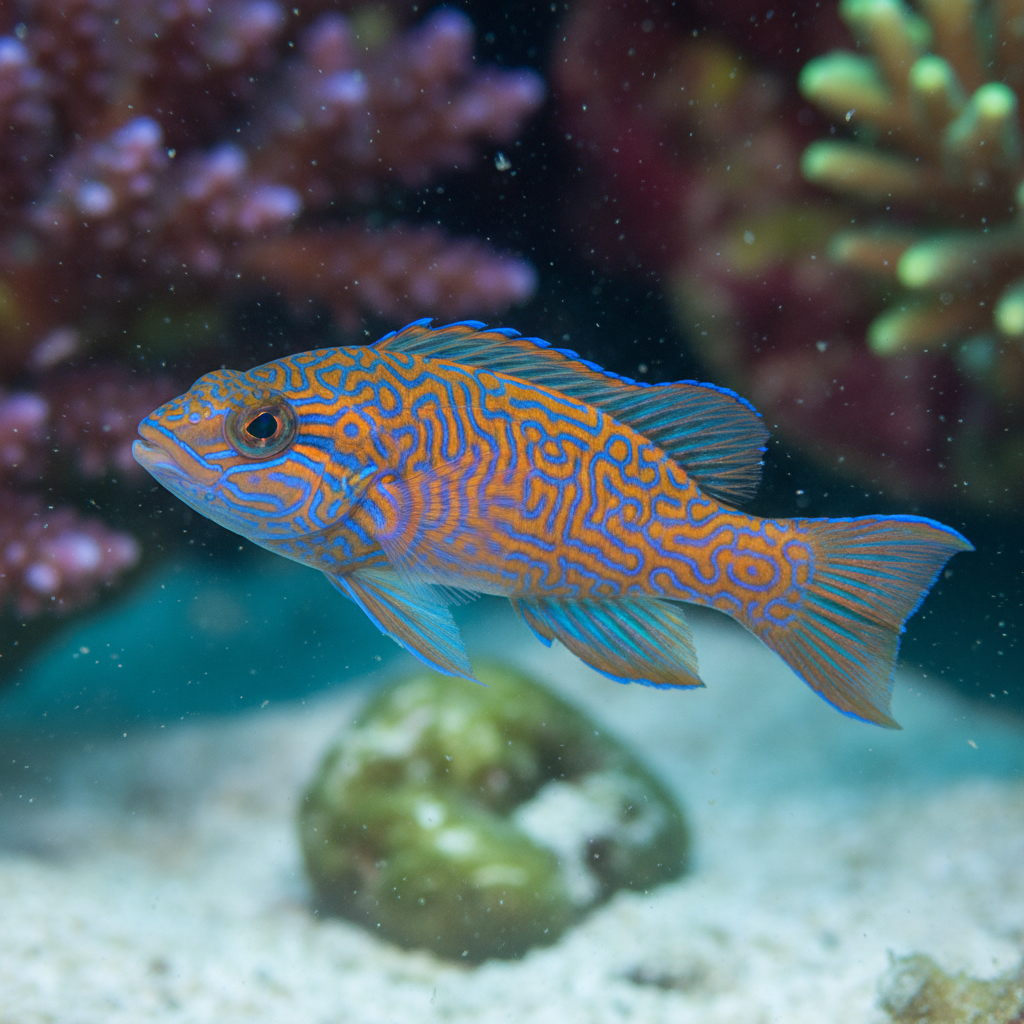
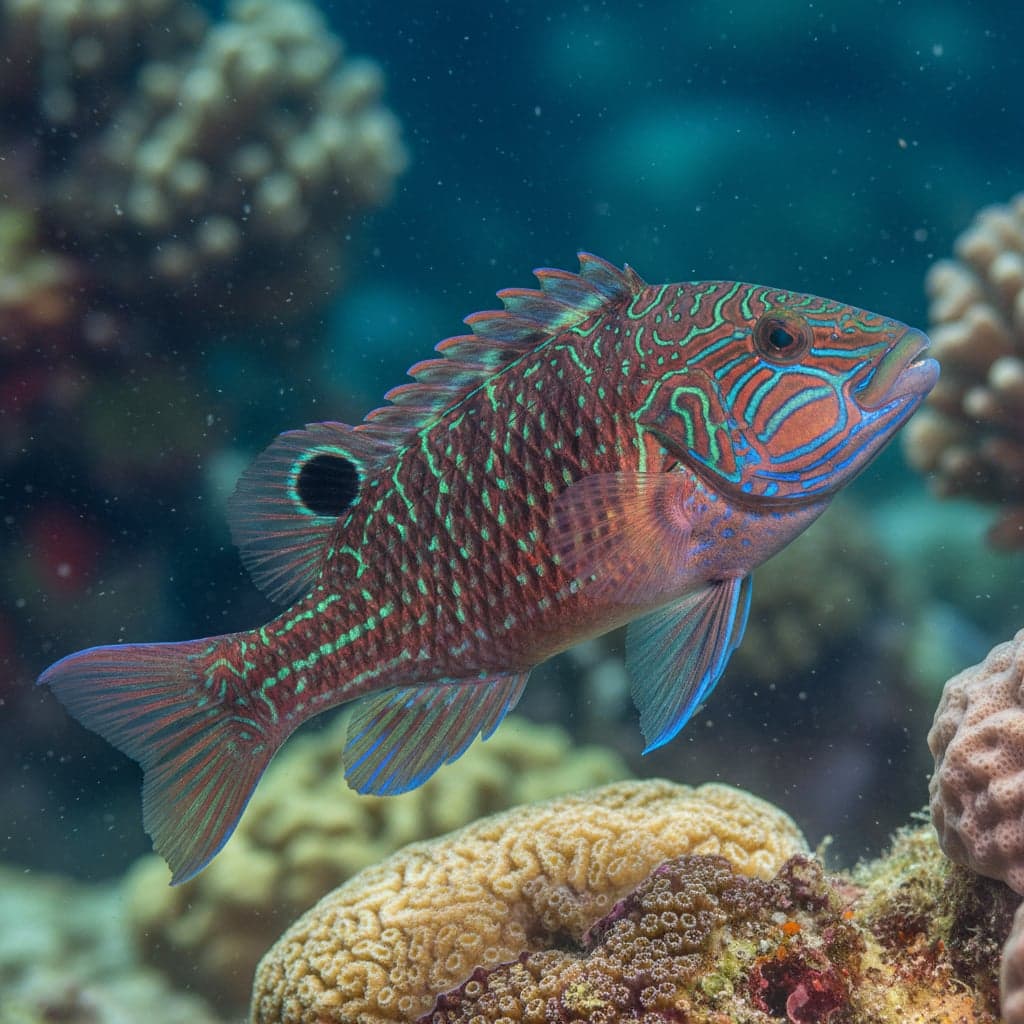
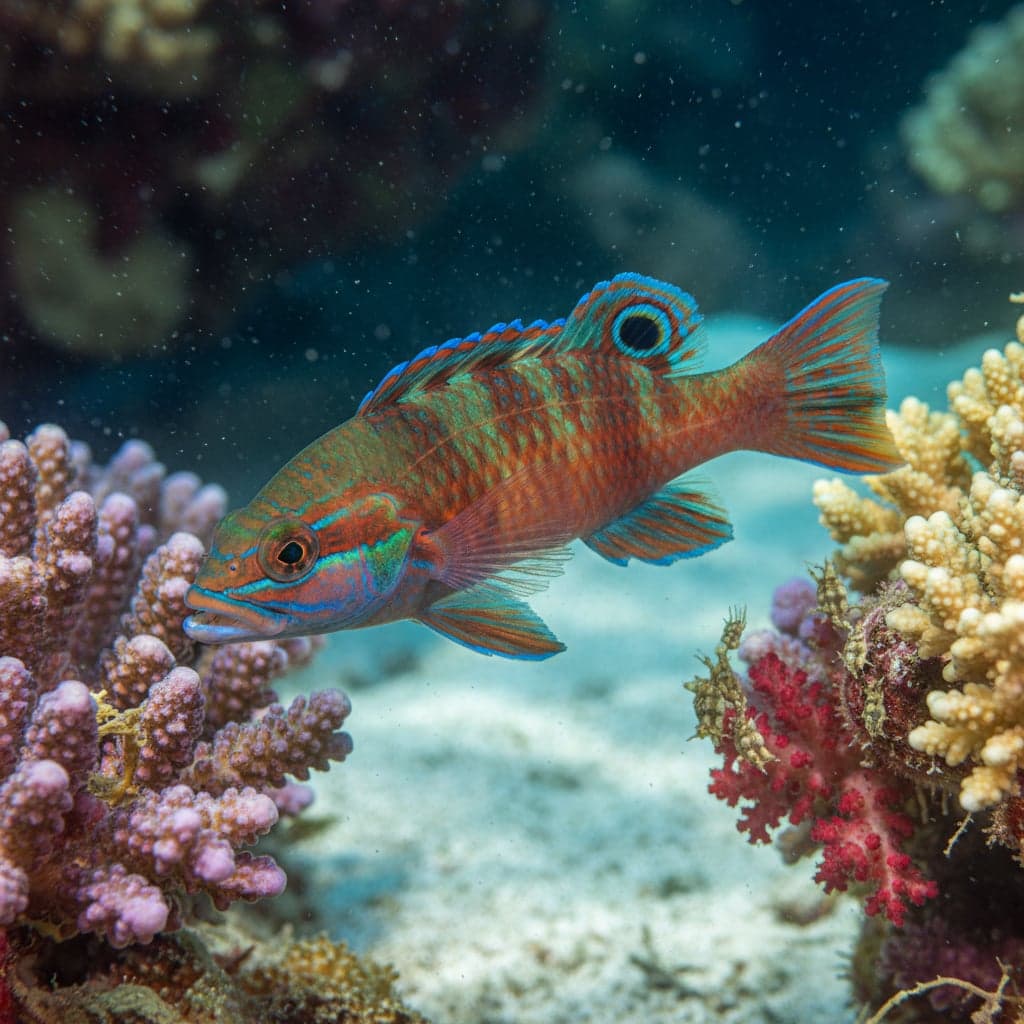
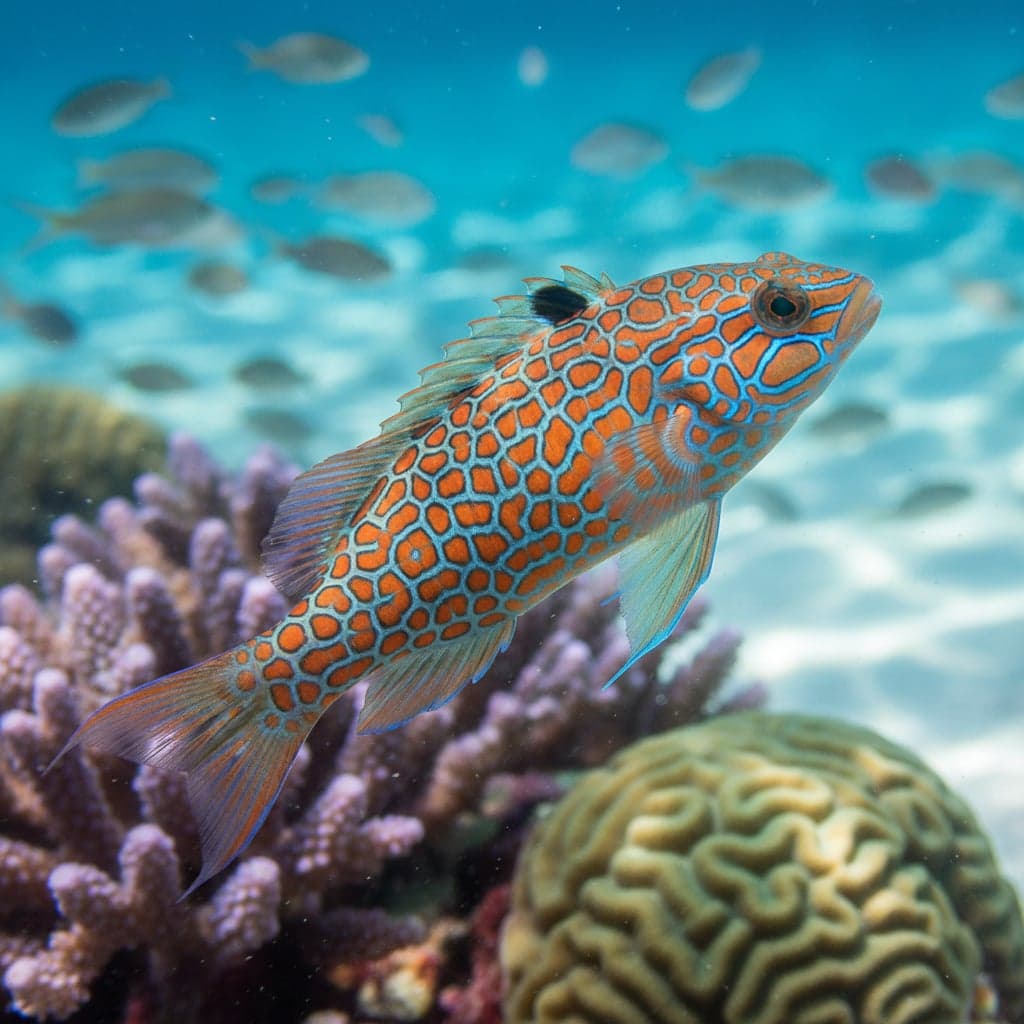
The Twistii Wrasse (Anampses twistii) is a stunning saltwater fish known for its unique appearance and behavior.

Studio Scaped
Twistii Wrasse

Twistii Wrasse

The Twistii Wrasse, scientifically known as Novaculichthys twistii, is a vibrant fish that adds a splash of color and activity to any marine aquarium. This species is characterized by its elongated body and vivid hues, which range from striking blues and greens to hints of yellows and purples. Its eye-catching appearance makes it a popular selection among aquarists, particularly those looking to create a lively reef environment. Beyond its aesthetic appeal, the Twistii Wrasse plays a crucial ecological role in its natural habitat by controlling the population of pests, such as parasites that afflict various corals and other marine organisms.

In the aquarium hobby, the Twistii Wrasse is valued not only for its beauty but also for its energetic swimming behaviors and interesting personality. Known for their active nature, these fish are often seen darting around rocks and corals, foraging for food and exploring their surroundings. As one of the more dynamic wrasse species, they can provide endless entertainment and contribute to the overall liveliness of your marine setup. Considered a relatively hardy species for experienced aquarists, the Twistii Wrasse can thrive in well-maintained environments, making it a suitable choice for both novice and advanced fish keepers alike.

Natural Habitat & Origin

The Twistii Wrasse is endemic to the warm waters of the Indo-Pacific region, particularly around the reefs of the Marshall Islands, Fiji, Tonga, and the Solomon Islands. This fish typically inhabits shallow coral reefs and sandy bottoms within a depth range of approximately 10 to 30 meters. The environment is predominantly characterized by clear waters that provide ample sunlight, fostering a rich diversity of marine life. Here, the Twistii Wrasse can find shelter in crevices and among the coral, where it forages for small invertebrates and algae, essential components of its diet.

The specific ecological niche occupied by the Twistii Wrasse is vital for maintaining the health of reef ecosystems. By feeding on parasites and detritus found on and around corals, this fish not only supports its own health but also contributes to the overall well-being of the reef community. This symbiotic relationship emphasizes the significance of preserving natural habitats, putting the role of the Twistii Wrasse into perspective for both hobbyists and conservationists.

Care Requirements

To successfully keep a Twistii Wrasse, water parameters and tank setup must be closely monitored. The ideal temperature range for this fish is between 74°F and 82°F (23°C - 28°C), with a recommended pH level of 8.1 to 8.4. The aquarium should maintain a specific gravity of around 1.020 to 1.025, signifying the need for stable salinity levels. As for hardness, a range of 8-12 dKH is ideal for simulating their natural reef environment.

A minimum tank size of 75 gallons is recommended for a single Twistii Wrasse to ensure ample swimming space and territory. The tank should include a sandy substrate that mimics their natural habitat, as this fish enjoys burrowing and exploring. Lighting should be moderate to highlight the colors of the fish and promote healthy coral growth, with the incorporation of live rock and hiding spots to provide security and stimulation. Plants are less commonly used in marine settings, but incorporating macroalgae can help maintain water quality while offering a natural look.

Diet & Feeding

The Twistii Wrasse is classified as an omnivore, with a diet primarily consisting of small crustaceans, snails, and algae. In captivity, this fish can thrive on a varied diet that includes high-quality flake and pellet food specifically formulated for marine fish, as well as frozen fare such as mysis shrimp and brine shrimp. Additionally, offering occasional live foods like blackworms can stimulate natural hunting behaviors and enhance the fish's color and vitality.

It is essential to provide multiple feedings throughout the day, approximately 2-3 times, ensuring that the Twistii Wrasse gets the necessary nutrients to flourish. While they are opportunistic feeders, overfeeding should be avoided to maintain water quality and prevent obesity. A well-balanced diet will promote optimal health and longevity for this striking species in your aquarium.

Behavior & Temperament

The Twistii Wrasse exhibits a generally peaceful temperament, although individuals can display varying levels of shyness and assertiveness, especially when establishing territory. These fish are known to be solitary or can be kept in pairs, but caution should be exercised when introducing new tank mates. While they are relatively peaceful, they might exhibit territorial behavior towards smaller fish or wrasses, particularly during feeding or nesting.

In terms of vertical placement within the tank, the Twistii Wrasse is known to prefer the mid to upper regions of the aquarium where they can actively swim and explore. Providing ample hiding spots with live rock and caves will help them feel secure and less stressed. Observations of social behavior within the tank can reveal fascinating dynamics, as they readily engage with their environment and occasionally form an affinity with other non-aggressive species.

Tank Mates

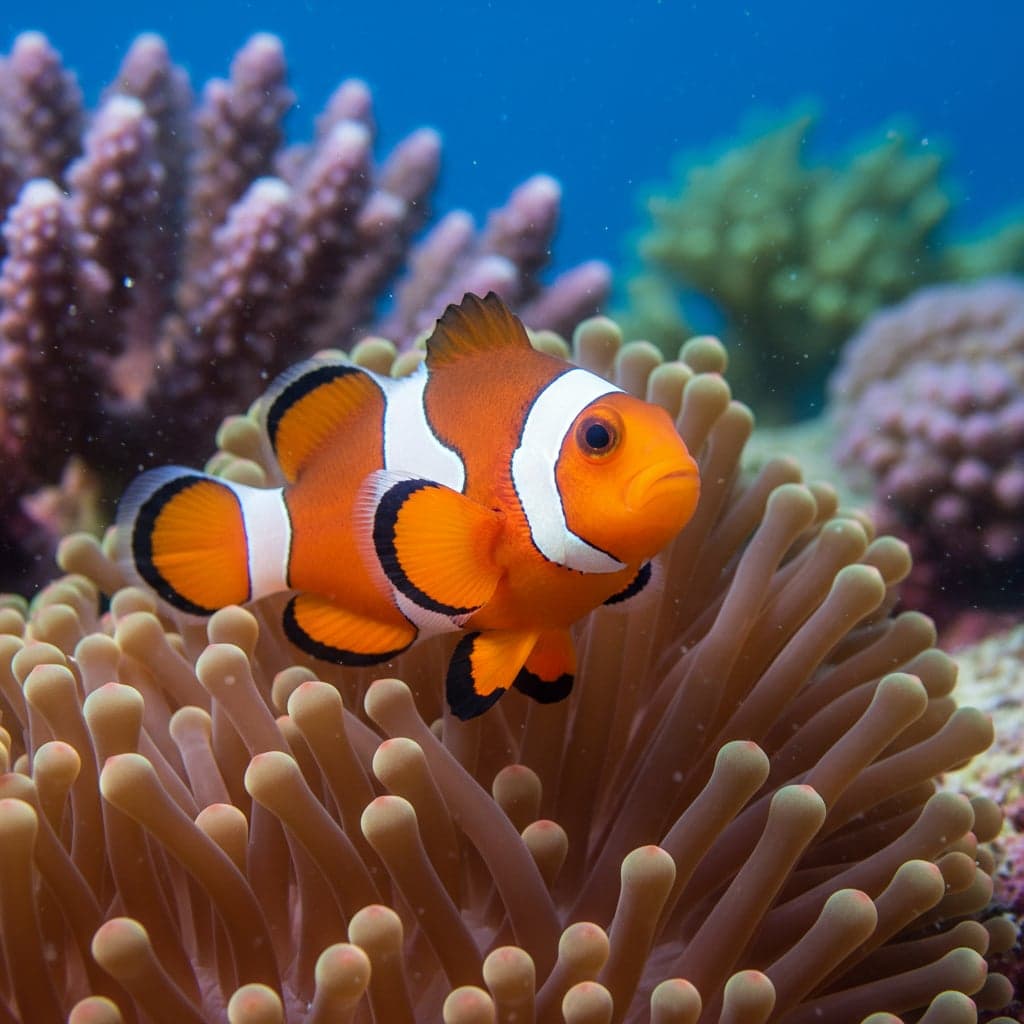
When selecting tank mates for the Twistii Wrasse, consider species that share similar temperaments and environmental needs. Compatible tank mates typically include peaceful reef-safe species such as clownfish, gobies, many types of damselfish, and small hawkfish. Larger wrasse species can also coexist harmoniously, provided that adequate space is available. It is best to avoid aggressive fish, such as lionfish or larger triggers, which may harass or compete with the Twistii Wrasse.

Specific species to avoid include more aggressive territorial fish, larger cichlids, and other wrasses of the same genus that may engage in disputes over territory. Incompatible tank mates can induce stress, leading to health issues or aggressive behavior, which must be carefully managed to ensure a thriving community tank.

Breeding

Breeding the Twistii Wrasse in captivity remains a challenging endeavor due to their specific spawning conditions. In the wild, these fish typically exhibit a communal breeding behavior within their established territories during the warm summer months. Males will display vivid colors and perform elaborate courtship rituals to attract a female. Successful breeding in captivity requires ample swimming space, consistent water parameters, and a well-structured environment that mimics their natural spawning grounds.

Creating a breeding pair often involves selecting a male and female from a group, carefully observing their interactions and compatibility. Introducing elements such as spawning sites (flat rocks or caves) and simulating natural light cycles can increase the chances of breeding success. However, be prepared for potential challenges, as wrasses are known to exhibit complex breeding behaviors that may not always flourish outside their natural habitat.

Common Health Issues

The Twistii Wrasse can be susceptible to several common marine diseases, such as ich (Cryptocaryon irritans), marine velvet (Oodinium), and bacterial infections. The stress associated with aggressive tank mates, fluctuating water quality, or improper tank conditions can exacerbate these health issues. Observing behavior, appetite, and physical conditions regularly is essential for early detection of health problems.

Preventive measures include maintaining stable water parameters, ensuring a stress-free environment, and providing a high-quality diet. Quarantining new arrivals before introducing them to the main tank can help avoid the introduction of pathogens. Regular water changes and diligent tank maintenance will further contribute to the overall health and longevity of your Twistii

ADA
Aqua One
Chihiros
Dennerle
EHEIM
Fluval
Oase
Seachem
Tropica
Twinstar
UNS
ADA
Aqua One
Chihiros
Dennerle
EHEIM
Fluval
Oase
Seachem
Tropica
Twinstar
UNS
ADA
Aqua One
Chihiros
Dennerle
EHEIM
Fluval
Oase
Seachem
Tropica
Twinstar
UNS
ADA
Aqua One
Chihiros
Dennerle
EHEIM
Fluval
Oase
Seachem
Tropica
Twinstar
UNS