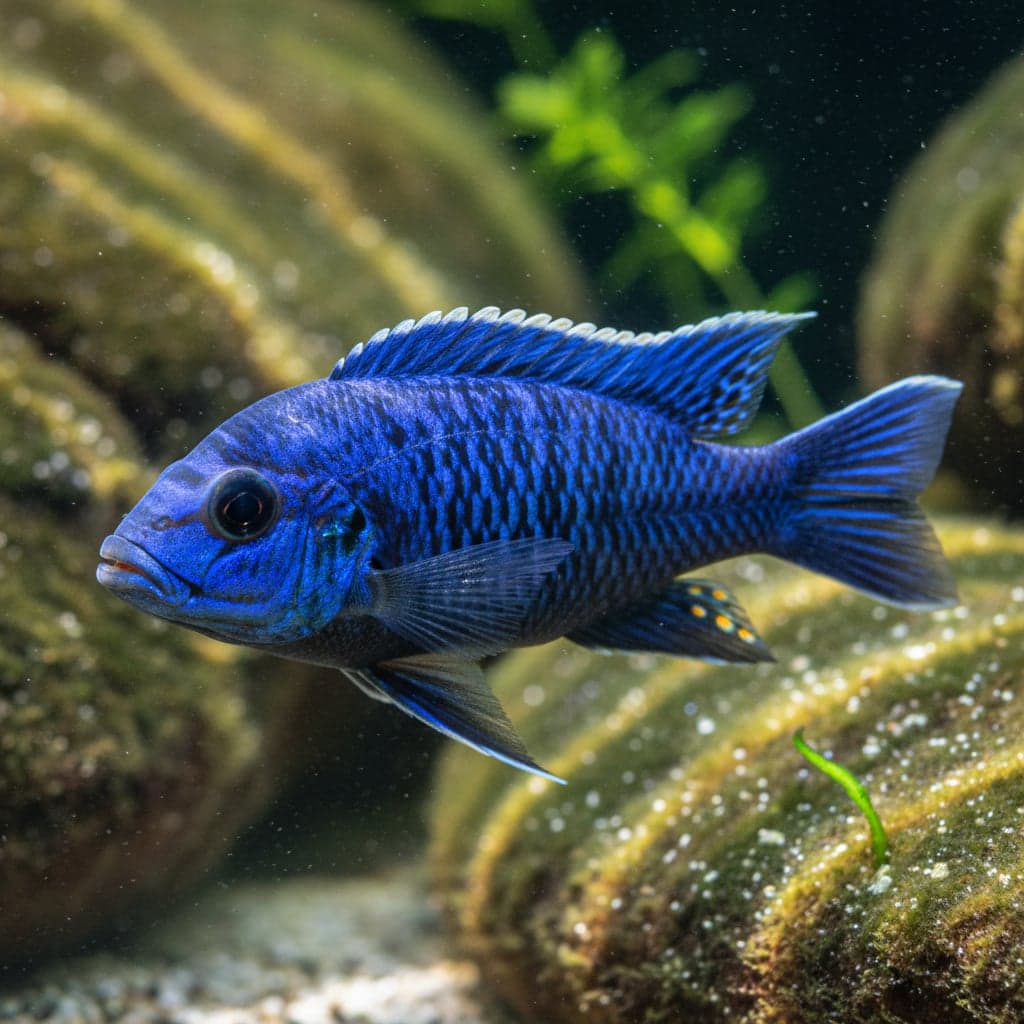
White-top Afra: Maylandia pulpican
A 12cm Lake Malawi cichlid that grazes algae from rock. Needs hard alkaline water, heavy rockwork and a female-heavy group.
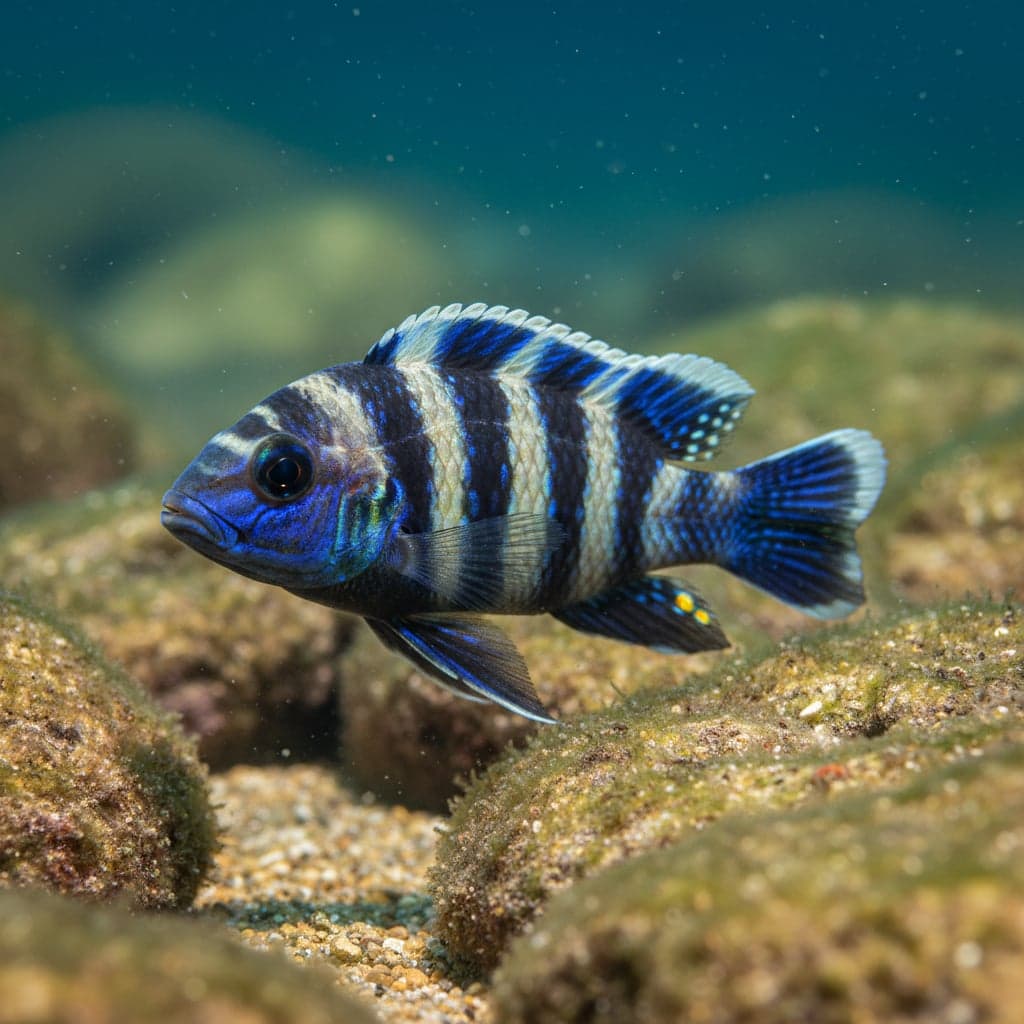
White-top Afra
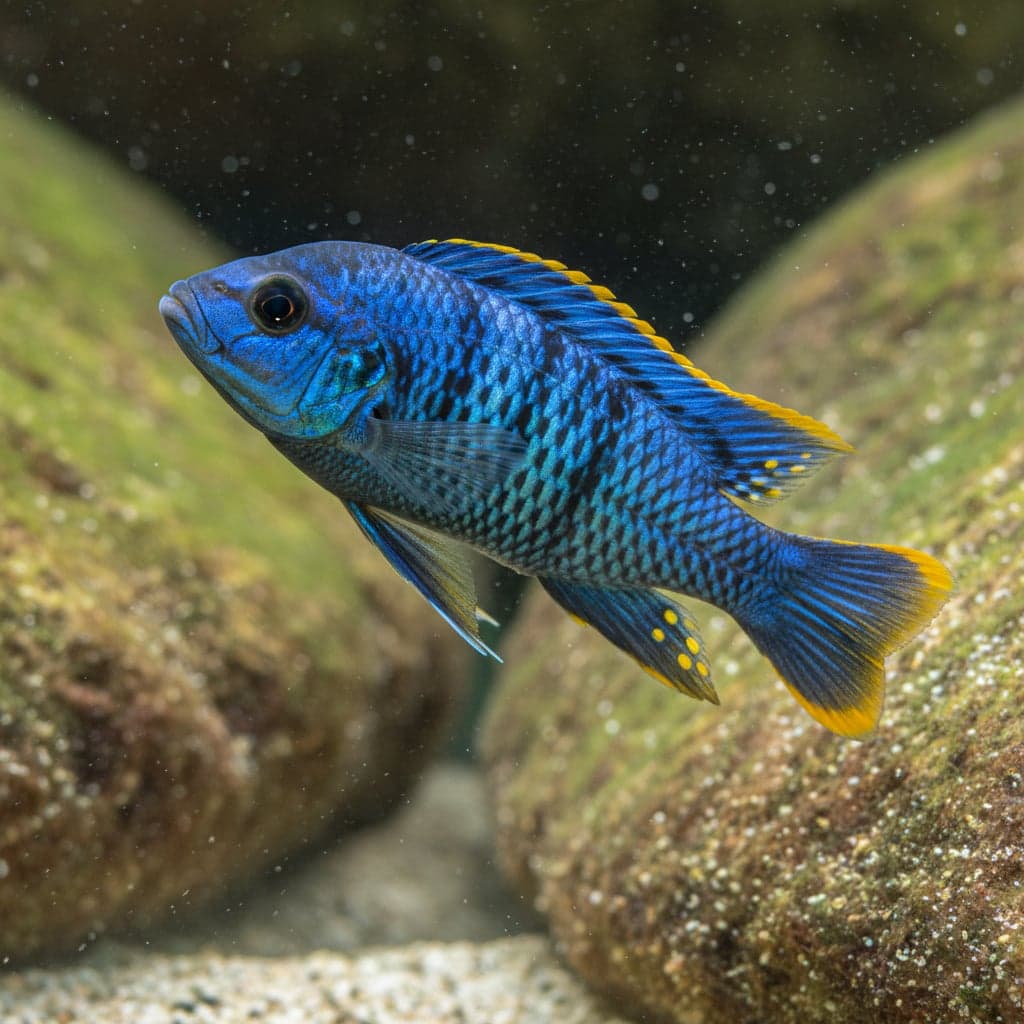
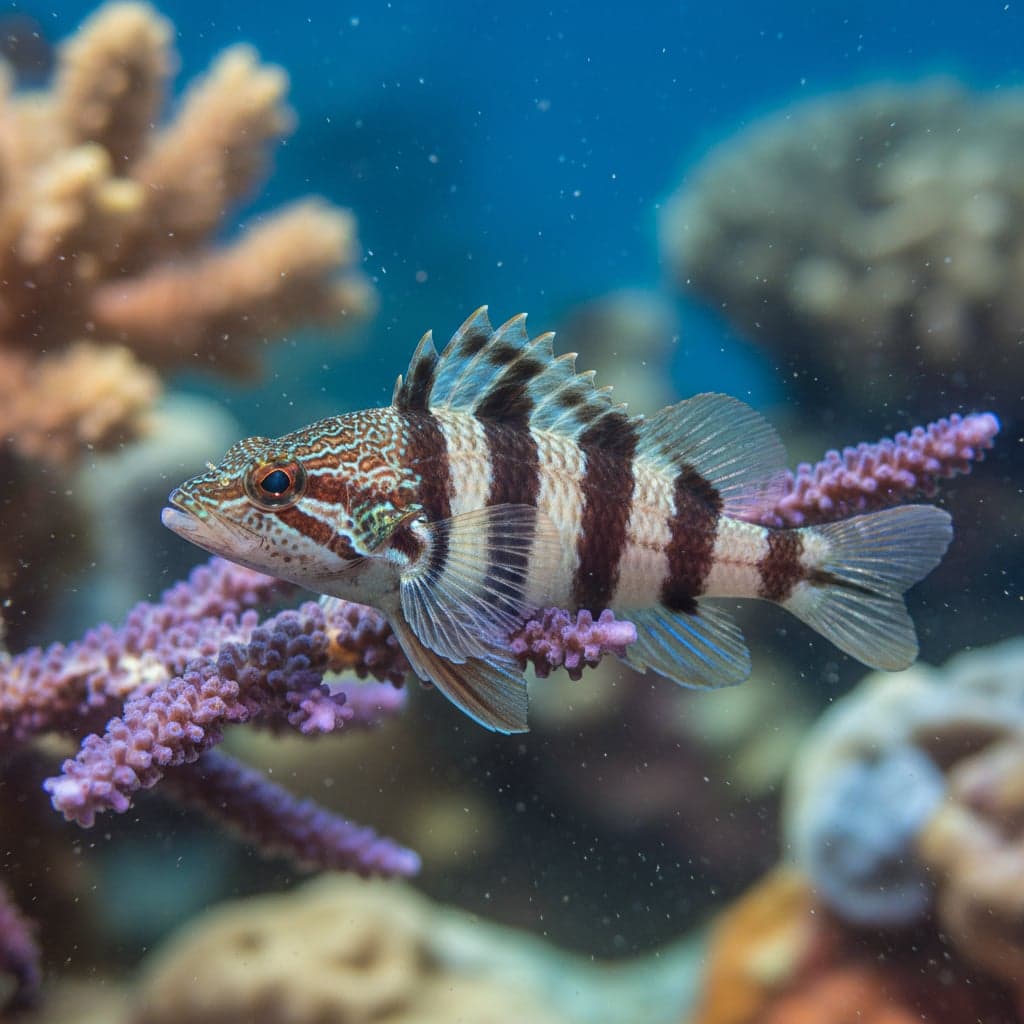
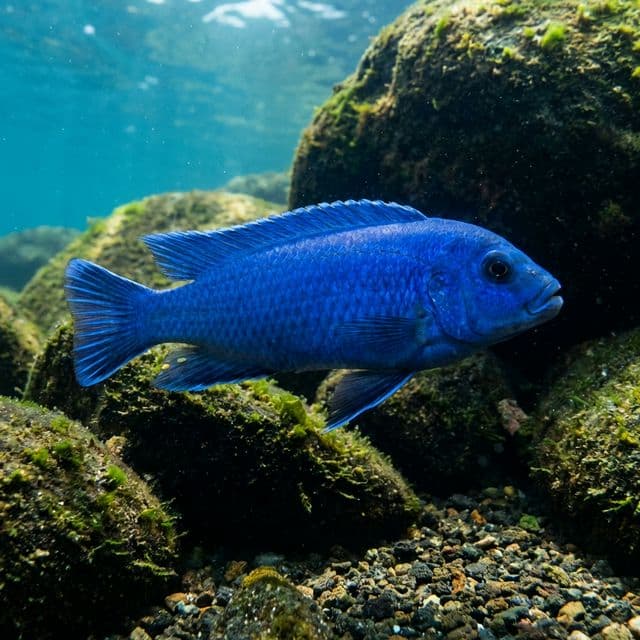
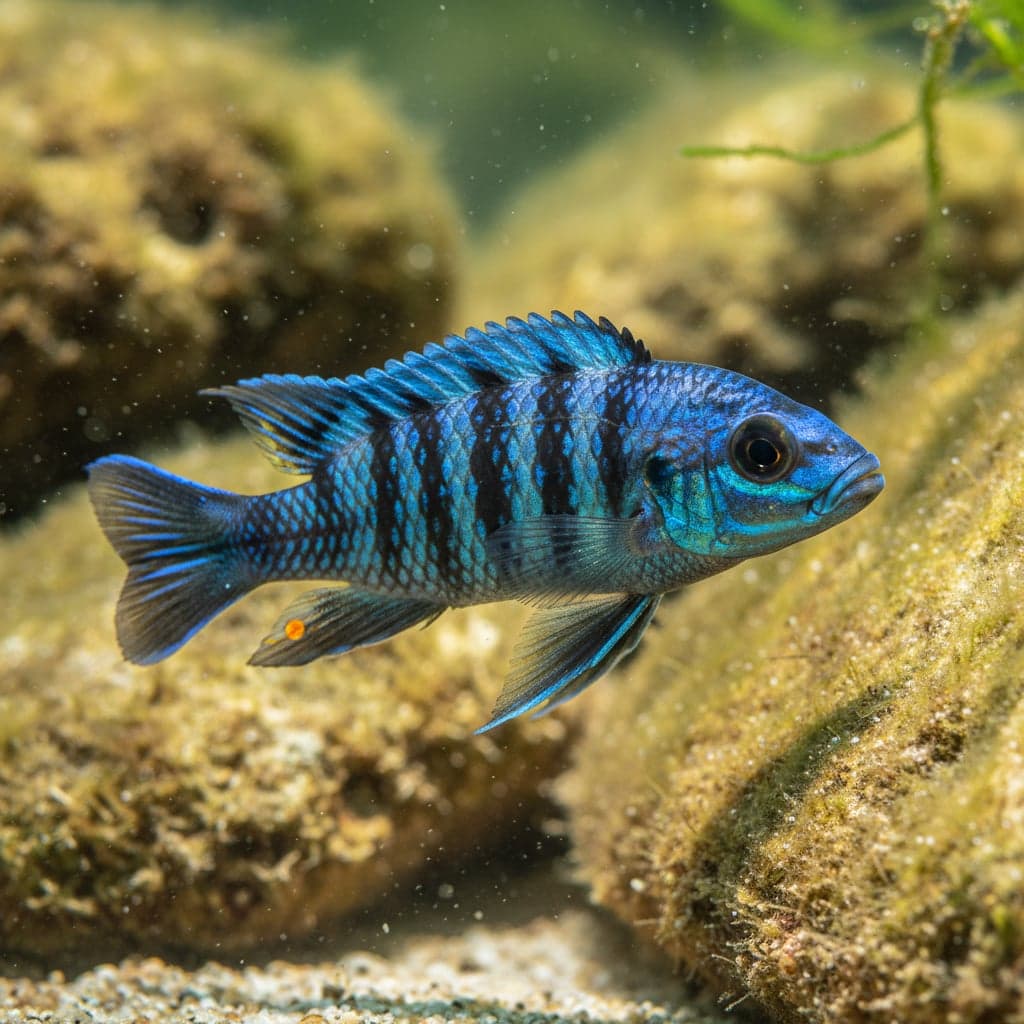
The White-top Afra, scientifically known as Maylandia pulpican, is a visually stunning cichlid species originating from the waters of Lake Malawi in East Africa. This fish is particularly admired in the aquarium hobby due to its striking coloration and unique head structure. The male White-top Afra flaunts a vibrant yellow body adorned with bold black stripes, while its dorsal fin is decorated with a brilliant white edge, which gives rise to its common name. Females, on the other hand, feature a more subdued coloration with less pronounced striping, making them beautiful in their own right. The aesthetic appeal of the White-top Afra isn’t just confined to its physical appearance; its lively and engaging behavior adds an appealing dynamic to any aquascape.
In the aquarium hobby, the White-top Afra holds significance beyond just being a beautiful fish. It provides enthusiasts with an opportunity to appreciate ecosystems resembling its natural habitat. Many aquarists seek out this species for its hardiness and adaptability, allowing it to thrive in varied setups. Furthermore, breeding the White-top Afra can be a rewarding experience, leading to an expansion of this magnificent species in domestic aquaria. As interest in African cichlids continues to grow, the White-top Afra remains a sought-after species for both novice and experienced hobbyists alike.
Natural Habitat & Origin
The White-top Afra is native to the rocky shorelines of Lake Malawi, one of the largest and most biodiverse freshwater lakes in the world. This region features a unique ecosystem characterized by crystal-clear water rich in minerals, which supports a diverse array of aquatic life. Typically inhabiting depths of 2-20 meters, the White-top Afra is found among rocky substrates where it can retreat to crevices and caves for shelter and breeding. The water in this area is alkaline, with a pH ranging from 7.5 to 8.5, moderate hardness, and temperatures averaging between 23-28°C (73-82°F).
In their natural environment, the White-top Afra is exposed to various environmental factors, including fluctuation in water levels and changes in food availability. These aspects of their habitat influence their feeding and breeding behaviors, highlighting the importance of mimicking these conditions in captivity. Understanding their natural habitat is crucial for aquarists looking to recreate a biotope setup that mimics Lake Malawi's aquatic environment.
Care Requirements
To successfully keep the White-top Afra, one must establish proper care requirements in the aquarium. The ideal tank size for a group of these fish is at least 75 gallons, allowing ample space for swimming and territorial behavior. A sandy substrate is recommended, as this closely resembles their natural environment. Additionally, providing plenty of rocky structures, caves, and hiding spots can help to replicate the rocky shorelines of Lake Malawi, which fosters both comfort and security for the fish.
Water parameters are critical for their health and well-being. Maintain a pH level between 7.5 and 8.5, with a temperature range of 23-28°C (73-82°F). Hardness should be moderate to high, ideally around 10-20 dGH. Lighting should be moderate, as the natural habitat of the White-top Afra experiences variations in light due to underwater structures. Adding some hardy aquatic plants can enhance the aesthetic appeal of the tank, but keep in mind that these fish may dig and rearrange their environment, so choose robust species that can withstand such disturbances.
Diet & Feeding
The White-top Afra is classified as an omnivore, which means it thrives on a varied diet in captivity. A balanced feeding regimen should include high-quality pellets or flakes specifically designed for cichlids to ensure they receive essential vitamins and minerals. Additionally, supplement their diet with frozen or live foods such as brine shrimp, daphnia, and bloodworms to enhance their nutritional intake and stimulate natural foraging behaviors.
Feeding these fish multiple small meals throughout the day is preferable to one large feeding, helping to prevent issues related to overfeeding while offering a more natural feeding experience. It is also important to occasionally include vegetable matter in their diet, which can be provided in the form of blanched zucchini or spirulina-based foods. This helps maintain their overall health and promotes optimal coloration.
Behavior & Temperament
The White-top Afra exhibits interesting social behavior and distinct personalities that can add excitement to an aquarium. These cichlids are semi-aggressive, particularly during breeding periods and when establishing territories. They are known to form loose hierarchies, with dominant males often displaying more vibrant coloration and engaging in territorial displays to deter rivals. It is essential to keep them in groups with a balanced ratio of males to females to minimize stress and aggression.
In terms of tank positioning, White-top Afras are known for their vertical placement in the tank, often claiming specific territories and using vertical structures to assert dominance. It is common to observe them darting between rocks or hovering near the upper parts of the aquarium, where they feel secure yet can maintain visibility of their surroundings. Observing these behaviors in a well-maintained environment adds to the overall enjoyment of keeping this captivating species.
Tank Mates
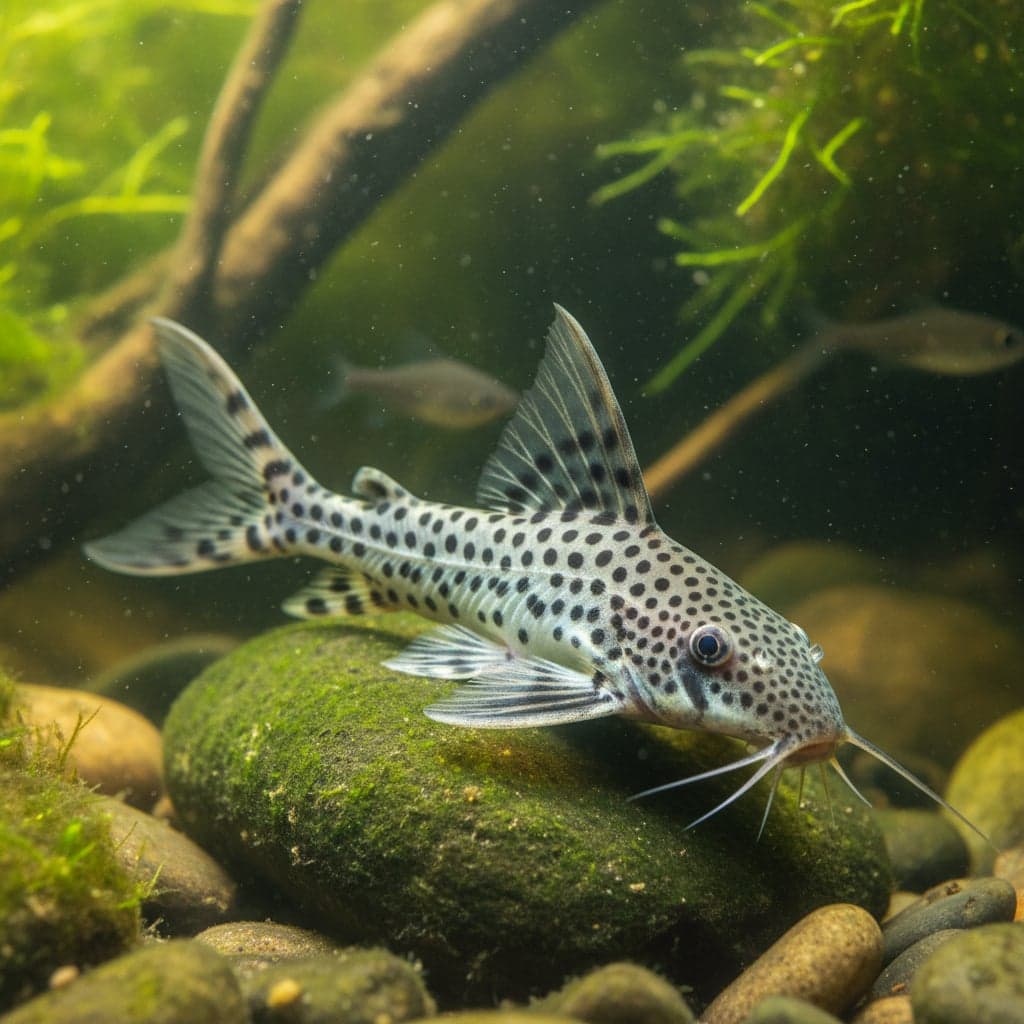
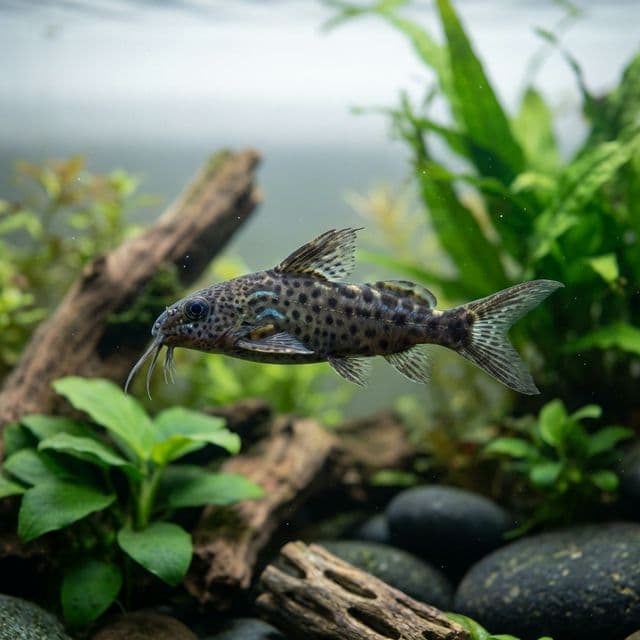
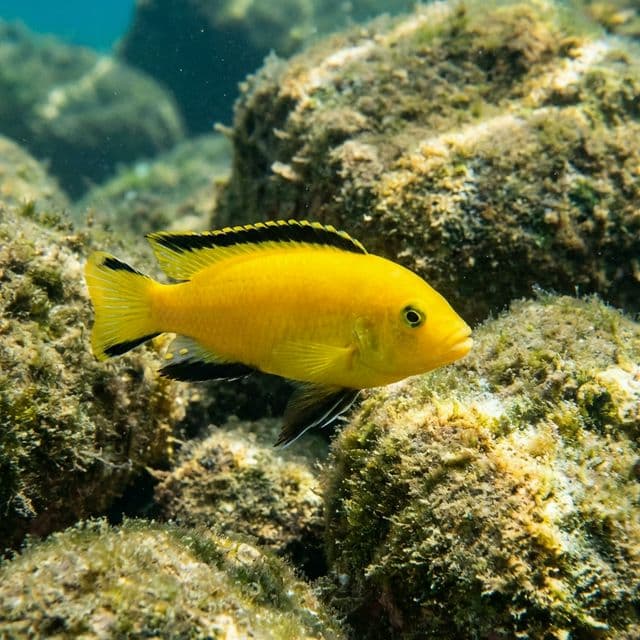
Selecting appropriate tank mates for the White-top Afra is crucial for maintaining harmony within the aquarium. Compatible species typically include other Mbuna cichlids, such as the Yellow Labs (Labidochromis caeruleus), and certain species of smaller, non-aggressive fish like Synodontis catfish. Keeping a diverse community of similarly sized cichlids can also enhance the dynamic and visual appeal of the tank.
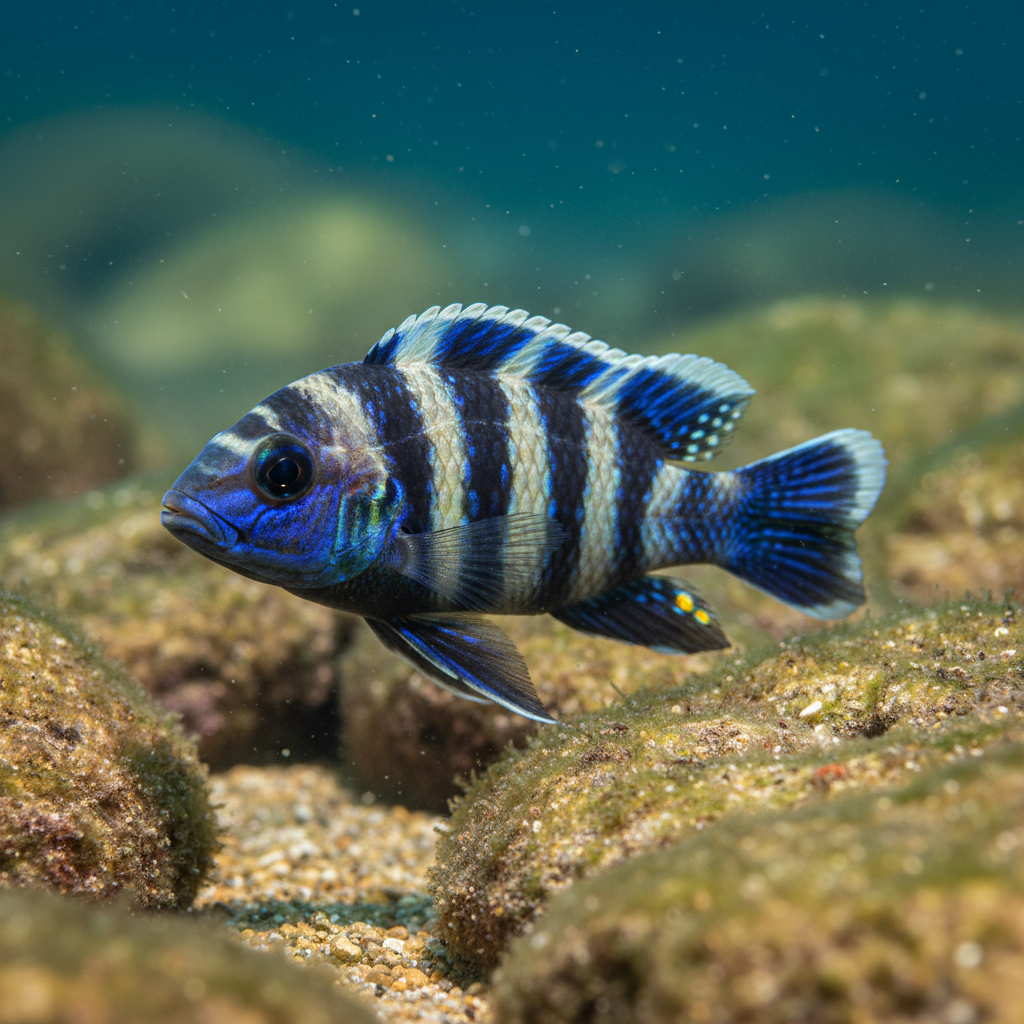
However, certain species should be avoided due to varying temperaments and needs. Large or overly aggressive cichlids, like the Frontosa (Cyphotilapia frontosa) or larger African cichlids, can pose a threat to the White-top Afra. Additionally, slower-moving fish or delicate species may become targets for bullying due to the Afra’s energetic nature. It is essential to create a balanced community to ensure a peaceful and thriving aquarium environment.
Breeding
Breeding the White-top Afra can be an exciting endeavor for experienced aquarists. Like many cichlids, they exhibit mouthbrooding behavior, where females incubate and care for their fry in their mouths after laying eggs. To initiate breeding, a breeding pair should be chosen and provided with a dedicated breeding environment, typically involving a separate tank with appropriate conditions. The ideal parameters include slightly higher temperatures (up to 29°C or 84°F) and stable water quality.
During the breeding process, females will search for a suitable flat surface to lay eggs, often preferring rocky surfaces. Males will display courtship behaviors to entice the female, and once fertilization occurs, the female will gather the fertilized eggs into her mouth. After about 3-4 weeks, the fry will be released, and the female will continue caring for them until they are large enough to fend for themselves. Fry can be fed specially formulated liquids or crushed flake food to ensure their healthy development.
Common Health Issues
While the White-top Afra is generally hardy, they can still be susceptible to specific diseases commonly seen in aquarium fish. One of the main concerns is Malawi Bloat, a disease linked to poor water quality and overfeeding. Symptoms include swelling and poor buoyancy.