Maison Reef Zebra: Maylandia fainzilberi
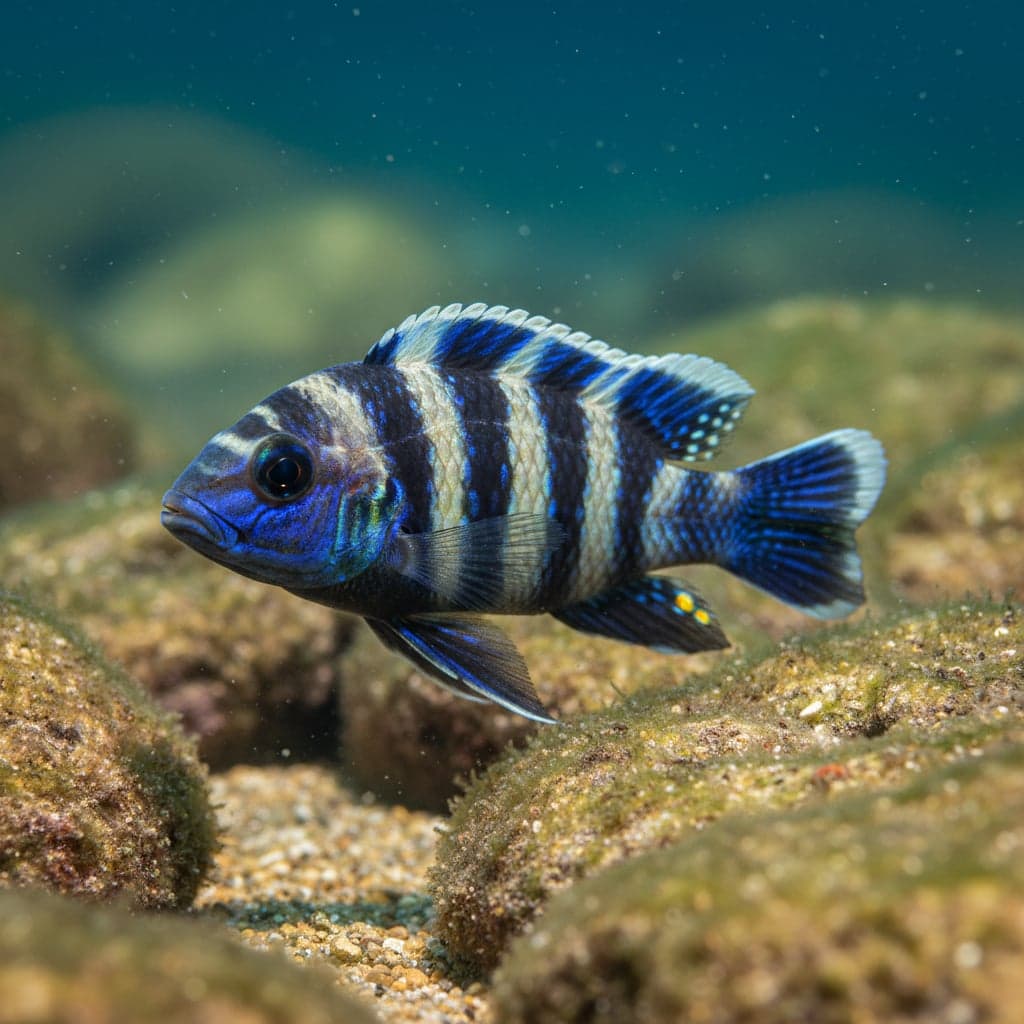
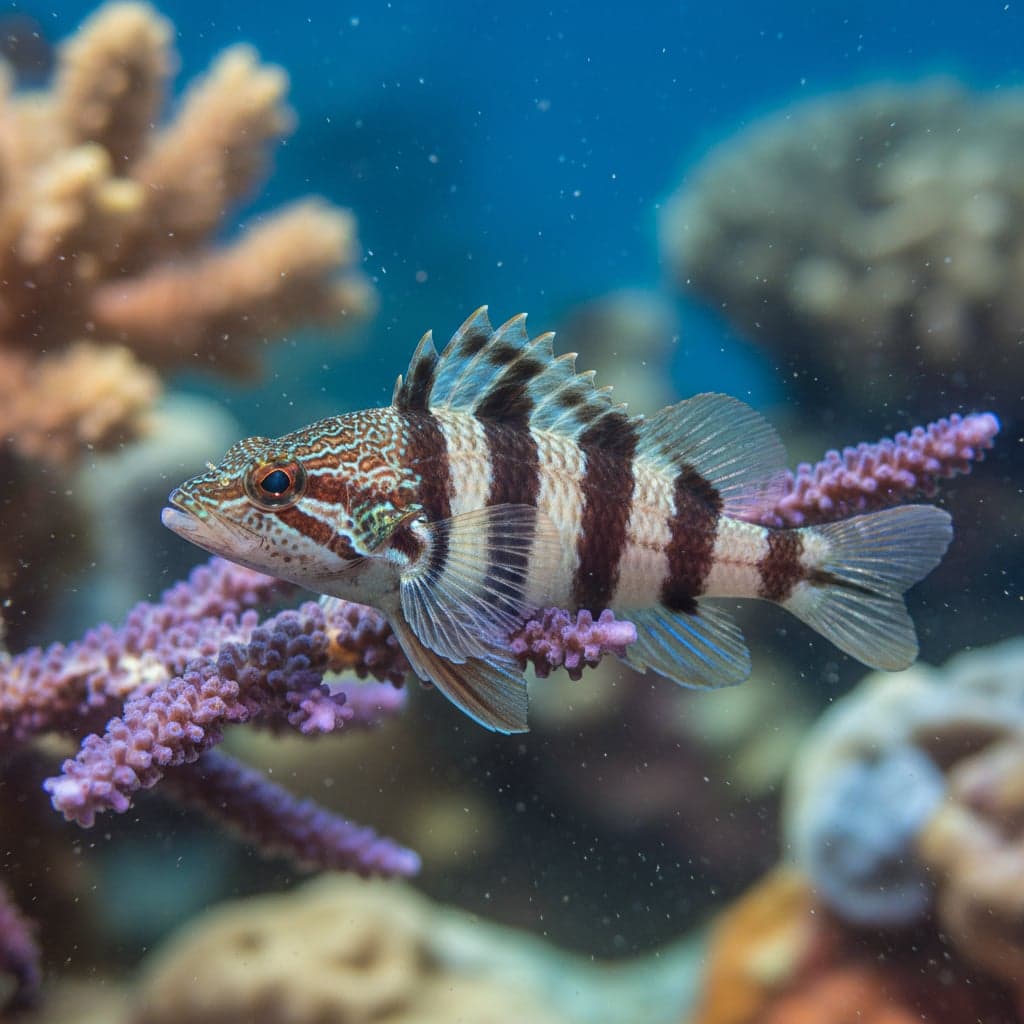
A massive, aggressive mbuna featuring thick, dramatically black vertical bars over a pale icy blue body.
Maison Reef Zebra
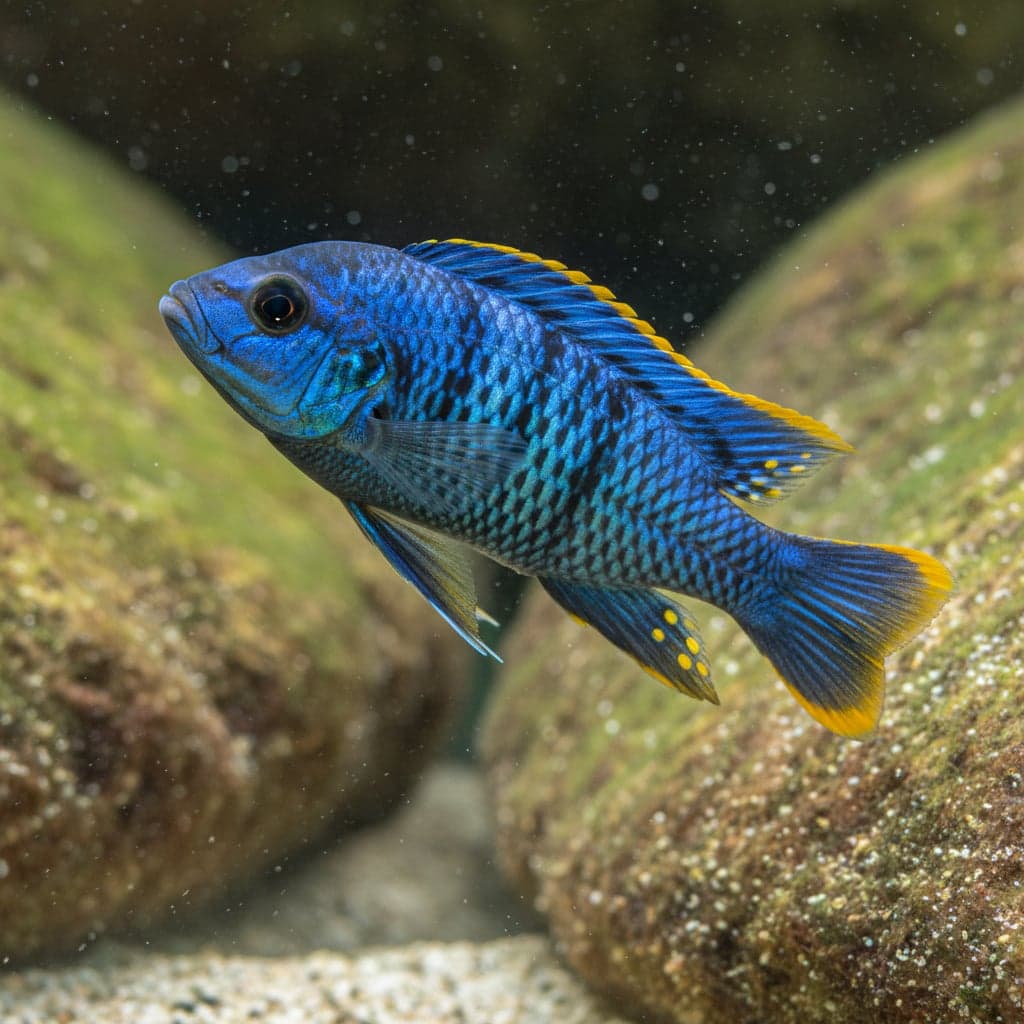
The Maison Reef Zebra, scientifically known as Maylandia fainzilberi, is a captivating African cichlid that has gained popularity among aquarists due to its striking appearance and engaging personality. Exhibiting a remarkable blend of hues, the Maison Reef Zebra displays bold, vertical stripes that alternate between bright blue and sandy yellow, making it stand out in both freshwater and marine setups. This vibrant coloration, coupled with its active swimming behavior, adds a lively splash of life to aquariums, encouraging hobbyists to create visually appealing and dynamic biotopes that mimic its natural habitat.
In the aquarium hobby, the Maison Reef Zebra is not just admired for its visual appeal but also recognized for the role it plays in educational and conservation efforts related to African cichlids. This species is a testament to the rich biodiversity found in Lake Malawi. The Maison Reef Zebra gives aquarists the opportunity to explore the complicated behavior and ecological significance of these fish, offering a glimpse into their fascinating world, which is critical in promoting awareness and conservation of their natural environments.
Natural Habitat & Origin
The Maison Reef Zebra hails primarily from the rocky shores of Lake Malawi in East Africa, a unique and biodiverse ecosystem known for its clear, mineral-rich waters. The lake's environment is characterized by specific geological formations that create niches where various species, including the Maison Reef Zebra, thrive. Typically, these fish inhabit shallow areas filled with rocky structures, providing them with ample hiding spots and protection from predators. The waters of Lake Malawi are generally alkaline with a pH range of 7.8 to 8.6, temperatures between 24°C to 28°C (75°F to 82°F), and moderate hardness, making these parameters crucial for maintaining a healthy aquarium environment.
In terms of community dynamics, Lake Malawi features a diverse range of ecological zones where fish species have adapted uniquely. The Maison Reef Zebra thrives in environments dominated by rocky outcrops and sandy substrates, conditions that they instinctively prefer in aquariums as well. Understanding this natural habitat is essential for aquarists looking to replicate the conditions under which these vibrant cichlids flourish.
Care Requirements
Maintaining optimal water conditions for the Maison Reef Zebra is crucial for its well-being. The ideal pH range should be maintained between 7.8 and 8.6, with a temperature between 24°C to 28°C (75°F to 82°F). Hardness should be around 10 to 20 dGH, providing the necessary minerals that promote health and vitality. A minimum tank size of 100 liters (approximately 26 gallons) is recommended, as these fish require ample space to swim and establish territory.
For tank setup, a sandy substrate is optimal, as it mimics the natural environment of the Maison Reef Zebra. Incorporating rocks and caves for hiding spots not only satisfies their instinctive behaviors but also allows for territorial establishment. Lighting should be moderate to bright, simulating the natural sunlight that penetrates the water in Lake Malawi. Additionally, live plants can be included, but it is advisable to choose robust species that can withstand cichlid activity while still enriching the tank’s aesthetics.
Diet & Feeding
The Maison Reef Zebra is an omnivorous species, thriving on a diet that includes both plant and animal matter. In captivity, it is essential to provide a varied diet to ensure the health and vibrant coloration of these cichlids. High-quality cichlid pellets and flakes, formulated specifically for African cichlids, should make up the bulk of their diet. To enhance dietary diversity, incorporating frozen and live foods such as brine shrimp, daphnia, and bloodworms can stimulate natural hunting behaviors and provide additional nutrition. Additionally, blanched vegetables like spinach or zucchini can be offered to promote a balanced diet and enhance their coloration.
Feeding should be conducted multiple times a day in small portions to prevent overfeeding and maintain optimal water quality. Monitoring their eating habits will also help identify potential health issues early on.
Behavior & Temperament
The Maison Reef Zebra is known for its active and somewhat territorial behavior. These fish are typically peaceful towards their own kind but can display aggression, especially during breeding or when establishing territory. It is advisable to keep them in groups with a higher ratio of females to males to reduce stress and aggression. They are best housed in aquariums with groups of at least six individuals to allow for natural schooling behavior.
In terms of tank placement, Maison Reef Zebras are generally mid-water swimmers but will venture closer to the bottom or top of the tank depending on their comfort and the availability of territory. Providing ample hiding spots and visual barriers can help mitigate any confrontations that may occur due to territorial disputes.
Tank Mates
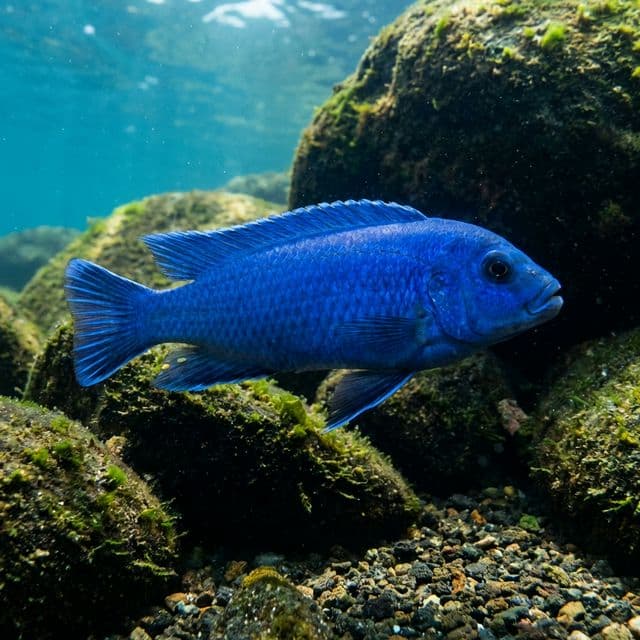
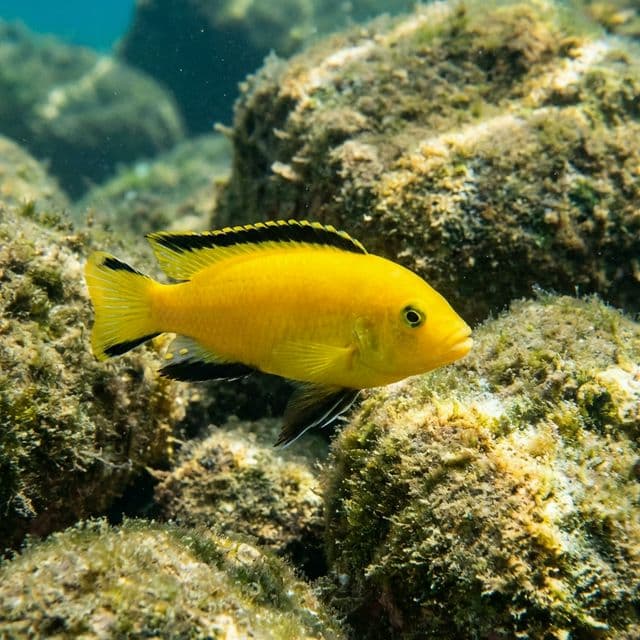
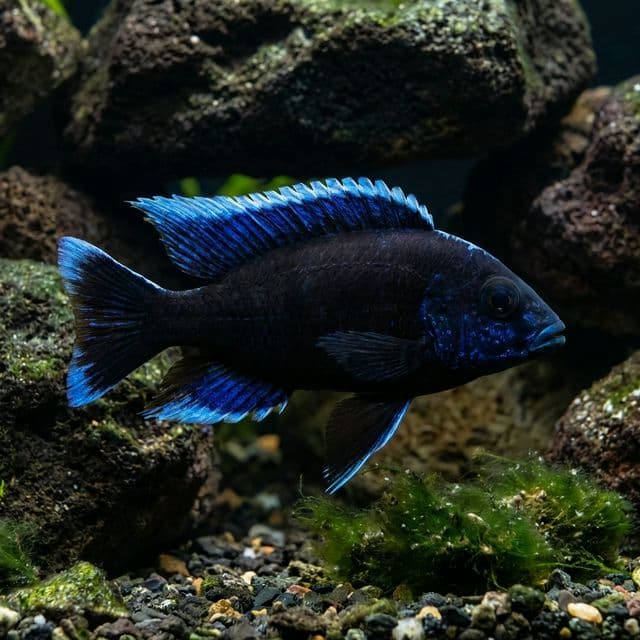
When selecting tank mates for the Maison Reef Zebra, it is vital to consider the species' compatibility and temperament. Compatible tank mates include other Mbuna species such as the Yellow Labs (Labidochromis caeruleus), the Red Zebra (Maylandia estherae), and the Cobalt Blue Cichlid (Pseudotropheus demasoni). These species share similar care requirements and temperament, making them suitable companions.
However, avoid keeping them with more docile species or fish that are much smaller, as the Maison Reef Zebra may become aggressive or territorial, leading to stress or injury in the less aggressive fish. Species like tetras or small community fish should also be avoided, as they may be perceived as prey and could create an imbalance in the aquarium ecosystem.
Breeding
The breeding of the Maison Reef Zebra in captivity can be an exciting endeavor for aquarists. These cichlids exhibit mouth-brooding behavior, where the female collects fertilized eggs laid by the male into her mouth for incubation. For successful breeding, it is essential to provide a breeding environment that mimics their natural habitat, which includes ample rocky structures for nesting.
Breeding can occur once the fish reach sexual maturity, generally around six to eight months of age. To stimulate breeding, water conditions such as slightly elevated temperatures and increased water flow can be adjusted. Once the female lays her eggs, it is important to provide a quiet environment to reduce stress. After about three weeks, the fry will emerge, and the female can be moved to a separate breeding tank to allow them to grow safely.
Common Health Issues
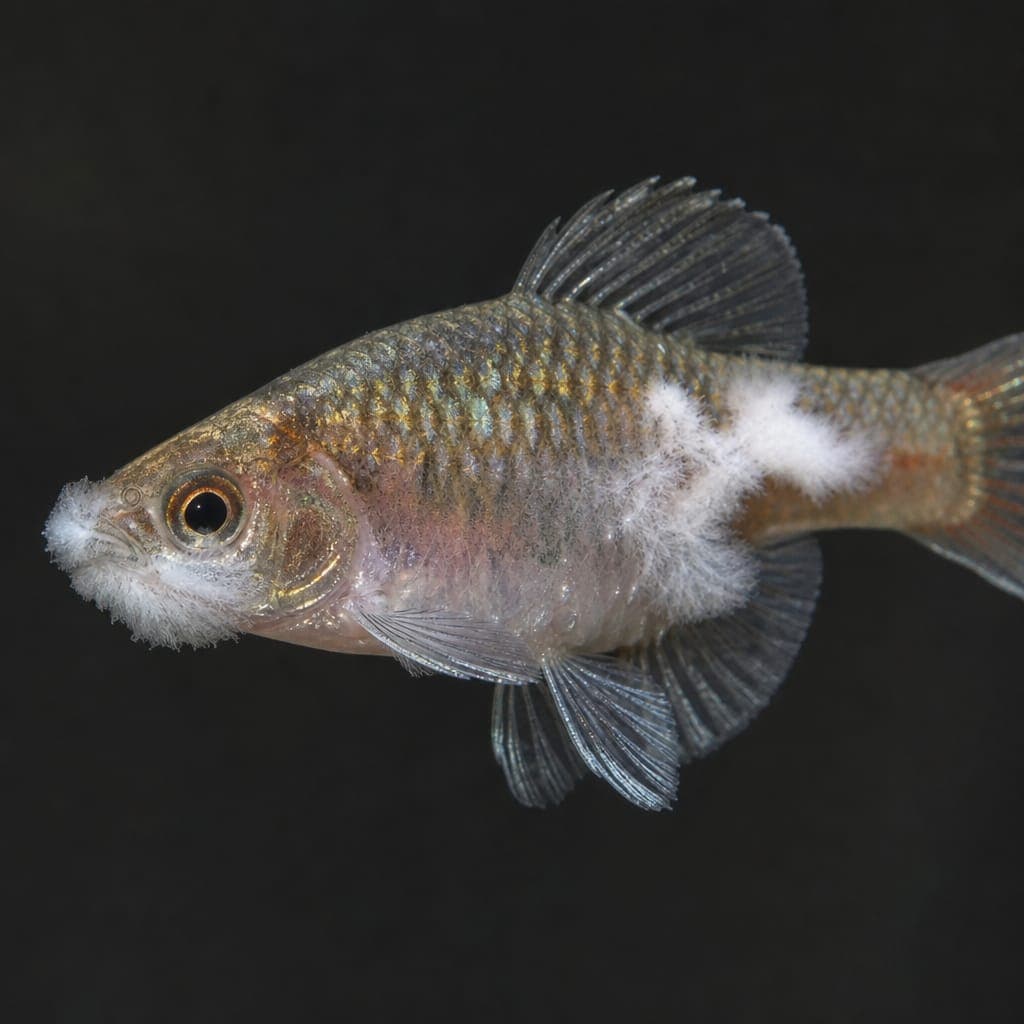
Like many cichlid species, the Maison Reef Zebra can be susceptible to certain health issues, including ich (Ichthyophthirius multifiliis), fungal infections, and Malawi Bloat—a condition related to poor diet and water quality. Prevention of these issues hinges on maintaining stable water parameters, regular tank maintenance, and a balanced diet.
To avoid ich, ensuring that the tank is free of stress and that fish are not overcrowded is crucial. Regular observation of fish behavior and appearance can help catch any health issues early. Quarantine new arrivals before introducing them to the main tank can also significantly reduce the chances of introducing diseases. By adhering to these preventive measures and providing quality care, aquarists can maintain a thriving aquarium environment for the Maison Reef Zebra.