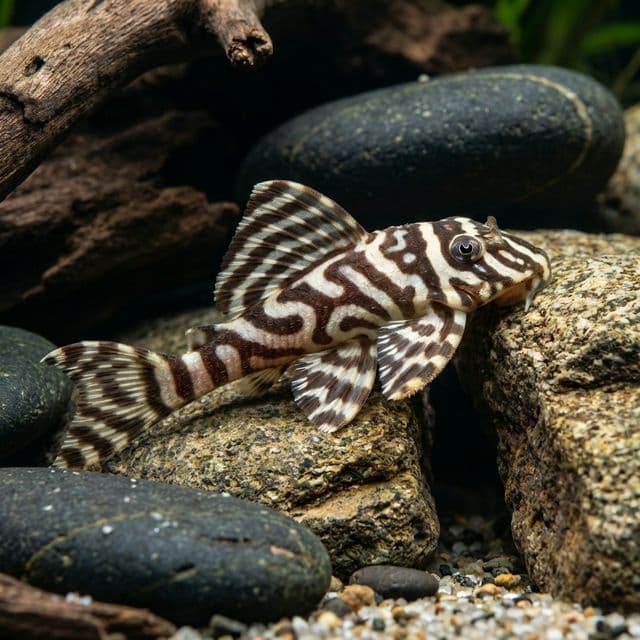
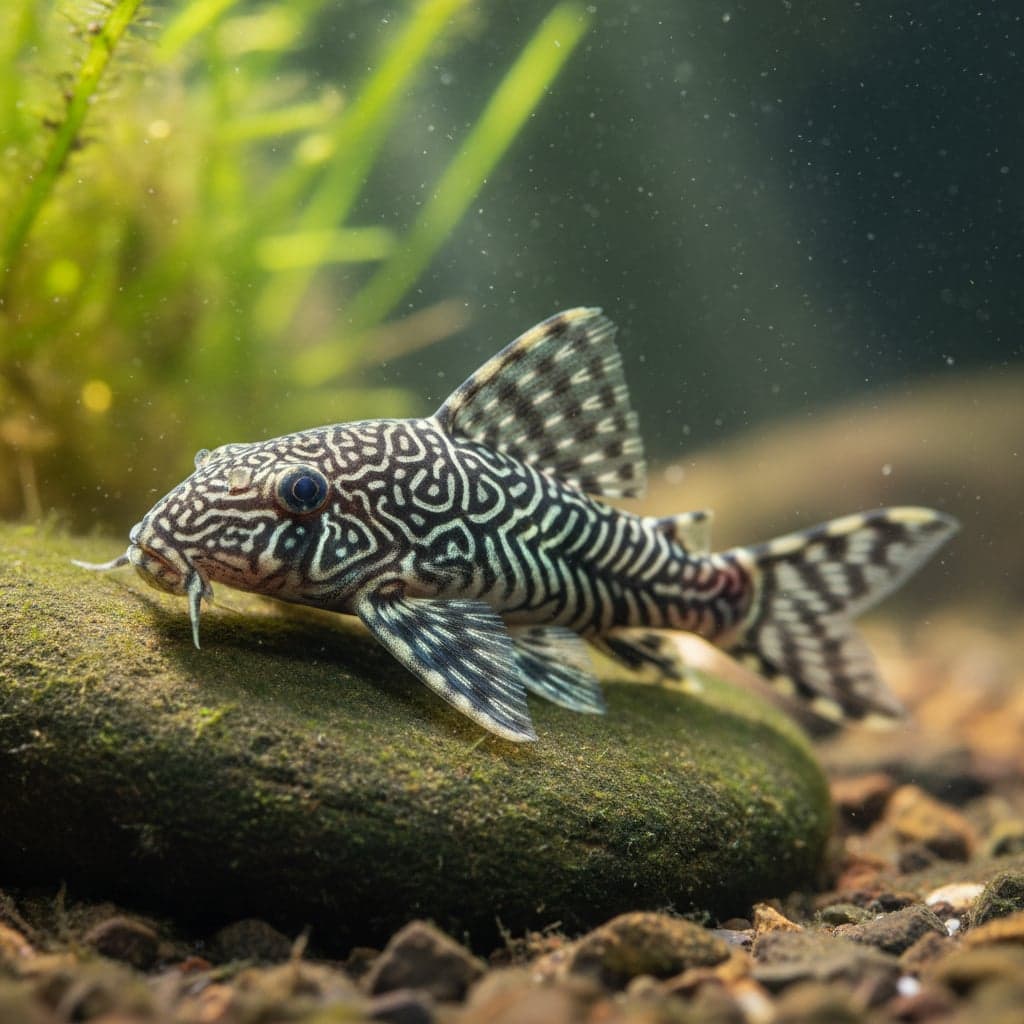
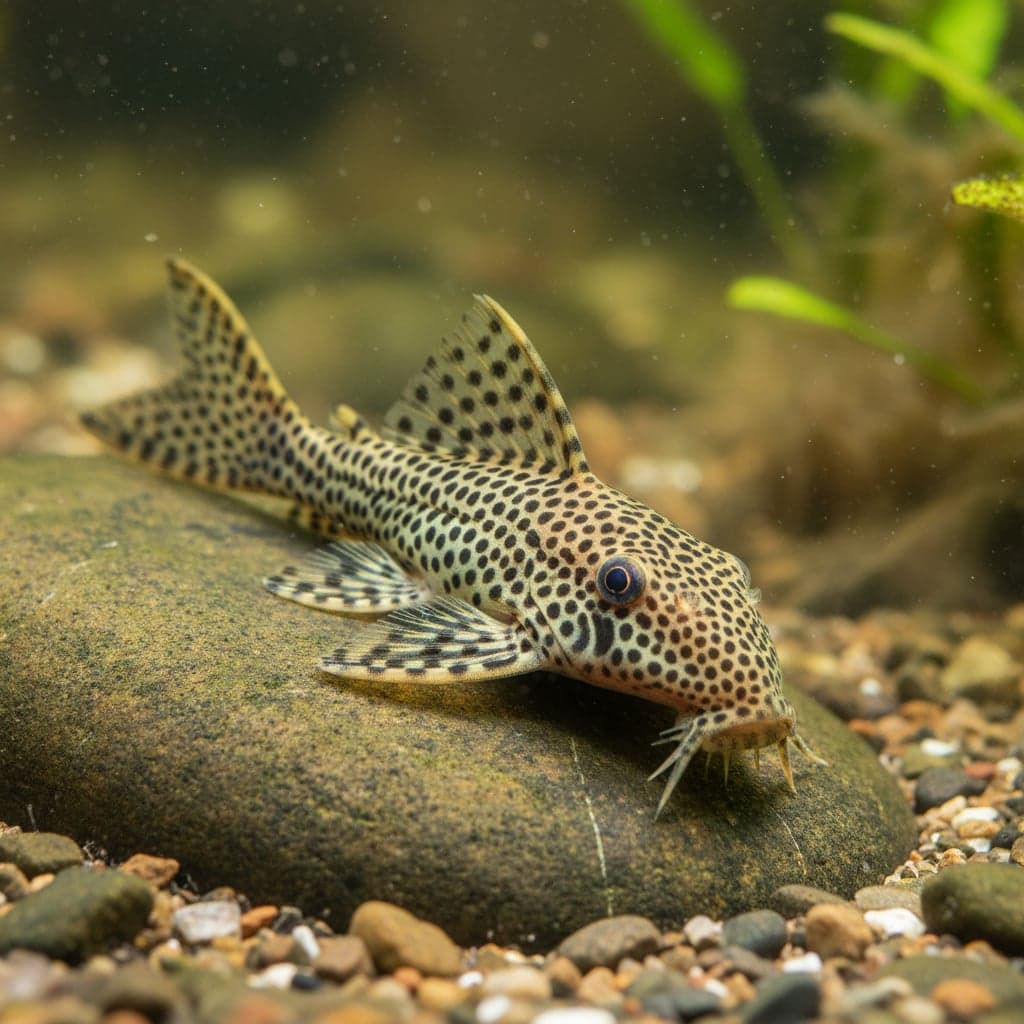
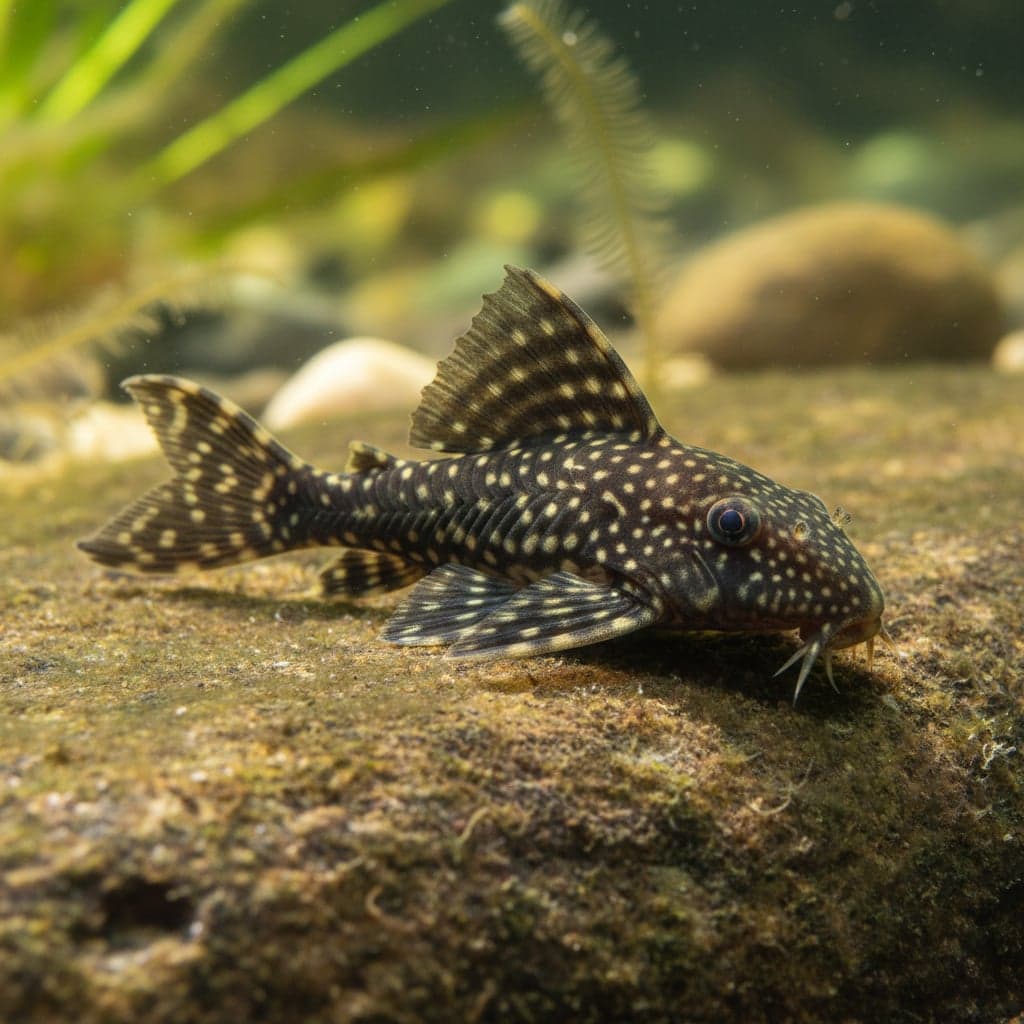
Yellow Seam Pseudancistrus L067: Pseudancistrus asurini
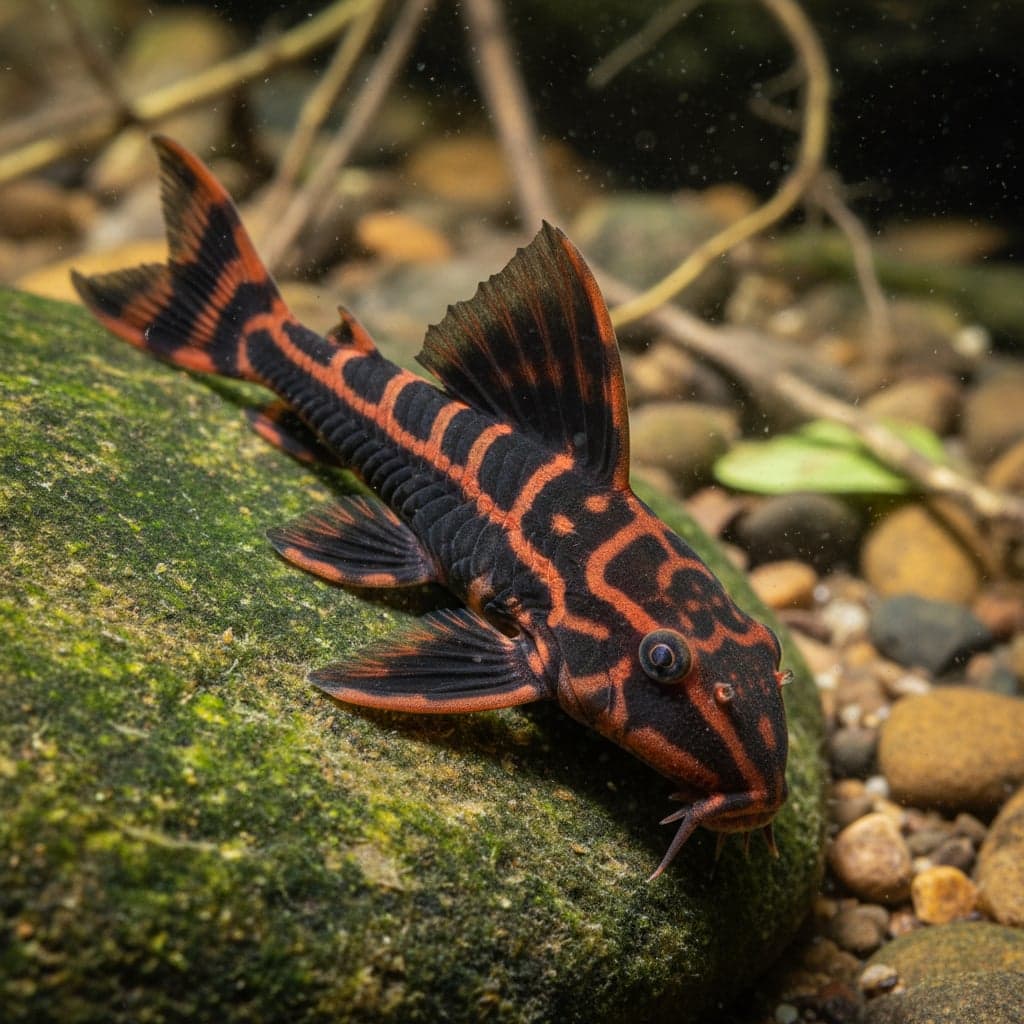
A striking and relatively rare dwarf pleco known for its deep black body and the brilliant yellow seams on its dorsal and caudal fins.
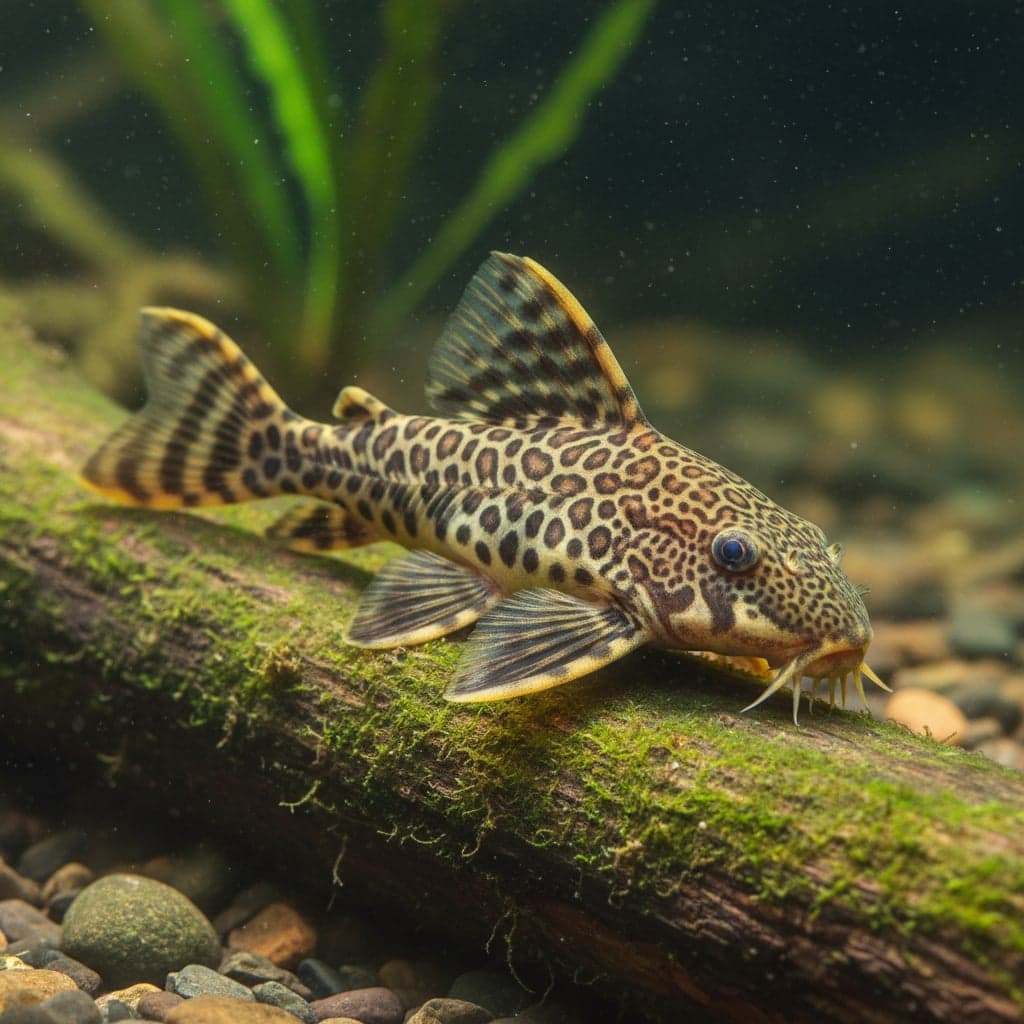
Yellow Seam Pseudancistrus L067
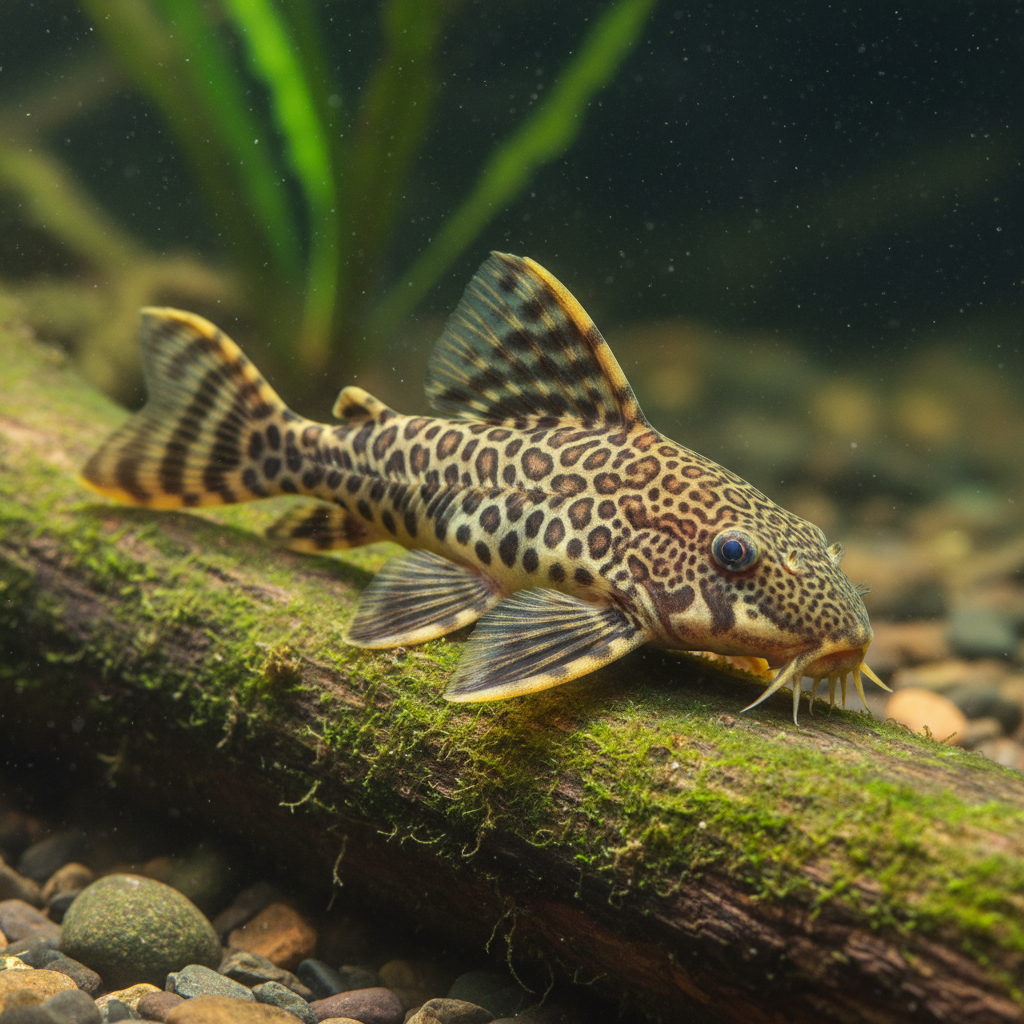
The Yellow Seam Pseudancistrus L067, scientifically known as Pseudancistrus asurini, is a captivating species of catfish that enchants aquarists with its stunning visual appeal and unique coloration. Known for its vibrant yellow seams along its fins and body, this fish stands out with a dark, mottled appearance that can range from deep brown to black, enhancing its striking patterns. The combination of bold coloration and intricate markings makes it a highly sought-after species in the aquarium hobby, admired not only by collectors but also by enthusiasts looking to create a visually dynamic aquascape.
In addition to its aesthetic appeal, the Yellow Seam Pseudancistrus L067 has significant ecological and behavioral characteristics that make it an essential addition to many aquariums. This species hails from the isolated waterways of South America, where it plays a vital role in the aquatic ecosystem by feeding on algae and detritus, helping to maintain the health of its habitat. As such, they embody both beauty and function, appealing to aquarists interested in replicating a natural environment within their tanks while offering beneficial ecological services.
Natural Habitat & Origin
The Yellow Seam Pseudancistrus L067 originates from the Rio Orinoco basin in Venezuela and regions of Brazil, an area characterized by its intricate network of river systems and tributaries. This fish thrives in slow-moving waters rich in tannins and organic matter, typical of blackwater environments that are slightly acidic. The natural habitat features abundant submerged roots, fallen leaves, and rocky substrates, providing a complex environment that serves as both shelter and foraging grounds. Acknowledging these natural conditions is essential for aquarists looking to mimic a native habitat within a home aquarium.
These freshwater environments are often low in light and provide a variety of hiding spots which are critical for the Yellow Seam Pseudancistrus L067 to feel secure. This species prefers environments with low to moderate water flow, ensuring easy access to food while reducing stress from strong currents. Understanding its natural habitat not only assists in fostering a healthy living environment but also enriches the aquarist's knowledge of this fascinating species.
Care Requirements
When keeping the Yellow Seam Pseudancistrus L067, it's crucial to create optimal water conditions to ensure its health and well-being. This species flourishes in slightly acidic to neutral water, with a pH range of 6.0 to 7.5. The ideal temperature should range from 24°C to 28°C (75°F to 82°F), while water hardness should be kept between 5 to 15 dGH. Regular water changes and maintenance are essential to keep the water parameters stable and clean, promoting overall health.
In terms of tank setup, a minimum tank size of 100 liters (approximately 26 gallons) is recommended to allow ample swimming space and hiding spots. A substrate of sandy or fine gravel mimics their natural rocky environment, providing a comfortable base for foraging. Large rocks, driftwood, and plants like Anubias or Java ferns can create shelter and resting areas, while subdued lighting mimics the dim conditions of their native habitats. Ensuring a balanced environment with plenty of hiding spots will help reduce stress and promote a thriving Yellow Seam Pseudancistrus L067 in your aquarium.
Diet & Feeding
The Yellow Seam Pseudancistrus L067 is primarily an herbivorous species; however, they are considered omnivores in captivity. Their diet should predominantly consist of high-quality algae wafers, vegetable matter, and spirulina-based flakes that cater to their natural grazing habits. Supplementing their diet with blanched vegetables like zucchini, cucumber, and leafy greens (such as spinach) can provide essential nutrients.
Additionally, although they may consume plant matter, offering occasional protein sources like finely chopped frozen or live foods—such as brine shrimp, bloodworms, or daphnia—will ensure a well-rounded diet. Feeding should occur once or twice a day, with careful attention to avoid overfeeding and polluting the tank. Varied diet not only supports health but encourages natural behaviors, promoting a vibrant and active Yellow Seam Pseudancistrus L067.
Behavior & Temperament
The Yellow Seam Pseudancistrus L067 displays a generally peaceful and shy temperament, making it suitable for community tanks. They tend to be more active during the night (nocturnal) and prefer to rest among rocks or wood during the day. Although they are not schooling fish, they can be social within their species and may form loose social groups when kept in adequate numbers.
While typically peaceful, they may exhibit territorial behavior, especially during breeding or when establishing dominance over a particular hiding spot. To ensure harmony in the aquarium, provide plenty of hiding places and space, allowing for natural behavior without causing aggression. Positioning the Yellow Seam Pseudancistrus L067 towards the bottom or mid-level of the tank is advisable, as they prefer to graze on algae and debris present in these areas.
Tank Mates
Selecting appropriate tank mates for the Yellow Seam Pseudancistrus L067 enhances the overall success of the aquarium environment. Compatible species include peaceful community fish such as tetras (e.g., Neon or Cardinal tetras), rasboras, and other small to medium catfish, such as Corydoras species. Additionally, certain dwarf cichlids, like Apistogramma, can coexist if their temperament is well understood.
However, it is crucial to avoid aggressive or overly large species, such as large cichlids or fish known for fin-nipping behaviors—like certain barbs—as these can stress the Yellow Seam Pseudancistrus L067 or lead to conflict. A well-thought-out selection of tank mates will help create a peaceful and enriching environment for all species involved.
Breeding
Breeding the Yellow Seam Pseudancistrus L067 in captivity can be a rewarding endeavor, though it requires careful attention to specific conditions. To initiate breeding, a separate breeding tank is advisable, maintaining slightly softened water (pH around 6.5) and elevated temperatures (about 26°C to 28°C or 78°F to 82°F) to stimulate spawning behaviors.
During the breeding process, male Yellow Seam Pseudancistrus L067 will exhibit courtship displays that include showing off their physical attributes and creating a nest near established hiding spots. After successful courtship, females will lay eggs in secure, sheltered areas where the male will then fertilize them. Post-spawning, males will guard the eggs until they hatch, typically within a few days. Providing finely crushed foods or specially formulated fry foods post-hatching will help to ensure healthy development and growth of the fry.
Common Health Issues
The Yellow Seam Pseudancistrus L067, while generally hardy, can be prone to several common health issues, often arising from poor water quality or inadequate diet. Potential ailments include ich (Ichthyophthirius multifiliis), fin rot, and various parasitic infections. Regular monitoring of water parameters, maintaining a clean tank environment, and ensuring a balanced diet are crucial preventive measures.
To avoid stress-related health issues, aquarists should closely observe fish behavior for signs of illness—such as lethargy, loss of appetite, or visible lesions—and address problems early before they spread. Quarantine newcomers, keep strong current and high oxygen, and maintain excellent water quality for this rheophilic pleco. Never ignore clamped fins, pale seams, or prolonged inactivity after a nitrate spike. Watch for white spots, frayed fins, lethargy, or loss of appetite, and treat promptly in a hospital tank. A varied diet with wood, vegetables, and occasional protein keeps Yellow Seam Pseudancistrus L067 healthy, active, and well-established for years.