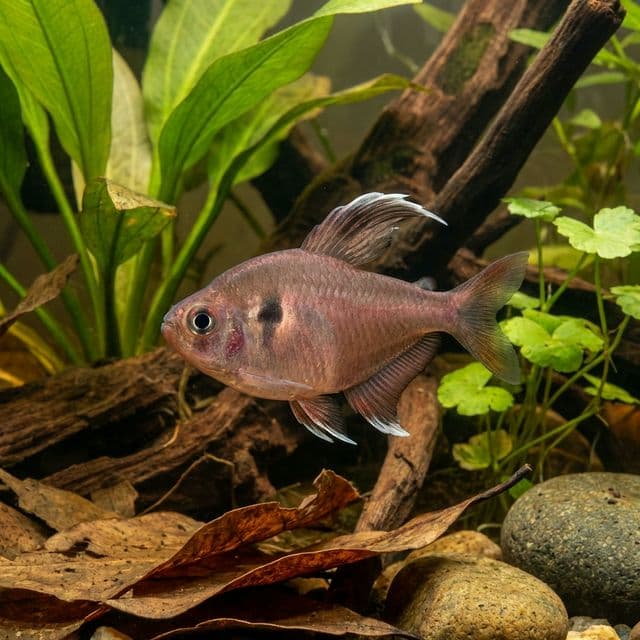
Black Kuhli Loach: Pangio oblonga
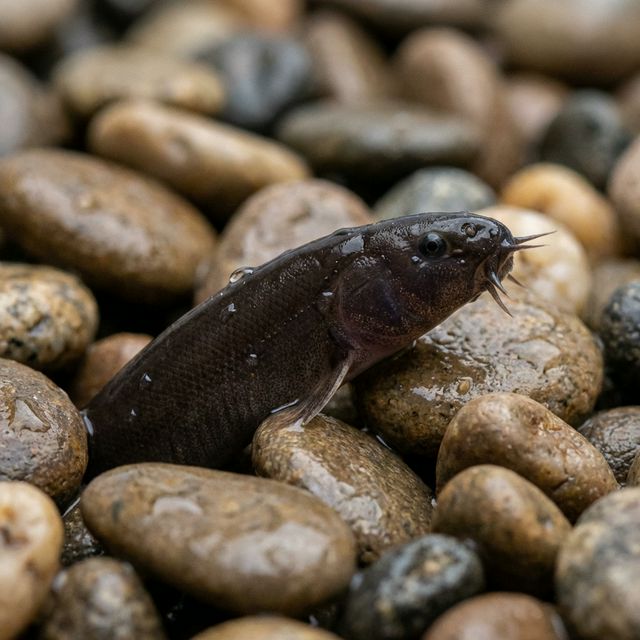
A solid chocolate-brown version of the Kuhli Loach. Just as wiggly and peaceful.
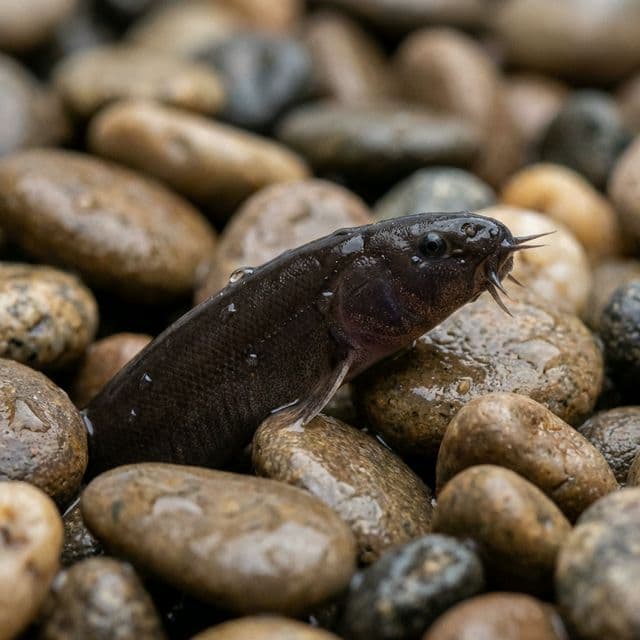
Black Kuhli Loach
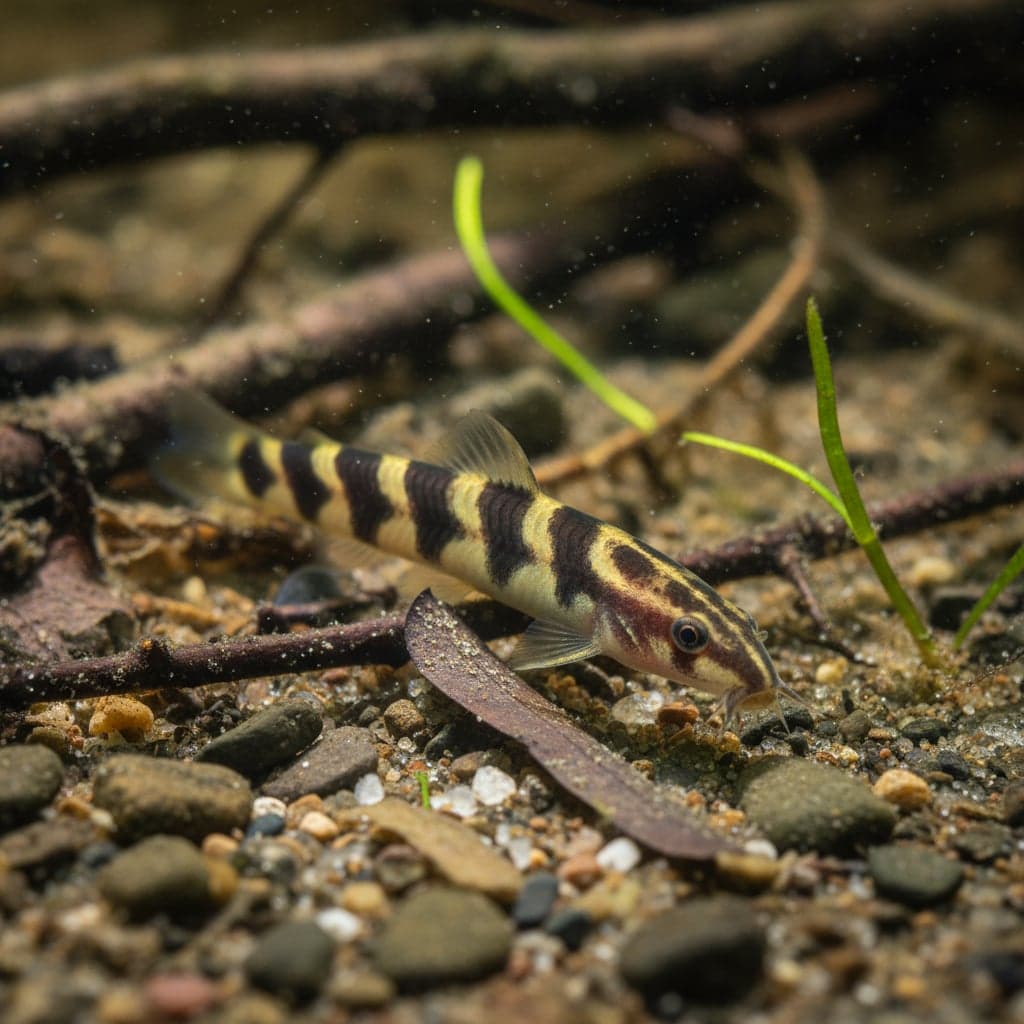
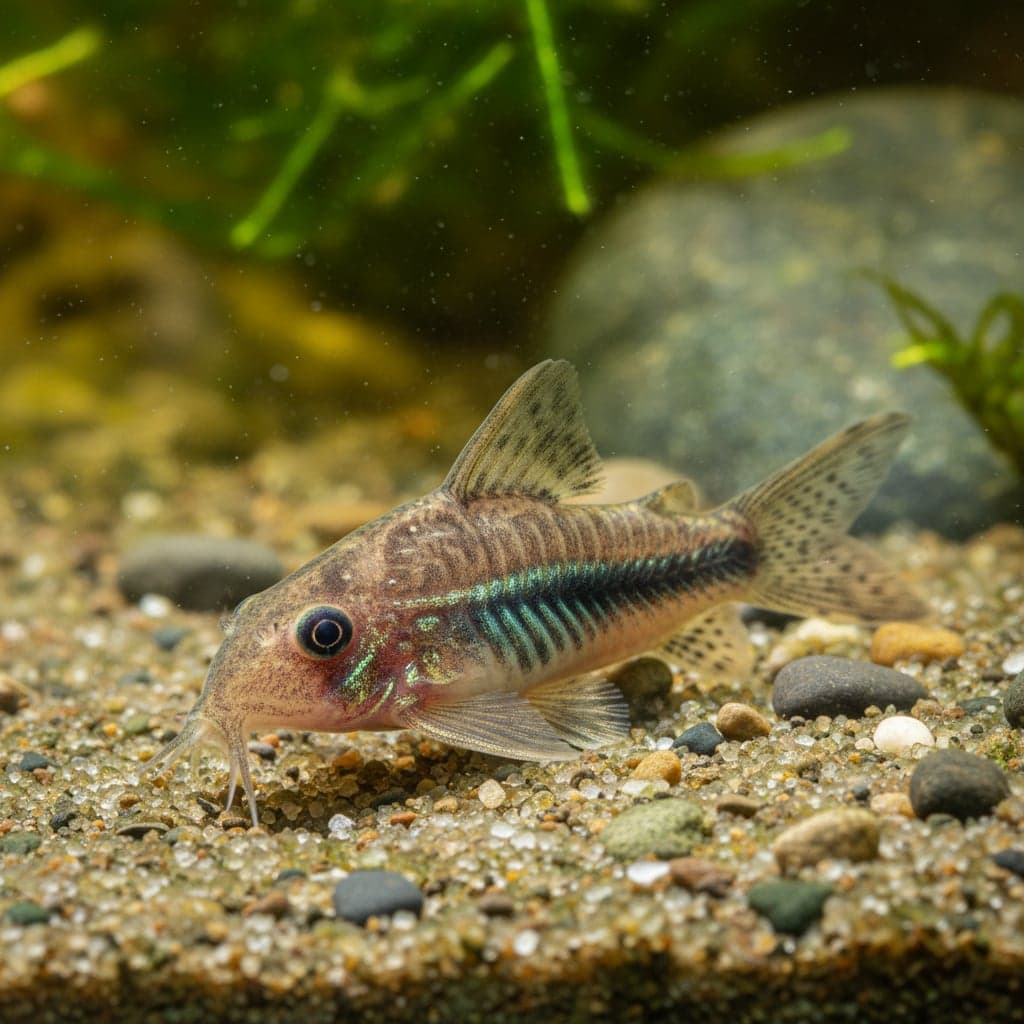
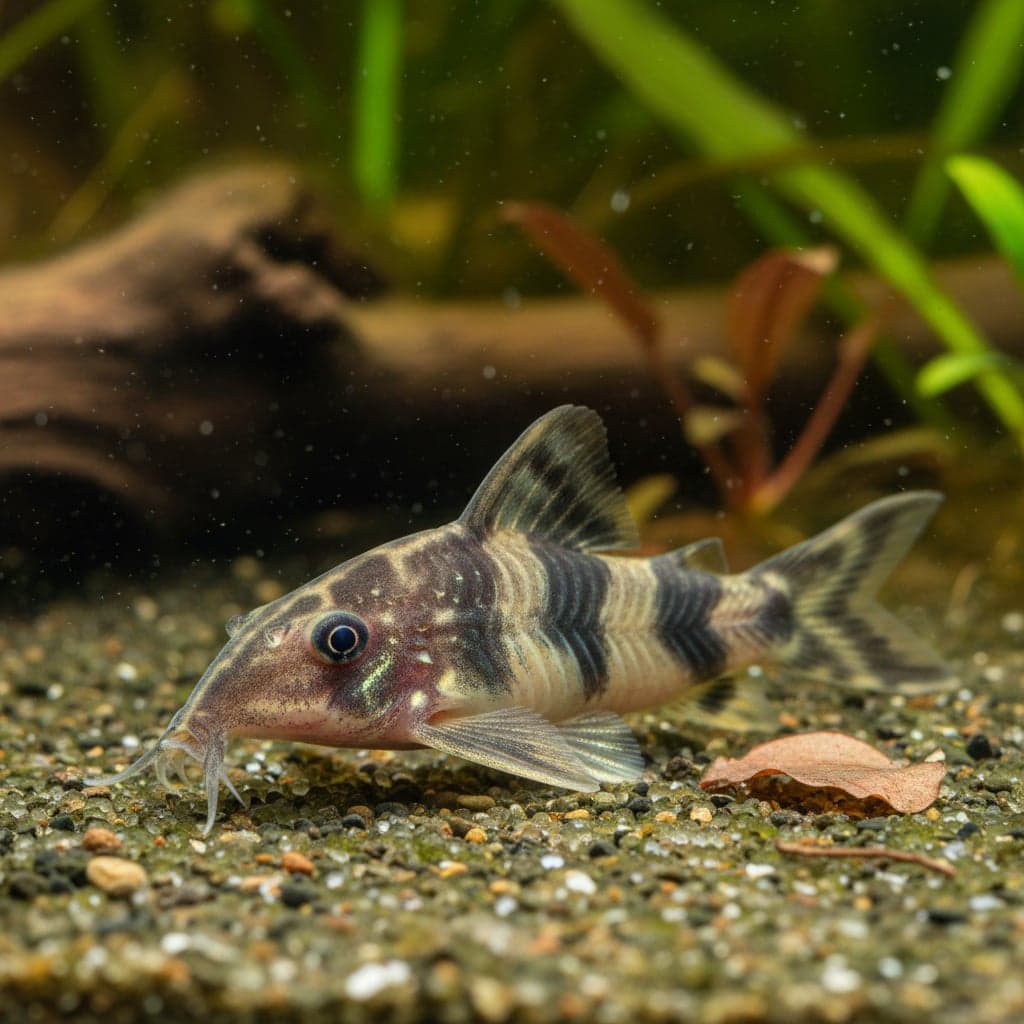
The Black Kuhli Loach (Pangio oblonga) is a fascinating freshwater fish native to Southeast Asia's rivers and streams. This eel-shaped fish is well recognized for its unique appearance, featuring a slender body adorned with a series of dark bands and a bright yellowish hue that showcases intricate patterns. These patterns not only enhance its visual appeal but also contribute to its camouflage in natural environments, making it a quintessential addition to planted aquariums. Interested aquarists often seek the Black Kuhli Loach for its active behavior and intriguing personality, providing an engaging spectacle as they burrow into the substrate or explore their surroundings.
In the aquarium hobby, the Black Kuhli Loach holds considerable significance due to its peaceful nature and compatibility with a wide array of tank mates. A member of the cobitidae family, it is often recommended for community tanks, thanks in part to its tendency to thrive in shoals. The presence of multiple individuals allows for dynamic interactions and a better display of social behavior, making them captivating to observe. Their relatively small size, generally reaching about 4 inches in length, allows them to fit comfortably into various aquarium settings, making them a popular choice among both novice and experienced aquarists.
Natural Habitat & Origin
The Black Kuhli Loach is primarily found in the freshwater environments of Southeast Asia, specifically in regions such as Indonesia, Malaysia, and the islands of Sumatra and Borneo. These fish inhabit slow-flowing streams and rivers characterized by dense vegetation, where they thrive in the soft, leaf-litter-rich substrates that provide refuge and foraging opportunities. The natural waters of their habitat are typically slightly acidic to neutral, often exhibiting blackwater conditions due to the presence of decomposing organic matter. This unique environment creates a shaded and peaceful setting that is crucial for the well-being of the Black Kuhli Loach.
In their natural habitat, Black Kuhli Loaches coexist with various aquatic flora and fauna, utilizing their excellent camouflage to evade predators. Their preference for environments with muted light leads to the development of their nocturnal behavior, becoming more active during the twilight hours to forage for food. Understanding these conditions is vital for aquarists aiming to replicate their natural setting, ensuring a successful adaptation to aquarium life.
Care Requirements
When setting up a suitable environment for Black Kuhli Loaches, it is essential to maintain specific water parameters. The ideal pH level ranges between 6.0 and 7.5, with a water temperature of 75-85°F (24-29°C). The water hardness should be kept between 5-15 dGH to ensure optimal health. For tank size, a minimum of 20 gallons is recommended, allowing ample space for a small school of 4-6 individuals, which supports their social behavior.
Regarding tank setup, substrate selection plays a critical role in the Black Kuhli Loach's comfort and well-being. A fine, sandy substrate mimics their natural habitat, making it easy for them to burrow and forage. The aquarium should also feature subdued lighting, promoting a tranquil atmosphere, alongside plenty of hiding spots created by plants, driftwood, and rock structures. Live plants such as Java moss, Anubias, and Cryptocoryne can enhance the aesthetic appeal of the tank while offering additional cover for this reclusive species.
Diet & Feeding
As an omnivorous fish, the Black Kuhli Loach requires a varied diet to thrive, comprising a mixture of high-quality flake foods, pellets, and occasional live or frozen treats. Specialized sinking pellets are an excellent option, as they can reach the bottom of the tank where these loaches primarily forage. Incorporating a range of food types ensures that they receive essential nutrients and vitamins necessary for their health.
Black Kuhli Loaches enjoy foods that contain plant matter, so offering blanched vegetables such as zucchini, peas, or spinach can be beneficial. Additionally, occasional high-protein items like bloodworms and brine shrimp can be introduced to their diet to maintain optimal health. Regular, balanced feeding will not only promote growth but also enhance the overall activity levels of these engaging fish.
Behavior & Temperament
Black Kuhli Loaches are known for their peaceful and social behavior, making them ideal candidates for community tanks. They thrive in groups and should be kept in shoals of 4-6 individuals, as this helps them feel secure and encourages natural behaviors like foraging and social interaction. Although they are not aggressive toward other fish, they can exhibit territoriality among themselves if kept in insufficient numbers.
In terms of vertical placement within the tank, Black Kuhli Loaches tend to occupy the lower levels, seeking shelter among plants and substrate. While diurnal species may dominate the upper levels, these loaches will venture out during dawn and dusk to investigate their surroundings and search for food. This nocturnal nature adds an element of excitement for hobbyists who enjoy observing their unique behaviors outside of peak hours.
Tank Mates
Finding suitable tank mates for the Black Kuhli Loach is essential for maintaining a harmonious aquarium environment. Compatible species include other loaches, tetras, rasboras, dwarf cichlids, and various peaceful community fish such as guppies and endlers. As long as tank mates are not overly aggressive and occupy different vertical levels in the tank, compatibility is generally good.
Species to avoid include large or aggressive fish that could bully or outcompete the Black Kuhli Loach for food and space. These include cichlids, larger barbs, and any fish known for their nipping behavior, which could stress the loaches. Selecting a balanced mix of peaceful aquarium residents ensures that the Black Kuhli Loach can thrive and exhibit its natural behaviors.
Breeding
Breeding Black Kuhli Loaches in captivity can be challenging but rewarding, requiring specific conditions to encourage spawning behavior. These fish are egg layers, and successful breeding typically occurs in a separate breeding tank that mimics their natural environment. The ideal setup includes a soft substrate, ample hiding places, and stable water parameters—slightly acidic with a pH of 6.0-6.5 and a temperature around 80°F (27°C).
To stimulate spawning, it is recommended to carry out a series of water changes with cooler, conditioned water, simulating seasonal rainfall. Following this, a healthy, varied diet will encourage breeding readiness in both males and females. When conditions are optimal, the loaches will deposit eggs among plants or substrate, which should be carefully monitored and removed to prevent predation from adult fish. Hatching usually occurs within 24 to 36 hours, with fry requiring infusoria or finely crushed flake food until they are large enough for regular feeding.
Common Health Issues
Black Kuhli Loaches can be prone to specific health issues, predominantly linked to water quality and stress. Common ailments include ich (white spot disease), fin rot, and swim bladder disease. Maintaining clean, well-filtered water and conducting regular water changes is crucial in preventing these conditions.
To promote a healthy environment, it's vital to monitor water parameters closely and avoid overcrowding, as stressed fish are more susceptible to illness. Implementing a proper quarantine procedure for new arrivals can help prevent introducing diseases to the existing population. Regular observation of the Black Kuhli Loach's behavior and physical condition will also aid in early detection and prompt treatment. Since scaleless loaches are particularly sensitive to copper, salt, and standard medications, any treatments should be administered with care at reduced dosages to protect their delicate skin.