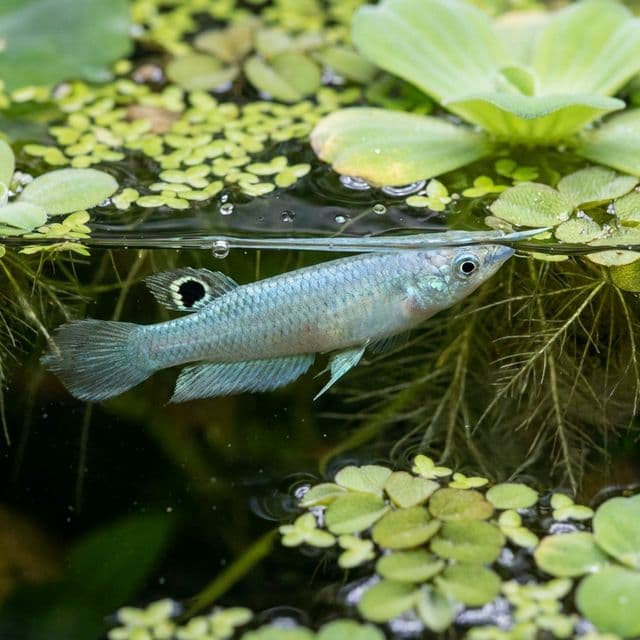
Pseudocrenilabrus multicolor victoriae: Blue-lipped Mouthbrooder
Also known as the Egyptian Mouthbrooder. A small, colorful African cichlid that breeds easily.
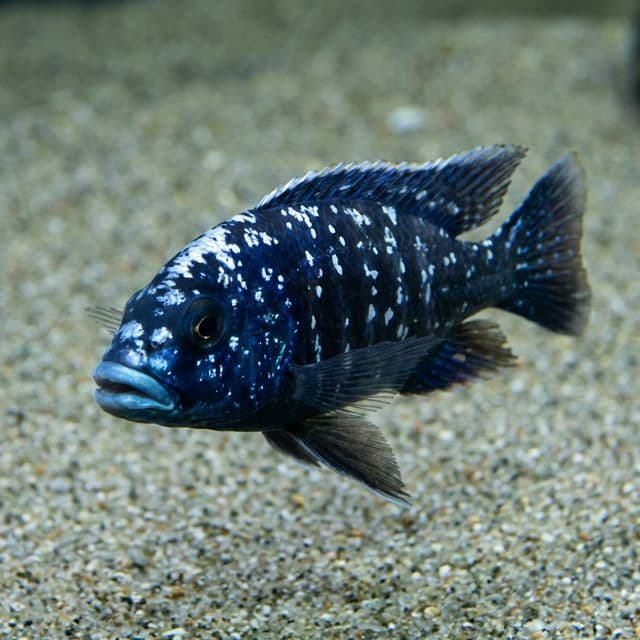
Pseudocrenilabrus multicolor victoriae
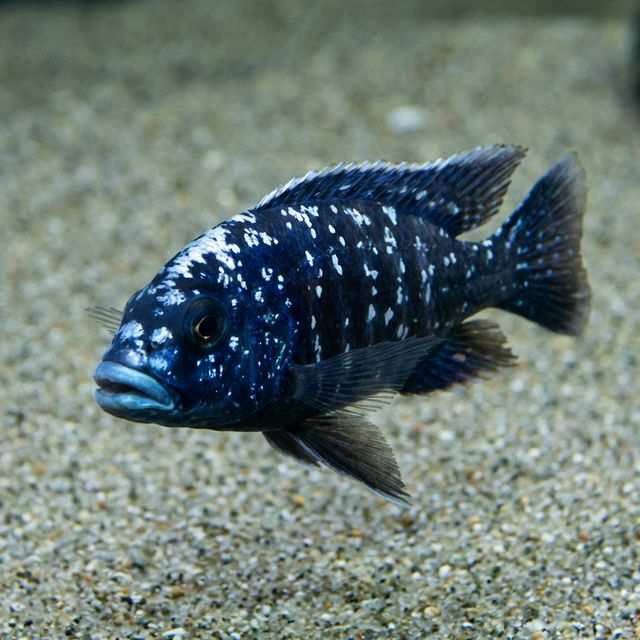
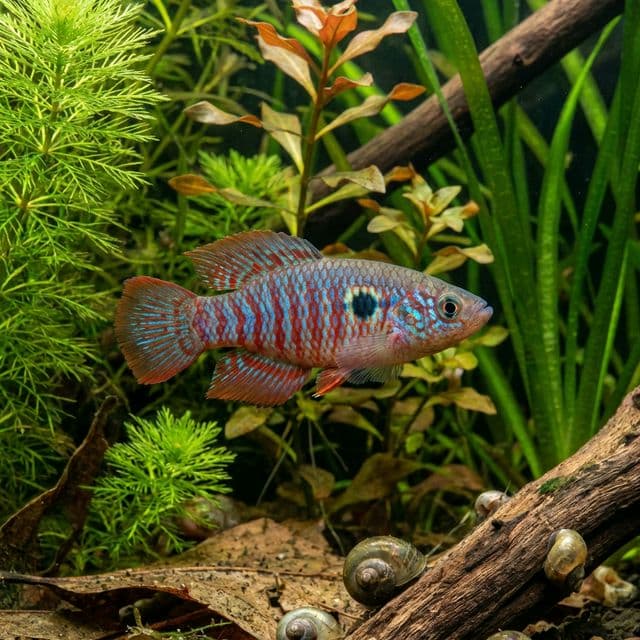
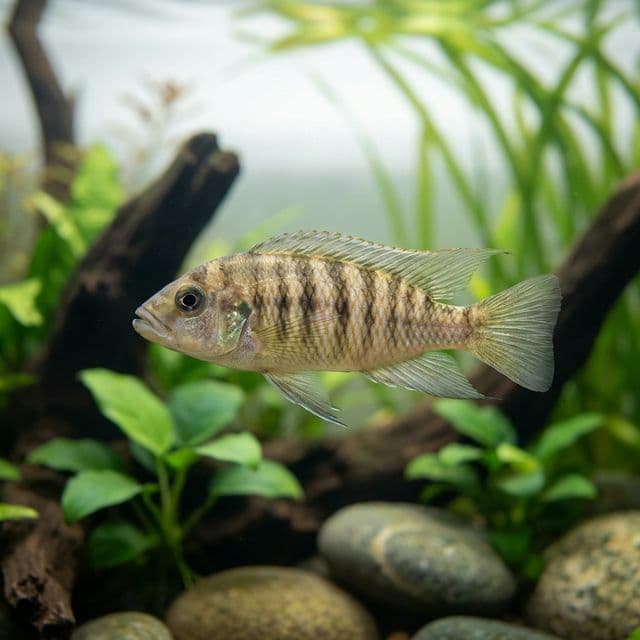
The Pseudocrenilabrus multicolor victoriae, commonly known as the Blue-lipped Mouthbrooder, is a captivating freshwater cichlid native to the African Great Lakes, particularly Lake Victoria. This fish is celebrated among aquarists for its striking appearance, which features a blend of vibrant blues and yellows, complemented by a distinctive blue lip that adds to its allure. With mature males showcasing brilliant coloration and elongated fins, they possess an aesthetic that is both impressive and sought after in the aquarium trade. The Blue-lipped Mouthbrooder is not only prized for its beauty but also for its fascinating breeding behavior, making it a favorite subject for aquarists seeking to cultivate a diverse and engaging tank environment.
In the aquarium hobby, the Blue-lipped Mouthbrooder holds significance as a species that embodies the diversity of African cichlids. As a mouthbrooder, this fish demonstrates a unique reproductive strategy, nurturing its young in its mouth until they are ready to swim independently. This captivating aspect not only highlights the biological richness of the species but also offers enthusiasts the chance to observe intriguing parental behaviors. The fusion of visual appeal and notable breeding habits makes the Pseudocrenilabrus multicolor victoriae a rewarding choice for both novice and seasoned aquarists.
Natural Habitat & Origin
The Pseudocrenilabrus multicolor victoriae is indigenous to the freshwater environment of Lake Victoria, one of the largest and most biodiverse lakes in Africa. This region is characterized by its warm, shallow, and typically clear waters, with ample vegetation along the lake's shores. The fish thrives in rocky substrates and dense aquatic plants, which provide shelter and breeding grounds. In terms of water chemistry, Lake Victoria is known for its relatively neutral to slightly alkaline conditions, making it suitable for the Blue-lipped Mouthbrooder's comfort and survival.
This species is often found in areas with an abundance of hiding spots and territories, as it naturally prefers environments that allow for territorial displays and social interactions. The importance of understanding its natural habitat cannot be overstated; replicating these conditions in captivity is essential for the overall health and well-being of the fish. As aquarists strive to recreate the Blue-lipped Mouthbrooder's native environment, attention to water parameters and tank configuration is crucial for fostering a thriving aquarium community.
Care Requirements
To successfully keep Pseudocrenilabrus multicolor victoriae, it is essential to maintain specific water parameters and a carefully arranged tank setup. The ideal water conditions for this species include a pH ranging from 7.0 to 8.0, a temperature between 24°C and 28°C (75°F to 82°F), and moderate hardness levels around 10 to 20 dGH. A well-cycled aquarium is crucial, as these fish prefer stable conditions to flourish.
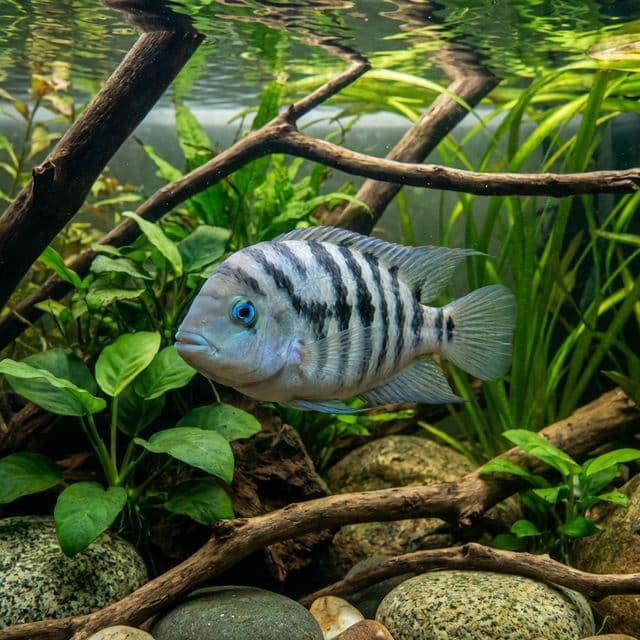
When setting up the tank, it is recommended to have a minimum size of at least 75 gallons to provide ample space for swimming and territorial behavior. Substrate choices like sand or fine gravel mimic their natural habitat, while rocks and caves offer shelter and spawning sites. Incorporating live or artificial plants will enhance the aesthetic of the aquarium but ensure that there are enough open swimming areas. Moderate lighting can help promote healthy plant growth and create a natural ambiance, which also benefits the Blue-lipped Mouthbrooder.
Diet & Feeding
The Pseudocrenilabrus multicolor victoriae is an omnivore, requiring a varied diet to thrive. In captivity, it is important to provide high-quality flakes and pellets as a staple, ensuring they are rich in protein and vitamins. Supplementing their diet with frozen or live foods such as brine shrimp, daphnia, and bloodworms will help maintain their vibrant coloration and overall health. It is beneficial to offer a diverse mix of foods to mimic their natural eating habits, supporting their nutritional requirements and providing stimulation.
Feeding should be done 2-3 times per day in small portions, ensuring that all food is consumed within a few minutes to maintain water quality. By providing an appropriate diet, aquarists can enhance the health, growth rate, and coloration of their Blue-lipped Mouthbrooders, leading to a more robust and lively display in the aquarium.
Behavior & Temperament
The Blue-lipped Mouthbrooder exhibits fascinating social behavior that is characteristic of many cichlids. They are known for being territorial, especially during breeding periods, and males often display aggressive behavior towards one another to establish their dominance. However, they can coexist peacefully with other species if provided with sufficient space and hiding spots in the aquarium. This fish is best kept in pairs or small groups within a species-specific setup, but it can also be included in a community tank with compatible species.
In terms of tank positioning, the Blue-lipped Mouthbrooder is a mid to bottom-dweller, often found near rocks and plants. It is crucial to create distinct territories within the tank to reduce aggression among males, as they may engage in skirmishes if they feel encroached upon. Monitoring their interactions is essential to ensure a harmonious environment, promoting healthy behavior among the inhabitants of the aquarium.
Tank Mates
When selecting tank mates for the Pseudocrenilabrus multicolor victoriae, it is important to choose species that can thrive in similar water parameters and possess compatible temperaments. Ideal companions include other peaceful African cichlids like the Labidochromis caeruleus, various species of Tetra, and Corydoras catfish. These species generally occupy different water layers or niches in the tank, thus reducing the likelihood of aggression.
Conversely, it's vital to avoid pairing the Blue-lipped Mouthbrooder with overly aggressive species, such as larger cichlids or fin-nippers like certain Barbs and some types of Tetras. Additionally, avoid keeping them with very small or timid fish, as they may become targets of harassment. Carefully selecting tank mates helps to maintain a balanced ecosystem within the aquarium and fosters a peaceful community for all inhabitants.
Breeding
Breeding Pseudocrenilabrus multicolor victoriae in captivity can be a rewarding experience for aquarists. These fish are mouthbrooders, with females taking on the role of incubating the eggs. To encourage spawning, ensure the tank is well-established, offering suitable hiding spots and flat surfaces for egg-laying. The ideal breeding size is in pairs, and it is beneficial to have at least one male and one female to foster a natural breeding environment.
During courtship, males may exhibit vibrant coloration to attract females, engaging in elaborate displays. Once the female is ready to spawn, she will lay her eggs in a secure location, after which she will collect the fertilized eggs in her mouth for incubation. Fry typically emerge after about two to three weeks. Providing fine infusoria or powdered foods for the fry is crucial until they grow large enough to consume regular flakes. Successful breeding requires patience, attention to detail, and careful monitoring of the tank's conditions throughout the process.
Common Health Issues
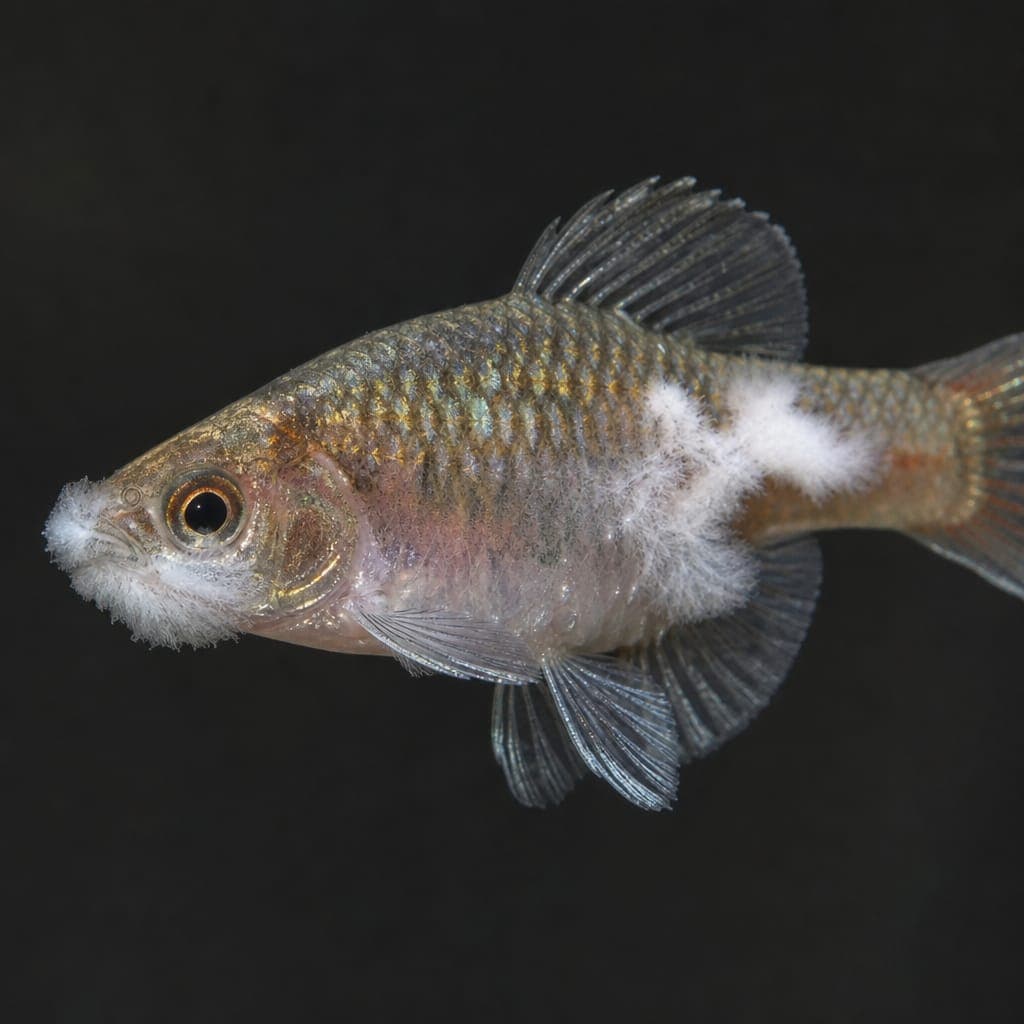
While the Pseudocrenilabrus multicolor victoriae is generally resilient, it can be susceptible to several common freshwater fish diseases. These include ich (ichthyophthirius multifiliis), velvet disease (Oodinium), and fungal infections.