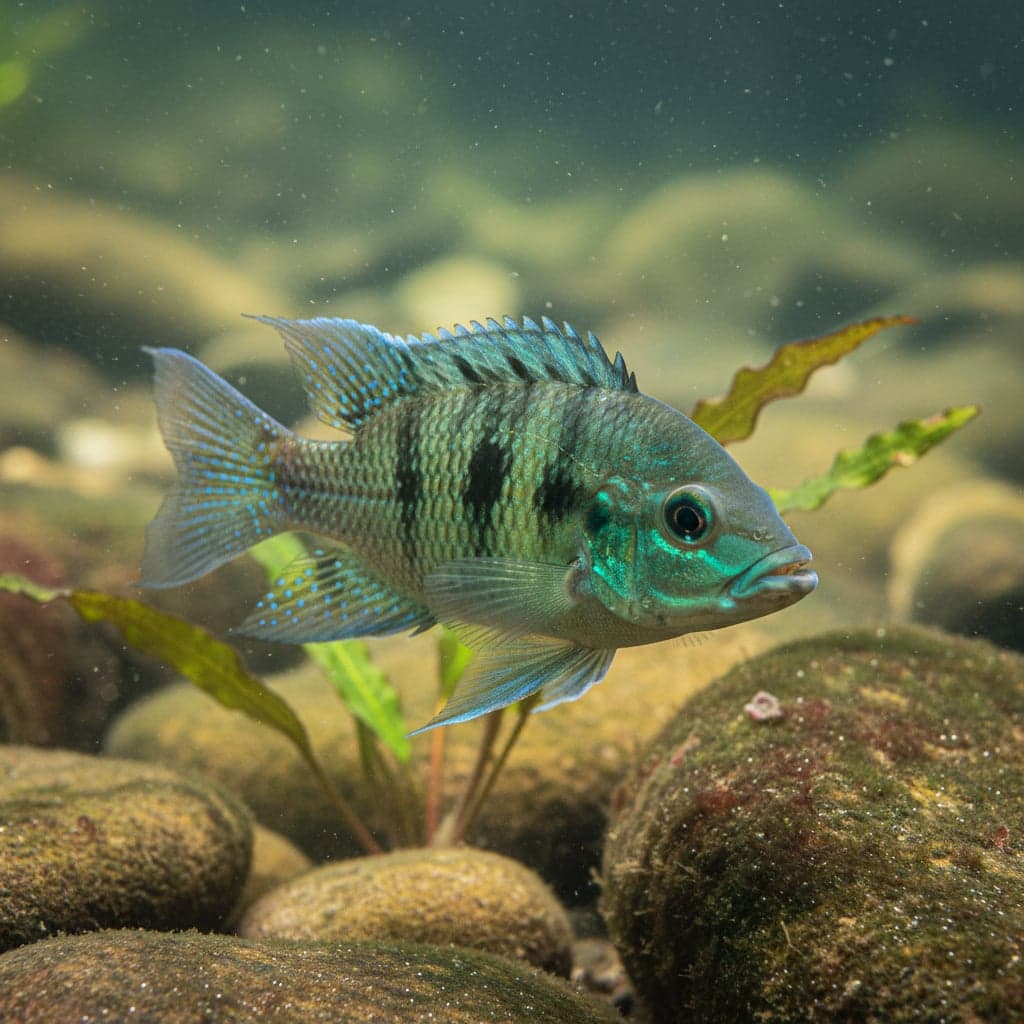
Ellioti Cichlid: Thorichthys maculipinnis
A peaceful Central American cichlid with stunning blue and red coloring. Less aggressive than the Firemouth.
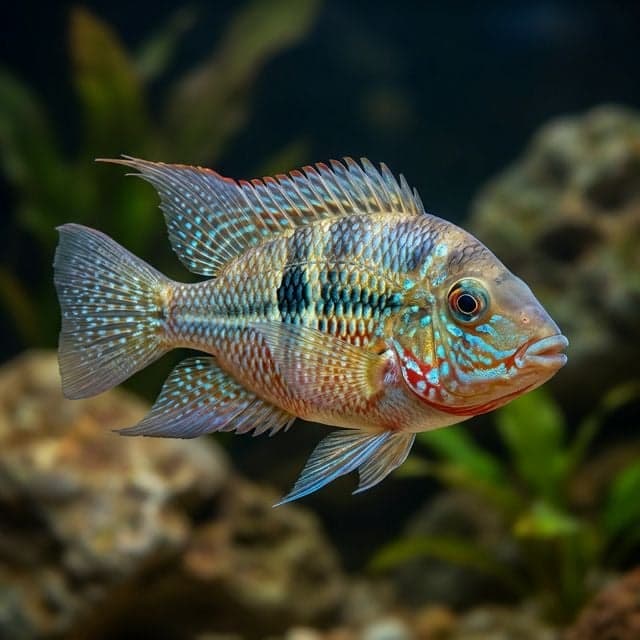
Ellioti Cichlid
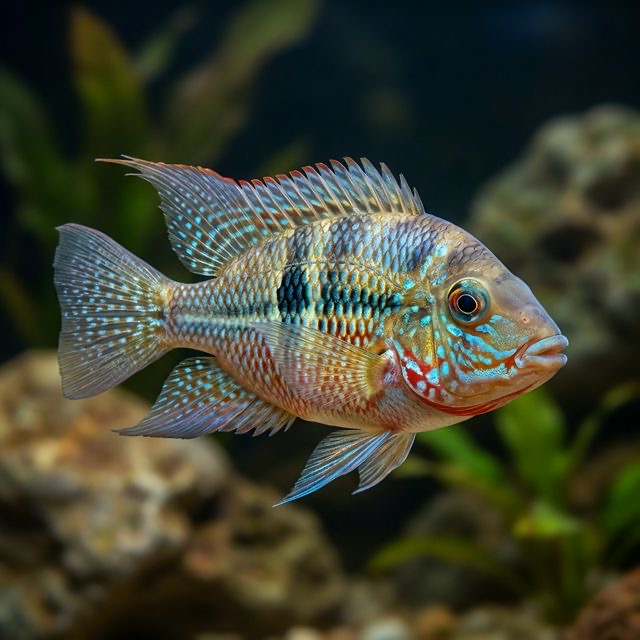
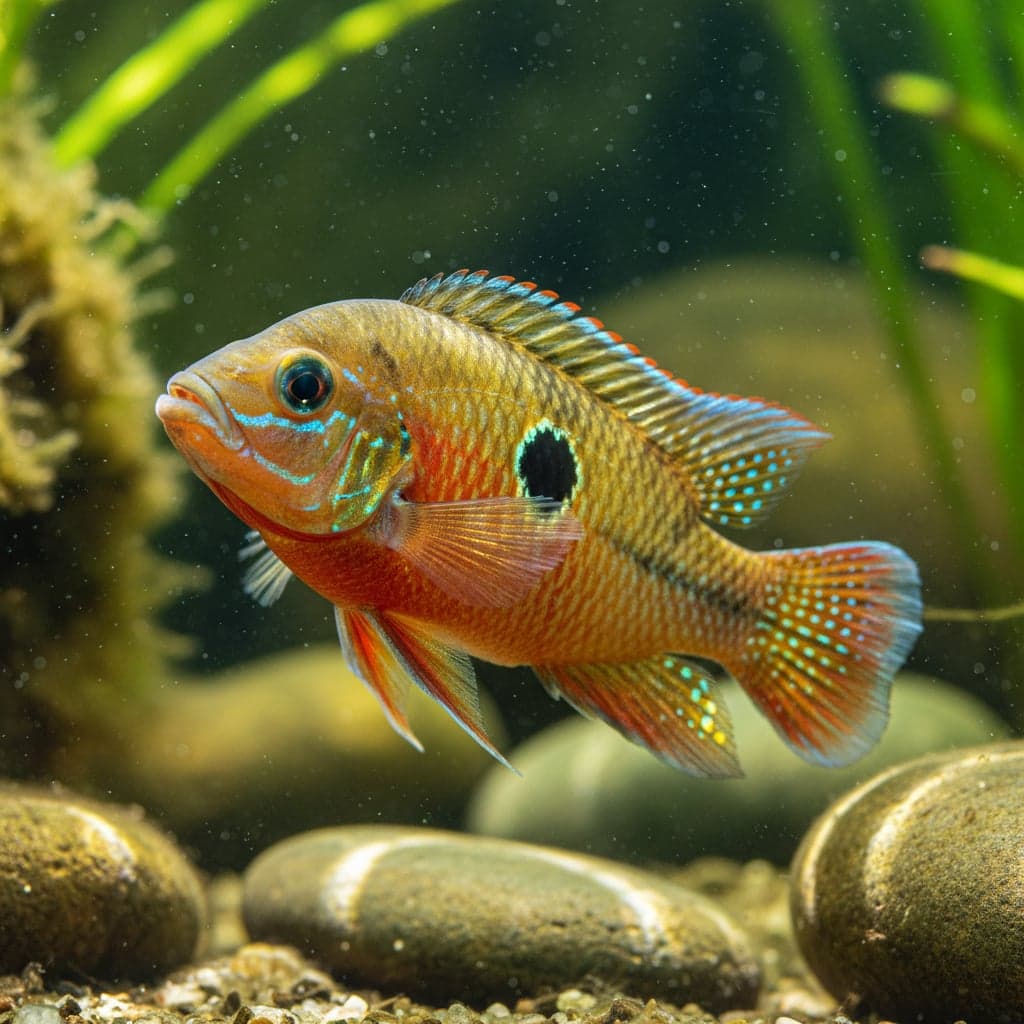
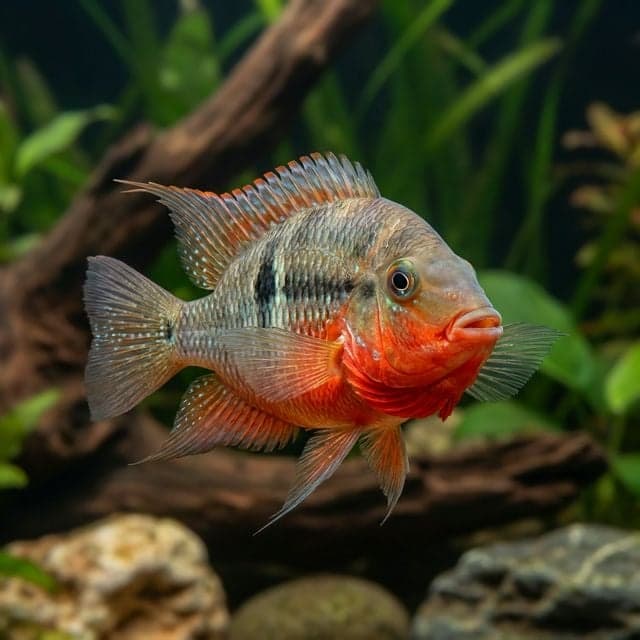
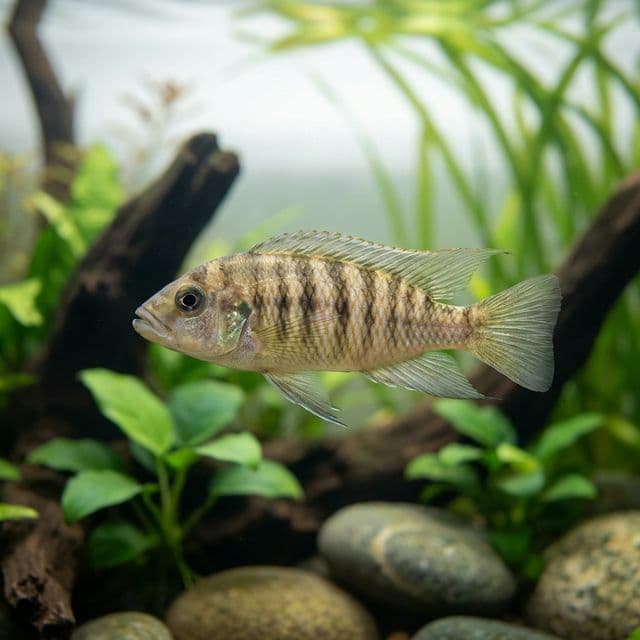
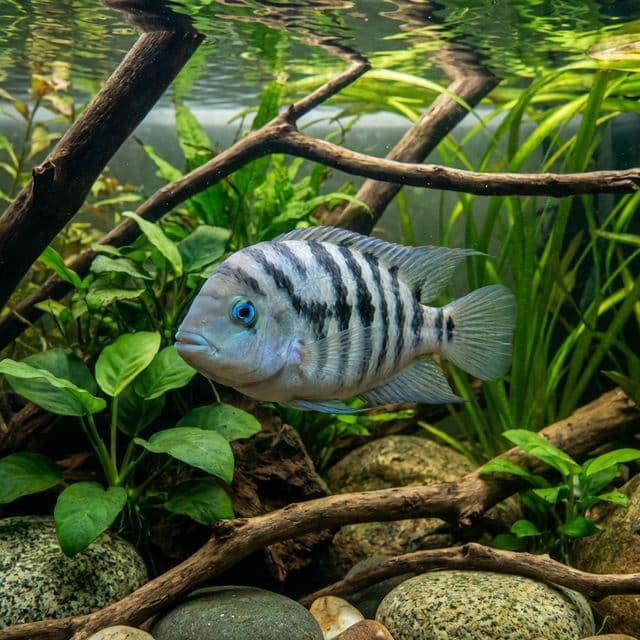
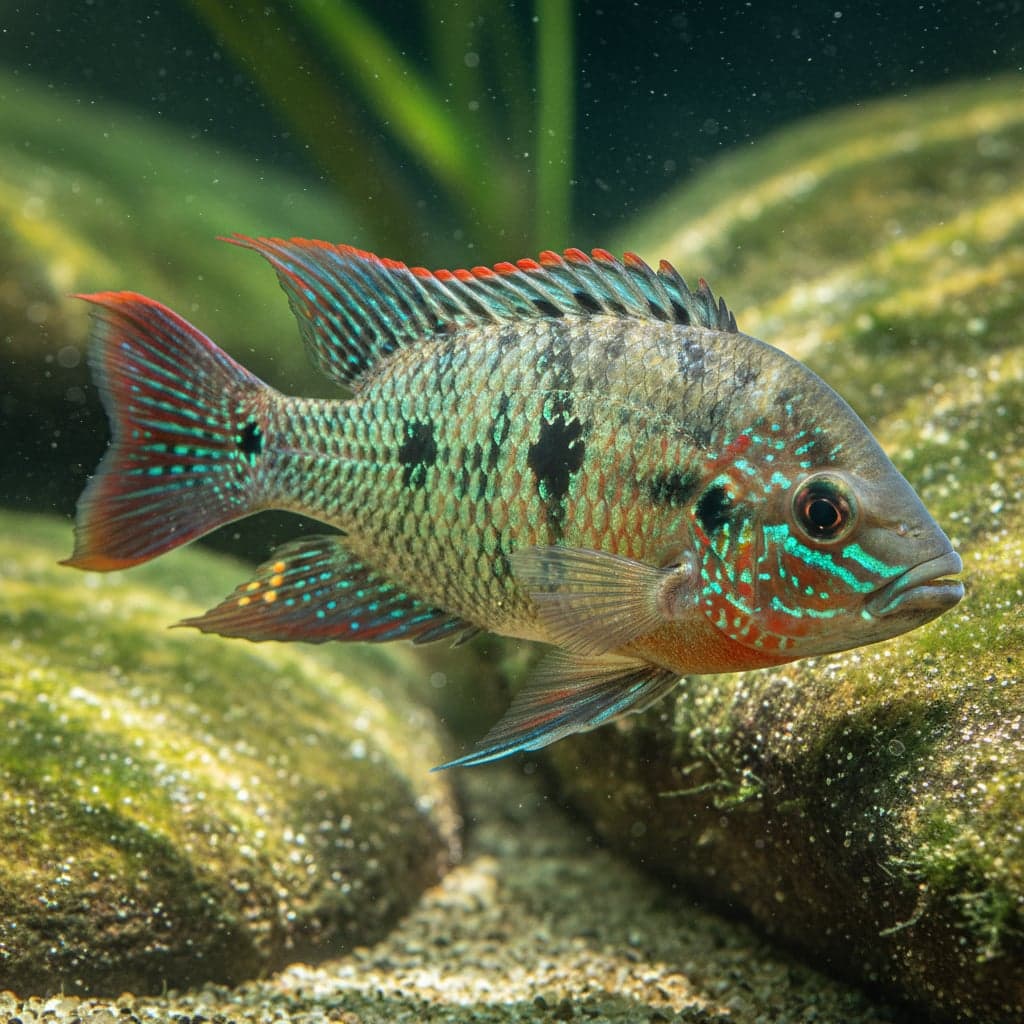
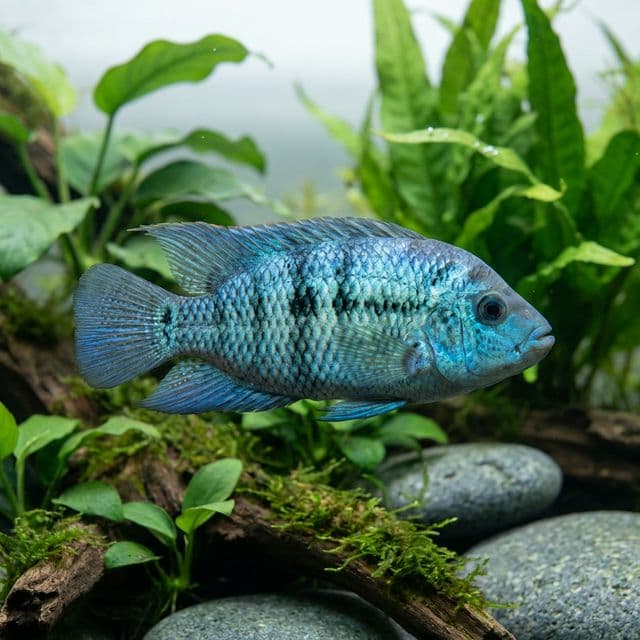
The Ellioti Cichlid, scientifically known as Thorichthys maculipinnis, is a stunning freshwater fish native to Central America. Known for its vibrant coloration and intricate patterns, this cichlid is a prized addition to both aquarists' collections and public displays. The Elliot's body can range from a radiant blue to shades of yellow and orange, showcasing a harmonious blend of colors that can captivate any aquarium enthusiast. Its appearance is further enhanced by its characteristic spots and the shimmering scales that appear almost iridescent under certain lighting conditions. This aesthetic appeal, coupled with its engaging behavior, makes the Ellioti Cichlid a favorite among both novice and experienced aquarists.
In the aquarium hobby, the Ellioti Cichlid carries significant importance due to its hardiness and adaptability. It is relatively easy to care for, making it an excellent choice for a community tank or specialized cichlid aquarium. Known for its interactive nature, the Ellioti Cichlid is not just a passive inhabitant; it engages with both its environment and the aquarist, providing an entertaining and dynamic sight. This blend of beauty and personality makes it a valuable species aimed at enhancing the overall biodiversity and attractiveness of freshwater aquariums.
Natural Habitat & Origin
The Ellioti Cichlid hails from the freshwater rivers and lakes of Central America, specifically around the regions of Nicaragua and Costa Rica. Here, it thrives in various ecosystems, primarily inhabiting areas with slow-moving waters, including riverbanks, pools, and shallow lagoons. The water in these regions often reflects a blackwater environment enriched with organic material, characterized by low pH levels and dark coloration due to tannins. This natural habitat not only provides the cichlid with ample hiding spots among rocks and vegetation but also influences its adaptability to aquarium settings.
In the wild, the Ellioti Cichlid prefers environments with a substrate of fine sand or gravel, which allows it to forage for food comfortably. The presence of natural plant life and other structural elements enhances its well-being, contributing to a healthy and balanced ecosystem. Understanding its natural habitat is crucial for replicating conditions in the home aquarium, ensuring that the fish feels at ease in a setting reminiscent of its original home.
Care Requirements
When caring for the Ellioti Cichlid, it's essential to establish suitable water parameters to mimic its natural habitat. The ideal water temperature should range from 75°F to 82°F (24°C to 28°C), with a pH level between 6.0 and 7.5. Hardness levels (dGH) should be maintained between 5 to 15 dGH, as this range best supports their overall health and well-being. The tank setup should include a minimum size of 30 gallons, providing ample swimming space and proper territory establishment.
For substrate, a fine sand or small gravel is recommended, as it is closer to their natural environment. Planting the tank with hardy aquatic plants such as Anubias, Java Fern, or Vallisneria can create hiding spots while maintaining open swimming areas. Moderate lighting is preferred for the aquarium, mimicking the dappled sunlight found in their natural habitat. Providing caves or rocky structures will also enhance their comfort level, allowing them to retreat when needed.
Diet & Feeding
The Ellioti Cichlid is an omnivore, naturally feeding on a varied diet that includes insects, plant matter, and small crustaceans. In captivity, a balanced diet is essential for optimal health. High-quality pellets specifically formulated for cichlids should form the foundation of their diet, supplemented with flakes rich in vitamins and minerals. Frozen or live foods such as bloodworms, brine shrimp, and daphnia can be provided as treats, enhancing their coloration and promoting optimal health.
Regular feedings should occur 2-3 times a day, with portions sized to be consumed within a few minutes. This feeding routine helps maintain a healthy weight and ensure that the fish receive the proper nutrients it requires. Care should be taken to avoid overfeeding, as this can lead to poor water quality and health problems.
Behavior & Temperament
Socially, the Ellioti Cichlid exhibits a curious and interactive disposition, often exploring its environment while engaging in various activities. Although they can be territorial, especially during breeding periods, they are generally less aggressive than other cichlid species. In community setups, it is advisable to keep them in pairs or small groups to reduce stress and display natural schooling behaviors. While they prefer the mid to lower sections of the aquarium for swimming, they will venture towards various areas, including caves and rocky structures for security.
Their behavior can shift depending on tank dynamics, so monitoring interactions with other species is crucial. The Ellioti Cichlid is known to establish hierarchies within established groups, which may lead to some display of aggression, particularly among males. Proper tank setups with sufficient space and hiding spots will help decrease territorial disputes.
Tank Mates
When selecting tank mates for the Ellioti Cichlid, it is essential to choose species that share similar water parameters and behavioral traits. Compatible companions include peaceful species like tetras, rasboras, and certain catfish, such as the Corydoras. Additionally, other medium-sized cichlids, such as the Keyhole Cichlid or Rainbow Cichlid, can coexist, provided the tank is adequately sized to reduce territorial disputes.
Species to avoid include overly aggressive fish, such as larger cichlids or fish known to nip fins, as well as very small species that may be seen as prey. It is essential to create a diverse tank that maintains harmony among inhabitants while adhering to the careful selection of species that align with the Ellioti Cichlid's temperament and habitat needs.
Breeding
Breeding the Ellioti Cichlid can be a rewarding experience for aquarists, as they exhibit fascinating spawning behaviors. These cichlids are known to be substrate spawners, typically laying their eggs on flat surfaces or smooth rocks. To encourage breeding, the ideal conditions include a well-established tank with stable water parameters, adequate hiding spaces, and a diet rich in protein to enhance the health of the breeding couple.
During the spawning process, the female will lay eggs, which the male fertilizes shortly after. Post-spawning, both parents exhibit protective behaviors over the eggs, guarding them fiercely until they hatch, usually within 3-5 days. Providing the parents with a separate breeding tank may be necessary to prevent aggression towards tank mates and ensure a successful rearing of fry.
Common Health Issues
While the Ellioti Cichlid is relatively hardy, it can still fall prey to common freshwater fish diseases. One of the prevalent issues is ich, a parasitic infection that manifests as white spots on the body and fins. To prevent such diseases, it's vital to maintain clean, stable water conditions and ensure proper tank hygiene. Regular water changes and quarantining new fish before introducing them to the main tank are also essential preventative measures.
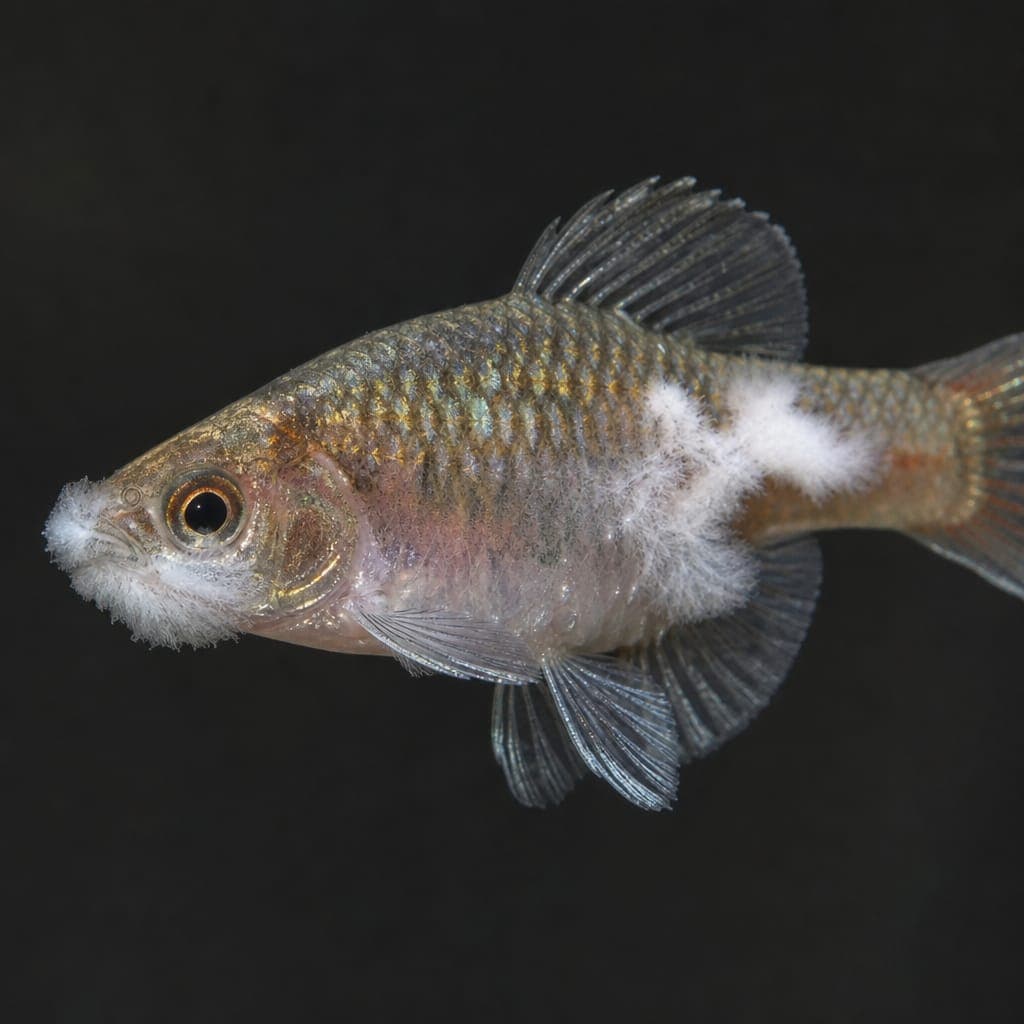
Additionally, the Ellioti Cichlid may be susceptible to fin rot and various fungal infections, especially if stressed or kept in poor water quality. Routine observations for changes in behavior or appearance can help catch potential health issues early. Providing a balanced diet, maintaining optimal water conditions, and ensuring a stress-free environment play crucial roles in minimizing the risk of illness and keeping Ellioti Cichlids in excellent condition.