Forktail Fang Blenny
An 11cm fang blenny with venomous canines, so nothing eats it. Peaceful, reef safe, and it hovers in open water.

Forktail Fang Blenny
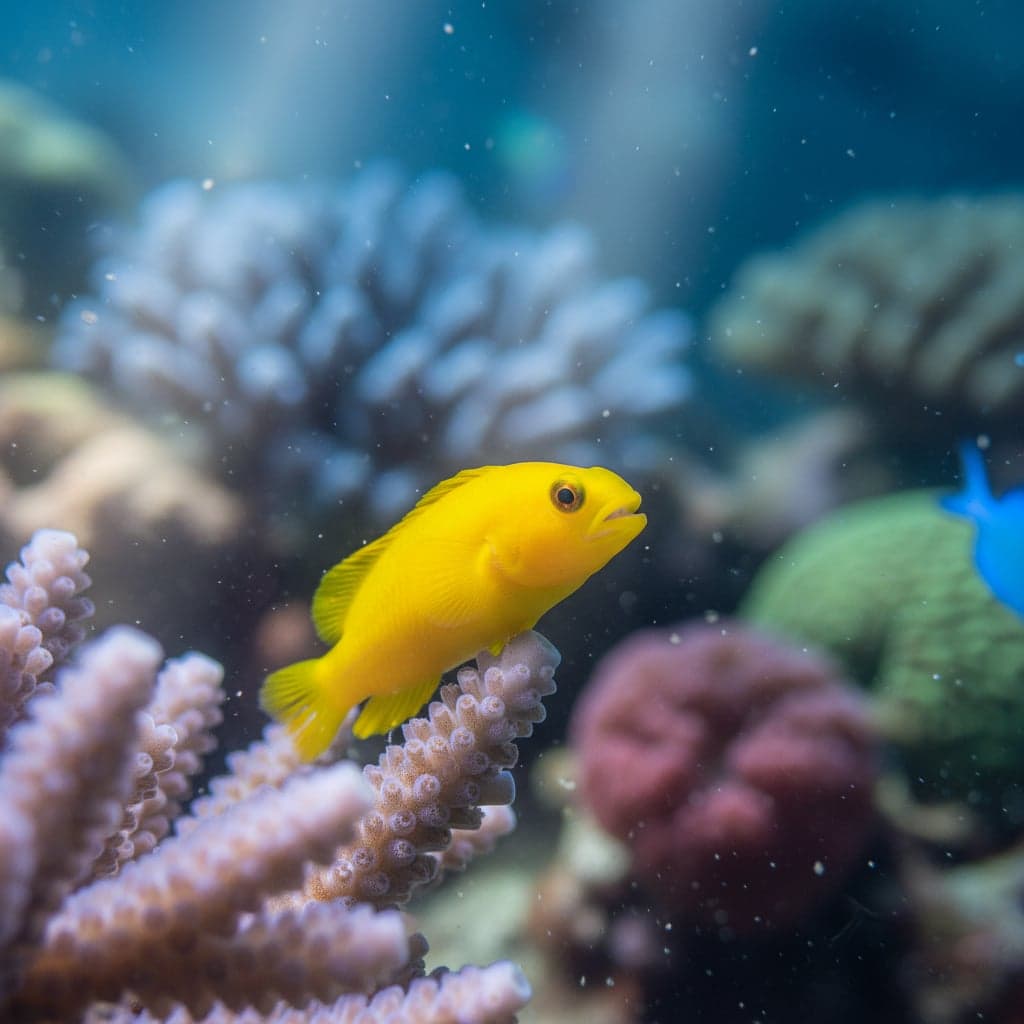
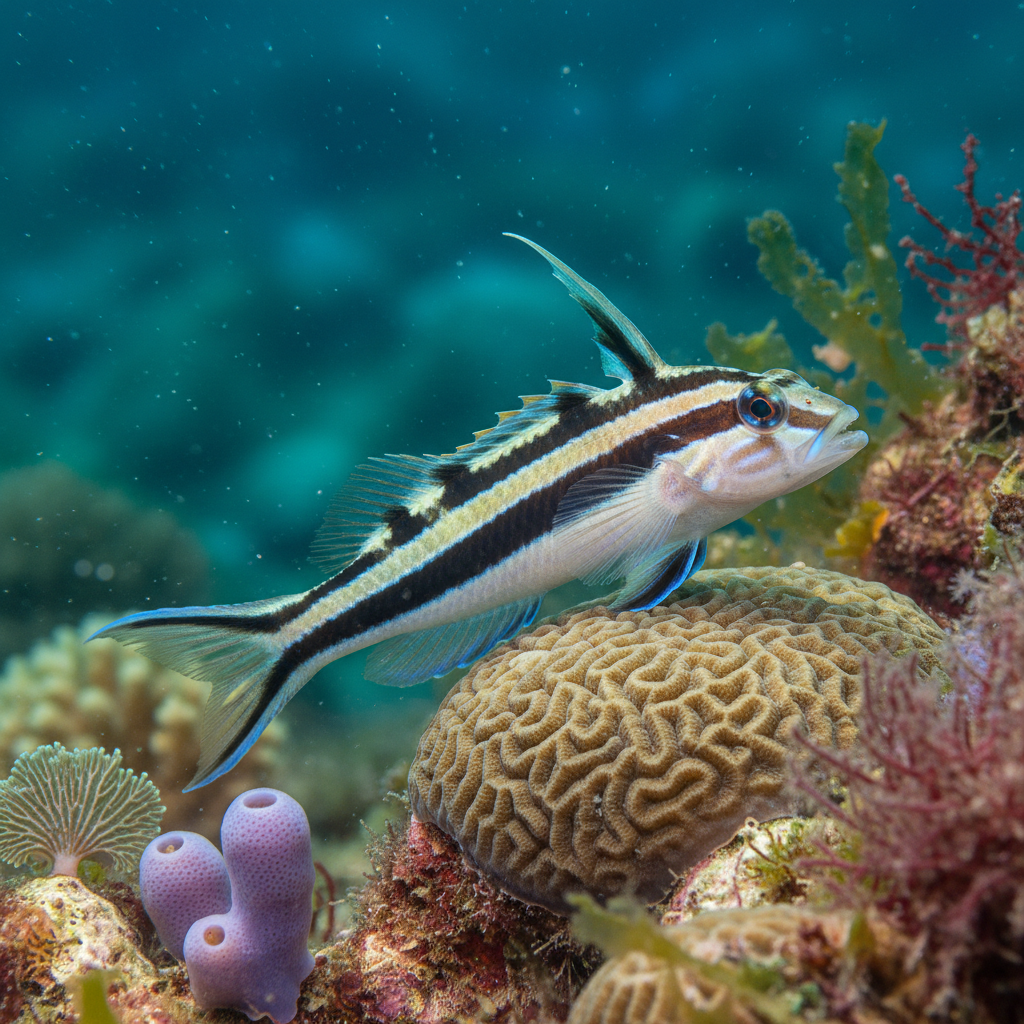
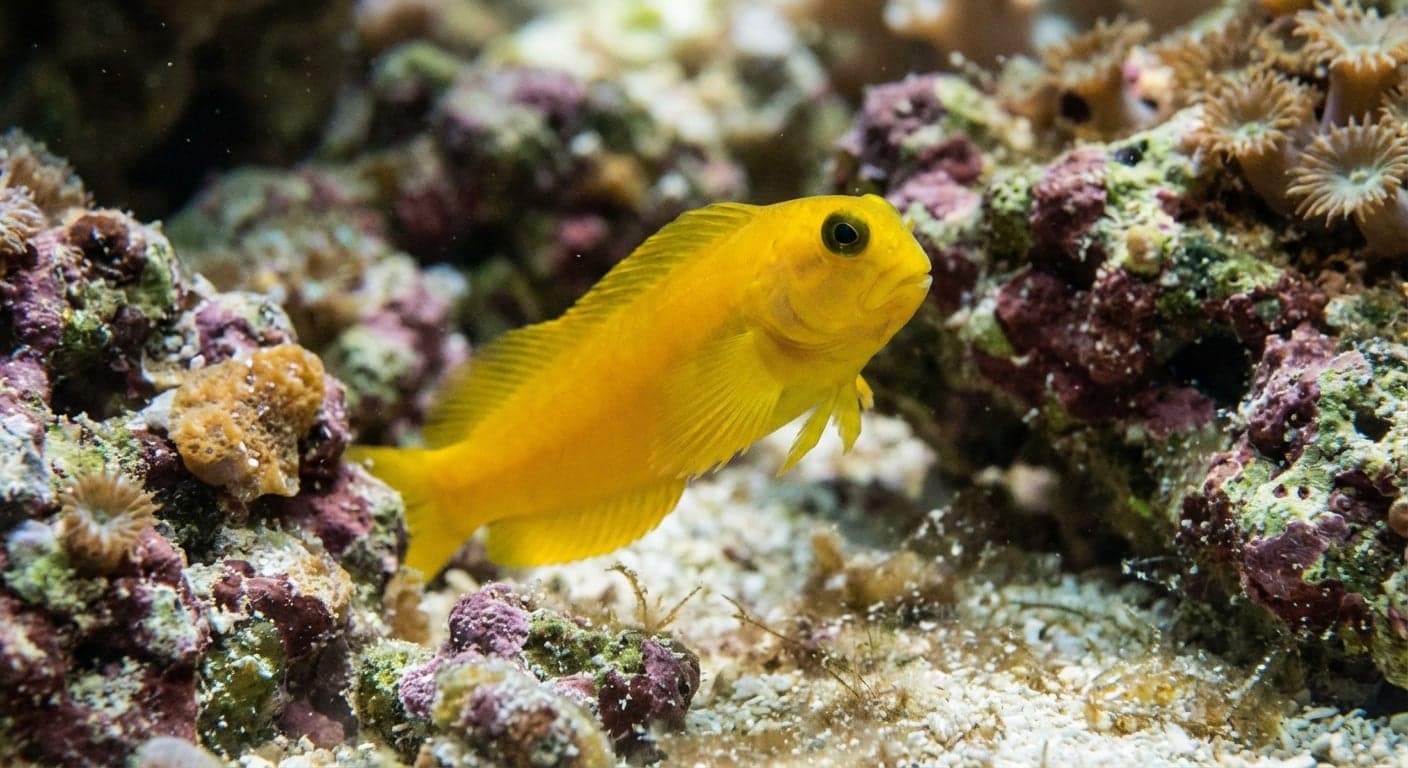
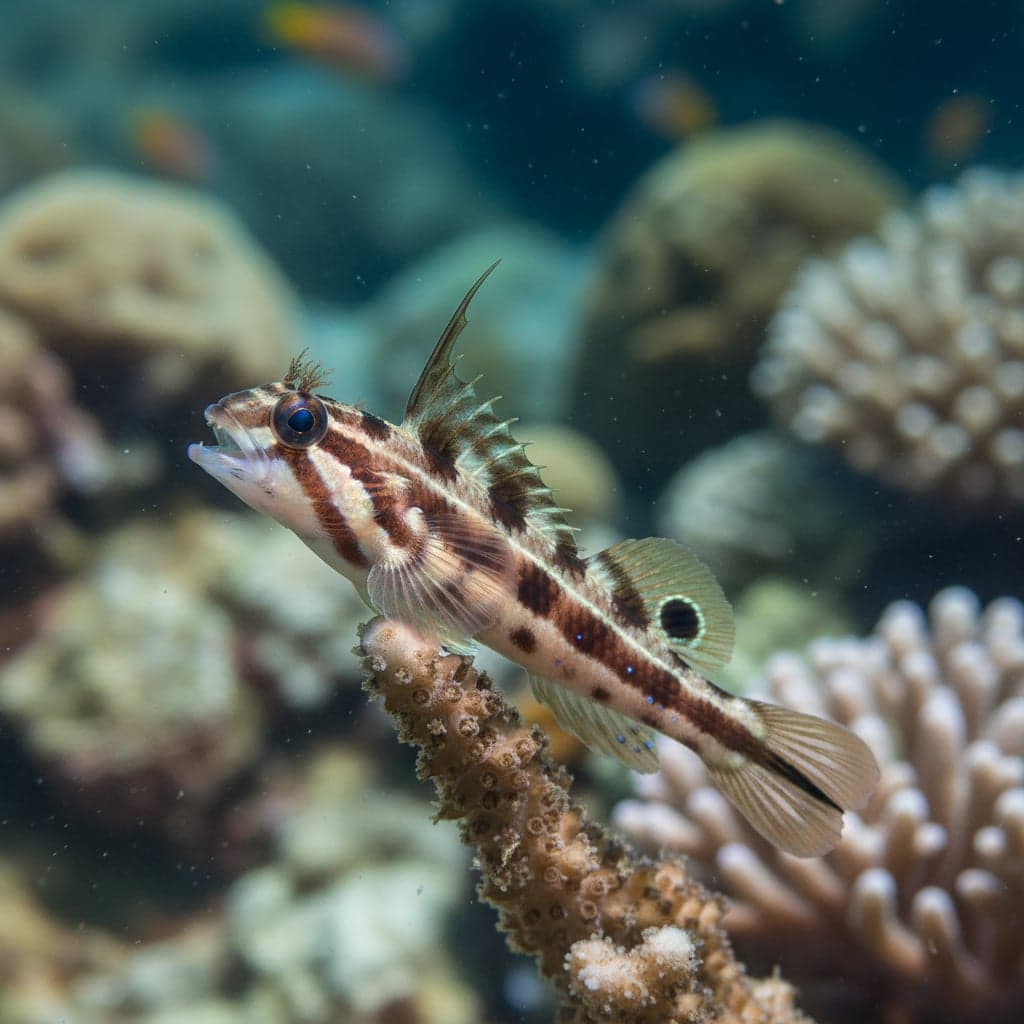
The Forktail Fang Blenny (Meiacanthus atrodorsalis) is a captivating marine fish known for its distinctive forked tail and elongated body, which can reach lengths of up to 4 inches. These aesthetically pleasing fish display a vibrant combination of colors, typically featuring a neon yellow or chartreuse head that gradients into a pale blue or silvery-grey body towards the tail. The Forktail Fang Blenny is admired by aquarists not only for its visual appeal but also for its unique defensive adaptation: venomous fangs used only for protection. It exhibits a graceful swimming style, often hovering in the water column or darting near rock structures, making it a lively and engaging addition to any reef aquarium.
This species is significant in the aquarium hobby for its relative ease of care and its fascinating role as a "fang" blenny. While peaceful towards most tank mates, their presence can discourage smaller, more aggressive fish from bullying them. The Forktail Fang Blenny is primarily an omnivore that feeds on zooplankton and small invertebrates in the water column. Its sociable yet independent nature allows it to thrive in a variety of marine setups, solidifying its status as a favored choice among reef enthusiasts.
Natural Habitat & Origin
The Forktail Fang Blenny is native to the shallow coastal waters of the Indo-Pacific region, particularly in areas such as the Great Barrier Reef, the Philippines, and various island nations in the central Pacific Ocean. This species typically inhabits rocky crevices, coral reefs, and lagoons, where it prefers warm water environments. The natural habitat of the Forktail Fang Blenny consists mainly of clear, well-lighted waters with abundant algae and coral formations, providing ample feeding and hiding opportunities. They thrive in waters with strong currents, which help deliver food particles, making their natural environment rich in both resources and biodiversity, essential for their survival.
In terms of water parameters, these fish are accustomed to a range of temperatures between 75°F and 82°F (24°C to 28°C) and pH levels typically between 8.1 and 8.4. The waters where Forktail Fang Blennies are found tend to have low to moderate salinity due to their proximity to coastal areas, contributing to their adaptability in captivity. Understanding their natural habitat and water conditions is vital for aquarists seeking to provide an environment that replicates their native surroundings, ensuring the health and well-being of these striking fish.
Care Requirements
Caring for Forktail Fang Blennies requires attention to specific water parameters and tank conditions. Optimal water quality is crucial, with a pH range of 8.1 to 8.4, a temperature between 75°F to 82°F (24°C to 28°C), and a salinity of 1.020 to 1.025. Maintaining appropriate hardness levels between 8 to 12 dKH is also important. When setting up the tank, a minimum size of 120 litres (30 gallons) is recommended for this 11cm Meiacanthus atrodorsalis, which needs room to hover in open water and claim rockwork. The substrate should include live sand or fine gravel, providing a comfortable environment for the fish to forage for food.
Incorporating live rock, caves, and coral structures into the aquarium setup not only satisfies the Forktail Fang Blenny's need for hiding spaces but also supports beneficial algae growth, which serves as a food source. Moderate to bright lighting is beneficial for promoting the growth of algae, while live plants and well-maintained coral can enhance the visual appeal of the tank. Regular water changes and filtration systems are essential to maintain optimal tank conditions, ensuring the overall health of both the Forktail Fang Blenny and its aquatic companions.
Diet & Feeding
The Forktail Fang Blenny is primarily herbivorous, with a penchant for algae and plant matter; however, it is classified as an omnivore and will also benefit from a diverse diet. High-quality algae-based flakes or pellets are essential staples, supplemented with frozen or live foods such as brine shrimp, mysis shrimp, and finely chopped vegetables. Offering a variety of foods ensures a balanced diet that satisfies the nutritional needs of the fish while promoting vibrant coloration and robust health.
Feeding should occur multiple times a day in small quantities to mimic their natural foraging behavior. It is important to ensure that any uneaten food is promptly removed to maintain water quality. Additionally, incorporating nori or other seaweed varieties attached to a feeding clip can provide an enjoyable and engaging feeding experience, allowing the Forktail Fang Blenny to graze throughout the day, thus replicating their natural feeding habits found in the wild.
Behavior & Temperament
The Forktail Fang Blenny is known for its social and lively temperament, making it a delight to observe in a community aquarium. These fish are generally peaceful and do not exhibit territorial aggression, making them ideal candidates for mixed-species tanks. They may establish a hierarchy or social structure within their own species, especially when multiple individuals are housed together. Although they are not schoolers, they enjoy companionship and will often be seen interacting closely with other tank mates.
Forktail Fang Blennies are known to prefer the upper and mid-levels of the aquarium, often perched on rocks or corals, gliding gracefully through the water in search of food or to explore their surroundings. Their tendency to stay near structures provides them with both safety and a suitable feeding ground. While they may display occasional social behaviors among fellow blennies, they are generally non-aggressive towards other fish, making them versatile additions to community tanks.
Tank Mates
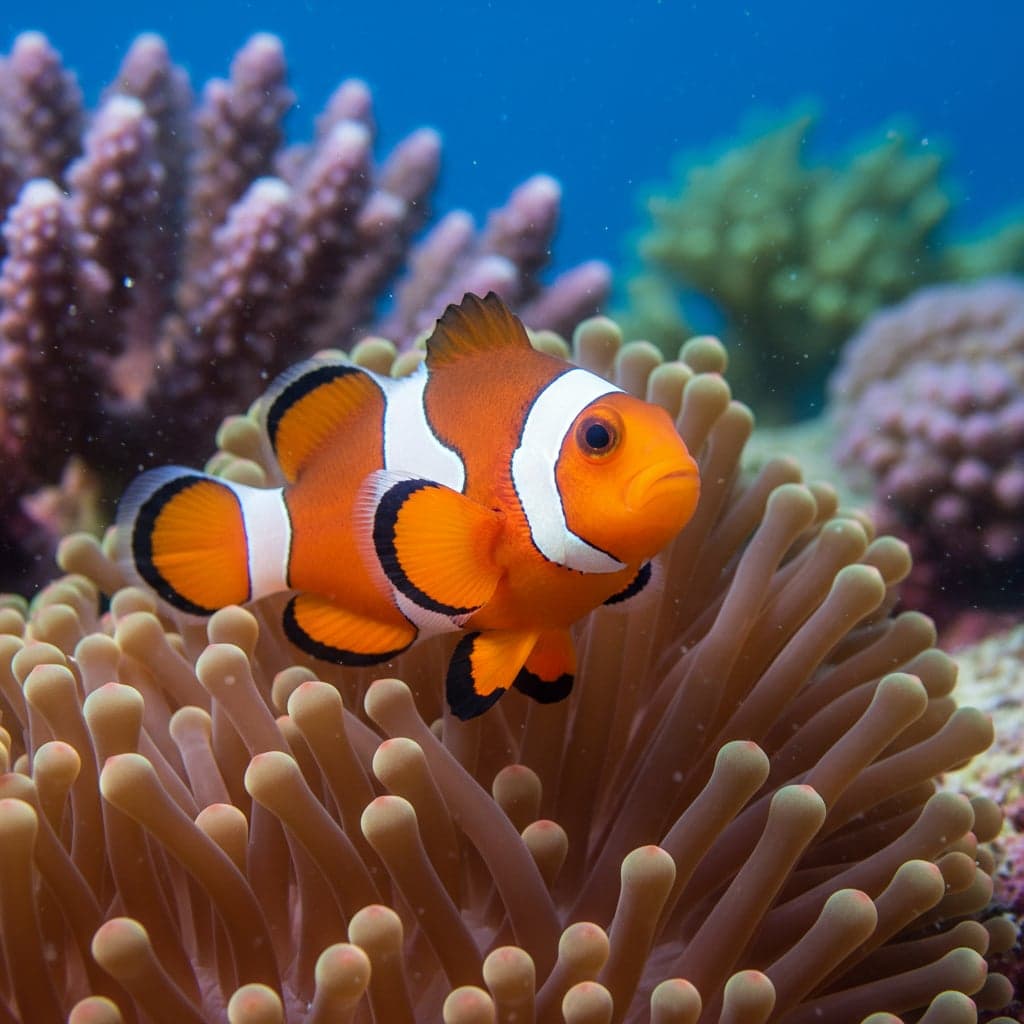
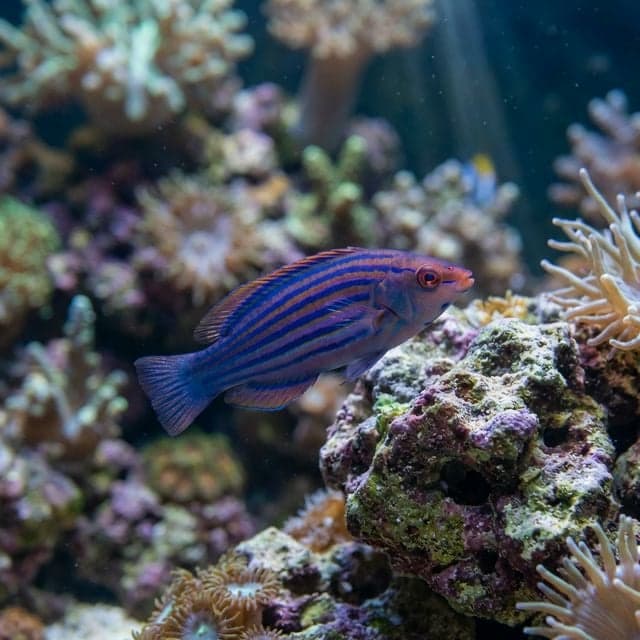
When selecting tank mates for the Forktail Fang Blenny, it is essential to carefully consider compatibility to ensure a harmonious environment. Some ideal companions include peaceful reef fish such as clownfish, gobies, and small wrasses, which do not pose a threat. Additionally, invertebrates like cleaner shrimp and hermit crabs often coexist well with this species, as they contribute to the overall health of the tank without causing distress.
Conversely, it is crucial to avoid housing the Forktail Fang Blenny with aggressive or highly territorial species, such as larger angelfish or lionfish, which may pose a threat to its well-being. Other fish with similar body shapes could trigger territorial disputes, so it is best to avoid housing multiple species of blennies or similar fish together. By carefully selecting compatible tank mates, aquarists can ensure a peaceful and thriving aquarium environment.
Breeding
Breeding Forktail Fang Blennies in captivity can be a rewarding but challenging endeavor due to their specific reproductive needs. During spawning, males exhibit courtship behaviors, displaying vivid colors to attract females to their chosen nesting site, typically within crevices or on flat surfaces near coral structures. The female will lay adhesive eggs that the male fertilizes and guards diligently, often fanning them with his fins to maintain oxygen flow and protect them from potential threats.
To successfully breed Forktail Fang Blennies, maintaining optimal water conditions is critical, including stable temperature, salinity, and a specific light schedule that mimics their natural environment. Providing ample hiding spots and breeding grounds within the aquarium will encourage spawning behavior. It should be noted that raising the fry can present challenges, as they require specialized care and suitable food sources, such as infusoria or finely crushed foods until they can accept larger offerings. Egg survival improves when the male is left to guard the clutch in a stable marine system with excellent water quality.
Common Health Issues
Forktail Fang Blennies can develop marine ich, flukes, or bacterial infections when stressed or when water quality slips. Maintain stable salinity and temperature, strong filtration, and ample algae for grazing. Quarantine new arrivals and watch for white spots, rapid breathing, or faded colour. A varied diet and peaceful reef mates keep them healthy and lively.