Medaka: Oryzias latipes
The Japanese ricefish: a small, hardy, unheated schooling fish that has been kept in Japanese bowls and ponds for centuries and breeds readily in the home aquarium.
Also known as: Japanese ricefish · Japanese rice fish · Oryzias latipes
Medaka
The Medaka (Oryzias latipes), also called the Japanese ricefish, is one of the oldest ornamental fish in East Asia. It has been kept in ceramic bowls and garden ponds in Japan for centuries, long before heated aquaria existed, and it remains one of the best choices for anyone who wants a lively schooling fish without a heater.
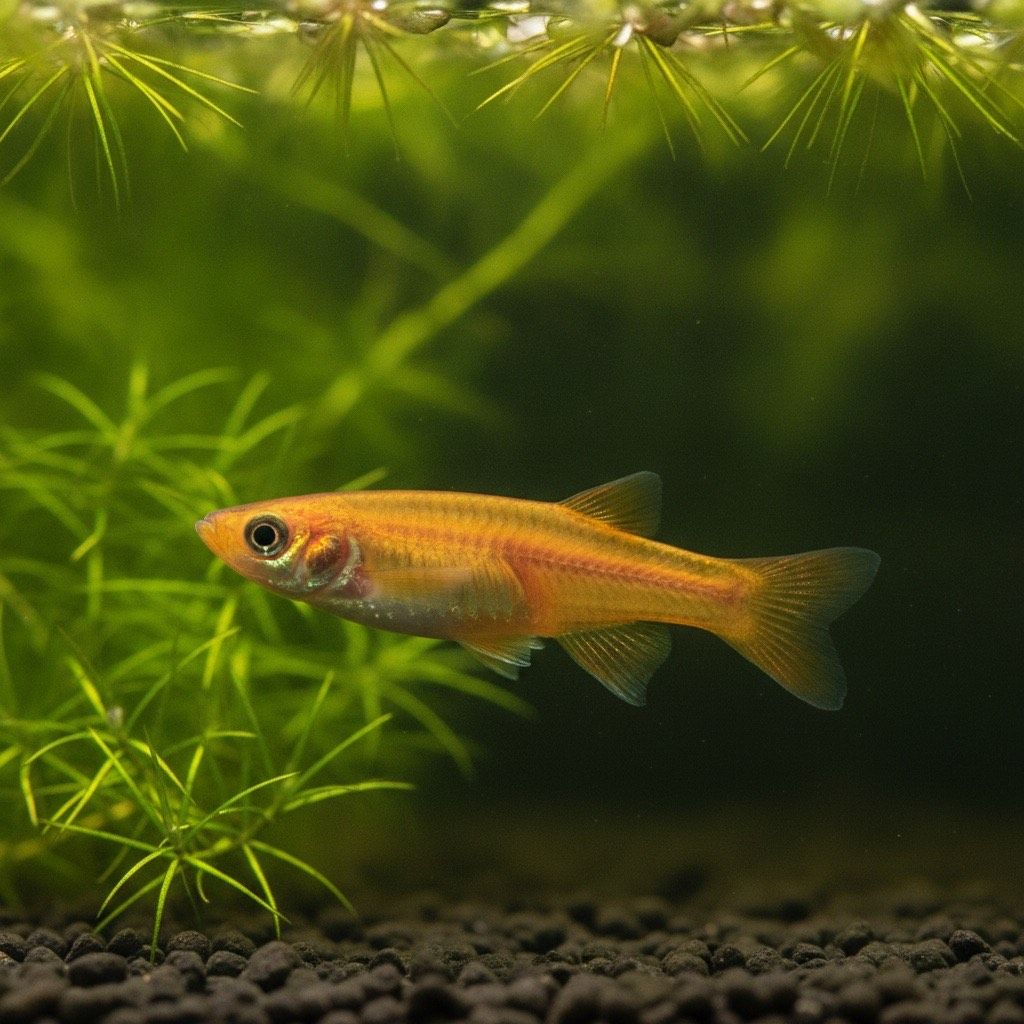
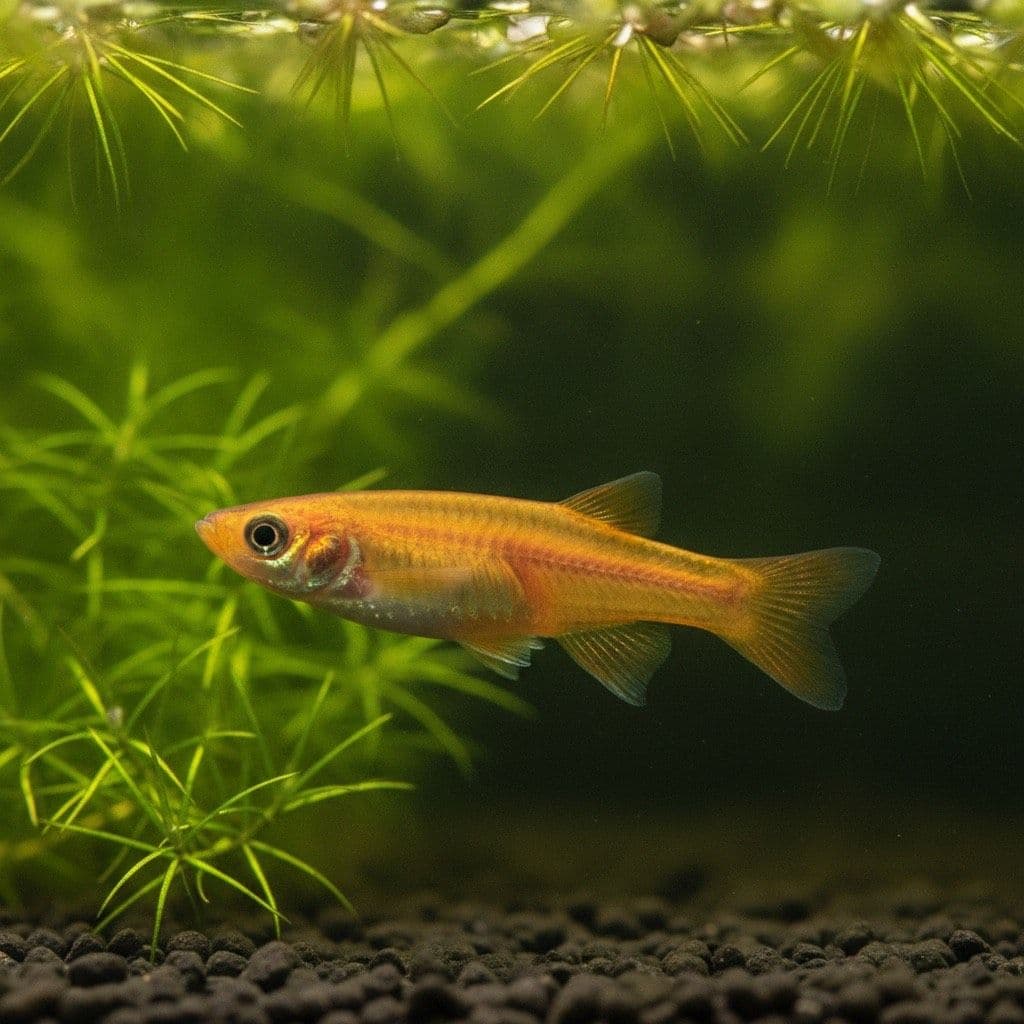
Adults are small, reaching about 36 mm standard length, so roughly 3-3.5 cm including the tail. Wild fish are a plain olive-grey with a faint iridescent line along the flank, but Japanese breeders have produced hundreds of colour forms: the orange-gold "himedaka", pearly white, black, blue-silver, and strains with reflective scales along the back that are designed to be viewed from above in a bowl. The Medaka is also a laboratory model organism, and much of what we know about fish genetics and development was learned from it.
Natural Habitat & Origin
Medaka range around the East and South China seas: Japan from the Ryukyu Islands to Honshu, eastern Korea, Taiwan, eastern China including Hainan, and south into Vietnam and Laos. Few small fish are as adaptable. They are found in rice paddies, irrigation canals, slow streams, pools and oxbows, and even in brackish, tidal mangrove swamps.
That range explains their tolerance. In the wild they experience cold winters, warm summers, and water that swings from soft and acidic to hard and slightly salty. The common thread is shallow, still or slow water with plenty of vegetation at the margins.
Care Requirements
Medaka are temperate to subtropical fish. They do best at 16-22°C, which in most homes means no heater at all. They tolerate short warm spells, but keeping them permanently at tropical temperatures shortens their life. A pH of 6.5-8.5 and hardness of 5-25 dGH covers almost any tap water once it has been dechlorinated.
A tank with a 45 × 30 cm base, around 40 litres, suits a group. Because they live near the surface, footprint matters more than height, and a long, shallow tank or a wide bowl shows them off best. Keep the current gentle; they come from still water and tire in strong flow. A tight-fitting lid is sensible, as they can jump.
Dense planting at the edges and floating plants such as Hornwort give cover and spawning sites while leaving open water in the middle for swimming. In summer, many keepers move their Medaka outdoors to a tub or small pond, where they colour up and breed freely.
Diet & Feeding
In the wild Medaka are micropredators, picking small insects, worms, crustaceans and other zooplankton from the water column and the surface. In the aquarium they take good-quality flake and small granules without fuss, but they need small live or frozen foods several times a week to stay in condition: daphnia, brine shrimp and bloodworm are all eaten eagerly. Their mouths are small and upturned, so crumble larger foods.
Behavior & Temperament
Medaka are peaceful, active fish that spend most of their time in the upper half of the tank. They look best and behave most confidently in a group of eight or more; a small group stays nervous and pale. Males display to one another with spread fins, but this rarely goes further than chasing.
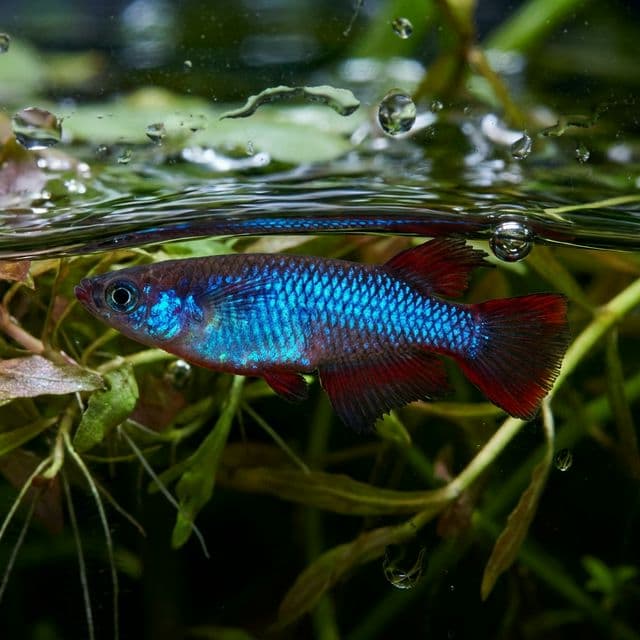
Males are easy to tell apart: their dorsal and anal fins are larger, and the rear rays of the anal fin are elongated. Females are slightly fuller-bodied and often carry a cluster of eggs beneath the belly.
Tank Mates
Their preference for cool water limits the list. Good companions share the same temperature range and temperament:
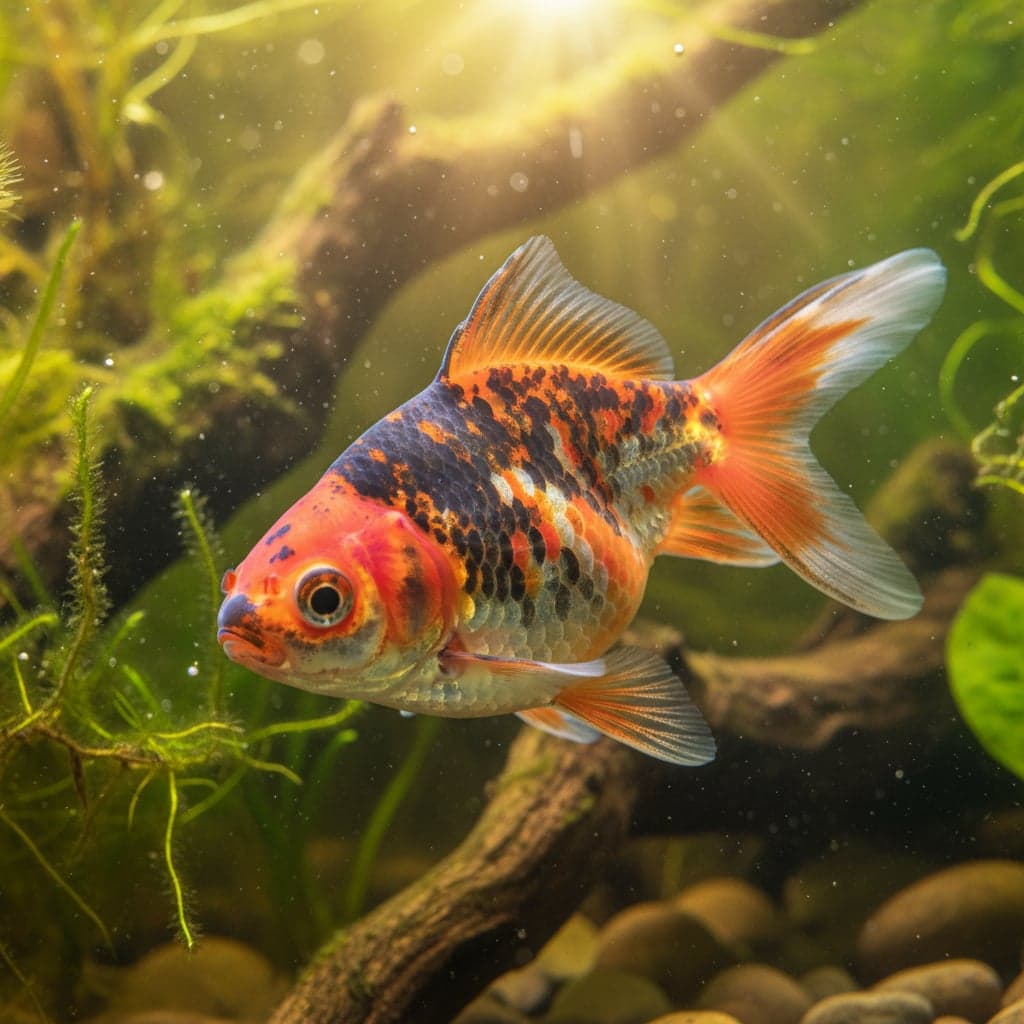
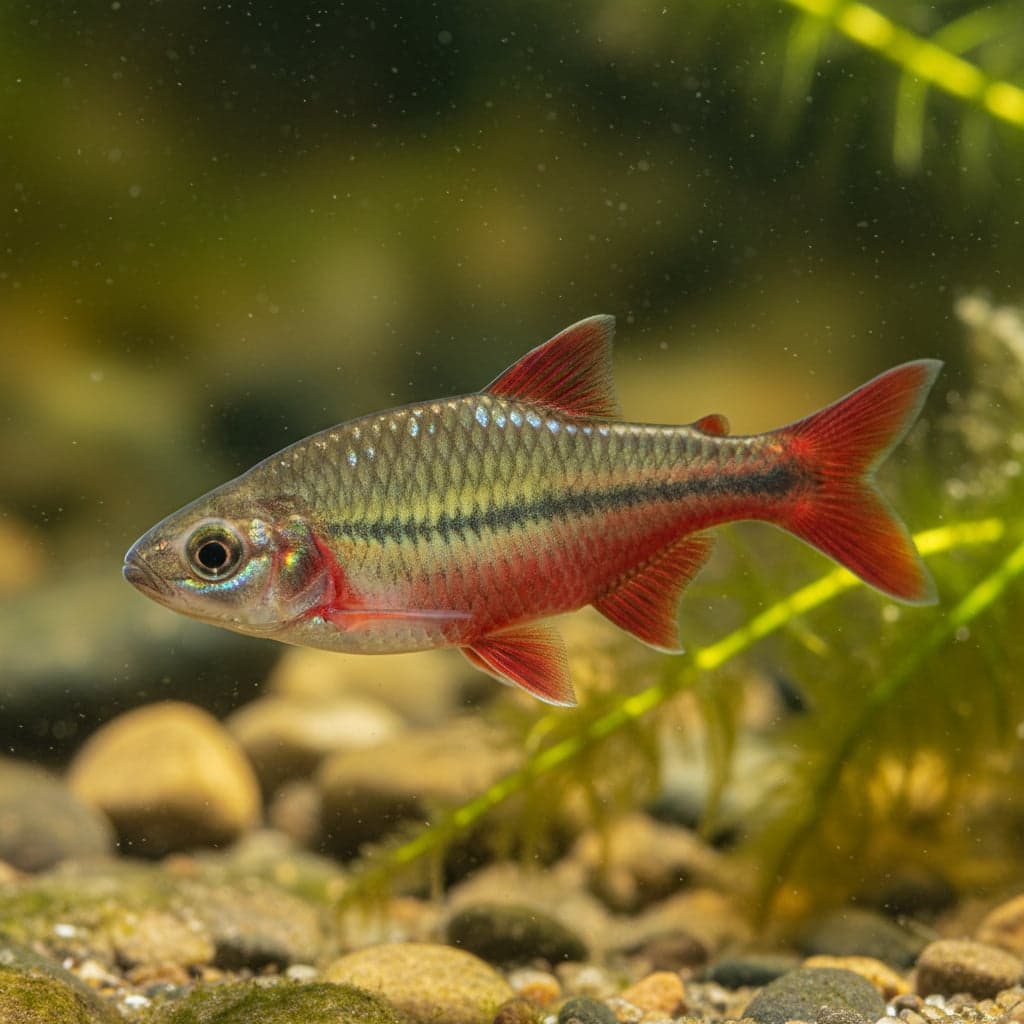
- White Cloud Mountain Minnow
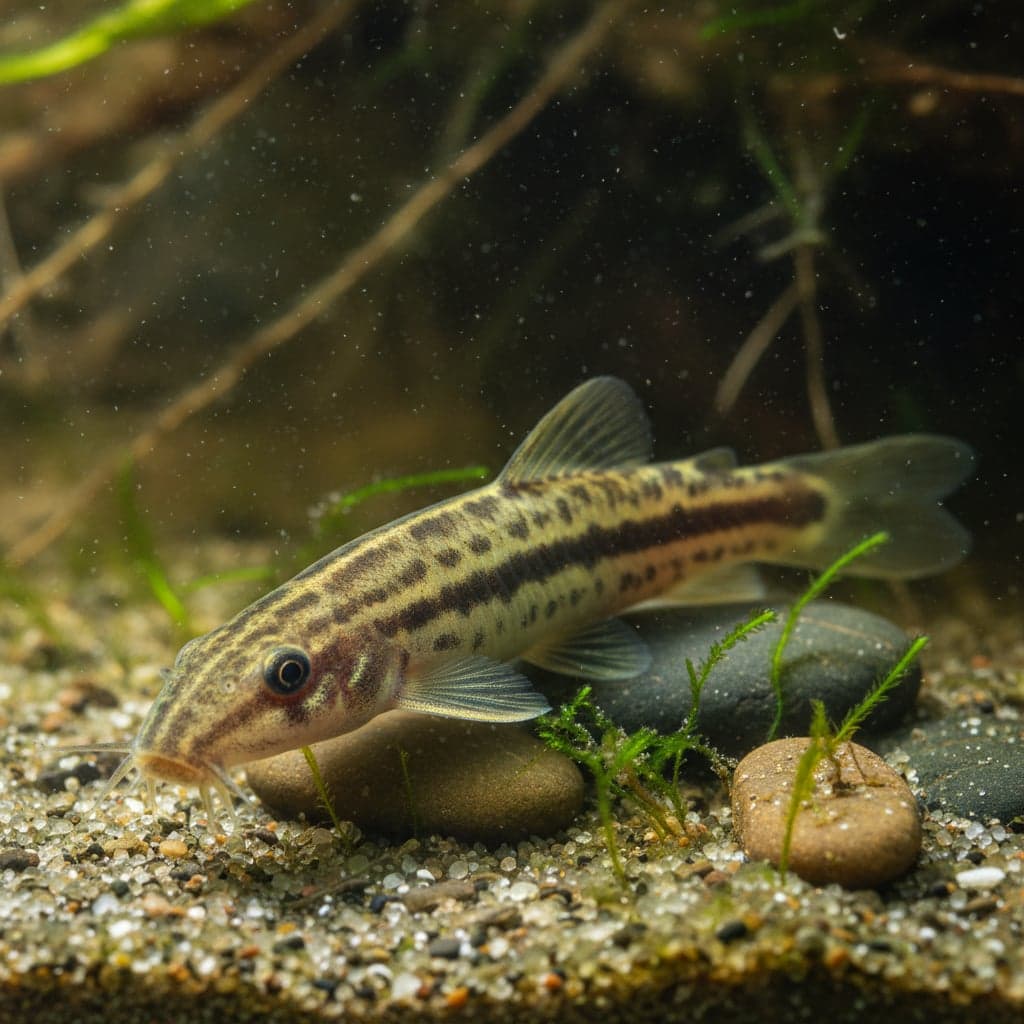
- Dojo Loach in a larger tank, for the bottom
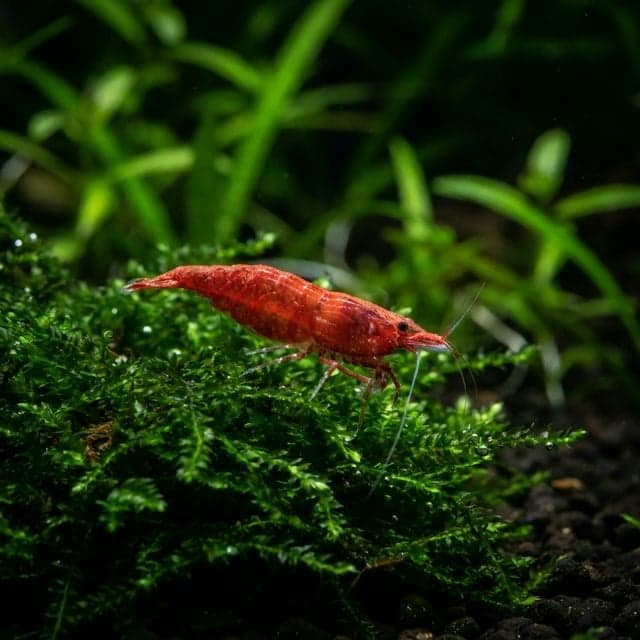
- Cherry Shrimp and other dwarf shrimp
- Small snails
Avoid anything large enough to eat them, and fast, pushy species that outcompete them at feeding time. Tropical community fish are a poor match because of the temperature difference.
Breeding
Medaka are among the easiest fish to breed. A well-fed female can produce a small batch of eggs almost every day in the warmer months. The eggs hang from her vent in a cluster for a few hours before she brushes them off onto plants, where they stick.
Adults will eat eggs and fry, so move the plants, or the eggs, to a separate container. Eggs hatch in one to three weeks, faster in warmer water. The fry are tiny and need microfoods such as infusoria or liquid fry food for the first days, then newly hatched brine shrimp. Growth is quick, and fry raised in summer can breed themselves the following spring.
Common Health Issues
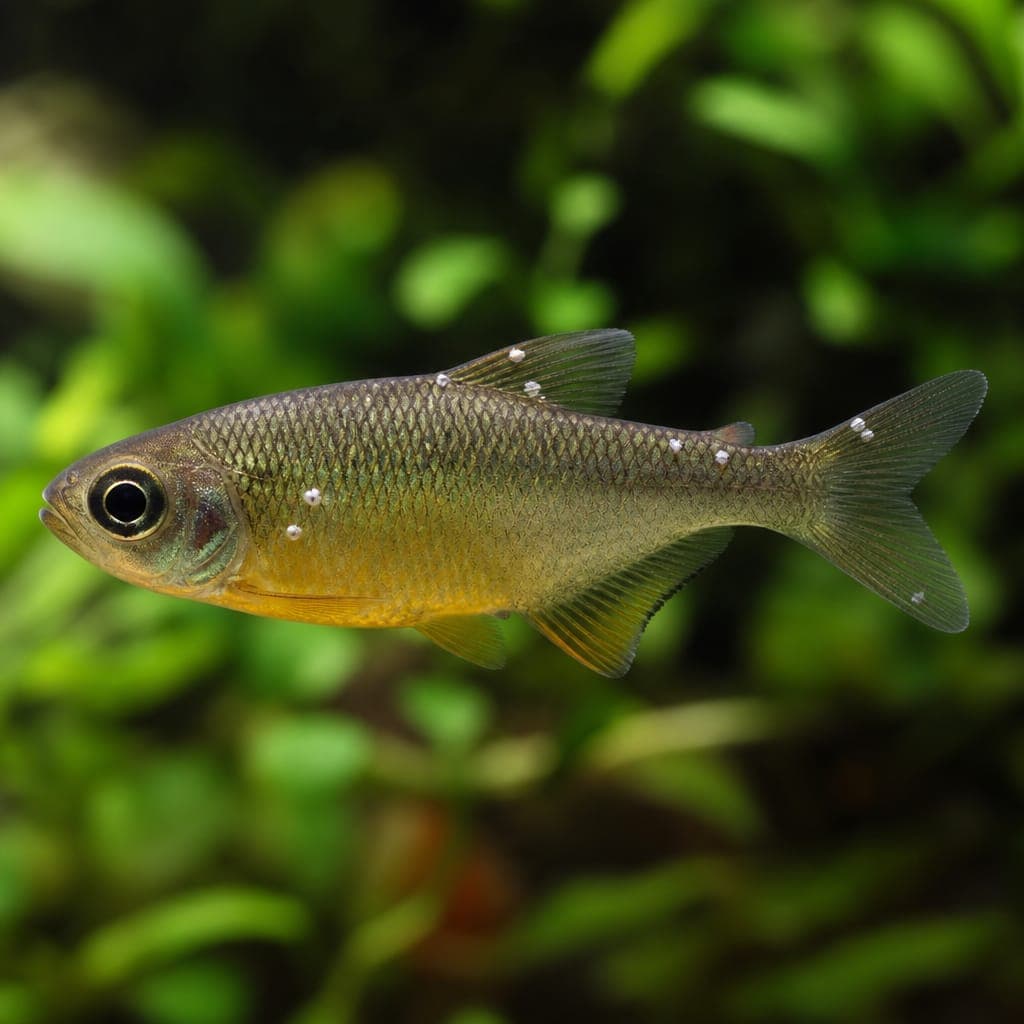
Medaka are hardy when kept cool. Most problems come from warm water, which leaves them short-lived and more prone to disease. Like any fish they can pick up white spot, usually after a sudden temperature drop or the addition of unquarantined stock. Regular water changes, a gentle current and a cool, stable temperature prevent nearly all of it.