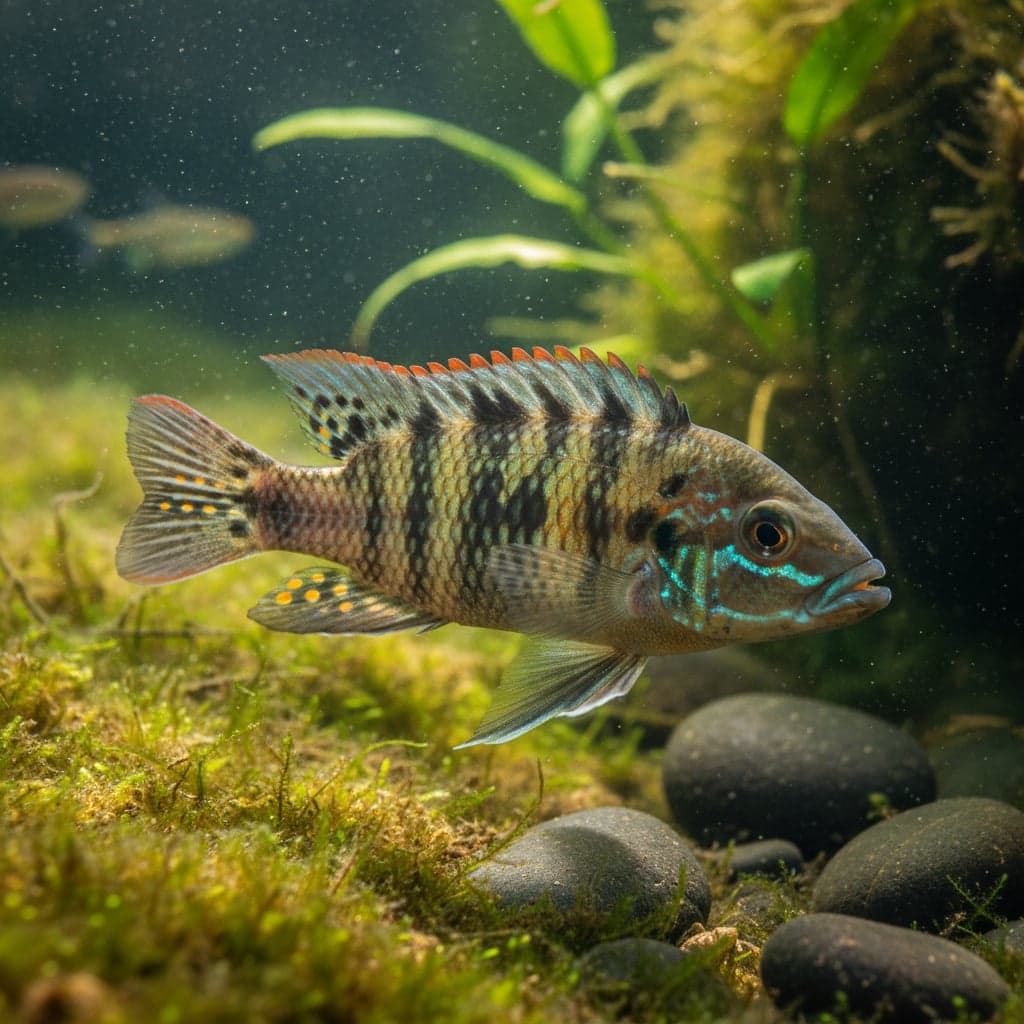
Hap VC10: Placidochromis milomo
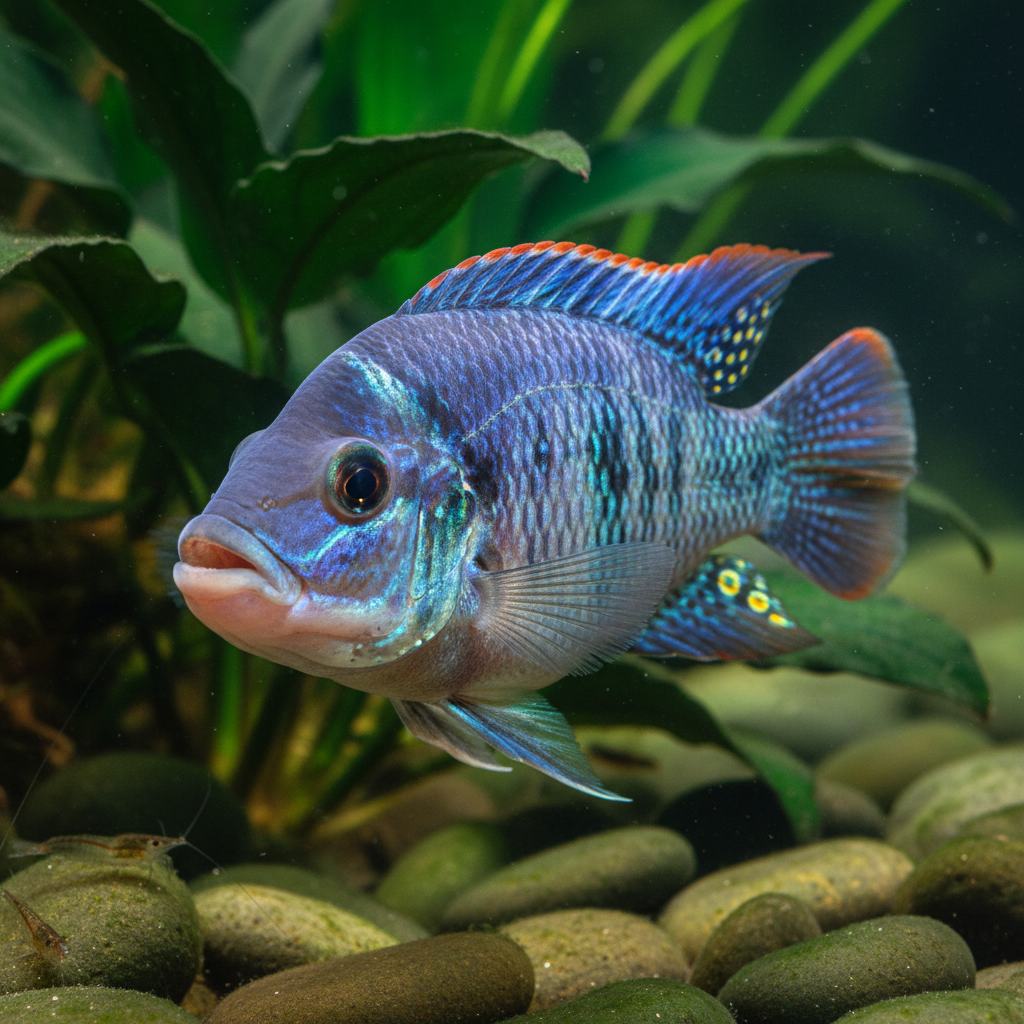
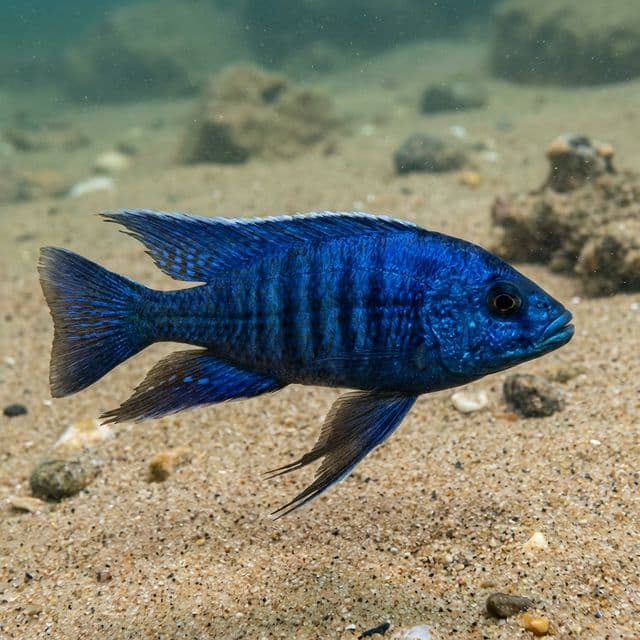
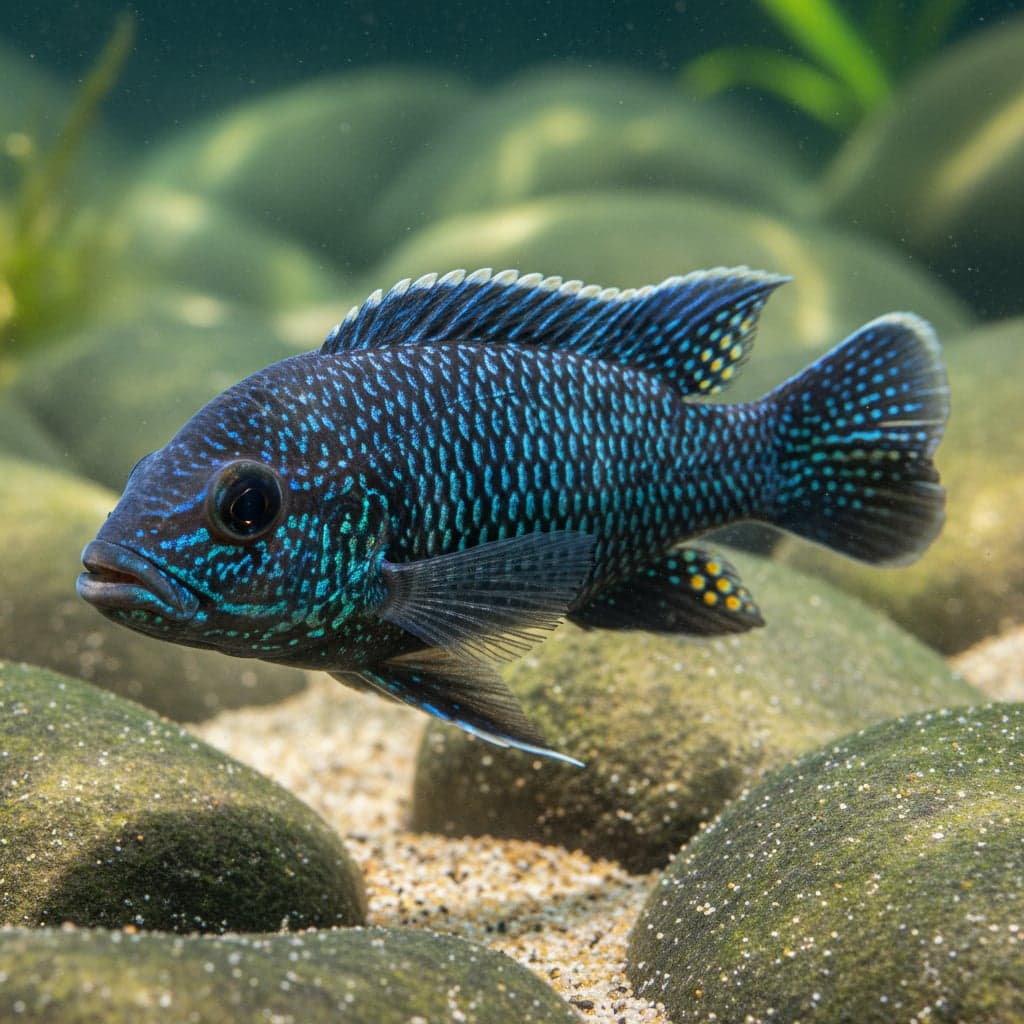
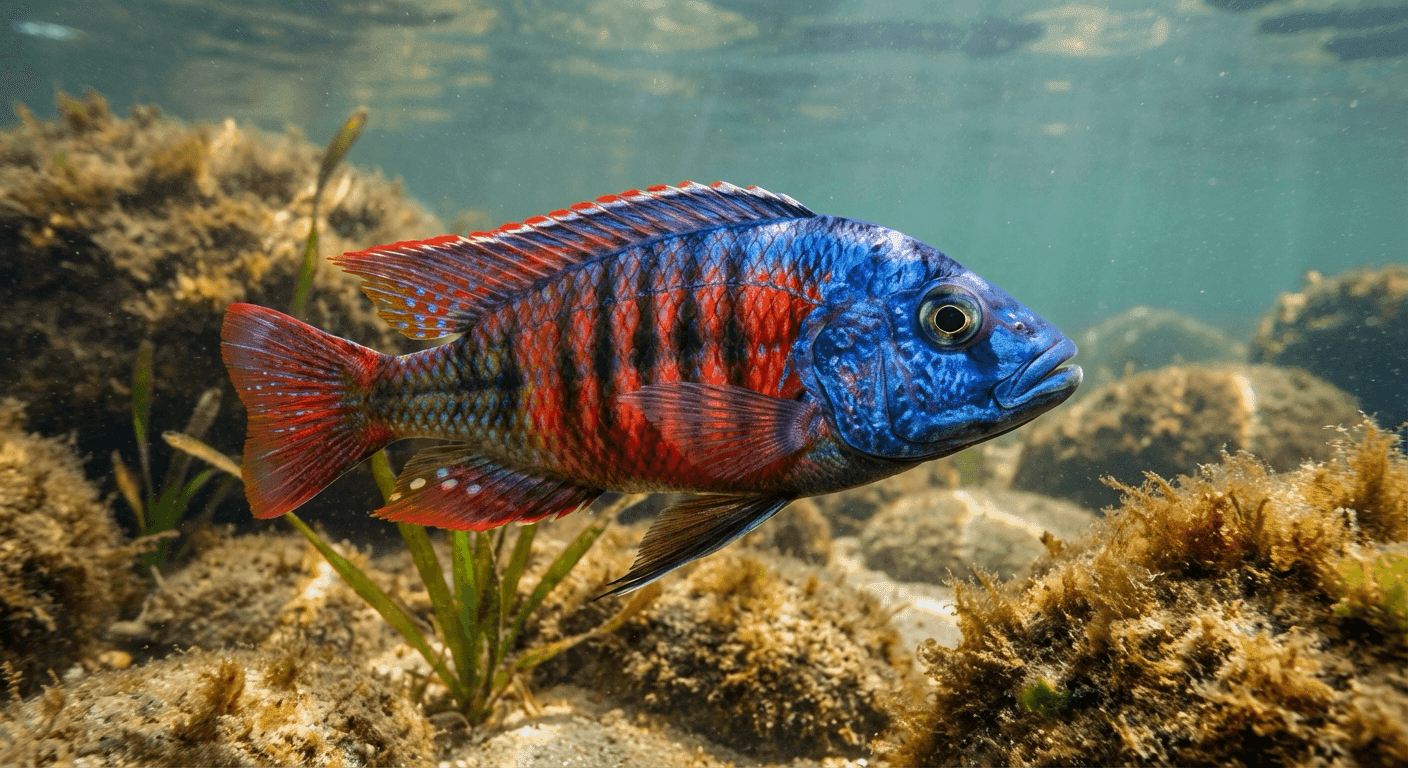
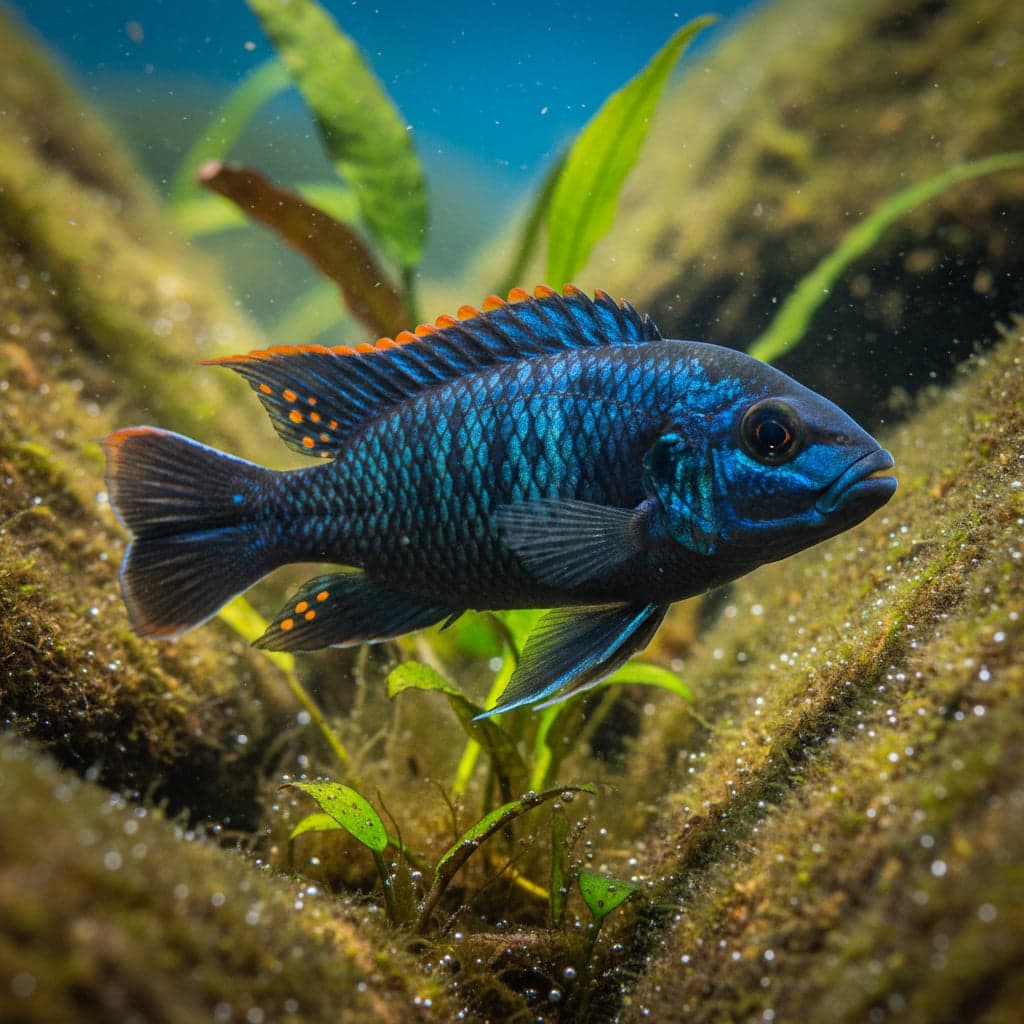
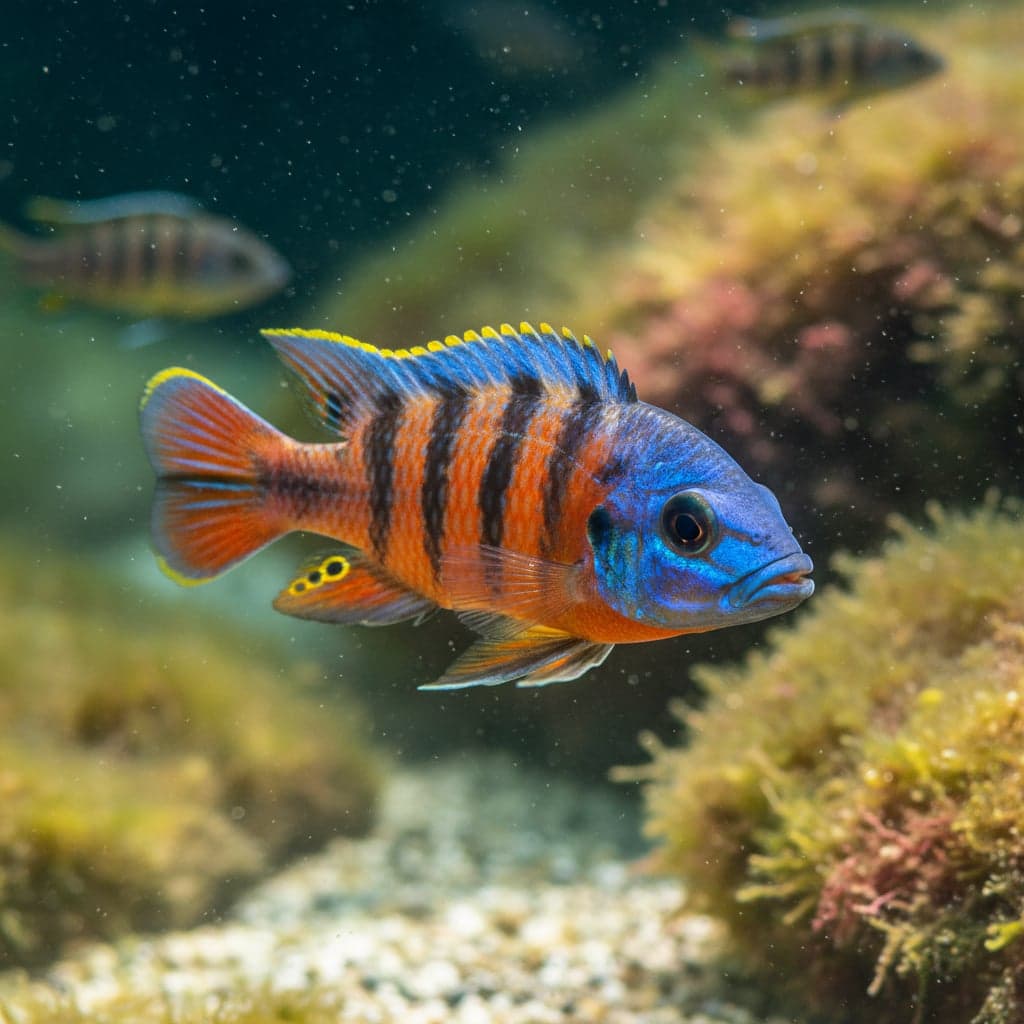
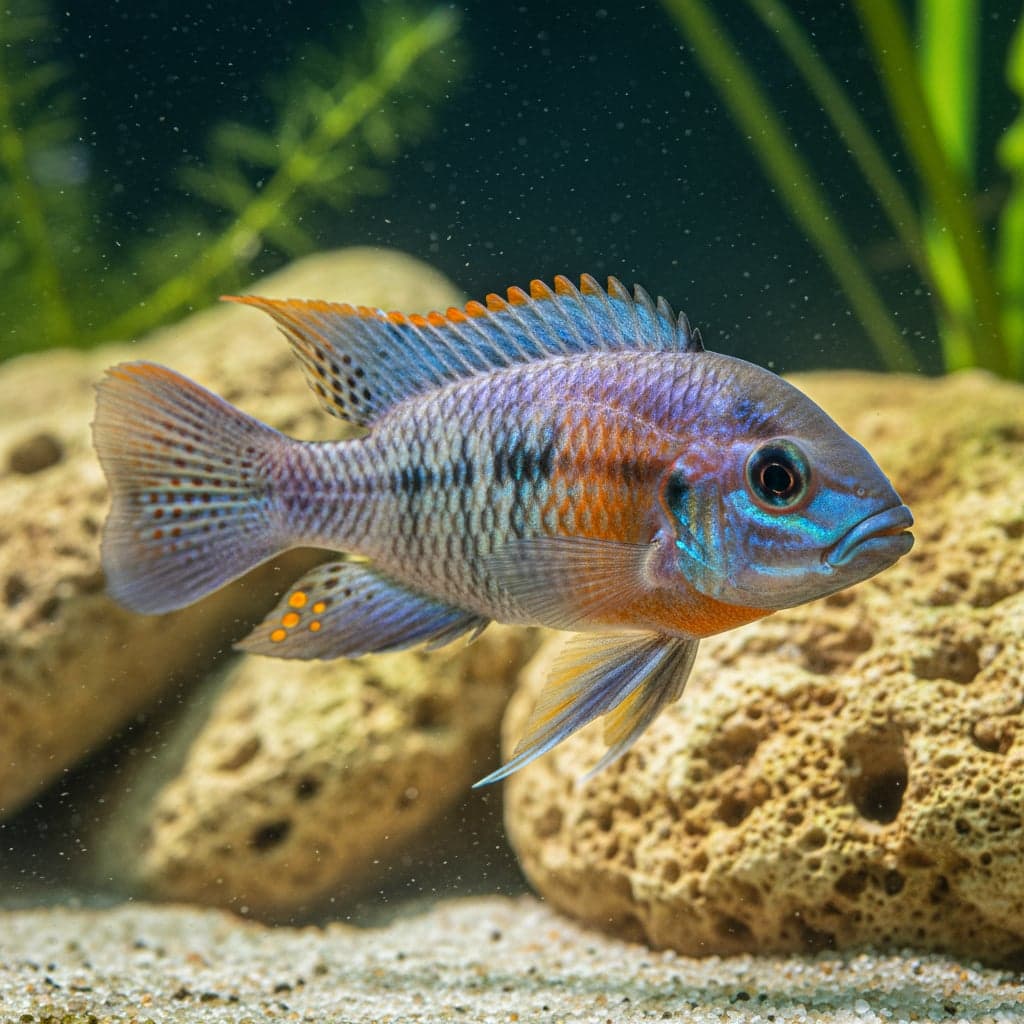
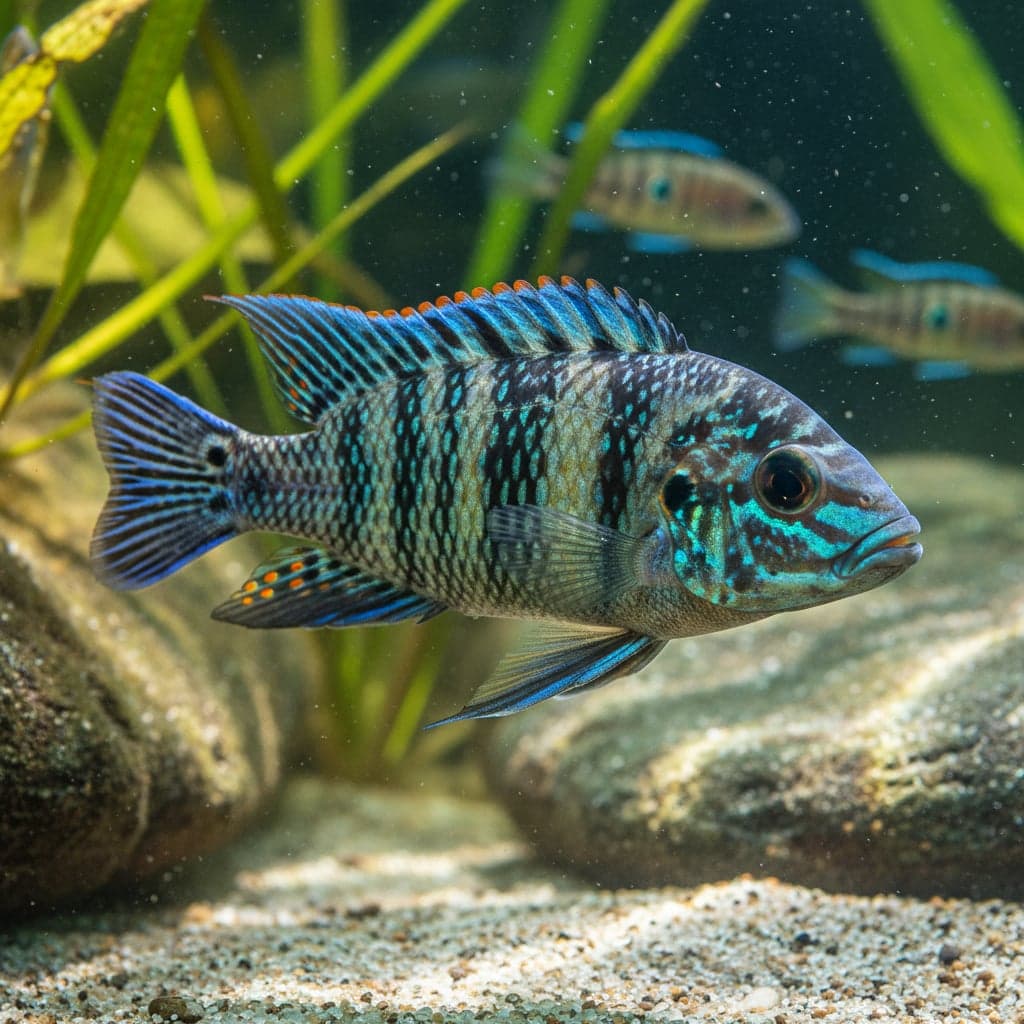
The Hap VC10 (Placidochromis milomo), also known as the Super-Lip Cichlid, is a large, surprisingly peaceful Malawi cichlid famous for its distinctive, thickened rubbery lips.
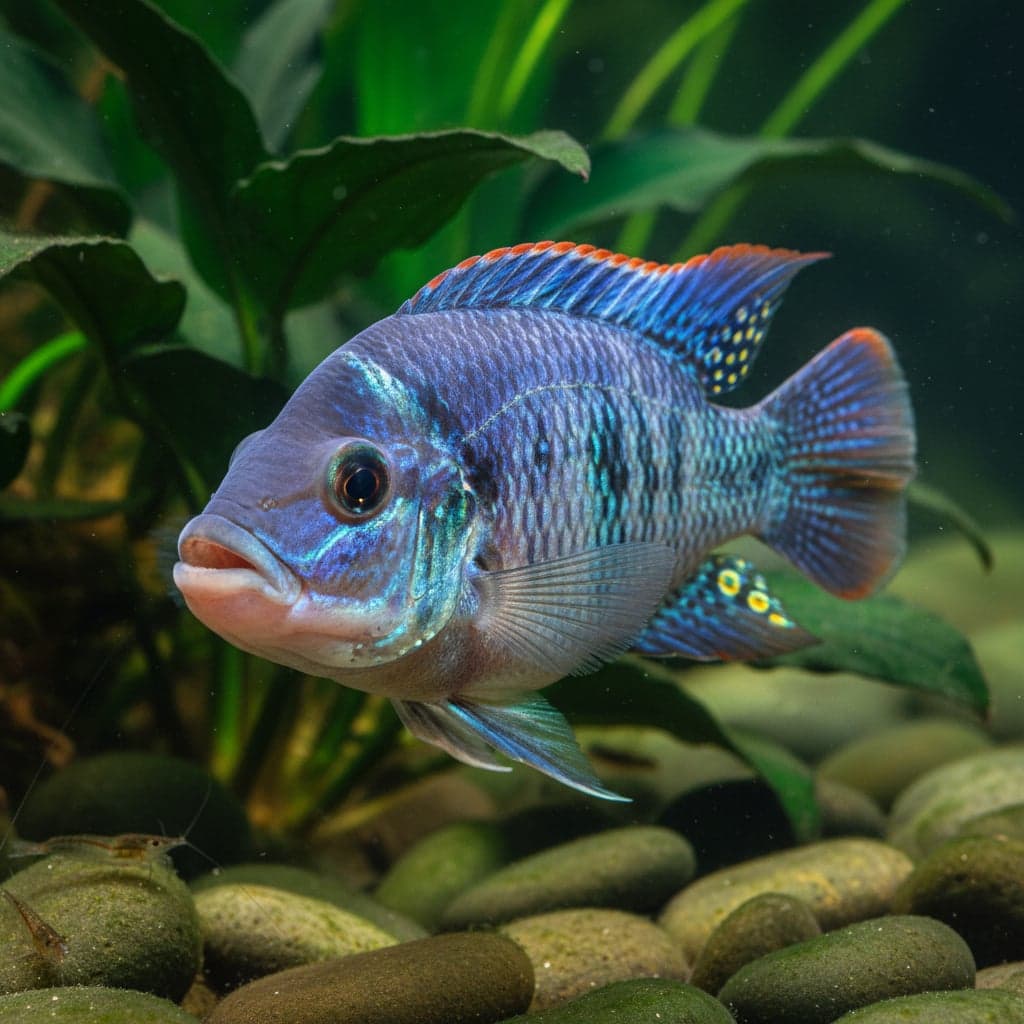
The Hap VC10 (Placidochromis milomo), frequently called the Super-Lip Cichlid or the Milomo, is one of the most anatomically unique species in Lake Malawi. Its common name "VC10" is a reference to the Vickers VC10 airliner, a nod to the fish's impressive speed and power. The most striking feature of the Milomo is its massive, rubbery lips, which become increasingly prominent as the fish matures.
These lips are not just for show; they are a specialized tool for survival. In the wild, the Milomo uses its thick lips to create a tight suction seal against the irregular surface of rocks, allowing it to "vacuum" out insect larvae and small crustaceans from deep within crevices that other fish cannot reach.
Natural Habitat & Origin
Hap VC10 is endemic to Lake Malawi, where it is primarily found in rocky habitats ("intermediate zones") at depths between 5 and 30 meters. Unlike the more common Mbuna that graze on the surface of rocks, the Milomo is a specialized crevice feeder. The water in its habitat is hard, alkaline, and crystal clear, with high oxygen levels provided by wave action against the shoreline.
Care Requirements
Despite its large size, the Milomo is relatively easy to care for if given enough space. A minimum tank size of 75-85 gallons (300-350L) is required for an adult. The aquarium should be decorated with large, stable rock formations that include plenty of deep caves and crevices to mimic its natural foraging grounds.
Maintain water parameters within the standard Malawi range: a pH of 7.8 to 8.6 and a temperature of 75°F to 82°F (24°C to 28°C). They are sensitive to poor water quality, so robust filtration and a consistent water change schedule are essential for maintaining their health and the impressive condition of their lips.
Diet & Feeding
In the wild, the Milomo is a specialized invertivore, feeding on organisms hidden in rock crevices.
In the aquarium, they are generally eager eaters but should be provided with a diet that reflects their needs:
- High-quality cichlid pellets and flakes
- Meaty frozen foods such as Mysis, Krill, and enriched Brine Shrimp
- Chopped seafood (prawns or mussels)
- Occasional vegetable-based foods to satisfy their omnivorous tendencies
Interestingly, in captivity, if the fish is not provided with enough rocky surfaces to graze upon, its signature thick lips may gradually shrink or lose their prominence, as they are no longer being "exercised" by the suction-feeding process.
Behavior & Temperament
The Hap VC10 is unusually peaceful for a cichlid of its size. It is rarely aggressive toward other species and is generally considered a "gentle giant" in a Malawi community. However, like all cichlids, it is territorial toward its own kind and similar-looking species. It is best kept as a single specimen or in a harem with one male to multiple females.
Tank Mates
Suitable tank mates include other mid-to-large Malawi Haps and Alulonocara (Peacocks):
- Blue Dolphins (Cyrtocara moorii)
- Copadichromis species (Utaka)
- Aulonocara (Peacock) species
- Synodontis catfish
Avoid keeping them with highly aggressive or nippy Mbuna that might harass the Milomo's sensitive lips. Also, avoid very small fish that might be accidentally swallowed, though the Milomo is not a dedicated piscivore.
Breeding
They are maternal mouthbrooders. Spawning typically occurs in a quiet corner of the tank or a cave. The male will display intensified colors (often taking on a blue-grey sheen) to attract a female. The female will carry the eggs (often up to 60 or more) in her mouth for 18-21 days. The fry are relatively large and can be fed crushed flakes or baby brine shrimp immediately upon release.
Common Health Issues
The Milomo is a hardy species. The most common issues are related to water quality (lethargy and faded colors) and lip injuries if kept with sharp-edged decorations or aggressive tank mates. Maintaining a high, stable pH and providing smooth, natural rockwork is the best way to ensure their longevity.