Perlmutt: Labidochromis sp. 'Perlmutt'
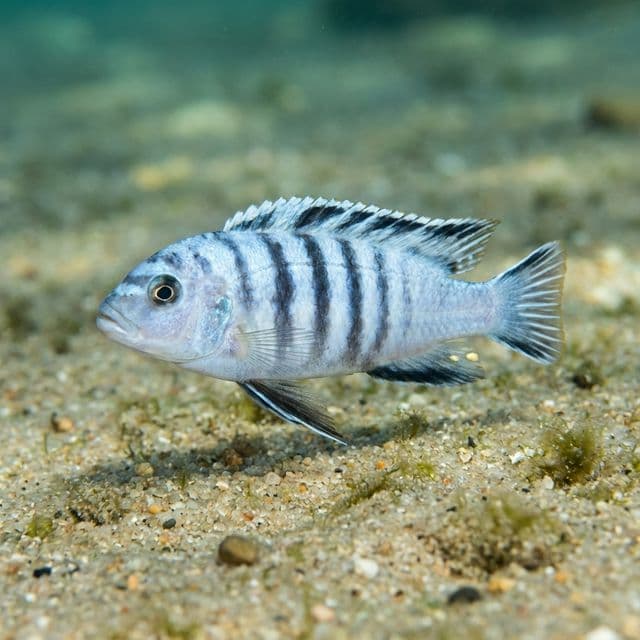
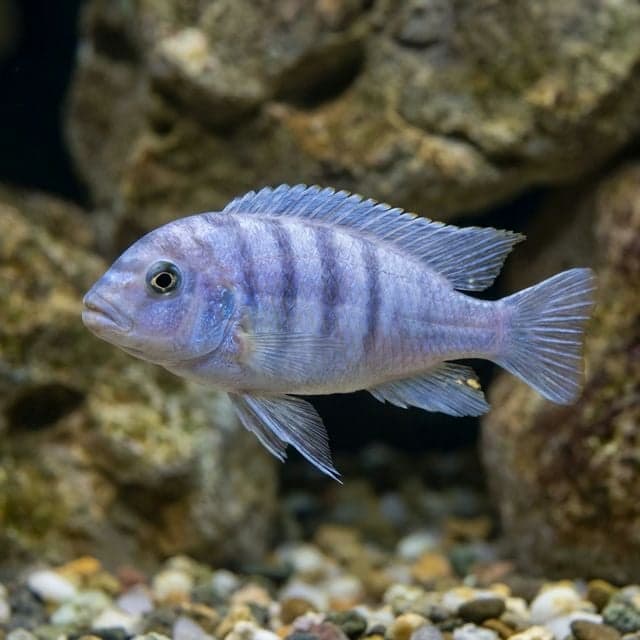
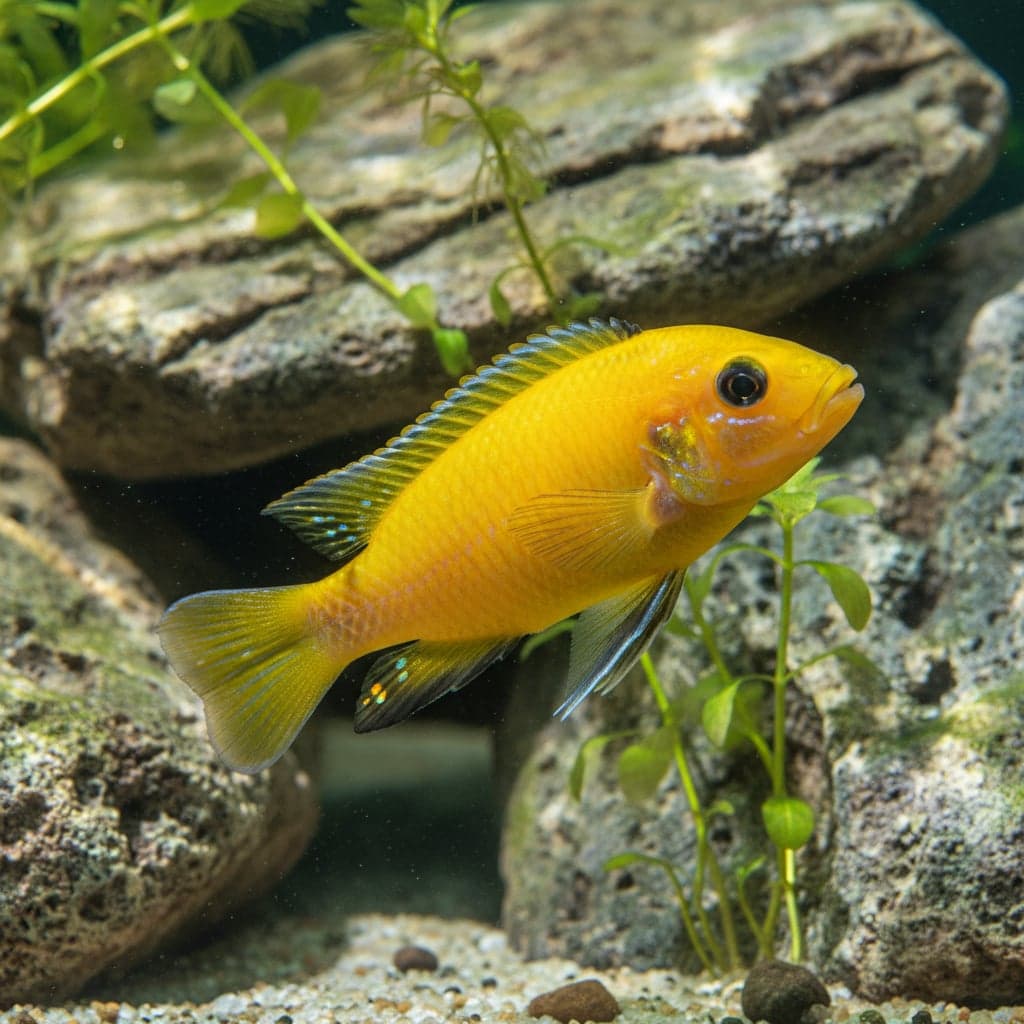
A gorgeous, pearlescent white Mbuna cichlid from Lake Malawi that closely resembles the famous Yellow Lab.
Labidochromis sp. 'Perlmutt'
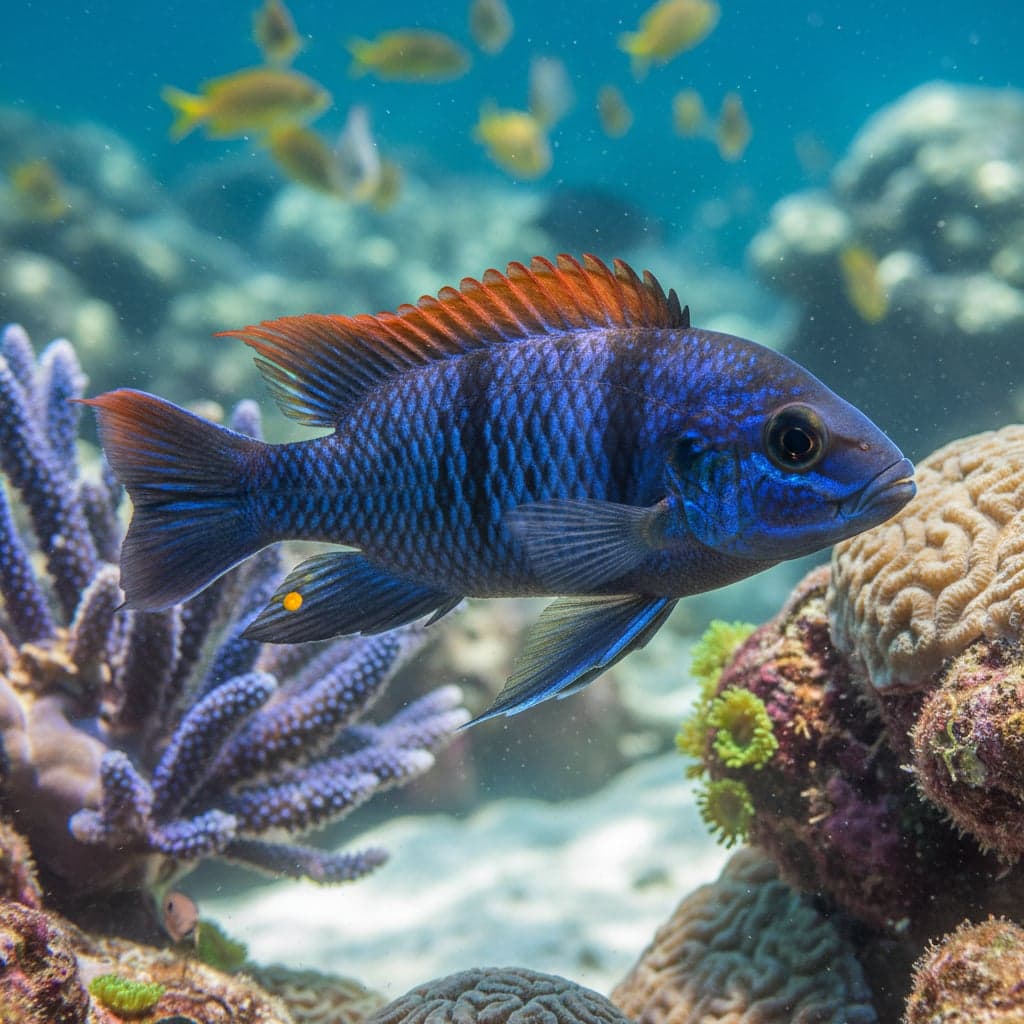
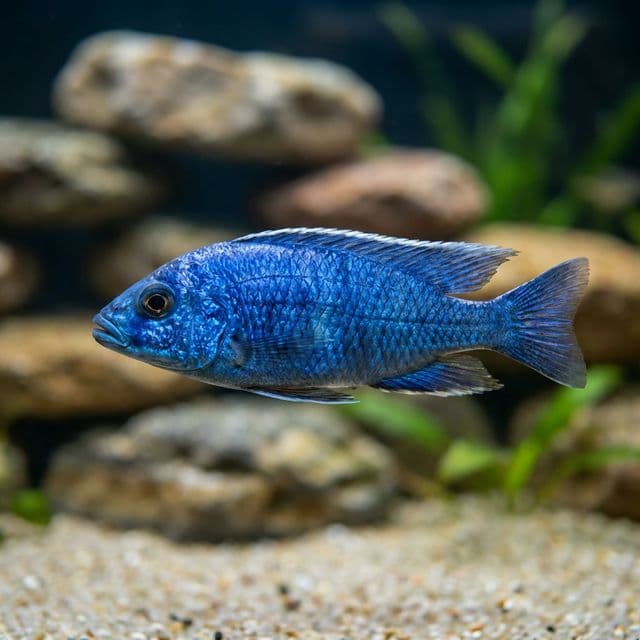
Labidochromis sp. 'Perlmutt', commonly known as the Perlmutt Cichlid, is a beautiful and sought-after freshwater fish that has captured the hearts of aquarium enthusiasts worldwide. Originating from the rocky shores of Lake Tanganyika in East Africa, this cichlid boasts a shimmering silver body adorned with striking blue and green iridescent highlights. The Perlmutt's unique coloration is often likened to polished pearls, lending it its common name. This visual appeal, coupled with its lively and engaging behavior, makes the Perlmutt a desirable addition to community tanks and specialized cichlid setups alike.
In addition to its aesthetic attributes, Labidochromis sp. 'Perlmutt' holds significant importance in the aquarium hobby. It serves as a prime example of the stunning diversity within the cichlid family. This species is highly regarded for its hardiness and adaptability, making it suitable for both beginner and experienced aquarists. The Perlmutt Cichlid also demonstrates interesting social behaviors, promoting a lively aquarium environment that can educate enthusiasts about natural fish behavior, breeding, and social dynamics typical of African cichlids.
Natural Habitat & Origin
Labidochromis sp. 'Perlmutt' hails from the rocky landscapes surrounding Lake Tanganyika, one of the oldest and deepest freshwater lakes in the world. This lake is home to a unique ecosystem characterized by its mineral-rich waters, where various species of cichlids have evolved in isolation. The Perlmutt prefers clear, well-oxygenated water and is typically found in shallow regions with rocky substrates, allowing it to utilize crevices and caves for shelter. The natural habitat features stable water parameters, including good water clarity and specific environmental conditions that significantly influence its behavior and physiological characteristics.
The environmental context of Lake Tanganyika presents a diverse range of flora and fauna, with the rocky substrate providing essential breeding and hiding spots for many aquatic species. The high mineral content of the water, essential for the health and growth of the Perlmutt, contributes to a stable pH and hardness that are critical in maintaining optimal living conditions. This natural habitat showcases how specialized conditions can lead to the development of unique species like Labidochromis sp. 'Perlmutt', and highlights the importance of replicating these parameters in an aquarium setting.
Care Requirements
To keep Labidochromis sp. 'Perlmutt' thriving in an aquarium, maintaining suitable water parameters is vital. The ideal pH range for this species is between 7.8 and 9.0, reflecting the alkaline conditions found in Lake Tanganyika. The water temperature should be maintained between 75°F and 82°F (24°C to 28°C), ensuring a comfortable environment for growth and activity. Additionally, water hardness should be kept between 10 and 20 dGH to mimic their natural habitat.
Regarding tank setup, a minimum tank size of 30 gallons is recommended for a small group of Perlmutt Cichlids. The aquarium should include a sandy or gravel substrate to allow for natural digging behavior. To create a natural environment, incorporate plenty of rocks, caves, and hiding spots, as the Perlmutt Cichlid appreciates secure areas for retreat. Moderate lighting is suitable, replicating the conditions of their natural habitat, while live plants can be added to enhance aesthetics and water quality. However, ensure that plants are hardy and capable of withstanding digging activity.
Diet & Feeding
Labidochromis sp. 'Perlmutt' is an omnivorous species that thrives on a varied diet. They primarily feed on small invertebrates, algae, and plant matter in their natural habitat. In an aquarium setting, providing high-quality cichlid flakes or pellets specially formulated for African cichlids is advisable. Additionally, supplementing their diet with frozen or live foods such as bloodworms, brine shrimp, and daphnia will support their health and coloration.
It's essential to feed the Perlmutt Cichlid in small portions multiple times a day to avoid overfeeding and maintain water quality. This approach replicates their natural foraging behavior while allowing them to access a diverse diet, thus promoting growth and vibrant colors. Special attention should also be paid to the nutritional value of the foods provided, ensuring a balance of proteins, fats, and vitamins necessary for optimal health.
Behavior & Temperament
Labidochromis sp. 'Perlmutt' is known for its active and playful nature, contributing to a vibrant aquarium environment. Typically, these cichlids exhibit a moderately territorial temperament, especially during the breeding season. While they can be kept in groups, it is essential to ensure that sufficient space and hiding spots are available to minimize aggression among tank mates. Generally, they display peaceful behaviors towards similarly sized species but may show signs of aggression towards smaller fish or during territorial disputes.
Positioning in the tank is another aspect of their social behavior. Labidochromis sp. 'Perlmutt' prefers to occupy the mid to upper levels of the aquarium, where they can establish their territory and engage in social interactions. When furnished with adequate hiding spots and open swimming spaces, they exhibit more relaxed behaviors, revealing their stunning coloration and engaging in display behaviors.
Tank Mates
Choosing compatible tank mates for Labidochromis sp. 'Perlmutt' is crucial for maintaining harmony within a community aquarium. Ideal companions include other Peaceful to moderately aggressive African cichlids like Neolamprologus, Julidochromis, and similar-sized species from Lake Tanganyika. Additionally, hardy species such as certain types of catfish, like Synodontis, can coexist peacefully, as they typically dwell at the bottom of the tank, avoiding direct competition for space.
Conversely, it's advisable to avoid keeping Labidochromis sp. 'Perlmutt' with overly aggressive species or larger fish that may intimidate them or outcompete them for food. Large koi, Oscars, or other aggressive cichlids should be excluded from the tank. Always consider the size, behavior, and environmental needs of potential tank mates to ensure a stable and peaceful aquarium ecosystem.
Breeding
Labidochromis sp. 'Perlmutt' is a mouthbrooding species, which means that breeding in captivity requires specific conditions to replicate their natural breeding behavior. To encourage spawning, the aquarium should emulate the rocky environment of Lake Tanganyika, providing adequate nesting sites among caves and crevices. Maintaining optimal water quality and parameters is also critical during the breeding process.
When the female is ready to spawn, she will exhibit specific behaviors, such as displaying vibrant colors and initiating courtship. The male will entice the female to a suitable nesting site, where she will deposit her eggs, typically in the range of 20 to 80 eggs. After fertilization, the female will collect the eggs in her mouth, where they will incubate for approximately three weeks before hatching. Once the fry are free-swimming, they should remain in the safety of the mother's mouth until they are ready to be introduced to the aquarium environment.
Common Health Issues
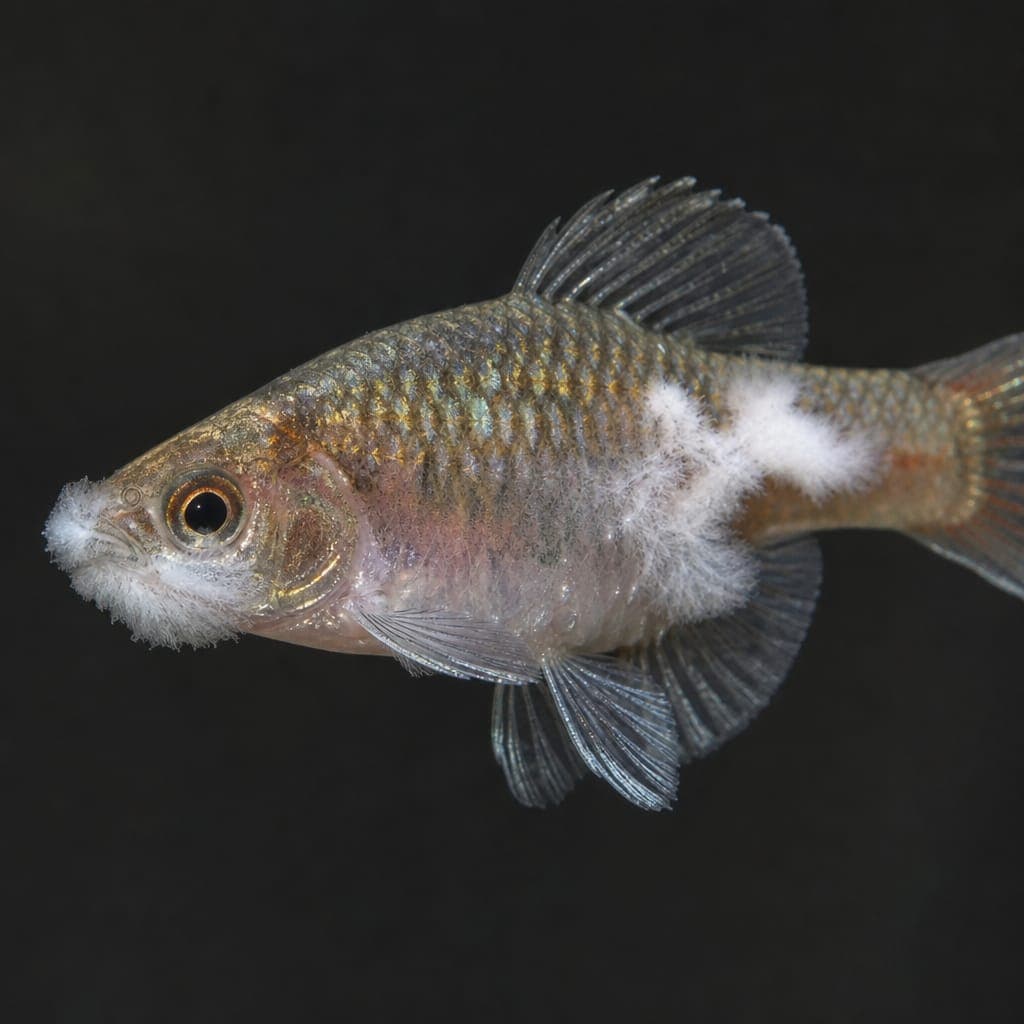
Like many aquarium fish, Labidochromis sp. 'Perlmutt' is subject to specific health concerns, emphasizing the importance of preventive measures. Common ailments include ich (Ichthyophthirius multifiliis), velvet, and Malawi bloat. Bloat is a serious gastrointestinal condition primarily triggered by dietary stress—such as feeding excessive mammalian proteins or low-fiber foods to herbivorous or omnivorous African cichlids—and poor water quality. In addition, physical injuries sustained during territorial skirmishes can develop secondary bacterial or fungal infections if water conditions deteriorate. To ensure optimal health, provide a specialized cichlid diet high in spirulina and vegetable matter, maintain pristine alkaline water parameters with high aeration, and supply numerous rock caves so subordinate fish can avoid conflict.