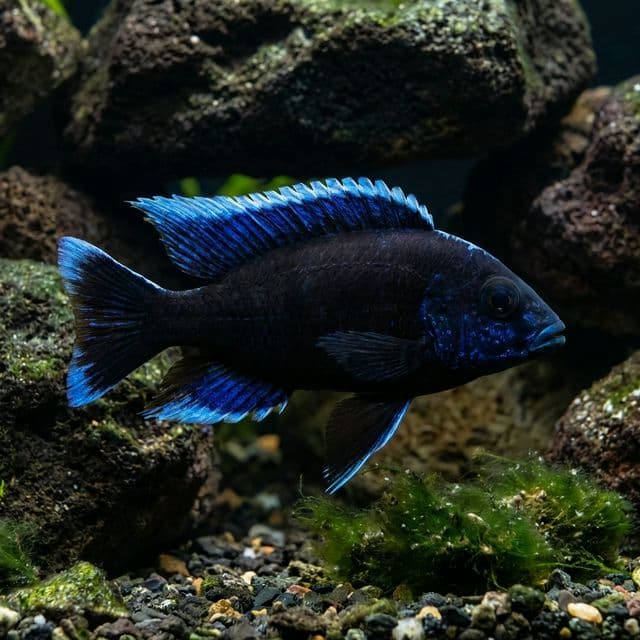
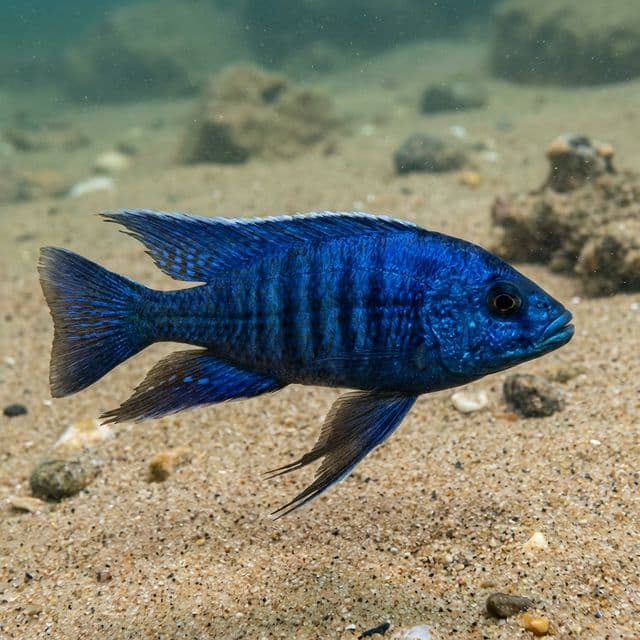
Red-top Lab: Labidochromis sp. 'Hongi'
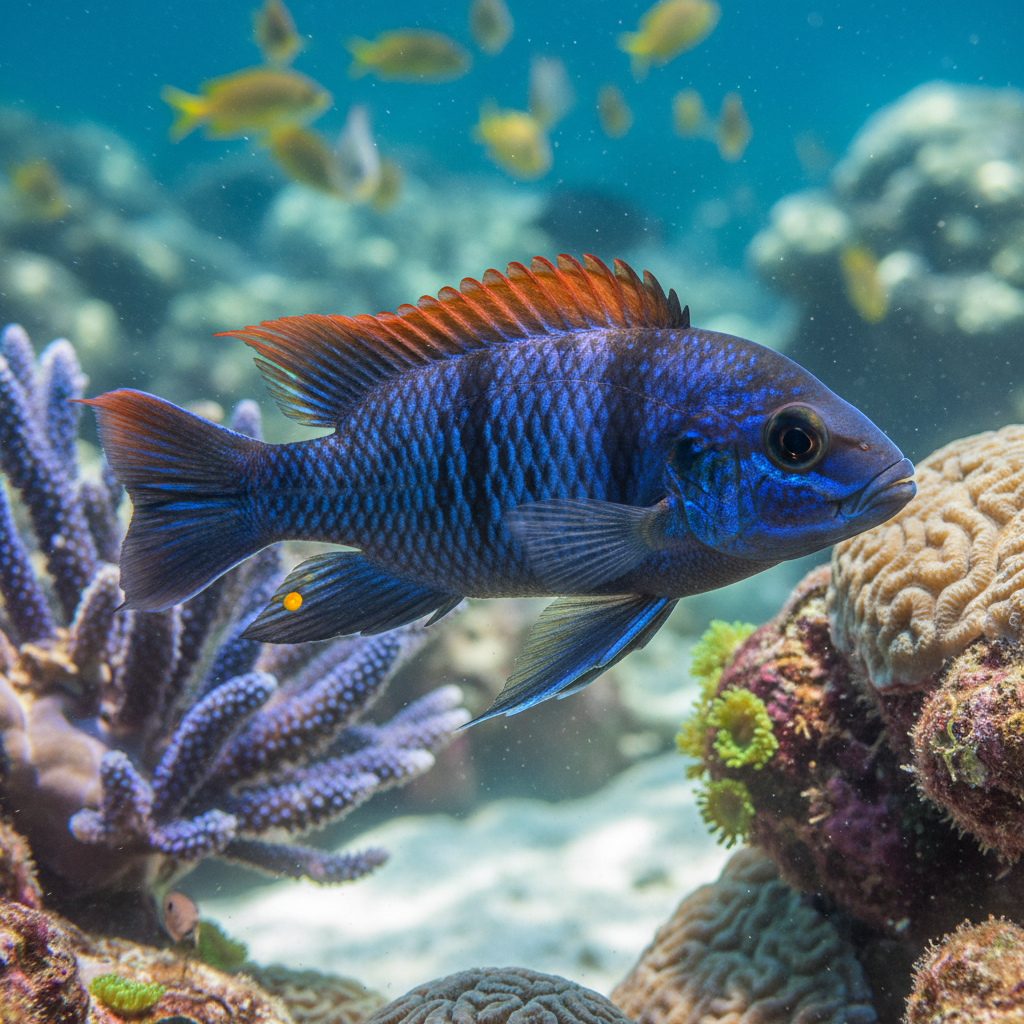
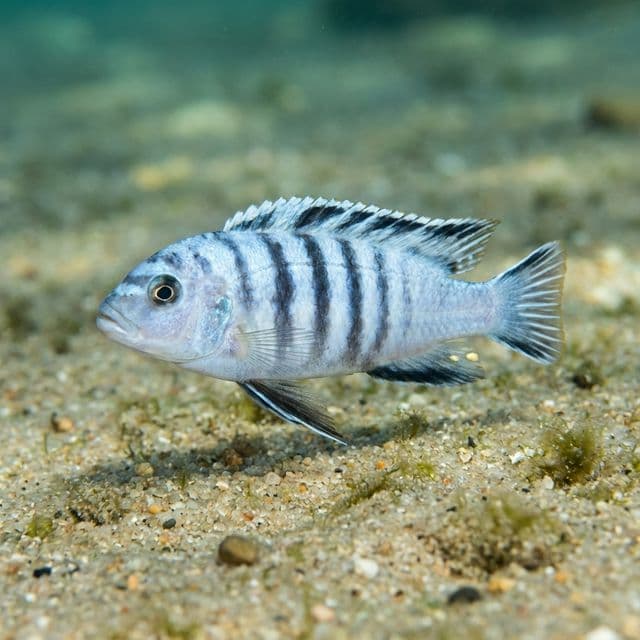
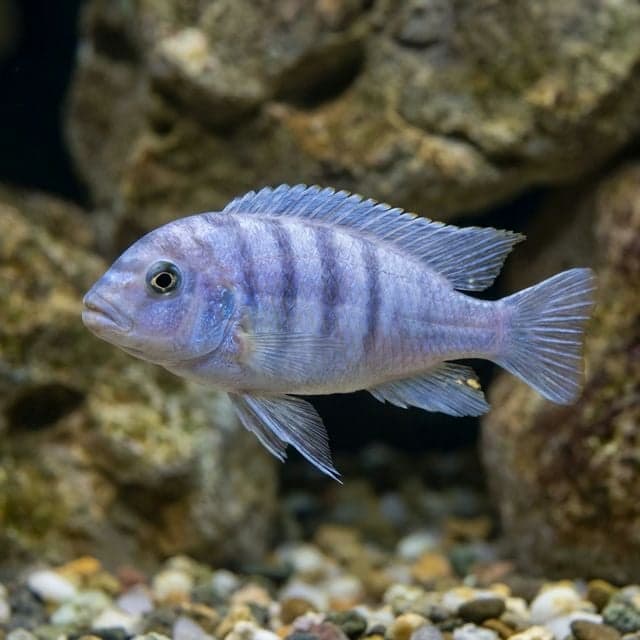
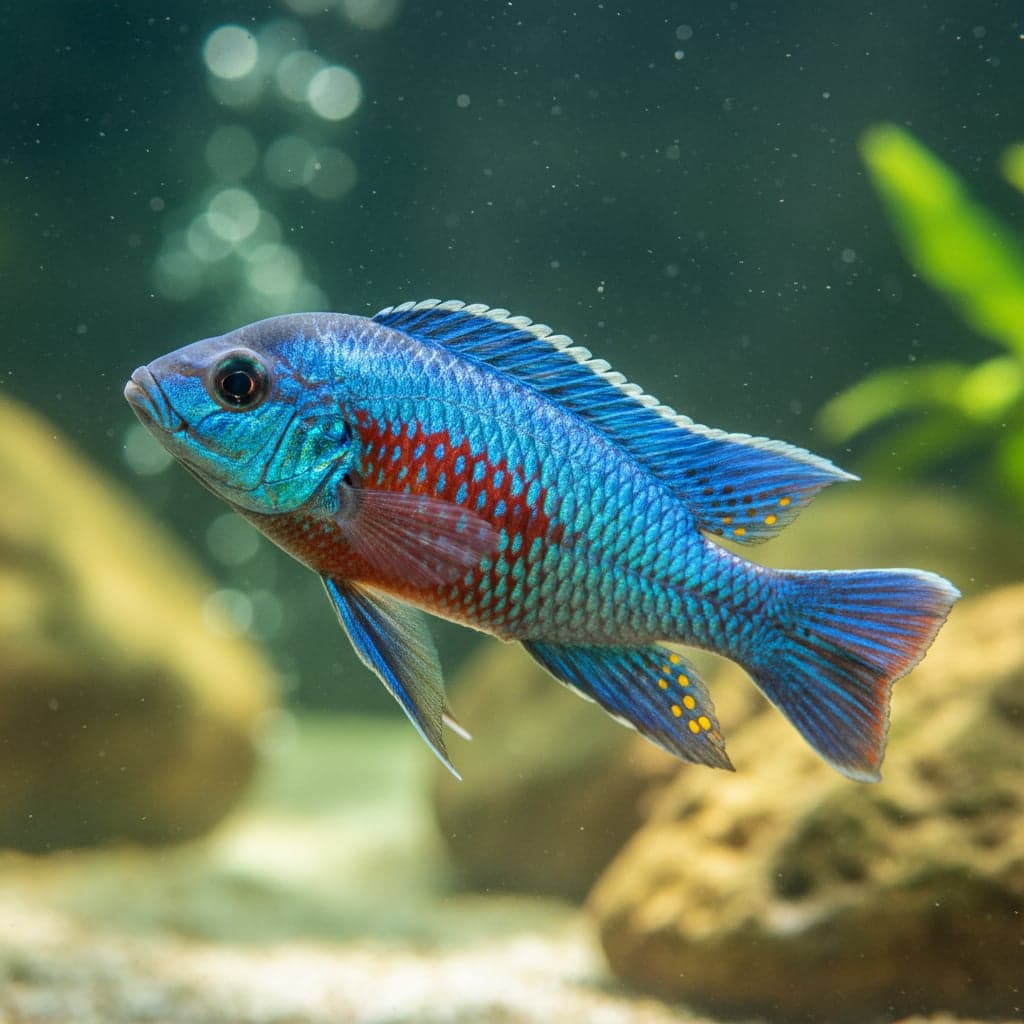
A deeply colorful, relatively peaceful dwarf Mbuna featuring a purplish body and a blazing red-orange dorsal crest.
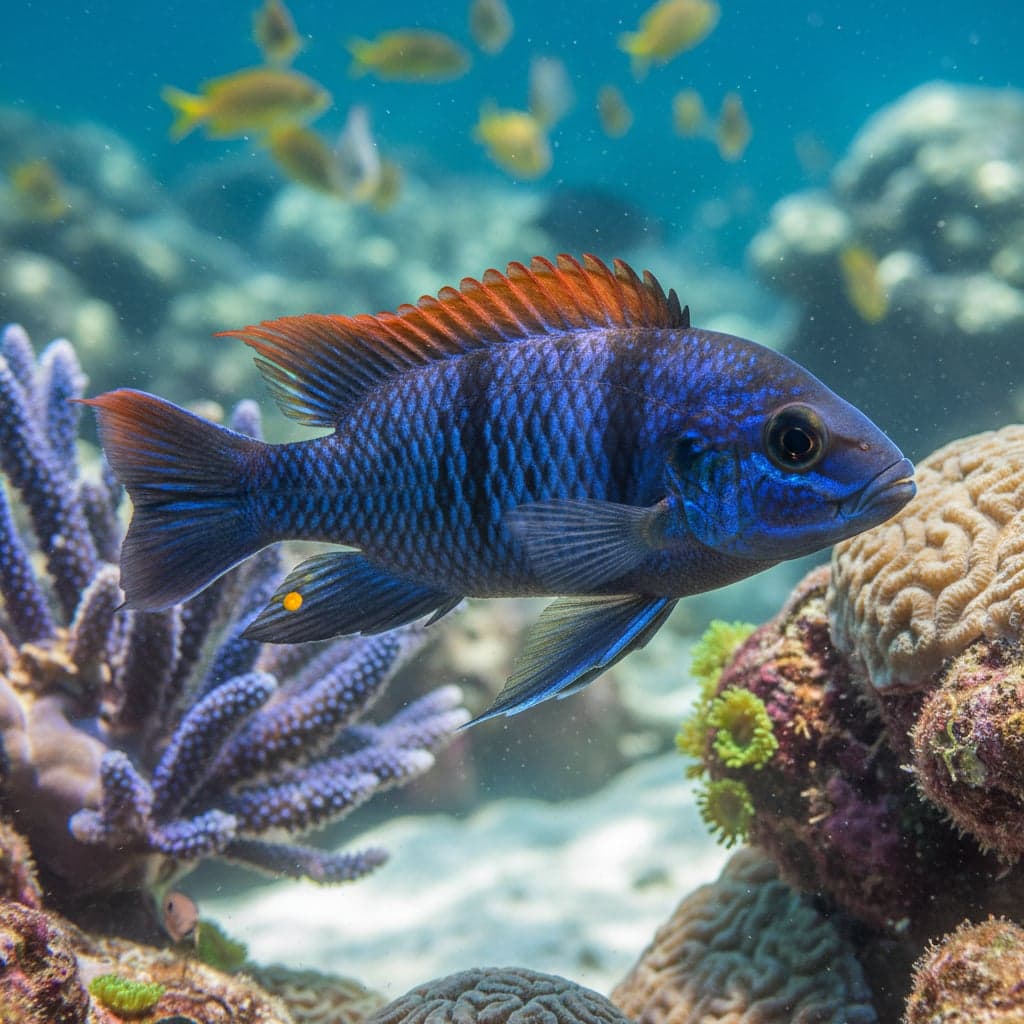
Labidochromis sp. 'Hongi'
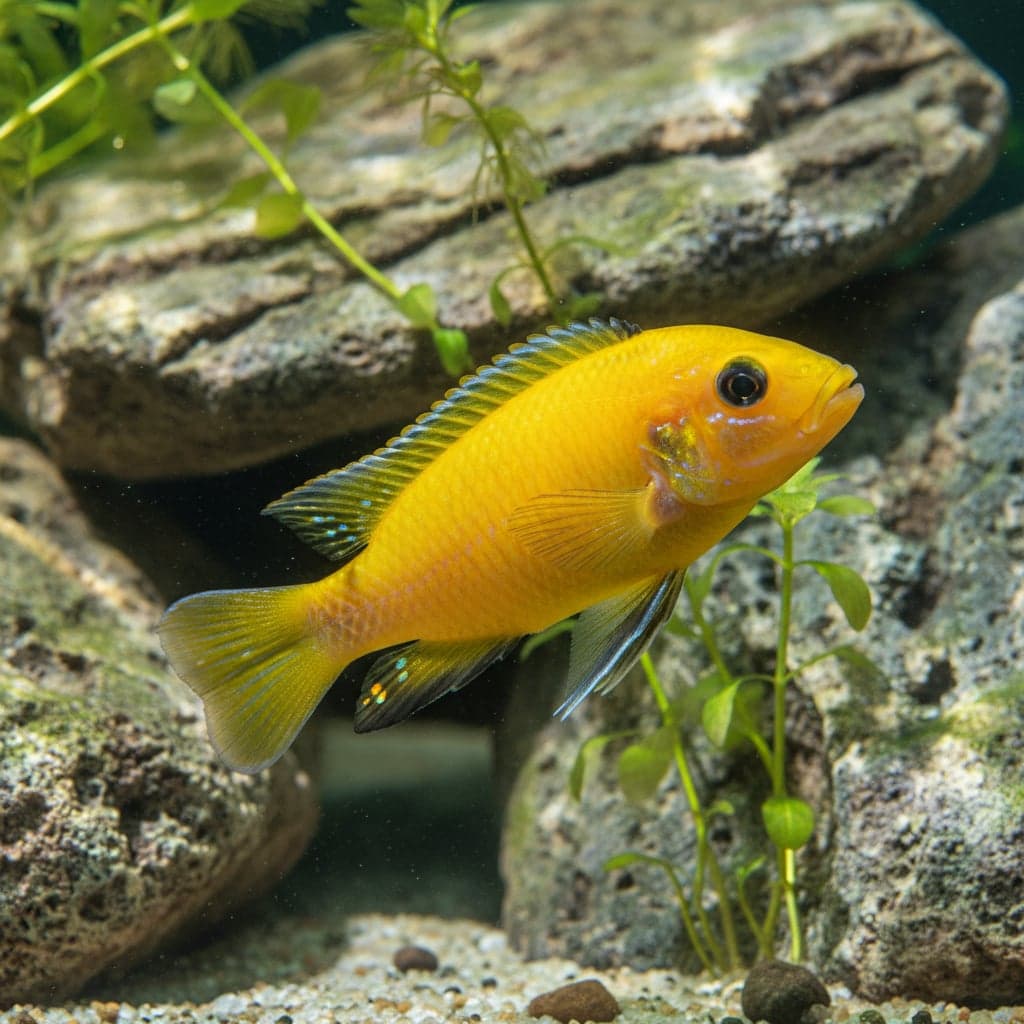
The Labidochromis sp. 'Hongi', commonly known as the Red-top Lab, is a stunning species of cichlid that originates from the picturesque waters of Lake Malawi in East Africa. Known for its vibrant coloration, this fish features a striking yellow body, accented by a bright red-orange dorsal fin, which makes it one of the most visually appealing inhabitants of the freshwater aquarium. Its energetic behavior and lively disposition make it not only a favorite among aquarists but also a valuable addition to stocked tanks, where it can bring a splash of color and personality.
In addition to its aesthetic qualities, the Labidochromis sp. 'Hongi' holds significant importance in the aquarium hobby due to its relatively manageable care requirements and interesting social behaviors. As a cichlid native to the rocky substrates of Lake Malawi, it thrives in an environment that mimics its natural habitat, thereby providing aquarists with a rewarding experience in keeping and breeding this captivating species. Its adaptability and the beauty of its movements contribute to its appeal, making it a noteworthy choice for both beginner and experienced aquarists alike.
Natural Habitat & Origin
The natural habitat of the Labidochromis sp. 'Hongi' is primarily found in the rocky shores of Lake Malawi, which is renowned for its unique biodiversity and clearest waters. This cichlid thrives in the shallow areas of the lake, where it intricately navigates through rocky crevices, feeding on small invertebrates and algae. The water in this region is typically alkaline, with a pH level ranging from 7.8 to 8.6, and a hardness level between 10 to 20 dGH. Lake Malawi's environment is characterized by its mineral-rich water, which plays a vital role in supporting the diverse life forms that inhabit it.
Understanding the natural habitat of the Labidochromis sp. 'Hongi' allows aquarists to create a suitable aquarium setup, which can replicate the fish’s native environment. This includes providing ample hiding spaces and substrates that resemble the rocky landscape of Lake Malawi. By emulating these conditions, hobbyists can ensure a successful and healthy life for these beautiful cichlids within their aquariums.
Care Requirements
When it comes to caring for Labidochromis sp. 'Hongi', specific water parameters are important to maintain. The ideal temperature range for these fish is between 75°F to 82°F (24°C to 28°C), and the pH should be kept between 7.8 and 8.6 to mimic their natural alkaline waters. Additionally, a hardness level of about 10 to 20 dGH is recommended, as this aligns with their indigenous environment.
For tank setup, a minimum aquarium size of 30 gallons is suggested to give ample swimming space for this energetic species. The substrate should consist of sand or fine gravel to mimic the lake's floor, while decorations such as rocks, caves, and hiding spots will provide necessary shelter. Moderate lighting, preferably using LED lights, helps simulate the clarity of Lake Malawi and supports plant growth if desired. Adding live plants can enhance the aesthetic but choose hardy species, as some cichlids may uproot softer plants during their territorial behavior.
Diet & Feeding
Labidochromis sp. 'Hongi' is an omnivorous fish, displaying a diet that consists of both plant matter and protein sources. In a well-balanced diet, high-quality flake or pellet foods designed for cichlids should form the foundation. Supplementing their diet with frozen or freeze-dried foods, such as brine shrimp, bloodworms, and daphnia, will provide essential nutrients and variety. Offering blanched vegetables like zucchini or spinach can also contribute to their dietary balance, promoting health and vibrant coloration.
It is advisable to feed these fish multiple small meals throughout the day rather than one large feeding. This feeding routine mimics their natural behavior and helps prevent overfeeding, which can lead to health problems. By ensuring a varied diet, aquarists can promote optimal growth and health in Labidochromis sp. 'Hongi'.
Behavior & Temperament
Labidochromis sp. 'Hongi' exhibits lively, active behavior that captivates aquarium enthusiasts. These fish are generally peaceful but can become territorial, especially during breeding periods. They prefer to establish their territories, often displaying aggression towards other fish that encroach on their domain. Socially, they do best in groups, where a ratio of one male to several females helps mitigate aggressive behaviors.
In terms of vertical placement within the tank, these fish tend to occupy the middle to upper regions of the aquarium, frequently darting between hiding spots as they explore their environment. Providing adequate hiding areas is essential, as it allows them to retreat when feeling threatened.
Tank Mates
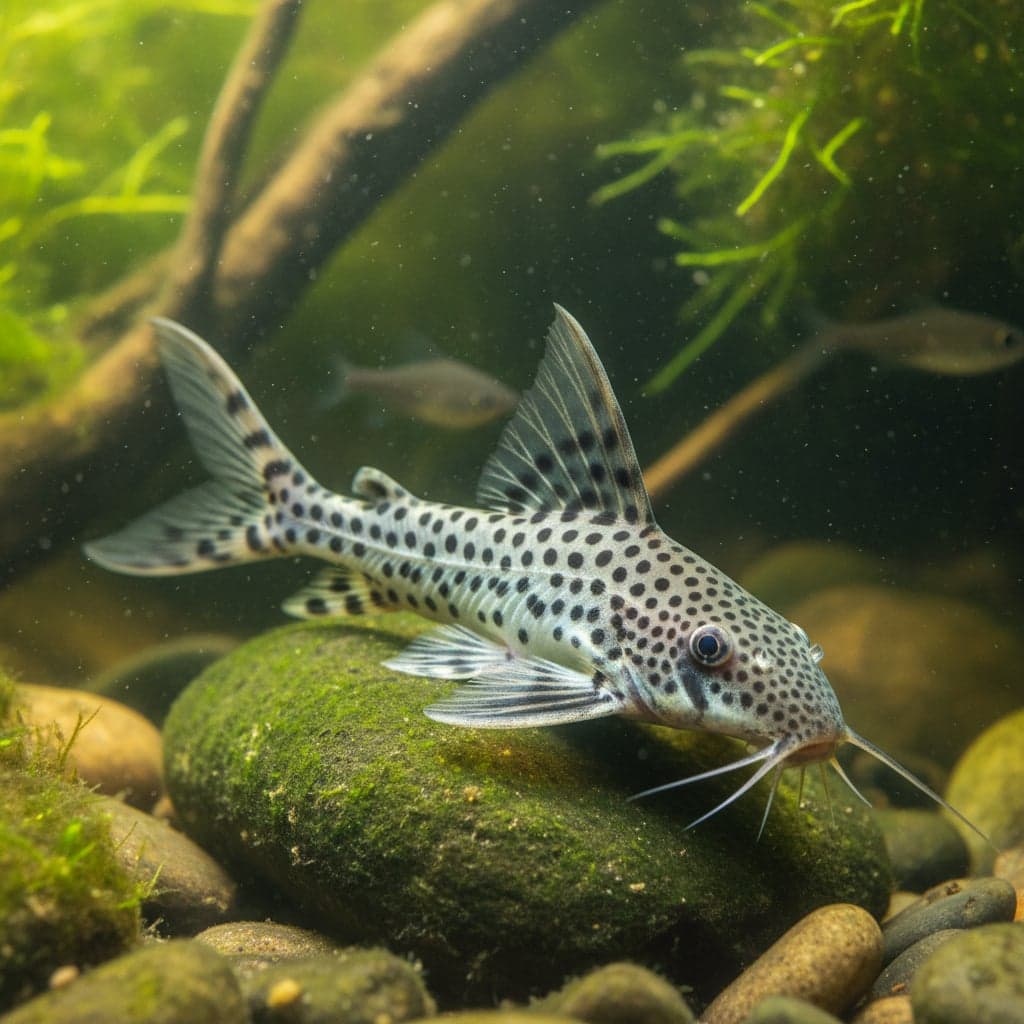
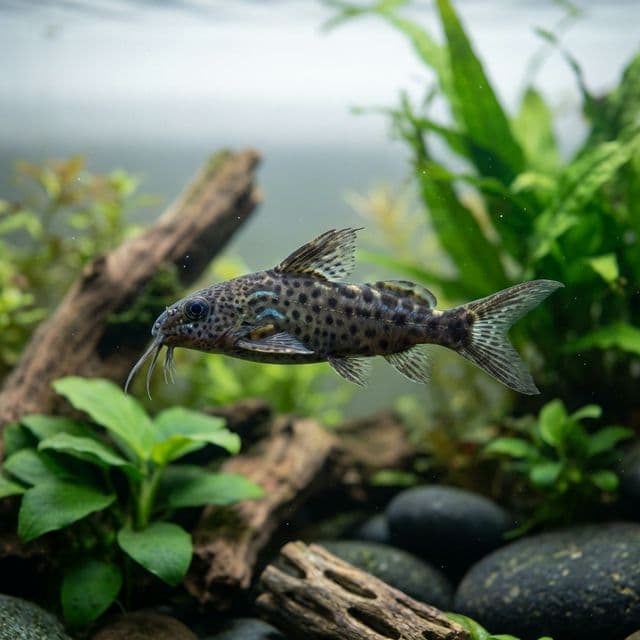
When selecting tank mates for Labidochromis sp. 'Hongi', it's important to choose species that can coexist harmoniously. Compatible tank mates include other cichlids from Lake Malawi, such as Pseudotropheus and Metriaclima species, as well as certain species of catfish and non-aggressive community fish like the Rainbowfish.
However, it is advisable to avoid keeping them with overly aggressive species, as well as fish that have long fins, which Labidochromis sp. 'Hongi' may nip at. Fish that thrive in similar alkaline conditions and have comparable temperaments will ensure a peaceful community tank environment.
Breeding
Breeding Labidochromis sp. 'Hongi' in captivity can be a rewarding experience for aquarists. This species exhibits mouthbrooding behavior, where the female incubates the eggs in her mouth until they hatch. To encourage breeding, provide a breeding setup that includes plenty of hiding spaces and open swimming areas, allowing the male to display and court the female.
The spawning process typically involves the male attracting the female to a suitable area by performing elaborate displays. After spawning, the female will collect the fertilized eggs and carry them in her mouth for approximately 3 weeks until they hatch. During this time, it’s essential to offer high-quality foods to the female to ensure her health and the proper development of the fry once they are released.
Common Health Issues
Like many freshwater fish, Labidochromis sp. 'Hongi' can be susceptible to certain health issues, including ich (Ichthyophthirius multifiliis), fin rot, and various internal parasites. Maintaining optimal water quality is crucial for preventing these ailments. Regular water changes, careful monitoring of tank conditions, and quarantining new additions will greatly reduce stress and the likelihood of disease.
Additionally, providing a varied diet strengthens their immune systems, helping to ward off common infections. If any health issues do arise, prompt diagnosis and treatment—often involving medications specific to the identified problem—are essential for the well-being of this captivating species. With proper care and attention to their health, Labidochromis sp. 'Hongi' can thrive in a freshwater aquarium setting.