Pitbull Plec LDA025: Parotocinclus jumbo
A tiny, hyper-active sand-sifting pleco known for its frantic energy and excellent algae-eating abilities.
Pitbull Plec LDA025
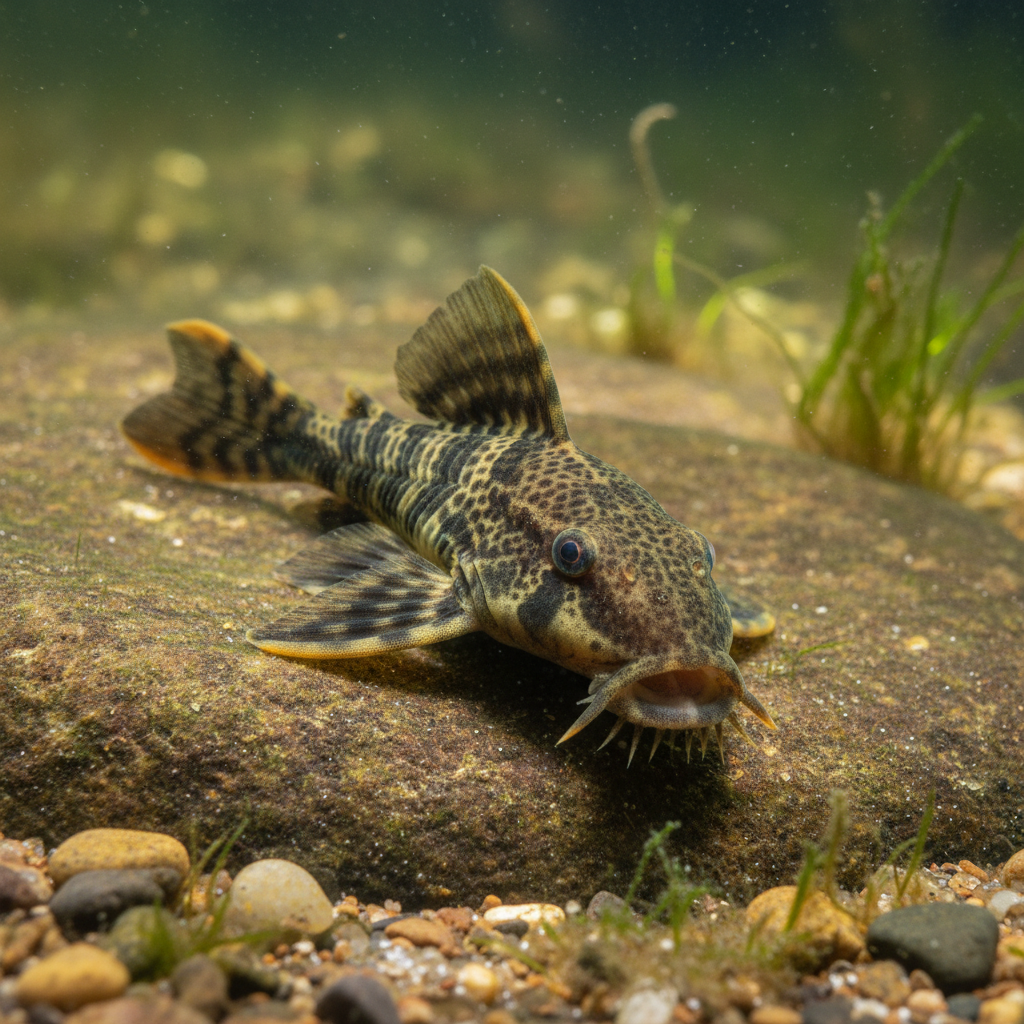
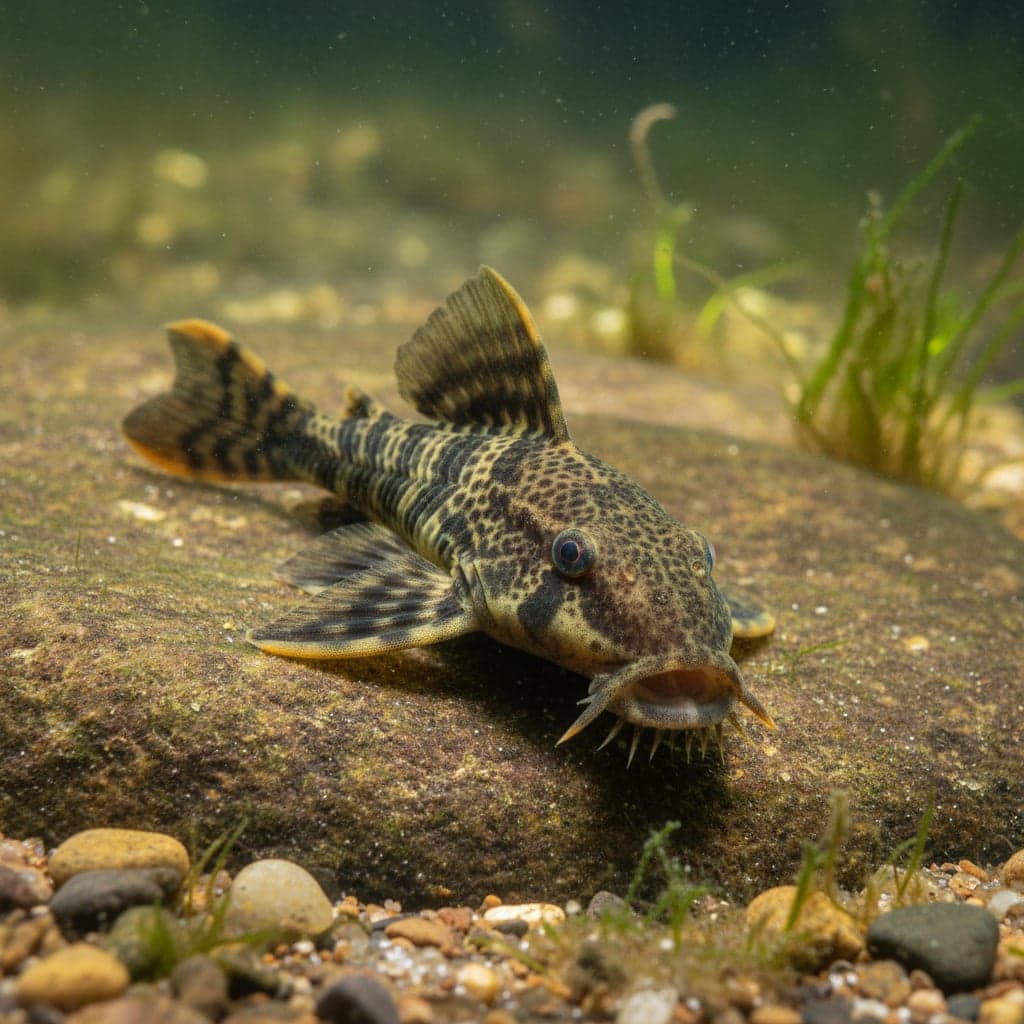
The Pitbull Plec LDA025, scientifically known as Parotocinclus jumbo, is a fascinating freshwater catfish that has gained popularity among aquarium enthusiasts for its distinct appearance and behavior. This species is characterized by its compact body, which can reach up to 2-2.5 inches (5-6 cm) in length, and its striking colors that range from a dark brown to an almost black base punctuated by patterns of lighter spots or stripes. Its overall shape, resembling that of a bulldog, coupled with its vibrant coloration makes this fish an attractive addition to any aquatic setup. Acknowledged for its algae-eating capabilities, the Pitbull Plec not only enhances the visual appeal of an aquarium but also plays a vital role in maintaining the aesthetic and health of the tank environment by helping to control unwanted algae growth.
In the world of fishkeeping, the Pitbull Plec LDA025 is more than just a visual delight; it holds significant importance due to its peaceful nature and compatibility with a variety of aquatic habitats. As a member of the Loricariidae family, they are often recommended for community tanks, where their gentle disposition and utility as algae grazers make them valuable members. Additionally, their easy care requirements and resilience to varying conditions have made them a prominent choice for both novice and experienced aquarists alike. The allure of the Pitbull Plec extends beyond aesthetics; it embodies the perfect combination of beauty, functionality, and hardiness that many fishkeepign enthusiasts seek.
Natural Habitat & Origin
The Pitbull Plec LDA025 originates from the slow-moving rivers and streams of South America, particularly found in regions of Brazil. These freshwater habitats are characterized by a rich variety of submerged flora and a complex structure that includes driftwood and rocks. Typically inhabiting blackwater environments, the waters are often stained by tannins released from decaying vegetation, providing a unique backdrop for the species. This natural habitat allows the Pitbull Plec to thrive among varied plant life and organic substrates, which play a crucial role in their daily foraging and shelter-seeking behaviors.
In the wild, these fish prefer the safety of densely planted areas where they can graze on algae and biofilm while taking refuge from predators. The conditions in these environments are generally warm to tropical, contributing to their adaptability in aquarium settings. Understanding their natural habitat is essential for creating an optimal home, as replicating the specific conditions they thrive in will encourage healthier growth and consistent coloring.
Care Requirements
Caring for the Pitbull Plec LDA025 requires attention to specific water parameters to ensure optimal health. Ideally, the aquarium should maintain a pH level ranging from 6.0 to 7.5, with a temperature between 75°F to 82°F (24°C to 28°C) to mimic their natural habitat. A hardness level between 2 to 15 dGH is recommended to satisfy their physiological needs. Setting up their environment involves a minimum tank size of 20 gallons, ensuring ample space for swimming and foraging.
For the aquarium substrate, a soft or sandy bottom is preferred, as it prevents damage to their delicate bodies during their natural foraging behavior. Incorporating plenty of hiding spots using driftwood, caves, and live plants fosters security and encourages natural behavior. Moderate lighting is ideal, as it mimics the dappled light conditions of their native habitat, allowing them to feel secure while still being active for algae grazing.
Diet & Feeding
In the wild, the Pitbull Plec LDA025 is primarily an herbivore, feeding on algae, biofilm, and detritus. However, in captivity, it will benefit from a well-rounded diet that includes a variety of foods to ensure comprehensive nutrition. High-quality algae wafers should constitute the staple food, along with spirulina flakes and pellets that contain a good mix of vegetable matter. Supplementing their diet with frozen or live foods, such as bloodworms or brine shrimp, a few times a week can enhance their health and color.
It's crucial to feed the Pitbull Plec small amounts at regular intervals, ideally once or twice a day, as they can be susceptible to overfeeding. Observing their eating habits can ensure they are getting enough to maintain their strength and vigor without compromising water quality through excess food waste.
Behavior & Temperament
The Pitbull Plec LDA025 is renowned for its peaceful demeanor, making it a prime candidate for community tanks. It is a social fish that displays best behavior when kept in small groups; however, they can also thrive as a solitary specimen. They tend to occupy the lower levels of the aquarium, where they will scavenge for food along the substrate. While they generally exhibit little aggression toward other species, it's important to ensure that tank mates do not fit into the aggressive category, as this can lead to stress and diminished health.
In terms of behavior, they are relatively active, particularly during twilight hours when they forage for food. While they can be shy at times, providing ample hiding spaces and decorations can facilitate a more comfortable setting, encouraging them to explore and exhibit their natural behaviors.
Tank Mates
Choosing suitable tank mates for the Pitbull Plec LDA025 involves selecting species that share similar water requirements and peaceful temperaments. Compatible species include community staples such as guppies, tetras, rasboras, danios, and small cichlids like Apistogramma. Bottom dwellers such as Corydoras catfish can also coexist well, as long as the aquarium provides enough space and hiding spots for all.
It is essential to avoid keeping them with larger or aggressive fish species such as oscars, cichlids, or more boisterous barbs that may intimidate or harm the more timid Pitbull Plec. By selecting appropriately mellow tank mates, aquarists can create a vibrant and harmonious environment that allows the Pitbull Plec to thrive.
Breeding
Breeding the Pitbull Plec LDA025 in captivity can be somewhat challenging, but with the right conditions, it is achievable. To stimulate spawning, a breeding pair should be provided with a well-maintained environment that mimics seasonal changes in temperature and water conditions. A separate breeding tank with soft, acidic water and a temperature around 75°F to 78°F (24°C to 26°C) is preferable.
During the breeding process, the male will display courtship behaviors, such as cleaning a flat surface or cave before the female lays eggs. After a successful mating, the female will lay her eggs on the chosen surface, and the male will guard and aerate them until they hatch. Providing a diet rich in protein and quality food before and during the breeding process can help improve reproductive success. Post-hatching, parental care is vital for the fry, which will need fine food, such as powdered spirulina or crushed flakes, to thrive.
Common Health Issues
While the Pitbull Plec LDA025 is generally hardy, it can still be susceptible to certain health issues prevalent in freshwater aquariums. Common problems include ich (Ichthyophthirius multifiliis), a parasitic infection that manifests as white spots on the body. Early detection and treatment through increased water temperature and medication can help combat this issue. Other potential diseases include fin rot, often a result of poor water quality, and bacterial infections.
To prevent health problems, maintain excellent water quality with regular water changes, avoid overcrowding, and quarantine new arrivals. A varied diet and soft substrate further protect these delicate algae grazers, keeping them active and healthy for years.