Red Empress Hap: Protomelas taeniolatus
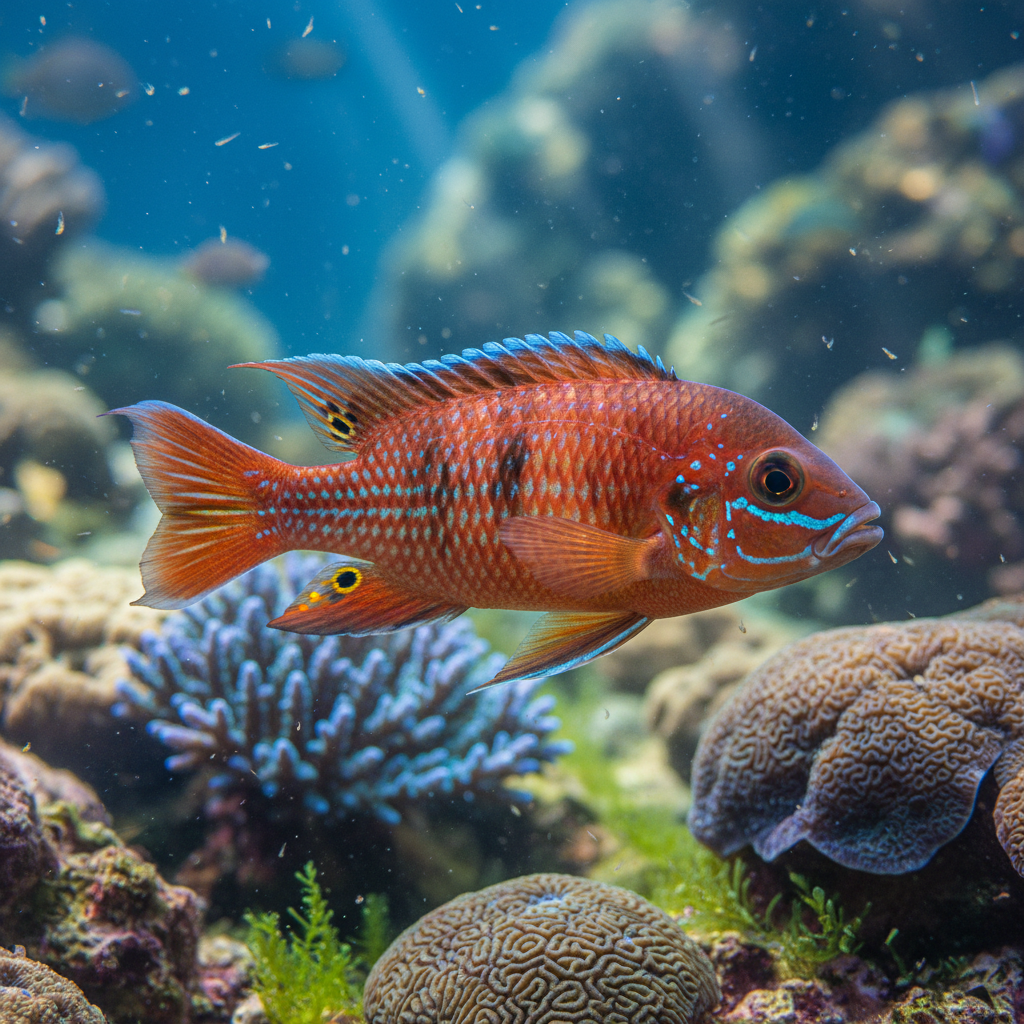
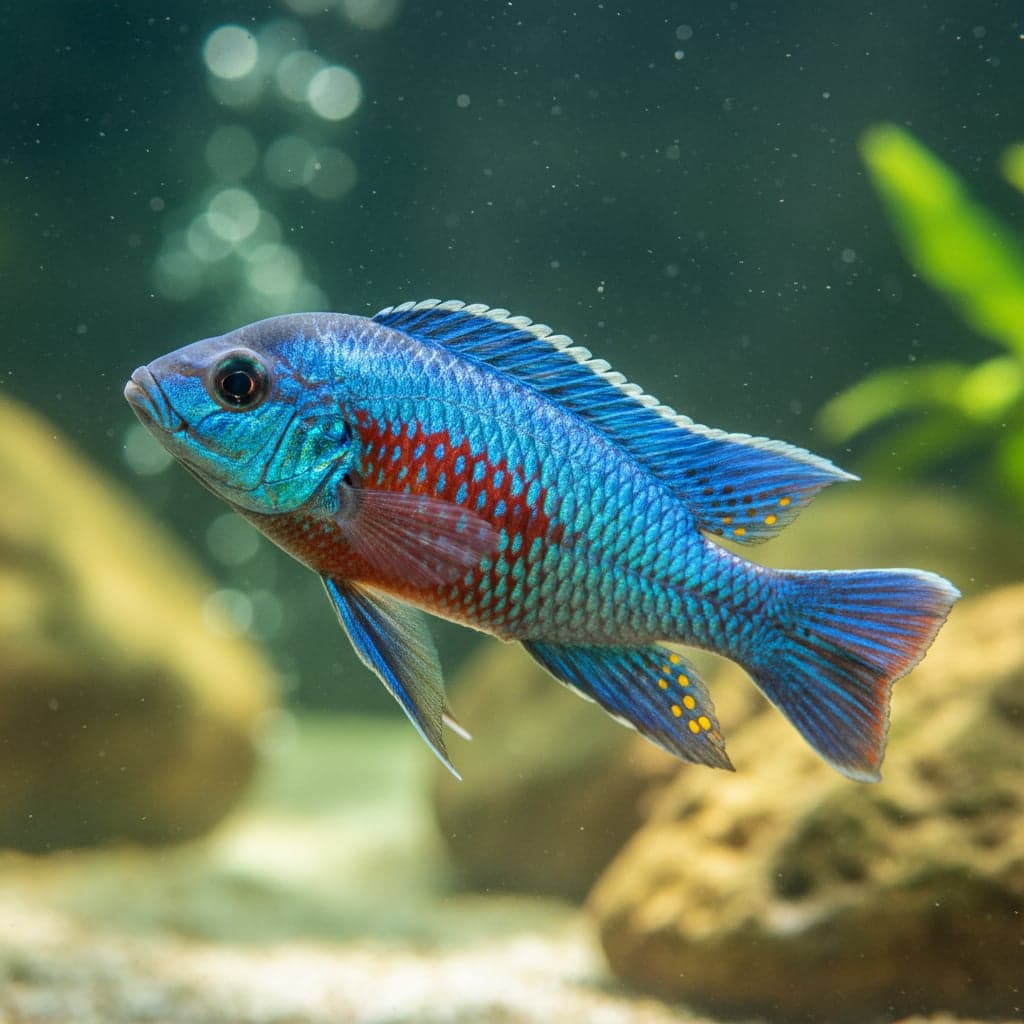
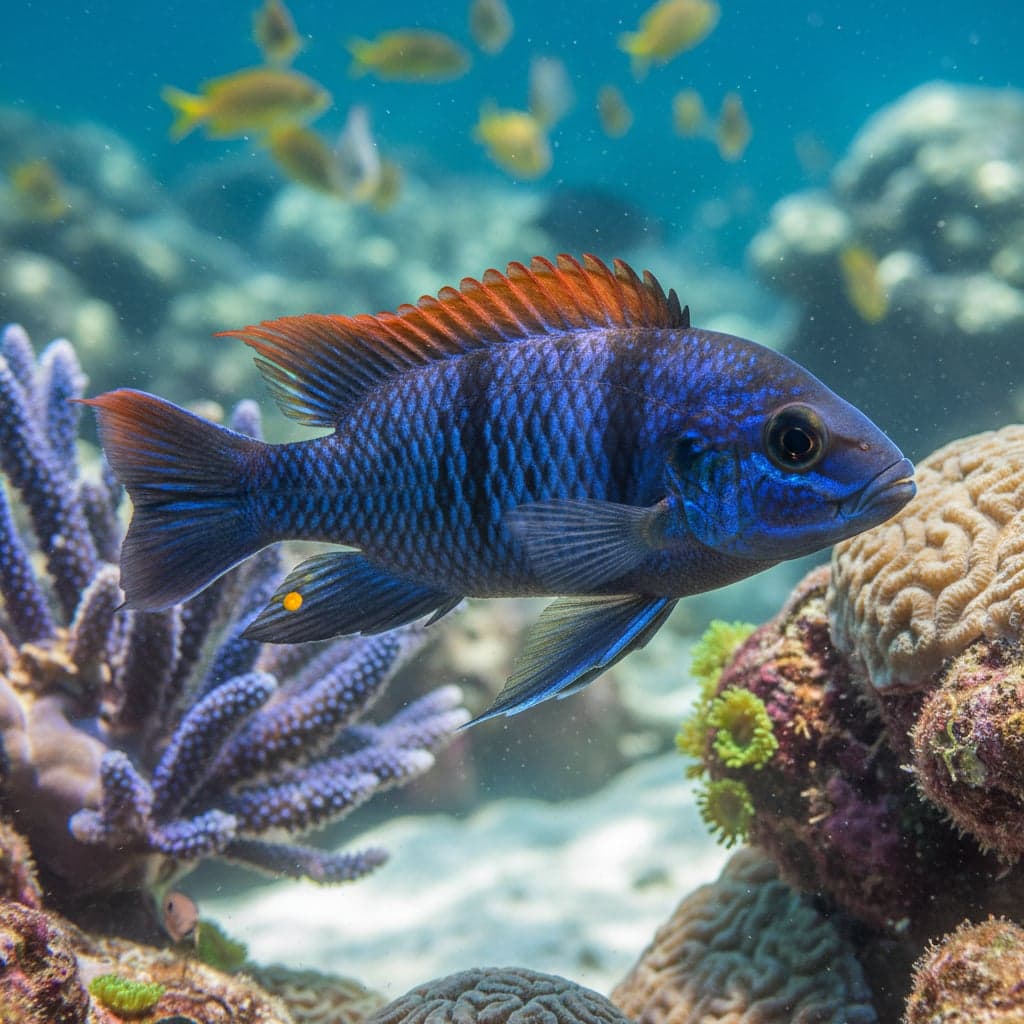
A deeply stunning, large open-water Lake Malawi cichlid where mature males turn blindingly red and iridescent blue.
Red Empress Hap
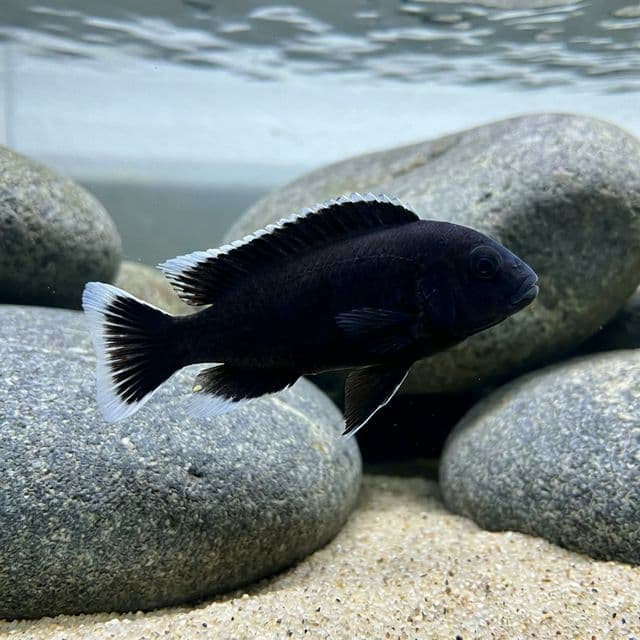
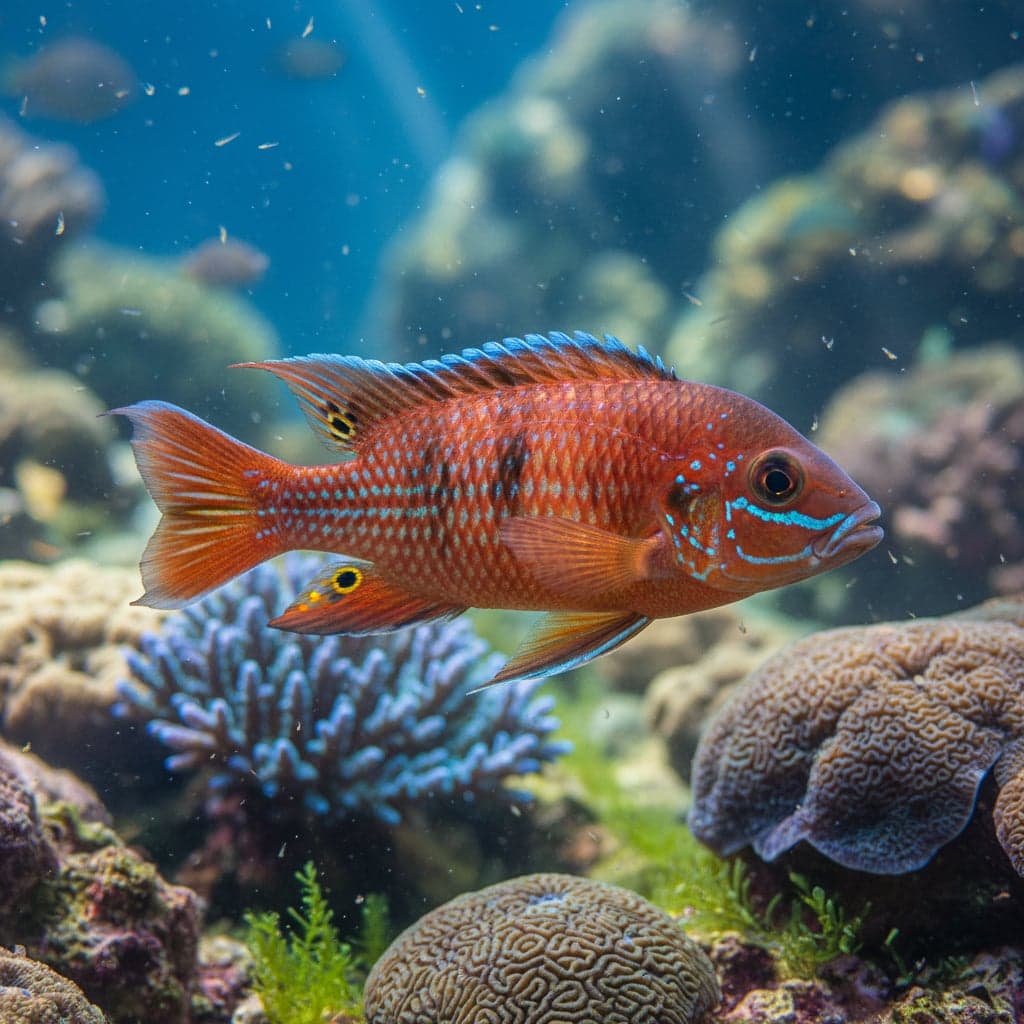
The Red Empress Hap, scientifically known as Protomelas taeniolatus, is a strikingly beautiful cichlid native to Lake Malawi in East Africa. This fish is renowned for its radiant coloration, which can range from vivid orange to deep red, complemented by subtle blue markings, particularly on males. The combination of colors makes the Red Empress Hap a popular choice among aquarists, serving as a centerpiece in both freshwater and biotope aquariums. Its appeal extends beyond aesthetics; it also possesses a unique personality and fascinating behaviors that make it a joy to observe.
In the aquarium hobby, the Red Empress Hap holds a significant position due to its vibrant appearance and manageable care requirements. Its relatively peaceful nature, compared to other Malawi cichlids, makes it more suitable for communal tanks. As a sought-after species, it has successfully established itself in various aquatic setups, contributing to the diversity and beauty of freshwater aquariums. Understanding the needs and characteristics of the Red Empress Hap is essential for aquarists who wish to create an environment that replicates its natural habitat.
Natural Habitat & Origin
The Red Empress Hap is endemic to the rocky shores of Lake Malawi, one of Africa's Great Lakes, which is known for its incredible biodiversity. The waters of this lake are typically clear, with temperatures ranging from 22°C to 28°C (72°F to 82°F). The natural substrate consists of rocky formations and sand, creating an environment rich in hiding places and breeding grounds. This species thrives in areas with ample hiding spots, primarily consisting of rocks and caves that provide both shelter and breeding sites. The natural habitat is also characterized by a slightly alkaline pH, generally ranging between 7.5 and 8.5.
Due to the unique ecological conditions of Lake Malawi, the Red Empress Hap has evolved to specifically adapt to such environments. The waters are usually well-oxygenated and exhibit stable temperatures, making it critical for aquarists to replicate these conditions in captivity for optimal health and color vibrancy. This fish is an integral part of the lake's ecosystem, contributing to the complex interactions present among various species, which often involves grazing on algae and detritus found on rocks.
Care Requirements
To ensure the health and well-being of the Red Empress Hap, specific water parameters must be maintained. The recommended pH level is between 7.5 and 8.5, with a temperature range of 24°C to 28°C (75°F to 82°F). Additionally, water hardness should be maintained at 10-20 dGH. These parameters help mimic the natural conditions of their native habitat and are essential for their long-term health.
In terms of tank setup, a minimum tank size of 75 gallons is advisable for a group of Red Empress Haps, as they are relatively active swimmers that benefit from ample space. A sandy substrate is preferred, along with plenty of hiding places made from rocks and caves, which not only provide security but also encourage breeding behaviors. As for lighting, moderate levels are best, with shading provided by rocks and decorations to replicate their natural habitat. Live plants can be included but should be arranged thoughtfully as these fish tend to dig and may uproot them.
Diet & Feeding
The Red Empress Hap is primarily an omnivore, which means its diet should consist of both plant and animal matter. In the wild, they feed on algae, small invertebrates, and detritus. In captivity, it is essential to provide a varied diet to promote health and vibrant coloration. High-quality flakes or pellets formulated for cichlids should form the basis of their diet. Additionally, offering frozen or live foods such as brine shrimp, daphnia, and bloodworms will add variety and enrichment to their feeding routine.
Feeding schedules should typically include small portions twice a day, ensuring that the fish consume all food within a few minutes to avoid water quality issues. The use of vegetable-based foods is also encouraged to replicate their natural foraging behavior and promote digestive health. By providing a balanced diet rich in nutrients, aquarists can help maintain the Red Empress Hap’s stunning coloration and overall vitality.
Behavior & Temperament
The Red Empress Hap exhibits a generally peaceful disposition, particularly when compared to other Lake Malawi cichlids. They are social fish that typically thrive in groups, displaying a more subdued aggression when kept with compatible species. However, males can exhibit territorial behavior, especially during breeding periods, so it is vital to provide ample space and hiding spots to minimize confrontations.
In terms of vertical placement, Red Empress Haps tend to occupy the middle levels of the aquarium. They prefer open swimming spaces where they can freely explore but still appreciate areas of cover for security. As they establish their territories, monitoring their social interactions is essential to ensure harmony within a community tank.
Tank Mates
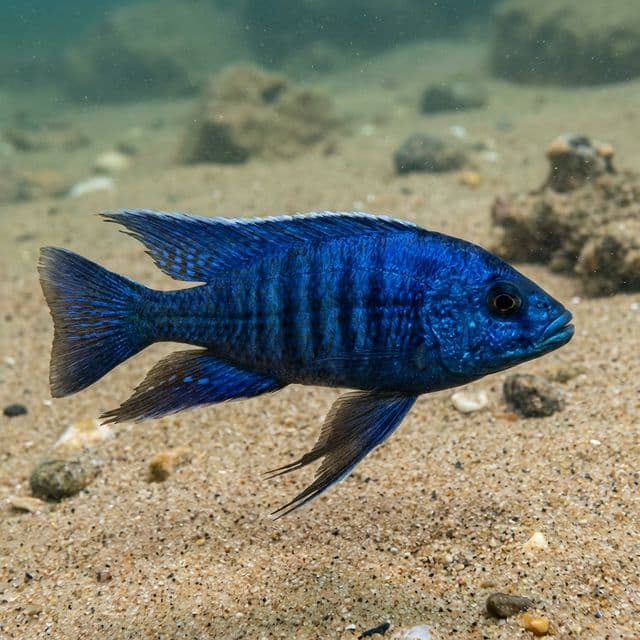
When selecting tank mates for the Red Empress Hap, it is crucial to choose species that share similar temperament and care requirements. Compatibles include other African cichlids such as the Yellow Lab (Labidochromis caeruleus), Electric Blue Cichlid (Sciaenochromis fryeri), and various Mbunas, provided that sufficient space is available to prevent territorial disputes.
It is essential to avoid pairing the Red Empress Hap with overly aggressive species like the Jaguar Cichlid (Parachromis managuensis) or fish that occupy similar water levels, which could lead to increased competition and aggression. Selecting peaceful and compatible species will enhance the community tank experience and help maintain a tranquil environment.
Breeding
Breeding the Red Empress Hap in captivity can be a rewarding experience for aquarists, as they display interesting courtship behaviors. Generally, they exhibit mouthbrooding, where the female carries the fertilized eggs in her mouth until they hatch, a behavior that is common among cichlids.
To encourage spawning, it is best to provide a breeding setup that includes flat rocks where females can lay their eggs. A ratio of one male to several females can help reduce aggression and increase the chances of successful breeding. Once the eggs are laid, the male will often display vibrant colors and engage in courtship dances to attract the female. Maintaining stable water conditions, including temperature and pH, is crucial during this process to ensure the health of the fry once they are released.
Common Health Issues
The Red Empress Hap may be susceptible to various health issues, particularly if living conditions are not optimal. Common diseases include ich (Ichthyophthirius multifiliis), fin rot, and Malawi bloat. To prevent these common ailments, it is vital to maintain high water quality through regular water changes and tank cleanings, as well as monitoring for signs of stress or illness in the fish.
Quarantining new specimens before introduction into the main tank can also help prevent the spread of potential diseases. Providing a balanced diet, appropriate environmental conditions, and reducing stress will go a long way in ensuring the health of your Red Empress Haps. Additionally, regular monitoring for any behavioral changes or physical symptoms will aid in the early detection of health issues, allowing for timely intervention.