The Rubber Lip Pleco: Chaetostoma formosae
A fantastic alternative to the common pleco. Stays small, eats algae voraciously, and has a unique "bulldog" face.
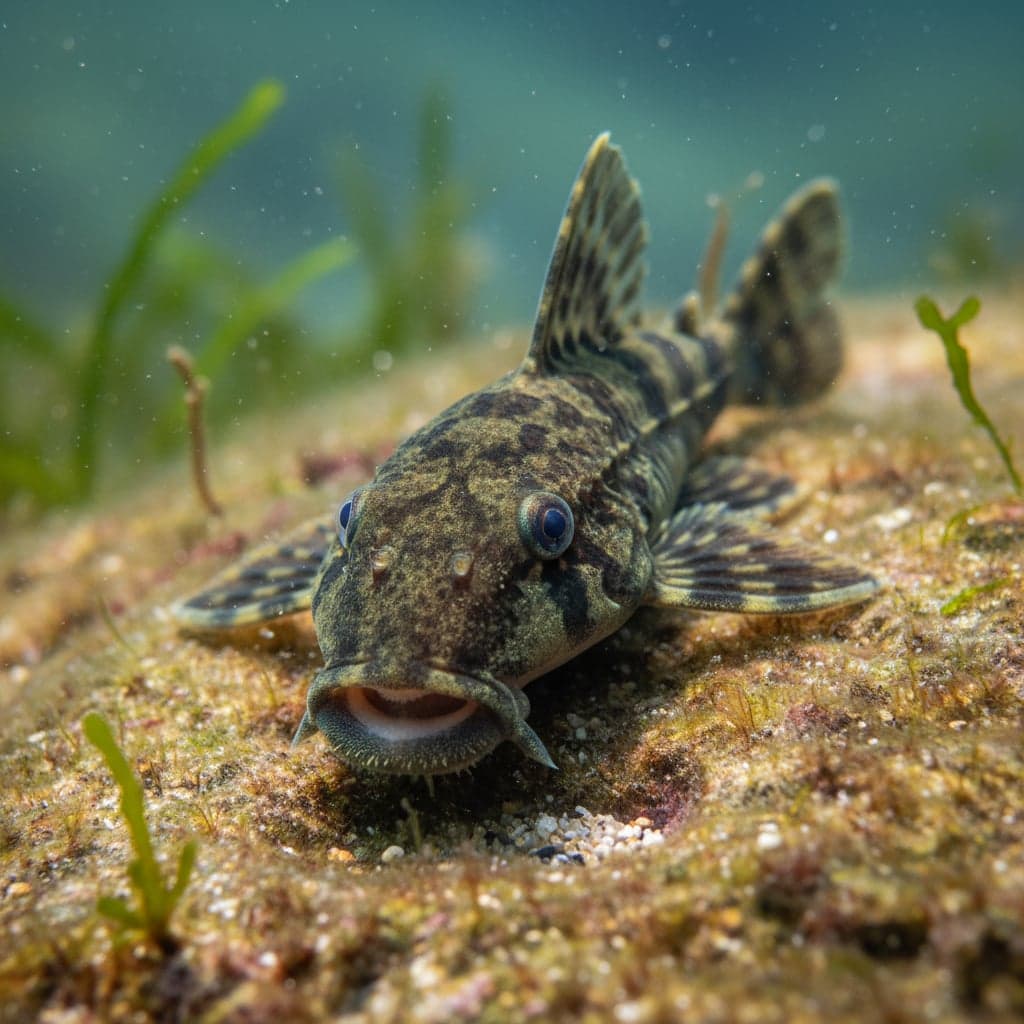
Rubber Lip Pleco
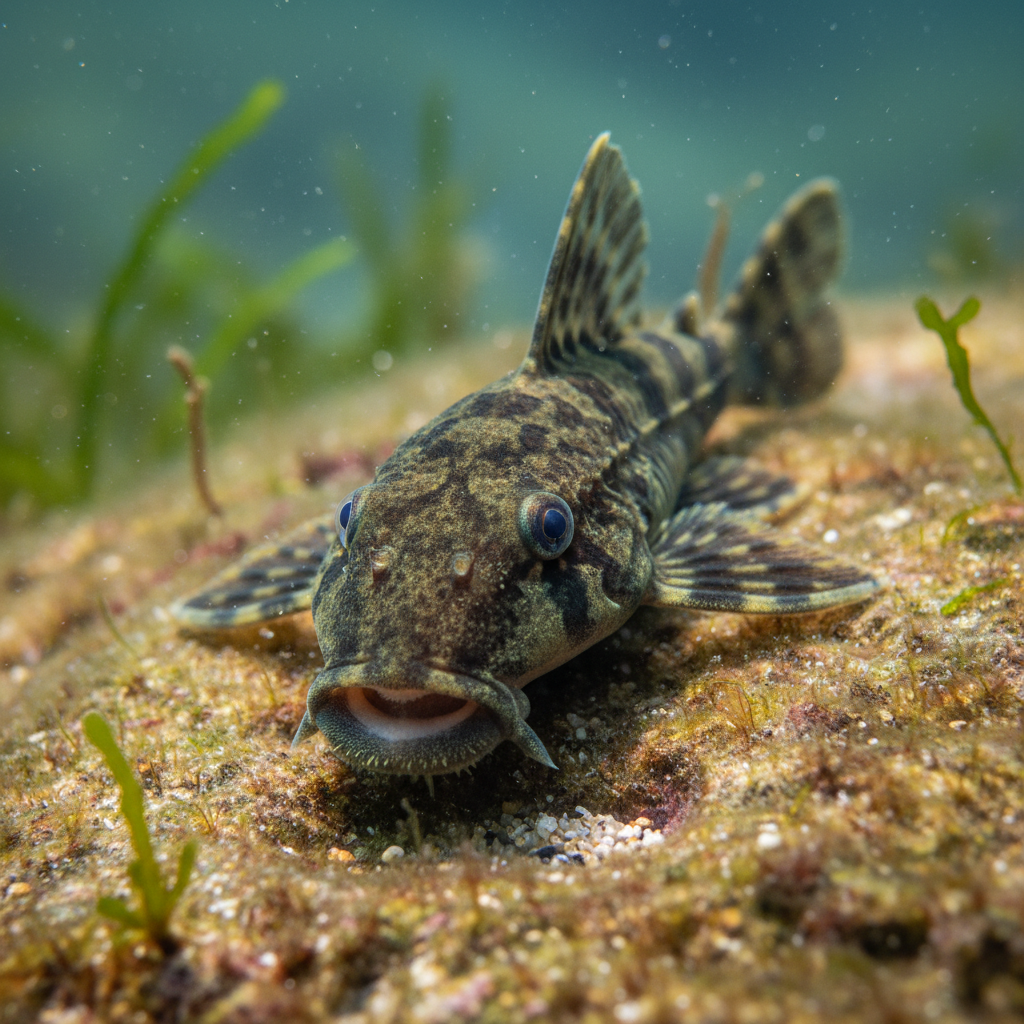
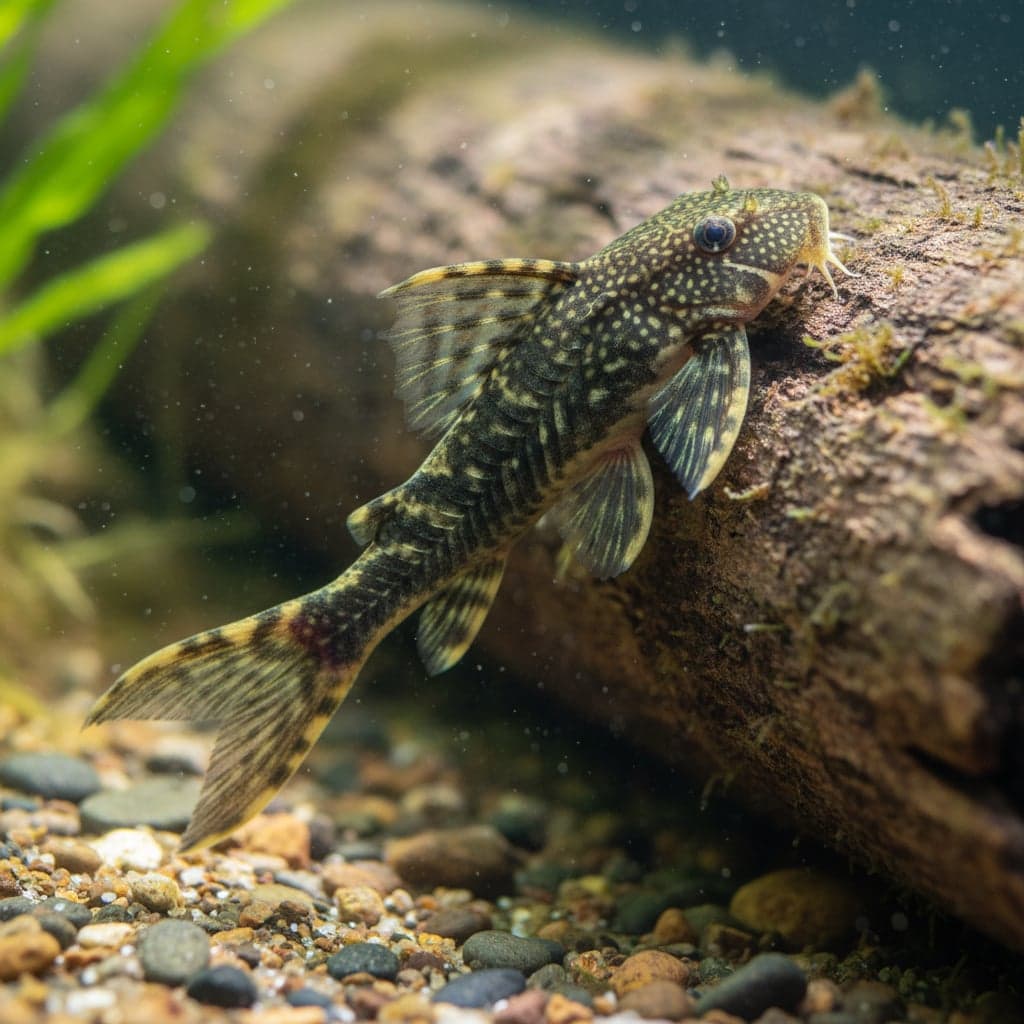
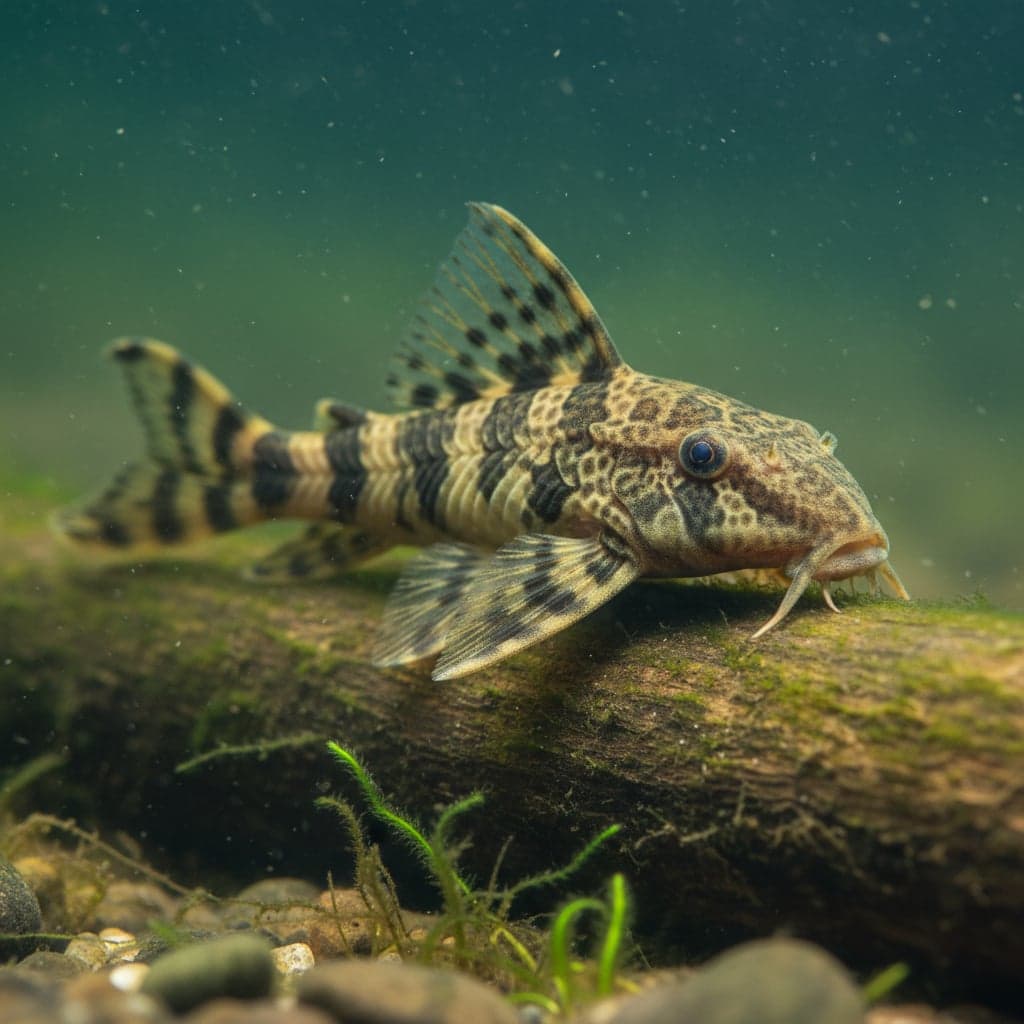
The Rubber Lip Pleco, scientifically known as Chaetostoma formosae, is a captivating freshwater fish that has gained popularity among aquarists due to its unique appearance and beneficial role in the aquarium ecosystem. Characterized by its rubbery, elongated body, the Rubber Lip Pleco exhibits a remarkable palette of colors ranging from shades of gray to dark brown, often adorned with subtle markings that provide a natural camouflage. This visual appeal, combined with its fascinating behaviors, makes it a cherished species in the aquarium hobby. Furthermore, their efficient algae-consuming talents make them a valuable addition to community tanks, contributing to the overall health and cleanliness of the aquatic environment.
This species is particularly significant in the aquarium trade due to its relatively peaceful demeanor and adaptability to various water conditions, making it an excellent choice for both novice and experienced aquarists. The Rubber Lip Pleco typically inhabits the bottom levels of the tank, using its specialized mouth for grazing on algae and biofilm, which supports a balanced ecosystem. With its growing popularity, understanding the care and maintenance of this species is essential for enthusiasts looking to ensure a thriving habitat for their aquatic pets.
Natural Habitat & Origin
The Rubber Lip Pleco originates from the fast-flowing rivers of South America, particularly the tributaries of the Amazon Basin in countries like Peru and Ecuador. These habitats are characterized by clear, oxygen-rich waters with a variety of substrates, from rocky bottoms to sandy areas. The natural waters inhabited by the Rubber Lip Pleco are typically soft and slightly acidic, falling within a specific pH range that can be crucial for their health and wellbeing. These fish thrive in environments rich in vegetation and organic matter, often taking refuge in crevices and among driftwood, which provides both shelter and foraging opportunities.
In their native habitats, the Rubber Lip Pleco plays a critical role in the ecosystem by controlling algae growth and contributing to the health of plant life in freshwater environments. Understanding their natural habitat is essential for aquarium keeping, as replicating these conditions can lead to a more successful and sustainable aquaculture environment.
Care Requirements
To ensure the health and longevity of the Rubber Lip Pleco, aquarists should maintain optimal water parameters: a pH level between 6.0 to 7.5, a temperature range of 72°F to 82°F (22°C to 28°C), and a general hardness of 2-12 dGH. Additionally, a minimum tank size of 30 gallons is recommended for this species to accommodate their active nature and territorial instincts. The tank setup should include a soft substrate, such as fine gravel or sand, that allows the fish to forage comfortably. In terms of lighting, subdued lighting is preferred to mimic the natural habitats they originate from, as bright lighting can stress the fish and affect their feeding patterns.
To create an inviting environment, aquarists should introduce ample hiding places using driftwood, rocks, or commercially available caves. Live plants can also enhance the aesthetic while providing additional hiding spots, but it is crucial to ensure that the selected plants are hardy and able to withstand potential nibbling from the Rubber Lip Pleco.
Diet & Feeding
The Rubber Lip Pleco is classified as an omnivore, meaning it requires a varied diet that includes both plant and animal matter. To ensure optimum health, it is recommended to provide a combination of high-quality algae wafers, sinking pellets, and blanched vegetables such as zucchini, spinach, and cucumbers. A varied diet contributes to their growth and supports their natural grazing behavior. Supplementing their diet with occasional protein sources, like frozen or live foods such as brine shrimp or bloodworms, can also provide essential nutrients.
Given the Rubber Lip Pleco’s role in controlling algae, it is vital to encourage this behavior with a consistent supply of algae-based food, especially in community tanks where algae competition may be high. Mixing up their diet will help prevent nutritional deficiencies and promote a well-rounded feeding regimen.
Behavior & Temperament
The Rubber Lip Pleco is known for its generally peaceful demeanor, making it suitable for community setups. However, they can exhibit territorial behavior, particularly during mating season or in cramped quarters. Though they are not schoolers, Rubber Lip Plecos tend to prefer the companionship of their own kind but may display dominance over each other if space is limited. These fish are primarily bottom dwellers and will often be seen grazing along the substrate or resting under decorations.
In terms of placement within the aquarium, the Rubber Lip Pleco should be provided with sufficient space on the bottom level while ensuring that there are hiding spots available. It's important to create a well-structured environment that accommodates their need for security and exploration while minimizing aggressive encounters with tank mates.
Tank Mates
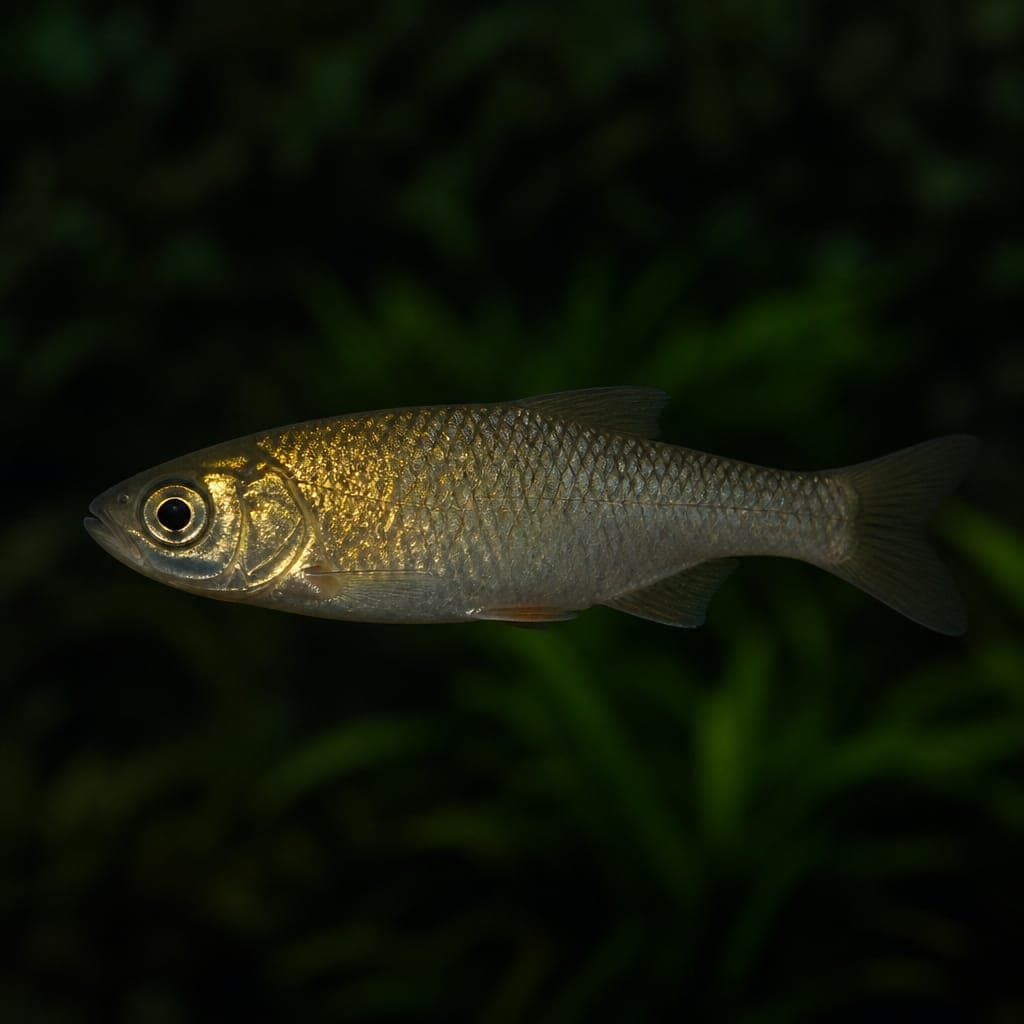
Rubber Lip Plecos are generally compatible with a variety of community fish, provided that tank mates are non-aggressive and of a similar size. Suitable companions include danios, tetras, rasboras, and various species of corydoras. Additionally, larger species like angelfish and medium-sized cichlids can coexist well with the Rubber Lip Pleco, provided that there are ample hiding spaces.
However, it's essential to avoid smaller or highly aggressive fish species, such as bettas or fin-nippers like some barbs, which may harass the Rubber Lip Pleco. Proper tank planning and companion selection are critical to ensuring a harmonious environment where all fish can thrive without undue stress.
Breeding
Breeding Rubber Lip Plecos in captivity can be quite rewarding but requires specific conditions to encourage spawning. Typically, this species spawns during the rainy season in the wild, which can be mimicked through periodic water changes to simulate a rise in temperature and water level. The Rubber Lip Pleco is known to engage in cave spawning, so providing appropriately sized breeding caves or PVC pipes in the tank is essential.
During the breeding process, the male will entice the female into a cave, where she will lay her eggs. The male will then guard the eggs and care for them until they hatch, which usually takes about 3-5 days depending on the water temperature. After hatching, the fry will become free-swimming in another 3-5 days, requiring infusoria or finely crushed flake food for their initial feeding.
Common Health Issues
While the Rubber Lip Pleco is generally resilient, they are susceptible to certain health issues that can arise from poor water quality and diet. Common diseases include ich (white spot disease), velvet disease, and various parasitic infections. To prevent health issues, it is crucial to maintain excellent water hygiene through regular water changes, proper filtration, and avoiding overfeeding.
Additionally, monitoring water parameters and maintaining a balanced diet will significantly diminish the risk of health complications. Aquarists should also keep an eye on the physical condition of their Rubber Lip Plecos, looking out for changes in behavior or appetite, which can be early signs of stress or illness. Ensuring a suitable environment and quality care will lead to a happy, healthy Rubber Lip Pleco thriving in the aquarium setting.