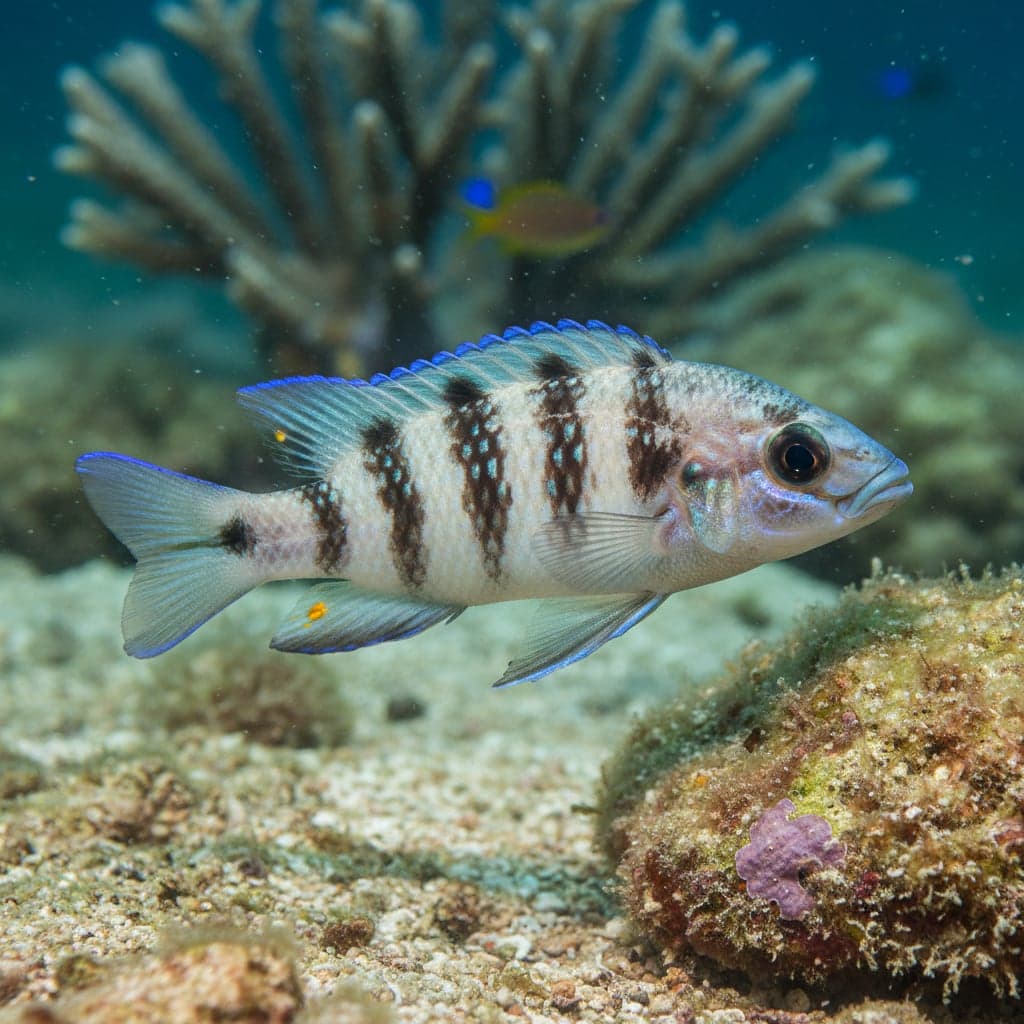
Turkana Jewel Cichlid: Rubricatochromis exsul
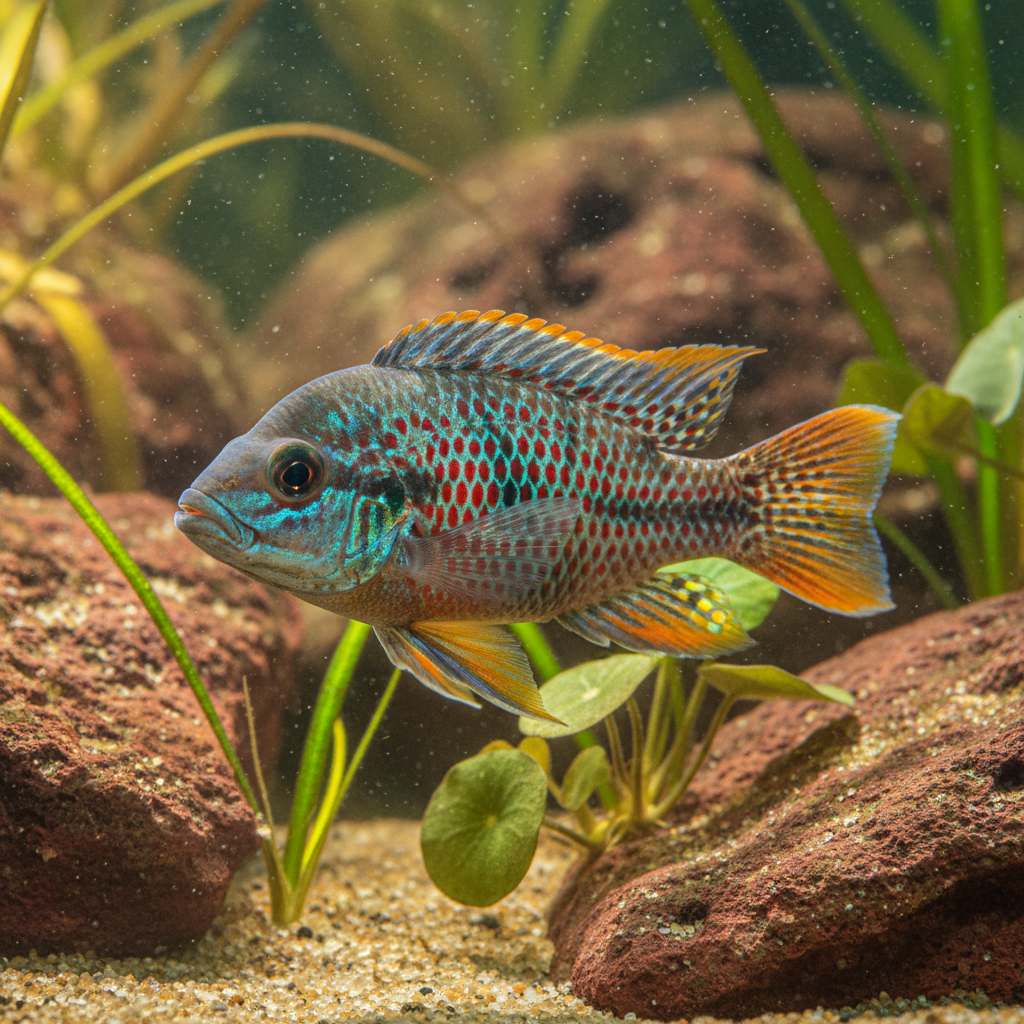
A 12cm red jewel cichlid from Lake Turkana. Wants hard alkaline water and turns strongly territorial when breeding — best as a species pair.

Turkana Jewel Cichlid
The Turkana Jewel Cichlid, scientifically known as Rubricatochromis exsul, is a captivating species hailing from the waters of Lake Turkana in East Africa. Renowned for its vibrant coloration, this fish displays a stunning array of hues ranging from deep blue to bright red, which serves not only as a visual centerpiece in aquariums but also enhances its desirability among aquarists. The dazzling patterns and colors shift, depending on the fish's mood and environmental stimuli, making it a dynamic addition to any aquatic display. As an endemic species, the Turkana Jewel Cichlid is not only significant for its aesthetic appeal but is also important in the study of evolutionary biology and the conservation of aquatic ecosystems in Lake Turkana, which has been subject to environmental changes.
In the aquarium hobby, the Turkana Jewel Cichlid stands out not just for its beauty but also for its robust personality. As members of the Cichlidae family, they are known for their intelligence and interaction with their environment. Hobbyists are drawn to their vibrant behaviors, from territorial displays to complex social interactions, making them a delightful species to observe. Their unique characteristics and adaptability to aquarium life make them a sought-after choice for both novice and experienced aquarists looking to elevate their tank's biodiversity.
Natural Habitat & Origin
The Turkana Jewel Cichlid originates exclusively from Lake Turkana, often referred to as the "Jade Sea," located in northern Kenya and southern Ethiopia. This lake has a unique environmental profile, characterized by its saline waters, which are among the most alkaline in the world. The Turkana Jewel Cichlid inhabits shallow areas with rocky substrates where plenty of hiding spots are available, allowing them to seek refuge from predators and establish territory. The environmental conditions of Lake Turkana—specifically its nutrient-sparse waters—have influenced the evolutionary adaptations of this species, resulting in their striking coloration and distinct behavioral traits.
In their natural habitat, the Turkana Jewel Cichlid thrives in waters that range from clear to slightly tinted due to volcanic activity, contributing to diverse biological communities. These cichlids prefer stable water temperatures ranging from 22°C to 28°C (72°F to 82°F), along with a pH level between 7.8 and 9.0. Understanding their natural habitat is essential for aquarists who wish to replicate it in captivity, ensuring that these spectacular fish can live a healthy and enriching life.
Care Requirements
To create an ideal environment for the Turkana Jewel Cichlid, it is recommended to have a minimum tank size of 75 gallons. This ample space allows them to establish territory and reduces stress associated with confinement. The substrate should consist of sand or fine gravel, supplemented with smooth rocks and caves to mimic their natural habitat. Ideal lighting is moderate, as they thrive in conditions that replicate the dappled sunlight found in their native waters. Incorporating hardy aquatic plants can enhance the aesthetic and provide cover; however, be aware that these cichlids may uproot softer species.
Water parameters need careful monitoring to ensure the health of the Turkana Jewel Cichlid. The ideal pH level ranges from 7.8 to 9.0, with a preference for hardness levels of 10 to 20 dGH. Maintaining a stable temperature between 22°C and 28°C (72°F to 82°F) is crucial for their well-being. Regular water changes and reliable filtration can help achieve optimal water quality, further ensuring a healthy and thriving aquarium environment.
Diet & Feeding
The Turkana Jewel Cichlid is primarily an omnivore, exhibiting a diverse diet in its natural environment that includes both plant and animal matter. In captivity, a varied diet is essential for maintaining their vibrant colors and overall health. High-quality cichlid pellets should be the staple of their diet, supplemented with options such as frozen or freeze-dried bloodworms, brine shrimp, and daphnia to encourage natural hunting behaviors. Additionally, offering blanched vegetables like zucchini, spinach, or peas can provide necessary fiber and enhance their nutritional profile.
Hobbyists should feed adult Turkana Jewel Cichlids two to three times per day, providing smaller portions that can be consumed within a few minutes. This feeding strategy helps prevent overfeeding, which can lead to health complications. Observing their feeding behavior can also offer insights into their health, as a sudden change in appetite might indicate underlying issues that may need addressing.
Behavior & Temperament
The Turkana Jewel Cichlid is known for its dynamic and occasionally aggressive behavior, particularly during mating season or territorial disputes. They often establish territories and may display aggression towards other fish, especially those of similar size and coloration. A well-structured tank with ample hiding places can help alleviate some of this aggressiveness by allowing less dominant individuals to escape from confrontations. Despite their territorial nature, Turkana Jewel Cichlids can exhibit social behavior, especially when kept in a species-specific setup.
These cichlids prefer the upper to mid-levels of the tank and often engage in vertical displays, showcasing their vibrant colors as part of courtship or territorial displays. To ensure a harmonious community tank, it’s crucial to monitor their behavior closely and provide sufficient space to reduce potential bullying or conflicts with other tank inhabitants.
Tank Mates
Choosing appropriate tank mates for the Turkana Jewel Cichlid requires consideration of their temperament and territorial nature. Compatible species include similarly sized cichlids like the African cichlids from the Mbuna group (e.g., Pseudotropheus and Cynotilapia), as well as larger active fish such as silver dollars and clown loaches. It is essential to avoid small, docile species or those with long fins, as they may become targets for aggression. Other suitable tank mates might include various species of catfish that remain on the substrate level and don’t compete for the same swimming space.
When introducing new fish, it's advisable to implement a gradual acclimation process to minimize territorial disputes. Maintaining a well-planned tank layout with plenty of hiding places and territories can further support a peaceful cohabitation environment, ensuring that all species thrive collectively in the aquarium.
Breeding
Breeding Turkana Jewel Cichlids in captivity can be a rewarding experience, though it requires careful preparation. These fish are substrate spawners; they typically choose flat surfaces or caves for laying their eggs. Males engage in colorful displays to woo females and secure a breeding site. To encourage breeding, it is crucial to maintain ideal conditions: stable water parameters (pH around 8.0, hardness of 10-15 dGH, and temperatures between 24°C and 28°C (75°F to 82°F)).
Once a pair forms, the female will lay hundreds of eggs, which she and the male will guard diligently. Providing a separate breeding tank will help protect the fry from potential threats and aggression from other fish. After a few days, once the eggs hatch, the fry will absorb their yolk sacs and will need infusoria or finely crushed flakes to ensure proper growth and development. Regular monitoring of water quality is critical during this sensitive time, promoting a successful breeding experience.
Common Health Issues
Despite being relatively hardy fish, Turkana Jewel Cichlids can be prone to certain ailments when water quality slips or aggression keeps them stressed. Ich, fin rot, and bacterial infections are the most common concerns in hard, alkaline setups. Keep parameters stable, perform regular water changes, and quarantine newcomers. Watch for clamped fins, faded colour, or laboured breathing, and treat promptly while correcting the underlying water or social issues.