Zebrina Pike Cichlid: Crenicichla zebrina
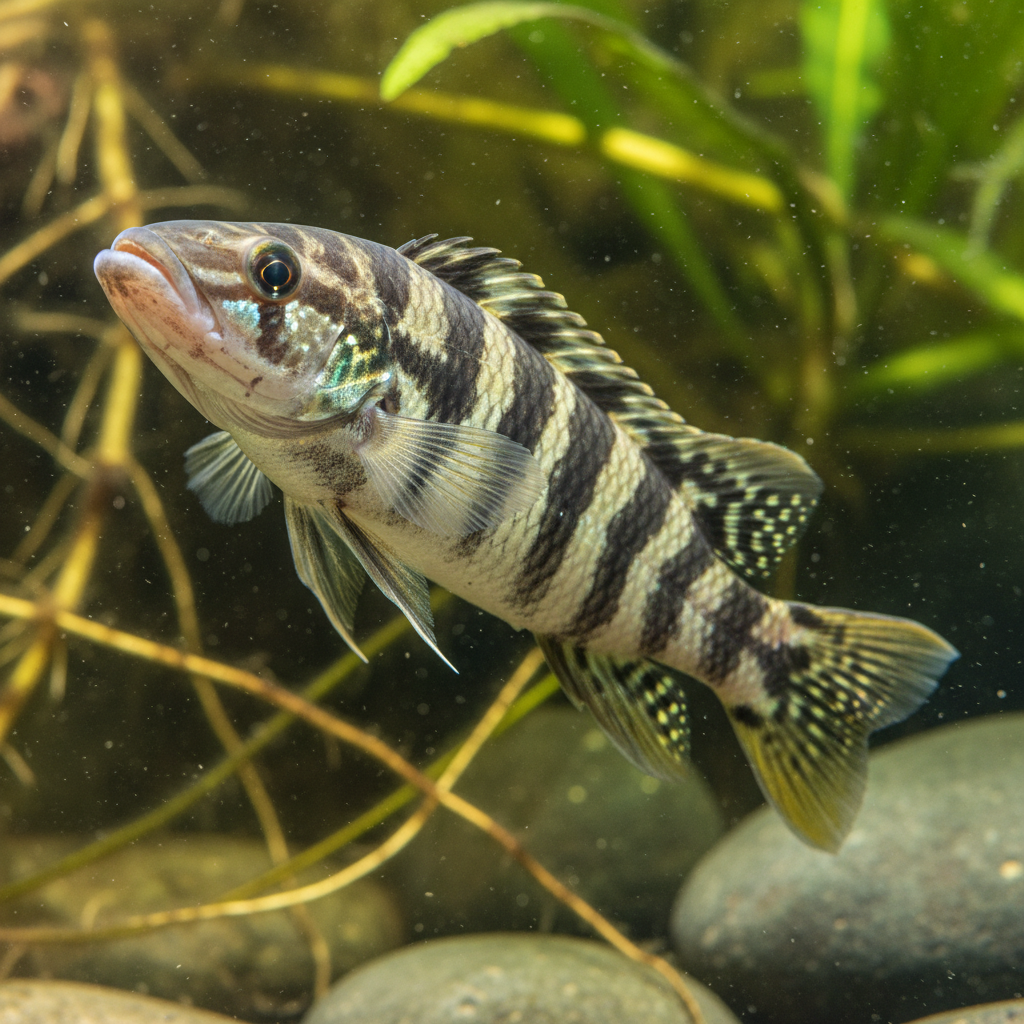
A spectacular and incredibly rare pike cichlid from the Ventuari River, prized for its vivid red-and-black tiger-stripe pattern and its majestic predatory presence.
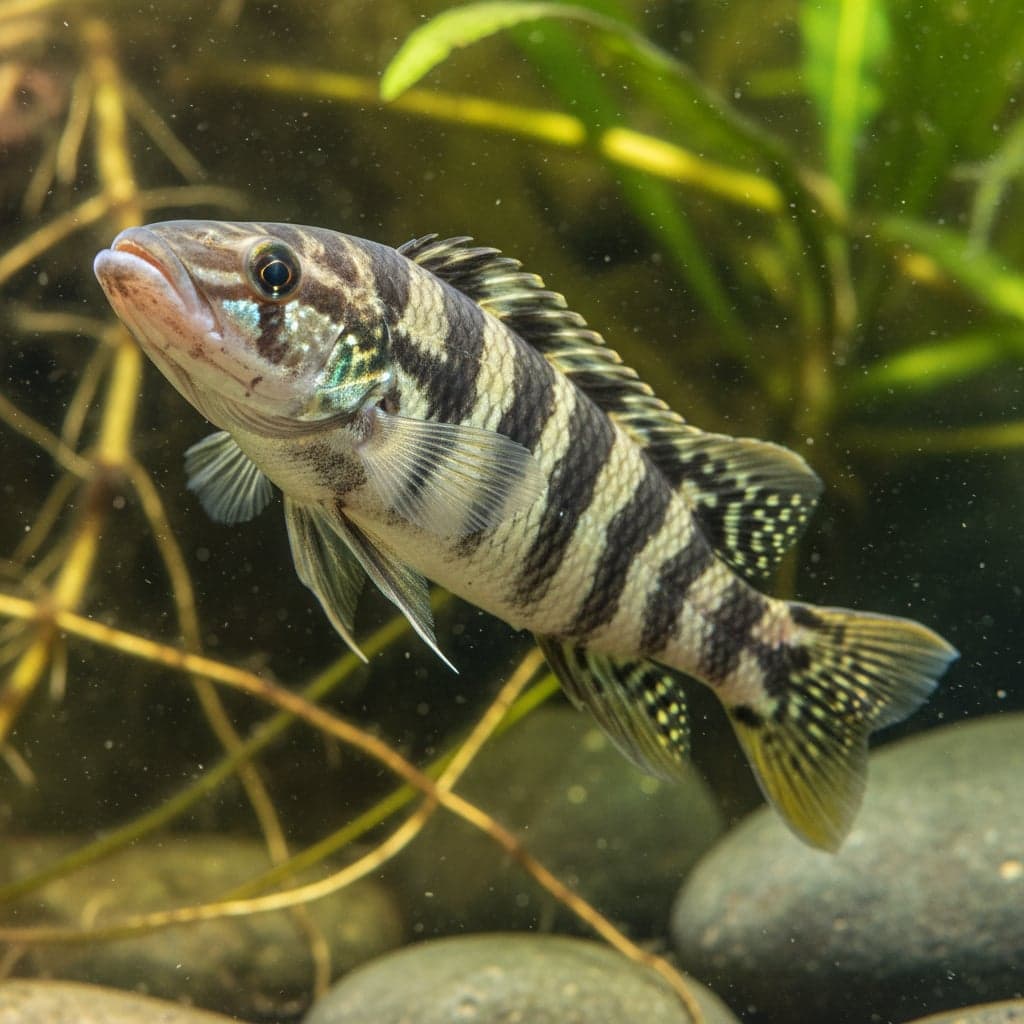
Zebrina Pike Cichlid
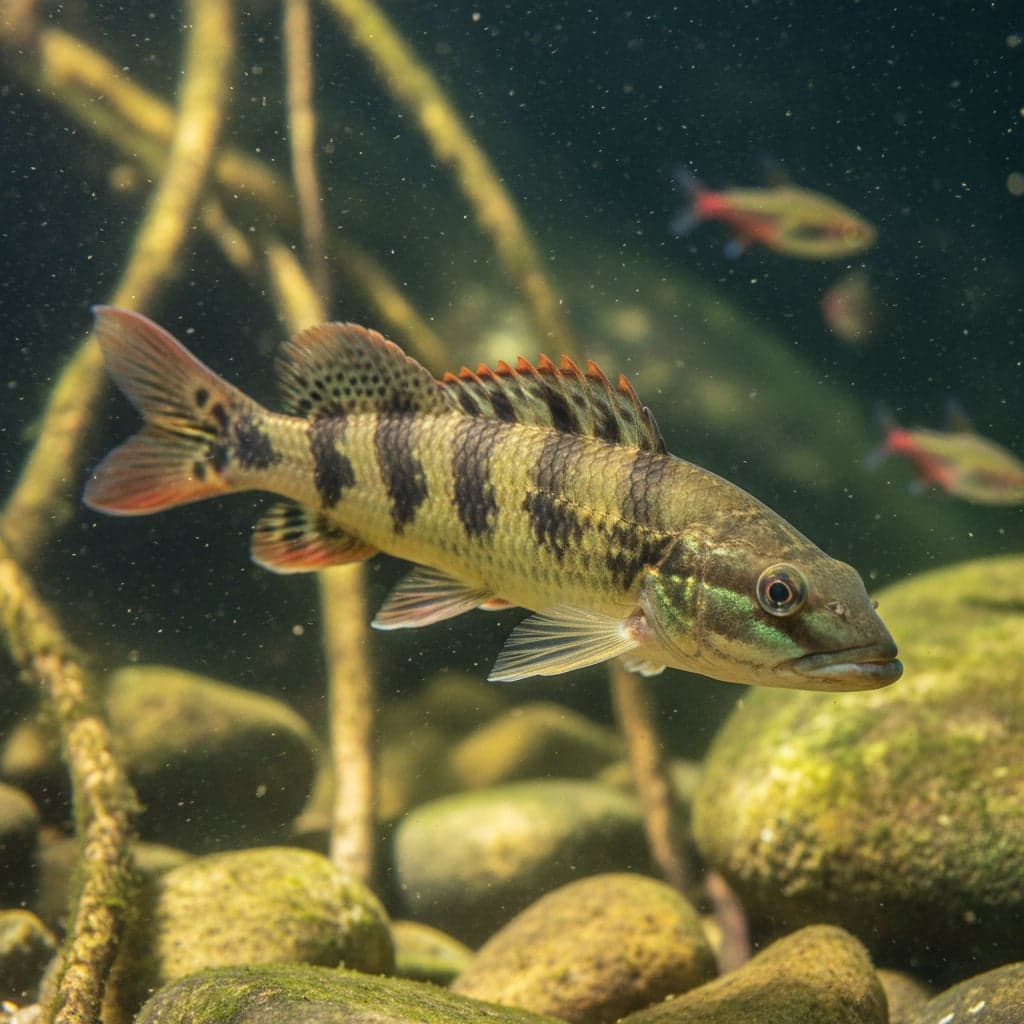
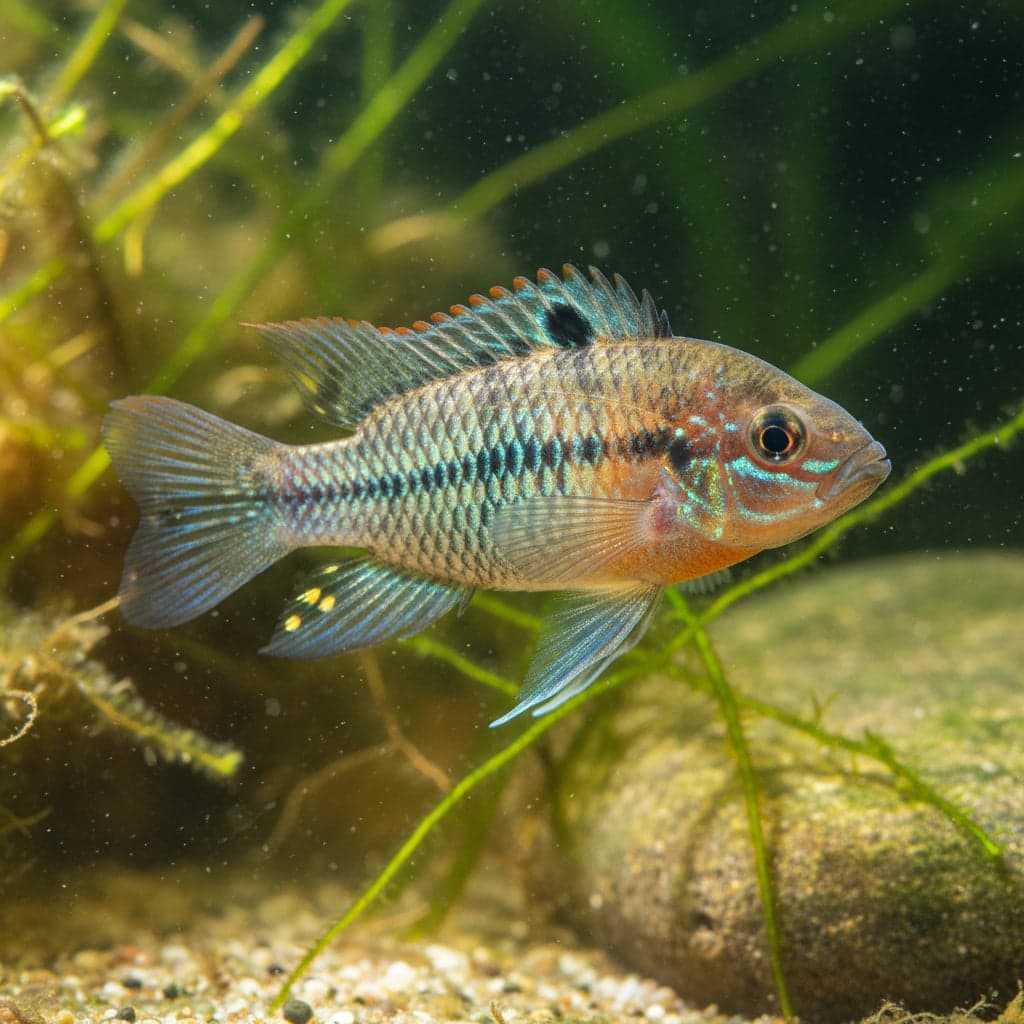
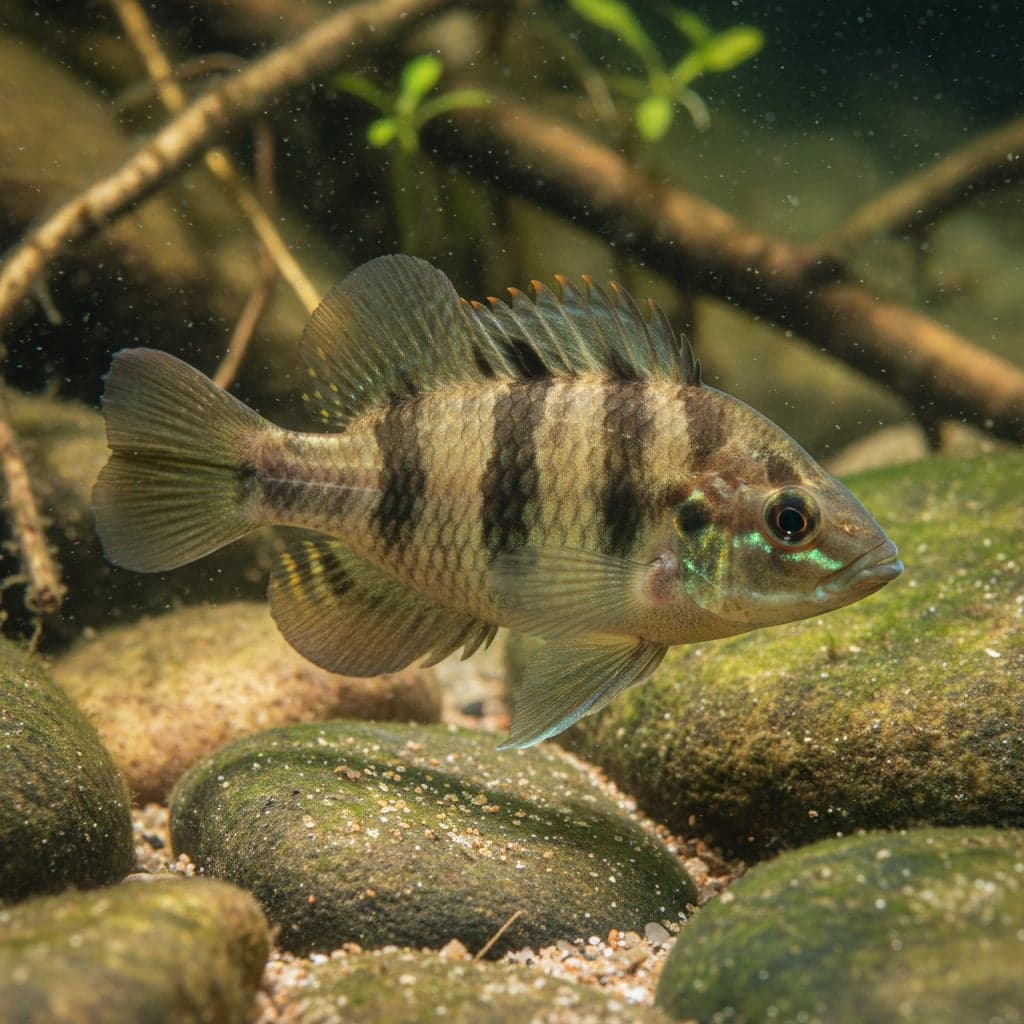
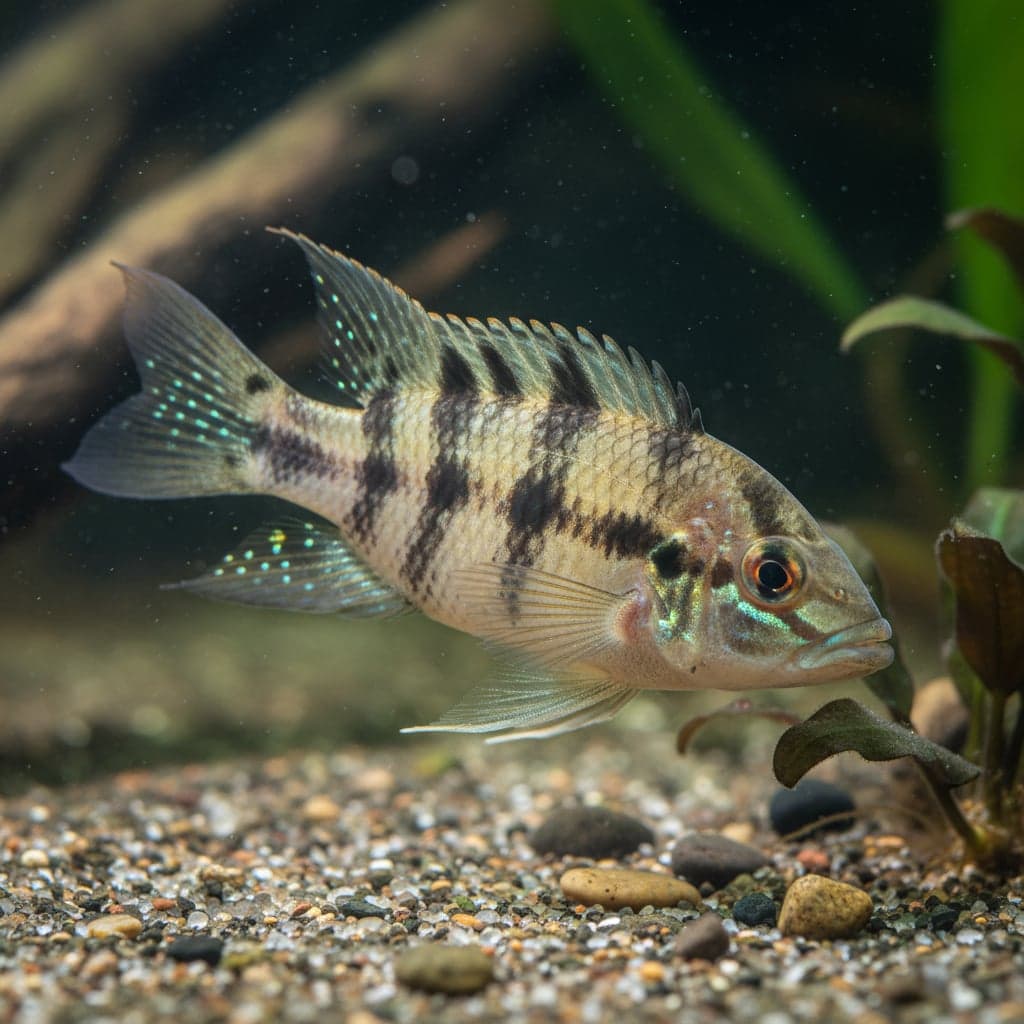
The Zebrina Pike Cichlid, scientifically known as Crenicichla zebrina, is a captivating freshwater fish celebrated for its striking appearance and unique personality, making it a prized specimen among aquarium enthusiasts. Known for its elongated body and vibrant coloration, the Zebrina Pike Cichlid displays a pattern of alternating dark and light bands that give it a zebra-like look. This aesthetic appeal is complemented by its sleek, streamlined shape, which is perfectly adapted for agile swimming. Furthermore, the fish can grow up to 10 inches in length, making it a visually impressive addition to larger aquariums.
In the aquarium hobby, the Zebrina Pike Cichlid holds significant value not only for its beauty but also for its engaging behavior. As a relatively intelligent fish, it exhibits a diverse range of interactions, often recognizing its owner and responding to feeding cues. This species is generally regarded as a focal point in community tanks, and its captivating movements can entertain observers for hours. Its relative rarity in the trade, combined with its striking appearance and engaging nature, solidifies the Zebrina Pike Cichlid as a sought-after species for serious aquarists.
Natural Habitat & Origin
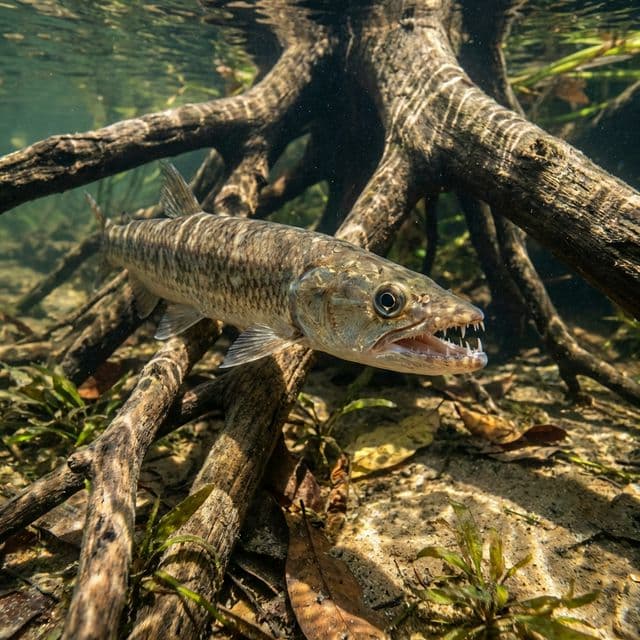
The Zebrina Pike Cichlid originates from the freshwater rivers and streams of the Amazon Basin in South America, mainly found in regions of Brazil and Peru. Preferring areas with rocky substrates and abundant vegetation, this species thrives in a variety of aquatic environments, including clearwater and some blackwater systems. These habitats are characterized by slow-moving waters rich in organic material, which contribute to the distinctive browns and tannins that define blackwater ecosystems. The Zebrina Pike Cichlid utilizes the cover provided by submerged roots, rocks, and dense plant growth to hunt prey and escape potential predators.
These natural habitats not only dictate the Zebrina Pike Cichlid's physical development but also inform the conditions required for successful captive care. In the wild, they often dwell in areas with soft, acidic waters, making it imperative for aquarists to replicate these conditions to ensure their health and well-being in captivity.
Care Requirements
To successfully maintain a Zebrina Pike Cichlid, specific water parameters and tank setups are essential. The ideal pH range for this species is between 6.0 and 7.5, with a temperature preference of 76°F to 82°F (24°C to 28°C). Hardness should ideally be kept between 4 to 15 dGH, simulating the soft water conditions of their natural habitat. Moreover, providing a minimum tank size of 75 gallons is crucial, as this fish is territorial and requires ample swimming space.
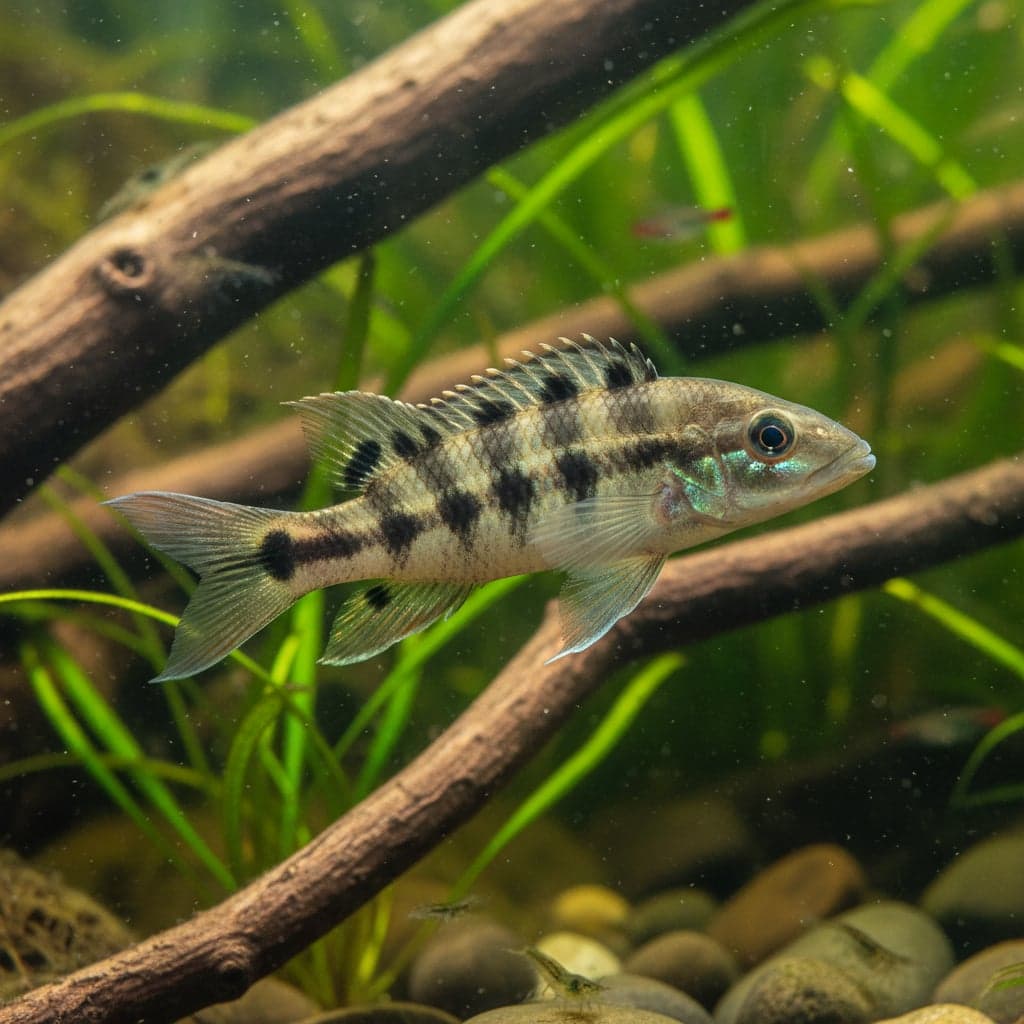
When designing their habitat, substrate selection is vital; a sandy or fine gravel substrate is recommended to prevent injury to the fish and mimic natural environments. The tank should incorporate plenty of hiding places using rocks, driftwood, and dense plant growth to provide security and retreat options for the Zebrina Pike Cichlid. Moderate lighting is also beneficial, as the fish tend to feel more secure in subtly lit environments that imitate their natural habitat's conditions.
Diet & Feeding
The Zebrina Pike Cichlid is predominantly carnivorous, with a primary diet consisting of smaller fish, invertebrates, and various protein-rich foods in their natural setting. In captivity, it is crucial to provide a balanced diet to ensure optimal health. High-quality pellets and flakes formulated for carnivorous fish are recommended, as well as the inclusion of frozen foods like bloodworms, brine shrimp, and mysis shrimp. Live foods can also be introduced on occasion to stimulate hunting behaviors and enhance the fish's vitality. Offering a varied diet not only ensures nutritional adequacy but also promotes the vibrant coloration and overall health of the Zebrina Pike Cichlid.
Behavior & Temperament
The Zebrina Pike Cichlid is known for its engaging yet somewhat territorial behavior. While it is a solitary species by nature, they can exhibit social behavior in larger tanks, especially when provided with adequate space and hiding spots. Their aggression levels can vary, with established adults often displaying territorial behavior during breeding seasons or when asserting dominance over their environment. The Zebrina Pike Cichlid tends to inhabit the mid to lower levels of the tank, utilizing rocks and vegetation as cover while actively patrolling their territory.
Due to their potentially aggressive nature, it is crucial to monitor interactions with tank mates and to provide hiding spots to reduce stress. Observing their behaviors can offer valuable insights for aquarists seeking to create a harmonious tank environment.
Tank Mates
When selecting compatible tank mates for the Zebrina Pike Cichlid, it is essential to consider the fish's territorial nature and potential aggression. Suitable companions typically include larger cichlids and robust fish species, such as Oscar fish, larger Tetras, or certain types of Catfish. Additionally, species like Rainbowfish or some larger Barbs can also coexist harmoniously if given ample space and hiding spots. However, smaller fish and more timid species should be avoided as they may become targets of aggression or predation.
To ensure a successful community tank, it is advisable to introduce tank mates at the same time or to provide such ample space that established relationships can be established without overwhelming the Zebrina Pike Cichlid's territorial instincts.
Breeding
Breeding the Zebrina Pike Cichlid in captivity can be a rewarding yet challenging endeavor, requiring specific conditions to stimulate natural spawning behavior. These fish are substrate spawners that prefer to lay eggs on flat surfaces such as rocks or broad leaves. To encourage breeding, maintain optimal water conditions with temperatures between 78°F and 82°F (25°C to 28°C) and slightly acidic to neutral pH levels.
Creating a breeding environment involves providing ample hiding places for the female to lay her eggs and sufficient space for the male to guard the spawning site. Once spawning occurs, the female will typically lay dozens of eggs, which both parents guard diligently. After hatching, the fry can be fed with powdered foods or liquid fry food until they reach a suitable size for more substantial feeds.
Common Health Issues
Though generally hardy, the Zebrina Pike Cichlid may be susceptible to specific health issues common among freshwater fish. Diseases such as Ichthyophthirius (Ich), fin rot, and stress-related ailments can affect their health if not managed properly. To prevent these issues, maintaining good water quality through regular water changes and monitoring tank parameters is critical. Additionally, a balanced diet and minimizing stress factors—such as overcrowding and aggressive tank mates—will help bolster their immune system against potential diseases.
Regular check-ups and observation are essential in identifying early signs of illness, such as changes in behavior, appetite, or physical appearance, which can lead to successful treatment and recovery of the Zebrina Pike Cichlid.