Regani Dwarf Pike Cichlid: Crenicichla regani
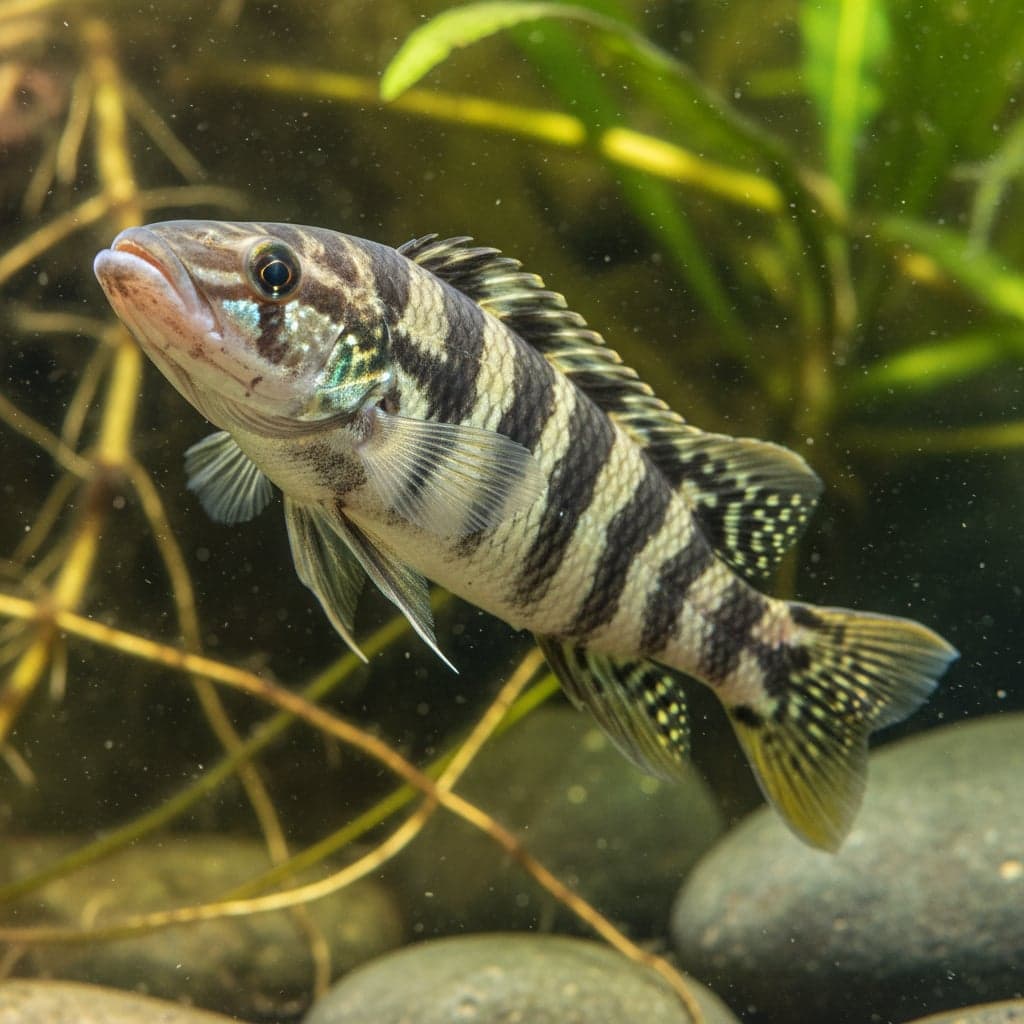
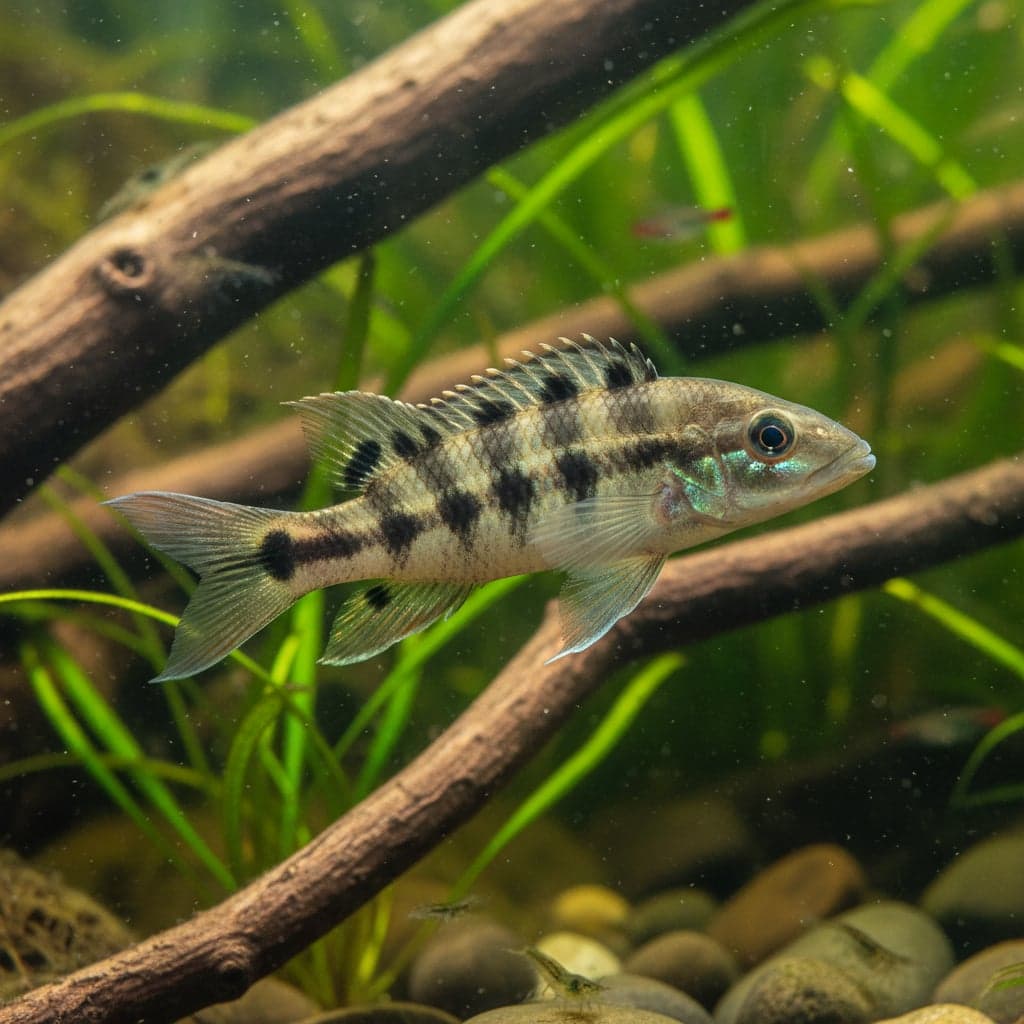
A spectacularly beautiful, elongated micro-predator where the females boast brilliantly glowing dorsal spots resembling peacock eyes.
Regani Dwarf Pike Cichlid
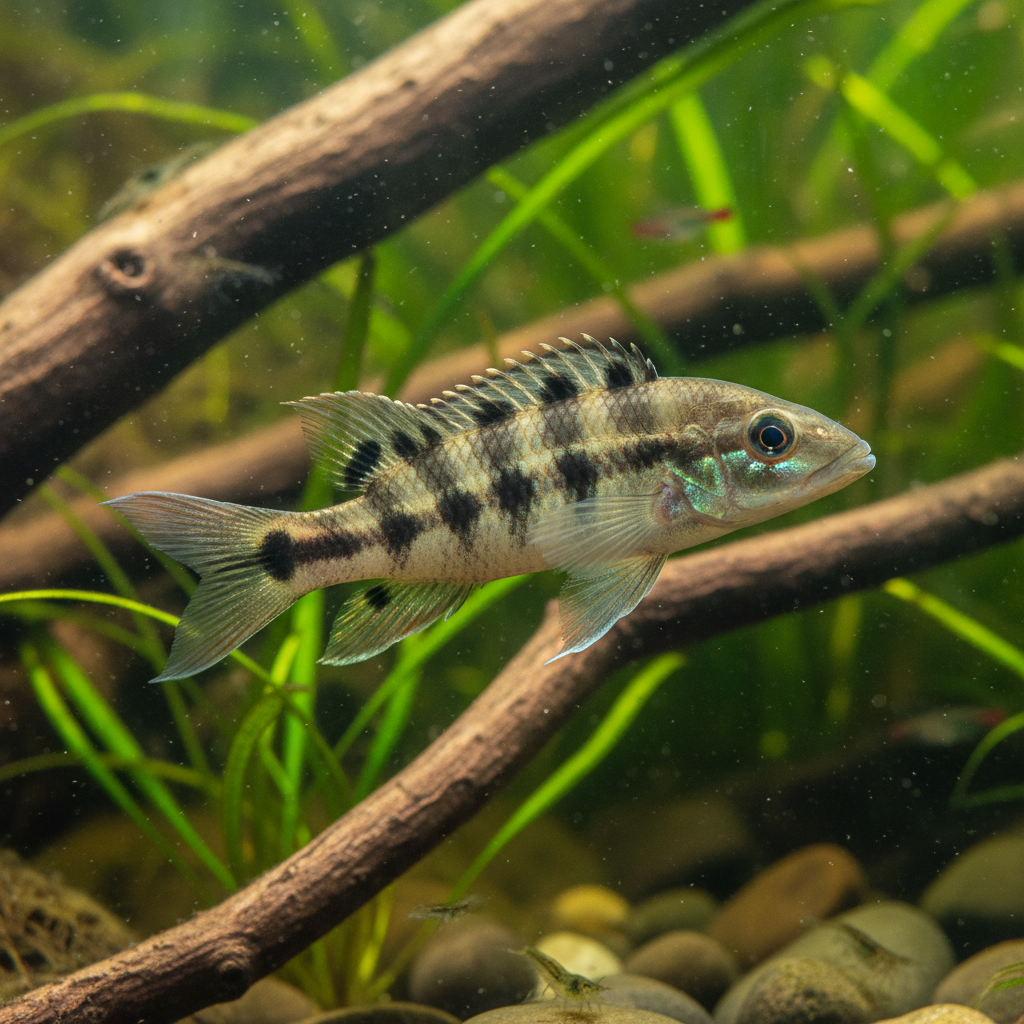
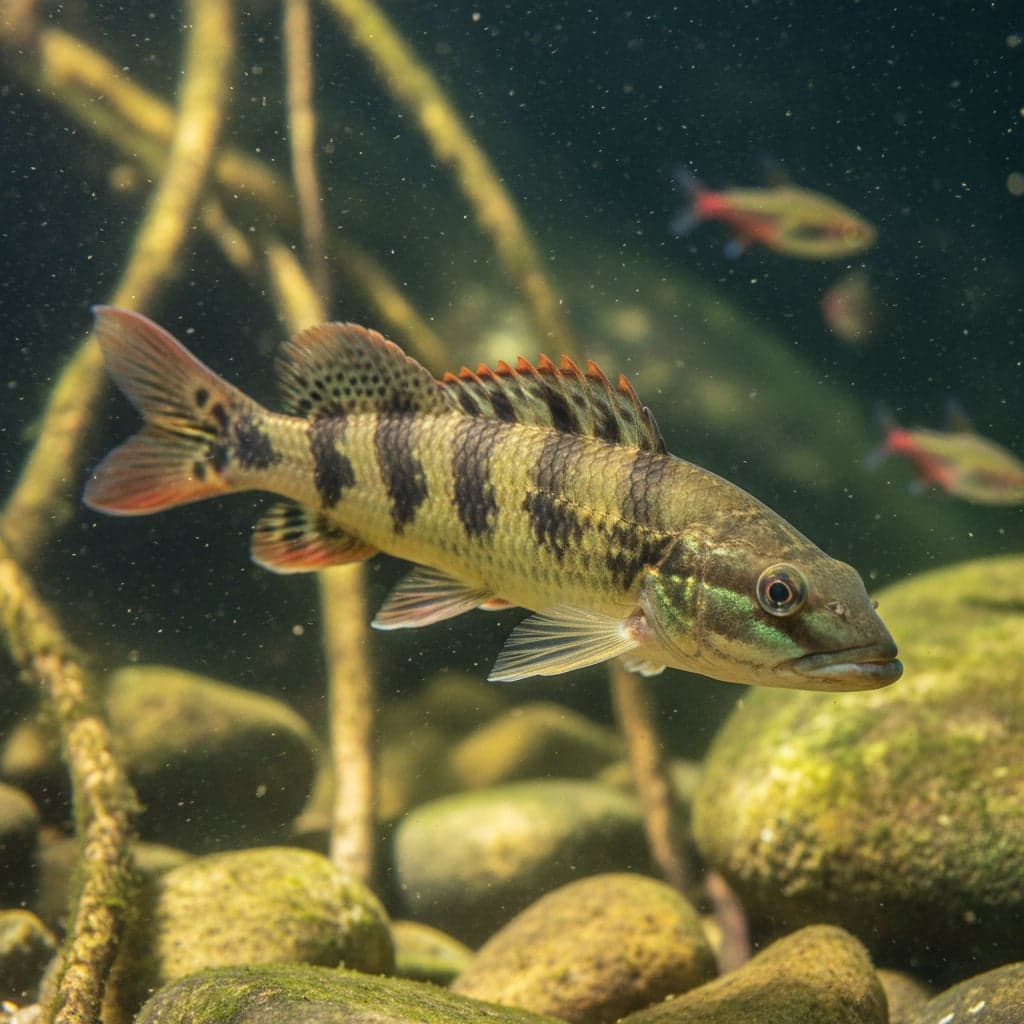
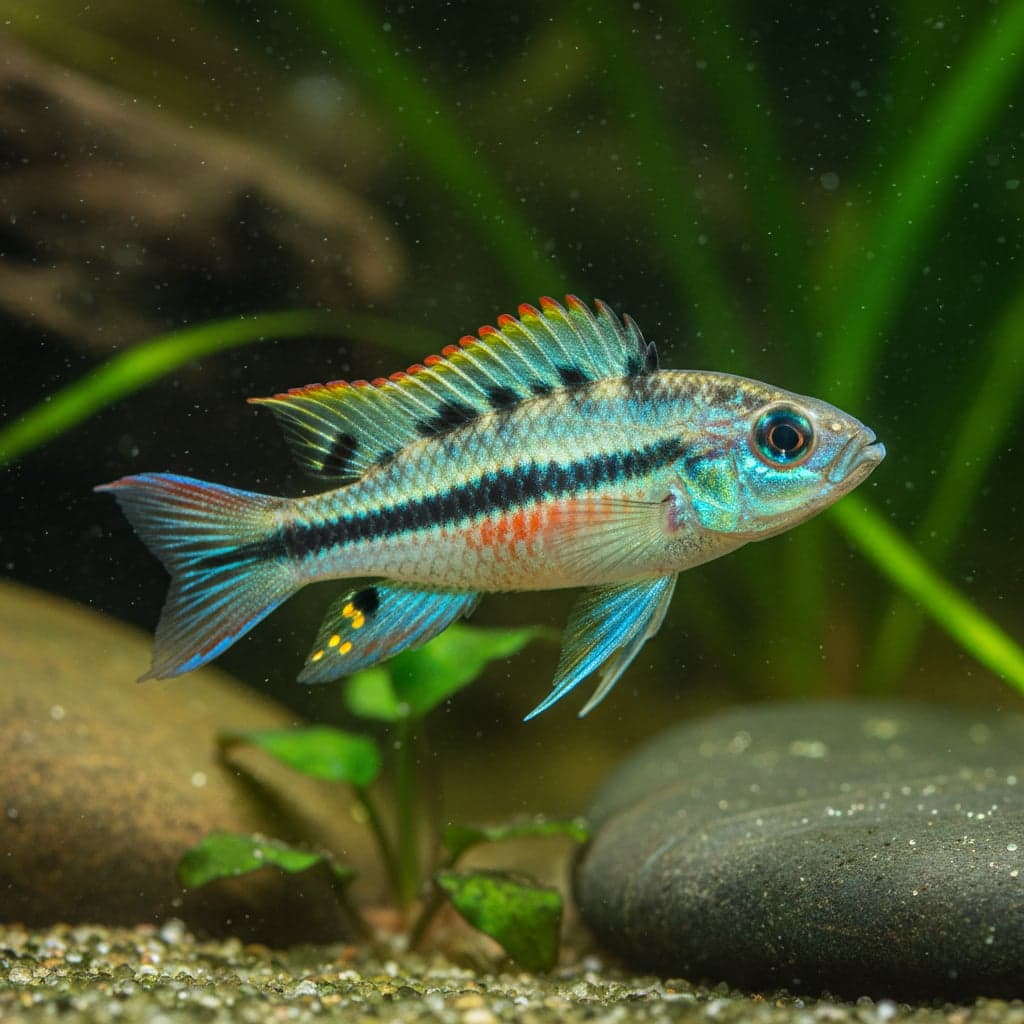
The Regani Dwarf Pike Cichlid, scientifically known as Crenicichla regani, is a captivating species that appeals to aquarists and hobbyists alike due to its striking appearance and intriguing behaviors. This small to medium-sized cichlid showcases a multitude of vibrant colors, usually exhibiting shades of yellow and orange accented with darker markings. Their elongated bodies are enhanced by their brightly colored fins, making them not only a graceful addition to an aquarium but also a fascinating subject of observation. As they mature, the Regani Dwarf Pike Cichlid possesses the potential to develop stunning patterns that create a lively interplay of colors within the aquarium.
Significant for both its beauty and its role in the aquatic ecosystem, the Regani Dwarf Pike Cichlid holds a special place in the aquarium hobby. Native to the rivers and waterways of South America, this species contributes to biodiversity while providing aquarium enthusiasts with an opportunity to explore unique behaviors associated with cichlids. Its relatively manageable size and captivating swimming patterns make it a favorite among those establishing biotope tanks or specific cichlid communities, highlighting its importance in enhancing the overall aesthetic and dynamic of an aquarium.
Natural Habitat & Origin
The Regani Dwarf Pike Cichlid is native to the waterways of the Amazon Basin, specifically found in regions of Brazil. These fish thrive in natural habitats characterized by slow-moving waters, which often feature a combination of blackwater and clearwater streams. The blackwater environment is created by leaching tannins from decaying organic matter, resulting in soft, acidic water favored by many South American fish species. The natural settings of the Regani Dwarf Pike Cichlid typically comprise underwater structures such as submerged logs, leaf litter, and dense plant growth, providing both shelter and foraging opportunities essential for their survival in the wild.
Environmental factors play a crucial role in the successful keeping of this species in captivity. The Regani Dwarf Pike Cichlid is often found in a habitat rich in driftwood and foliage, signifying its preference for a well-structured aquarium environment that mimics its natural surroundings. Replicating these conditions not only ensures the well-being of the cichlid but also encourages natural behaviors such as hiding and hunting, enhancing the overall experience for hobbyists.
Care Requirements
When it comes to caring for the Regani Dwarf Pike Cichlid, understanding its specific water requirements is vital for maintaining optimal health. The recommended water parameters include a pH of 6.0 to 7.5, a temperature range of 24°C to 28°C (75°F to 82°F), and a hardness level between 5 to 15 dGH. These conditions closely resemble the natural ecosystems from which they originate, allowing the fish to thrive in a stable and conducive environment.
Setting up the ideal tank for the Regani Dwarf Pike Cichlid requires a minimum size of 75 gallons to provide ample swimming space and territorial boundaries. The substrate should consist of fine gravel or sand, mimicking the soft bottom of their natural habitat. As cichlids are accustomed to moderate lighting in the wild, a well-planned setup with subdued lighting combined with plants like Anubias and Java Moss will not only create hiding spots but also foster a sense of security for the fish. Additionally, including driftwood and rocks can create caves and visual barriers, allowing for social interactions as well as solitary behavior.
Diet & Feeding
The Regani Dwarf Pike Cichlid is primarily carnivorous, with a diet consisting of smaller fish, invertebrates, and various meaty foods in the wild. In captivity, providing a balanced diet is essential to ensure their health and vibrancy. High-quality flakes and pellets designed for carnivorous cichlids are excellent staples but should be supplemented with a variety of frozen foods such as brine shrimp, bloodworms, and daphnia to mimic their natural feeding habits. Live foods can also be offered occasionally to stimulate hunting behaviors and promote health.
When feeding the Regani Dwarf Pike Cichlid, it is essential to monitor portion sizes carefully, as overfeeding can lead to health issues. A feeding schedule of once or twice daily with sufficient variety will help maintain their vibrant colors and active temperament. Additionally, it is advisable to remove uneaten food promptly to maintain water quality and prevent disease.
Behavior & Temperament
The Regani Dwarf Pike Cichlid exhibits a relatively territorial behavior typical of many cichlids, making it essential for aquarists to understand their social dynamics. They are generally more solitary when swimming, often patrolling their chosen territory, but may display social interactions, particularly during breeding or when kept in pairs. While not overly aggressive, they can exhibit aggressive behaviors towards other cichlids or similar-sized fish, especially if space is limited. It is advisable to maintain adequate hiding spots within the aquarium to minimize aggression and provide retreat options for more timid species.
In terms of vertical placement within the tank, these cichlids enjoy occupying various levels of the aquarium, often exploring the middle to upper water columns for prey. Providing a well-structured environment with plenty of spaces to explore and hide can encourage natural behaviors, allowing them to thrive in a community setting when paired with compatible species.
Tank Mates
Choosing suitable tank mates for the Regani Dwarf Pike Cichlid can greatly enhance the aquarium experience while minimizing potential aggression. Compatible species include other moderately sized cichlids, such as certain Apistogramma or smaller Geophagus species, and peaceful larger fish like tetras or rainbowfish that can coexist within the same water parameters. Additionally, bottom-dwelling species like Corydoras or various shrimp can help maintain the ecosystem without infringing upon the cichlids' territories.
On the other hand, caution should be taken with aggressive or overly large species, as these may provoke unwanted stress or territorial disputes. Fish such as larger cichlids, aggressive barbs, or overly active species should be avoided to create a harmonious environment that promotes peace among all tank inhabitants.
Breeding
Breeding the Regani Dwarf Pike Cichlid in captivity can be a rewarding experience for aquarists. These cichlids are substrate spawners and exhibit interesting courtship behaviors that typically involve the male performing displays to attract the female. To create the ideal breeding conditions, provide a breeding pair with a well-structured tank that includes flat rocks or slate where the female can lay her eggs. The temperature should be maintained at the higher end of their preferred range (around 28°C or 82°F) with slightly acidic water, which stimulates spawning activity.
During the breeding process, the female lays eggs that the male usually fertilizes, followed by both parents guarding the territory and protecting their offspring. After hatching, the fry can be raised on infusoria or finely crushed flakes until they are large enough to consume larger food items. Providing a separate rearing tank can also increase the survival rates of the young, as the parents may become territorial during this crucial period.
Common Health Issues
Like many species, the Regani Dwarf Pike Cichlid can be susceptible to several common health concerns. One notable issue is ich (Ichthyophthirius multifiliis), a parasitic disease characterized by white spots on the skin and gills. Fin rot and bacterial infections can also appear when water quality declines or the fish is stressed by unsuitable tank mates. Stable soft, acidic water, a meaty diet, and quarantine of new arrivals help keep this dwarf pike healthy.