Banded Tiger Loach: Syncrossus helodes
A beautiful but aggressive loach. Known for its vertical stripes and feisty attitude.
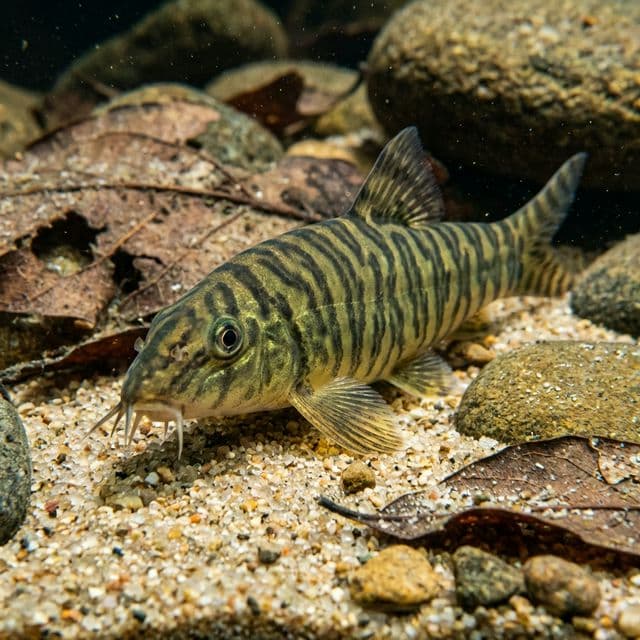
Banded Tiger Loach
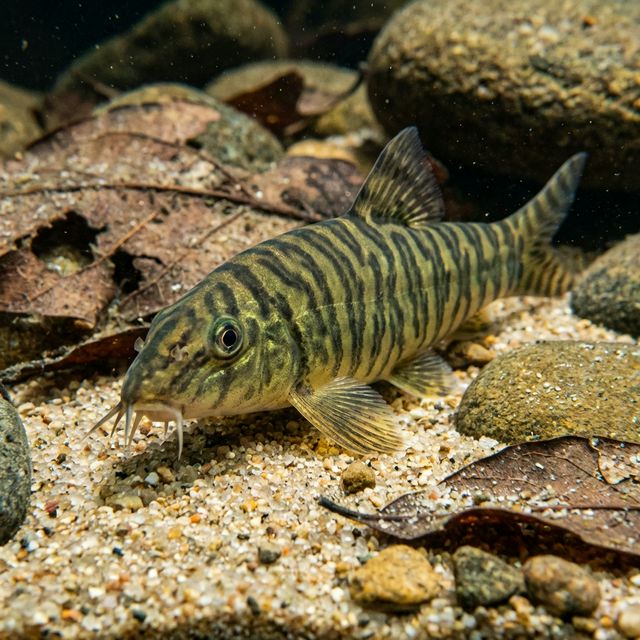
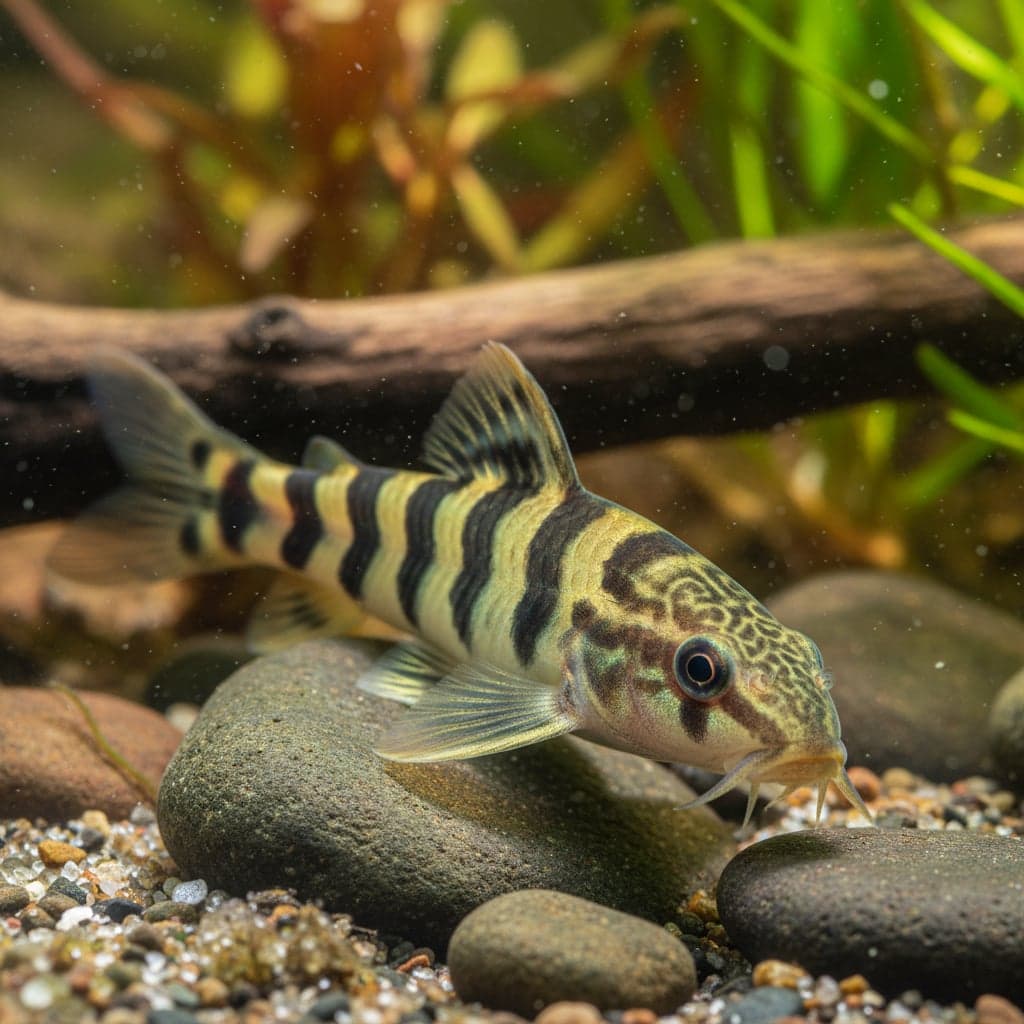
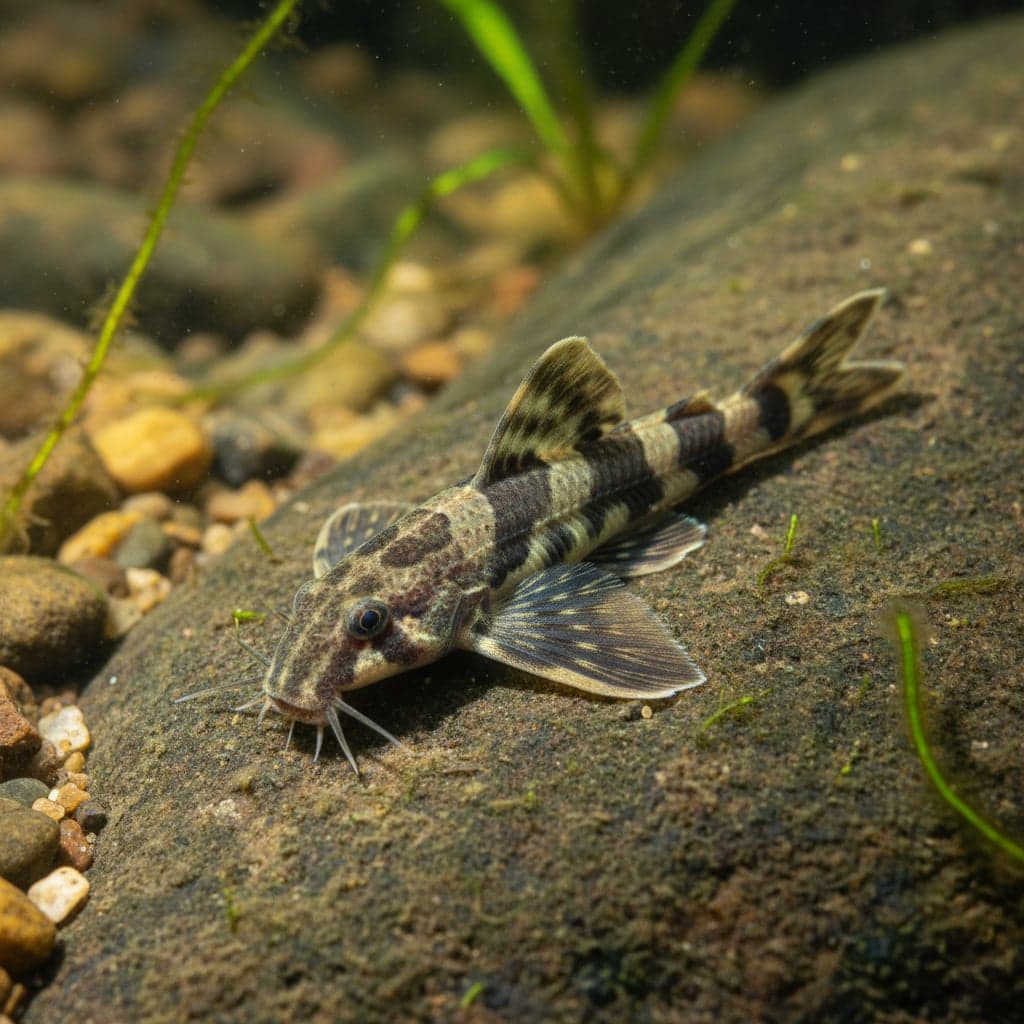
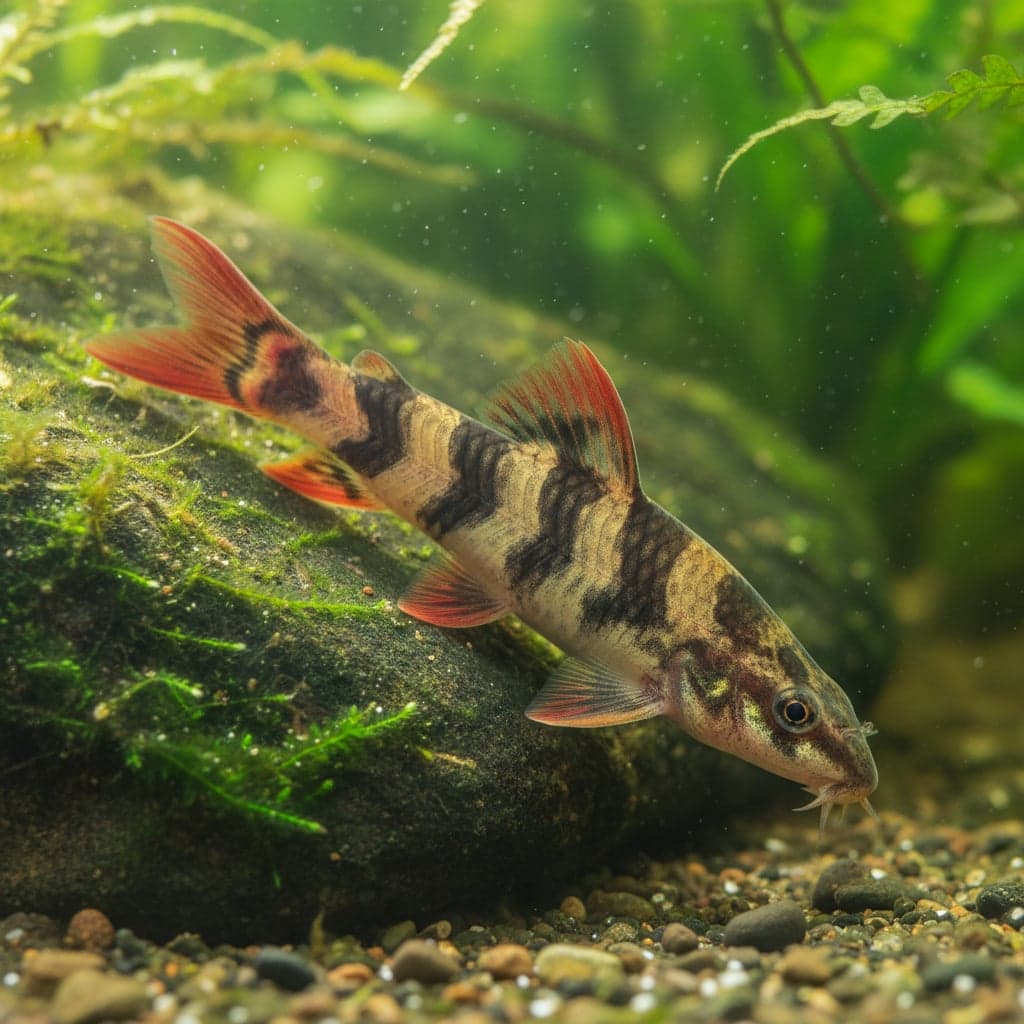
The Banded Tiger Loach (Syncrossus helodes), renowned for its striking visual appeal, is a remarkable freshwater fish that captivates aquarists with its bold coloration and lively behavior. Characterized by its distinctive bands of dark brown to black that contrast beautifully against a sandy or light brown background, this loach typically reaches a length of about 6 inches. Its elongated body and unique coloration make it a standout species in any community aquarium. The vibrant patterns and lively darting movements add a dynamic charm to tank environments, which has made it a favorite among both novice and experienced hobbyists.
In the aquarium hobby, the Banded Tiger Loach holds significance not just for its aesthetic features, but also for its engaging behaviors. Known for its playful nature, this loach displays a curious and active demeanor, often spending much of its time exploring the substrate. As a bottom dweller, it encourages the availability of diverse aquatic landscapes, making it a wonderful addition to biotope setups that mimic its natural habitat. The Banded Tiger Loach's adaptability and unique foraging habits underscore its importance in an aquarium, often serving as a natural cleaner by scavenging uneaten food and detritus from the tank floor.
Natural Habitat & Origin
The Banded Tiger Loach is native to the rivers and streams of Southeast Asia, primarily found in the Mekong River basin and its tributaries. This species typically inhabits areas with sandy substrates, submerged driftwood, and dense vegetation, providing it with ample hiding spots and foraging opportunities. The water in this region is often characterized as clear or slightly tinted due to organic materials, indicating that these loaches thrive in environments resembling blackwater systems. The surrounding aquatic flora and fauna contribute to a rich ecosystem that supports their dietary and behavioral needs.
In its natural habitat, the Banded Tiger Loach encounters a variety of seasonal changes, as the waters can fluctuate between rainy and dry periods. This variability influences the water parameters, which typically range from soft to moderately hard water with a neutral to slightly acidic pH. Consequently, replicating these environmental conditions in an aquarium setting plays a crucial role in the health and longevity of this species.
Care Requirements
For optimum health, the Banded Tiger Loach requires specific water parameters. The ideal pH range for this fish is between 6.0 and 7.5, with a temperature range of 75°F to 82°F (24°C to 28°C). Hardness levels should be between 5 to 15 dGH, ensuring that the water mimics its natural softwater habitat.
When setting up a tank for the Banded Tiger Loach, a minimum size of 30 gallons is recommended to provide ample swimming space and hiding spots. The substrate should consist of fine sand or smooth gravel to avoid damaging the loach's sensitive underbelly, while decorations such as caves, driftwood, and dense plant growth can create a stimulating environment. Moderate lighting is preferred, supplemented with natural decor to help alleviate stress and provide hiding spaces.
Diet & Feeding
The Banded Tiger Loach is an omnivore, thriving on a varied diet that includes both plant and animal matter. In the wild, these loaches forage for insects, worms, and detritus along the riverbed, making a diverse diet essential for their health in captivity. It is recommended to feed them high-quality sinking pellets, flakes, and frozen or live foods such as bloodworms, brine shrimp, or daphnia. A varied diet not only promotes health but also encourages natural foraging behavior, keeping the loach mentally stimulated.
To ensure optimal nutrition, it is advisable to offer a combination of food types. Offering specialized loach foods that cater to their bottom-feeding habits can also enhance feeding efficiency. Always monitor their intake, as this species can be competitive and may consume food quickly; therefore, providing multiple feeding spots can help prevent aggression and ensure all fish receive adequate nutrition.
Behavior & Temperament
The Banded Tiger Loach is known for its social and active disposition. This species is best kept in groups of at least three to four individuals, as they enjoy forming small schools. They exhibit playful interactions, often chasing one another and engaging in social behaviors, which contribute to a vibrant aquarium environment. However, it is essential to note that their activity can also lead to occasional territorial disputes, particularly among larger individuals, so providing sufficient space and hiding places is crucial.
In terms of habitat placement, the Banded Tiger Loach primarily occupies the bottom layer of the tank. They will venture mid-water occasionally, especially during feeding, but are generally considered bottom-dwellers. This vertical placement behavior allows them to sift through the substrate for food, so creating a tank that reflects this habit is beneficial.
Tank Mates
When selecting tank mates for the Banded Tiger Loach, it’s important to consider compatibility in terms of size and temperament. Suitable companions include larger tetras, barbs, and peaceful cichlids such as Apistogramma species, as these fish typically coexist peacefully and occupy different water levels. Additional compatible species might include rasboras, danios, and catfish like Corydoras, which can collectively create a balanced community tank.
On the other hand, species to avoid include aggressive fish such as cichlids that exhibit territorial behavior, small betta fish, or other loach species that may compete for resources. Keeping the Banded Tiger Loach with fin-nipping species or overly aggressive fish can lead to stress and aggression, negatively affecting the overall health of the aquarium.
Breeding
Breeding the Banded Tiger Loach in captivity is relatively rare, as specific conditions are needed to encourage successful spawning. This species generally spawns in softer water at slightly elevated temperatures of around 80°F (27°C). The presence of fine-leaved plants, such as Java moss or similar materials, provides a suitable substrate for eggs, which the females will deposit during the spawning process.
Males often engage in a courtship display, swimming around the female and nudging her sides to encourage spawning. Once the eggs are laid, both parents may display protective behaviors, but it is advisable to remove them from the breeding tank after spawning, as they might eat the eggs or fry. Ensuring water quality is maintained and providing sufficient food sources for the fry post-hatching are critical for raising healthy young Banded Tiger Loaches.
Common Health Issues
Banded Tiger Loaches can be susceptible to several common health issues, particularly if not maintained in optimal conditions. They are prone to ailments like ich, fin rot, and various parasitic infections. Stress due to overcrowded conditions or poor water quality can exacerbate these issues.
To prevent health problems, regular tank maintenance is crucial. This includes performing routine water changes, monitoring water parameters, and maintaining a well-filtered environment. Additionally, introducing any new fish gradually and quarantining them can help minimize disease transmission. Keeping an eye on their diet and using high-quality food can further enhance their immune systems, promoting overall health and longevity in the aquarium.