Bonita Cory: Corydoras orcesi
A larger, nicely patterned corydoras. Peaceful and gregarious.
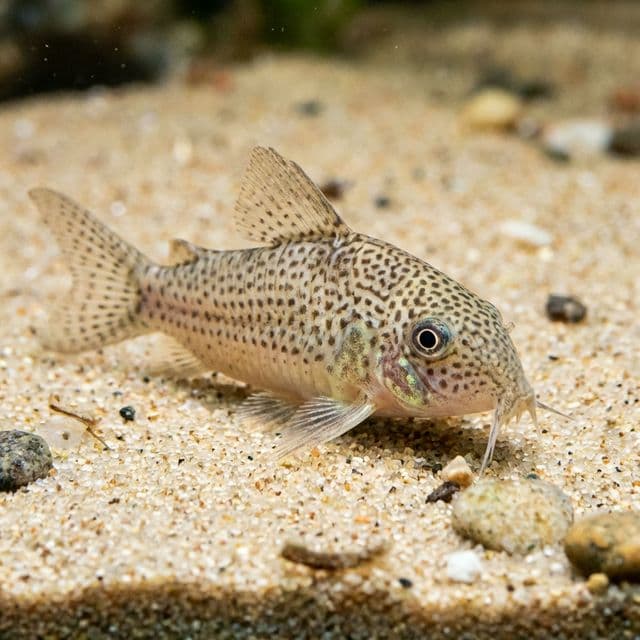
Bonita Cory
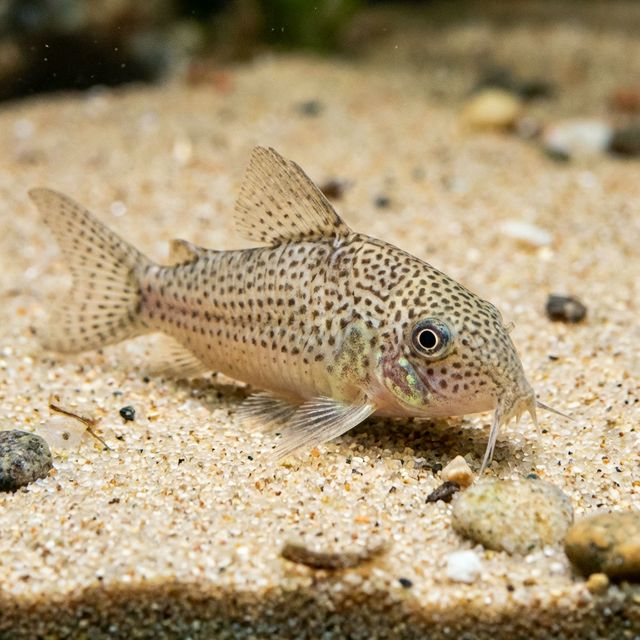
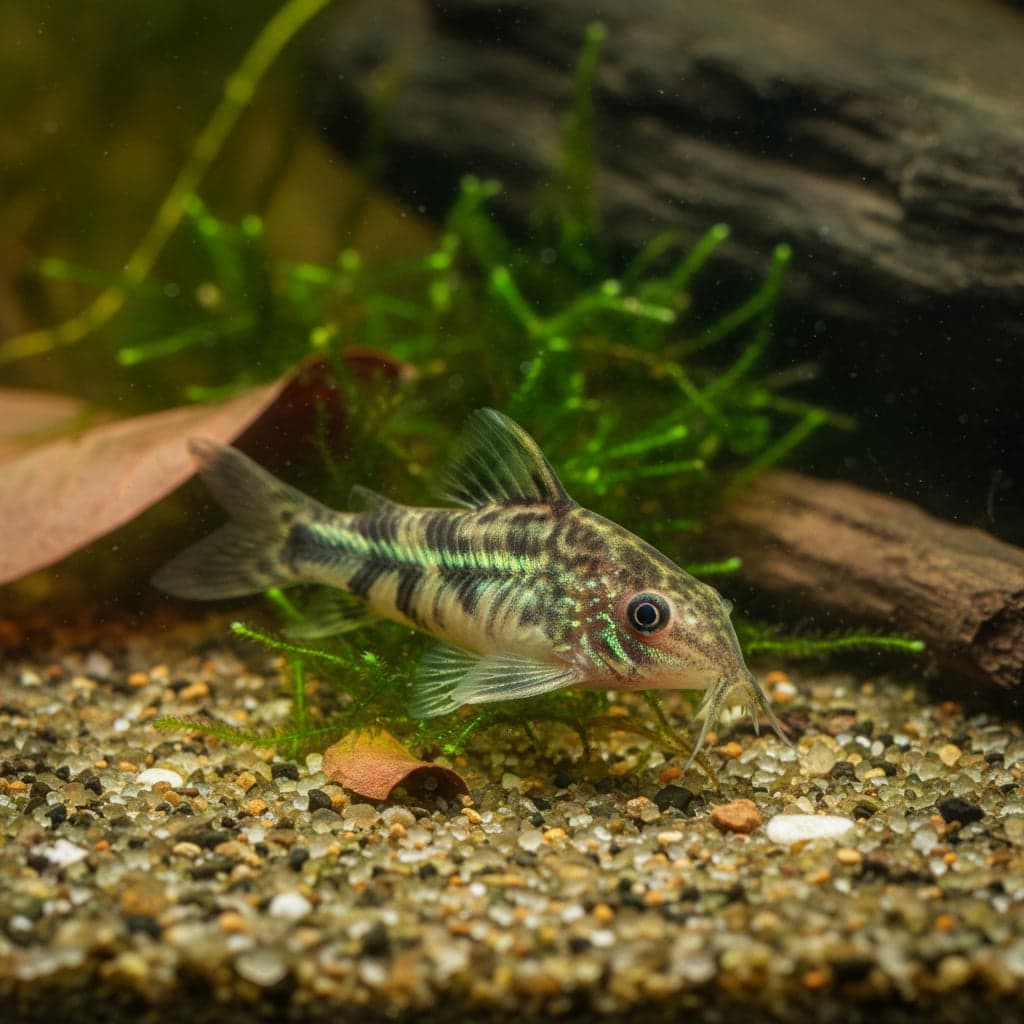
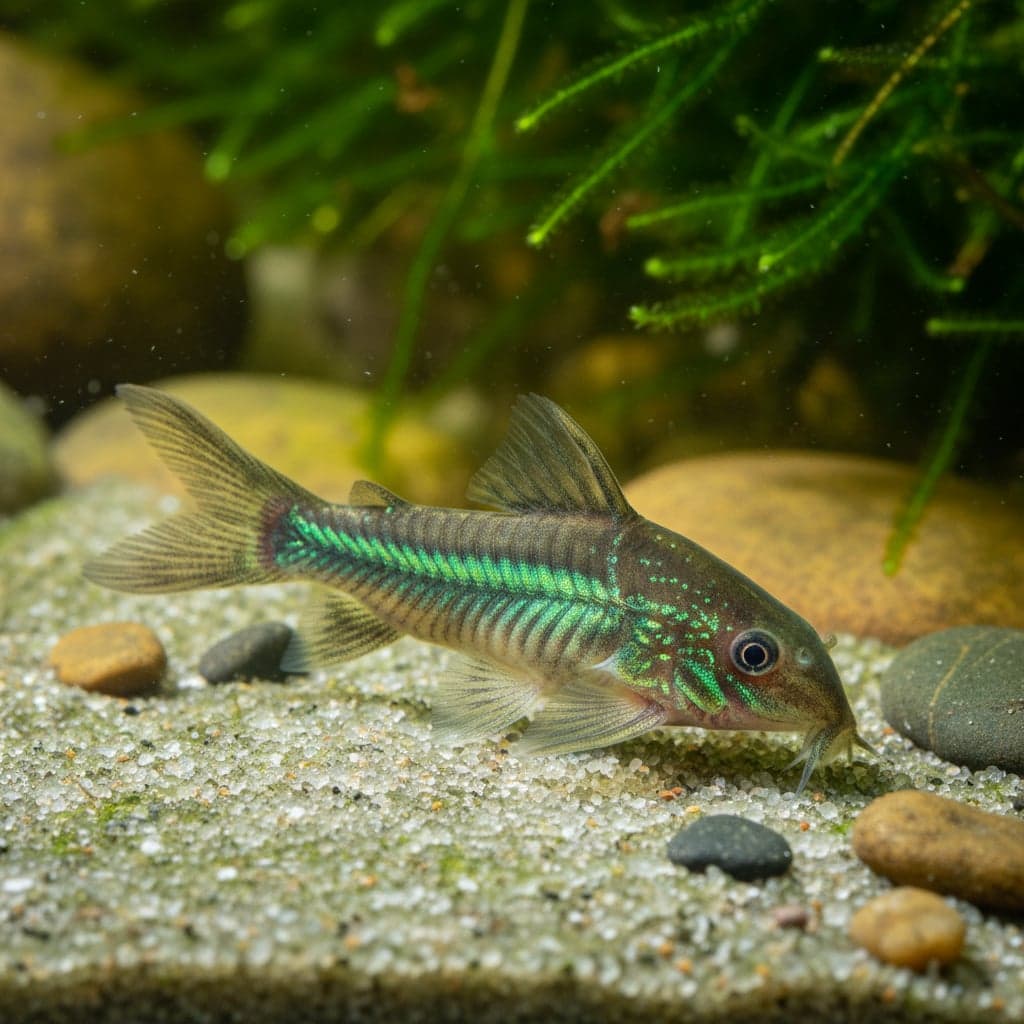
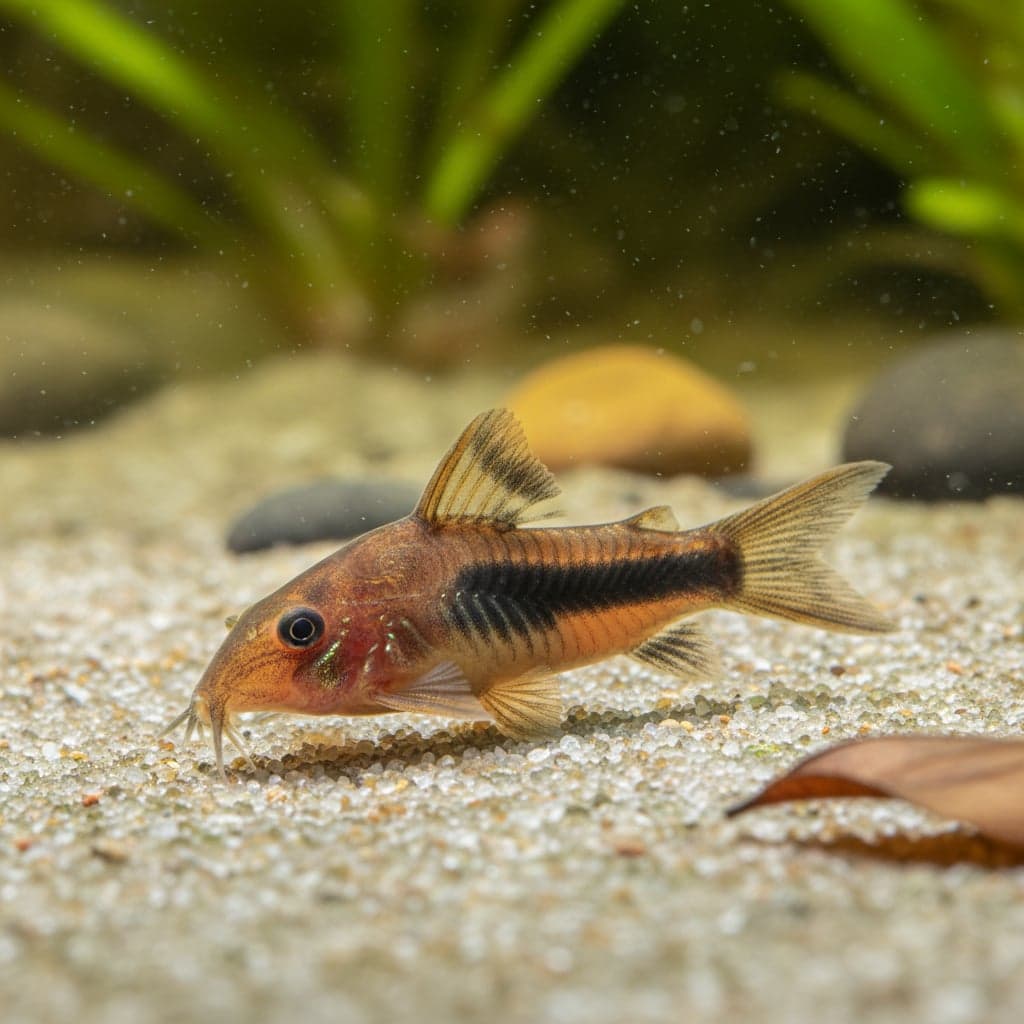
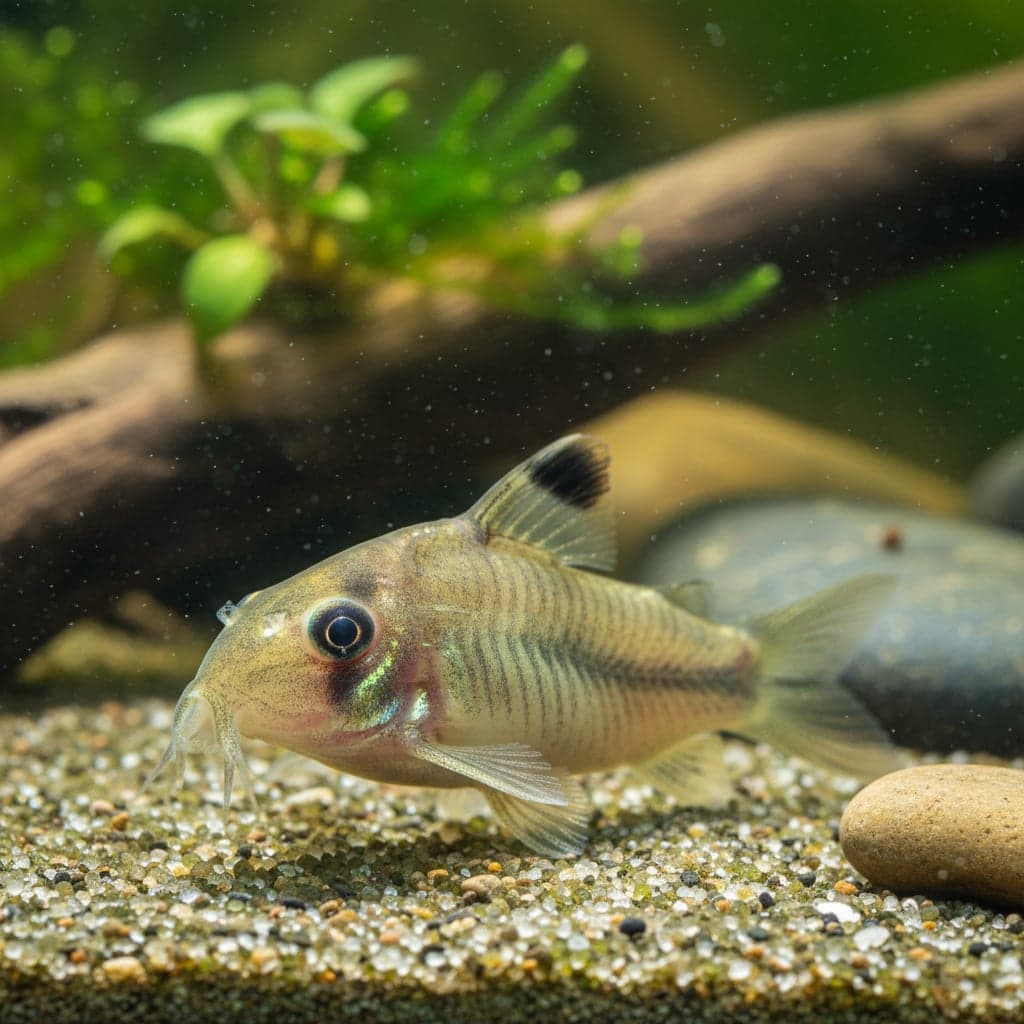
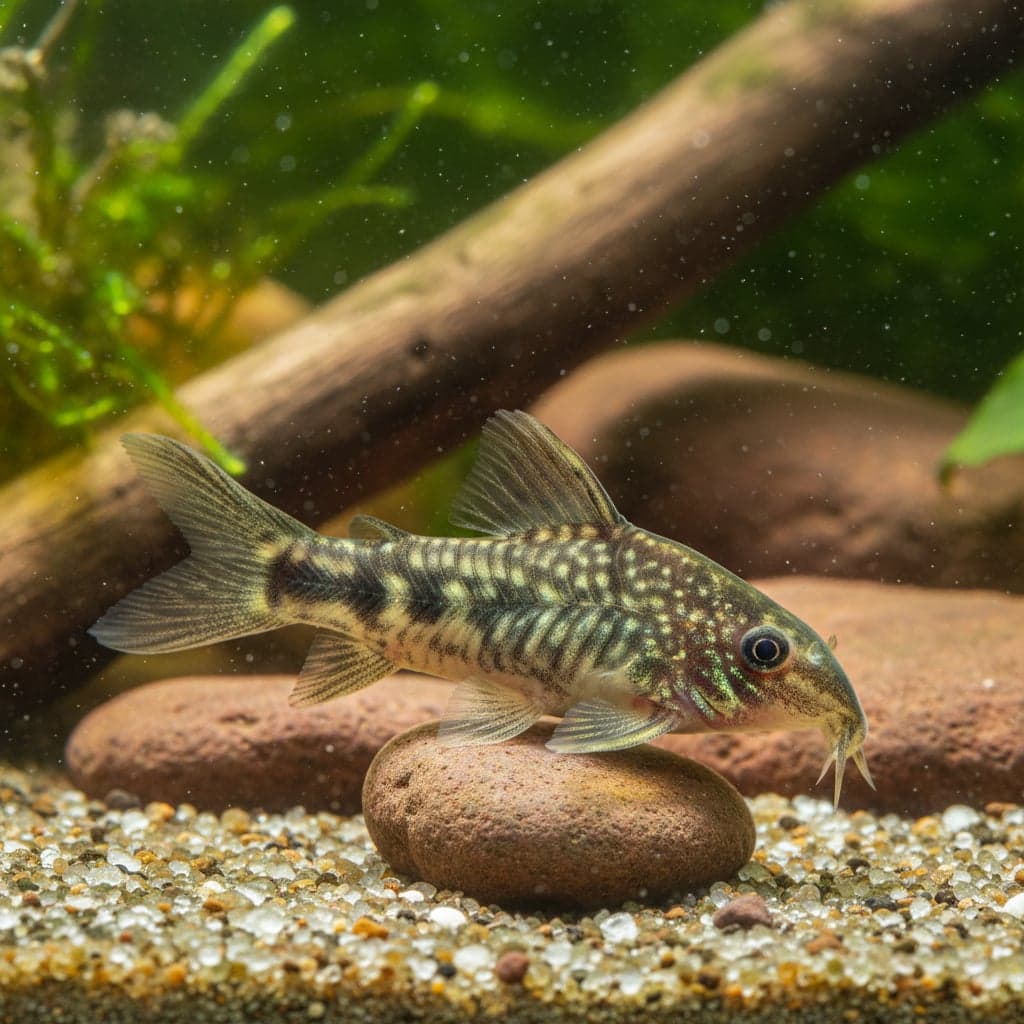
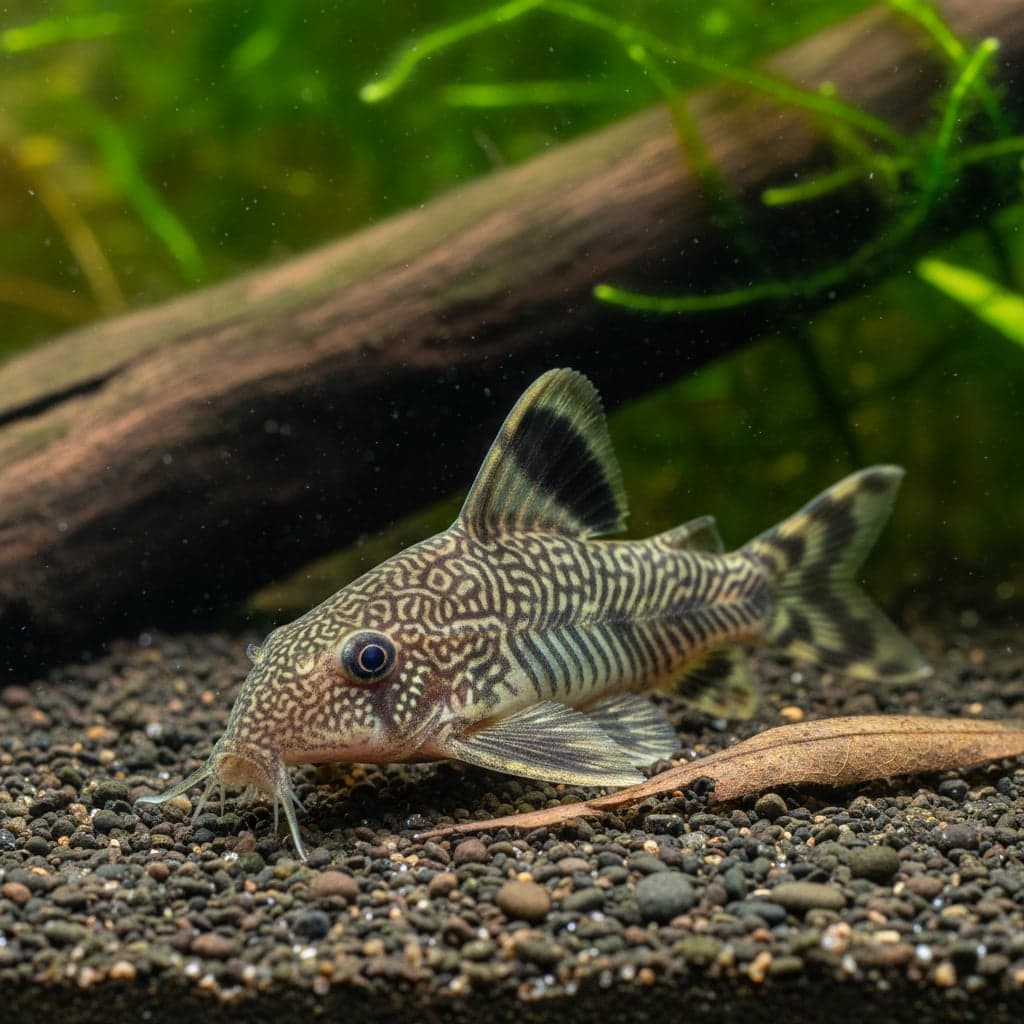
The Bonita Cory, scientifically known as Corydoras orcesi, is a visually stunning species of freshwater catfish that has gained popularity among aquarists for its unique charm and social nature. With its striking pattern of dark stripes and vibrant spots, the Bonita Cory adds an inviting splash of color to any aquarium, capturing the eyes of both novice and experienced fish keepers alike. This peaceful shoaling fish thrives in groups, making it an excellent choice for community tanks. Beyond their aesthetic appeal, Bonita Corys are also valued for their role in maintaining a clean aquatic environment, as they often scavenge for leftover food and debris on the substrate.
In the aquarium hobby, the Bonita Cory is significant not only for its beauty but also for its easy care and hardiness, which make it an ideal choice for those looking to establish a friendly and active community tank. Their engaging behavior, which includes playful darting and foraging, enriches the lively dynamics of the aquarium. Additionally, the Bonita Cory is essential for beginners to learn the fundamentals of caring for fish and maintaining a balanced eco-system, making it a gateway species for those keen on exploring the diverse world of freshwater aquariums.
Natural Habitat & Origin
The Bonita Cory hails from the lush waterways of Peru and Ecuador, primarily inhabiting slow-moving rivers and streams within the Amazon Basin. These water bodies are characterized by their blackwater conditions, where the water is tinted brown with tannins from decomposing leaf litter and organic material. This rich ecological niche provides the Bonita Cory with essential environmental cues and nutrients, allowing it to thrive in its natural habitat. The substrate in these regions often consists of soft sediments, coupled with thick vegetation—elements that bolster the fish's health and behavior.
In their native environment, Bonita Corys are typically found in warm waters with stable temperatures ranging from 24°C to 28°C (75°F to 82°F). The water in their ecosystem tends to be slightly acidic to neutral, with pH levels ranging from 6.0 to 7.2. Such parameters create a perfect backdrop for the Bonita Cory to flourish and are crucial for replicating their habitat in aquarium settings to ensure their well-being.
Care Requirements
Caring for Bonita Corys requires attention to specific water parameters to mimic their natural habitat. The ideal pH range is between 6.0 to 7.2, with temperatures maintained between 24°C and 28°C (75°F to 82°F). The hardness of the water should be kept between 2 to 15 dGH, ensuring optimal health for these sensitive fish.
When setting up a tank for Bonita Corys, a minimum size of 20 gallons is recommended to accommodate at least a small group of these social fish, as they thrive in communities. A soft, sandy substrate is ideal, allowing them to forage naturally without injuring their delicate barbels. It is advisable to include plenty of hiding spots, such as driftwood, caves, and dense plant growth, as well as gentle, diffused lighting to create a comfortable environment. Live or artificial plants can provide cover and mimic their natural ecosystem, enhancing their sense of security.
Diet & Feeding
Bonita Corys are opportunistic omnivores, enjoying a varied diet that encompasses both plant and animal matter. In the wild, they forage on small invertebrates, decaying plant material, and detritus. To ensure their health and vitality in captivity, it is crucial to provide a balanced diet. High-quality sinking pellets and flakes form a solid base, but supplementing their diet with frozen or live foods such as brine shrimp, daphnia, and earthworms will promote essential nutrients and stimulate their natural foraging behaviors.
It is important to feed Bonita Corys in small amounts that they can consume within a few minutes, which not only prevents overfeeding but also encourages their instinctual scavenging behavior. Ensuring a varied diet helps maintain their health and prevents nutritional deficiencies.
Behavior & Temperament
The Bonita Cory is known for its peaceful and friendly disposition, making it an excellent addition to community tanks. This species exhibits social behavior and displays a strong inclination to form schools—preferably in groups of six or more, which can reduce stress and create a more vibrant tank atmosphere. They are most commonly found at the bottom of the aquarium, where they engage in charming foraging activities.
Bonita Corys typically exhibit no aggressive tendencies towards fellow tank mates but may display some skittishness in the presence of larger or boisterous fish. They prefer structured spaces in the aquarium but can often be observed darting up to the mid-level of the tank in search of food before returning to the substrate. Their active and playful nature not only enhances their own quality of life but also contributes to a dynamic and engaging underwater environment.
Tank Mates
When selecting compatible tank mates for Bonita Corys, it is essential to choose peaceful species that coexist harmoniously within a community setup. Ideal companions include small to medium-sized fish such as guppies, neon tetras, and rasboras. Additionally, other types of peaceful catfish—like other species of Corydoras—can be great tank mates, fostering a sense of security and camaraderie among them.
Species to avoid include aggressive or larger fish that may see the Bonita Cory as potential prey, such as cichlids or larger barbs. Additionally, bottom-dwelling fish that may compete for food or territory can lead to undue stress for Bonita Corys. Proper research and careful selection of tank mates are crucial for creating a thriving community aquarium.
Breeding
Breeding Bonita Corys in captivity can be a rewarding challenge, but it requires specific conditions to be successful. These fish typically spawn during the evening hours, displaying courtship behaviors that involve males chasing females and leading them to suitable spawning sites, often in fine-leafed plants or flat surfaces where eggs can adhere.
To encourage spawning, it’s advisable to create optimal conditions by slightly lowering the water temperature and performing frequent water changes to simulate the rainy season in their natural habitat. Providing high-quality spawning mops or dense vegetation aids in the egg-laying process. Once eggs are laid, the parents should be removed to prevent them from consuming the eggs. After a few days, the eggs will hatch, and the fry should be fed with small, nutritious foods to ensure growth and survival.
Common Health Issues
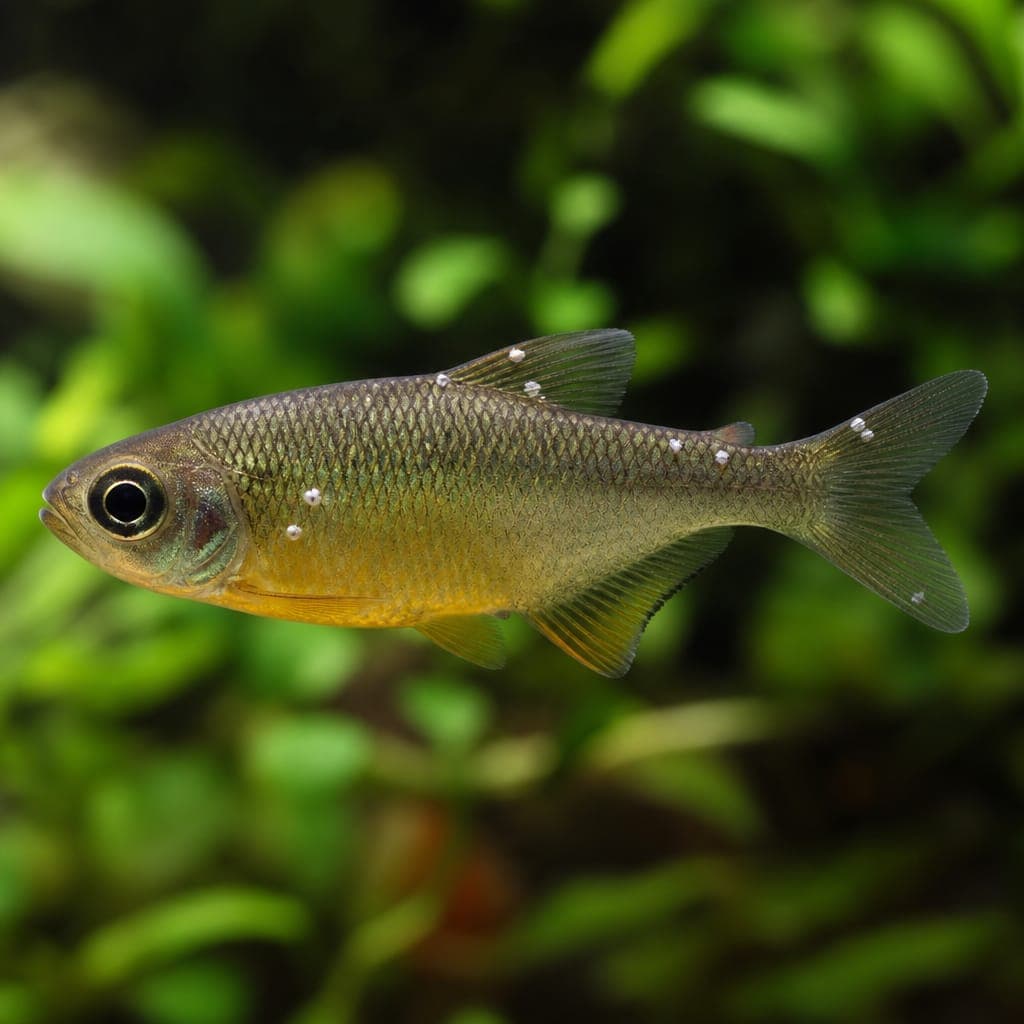
Bonita Corys are generally hardy fish, but they can be susceptible to a few common health issues typical of freshwater fish. One of the most frequent concerns is Ichthyophthirius multifiliis, also known as "ich," which appears as white cysts on their skin and fins, leading to itching and stress. Maintaining good water quality and adding aquarium salt can help prevent this condition.
Other potential health issues include bacterial infections, fin rot, and clamped fins, often caused by subpar water conditions or stress. To minimize disease risk, regular tank maintenance, including water testing and changes, should be a priority. Additionally, quarantining new fish before introducing them into the community tank can prevent the introduction of pathogens.
By understanding the specific needs and characteristics of the Bonita Cory, aquarists can enjoy a thriving tank that showcases the natural beauty and playful behavior of these enchanting catfish for many years. Watch for white spots, reddened barbels, clamped fins, or labored breathing, and treat promptly while improving substrate cleanliness and water quality. Soft sand, gentle filtration, and a varied sinking diet further support immunity. Quarantine newcomers and avoid sharp gravel that damages sensitive whiskers. With stable parameters and a proper school, Bonita Corys remain playful, hardy bottom dwellers that enrich any peaceful community aquarium.