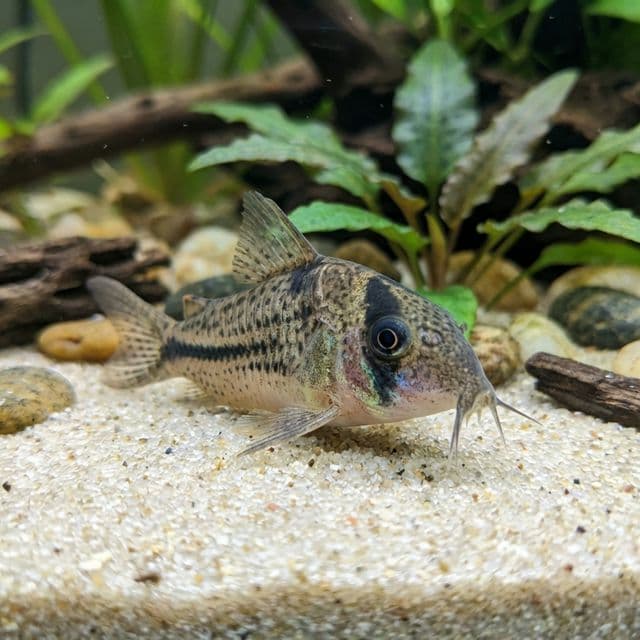
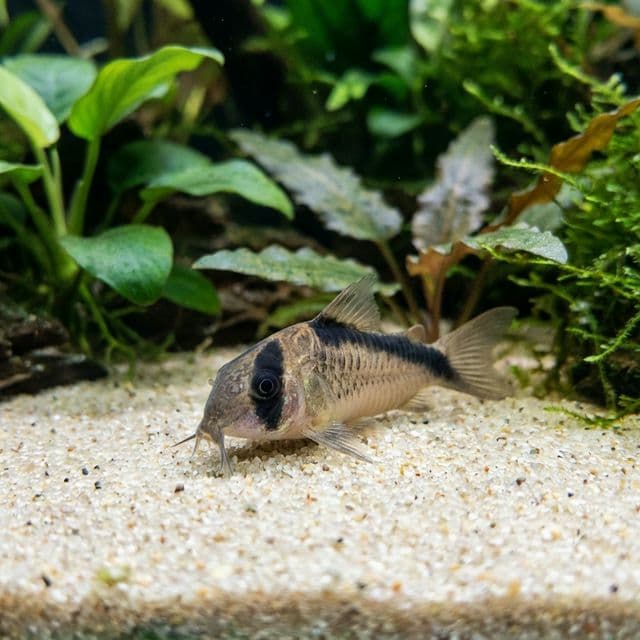
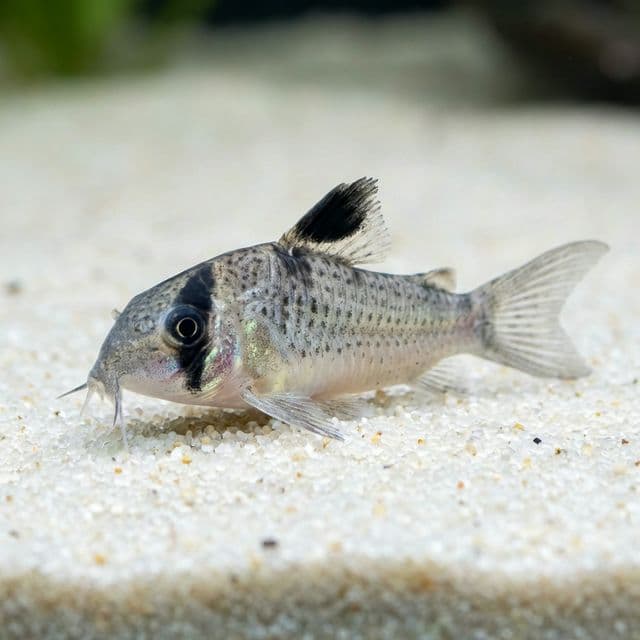
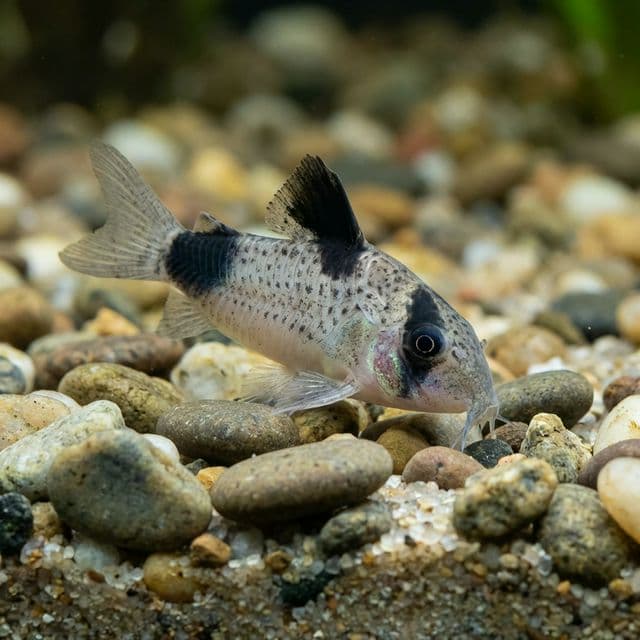
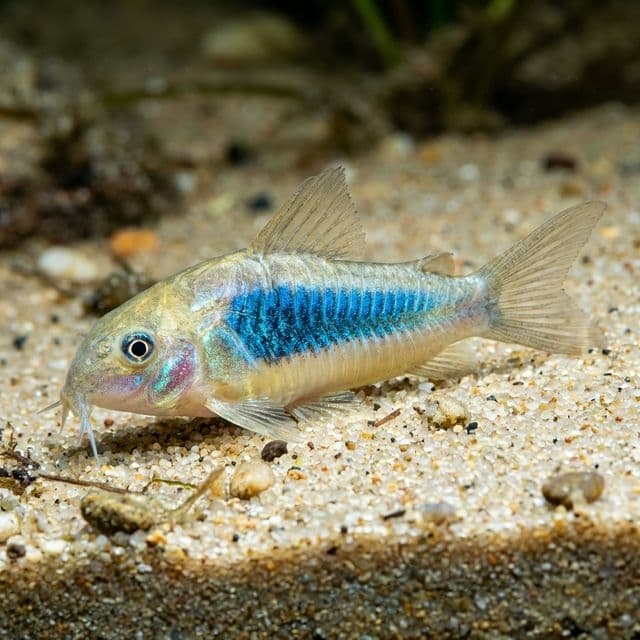
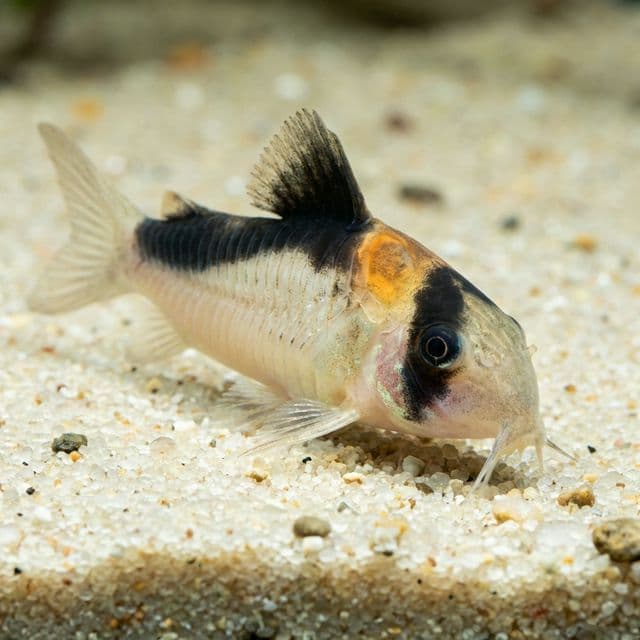
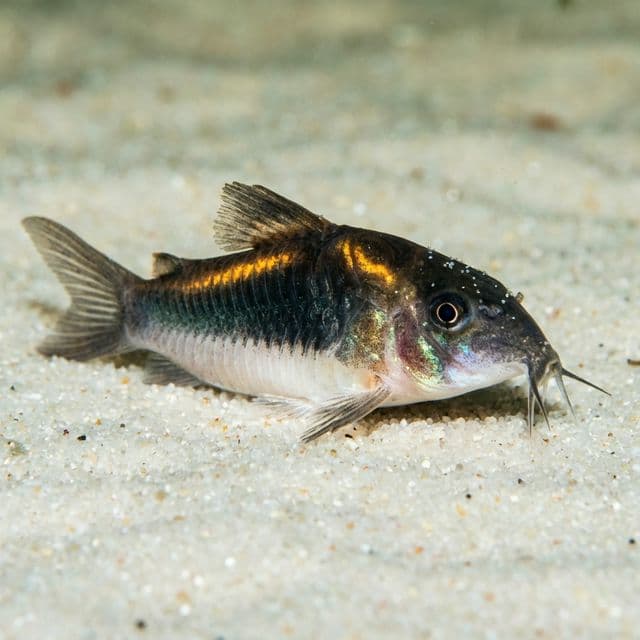
Cory CW107: Hoplisoma sp. CW107
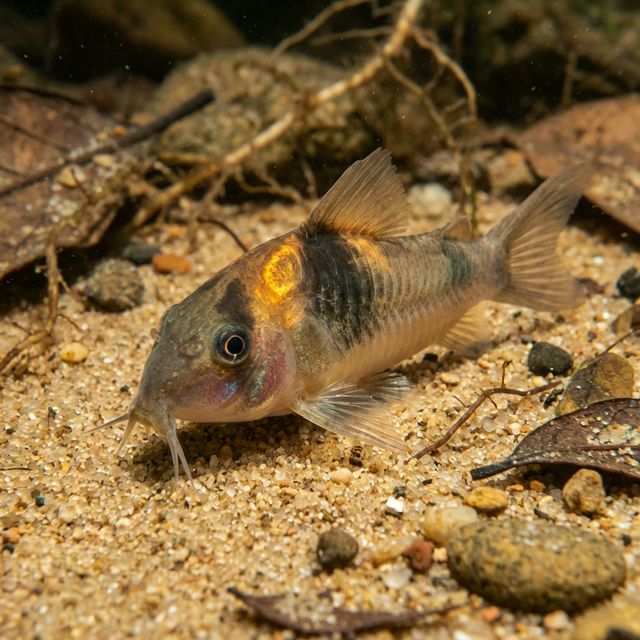
An undescribed corydoras species assigned CW107. Attractive and peaceful bottom dweller.
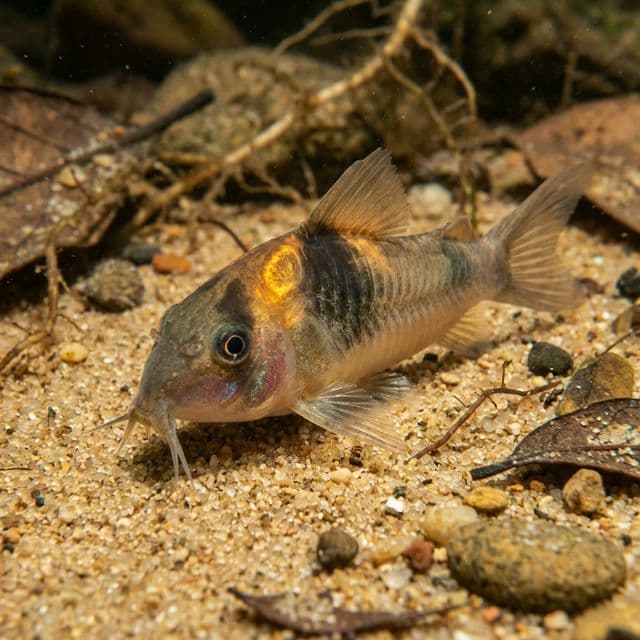
Hoplisoma sp. CW107
Hoplisoma sp. CW107, commonly known as Cory CW107, is a captivating freshwater fish that belongs to the family Callichthyidae, known for its unique physical characteristics and behavior. This species is particularly appealing to aquarists due to its striking coloration patterns, which can include a harmonious blend of browns, blacks, and subtle iridescent hues. The fish features a robust body shape that is typical of many corydoras, exhibiting a cute demeanor that makes it a popular choice in home aquariums. Cory CW107 is not only visually appealing but also serves a significant role in the ecosystem of any aquarium by exhibiting natural behaviors that promote substrate aeration and contribute to the overall cleanliness of the habitat.
In the aquarium hobby, the Hoplisoma sp. CW107 has garnered attention for its friendly disposition and social nature, often swimming in groups and interacting harmoniously with other community species. Its gentle temperament makes it ideal for beginners and seasoned aquarists alike who appreciate a species that showcases behaviors such as bottom-foraging and social bonding within its school. As one of the lesser-known corydoras species, it presents an exciting opportunity for enthusiasts eager to broaden their aquatic biodiversity while maintaining an engaging and dynamic aquarium environment.
Natural Habitat & Origin
The Hoplisoma sp. CW107 originates from the rich aquatic ecosystems of South America, specifically found in tributaries and floodplains of the Amazon Basin. The natural habitat where these fish thrive is characterized by blackwater environments, which are typically acidic, dark-stained waters that result from the decomposition of organic matter in the surrounding rainforest. These environments provide a diverse range of plant and microbial life essential for the foraging needs of Cory CW107, allowing it to flourish in both natural conditions and thoughtfully designed aquarium settings.
The water in these areas is usually soft with a low pH, supporting the growth of various aquatic plants that serve as shelter and foraging ground. Their presence in slow-moving waters filled with leaf litter and organic debris highlights their adaptability and resilience, making them a fascinating addition to both biotope and community aquariums.
Care Requirements
To ensure the optimal health of your Hoplisoma sp. CW107, it is important to replicate its natural habitat in captivity. This species thrives in water with a pH range of 5.5 to 7.5, a temperature between 24°C to 28°C (75°F to 82°F), and soft to moderately hard water (3-12 dGH). A minimum tank size of 50 liters (approximately 13 gallons) is recommended for a small group, as these fish are social creatures that prefer to be in schools.
When setting up the tank, opt for dark substrates that mimic their natural environment, and incorporate plenty of hiding spots using driftwood and leaves to create a comfortable habitat. Low to moderate lighting is ideal, as it helps replicate the dim conditions of their native waters. Additionally, incorporating live plants, such as Anubias or Java Fern, can provide essential cover while improving the overall aesthetics of the tank.
Diet & Feeding
The Hoplisoma sp. CW107 is classified as an omnivore, requiring a balanced diet for optimal health. In captivity, they benefit from a varied diet that includes high-quality flakes, pellets, and freeze-dried foods. Additionally, they appreciate a selection of live or frozen foods such as bloodworms, daphnia, and brine shrimp that provide essential nutrients and stimulate natural foraging behaviors.
To ensure a complete diet, it is essential to provide sinking pellets specifically formulated for bottom-dwelling fish. Regularly alternating between different food types will help replicate the varied diet they would encounter in their natural habitat, promoting overall health and well-being.
Behavior & Temperament
Cory CW107 is known for its peaceful demeanor and sociable nature, making it an ideal addition to community tanks. These fish are schooling species and thrive in groups of six or more, where they engage in playful interactions and establish social hierarchies. They spend their time primarily at the bottom of the aquarium, often scavenging for food among substrate foliage.
Cory CW107 are non-aggressive, which allows them to coexist peacefully with a variety of species. However, they can become shy or withdrawn if kept in small numbers or housed with overly aggressive tank mates. Thus, they thrive best in a well-populated environment where they feel secure to explore their surroundings actively.
Tank Mates
When selecting tank mates for the Hoplisoma sp. CW107, it is crucial to choose species that share similar water requirements and exhibit harmonious social behaviors. Compatible tank mates include other peaceful community fish such as tetras, rasboras, and guppies. Certain species of small barbs, like the cherry barb, can also coexist well with Cory CW107.
Conversely, it is essential to avoid aggressive or larger predatory species, such as cichlids or larger tetras, that may see the Cory CW107 as a potential snack or threaten their well-being. Minimizing stress by selecting compatible tank mates will enhance the overall experience and health of both the Cory CW107 and its companions.
Breeding
Breeding Hoplisoma sp. CW107 can be a rewarding experience for dedicated aquarists. To encourage spawning behavior, it is recommended to provide optimal tank conditions: slightly cooler water with a pH around 6.0 and abundant hiding places. A separate breeding tank can further enhance the success of the endeavor.
During spawning, the females will lay adhesive eggs on flat surfaces like leaves or glass, often in secluded spots provided by the aquarist. It is advisable to remove the adults from the breeding tank after spawning to prevent them from consuming the eggs. The eggs typically hatch within 3-5 days, and the fry should be fed infusoria or finely crushed flakes until they grow sufficiently to be given larger food options.
Common Health Issues
The Hoplisoma sp. CW107 is generally hardy, but like all aquarium fish, it can be susceptible to various diseases. Common health issues include ich, fin rot, and bacterial infections, often resulting from poor water quality or stress. To prevent these ailments, it is essential to maintain a clean and well-filtered aquarium, perform regular water changes, and closely monitor the water parameters.
Additionally, providing a stable environment with minimal aggression from tank mates will help reduce stress levels. In the event of illness, early detection and prompt action are key to successfully treating the diseases common to this species. Regular observation and a proactive approach to tank management can keep your Cory CW107 thriving and healthy in captivity.