Dusky Millions Fish: Phalloceros caudimaculatus
A small, hardy livebearer. So prolific it was named "Millions Fish." Tolerates cool water.

Dusky Millions Fish
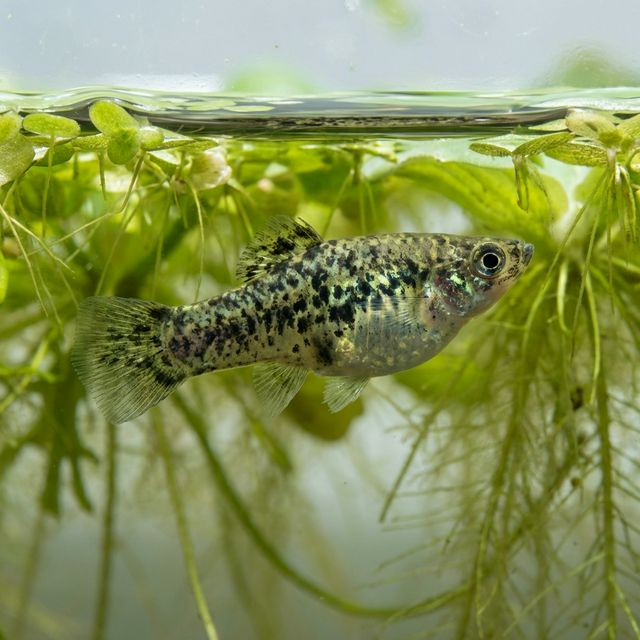
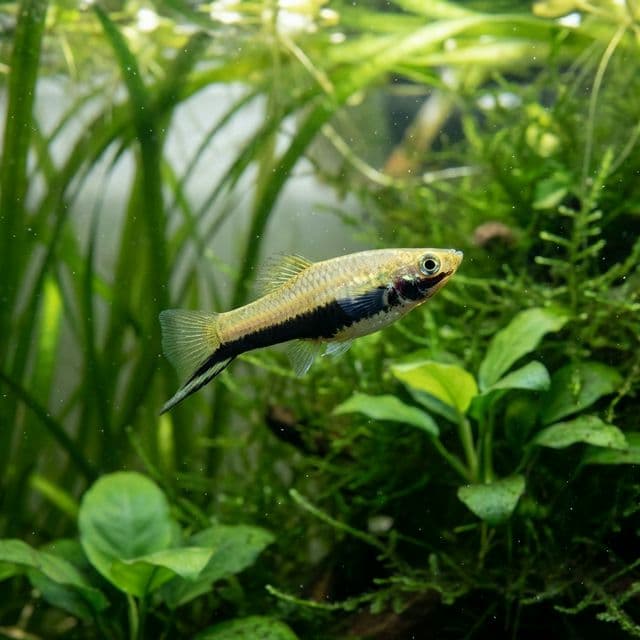
The Dusky Millions Fish (Phalloceros caudimaculatus) is a fascinating and vibrant addition to freshwater aquariums, known for its unique appearance and lively demeanor. This small fish, reaching lengths of about 2 inches, displays a captivating range of colors, typically characterized by a shimmering metallic sheen with a distinctive pattern of darker spots along its flanks. This aesthetic appeal, combined with its captivating behavior, has made the Dusky Millions Fish a favorite among aquarists, both novice and experienced. Its ability to thrive in a variety of conditions, along with its hardiness, renders it an excellent candidate for community tanks and species-specific setups alike.
In the aquarium hobby, the significance of the Dusky Millions Fish extends beyond its visual allure. This species serves as a model for understanding the dynamics of small schooling fish, including social interactions and breeding behaviors. As a livebearer, it contributes to the biodiversity of home aquariums while providing opportunities for aquarists to observe fascinating aspects of natural reproductive strategies. Additionally, its adaptability and ease of care make it a prime choice for education, as hobbyists, young and old, learn about aquatic ecosystems and responsible fishkeeping.
Natural Habitat & Origin
The Dusky Millions Fish is native to the freshwater rivers and streams of South America, particularly thriving in regions of Argentina and Uruguay. In these environments, they inhabit shallow waters with ample vegetation, where they find both shelter and food. The fish are primarily found in slow-moving waters that can vary in clarity; they adapt well to both blackwater habitats full of decomposing plant material and clearer waters. Such versatile ecological preferences highlight their ability to survive in various conditions, a trait that is beneficial for aquarists aiming to replicate their natural environment in captivity.
In their natural habitat, Dusky Millions Fish are often associated with dense plant cover, which provides them with hiding spots from predators and areas to forage. The water they inhabit typically ranges in temperature from 22°C to 28°C (72°F to 82°F), with a pH level around 6.5 to 7.5 and soft to moderately hard water. The presence of leaf litter and roots is common, creating a complex environment that supports their foraging instincts and social interactions. Understanding this ecological context is crucial for aquarium enthusiasts aiming to replicate the Dusky Millions Fish’s natural surroundings to ensure optimal health and well-being.
Care Requirements
Caring for Dusky Millions Fish involves maintaining specific water parameters that closely resemble their natural habitat. The ideal water temperature ranges between 22°C to 28°C (72°F to 82°F), with a pH level maintained between 6.5 and 7.5. The hardness of the water should be between 5 dGH to 15 dGH, providing a soft to moderately hard environment. These conditions are vital for the health of the fish, as fluctuations in water quality can lead to stress and illness.
When setting up a tank for Dusky Millions Fish, a minimum size of 10 gallons is recommended, especially for groups, as they are social creatures that thrive in schools. The substrate can be a fine gravel or sand to mimic their natural environment. Incorporating plenty of live plants, such as Java moss and floating plants, will create hiding spots and encourage natural behaviors. Lighting should be moderate; brightly lit tanks may stress the fish, so consider using floating plants to diffuse direct sunlight. Additionally, some decaying leaves can be included to not only provide cover but also to simulate the organic matter found in their natural waters.
Diet & Feeding
Dusky Millions Fish are classified as omnivores, which allows them to enjoy a varied diet of both plant and animal matter. A well-balanced diet is crucial to their health and overall well-being. High-quality flake foods can serve as the base of their diet, complemented by small pellets rich in nutrients. In addition, incorporating live or frozen foods such as daphnia, brine shrimp, and bloodworms can greatly enhance their diet, providing essential proteins and vitamins.
It is important to feed Dusky Millions Fish several small meals throughout the day rather than one large feeding. This mimics their natural feeding habits and helps maintain optimal health. Dried algae wafers and blanched vegetables, such as zucchini or spinach, should also be included to ensure they receive enough fiber in their diet. By providing a diverse range of foods, aquarists can help promote proper growth and vibrant coloration in their Dusky Millions Fish.
Behavior & Temperament
The Dusky Millions Fish is typically regarded as a peaceful and sociable species, perfect for community tanks that emphasize harmony among various fish. They exhibit strong schooling behavior and are happiest when kept in groups of six or more; this not only enhances their comfort level but also allows them to express their natural social behaviors. In terms of activity levels, they are generally frenetic swimmers, frequently darting from one area to another, particularly when foraging for food.
In terms of temperament, the Dusky Millions Fish has low aggression levels and often shows little territoriality. Their placement within the aquarium is versatile; however, they prefer midwater to lower swimming zones. Providing ample space and hiding spots helps alleviate any potential stress, allowing them to thrive in a community setting. Observing their lively interactions can make them captivating subjects within the home aquarium, as they engage with one another through playful group dynamics.
Tank Mates
Finding compatible tank mates for Dusky Millions Fish is crucial to maintaining a harmonious aquarium environment. Ideal companions include peaceful species such as tetras, rasboras, guppies, and dwarf cichlids. Their small size and non-aggressive temperament allow them to coexist well with these community-oriented fish. Moreover, the inclusion of species that occupy different levels of the aquarium can prevent competition and aggression for resources.
Conversely, it is essential to avoid keeping Dusky Millions Fish with overly aggressive or large species, such as cichlids or barbs, that may intimidate or prey on them. Additionally, fast-moving predatory fish could also pose threats to their safety. By carefully selecting tank mates, aquarists can ensure a balanced and peaceful community tank where all species can thrive.
Breeding
Breeding Dusky Millions Fish in captivity can be a rewarding and engaging experience for aquarists. As livebearers, these fish don’t lay eggs but instead give birth to free-swimming young. To encourage breeding, it is essential to provide optimal conditions, which include slightly warmer water temperatures (around 27°C or 80°F) and a well-planted tank that offers plenty of hiding places. A separate breeding tank is often recommended to isolate the pair or group to reduce stress and predation on the fry.
During the breeding process, males typically exhibit courtship behaviors, including displaying vibrant colors and chasing the females. After successful mating, females will give birth to live fry, which can occur every few weeks. For the best chance of survival, it is crucial to provide suitable food for the fry, such as powdered foods or finely crushed flakes. With proper care and attention, aquarists can successfully breed Dusky Millions Fish, adding another layer of enjoyment to keeping these enchanting creatures.
Common Health Issues
Like all aquarium fish, Dusky Millions Fish may face certain health challenges. They are susceptible to common diseases such as ich (Ichthyophthirius multifiliis), fin rot, and bacterial infections tied to poor water quality or stress. Keep parameters stable with regular partial water changes, avoid overcrowding, and quarantine new arrivals before they join the display tank. Watch for white spots, clamped fins, rapid breathing, or lethargy, and treat promptly in a hospital setup with suitable medications. A varied diet and peaceful tank mates reduce stress so your Dusky Millions Fish stay colourful and resilient for years.