Dwarf Golden Barb: Pethia sp.
A tiny golden barb ideal for nano tanks. Peaceful and easy to keep.
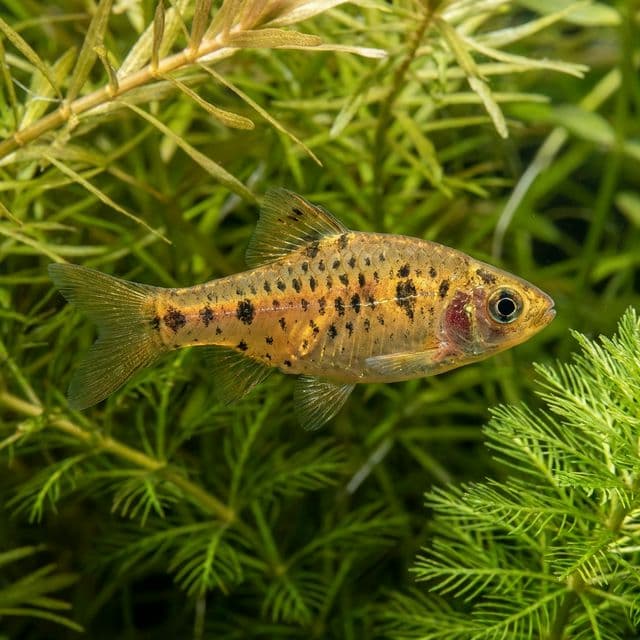
Dwarf Golden Barb
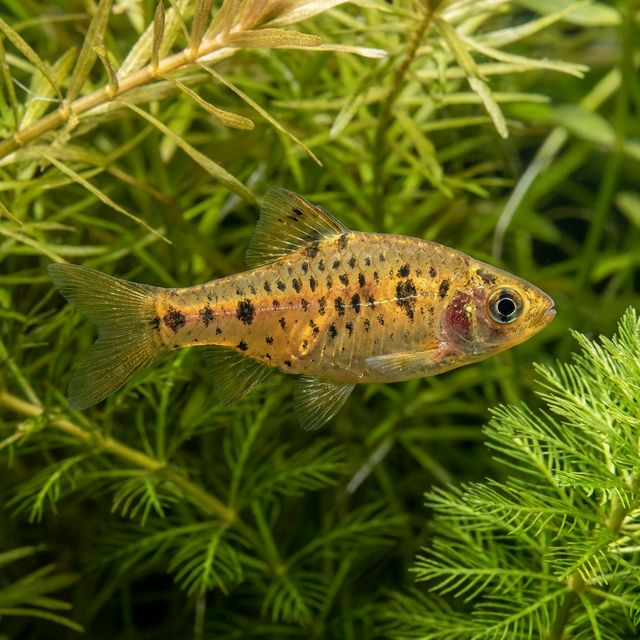
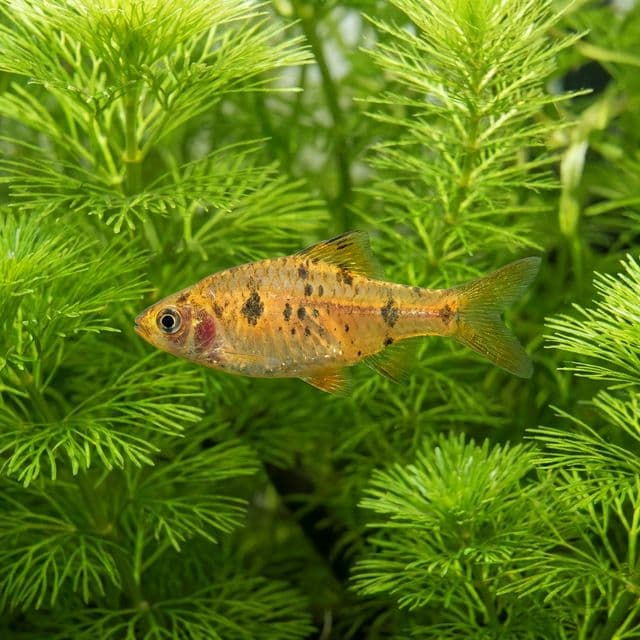
The Dwarf Golden Barb, scientifically known as Pethia sp., is a relatively small freshwater fish that has captured the hearts of aquarists worldwide. Averaging about 2 inches in length, this enchanting species is adorned with a shimmering golden hue, which is highlighted by distinct black markings on its fins and body, making it a stunning addition to community tanks. Their vibrant colors shimmer beautifully under tank lighting, providing an aesthetic that appeals to both beginners and seasoned aquarium enthusiasts alike. The visual charm of the Dwarf Golden Barb is accompanied by its active and engaging swimming behavior, whereby they dart around the aquarium with playful energy.
In the aquarium hobby, Dwarf Golden Barbs are significant due to their hardiness and adaptability. They thrive in a variety of water conditions and are less demanding in terms of care compared to some other species. This makes them a reliable choice for novice fish keepers looking to create a lively community aquarium. Additionally, their social nature promotes interaction with other fish, fostering a dynamic ecosystem in your aquarium. Their appeal extends beyond beauty and social interaction; they also have a fascinating breeding behavior that can be rewarding for aquarists looking to propagate fish species in captivity.
Natural Habitat & Origin
Dwarf Golden Barbs are native to the freshwater rivers and streams of Southeast Asia, particularly found in countries such as Myanmar and Thailand. These waters are typically characterized by their calm nature, often filled with soft sediments and an abundance of submerged vegetation, providing ample hiding spots. They inhabit clearwater regions, which contain a variety of plant life and offer a well-oxygenated environment, vital for their growth and health. These freshwater systems are crucial for the fish's behavioral patterns, as they demonstrate a preference for darting among aquatic plants and substrate, a behavior that can be mirrored in the home aquarium.
Care Requirements
Maintaining optimal care for Dwarf Golden Barbs involves replicating their natural habitat as closely as possible. Ideally, a tank size of at least 10 gallons is recommended to accommodate their active swimming habits and social tendencies. The water parameters should be kept within a pH range of 6.0 to 7.5, a temperature between 75°F to 82°F, and a hardness level of 2-12 dGH. Substrate choices can vary; while fine gravel or sand works well, it’s essential to provide flat rocks or smooth stones to create a natural environment. Lighting can be moderate, complemented by lush planting, ideally using aquatic plants like Java ferns or Cryptocorynes to offer shade and breeding grounds.
Diet & Feeding
Dwarf Golden Barbs are omnivorous, thriving on a diverse diet that includes both plant and animal matter. High-quality flake food can serve as a staple, supplemented with micro-pellets to ensure they receive balanced nutrition. To maintain their vibrant coloration, it’s advisable to include live or frozen foods such as daphnia, brine shrimp, and bloodworms in their diet. Additionally, blanched vegetables like spinach or zucchini can be introduced occasionally to enhance their dietary variety. Regular feeding ensures health and vitality, along with stimulating natural foraging behaviors, which can be enjoyable to observe.
Behavior & Temperament
In terms of behavior, Dwarf Golden Barbs are known for their peaceful disposition and social structure. They tend to form schools and are happiest when kept in groups of at least five to six individuals, allowing them to exhibit their natural schooling behaviors. While generally non-aggressive, they may occasionally display mild territoriality, particularly during breeding periods. These fish are typically found in the mid-to-upper regions of the water column but will utilize the entire tank space, making them dynamic swimmers and a lively centerpiece in community setups.
Tank Mates
Dwarf Golden Barbs coexist harmoniously with a variety of other freshwater species, making them ideal tank mates. Suitable companions include small to medium-sized peaceful fish such as Tetras, Rasboras, and other Barb species. They can be kept alongside Corydoras catfish, which often dwell on the substrate, and shrimps like Cherry or Amano shrimp. However, it's advisable to avoid larger or overly aggressive species, such as cichlids or larger barbs, which might intimidate or injure the Dwarf Golden Barbs. Ensuring compatible species helps maintain a balanced and thriving aquarium environment.
Breeding
Breeding Dwarf Golden Barbs in captivity can be an enjoyable experience, requiring particular conditions to encourage spawning. They are egg scatterers, typically preferring to spawn among fine-leaved plants or spawning mops. A separate breeding tank is often recommended with softer, slightly acidic water and a temperature between 75°F and 80°F. Once conditioned with high-quality food, males will display vibrant colors and engage in courtship behaviors before the female lays eggs. After spawning, it is essential to remove adult fish from the tank to prevent them from consuming the eggs, as they can hatch within a few days under optimal conditions.
Common Health Issues
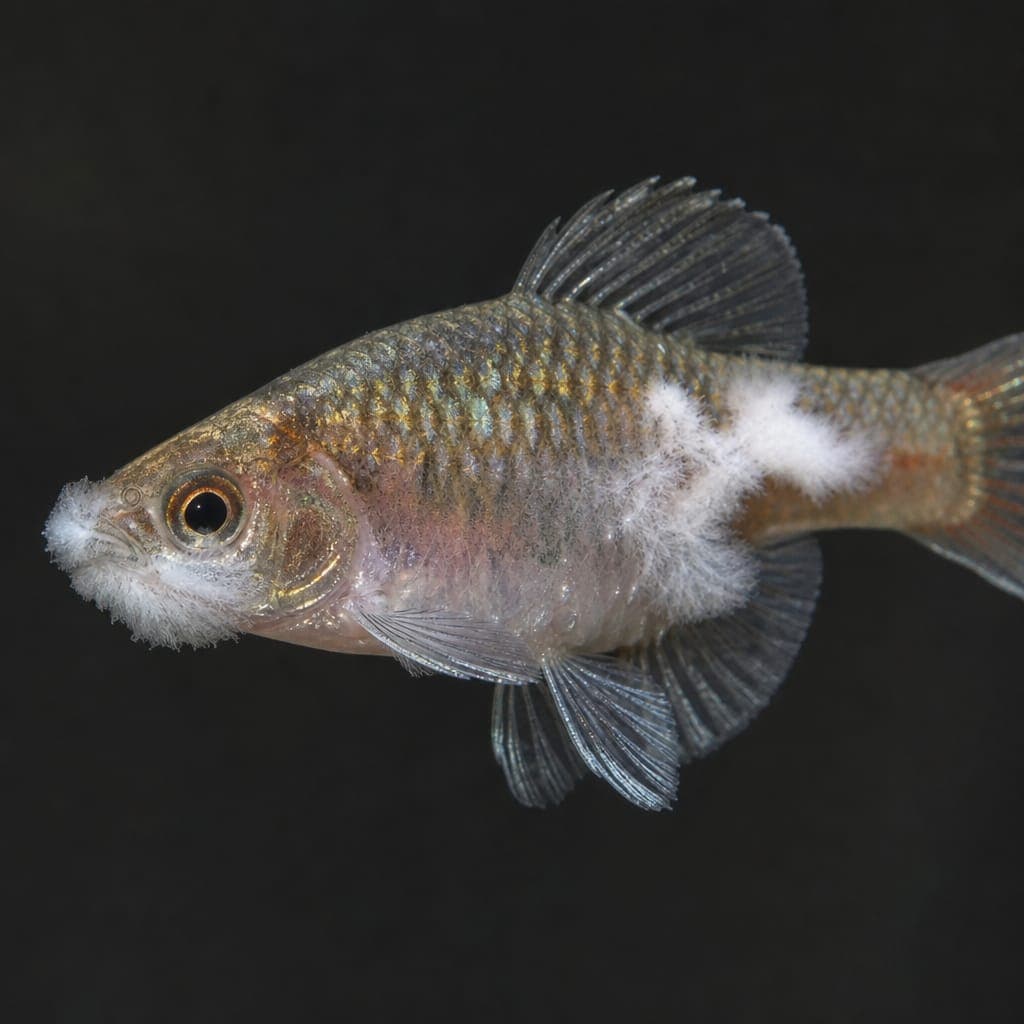
While Dwarf Golden Barbs are generally hardy, they may be susceptible to common freshwater fish ailments such as ich, fin rot, and fungal infections. Maintaining high water quality through regular changes and proper filtration can minimize these risks. Quarantining new fish before introduction to the main tank is also essential to prevent the introduction of diseases. Regular monitoring of health, along with a balanced diet, can aid in fortifying their immune systems, ensuring these vibrant fish remain a highlight of your aquarium for years to come.