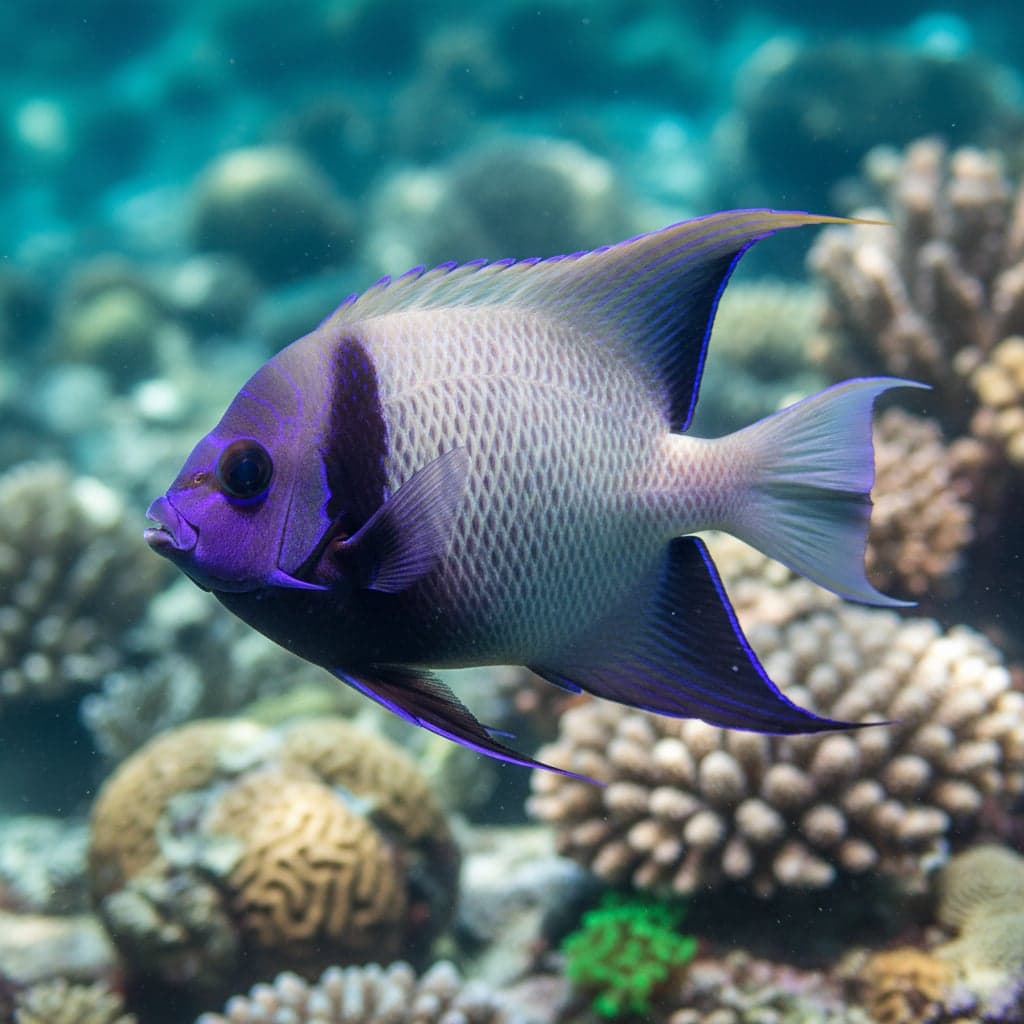
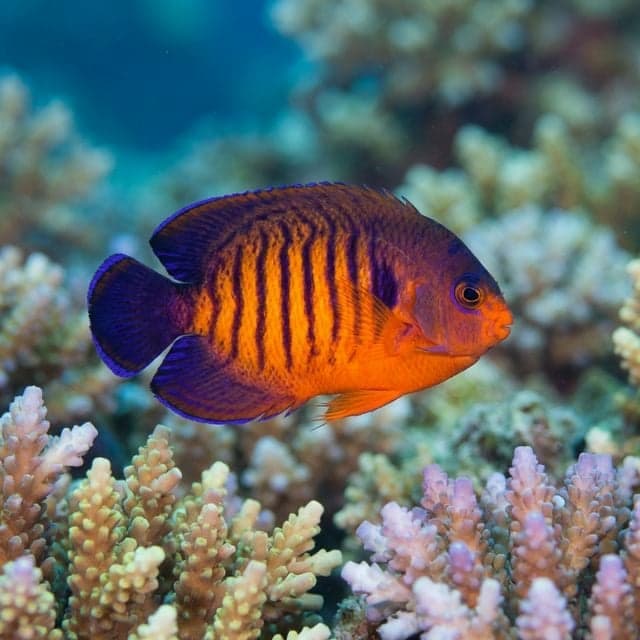
Multicolour Angelfish
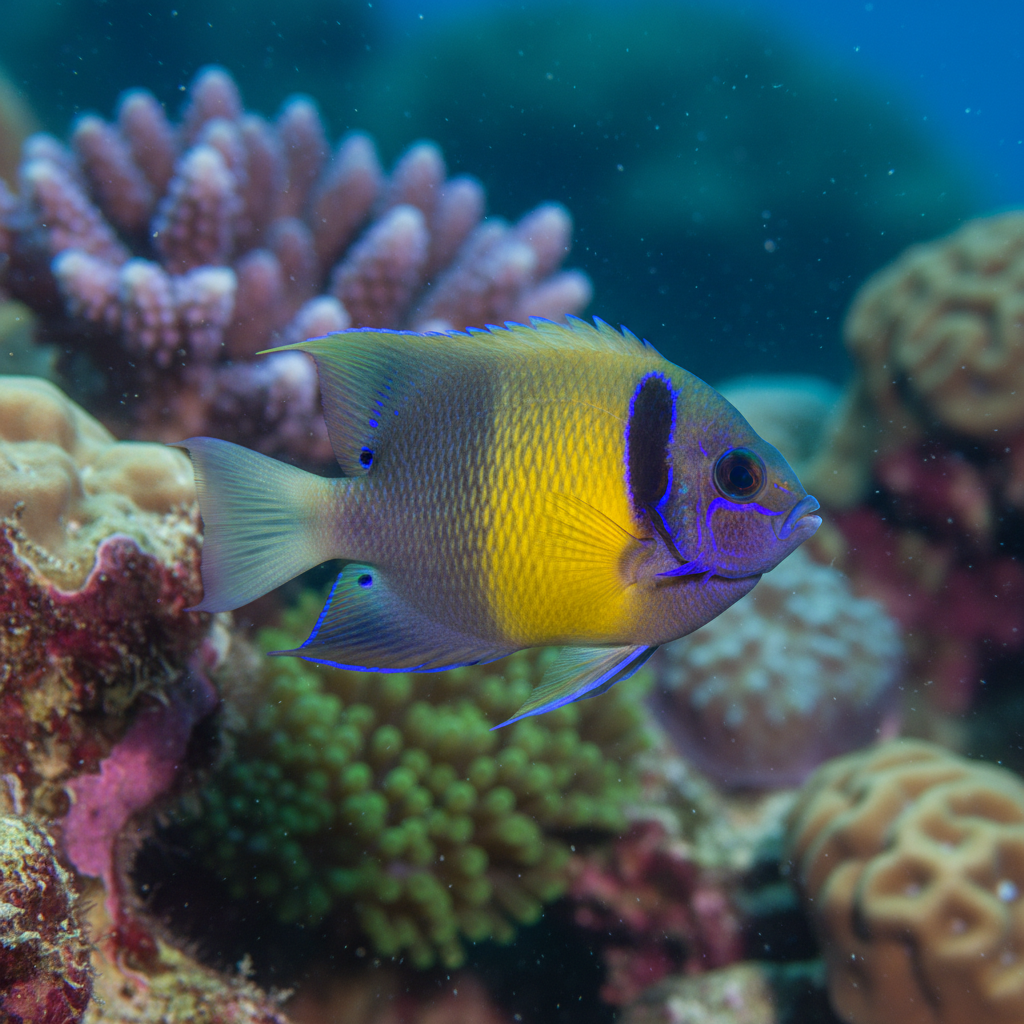
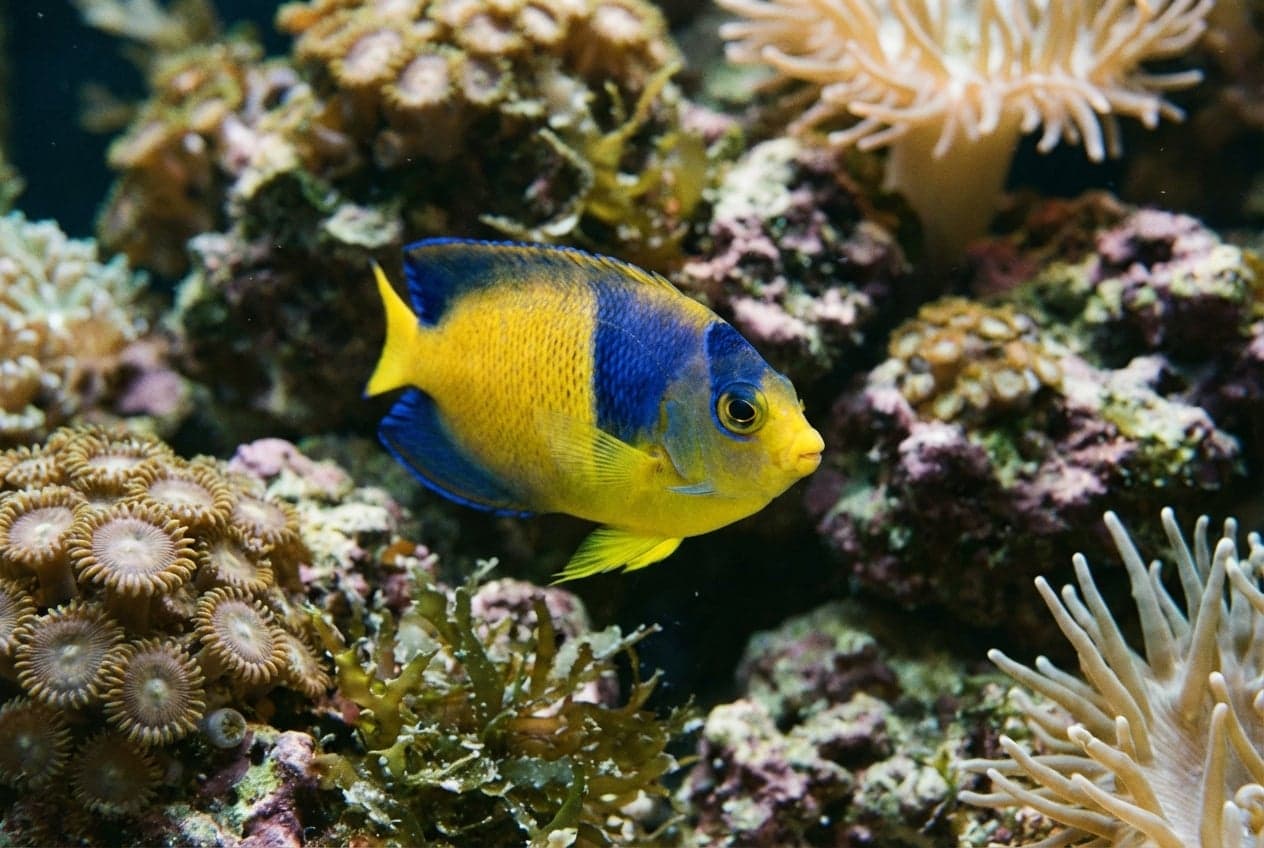
A 9cm dwarf angelfish from deeper reefs. Needs a mature tank with algae, 200L+, and it may nip at coral.
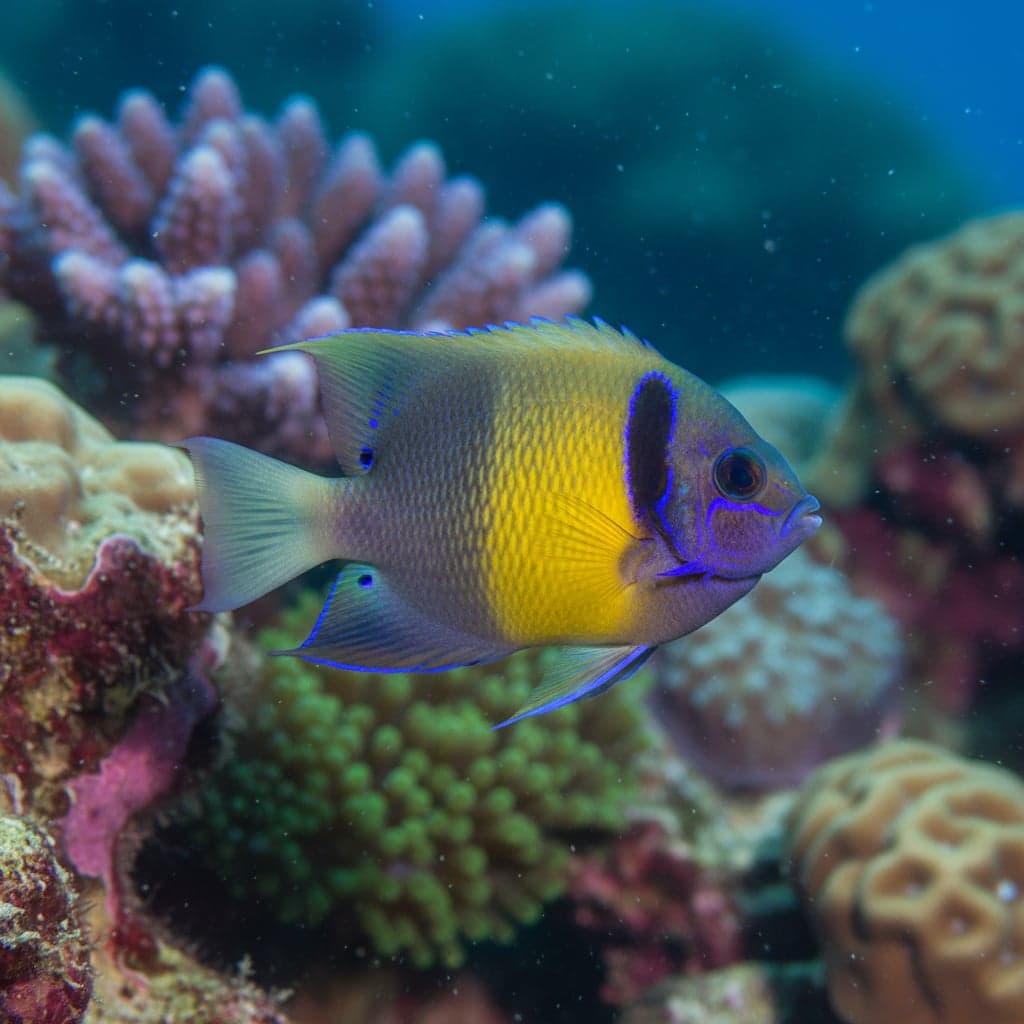
Multicolour Angelfish
The Multicolour Angelfish, commonly celebrated for its vibrant colors and striking patterns, is a captivating addition to any freshwater aquarium. With hues that range from deep blues and greens to bright yellows and oranges, this species is not only visually appealing but also represents the exquisite diversity of aquatic life. Originating from the Amazon River basin, this fish thrives in environments where intricate ecosystems flourish, making it an ideal specimen for both novice and experienced fish keepers alike. Its unique appearance, characterized by multicolored fins and a slender, elongated body, has cemented its place in the hearts of hobbyists who appreciate the artistry of nature.
As a member of the Cichlidae family, the Multicolour Angelfish holds significance not only for its aesthetic qualities but also for its ecological role in its native habitat. These fish contribute to the biodiversity of freshwater ecosystems, prompting aquarists to reflect on their impact on natural environments. In aquaristics, the Multicolour Angelfish serves as an ambassador for sustainable fish keeping practices, encouraging hobbyists to ensure that their stocking choices and tank setups support the overall health and well-being of the aquatic community.
Natural Habitat & Origin
The Multicolour Angelfish is native to the Amazon River basin, one of the most biodiverse freshwater environments on the planet. This region encompasses a variety of ecological zones, including blackwater and clearwater systems. Blackwater habitats, characterized by their dark, tannin-stained waters, are rich in organic material and provide a unique environment for the Multicolour Angelfish. They thrive in slow-moving streams and flooded forests, favoring areas with plenty of vegetation and submerged structures that offer shelter and breeding grounds.
The natural habitat of the Multicolour Angelfish is typically soft, acidic water with low light levels. In these environments, the fish interact with a multitude of other species, showcasing a range of behaviors that reflect the dynamics of their ecosystem. Understanding this habitat is crucial for aquarists, as replicating the natural conditions can significantly enhance the health and vigor of these fish in captivity.
Care Requirements
To keep the Multicolour Angelfish healthy, specific water parameters and tank conditions need to be maintained. Ideally, the water should have a pH between 6.0 and 7.5, with a temperature range of 75°F to 82°F (24°C to 28°C). The water hardness should be kept relatively soft, ranging from 3 to 8 dGH, to mimic their natural habitat. For the tank setup, a minimum of 200 litres (55 gallons) is recommended for this 9cm Centropyge multicolor — enough mature rock grazing territory for a dwarf angel that may nip coral and needs room to establish its range.
The substrate should be smooth and fine, such as sand or small gravel, to prevent damage to their delicate fins. Lighting should be moderate, with places of shade to mimic the dappled light of the forest floor. Adding live plants, driftwood, and other decorations can create hiding spots and simulate their natural environment, which helps reduce stress and enables them to feel secure.
Diet & Feeding
The Multicolour Angelfish is an omnivorous species that thrives on a varied diet to maintain its health and vibrancy. In the wild, they feed on small invertebrates, plant matter, and algae, which can be replicated in captivity with a balanced diet comprising high-quality flake foods, pellets, and frozen or live foods. It is essential to include a mix of protein-rich foods and plant-based nutrients to ensure a well-rounded diet. Recommended supplements can include bloodworms, brine shrimp, spirulina, and blanched vegetables like zucchini or spinach.
To promote optimal health, it’s crucial to feed the Multicolour Angelfish multiple small meals each day rather than a single large feeding. This approach mirrors their natural foraging behavior and helps prevent obesity and related health issues, ensuring that they maintain their vivid coloration and energy levels.
Behavior & Temperament
The Multicolour Angelfish is known for its generally peaceful demeanor but can exhibit territorial behavior, especially during breeding. While they are not aggressive by nature, establishing a pecking order is common amongst them, and they may display dominance in a community tank. These fish are semi-social and often prefer to be kept in pairs or small groups to satisfy their social needs.
When arranging aquarium decor, keep in mind that Multicolour Angelfish have a vertical swimming habit, often making use of the middle to upper levels of the tank. Providing ample spaces for swimming and hiding will allow them to feel secure and comfortable, reducing stress and aggressive behaviors.
Tank Mates
Choosing compatible tank mates for the Multicolour Angelfish is vital for a harmonious community tank. Ideal companions include peaceful species such as Corydoras catfish, Tetras, and other similar-sized cichlids. Avoiding overly aggressive species, such as larger cichlids or fin-nippers like tiger barbs, is essential, as these may harass or stress the Multicolour Angelfish. Additionally, small species that can be easily bullied should be excluded from their tank, as their territorial nature may lead to conflicts. Proper planning for tank mates will ensure a balanced ecosystem and a thriving aquarium environment.
Breeding
Breeding the Multicolour Angelfish can be a rewarding experience if the right conditions are provided. They typically reach sexual maturity at 6 to 12 months of age and will often form monogamous pairs. For successful breeding in captivity, a separate breeding tank of at least 20 gallons is advisable, with a flat surface where they can lay eggs, such as a broad leaf or breeding cone.
Once a pair has been established, they will engage in a courtship display characterized by chasing and flirting behaviors. The female will lay eggs on the chosen surface, and both parents often take turns guarding the eggs until they hatch, usually within 48 to 72 hours. Maintaining optimal water quality and providing a low-stress environment is crucial during this period to ensure the survival of the fry.
Common Health Issues
The Multicolour Angelfish is prone to several common health issues, including ich, fin rot, and velvet disease. Prevention is best achieved through excellent water quality, regular tank maintenance, and a stable environment. Quarantining new arrivals before introducing them to an established aquarium can help minimize the risk of disease.
Maintaining a balanced diet rich in nutrients also supports their immune system, reducing susceptibility to illness. For any signs of health issues, immediate attention should be given, including adjusting water parameters, administering appropriate treatments, and ensuring a stress-free environment. By being proactive in their care, aquarists can prolong the life and vitality of their Multicolour Angelfish.