Ornate Julie: Julidochromis ornatus
A distinctly patterned, highly territorial rock-dwelling cichlid from Lake Tanganyika known for swimming upside down under caves.
Ornate Julie
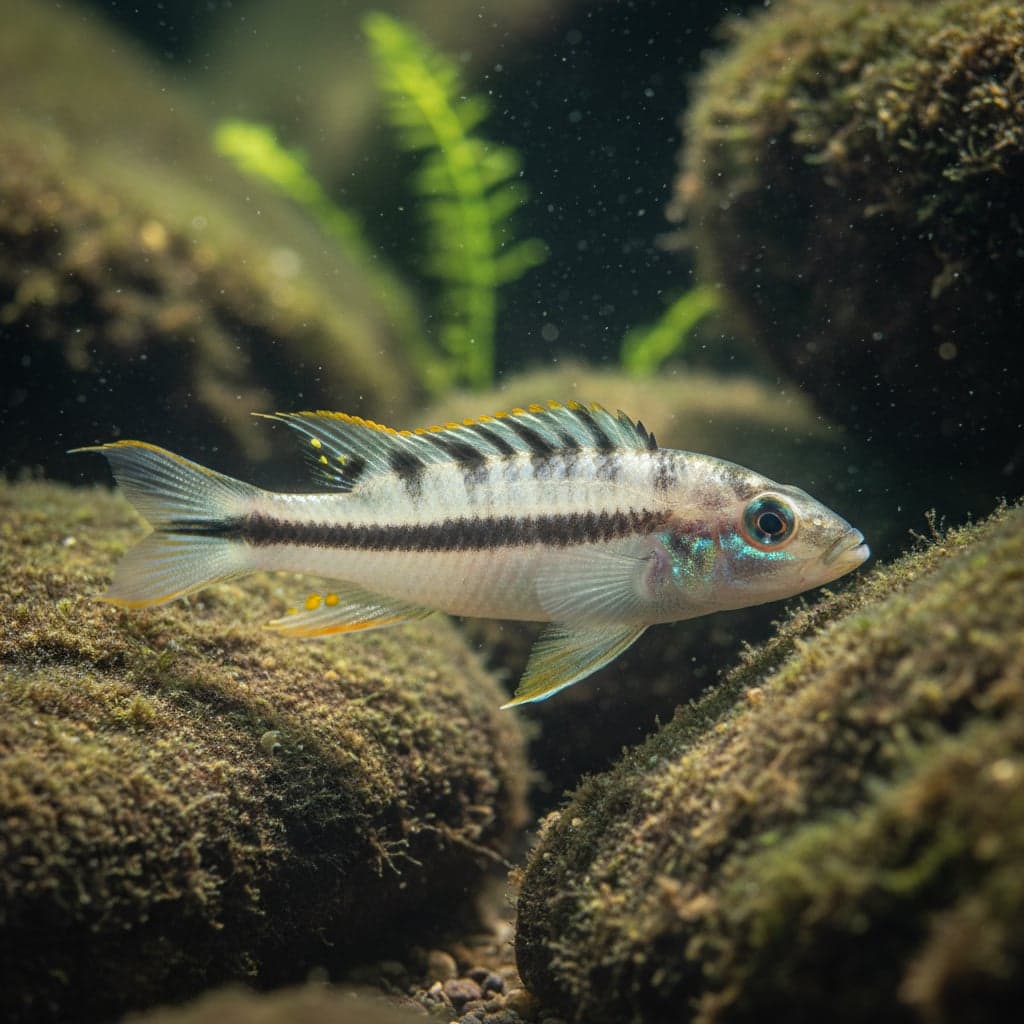
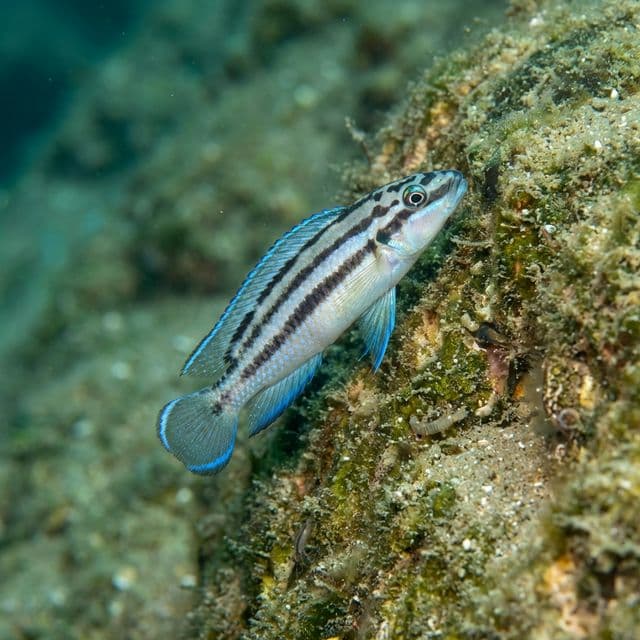
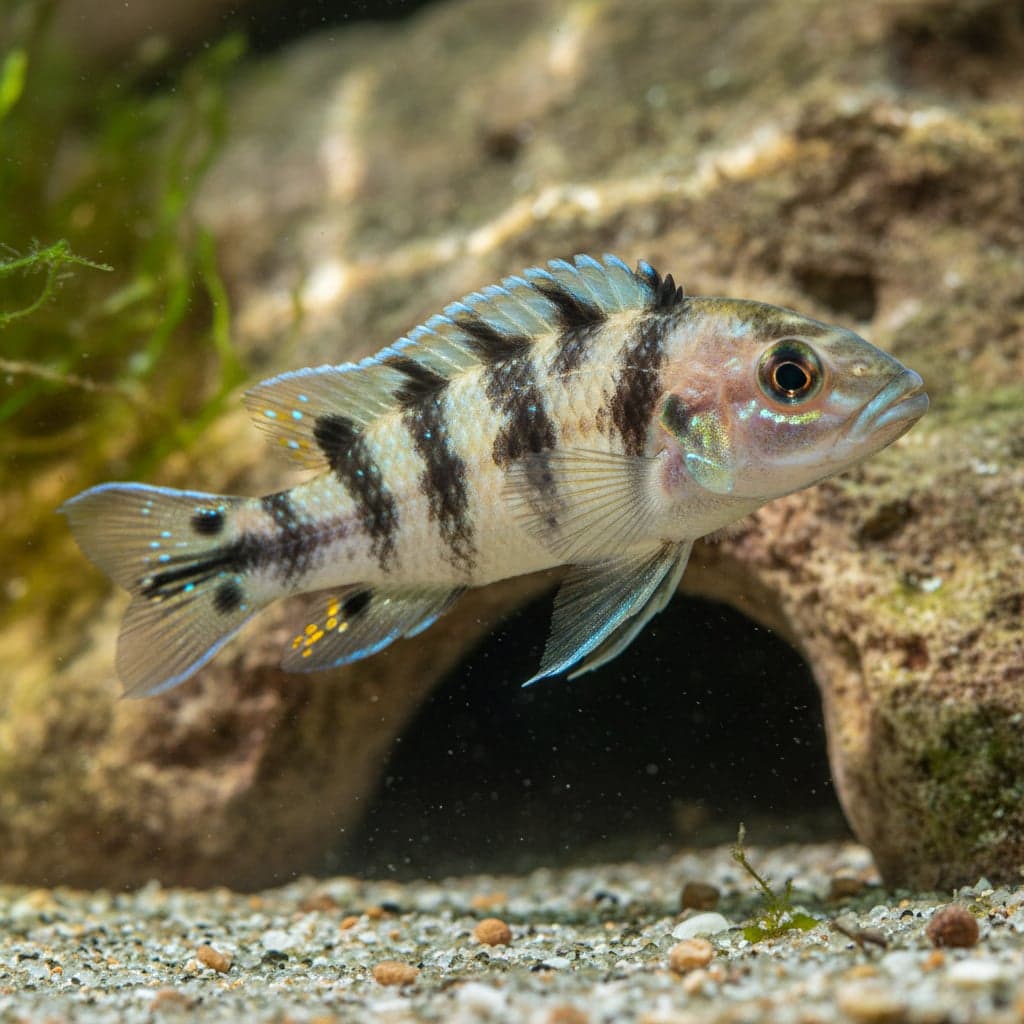
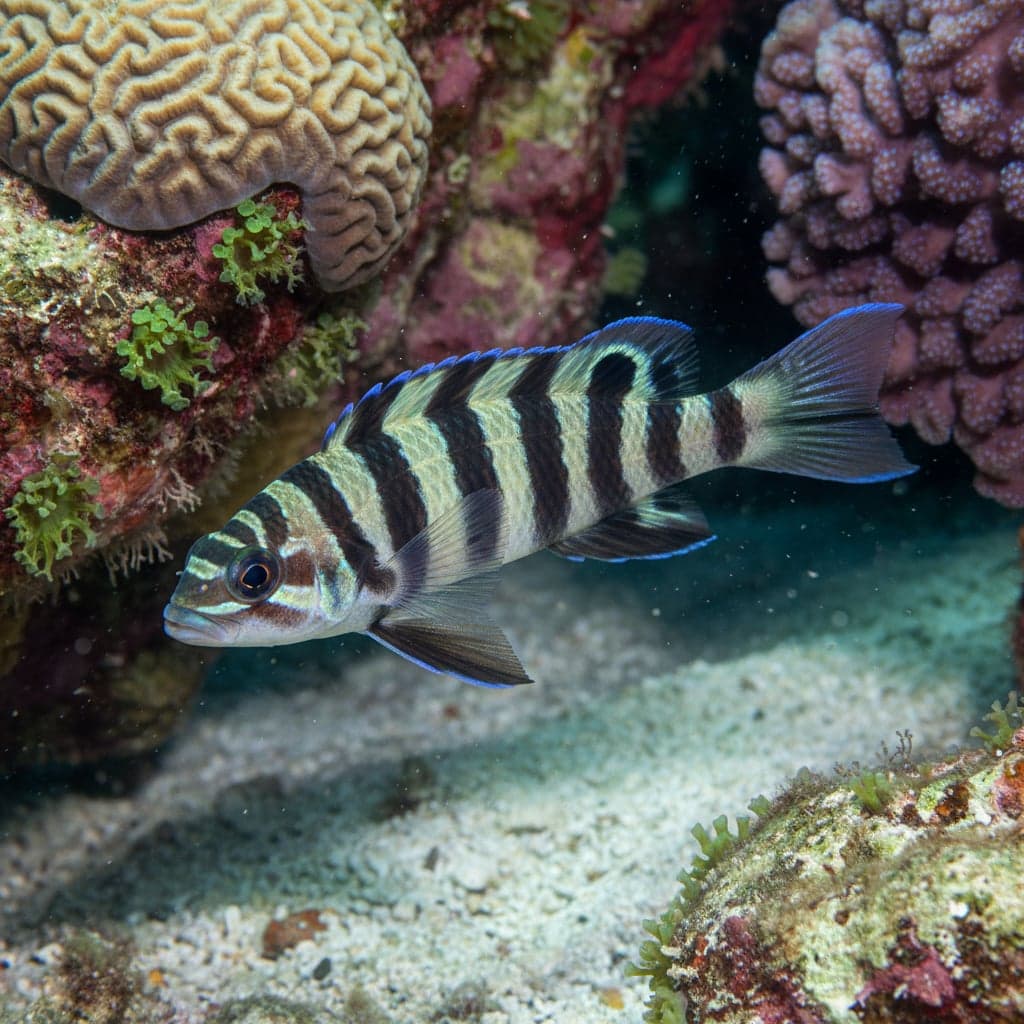
The Ornate Julie (Julidochromis ornatus) is a captivating species of cichlid originating from Lake Tanganyika in East Africa. Known for their stunning coloration, these fish exhibit a vibrant palette of deep blues and yellows contrasted with striking black vertical stripes and spots. This visual appeal makes them a highly sought-after addition to aquariums and a favorite amongst enthusiasts seeking to add elegance and beauty to their aquatic displays. Their eye-catching appearance, coupled with their unique behaviors and intriguing personalities, elevates the Ornate Julie’s status in the aquarium hobby, offering not just aesthetic value but also the thrill of observing their complex social interactions.
In their juvenile state, Ornate Julies display an array of colors that only intensify as they mature, making them a joy to monitor as they develop. They are not just a visual centerpiece; these fish hold ecological importance as well. In the wild, Ornate Julies contribute to the biodiversity of Lake Tanganyika, living among rocky crevices and exhibiting behaviors that help maintain the balance of their environments. This ecological significance, combined with their captivating beauty, makes them a cherished species among aquarists who value both the aesthetic and environmental aspects of fishkeeping.
Natural Habitat & Origin
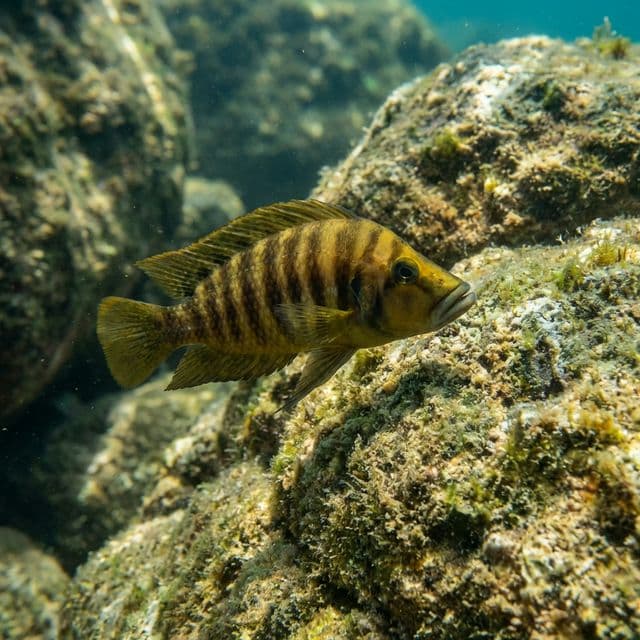
The Ornate Julie is native to the deep, rocky shorelines of Lake Tanganyika, which is one of the oldest and deepest freshwater lakes in the world. This remarkable lake is situated between four African countries: Burundi, Zambia, Tanzania, and the Democratic Republic of Congo. The water is generally clear, well-oxygenated, and mineral-rich, with a typical pH ranging from 8.4 to 9.0. Temperatures in their natural habitat hover between 23°C to 28°C (73°F to 82°F). The lake’s unique geology offers a range of microhabitats that are vital for the survival of various species, including the Ornate Julie, which thrive among the rocky crevices that provide shelter and breeding grounds.
The environment in which Ornate Julies reside is characterized by stable conditions; thus, maintaining similar parameters in captivity is crucial for their well-being. These fish specifically adapt to a habitat rich in invertebrates and small organisms, which they hunt and forage among the rocky substrates. This natural environment not only helps shape their physical characteristics but also plays a significant role in their social behaviors, making their replication in aquarium conditions essential for fostering a healthy population.
Care Requirements
When setting up a suitable habitat for the Ornate Julie, the aquarium should ideally be at least 75 gallons to accommodate their territorial nature, with plenty of room for the fish to navigate and establish territories. The substrate should be a mix of fine sand and gravel, offering sufficient space for them to forage and dig, which mimics their natural behavior. Providing an array of hiding spots through rocky structures or caves is crucial, as it aids in reducing stress and aggression—critical factors for this species. Lighting should be moderate; while some illumination is beneficial for plant growth and aesthetics, excessive brightness may create discomfort for the fish.
In terms of water parameters, it is important to maintain a pH level between 8.4 and 9.0 to replicate their natural habitat effectively. The water temperature should be kept between 24°C and 28°C (75°F to 82°F), while hardness levels should range from 10 to 15 dGH to ensure optimal health. Regular water changes and filtration are vital to maintain high water quality, ensuring a stable and healthy environment for the Ornate Julie to thrive.
Diet & Feeding
Ornate Julies are primarily carnivorous, but in captivity, they can thrive on a varied diet that includes high-quality flake foods, small pellets, frozen food, and live food. A well-balanced diet should consist of protein-rich foods such as brine shrimp, daphnia, and bloodworms to enhance their coloration and overall health. When selecting flakes and pellets, it is advisable to choose options specifically designed for cichlids, as these are formulated to meet their dietary needs. Providing a variety of food not only keeps them engaged but also replicates their natural feeding habits, ensuring they receive all essential nutrients.
It is essential to avoid overfeeding, as this can lead to health issues and water quality deterioration. Feed them small portions 2-3 times a day, which allows the Ornate Julie to forage and mimic their natural foraging behavior, promoting not only physical health but also mental stimulation.
Behavior & Temperament
The Ornate Julie is known for its active nature and engaging behavior. These fish are generally social creatures, but their temperament can vary based on factors such as tank size, available hiding spots, and the presence of other species. They tend to establish territories, particularly during breeding periods, and can display some aggression, particularly towards their own species. Vertical placement in the tank is where they feel most comfortable, often utilizing caves and crevices to retreat and hide from perceived threats.
In a community aquarium, it is critical to provide ample hiding places to help mitigate any aggression and stress. Additionally, they exhibit interesting behaviors such as hover-fanning and displaying dominance through posturing. Observing these social interactions can be a captivating aspect for aquarists, providing insights into the complex dynamics of their world.
Tank Mates
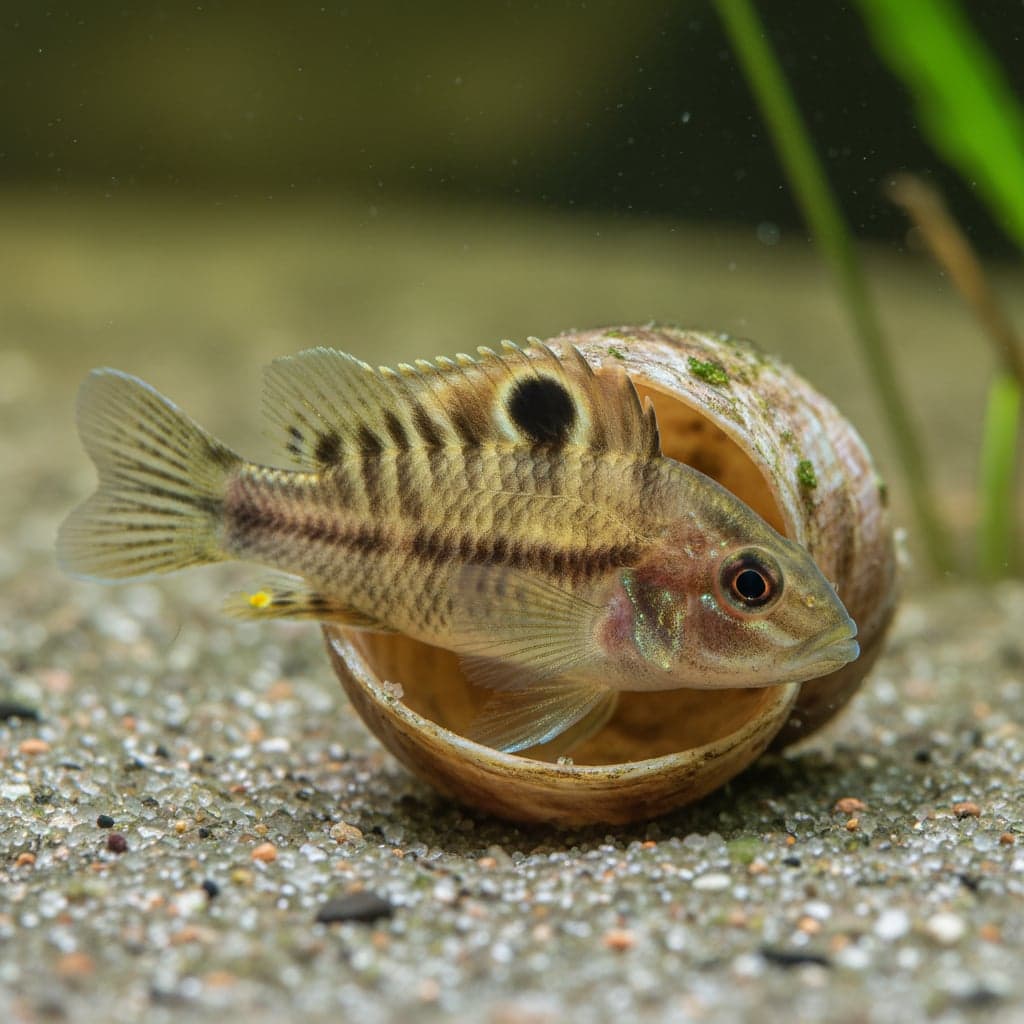
Choosing compatible tank mates for the Ornate Julie is crucial for maintaining harmony in the aquarium. They generally do well with non-aggressive cichlids that occupy different swimming levels or peaceful fish that can coexist within the same water parameters. Suitable tank mates include other Julidochromis species, Tanganyikan shell dwellers like Neolamprologus multifasciatus, and smaller peaceful species like the Corydoras catfish or various species of tetra.
On the other hand, it is best to avoid larger, aggressive cichlids or overly boisterous species that could stress or harm the Ornate Julie. Fish like Oscars, aggressive Central American cichlids, and fast-swimming species like certain barbs may not make ideal companions, as they could disrupt the peaceful nature of this elegant fish.
Breeding
Breeding the Ornate Julie in captivity can be an exciting endeavor for aquarists, provided the right conditions are met. These fish exhibit a unique breeding behavior where the female lays her eggs in rock crevices, which the male then fertilizes. For successful breeding, it’s essential to provide a mature, well-established environment with suitable hiding spots and stable water conditions.
A minimum breeding setup should include a separate breeding tank with a capacity of at least 20 gallons. The water parameters should closely mirror those of their native habitat, maintaining a slightly elevated pH and temperature conducive to spawning. The presence of flat rocks or caves will entice the females to lay their eggs. Once the eggs are fertilized, males often guard the area, displaying protective behavior until the fry are free-swimming, which typically takes around 3 to 4 days. Ensuring a varied diet for the breeding pair during this time is crucial for the health of the fry.
Common Health Issues
Ornate Julies are generally robust fish, but like any cichlid, they can be prone to specific health issues. Common problems include ich (Ichthyophthirius multifiliis), fin rot, and dropsy. Regular water changes, stable hard alkaline parameters, and a clean substrate go far toward prevention. Quarantine new arrivals and avoid overcrowding that elevates aggression and stress. A varied diet of quality cichlid foods plus occasional live or frozen offerings supports immunity. Watch for white spots, frayed fins, bloating, or loss of appetite, and treat promptly in a hospital tank when needed. With rockwork caves, attentive husbandry, and compatible Tanganyikan tank mates, Ornate Julies remain active, territorial, and healthy for years in a well-maintained African cichlid aquarium.