Papa Plec L090: Panaque bathyphilus
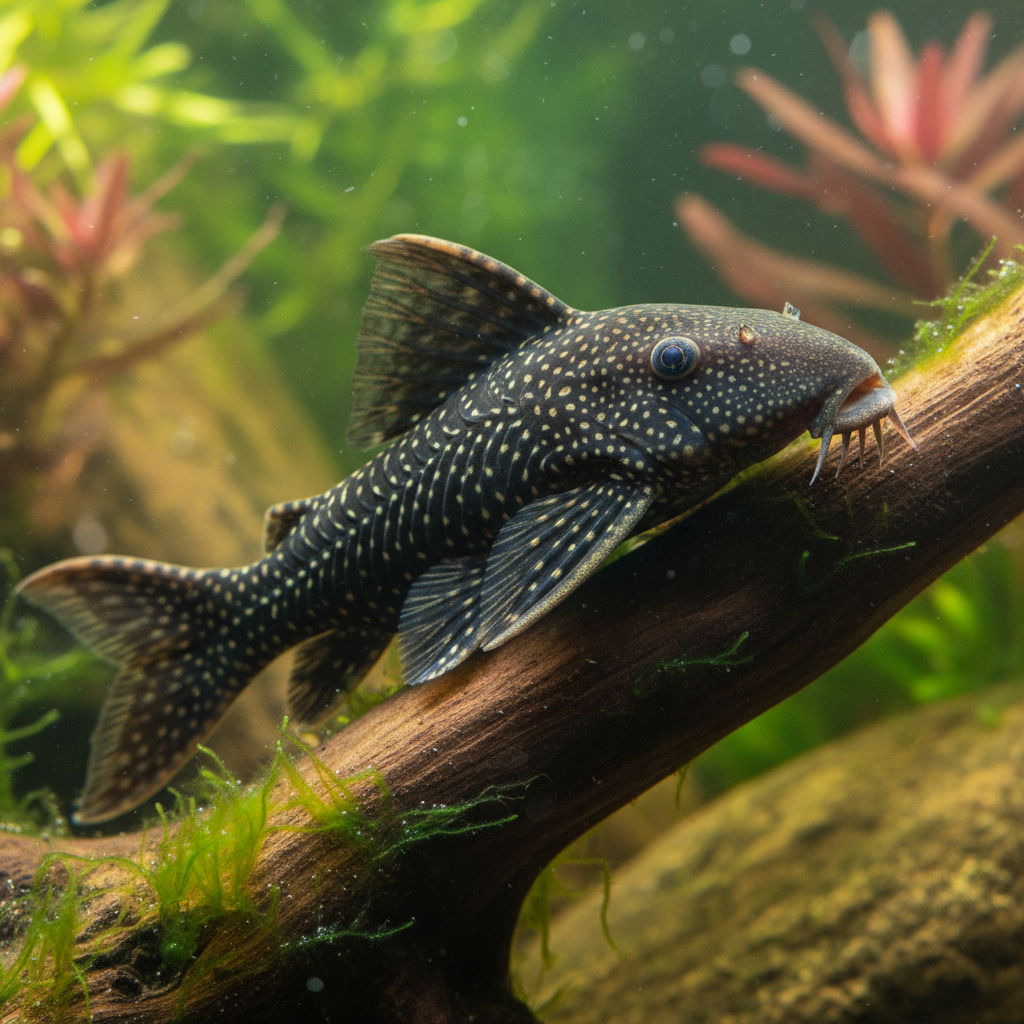
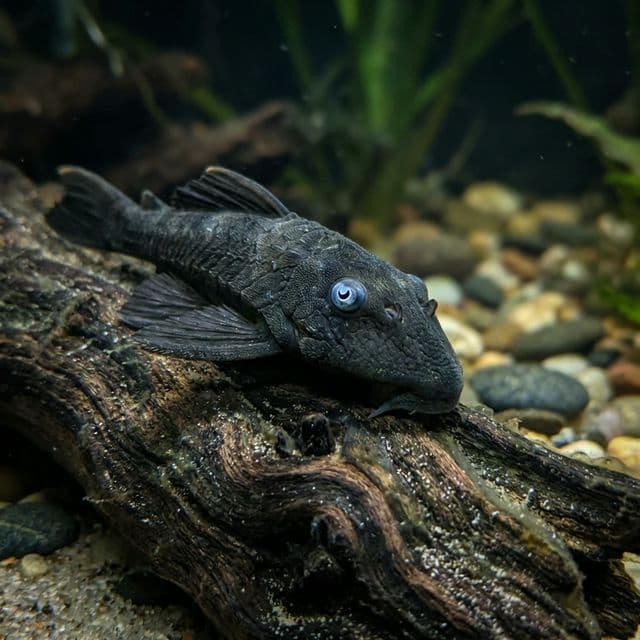
An iconic, deeply armored wood-eating pleco featuring a massively extended, sweeping tail fin.
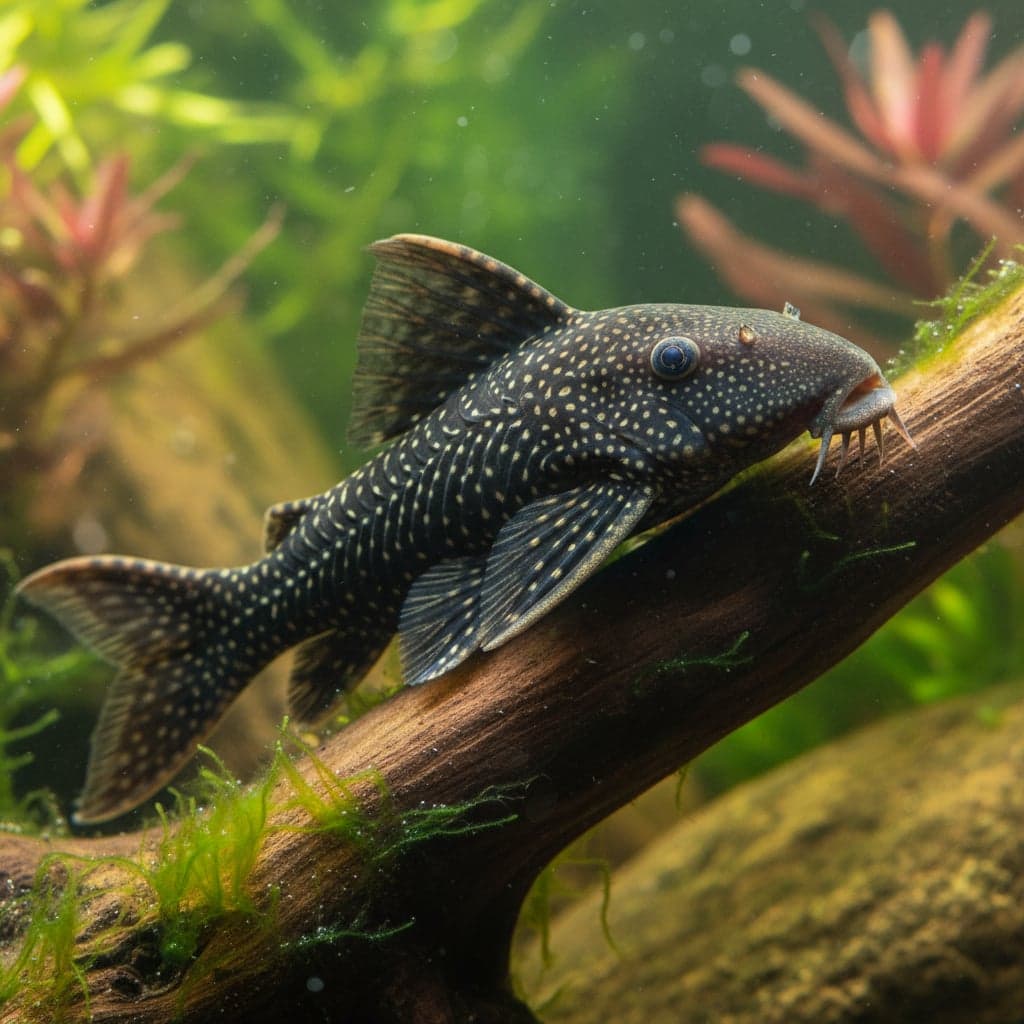
Papa Plec L090
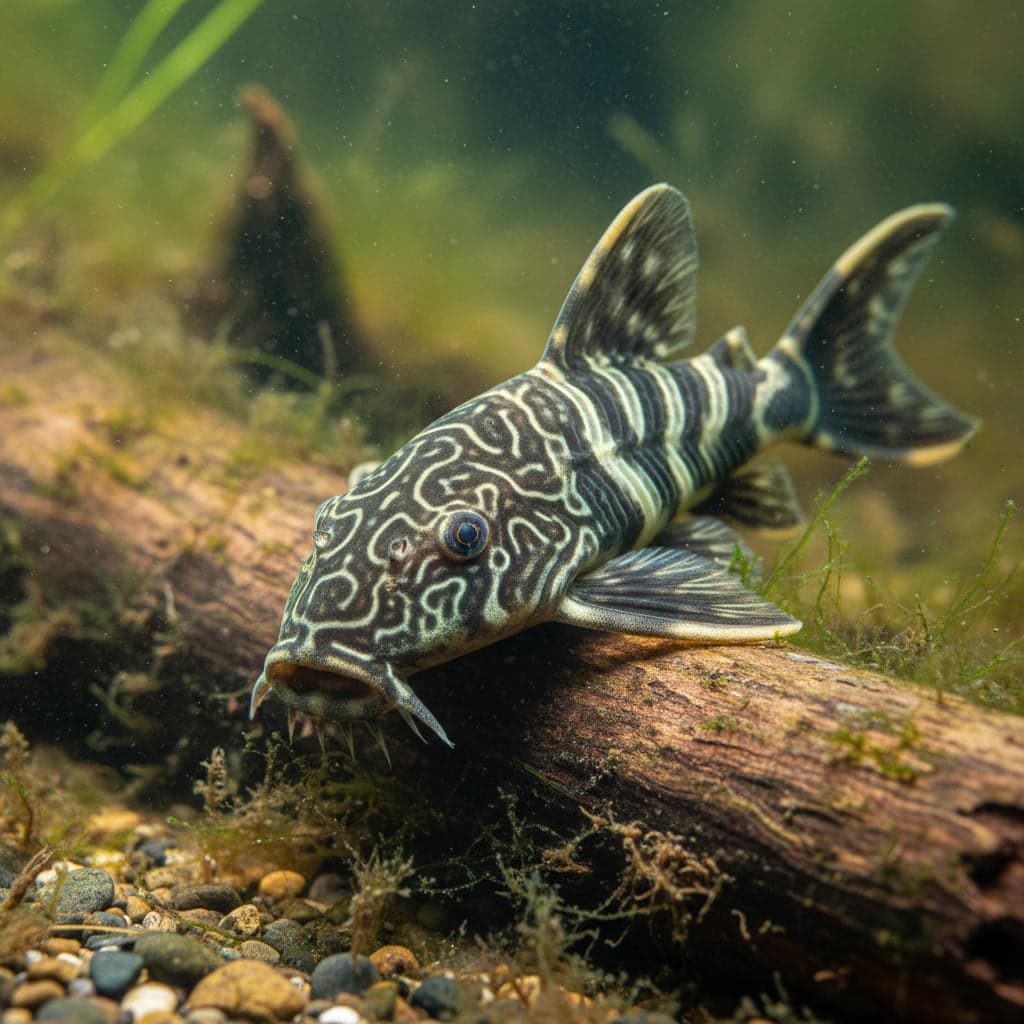
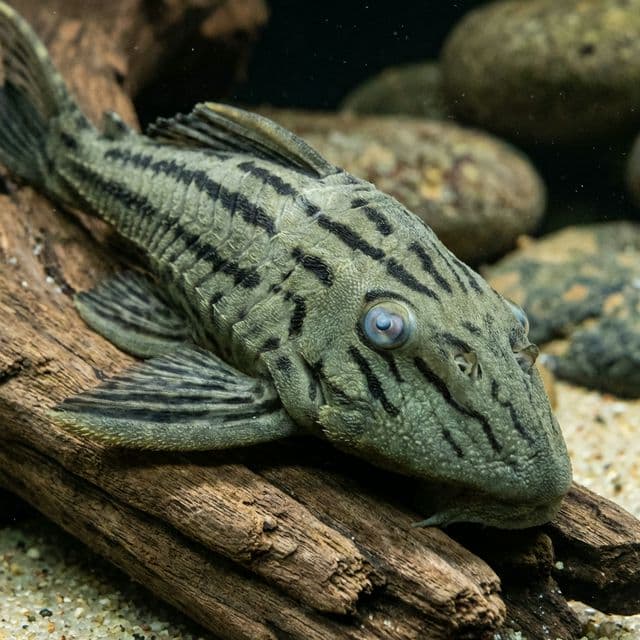
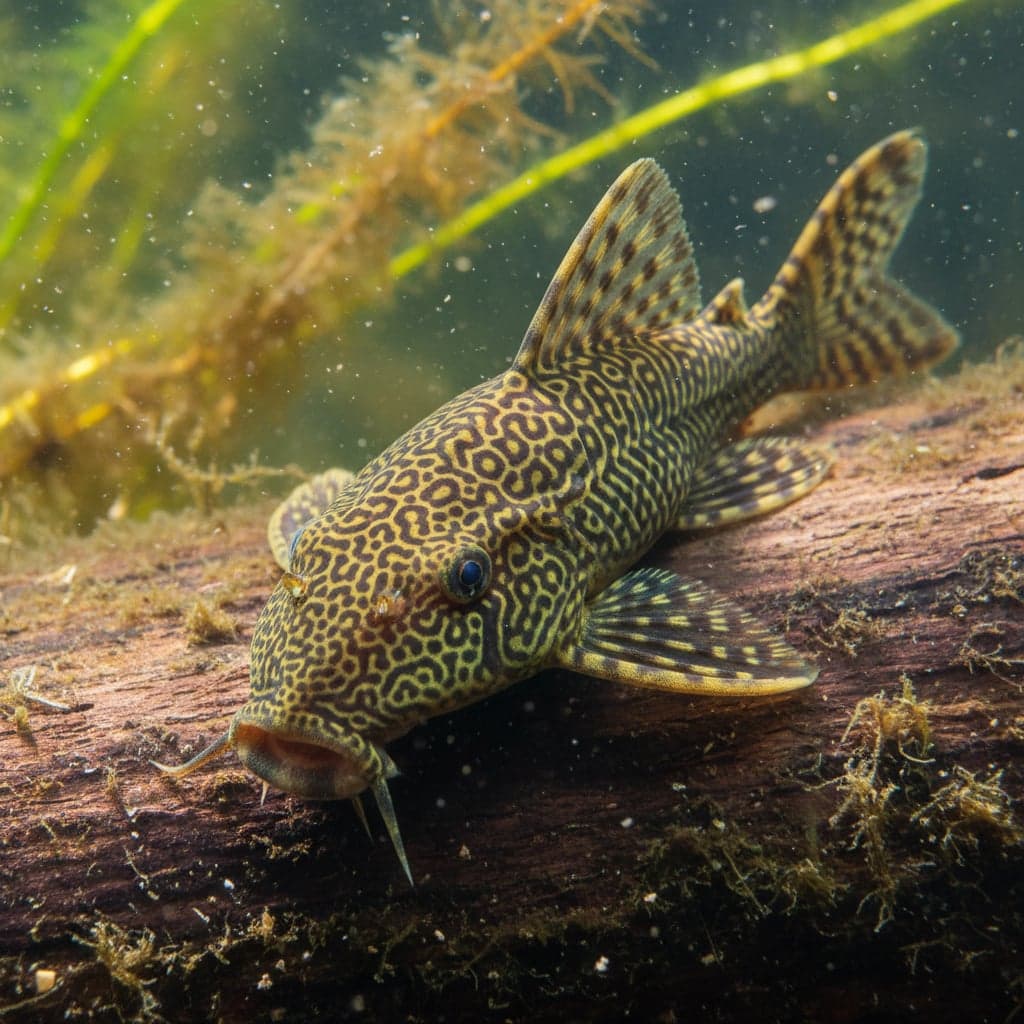
The Papa Plec L090, scientifically known as Panaque bathyphilus, is a striking freshwater fish that has garnered significant attention in the aquarium hobby for its unique appearance and captivating behaviors. Characterized by its elongated body, this species exhibits a vibrant mix of deep blacks and earthy browns, adorned with distinctive white or yellow spots that create an eye-catching mosaic against its backdrop. The Papa Plec is not only visually appealing but also plays a vital role in the aquarium ecosystem as a natural algae eater. Its peaceful and engaging nature makes it a favorite among both novice and experienced aquarists.
Beyond its aesthetic allure, the Papa Plec has become a significant addition to aquariums due to its functional capabilities. Its active foraging behavior aids in maintaining tank cleanliness, making it an ideal candidate for larger community tanks. Additionally, its unique feeding habits, including wood chewing, highlight its role as a bioengineer within the aquatic environment, promoting a balanced ecosystem in captive settings. With proper care and attention, this species can thrive, offering both beauty and ecological benefits to an aquarium.
Natural Habitat & Origin
The Papa Plec L090 hails from the tributaries of the Amazon Basin, particularly within regions of Colombia and Venezuela. It is commonly found in slow-moving rivers and streams where the water is rich in organic matter and dominated by submerged wood and leaf litter. This fish favors blackwater environments, where the tannins from decaying vegetation create a darker, more acidic habitat that is often soft in terms of water hardness. These natural conditions contribute to its health and behavior, making it crucial for aquarium owners to replicate its native environment as closely as possible. The rich biodiversity of its home region not only influences its physical and behavioral traits but is also essential for the overall well-being of the Papa Plec.
Care Requirements
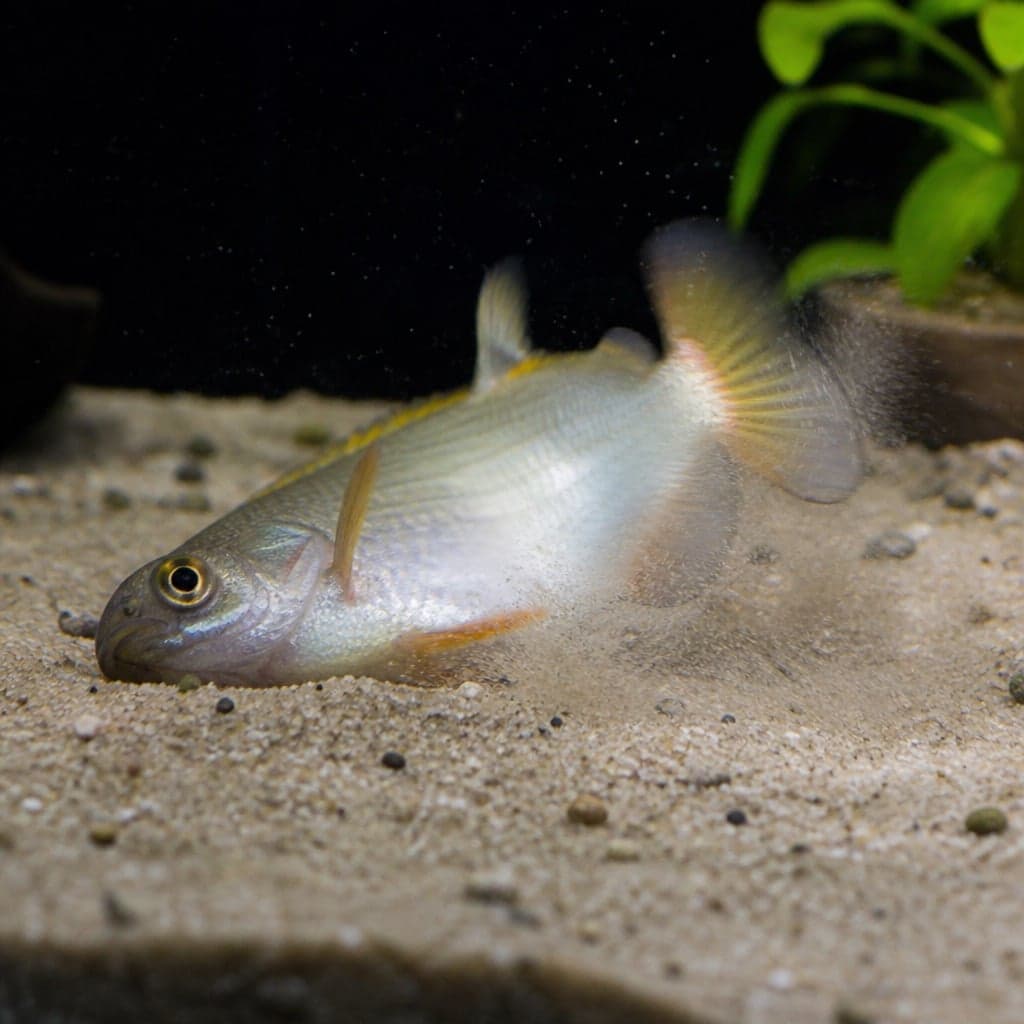
To ensure the Papa Plec L090 thrives in captivity, specific water parameters must be maintained. The ideal pH range for this species is between 5.5 and 7.5, with a temperature range of 24°C to 28°C (75°F to 82°F). Hardness levels should be kept low, around 2 to 10 dGH, to mimic the soft waters of its natural habitat. In terms of tank setup, a minimum tank size of 150 liters (approximately 40 gallons) is recommended due to their large adult size and active swimming behavior. The substrate should be soft and sandy, allowing for comfortable movement and digging behaviors.
For optimal comfort and mental stimulation, it’s important to create a well-decorated aquarium featuring plenty of hiding spots such as driftwood, caves, and plants that provide both shelter and grazing surfaces. Moderate lighting mimicking that of its natural habitat will prevent excessive algae growth while still allowing for plant health. Regular water changes and good filtration are essential to maintain water quality and provide a healthy environment for the Papa Plec.
Diet & Feeding
The Papa Plec L090 is primarily an herbivore with a penchant for wood, which aids in its digestion and overall health. In captivity, this fish thrives on a varied diet that includes high-quality sinking pellets, algae wafers, and blanched vegetables such as zucchini, cucumber, and spinach. Supplementation with occasional protein sources like frozen or live foods (such as bloodworms and brine shrimp) can be beneficial especially for juveniles. It's crucial to feed the Papa Plec a diverse diet that mimics its natural feeding habits, ensuring adequate nutrition while maintaining digestive health.
A feeding schedule of small amounts twice a day will not only promote healthy growth but also mimic its natural foraging instincts, allowing the fish to explore and graze throughout the aquarium.
Behavior & Temperament
The Papa Plec L090 is known for its peaceful disposition, exhibiting minimal aggression towards other tank mates. These fish are generally solitary or semi-social and prefer to establish territories where they spend time resting and foraging. Although they do not require groups for comfort, they can be kept with compatible species that complement their behavior.
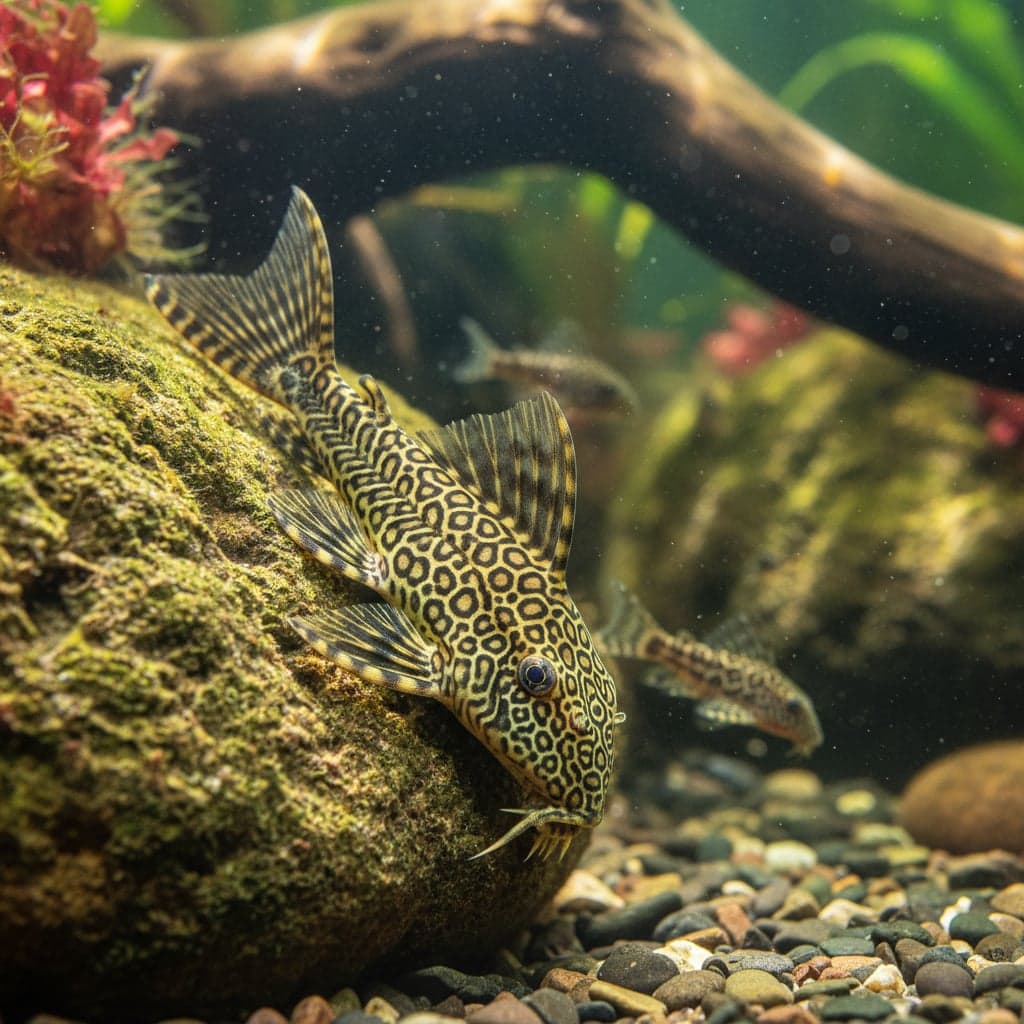
In the aquarium, you may often observe the Papa Plec positioned vertically against surfaces, as it uses its specialized mouth to cling onto rocks, wood, and aquarium decor. This unique vertical placement not only helps them feel secure but also strategically positions them for grazing and feeding, making them fascinating to watch as they interact with their environment.
Tank Mates
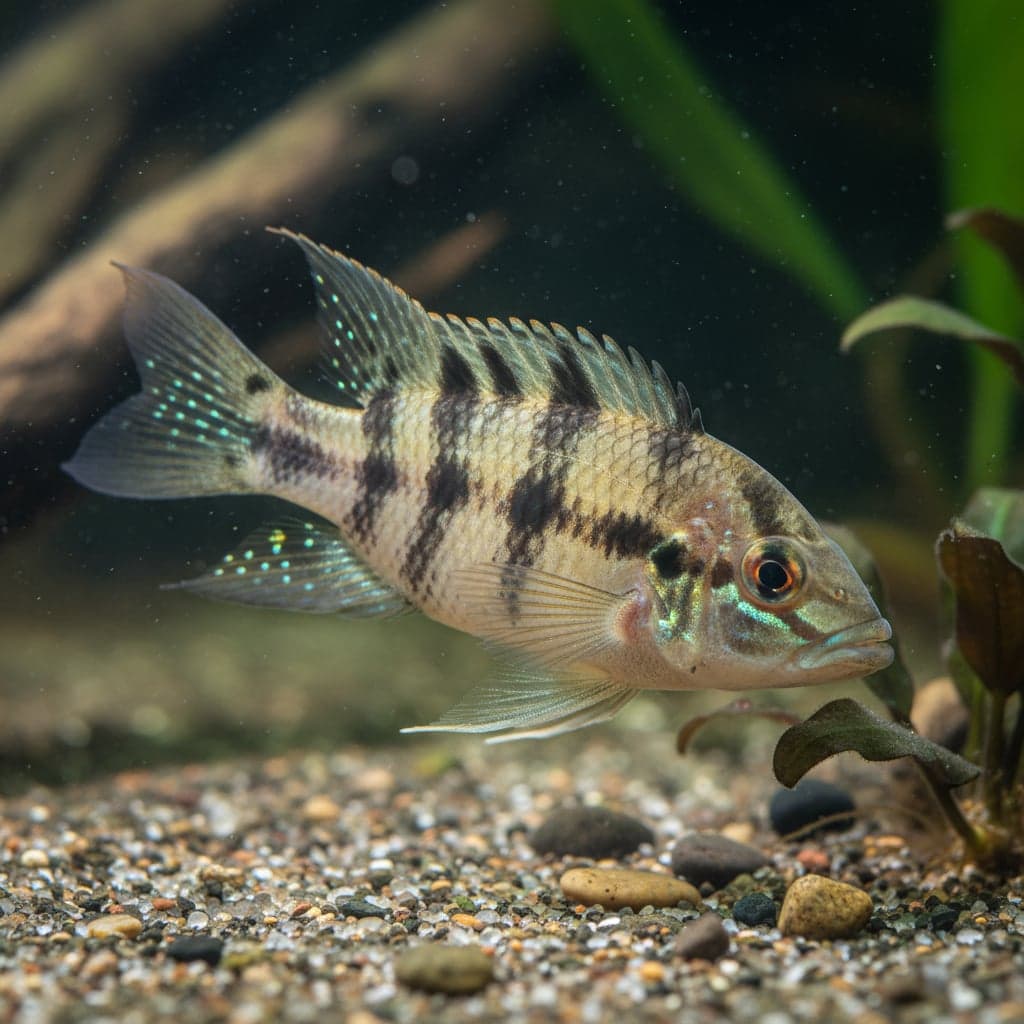
When selecting tank mates for the Papa Plec L090, it’s crucial to consider species that share similar water parameter requirements and temperaments. Suitable companions include larger tetras, peaceful cichlids, and other bottom-dwelling fish such as otocinclus or smaller catfish that will not compete aggressively for food.
However, certain species should be avoided to ensure harmony within your aquarium. Avoid keeping the Papa Plec with overly aggressive fish, particularly smaller varieties that may be bullied or nipped, as well as other larger, territorial bottom feeders that could compete for space and resources. Ensuring proper tank dynamics will result in a thriving community tank that showcases the beauty of the Papa Plec alongside other compatible species.
Breeding
Breeding the Papa Plec L090 in captivity can be quite challenging, primarily due to its specific environmental requirements. These fish become sexually mature around the age of 2-3 years. Successful spawning typically occurs in aquarium setups that mimic their natural habitat, with specific conditions such as a slightly lower pH and higher temperatures of about 28°C (82°F).
To promote breeding, provide stable hiding spots, such as caves or specially designed breeding boxes, where females can lay eggs. The male engages in courting behaviors, which may include aggressive displays to establish a breeding territory. Following the spawning event, males take on the responsibility of guarding and aerating the eggs until they hatch, a behavior known to require optimal water quality and stable conditions. While breeding can be successful, it's generally recommended for more experienced aquarists due to the specialized conditions needed.
Common Health Issues
Papa Plec L090 may be prone to a few health issues, especially if water quality is not adequately maintained. Common concerns include ich (Ichthyophthirius multifiliis), which is primarily a stress-related disease that manifests as white spots, and skin flukes, often resulting in scratching against objects. Establishing a stable environment with routine water changes and optimal parameters can reduce the risk of these ailments.
It is also important to monitor for signs of malnutrition or digestive issues due to improper feeding practices, particularly those related to insufficient plant material or driftwood in their diet. Regular observation of their behavior and physical condition will allow for early detection of health concerns, ensuring your Papa Plec leads a long and healthy life.