Red Laser Tetra: Hyphessobrycon sp. 'Red Laser'
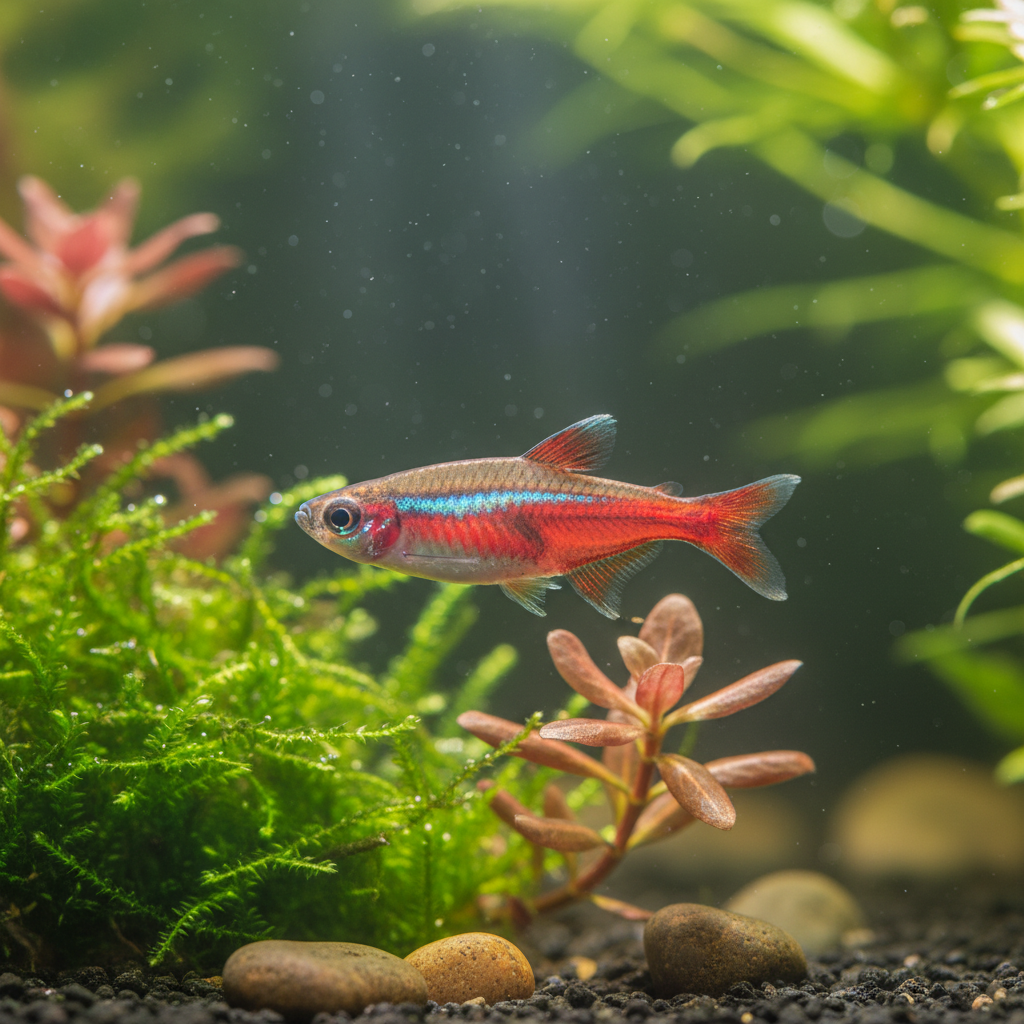
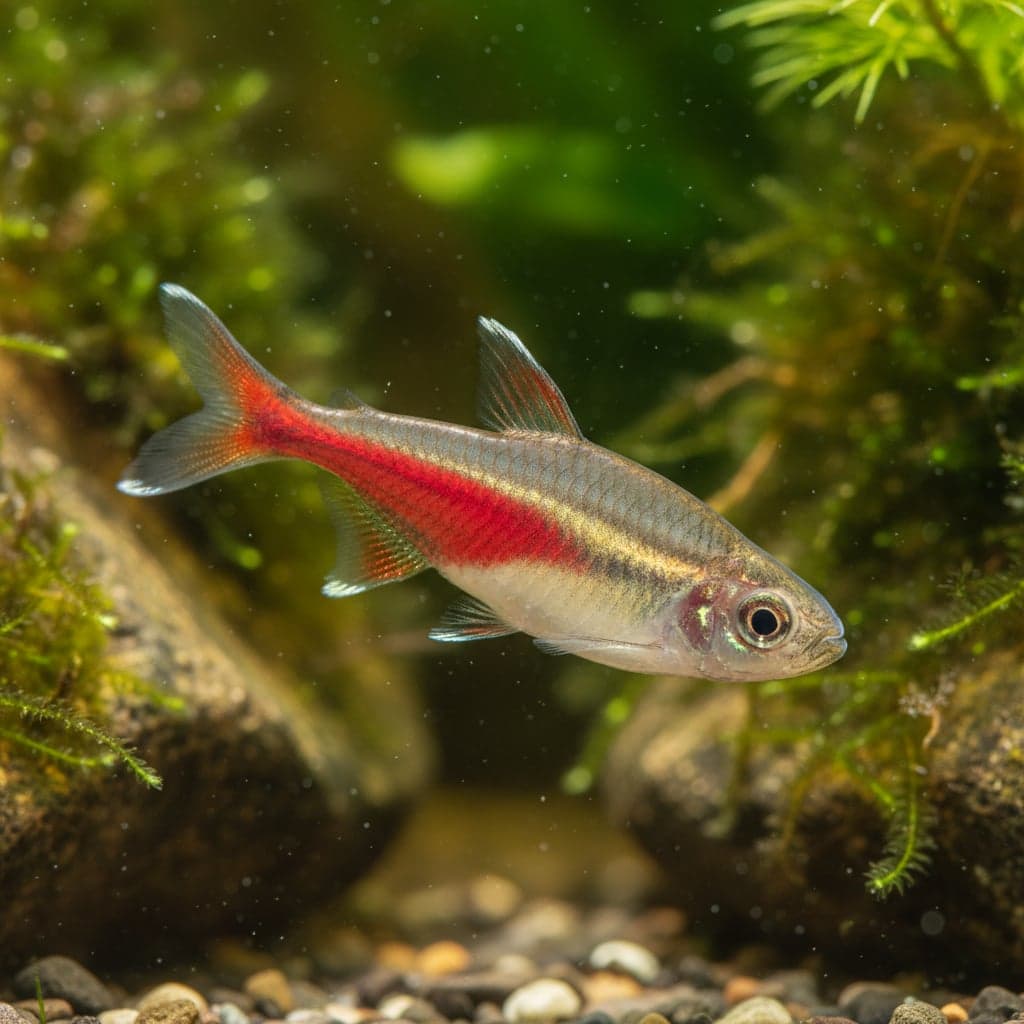
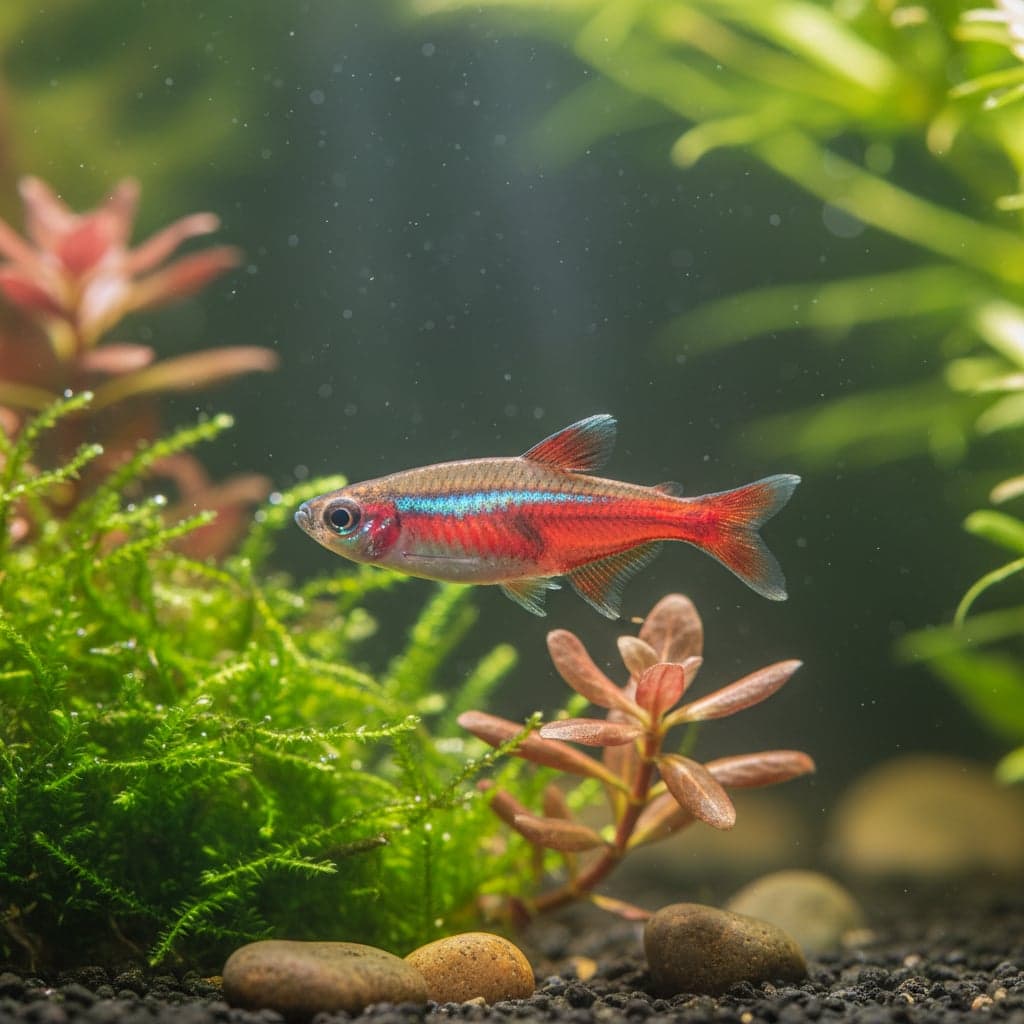
A spectacularly illuminated, newly discovered tetra displaying a piercing, glowing red laser-line down its flank.
Hyphessobrycon sp. 'Red Laser'
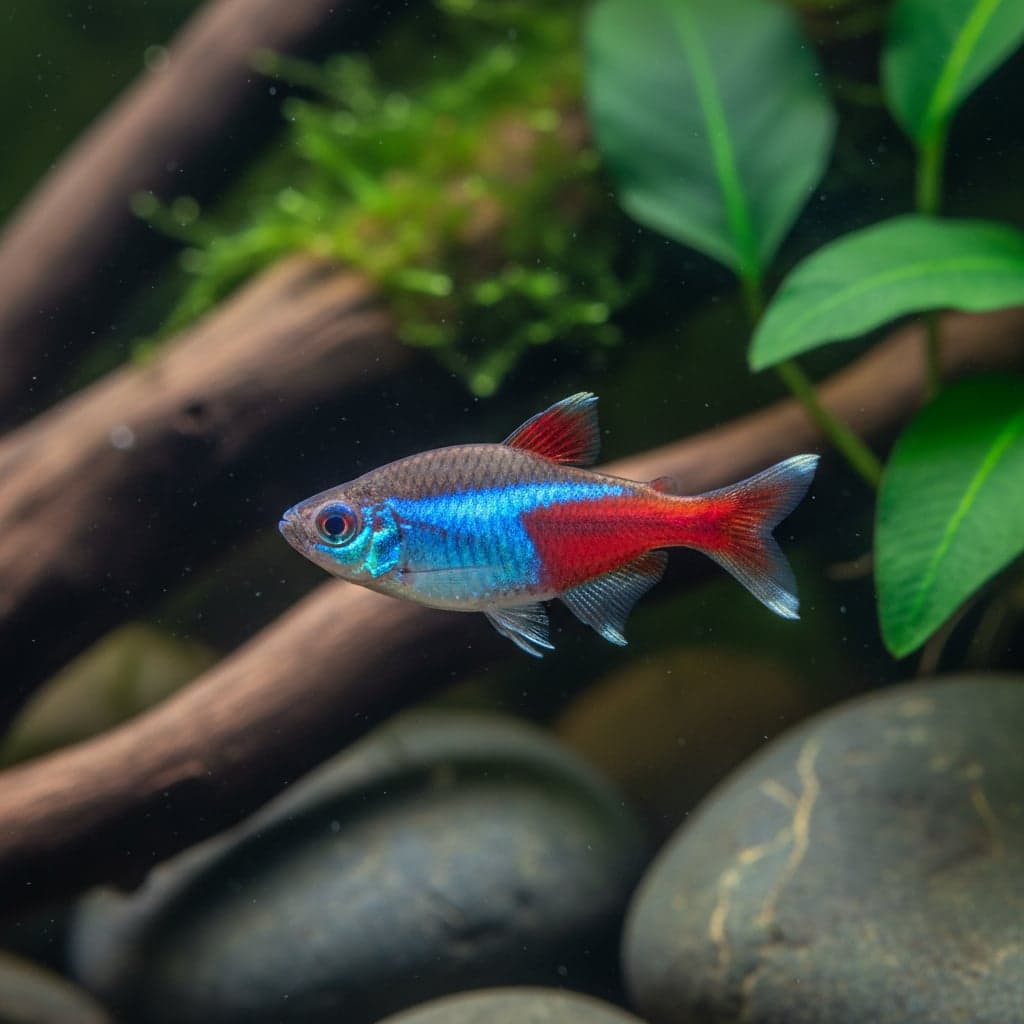
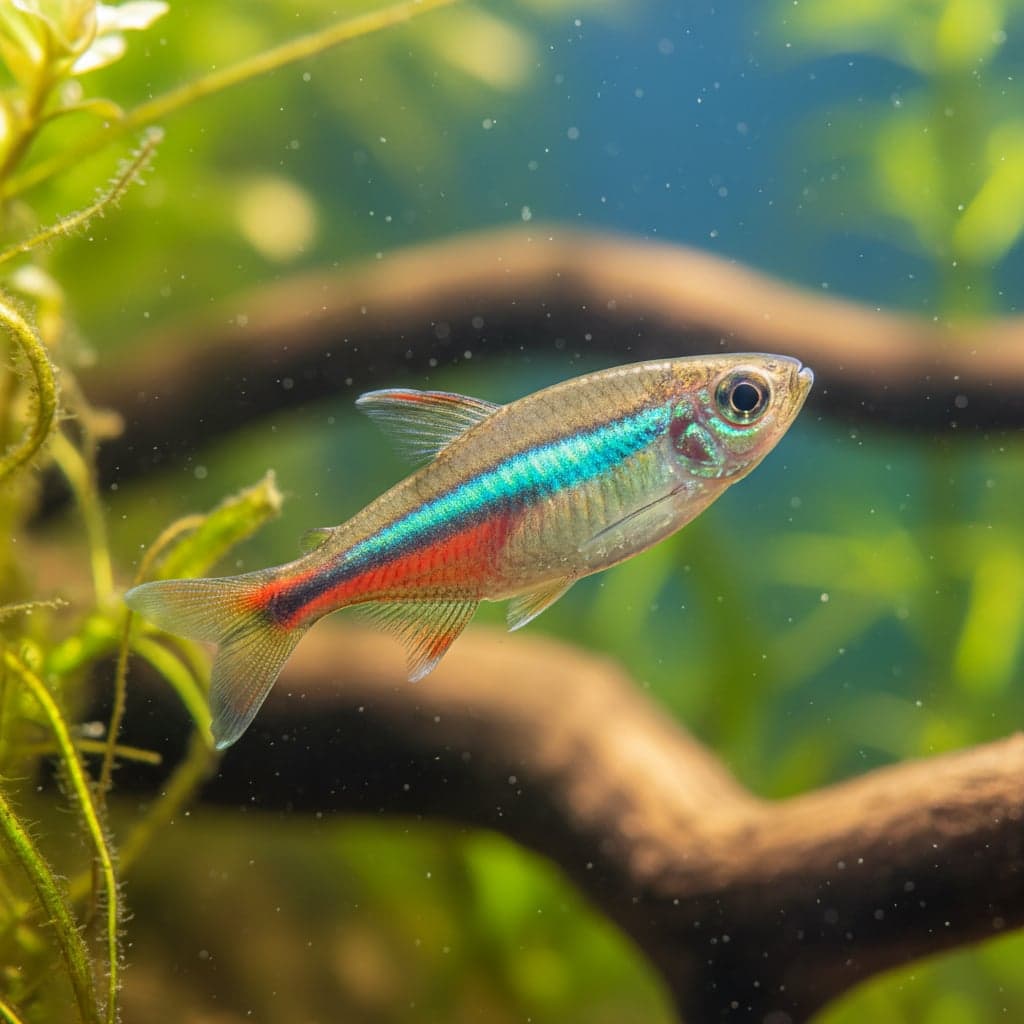
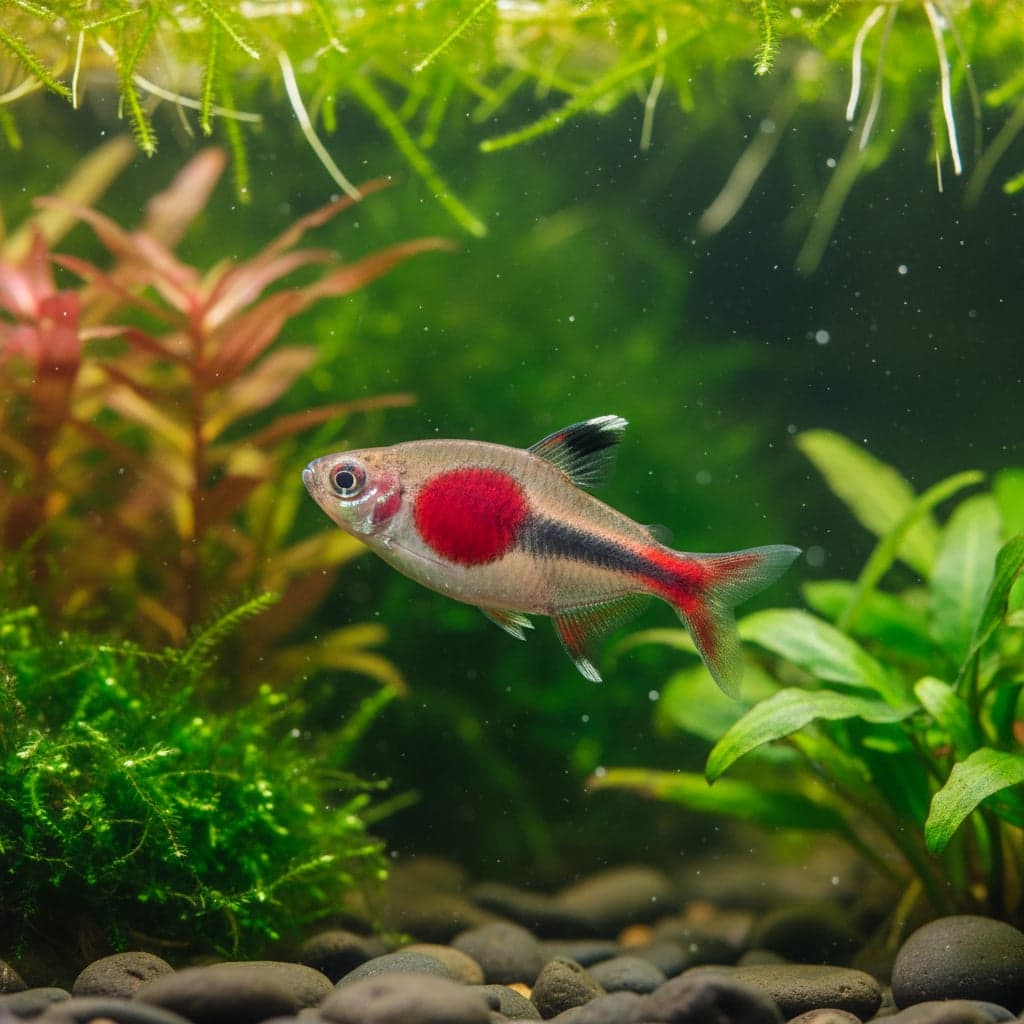
Hyphessobrycon sp. 'Red Laser', commonly known as the Red Laser Tetra, is a captivating freshwater fish that has gained significant popularity among aquarists due to its striking looks and vibrant personality. Characterized by its striking red markings, particularly the prominent red stripe running horizontally from the nose to the base of the caudal fin, this species showcases a stunning contrast against its body, which varies from a muted gray to a translucent silver. Its aesthetic appeal is further enhanced by its delicate, elongated fins that lend an air of elegance as they shimmer in the water, making it a coveted addition to nano aquariums and community tanks alike.
In terms of significance within the aquarium hobby, the Red Laser Tetra is not just another ornamental fish; it plays an essential role in promoting biodiversity and conservation efforts for freshwater species. As an active swimmer and a social creature, the Red Laser Tetra thrives in well-planted environments, contributing to the aesthetic of aquascapes while providing essential interaction for both seasoned aquarists and beginners. Moreover, its adaptability to various water conditions and compatibility with other peaceful species make it an ideal choice for community tanks, offering a blend of both beauty and harmony.
Natural Habitat & Origin
The Red Laser Tetra is native to the blackwater streams and tributaries of the Amazon River basin, primarily found in regions of Brazil. These habitats are characterized by low pH levels, soft water, and a plethora of submerged vegetation, which creates a highly acidic environment steeped in tannins and organic matter. The tannins give the water an amber hue, making it essential for aquarists to mimic these conditions to ensure the well-being of the fish. The natural environment of the Red Laser Tetra comprises densely planted areas, floating debris, and slow-moving waters, which create a sanctuary filled with natural cover and foraging opportunities.
Care Requirements
To provide a suitable environment for Hyphessobrycon sp. 'Red Laser', aquarists should aim for specific water parameters to ensure the fish thrive. The optimal pH range for these tetras is between 5.5 and 7.0, with a temperature preference of 22–28°C (72–82°F) and soft water hardness around 2–15 dGH. For the tank setup, a minimum size of 20 gallons is recommended to allow for swimming space and social interaction. The substrate should be dark and fine to simulate their natural habitat, while ample plant coverage with species such as Java moss, Amazon sword, and floating plants should be included to create a secure environment. Moderate lighting that mimics the dappled light of a forest canopy is ideal, while background plants and driftwood can enhance aesthetics and provide additional hiding spots.
Diet & Feeding
The Red Laser Tetra is primarily an omnivore, which results in a diverse diet that can easily be catered for both in the wild and in captivity. In the aquarium setting, these fish thrive on high-quality flake or pellet food enriched with spirulina, which supports their health and coloration. Additionally, a varied diet can be supplemented with small frozen foods such as bloodworms, brine shrimp, or daphnia, along with occasional live foods for added nutritional value. An appropriate feeding regimen involves providing small amounts multiple times a day, allowing the fish to graze and maintain an active metabolism without overfeeding, which can lead to water quality issues.
Behavior & Temperament
Hyphessobrycon sp. 'Red Laser' is known for its lively and social behavior. These tetras exhibit strong schooling habits, preferring to gather in small groups of at least six or more individuals. This not only promotes a sense of security among the fish but also encourages natural behaviors and reduces stress levels. In terms of aggression, the Red Laser Tetra is a peaceful species that coexists harmoniously with other non-aggressive fish; however, they can become shy if kept in smaller groups. Their natural inclination is to swim in the upper and middle levels of the tank, making them visually striking while also allowing space for bottom-dwelling species.
Tank Mates
When considering tank mates for Hyphessobrycon sp. 'Red Laser', it is vital to choose species that share similar temperaments and environmental needs. Compatible tank mates include other small tetras such as Neon Tetras, Rasboras, and Guppies, as well as small catfish like Corydoras or Otocinclus. In contrast, aggressive or larger species such as Cichlids, Goldfish, or Betta fish should be avoided, as they can pose a threat to the Red Laser Tetra. The key to a successful community tank is to ensure that all inhabitants feel secure, with ample swimming space and hiding spots to promote a peaceful coexistence.
Breeding
Breeding Hyphessobrycon sp. 'Red Laser' in captivity requires specific conditions to encourage spawning. To initiate breeding, it is recommended to set up a separate breeding tank with soft and slightly acidic water (pH 6.0–6.5) and a spawning substrate, such as fine-leaved plants or spawning mops, which allows the eggs to settle and prevents them from being eaten. The introduction of a breeding pair should be done carefully; conditioning them with high-quality food a few weeks prior can encourage successful spawning. Once breeding occurs—typically in the early morning hours—the parents may consume the eggs, and thus it is advisable to separate them after spawning to increase the likelihood of fry survival. The eggs generally hatch within 24 to 36 hours, leading to free-swimming fry after approximately one week, at which point they can be fed with infusoria, microworms, or finely crushed flakes.
Common Health Issues
While Hyphessobrycon sp. 'Red Laser' is generally hardy, like all aquarium fish, they can be susceptible to certain health issues. Common diseases to look out for include Ich (white spot disease), fin rot, and various parasitic infections. Preventative measures include maintaining optimal water conditions, performing regular water changes, and ensuring good tank hygiene. Additionally, observing the fish for any signs of stress or illness such as abnormal swimming patterns or changes in appetite can facilitate early detection and treatment. Quarantining new arrivals before introducing them into the main aquarium further minimizes the risk of introducing diseases, ensuring a thriving environment for these beautiful tetras.