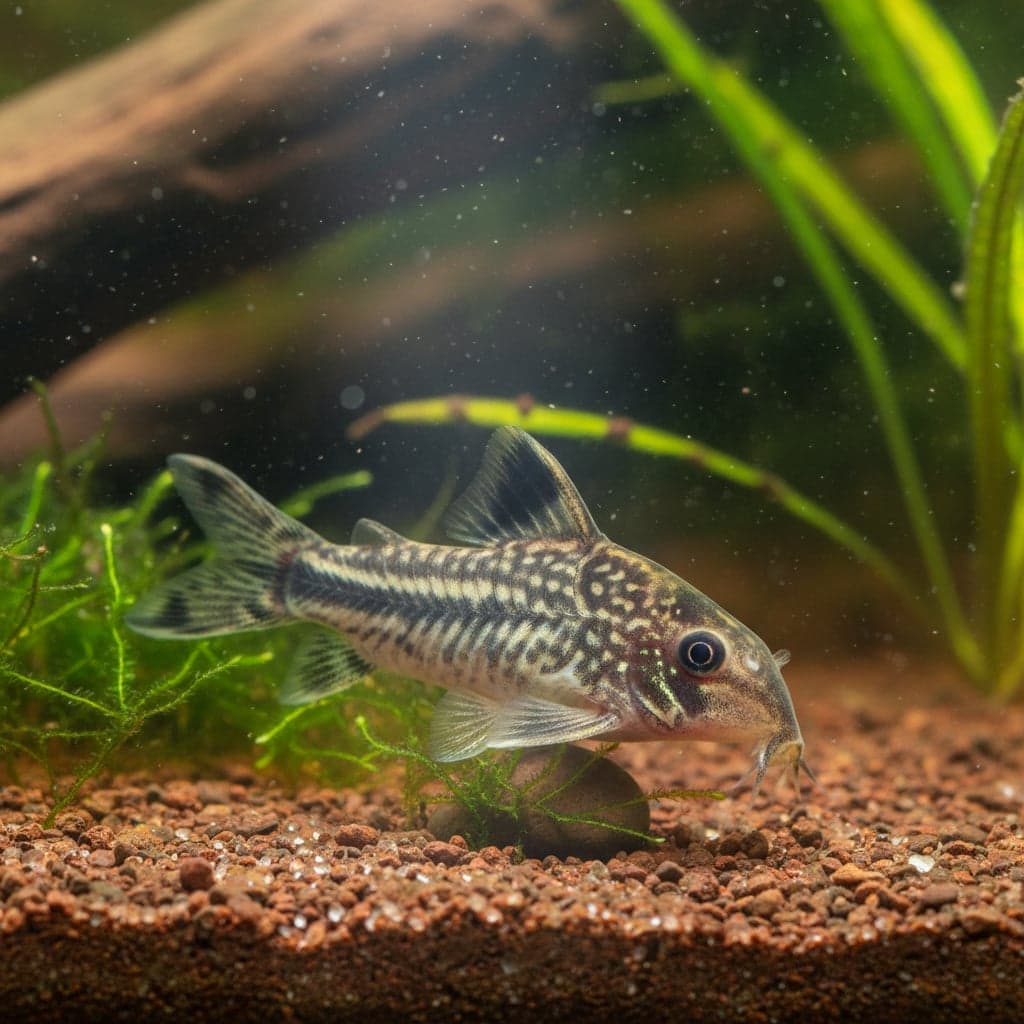
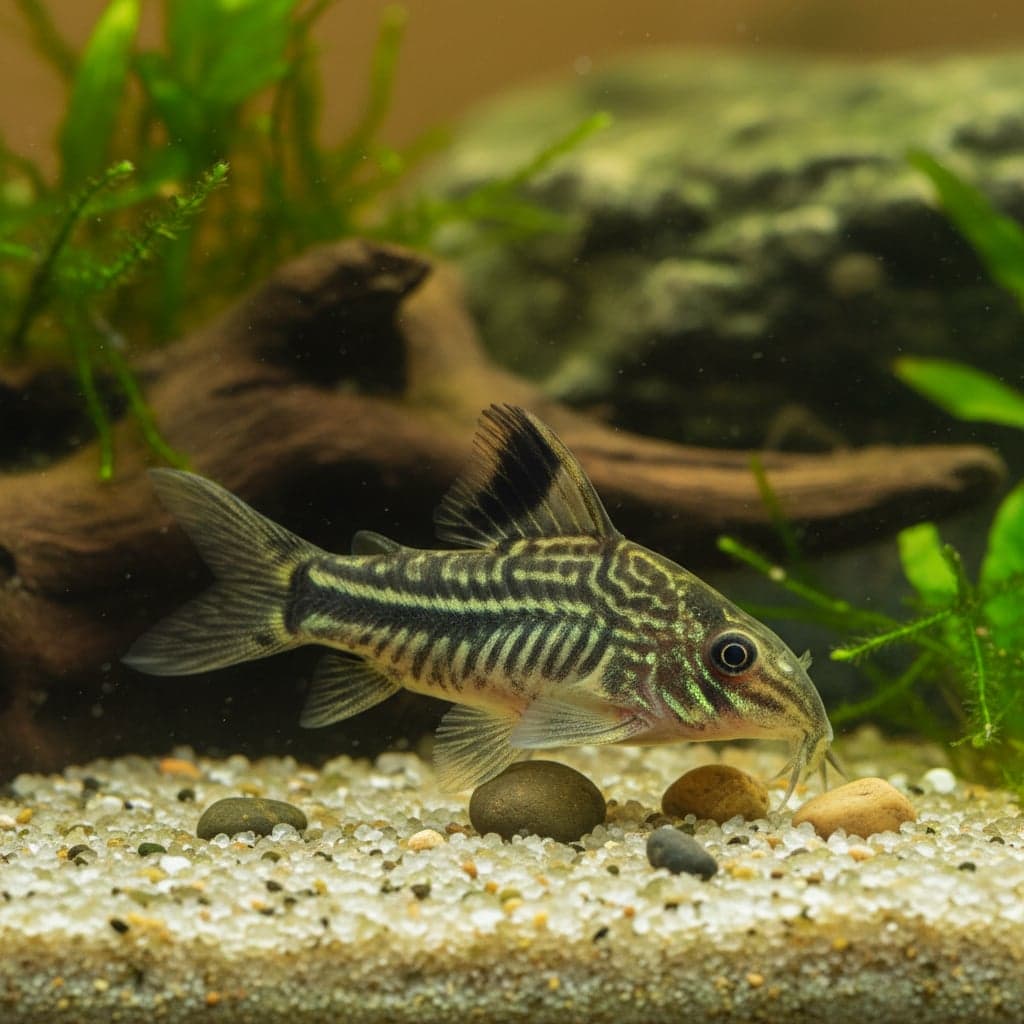
Slant Bar Cory: Corydoras loxozonus
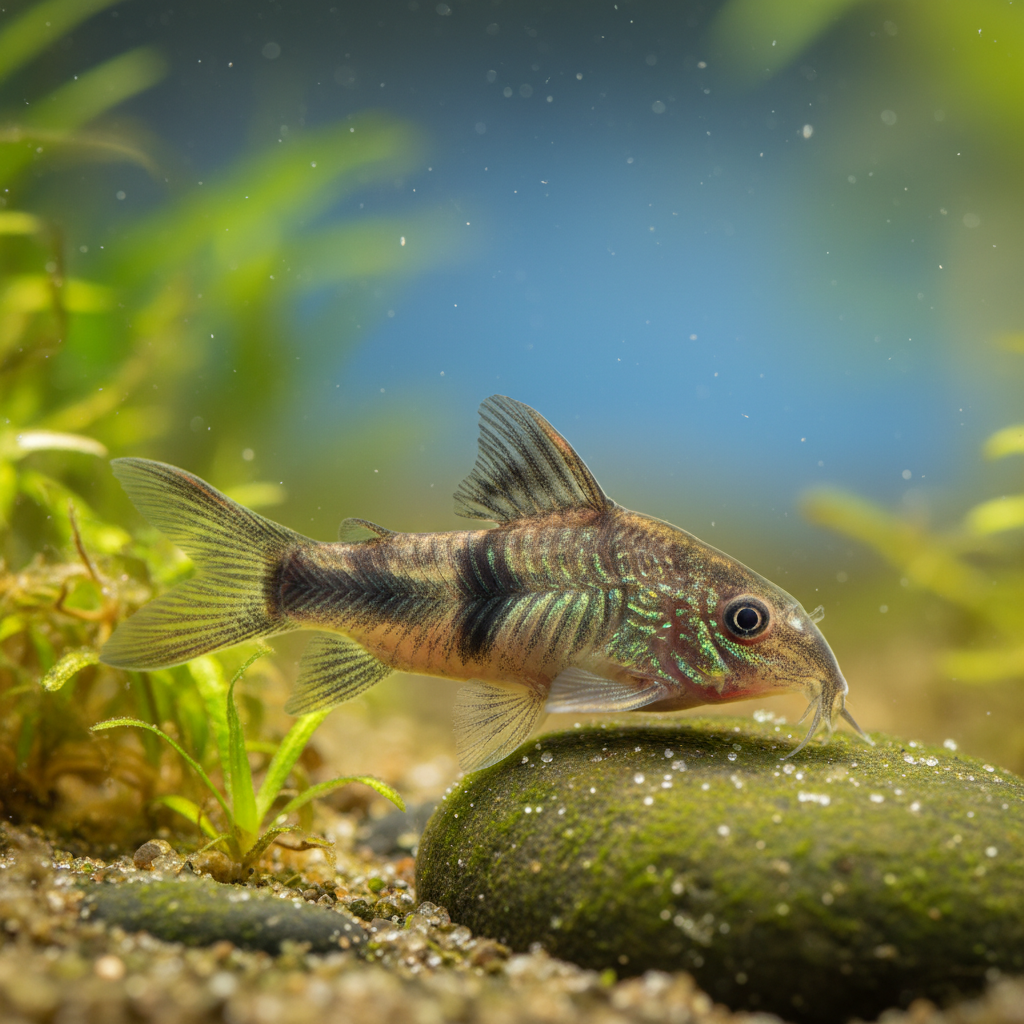
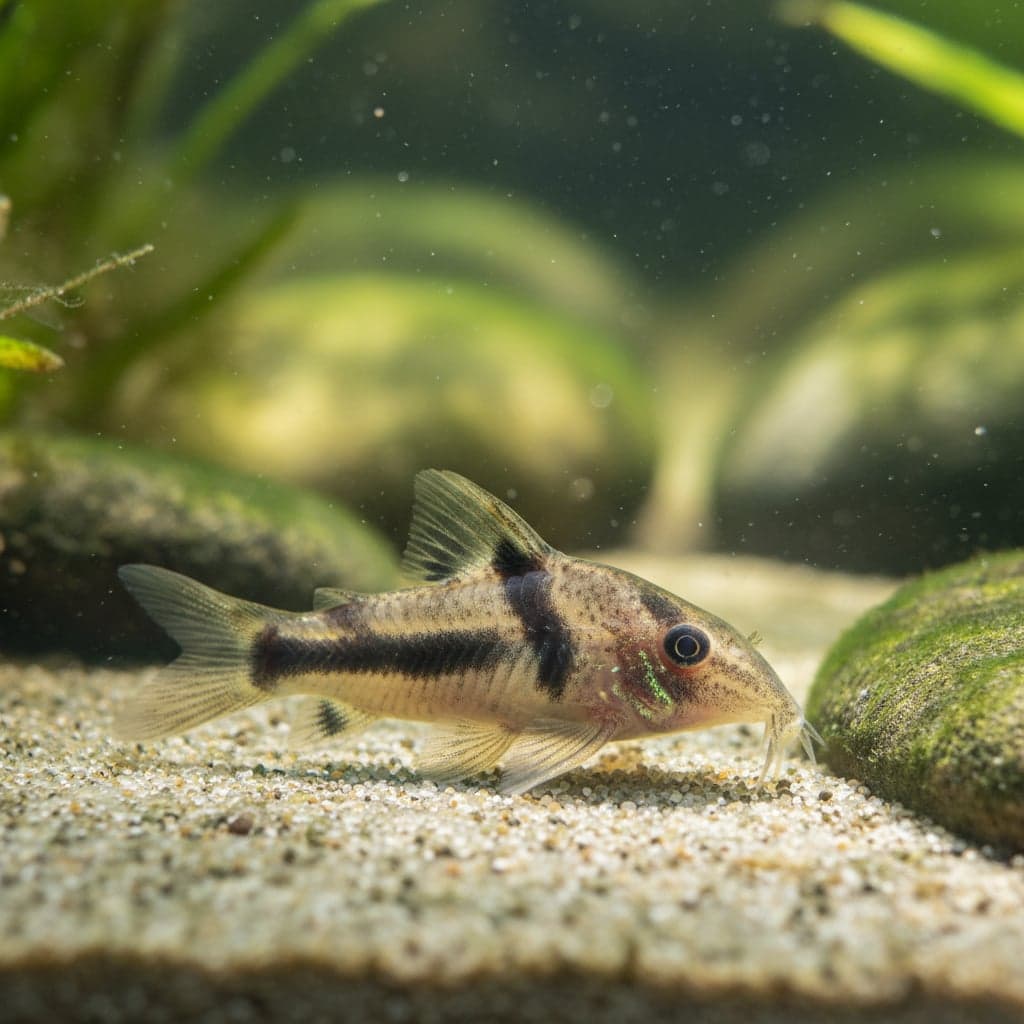
A spectacularly elegant corydoras perfectly defined entirely by a dark vertical eye mask and a unique, sloping dorsal stripe.
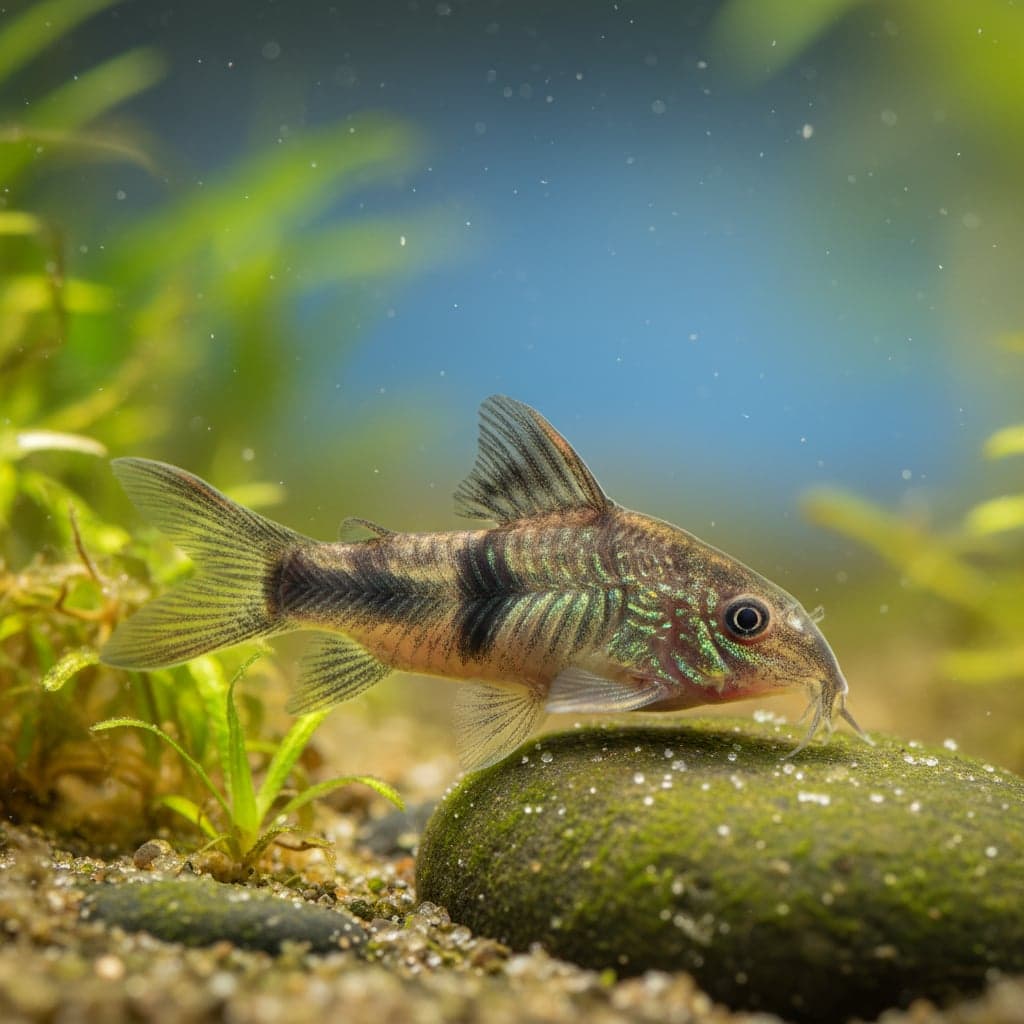
Slant Bar Cory
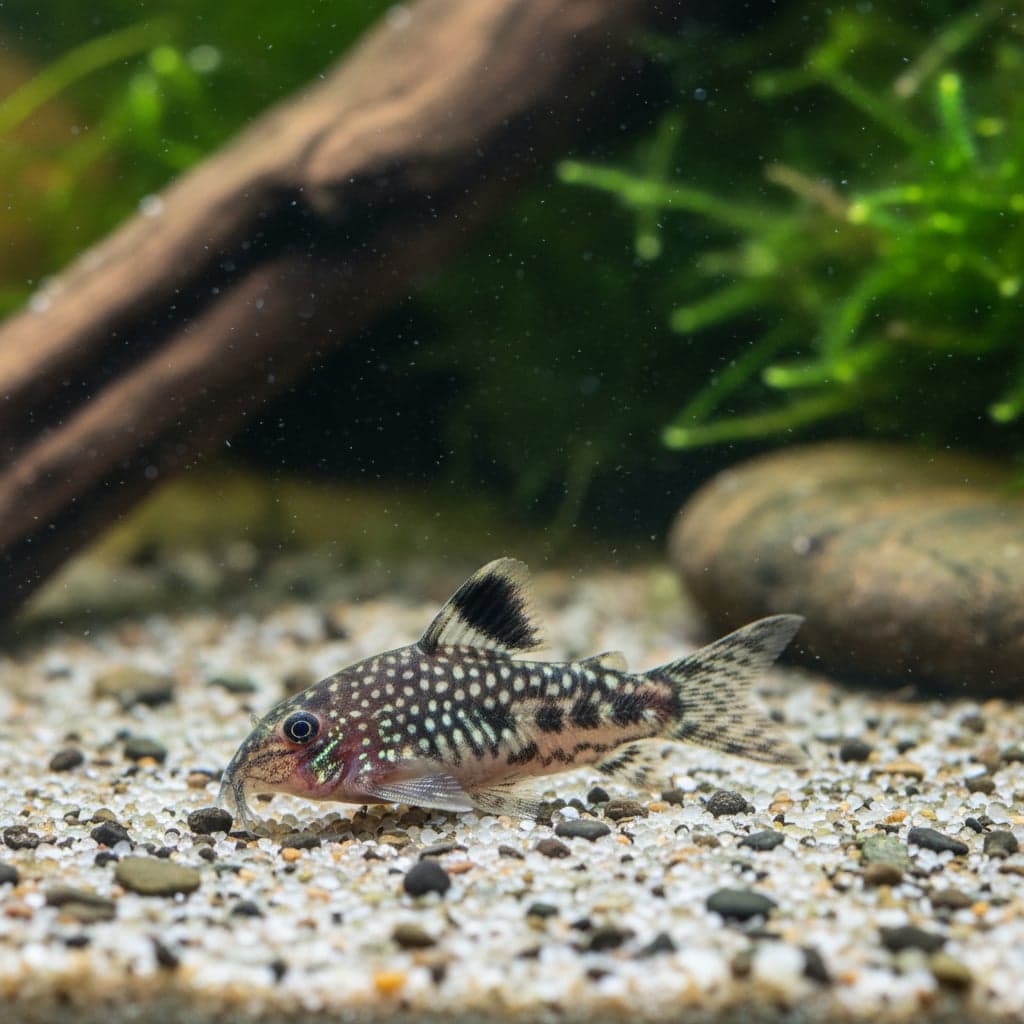
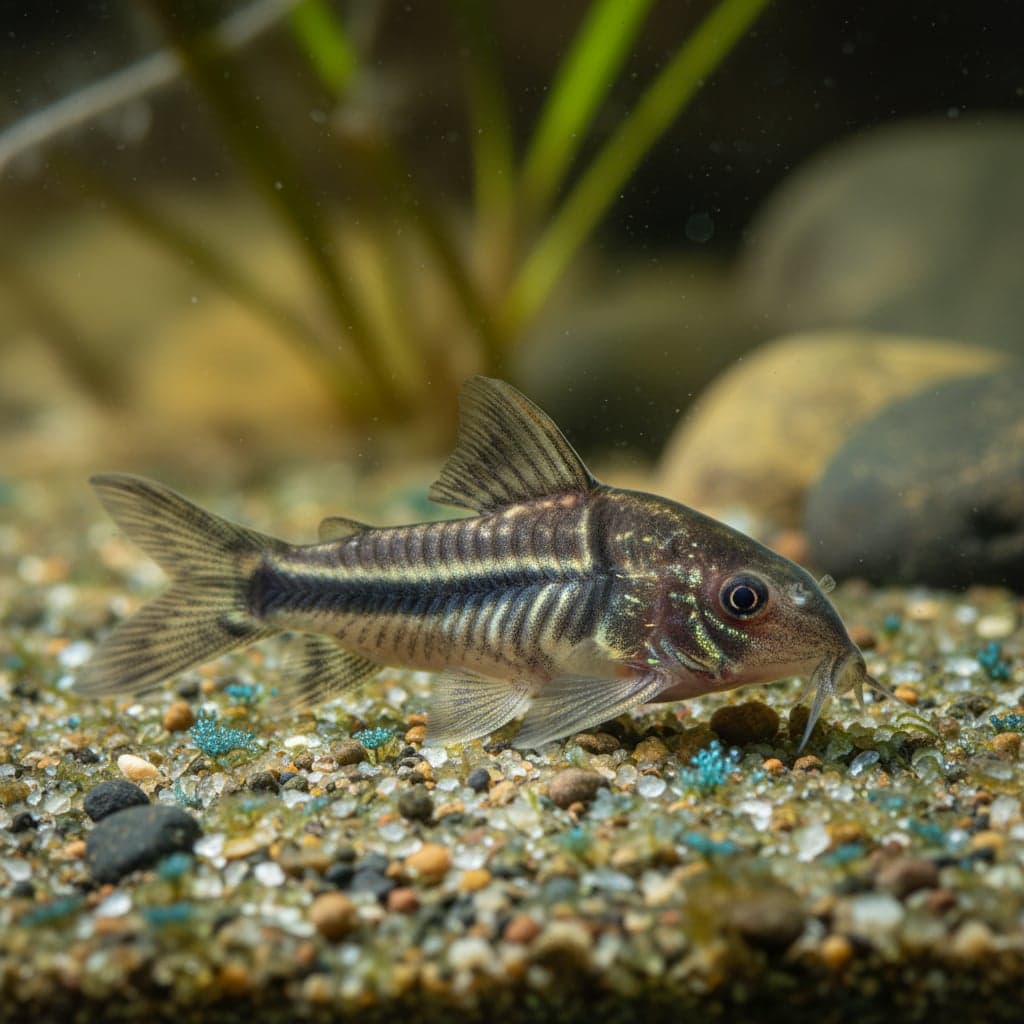
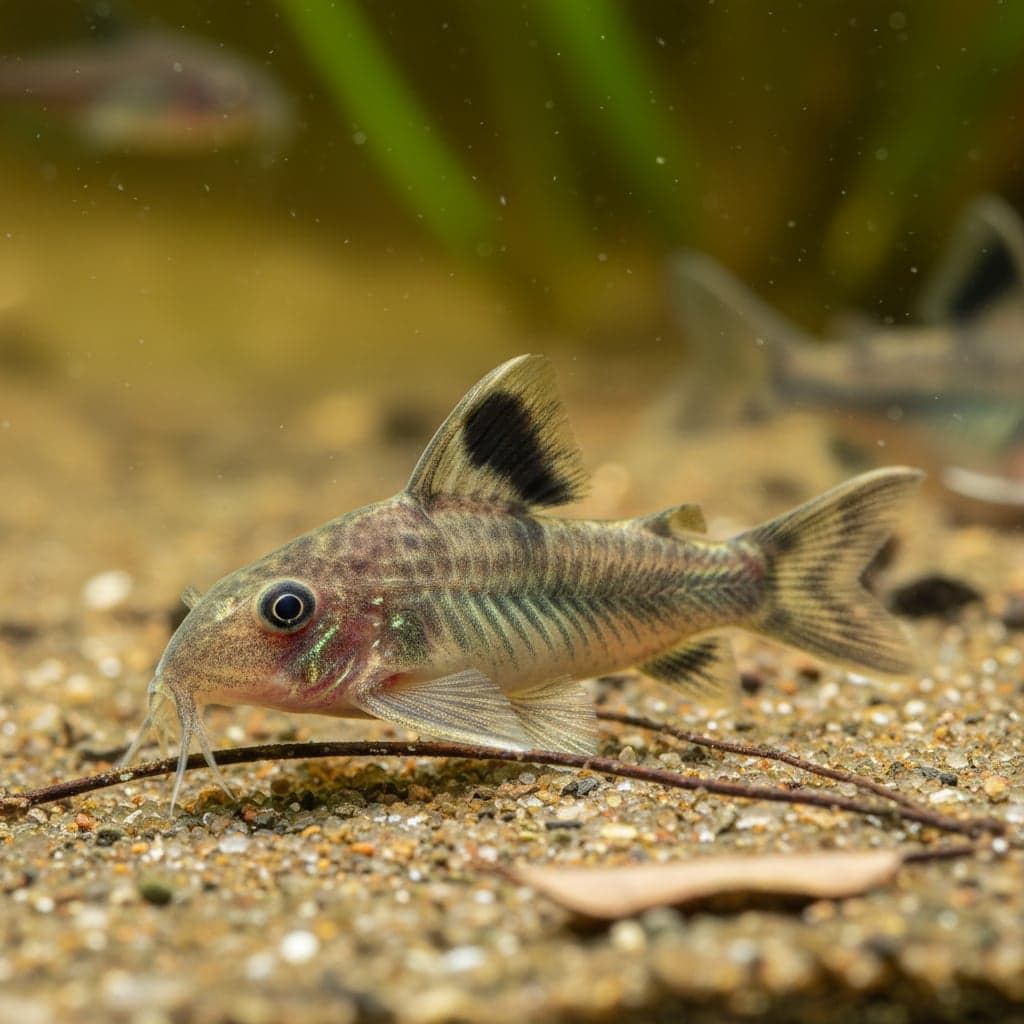
The Slant Bar Cory, scientifically known as Corydoras loxozonus, is a delightful freshwater species that has gained notable popularity among aquarists due to its endearing demeanor and attractive appearance. This small catfish features a distinctive slanting bar pattern across its body, which can range from a rich gray to a pale brown, with its dorsal and tail fins often displaying a stunning blend of whitish and darker hues. This visual appeal, combined with its playful nature, makes the Slant Bar Cory a charming addition to any community aquarium. Typically reaching about 4.5-5 cm in length, its compact size allows it to adapt to various tank settings, making it a favorite for both beginner and experienced aquarists alike.
Significantly, the Slant Bar Cory plays an essential role in maintaining the ecological balance within its habitat, contributing to the detritivore cycle and helping to clean the substrate of organic debris. This behavior not only benefits its natural environment but also enhances the aquatic ecosystem in captivity by promoting a healthier tank environment. By foraging through the substrate, the Slant Bar Cory aerates the ground and facilitates the breakdown of waste materials. Thus, its presence in community tanks is not only about aesthetics; it also serves a critical function, emphasizing the importance of including species like the Slant Bar Cory in well-balanced aquascapes.
Natural Habitat & Origin
The Slant Bar Cory is native to the Amazon River Basin, particularly found in regions of Brazil. It thrives in blackwater rivers and streams, surrounded by dense foliage that provides both shelter and a natural food source. The water in these habitats is typically stained with tannins from decaying plant matter, resulting in a dark and acidic environment often characterized by low light penetration. These conditions foster a unique ecosystem where countless species exist in symbiosis, with the Slant Bar Cory playing an integral part as a substrate feeder.
While the water temperature in its natural habitat ranges from 22°C to 28°C (72°F to 82°F), the pH level is relatively low, typically between 5.5 and 7.0. The substrate consists of fine sand or soft silt, ideally mixed with leaf litter, creating a perfect environment for foraging. Aquarists should aim to mirror these natural conditions to ensure the health and comfort of the Slant Bar Cory in captivity, promoting an environment that is both stimulating and conducive to its needs.
Care Requirements
To successfully keep Slant Bar Corys, it is essential to replicate their natural water parameters. Ideal conditions include a pH range of 6.0 to 7.5, a temperature between 22°C to 28°C (72°F to 82°F), and moderate hardness levels of 2 to 12 dGH. The tank should be a minimum of 20 gallons to provide ample swimming space and territorial boundaries for these social fish.
For the tank setup, a sandy substrate is highly recommended, as it allows the Slant Bar Cory to sift through the bottom without damaging their delicate barbels. Moreover, the inclusion of plants such as Java Fern and Anubias can offer cover and create a stimulating environment. Lighting should be moderate, ensuring that plants can thrive while also allowing the fish to feel secure. Providing hiding spots with driftwood or caves aids in creating a safe space for these fish where they can retreat when feeling stressed.
Diet & Feeding
The Slant Bar Cory is classified as an omnivore, and its diet in the aquarium should reflect its natural foraging habits. A varied diet consisting of high-quality flakes and pellets specifically formulated for bottom-feeders will help to ensure a balanced nutritional intake. Additionally, supplementing their diet with frozen or live foods such as bloodworms, brine shrimp, and daphnia can enhance their health and vitality.
It is crucial to ensure that the food is small enough for their mouths to handle. They are adept at scavenging, making them efficient feeders that will also consume any leftovers from other tank inhabitants if suitable. Regularly offering variety in their diet will mimic their natural feeding behavior while promoting a robust immune system and overall well-being.
Behavior & Temperament
Slant Bar Corys are known for their peaceful demeanor, making them excellent candidates for community tanks. These fish are highly social and thrive when kept in groups of at least six individuals. They exhibit fascinating schooling behaviors as they explore the substrate, often seen darting back and forth as they forage. Despite their size, they display little to no aggression towards other fish and are more comfortable with gentle tank mates in similar size ranges.
In terms of vertical placement, Slant Bar Corys primarily inhabit the lower levels of the tank. They prefer to stay near the substrate but will occasionally swim mid-tank when schooling. Adequate swimming space and ground cover will encourage their natural behavior, making them even more enjoyable to observe as they express their playful nature.
Tank Mates
When selecting tank mates for the Slant Bar Cory, it's essential to choose species that share their peaceful temperament. Compatible tank mates include small community fish like Neon Tetras, Rasboras, Guppies, and other species of Corydoras. Additionally, non-aggressive dwarf cichlids, such as Apistogramma species, can coexist well without causing stress.
It is advisable to avoid larger or aggressive species that may view the Slant Bar Cory as a target. Fish like Cichlids and other territorial species can pose threats to these peaceful catfish. Care should always be taken to monitor community dynamics regularly, ensuring a harmonious aquarium environment.
Breeding
Breeding Slant Bar Corys in captivity can be a rewarding endeavor, though it requires specific conditions to increase success rates. To stimulate breeding, maintain optimal water parameters with a slightly lower temperature and more acidic pH than usual. Provide a breeding tank with fine-leaved plants or spawning mops where females can lay eggs safely.
Typically, after a conditioning period involving high-quality live foods, males will chase females around the tank, and spawning occurs in groups. The female will lay eggs on flat surfaces, and males will fertilize them shortly after. Once the eggs are laid, it's best to remove the adults, as they may consume the eggs. The eggs typically hatch within 3 to 5 days, depending on water temperature and conditions.
Common Health Issues
While generally hardy, Slant Bar Corys may still be prone to several common health issues, including ich (white spot disease), bacterial infections, and fin rot. Preventive measures include maintaining clean water conditions, optimal water parameters, and a balanced diet. Regular tank maintenance, including water changes and substrate cleaning, will also minimize stress and disease potential.
In addition, be vigilant for any signs of distress in your Slant Bar Corys, such as changes in behavior or appearance. Early intervention can often prevent the escalation of illness. Monitoring water quality and introducing any new tank mates gradually will contribute significantly to the long-term health and happiness of your Slant Bar Cory in your aquarium.