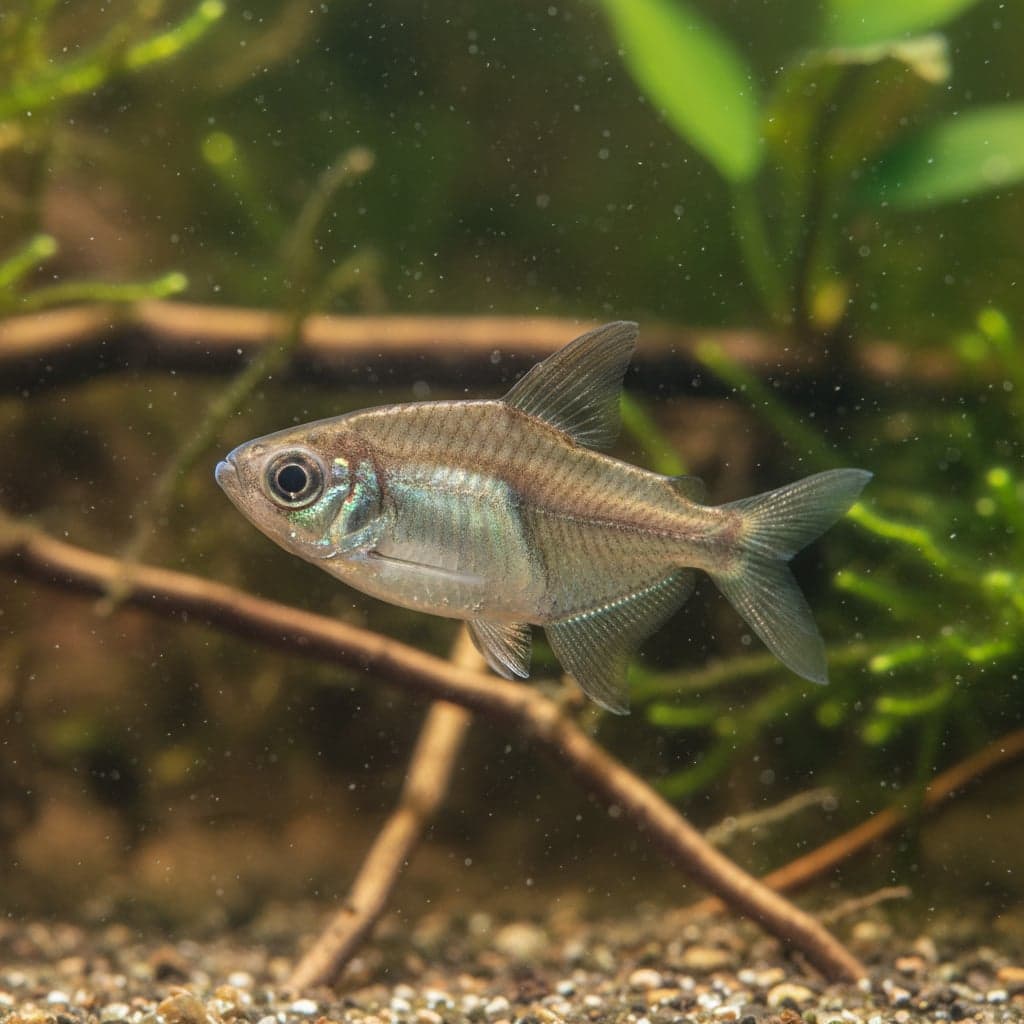
Spade-tailed Checkerboard Cichlid: Dicrossus maculatus
A deeply elegant, incredibly peaceful South American dwarf cichlid defined by highly regimented black checkered squares along its flanks.

Spade-tailed Checkerboard Cichlid
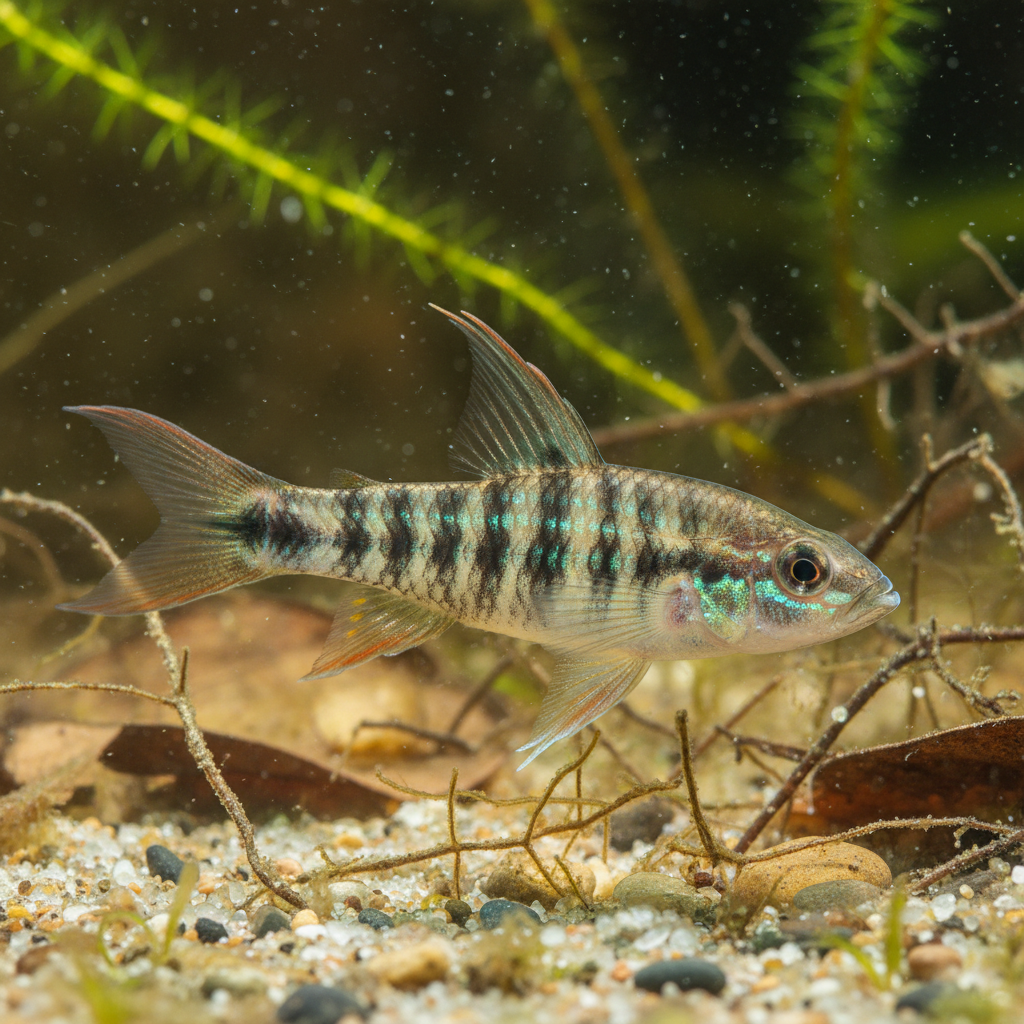
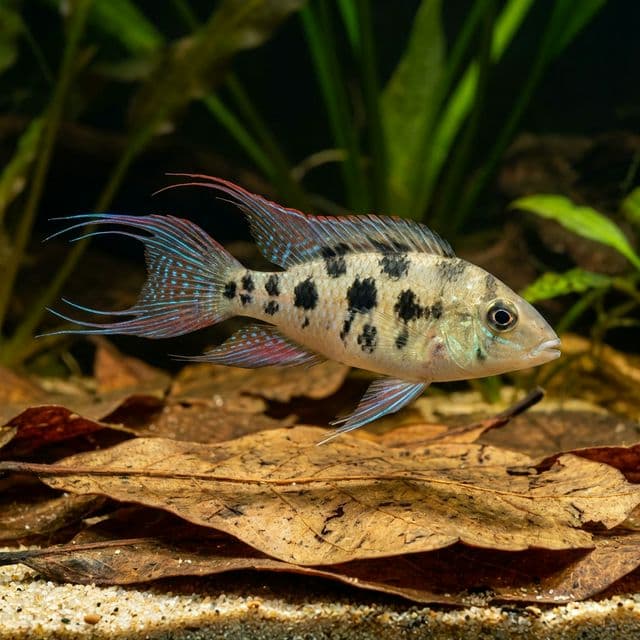
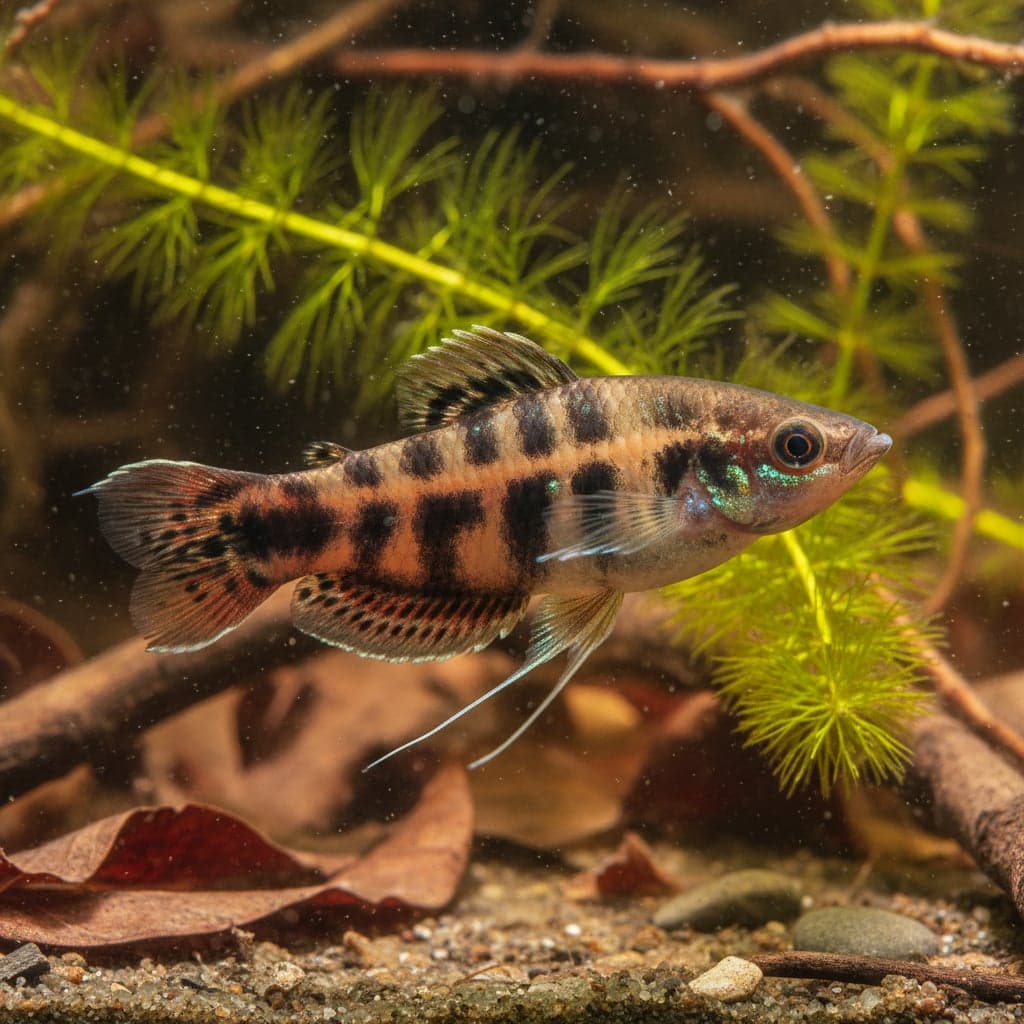
The Spade-tailed Checkerboard Cichlid, scientifically known as Dicrossus maculatus, is a striking freshwater fish that has gained immense popularity among aquarium enthusiasts for its unique appearance and captivating behavior. This cichlid is characterized by its stunning pattern of intricate, checkered markings that resemble a beautifully woven tapestry. Its body features a combination of subtle iridescent colors, predominantly shades of brown and gold, accented by distinct dark spots that enhance its visual allure. Adult specimens typically grow to about 3 to 4 inches, making them an ideal choice for home aquariums where space may be limited. Beyond their beauty, Spade-tailed Checkerboard Cichlids are also known for their moderately peaceful nature, rendering them suitable for community tanks, which increases their significance within the aquarium hobby.
The importance of the Spade-tailed Checkerboard Cichlid lies not just in its aesthetic appeal, but also in its fascinating behavior and adaptability to various tank environments. These fish exhibit intriguing social dynamics and display a range of personality traits that captivate their owners. Often seen nestled among plants and pebbles in the aquarium, they showcase a behavior that can provide hours of observation enjoyment. The Spade-tailed Checkerboard Cichlid is a true ambassador of freshwater biodiversity, representing the beauty of South American fish species while enriching the aquatic experiences for fish keepers around the world.
Natural Habitat & Origin
The Spade-tailed Checkerboard Cichlid is native to the clear and blackwater rivers of the Amazon basin, particularly in regions of Brazil and Guyana. These waters are characterized by low nutrient levels and high acidity, with intricate biological ecosystems that support diverse aquatic life. These cichlids inhabit slow-moving streams and swamps that are densely vegetated, often finding refuge among submerged roots and leaf litter, which provides both food sources and hiding spots from potential predators. The environmental context surrounding their natural habitat involves intricate brushing plant life that offers both cover and breeding grounds, while the tea-colored waters, colored by decaying organic matter, create an ideal backdrop for their vibrant patterns.
Maintaining elements of their natural habitat in a home aquarium is crucial for the well-being of the Spade-tailed Checkerboard Cichlid. The soft, acidic water found in their native ecosystem often leads to the establishment of unique pH conditions that need to be replicated as closely as possible to promote health and breeding success in captivity. Thus, understanding their geographic origins provides insights into creating a bio-secure environment replicating the lush, diverse niches that these captivating fish thrive within.
Care Requirements
To ensure the well-being of Spade-tailed Checkerboard Cichlids, specific care requirements must be met. The ideal water parameters include a pH level ranging from 5.5 to 7.5, a temperature between 75°F to 82°F (24°C to 28°C), and a water hardness of about 2-10 dGH. A clean, stable environment is pivotal, so regular water changes and quality testing should become part of the routine.
When it comes to tank setup, a minimum tank size of 20 gallons is recommended for a small group of Spade-tailed Checkerboard Cichlids, allowing ample space for swimming and exploration. The substrate should consist of fine sand or soft gravel, mimicking the riverbeds they are accustomed to. To facilitate their need for hiding spots, include plenty of plants, driftwood, and rocks to create a naturalistic environment. Lighting should be moderate, as intense lighting can stress these fish. Providing shaded areas will help simulate their underwater habitat, promoting a more comfortable and secure living environment.
Diet & Feeding
In their natural habitat, Spade-tailed Checkerboard Cichlids are omnivores, feeding on a variety of dietary options, including small invertebrates, plant matter, and detritus. In captivity, they thrive on a healthy, varied diet consisting of high-quality flakes and pellets that are formulated for cichlids. Supplementing their meals with live or frozen foods such as brine shrimp, bloodworms, and daphnia can enhance their vitality and encourage natural foraging behaviors. Additionally, offering blanched vegetables like zucchini and spinach can provide necessary vitamins, promoting overall health and vibrancy.
Feeding should also be considered with regard to their social and territorial nature. It's best to provide multiple feeding stations within the tank to minimize competition and aggression among individuals. A well-balanced diet not only nourishes the Spade-tailed Checkerboard Cichlid but is essential for maintaining their striking colors and overall health.
Behavior & Temperament
The Spade-tailed Checkerboard Cichlid exhibits a largely peaceful temperament but can show territorial behavior, especially during breeding or when establishing dominance. They are not typically aggressive, making them suitable for community tanks with appropriately-sized tank mates. Observing their social structures and interactions can provide insight into their behaviors, as they often display a hierarchy within their groups. While they are not schooling fish, they do appreciate the company of others of their species, which can help reduce stress levels.
In terms of vertical placement within the tank, these cichlids usually prefer the middle to lower sections of the aquarium. They will often hide among plants and rocks, which may require hobbyists to consider aquascaping strategies that provide both open swimming areas and sufficient hiding spots while respecting their natural behaviors. Their inquisitive nature allows them to explore different layers of the tank, providing enjoyment for enthusiasts who appreciate active and engaging fish.
Tank Mates
When selecting tank mates for Spade-tailed Checkerboard Cichlids, it is crucial to choose compatible species that share similar water requirements and temperament. Ideal companions include smaller, peaceful fish such as Corydoras catfish, Tetras, and Rasboras. These species tend to thrive in similar water conditions and are non-interfering, promoting a tranquil community atmosphere.
Conversely, it is vital to avoid larger or more aggressive species, such as cichlids from the larger African lakes or boisterous fish with nippy tendencies like some barbs. These fish can cause stress or aggression, leading to harm or decreased happiness in the Spade-tailed Checkerboard Cichlid. Careful selection of tank mates can create a harmonious environment that encourages cooperative behaviors while reducing opportunities for conflict.
Breeding
Breeding Spade-tailed Checkerboard Cichlids in captivity can be a rewarding experience, provided the right conditions are established. These cichlids engage in substrate spawning, where the female will lay eggs on flat surfaces such as stones or broad leaves. A specialized breeding tank can enhance the likelihood of successful reproduction, with temperature adjustments to around 80°F (27°C) and maintaining slightly acidic water conditions.
Creating a breeding environment will involve providing a designated area for spawning, typically a smooth surface or broad-leaved plant. It is common for the female to lay between 50 to 100 eggs, which are then fertilized by the male. Post-spawning, the parents will exhibit protective behavior, guarding the eggs until they hatch, usually within 3 days. Once the fry reach free-swimming stage, transferring them to a separate rearing tank with appropriate food is crucial to ensure their survival and development into healthy juveniles.