Checkerboard Cichlid: Dicrossus filamentosus
A slender, elegant dwarf cichlid with a checkerboard pattern. Requires soft, acidic water.
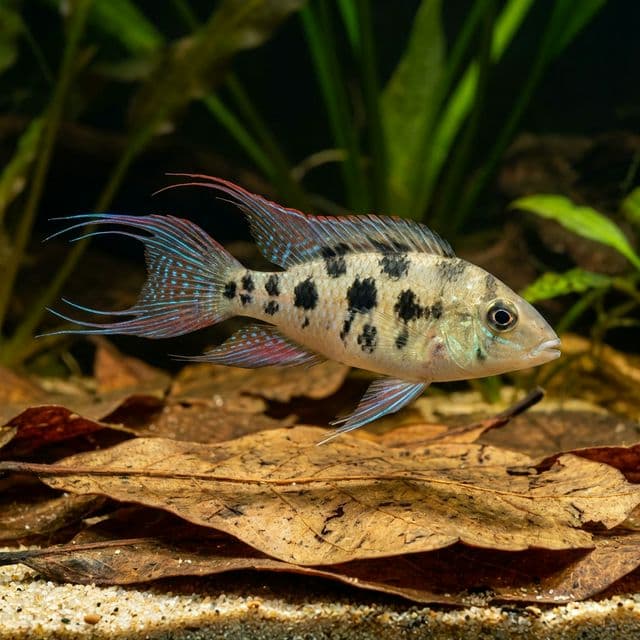
Checkerboard Cichlid
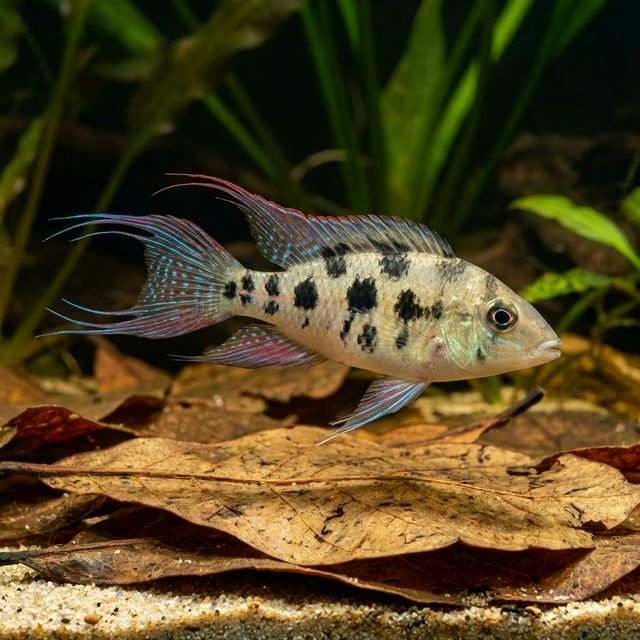
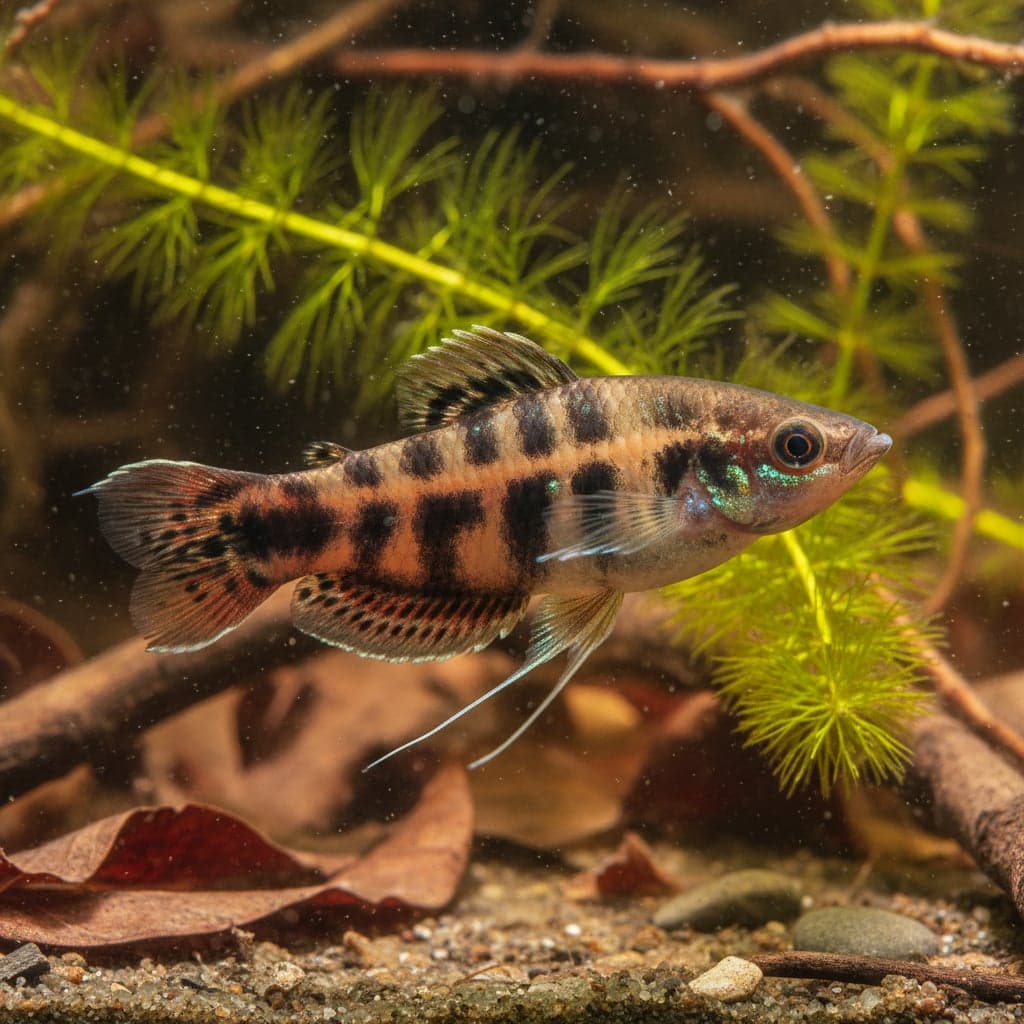
The Checkerboard Cichlid (Dicrossus filamentosus) is a captivating freshwater fish native to the Amazon Basin, particularly in regions of Brazil and Peru. With its striking coloration and intricate patterns, the Checkerboard Cichlid features a striking honeycomb-like pattern that displays in shades of brown, blue, and yellow, making it a visually appealing addition to any aquarium. Its unique appearance, paired with its relatively small size of about 3-4 inches (7.6-10 cm), has made it a preferred choice among aquarists who appreciate species that bring both beauty and personality to their tanks. The fish’s peaceful nature and environmental adaptability have also contributed to its rising popularity in the aquarium hobby, appealing to both novice and experienced fish keepers.
Beyond its aesthetic charm, the Checkerboard Cichlid holds importance in the aquarium hobby due to its unique behaviors and social structures. Known for exhibiting interesting territoriality, particularly during breeding, this cichlid provides valuable insight into the behaviors of freshwater fish. Keeping Checkerboard Cichlids encourages observation skills and deepens understanding of freshwater fish interactions, enriching the overall experience for aquarium enthusiasts.
Natural Habitat & Origin
The Checkerboard Cichlid thrives in the slow-moving rivers and flooded forest areas of the Amazon rainforest, specifically in Brazil and Peru. This fish is often found in blackwater environments, characterized by soft, acidic waters stained dark with tannins from decaying plant matter. Such habitats are typically rich in leaf litter and submerged roots, creating a complex environment that fosters both shelter and foraging opportunities. The natural surroundings not only influence the fish's physical characteristics but also its behavior and dietary needs, making it essential for aquarists to try to replicate these conditions within an aquarium setting.
Care Requirements
To maintain the health and well-being of your Checkerboard Cichlid, it is crucial to replicate its natural habitat as closely as possible. The recommended water parameters include a pH level ranging from 5.5 to 7.0, with a temperature between 76°F to 82°F (24°C to 28°C). Water hardness should be kept low, ideally between 2 to 10 dGH, creating that soft, acidic environment they thrive in. In terms of tank setup, a minimum aquarium size of 20 gallons is recommended, providing ample space for swimming and territorial behavior. A fine, dark substrate, such as sand, mimics their natural environment, while driftwood and plants, particularly leafy varieties, create hiding spots and breeding areas. Dim lighting will help replicate the shaded conditions of their native waters and reduce stress for these sensitive fish.
Diet & Feeding
Checkerboard Cichlids are classified as omnivores, but they exhibit a preference for a diet rich in protein. In captivity, it is vital to provide a varied diet that includes high-quality flake foods, cichlid pellets, and frozen or live foods such as brine shrimp, daphnia, and bloodworms. Incorporating vegetable matter like spirulina and blanched vegetables can also ensure a balanced nutritional intake. Offering a mix of these food types will not only enhance the fish's coloration but also promote healthy growth and vitality.
Behavior & Temperament
Checkerboard Cichlids are known for their peaceful disposition, making them suitable for community tanks. However, they display a semi-territorial nature, especially during breeding. It is common for them to establish territories within the tank, particularly when mating or rearing fry. These fish prefer to occupy the middle and lower levels of the aquarium, often hovering around the substrate or near plants and structures. While they can be kept in groups, it’s advised to provide ample space to mitigate aggression and allow for social interactions within their hierarchy.
Tank Mates
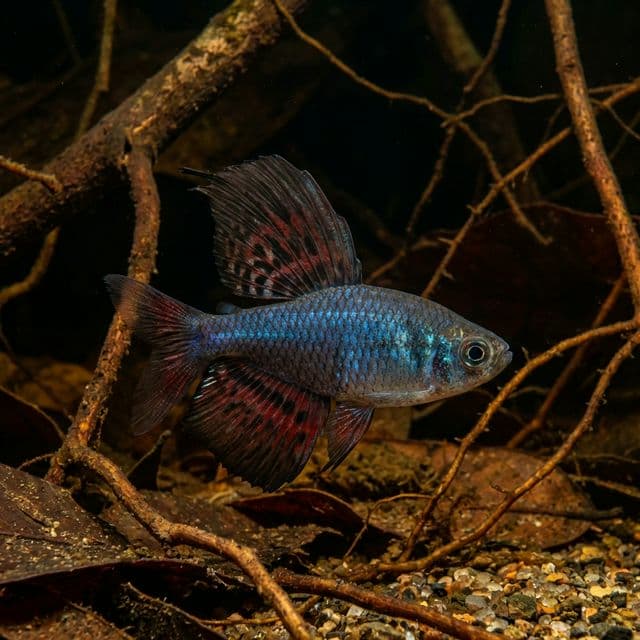
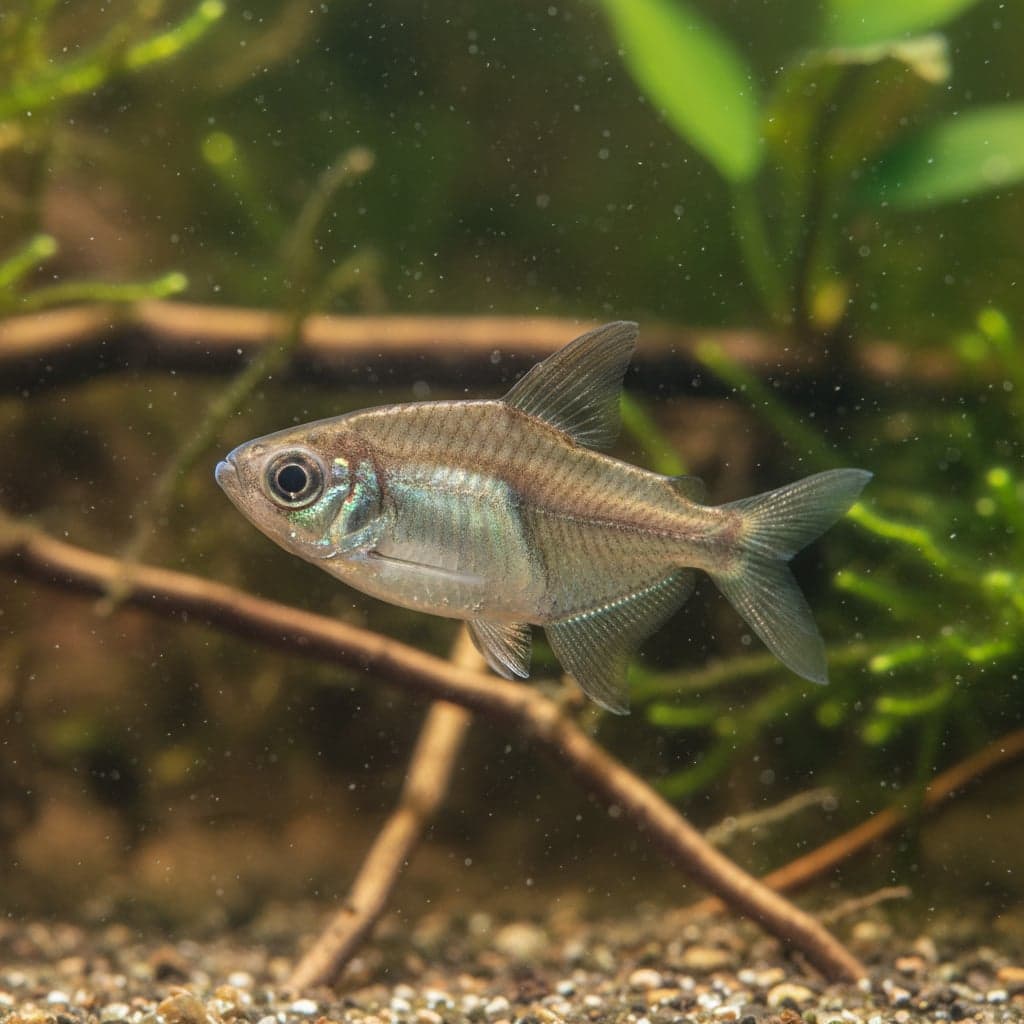
When selecting tank mates for the Checkerboard Cichlid, compatibility is key. Suitable companions include smaller, peaceful species like neon tetras, pygmy corydoras, or other dwarf cichlids such as Apistogrammas. It’s advisable to avoid larger, aggressive fish that may intimidate or harm the Checkerboard Cichlid. Species such as angelfish, goldfish, and larger cichlids should be excluded from the community tank to ensure a harmonious environment.
Breeding
Breeding Checkerboard Cichlids can be a rewarding experience for aquarists, though it requires specific conditions to be successful. These fish typically become sexually mature around one year of age. For successful spawning, a breeding pair should be provided with a separate breeding tank that mimics their natural habitat, with dark substrate, caves, and gentle filtration. The female lays eggs on flat surfaces or leaves, while the male guards the territory. After hatching, fry should be fed infusoria and finely crushed flakes to ensure their growth. Maintaining stable water conditions and providing shelter will enhance the chances of successful breeding.
Common Health Issues
Checkerboard Cichlids can be prone to certain health issues, including ich, fin rot, and other parasitic infections. Regular water quality checks and maintenance are essential to prevent disease outbreaks. Keeping the aquarium clean, ensuring a balanced diet, and avoiding overcrowding will also contribute to the overall health of your fish. Quarantining new arrivals before introducing them to the main tank can further reduce the risk of introducing diseases. If signs of illness occur, prompt treatment with appropriate medications will be crucial to recovery.