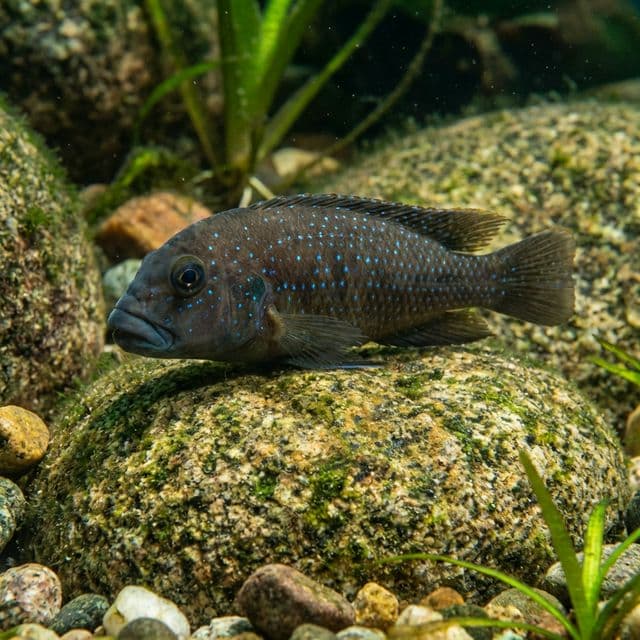
Spotfin Goby Cichlid: Tanganicodus irsacae
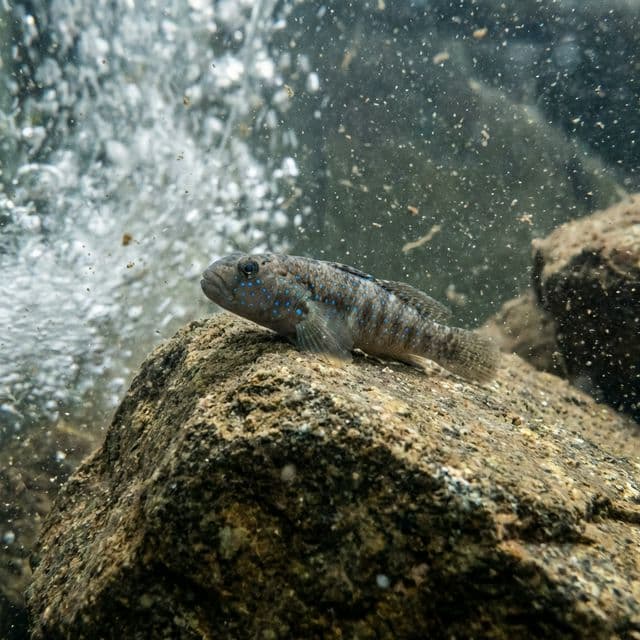
A deeply fascinating, highly specialized Tanganyikan dwarf cichlid entirely adapted to surfing crushing waves in the surge zone.
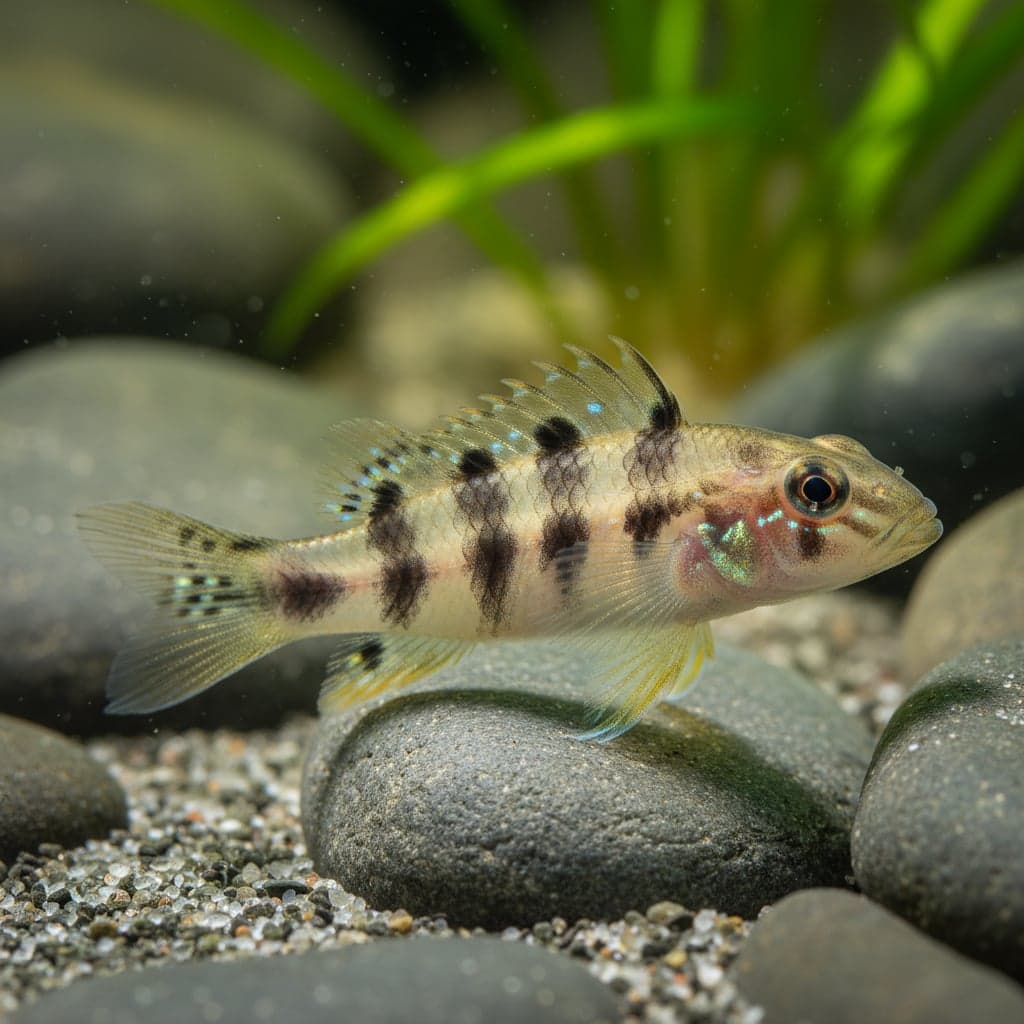
Spotfin Goby Cichlid
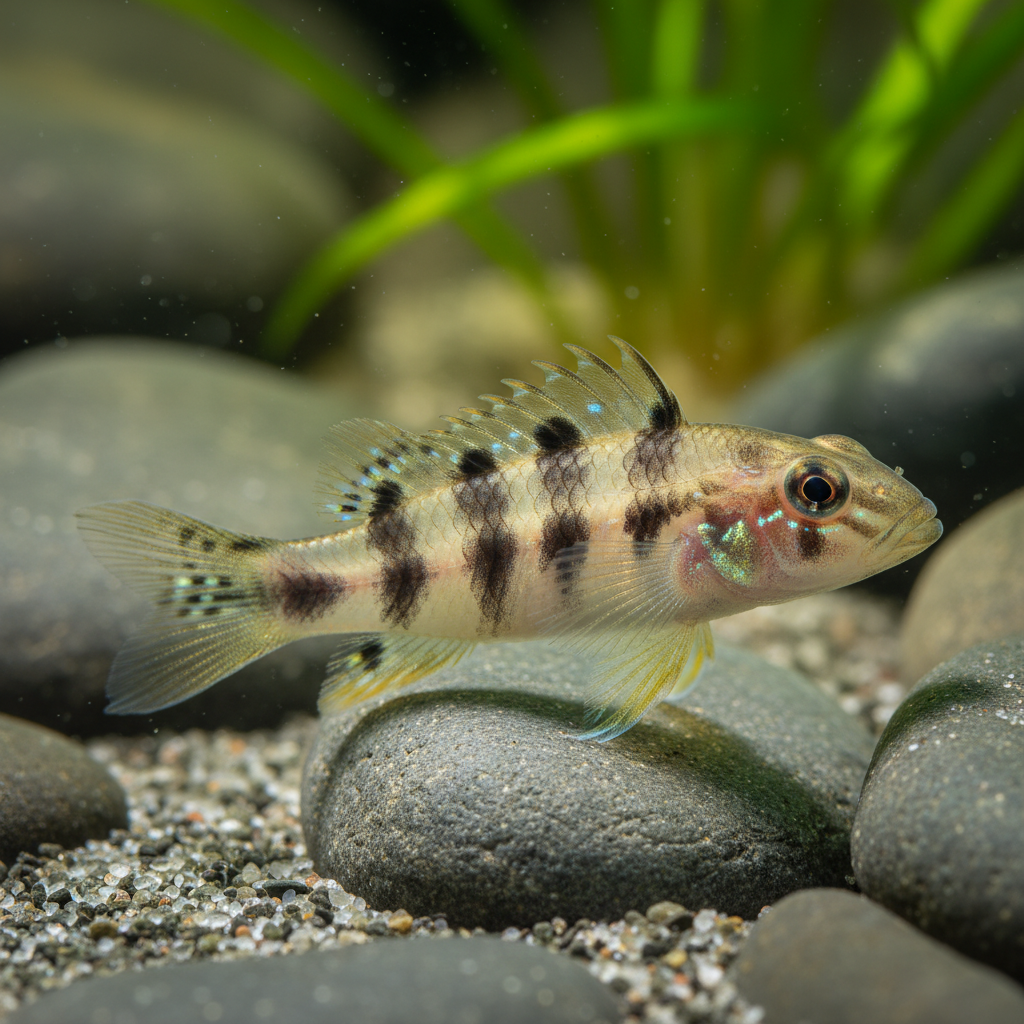
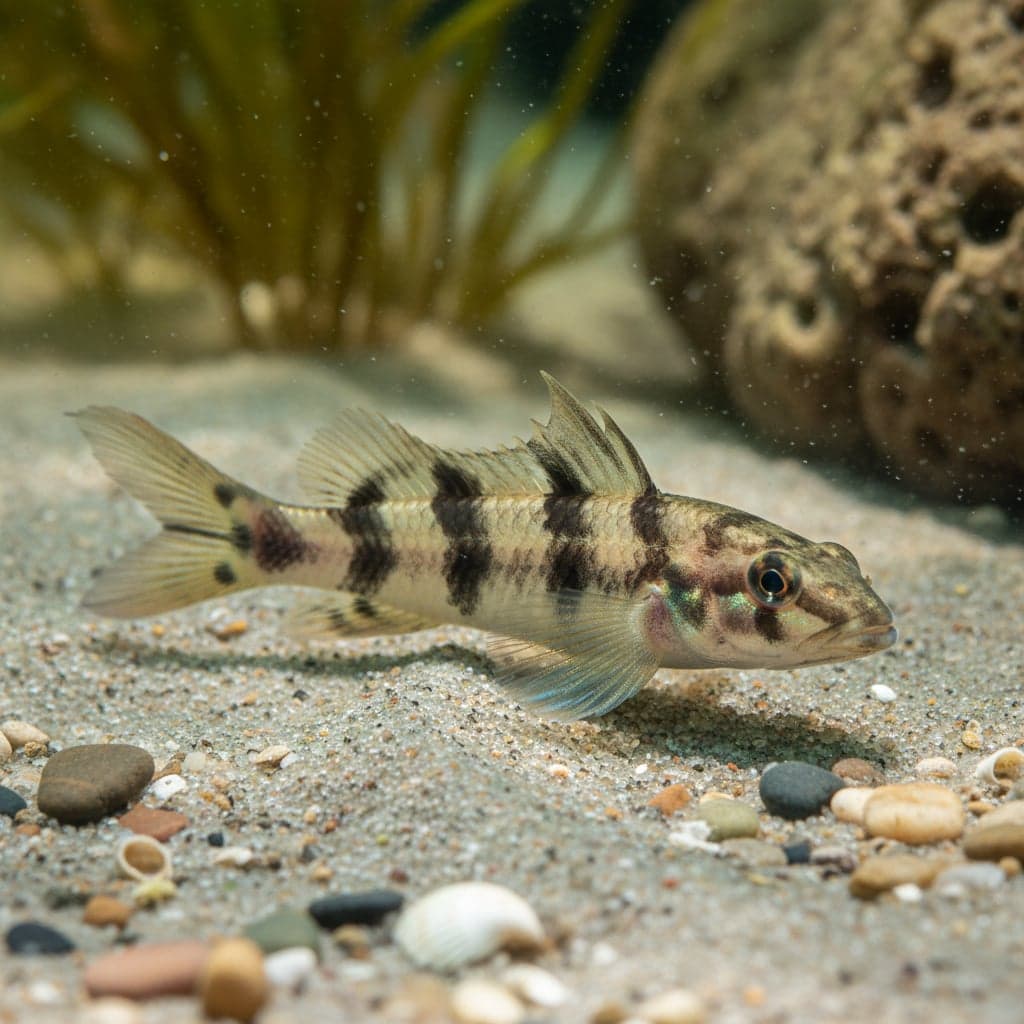
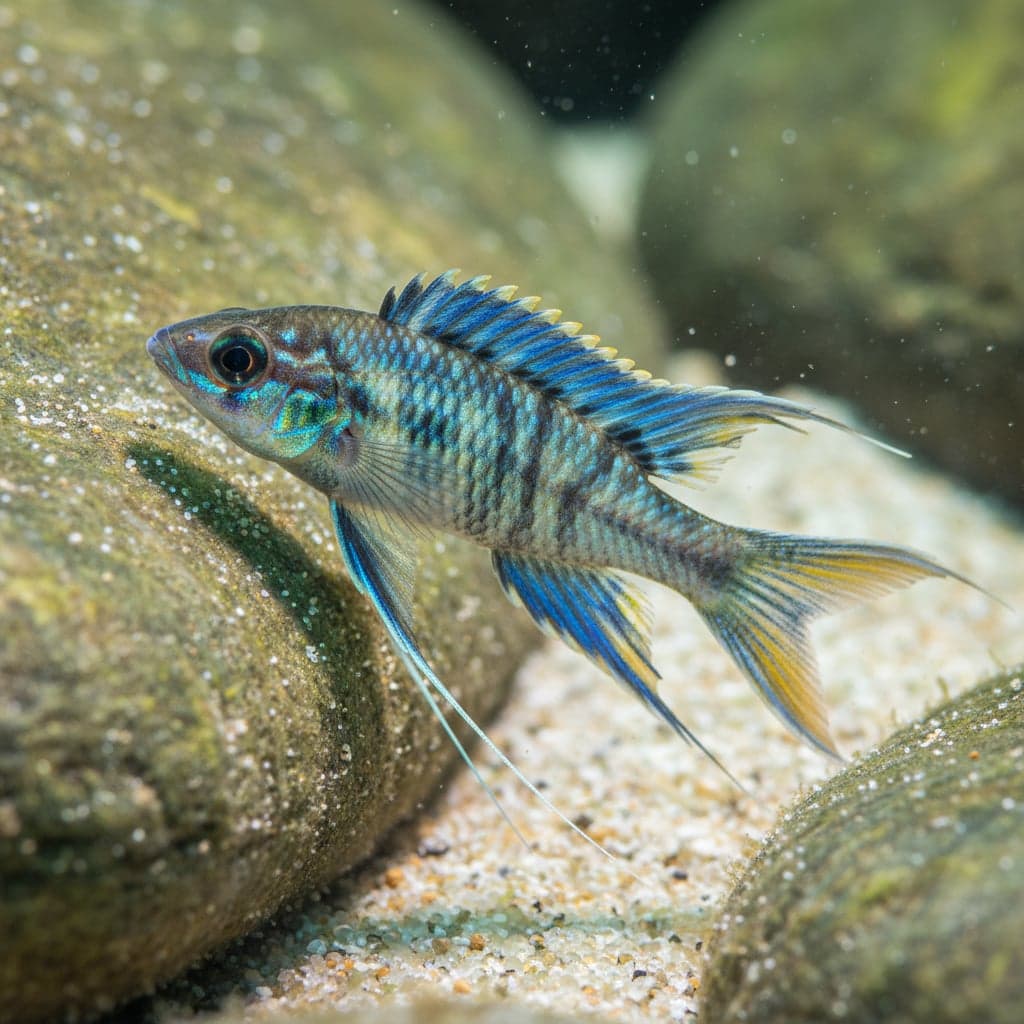
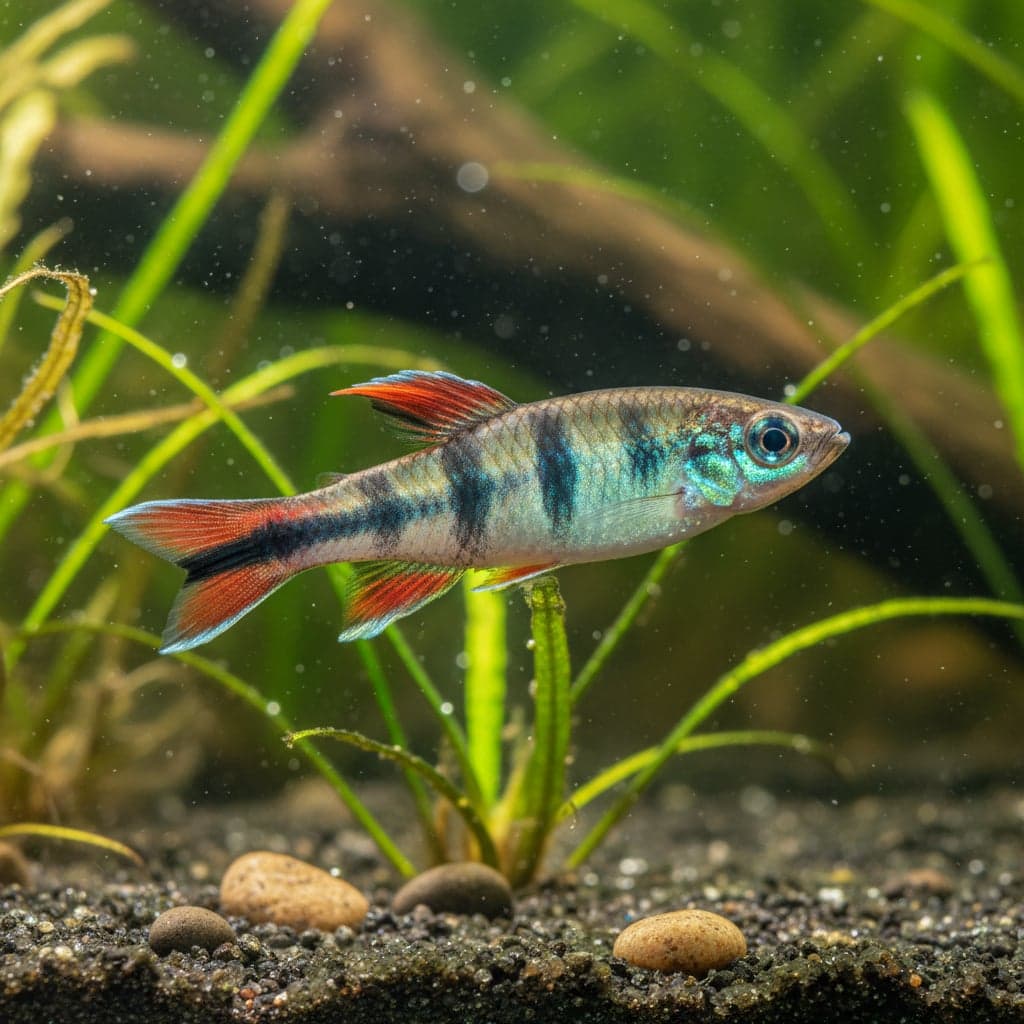
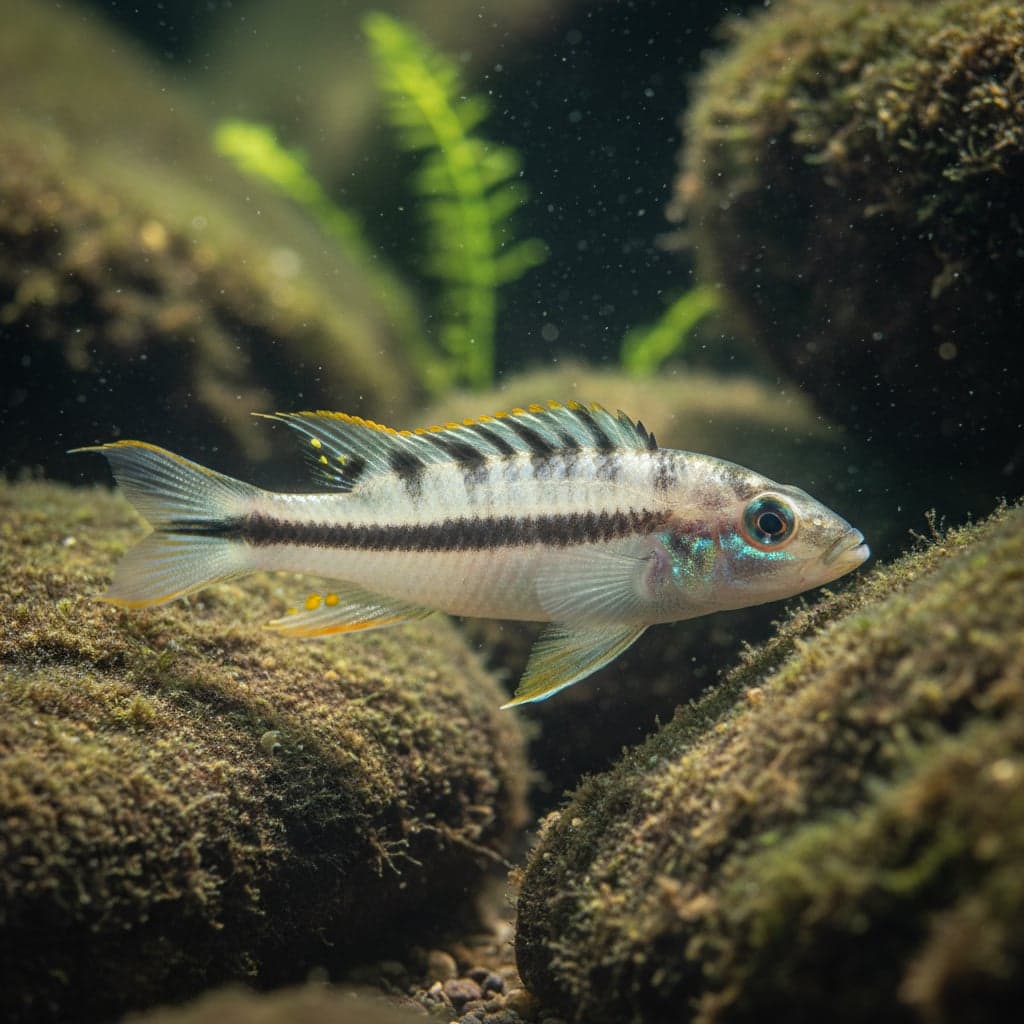
The Spotfin Goby Cichlid, scientifically known as Tanganicodus irsacae, is a captivating freshwater fish that hails from the serene waters of Lake Tanganyika in Africa. Renowned for its striking appearance, this cichlid features a vibrant blend of shimmering colors that set it apart in any aquarium. With its elongated body adorned with distinctive spots along its dorsal and caudal fins, it adds a unique visual appeal to aquascapes, making it a gem for enthusiasts and hobbyists alike. The contrast of its bright hues against a backdrop of natural decor or robust plant life enhances the overall aesthetics of the tank environment.
Significantly, the Spotfin Goby Cichlid is not merely a pretty face; it holds an important place in the aquarium hobby due to its relatively peaceful nature and engaging behaviors. Unlike many other cichlids known for their territorial aggression, the Spotfin Goby Cichlid is more sociable, allowing it to coexist harmoniously with other fish species, provided they are not overly aggressive. Its unique adaptations, such as the ability to thrive in specific water conditions and its intriguing breeding behaviors, have made it a subject of interest for researchers and aquarists, further solidifying its reputation in the aquatic community.
Natural Habitat & Origin
The Spotfin Goby Cichlid is exclusively native to Lake Tanganyika, one of the oldest and largest lakes in the world, located between four African countries: Burundi, the Democratic Republic of Congo, Tanzania, and Zambia. This lake is characterized by its clear alkaline waters, with a pH range between 8.5 and 9.0, presenting a unique ecosystem that supports a diverse range of endemic species. The Spotfin Goby Cichlid typically inhabits rocky substrates and sandy flats in shallower areas of the lake, preferring environments enriched with vegetation where it finds refuge and breeding sites.
These fish thrive in stable and well-oxygenated waters with minimal turbulence. The natural habitat of Lake Tanganyika features gentle currents and a variety of aquatic life, including algae and small invertebrates, which contribute to the ecological balance. Understanding the natural habitat of the Spotfin Goby Cichlid is crucial for replicating conditions in the aquarium, ensuring that this species remains healthy and active.
Care Requirements
To keep Spotfin Goby Cichlids healthy and thriving, specific water parameters must be maintained. Ideal conditions include a pH level between 8.0 and 9.0, a temperature range of 24°C to 28°C (75°F to 82°F), and water hardness between 10 to 20 dGH. These parameters mimic their natural lake environment, promoting overall well-being. Regular water changes and the use of a high-quality filtration system are essential for maintaining optimal water quality.
When setting up a tank for Spotfin Goby Cichlids, a minimum tank size of 75 gallons is recommended to provide ample swimming space and territorial boundaries. The substrate should consist of fine gravel or sand to mimic their native habitat. Decor such as flat rocks, caves, and hiding spots created from driftwood will encourage natural behaviors and reduce stress. Lighting should be moderate, with the inclusion of live plants that can thrive in alkaline waters, providing additional cover and grazing areas for the fish.
Diet & Feeding
The Spotfin Goby Cichlid is primarily an omnivore, exhibiting a diverse dietary preference that includes both plant matter and small invertebrates. In captivity, providing a varied diet is crucial for sustaining its health and vibrancy. High-quality cichlid pellets, flakes, and freeze-dried foods should form the basis of its diet. Additionally, incorporating live foods such as brine shrimp, daphnia, or bloodworms can stimulate natural hunting instincts and promote breeding readiness.
It is also beneficial to include vegetable-based foods, such as spirulina flakes or blanched spinach, to ensure the fish receives necessary vitamins and minerals. Feeding should be done multiple times a day in small quantities to prevent overfeeding and maintain water quality. Observing feeding behavior can be an enlightening experience, as Spotfin Goby Cichlids often display playful competition during mealtime.
Behavior & Temperament
Spotfin Goby Cichlids are known for their semi-aggressive yet generally peaceful temperament, making them suitable for community aquariums when paired with compatible species. They tend to be more sociable than many of their cichlid relatives, often forming loose groups while still exhibiting individual personalities. In the tank, these fish prefer to occupy the mid to lower levels, where they seek shelter among rocks and plants, allowing for both exploration and security.
Although they can defend their territory when necessary, excessive aggression is uncommon, especially in well-stocked tanks with plenty of hiding spots to reduce competition and stress. It is advisable to observe the interactions within the community, as dominant individuals can occasionally display bullying behaviors if not adequately provided with space and structure.
Tank Mates
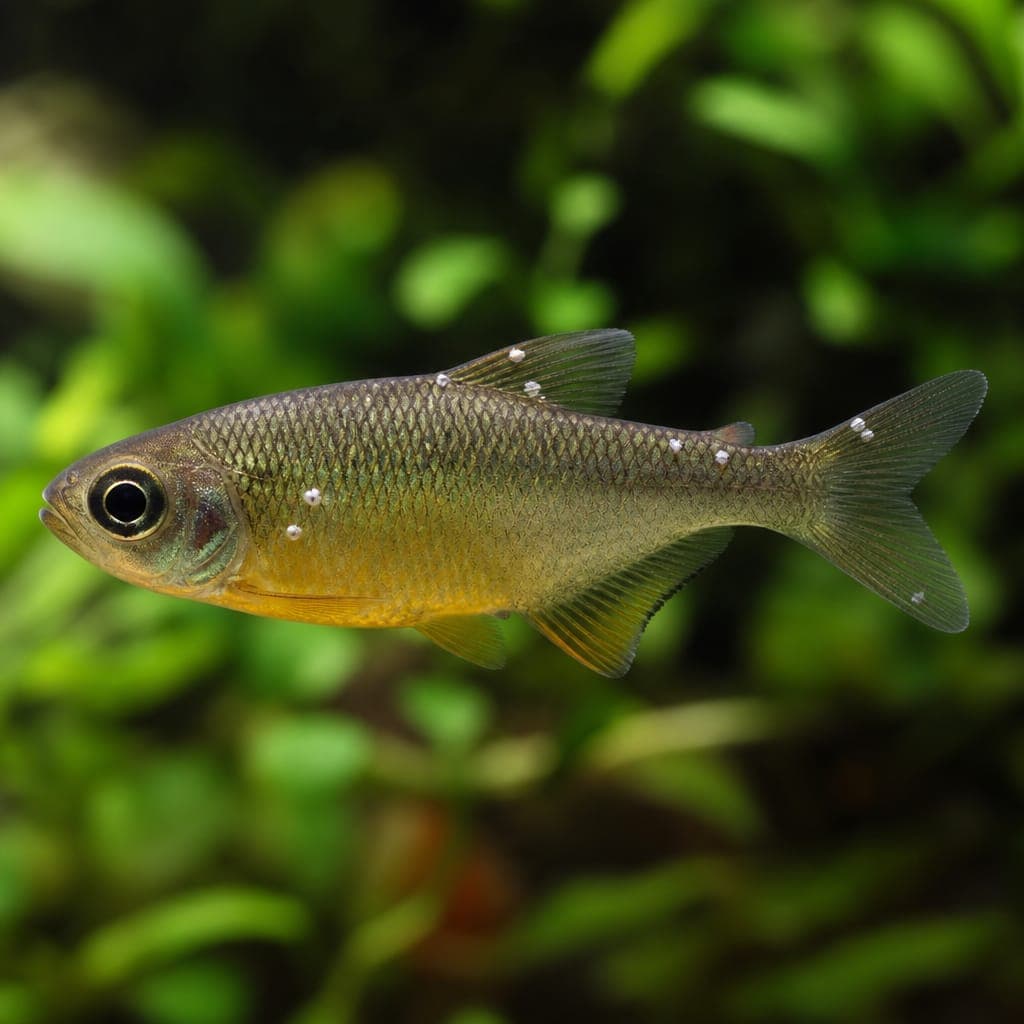
Selecting appropriate tank mates for the Spotfin Goby Cichlid is essential for a peaceful aquarium environment. Compatible species include peaceful cichlids such as the Lamprologus or Neolamprologus varieties, as well as non-cichlid species like tetras, rasboras, and specific species of catfish that can tolerate alkaline water conditions. These fish should be of similar size to prevent bullying and ensure a balanced ecosystem.
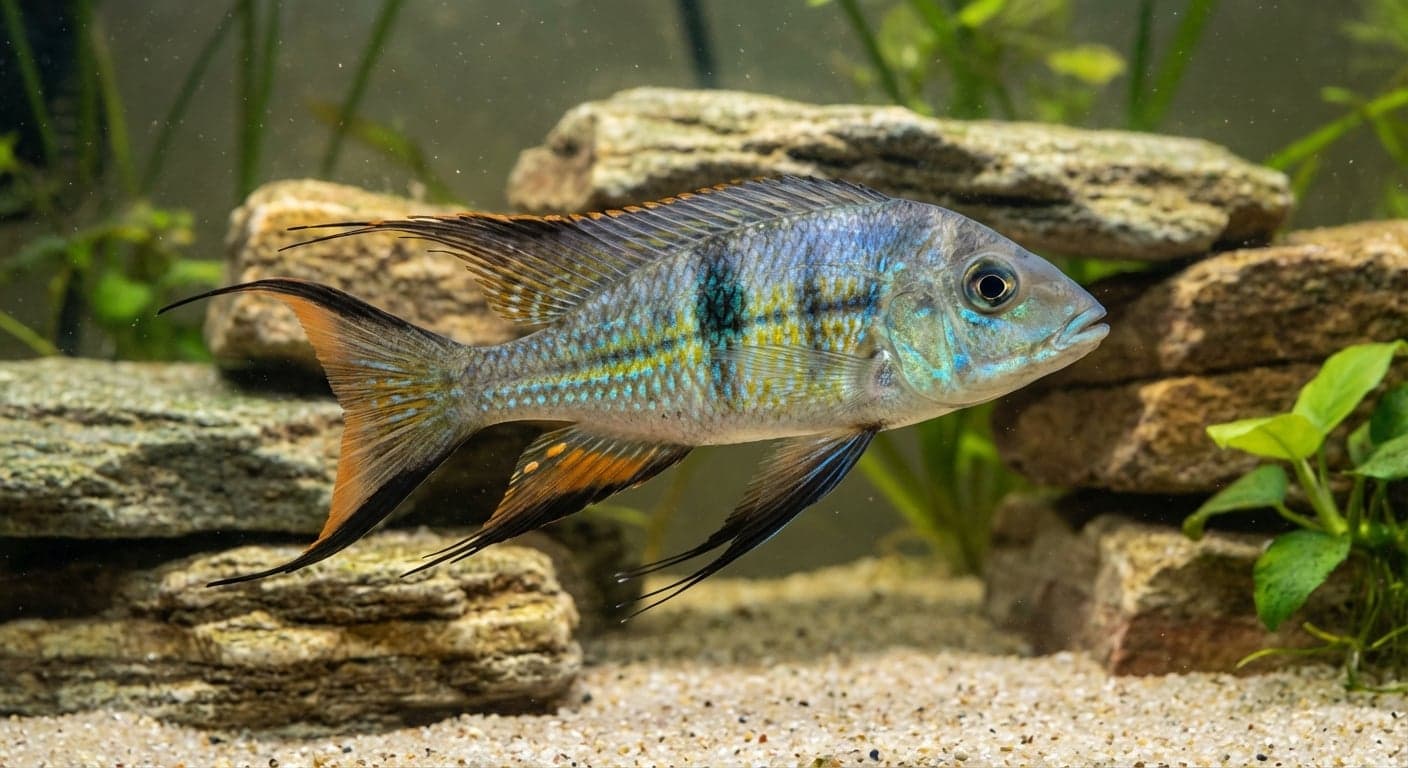
However, it is prudent to avoid mixing Spotfin Goby Cichlids with overly aggressive fish, such as larger cichlids from other regions, which may pose a threat or disrupt their more docile nature. Similarly, very small fish are best avoided, as they may be seen as potential prey.
Breeding
Breeding the Spotfin Goby Cichlid in captivity presents an exciting challenge for experienced aquarists. To induce spawning, a separate breeding tank with stable water parameters, similar to their natural habitat, is advisable. The ideal conditions include a temperature of around 26°C (78°F) and a pH level of 8.5. Providing ample flat surfaces made from rocks or ceramic for egg-laying is essential, as females will lay their eggs on these surfaces.
Courtship behavior typically involves the male performing a dance to attract the female, which may include displaying vibrant colors and circling around her. Once breeding occurs, the female will lay numerous eggs, which the male then fertilizes. After spawning, it's essential to remove the female from the breeding tank to prevent potential cannibalism of the eggs. The eggs will hatch in about 4 to 6 days, and the fry can be fed with infusoria or finely crushed flakes until they are large enough to consume regular foods.
Common Health Issues
Like all aquarium fish, Spotfin Goby Cichlids can be prone to certain health issues if not cared for properly. Common diseases include ich, fin rot, and various parasites. Maintaining optimal water quality, ensuring stable temperatures, and providing a varied diet will significantly reduce the risk of these ailments. Regular tank maintenance, including water changes and proper filtration, is essential to promote overall health.
Quarantine new arrivals before introducing them to the main tank to prevent disease transmission. Observing fish behavior and appearance can provide early warnings of health issues, allowing for prompt treatment with appropriate medications. Keep sand for sifting, caves for territory, and water parameters stable to reduce stress-related outbreaks. A varied diet of quality pellets plus frozen and live foods strengthens immunity. Avoid overcrowding and aggressive tank mates that can injure fins or suppress feeding. Watch for white spots, frayed fins, rapid breathing, or unusual hiding, and isolate affected fish when needed. With clean water and attentive husbandry, Spotfin Goby Cichlids remain active, curious bottom-dwellers for years in a well-maintained Tanganyikan or compatible community setup.