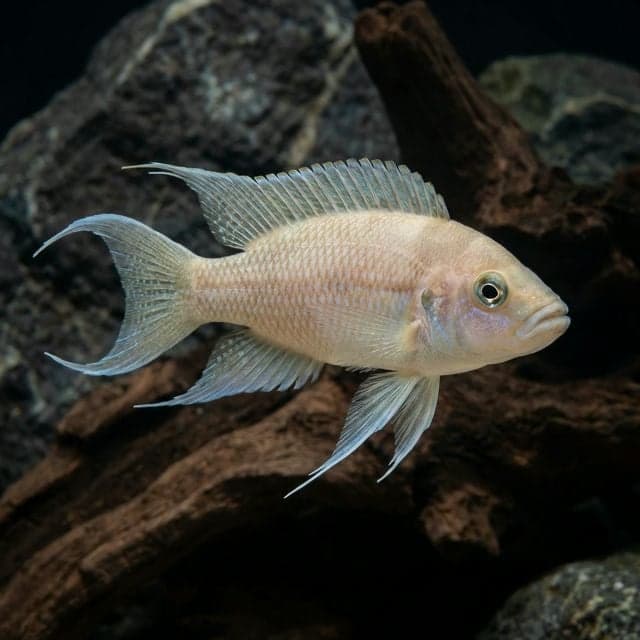
Ventralis Featherfin Cichlid: Ophthalmotilapia ventralis
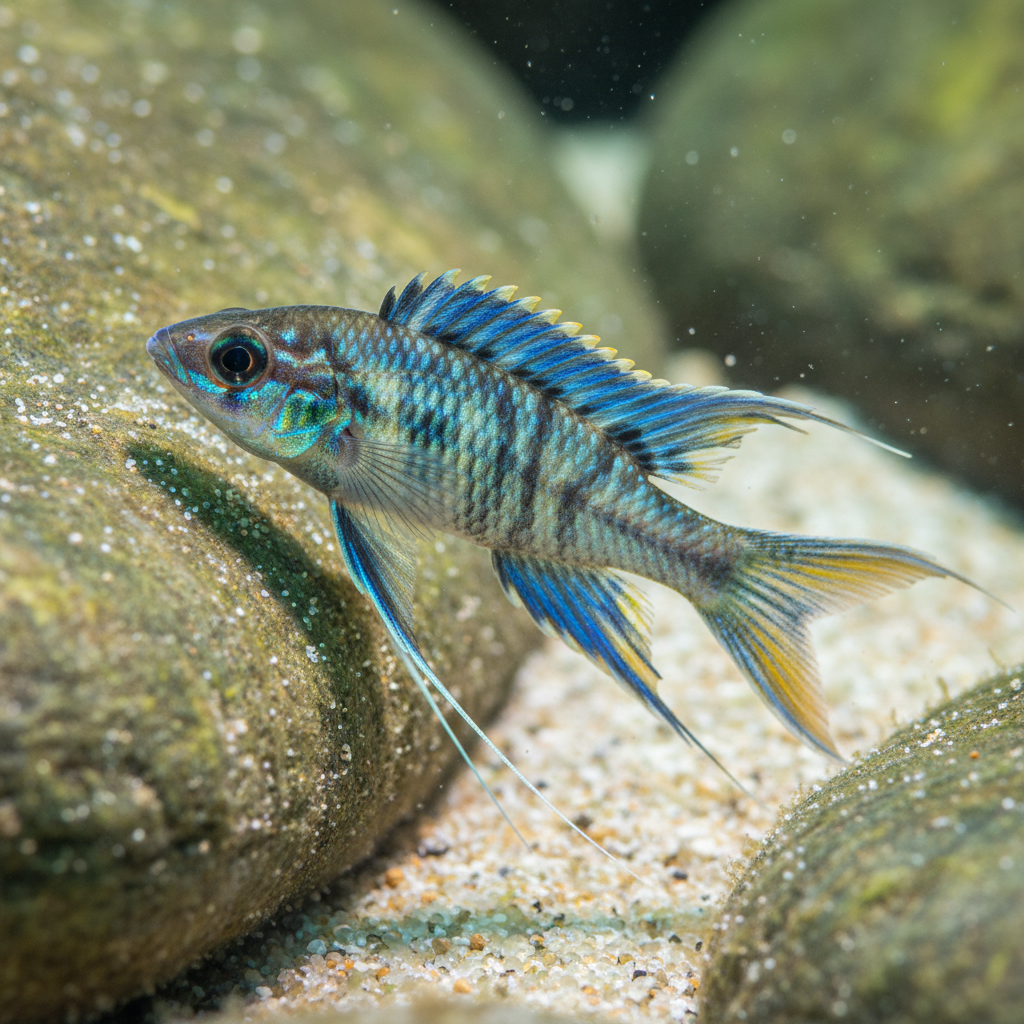
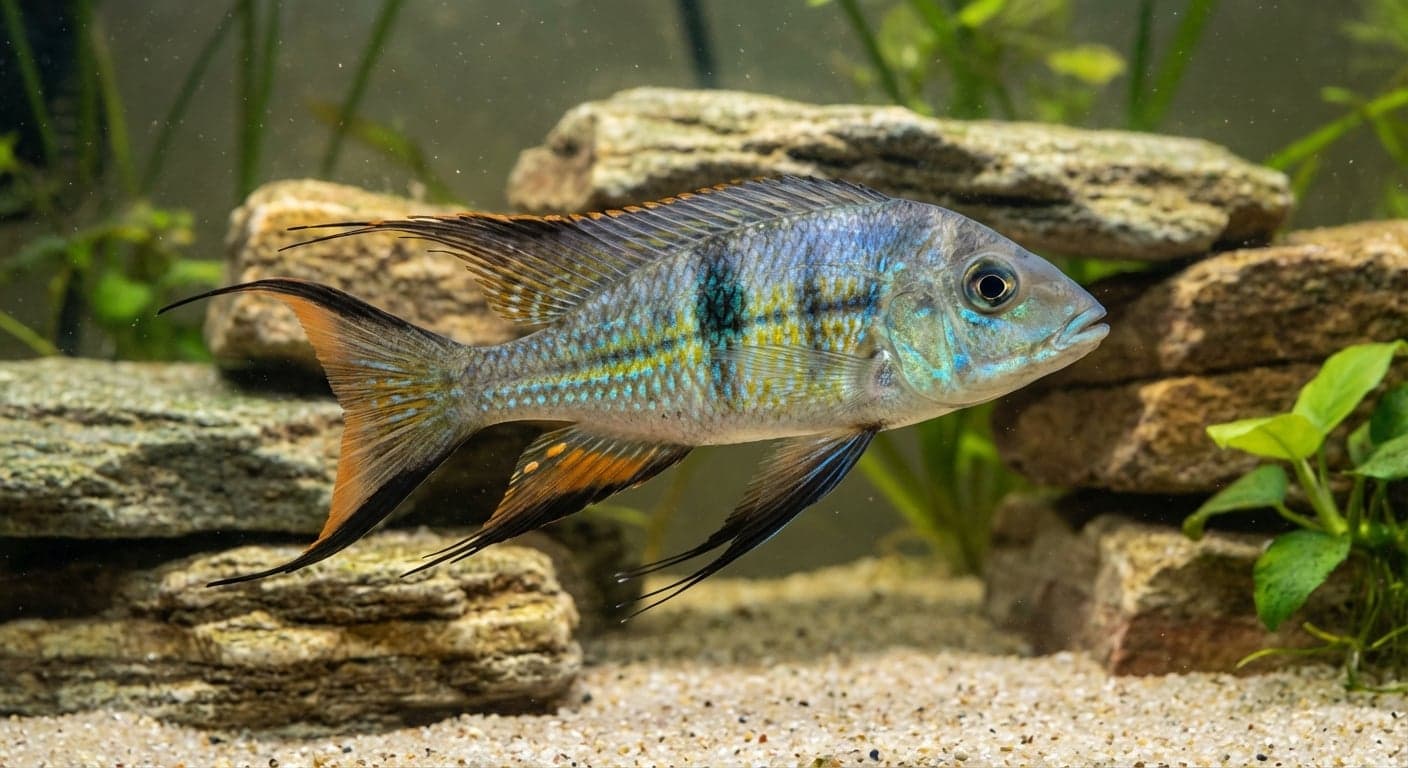
A 15cm Tanganyikan featherfin with trailing yellow-tipped ventral fins. Needs hard alkaline water at pH 8.0-9.0 and open rockwork.
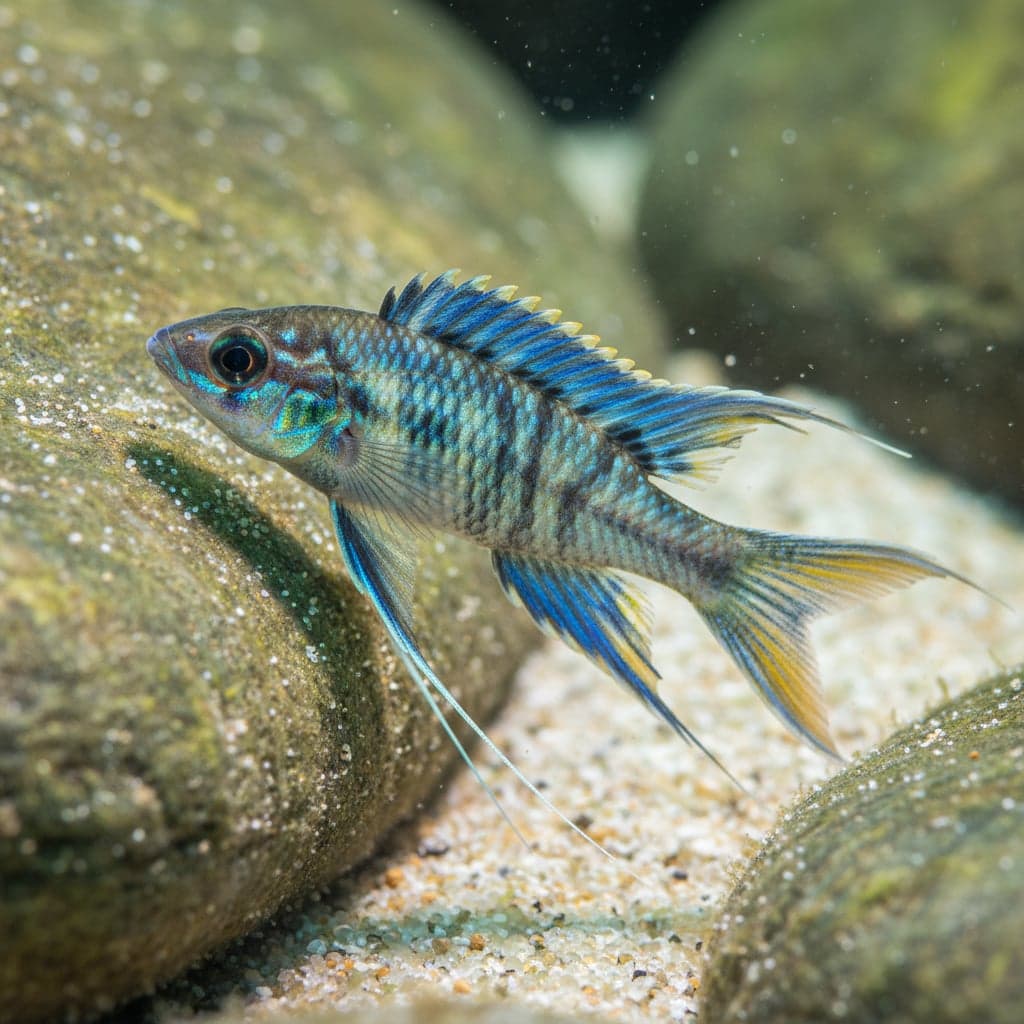
Ventralis Featherfin Cichlid
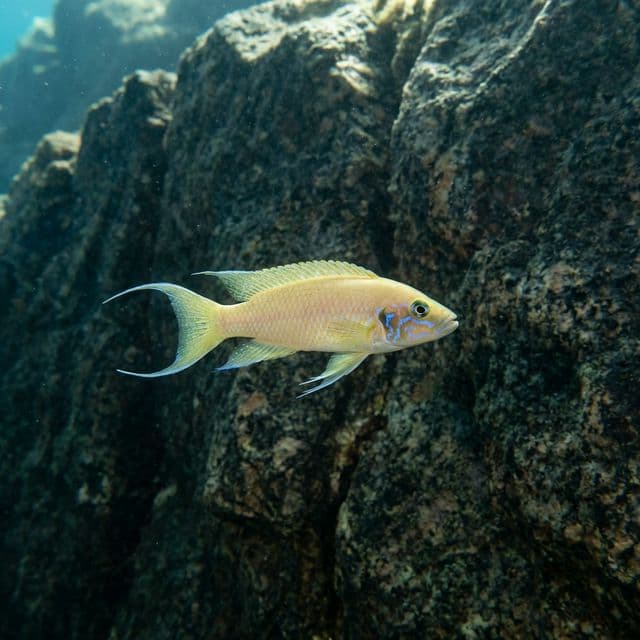
The Ventralis Featherfin Cichlid, scientifically known as Ophthalmotilapia ventralis, is a striking freshwater fish that has garnered popularity among aquarists due to its distinctive appearance and manageable care requirements. Native to the rocky shores of Lake Tanganyika in East Africa, this cichlid features elongated fins and a sleek, streamlined body, displaying a stunning array of colors that typically include shades of blue, yellow, and black. The males are particularly notable for their elongated dorsal and anal fins, which gracefully sway through the water and enhance their visual appeal, making them a centerpiece in any aquarium setting.
This species holds great significance within the aquarium hobby not only for its beauty but also for its fascinating behavior and adaptability. Their natural inclination to create intricate burrows between rocks mimics their habitat in Lake Tanganyika, where they thrive in structured environments. As such, enthusiasts appreciate the challenge of replicating these complex habitats, thereby contributing to the conservation of their natural behaviors. Over the years, the Ventralis Featherfin Cichlid has become a favorite among hobbyists looking to cultivate a vibrant and interactive aquarium ecosystem.
Natural Habitat & Origin
The Ventralis Featherfin Cichlid originates from the stunning and diverse ecosystem of Lake Tanganyika, one of the oldest and deepest freshwater lakes in the world. This species predominantly inhabits rocky substrates and shallow waters where it can find ample hiding spots and breeding sites. In this environment, the fish thrive in a mix of clear, mineral-rich waters that warm up to a comfortable temperature range. The stable water conditions, characterized by high alkalinity and moderate hardness, are essential for promoting the well-being of these cichlids.
Lake Tanganyika is renowned for its unique biodiversity and endemism, hosting various species that are adapted to specific niches within the lake's ecosystem. The Ventralis Featherfin Cichlid predominantly occupies areas of the lake's rocky shoreline and is often seen darting between rocks and crevices. With its natural habitat being an aquatic paradise filled with diverse flora and fauna, maintaining similar conditions in an aquarium is crucial for the fish’s health and behavioral enrichment.
Care Requirements
Caring for the Ventralis Featherfin Cichlid requires careful attention to water parameters and tank setup to ensure a thriving environment. The ideal water parameters include a pH range of 7.8 to 9.0, a temperature between 23°C to 28°C (73°F to 82°F), and moderate to high hardness levels (10 to 20 dGH), which mimic their natural habitat in Lake Tanganyika. Regular water changes and the use of a high-quality filtration system are recommended to maintain optimal water quality.
For tank setup, a minimum tank size of 75 gallons is suggested to accommodate their territorial nature, with plenty of vertical space. The substrate should consist of fine gravel or sand to allow for the establishment of burrows and to mimic their natural conditions. Incorporating flat stones, driftwood, and strategically placed plants can facilitate hiding spots and nesting areas, although it’s essential to avoid overcrowding the tank. Lighting should be moderate, keeping in mind that bright lights may stress the fish, allowing them to feel secure in their environment.
Diet & Feeding
The Ventralis Featherfin Cichlid is an omnivorous species that benefits from a varied diet to ensure optimal health and coloration. In captivity, they can be fed a balanced mix of high-quality flakes, pellets designed for cichlids, and supplementary live or frozen foods such as brine shrimp, daphnia, and bloodworms. This varied diet helps replicate their natural feeding habits and promotes vibrant colors, robust health, and strong immune systems.
Feeding should be performed multiple times a day in small portions to prevent overfeeding and maintain water quality. It is also important to observe their feeding behaviors, as some individuals may be more dominant and may need to be fed separately to ensure all fish receive their fair share of food. By providing a nutritious and diverse diet, aquarists can ensure the Ventralis Featherfin Cichlid thrives long-term.
Behavior & Temperament
In the aquarium, the Ventralis Featherfin Cichlid displays an engaging mix of social and territorial behaviors. Generally, they are peaceful towards other fish but can exhibit aggression, particularly during breeding seasons or when protecting their territory. Males tend to assert dominance over territories, and while they enjoy the company of their species, providing sufficient space and hiding spots is crucial to minimizing conflicts.
These cichlids are also known for their unique vertical positioning within the tank. They often prefer to claim areas near the substrate while swimming close to the bottom, showcasing their natural behavior of foraging and exploring. Social structures can be observed, particularly in groups of six or more, allowing for a more dynamic environment. Providing ample enrichment in the tank enhances their well-being and reduces the likelihood of aggressive encounters.
Tank Mates
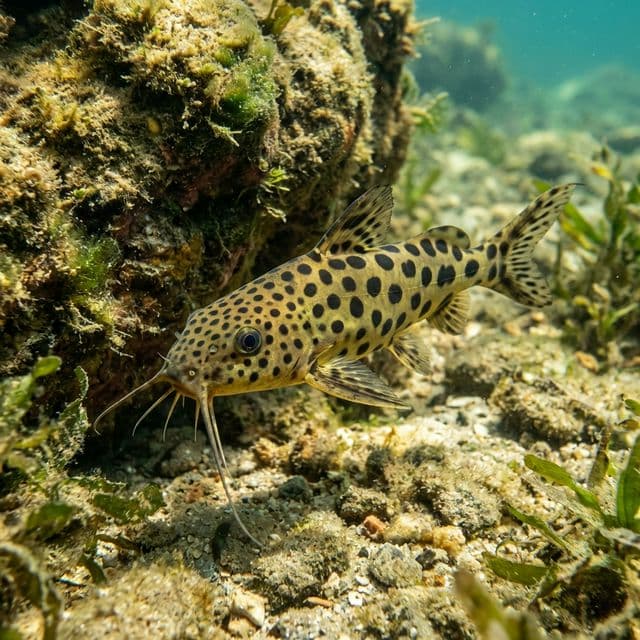
When selecting tank mates for the Ventralis Featherfin Cichlid, it is essential to choose species that can coexist harmoniously in a similar habitat. Compatible species include peaceful cichlids such as the Julidochromis species, as well as various bottom-dwelling fish like Bristlenose Plecos and Synodontis catfish. Other African cichlids that share similar water conditions may also make suitable companions.
However, caution should be exercised to avoid aggressive or overly territorial species that could lead to stress or conflicts. Species such as large central African cichlids or fin-nippers, like certain tetras, should be avoided. Creating a well-structured tank environment with sufficient hiding spaces can help facilitate peaceful interactions among the inhabitants.
Breeding
Breeding the Ventralis Featherfin Cichlid in captivity can be a rewarding experience for aquarists, although it requires specific conditions to succeed. These fish are mouthbrooders, meaning that females will carry the fertilized eggs in their mouths until they are ready to hatch. To facilitate breeding, providing a separate breeding area with plenty of flat stones for laying eggs is beneficial. Water conditions should be stable, with temperatures on the higher end of their preferred range (around 26°C to 28°C or 79°F to 82°F) and a pH of around 8.5.
During the breeding process, the male will display his dominance and engage in courtship behaviors to attract a female. Once fertilization occurs, the female will carry the eggs for about two to three weeks, during which time providing a calm and stress-free environment is critical. After the fry are released, they can be fed infusoria and finely crushed flakes until they are large enough to accept larger food particles. With attentive care, the Ventralis Featherfin Cichlid will reproduce successfully, adding new life to the aquarium.
Common Health Issues
While the Ventralis Featherfin Cichlid is generally hardy, it may still be prone to various health issues, particularly when kept in suboptimal conditions. Common diseases include ich (Ichthyophthirius multifiliis), fin rot, and various forms of bacterial infections. Maintaining stable water parameters, keeping the tank clean, and providing a balanced diet are crucial preventive measures against these ailments.
Regular monitoring of fish behavior and physical condition can help diagnose issues early. Should any problems arise, quarantine affected fish and treat with aquarium-safe medications suited to the diagnosis. Avoid copper-based remedies if invertebrates share the system. Prompt intervention, stable Tanganyika-like water chemistry, and a nutritious diet help Ventralis Featherfin Cichlids recover quickly and remain colorful, active lake cichlids for years.