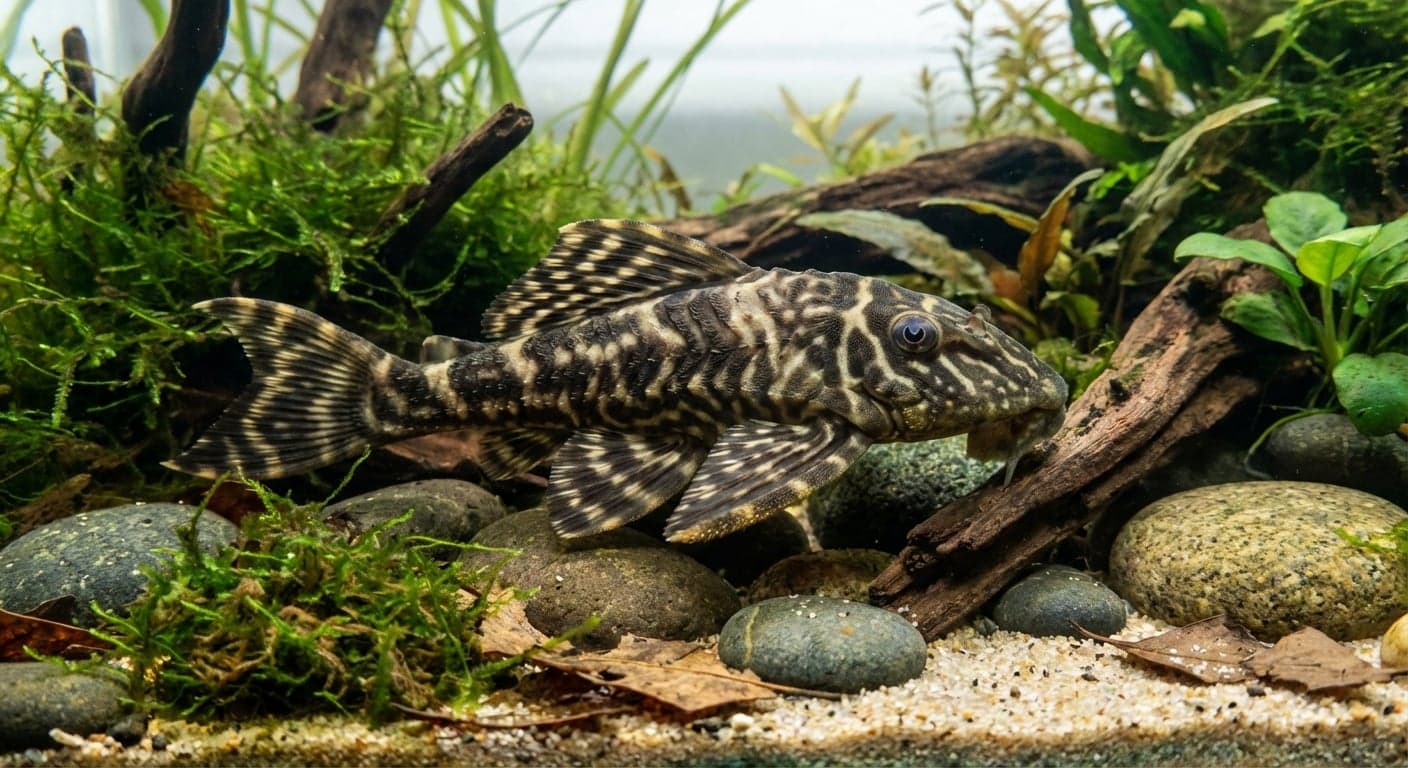
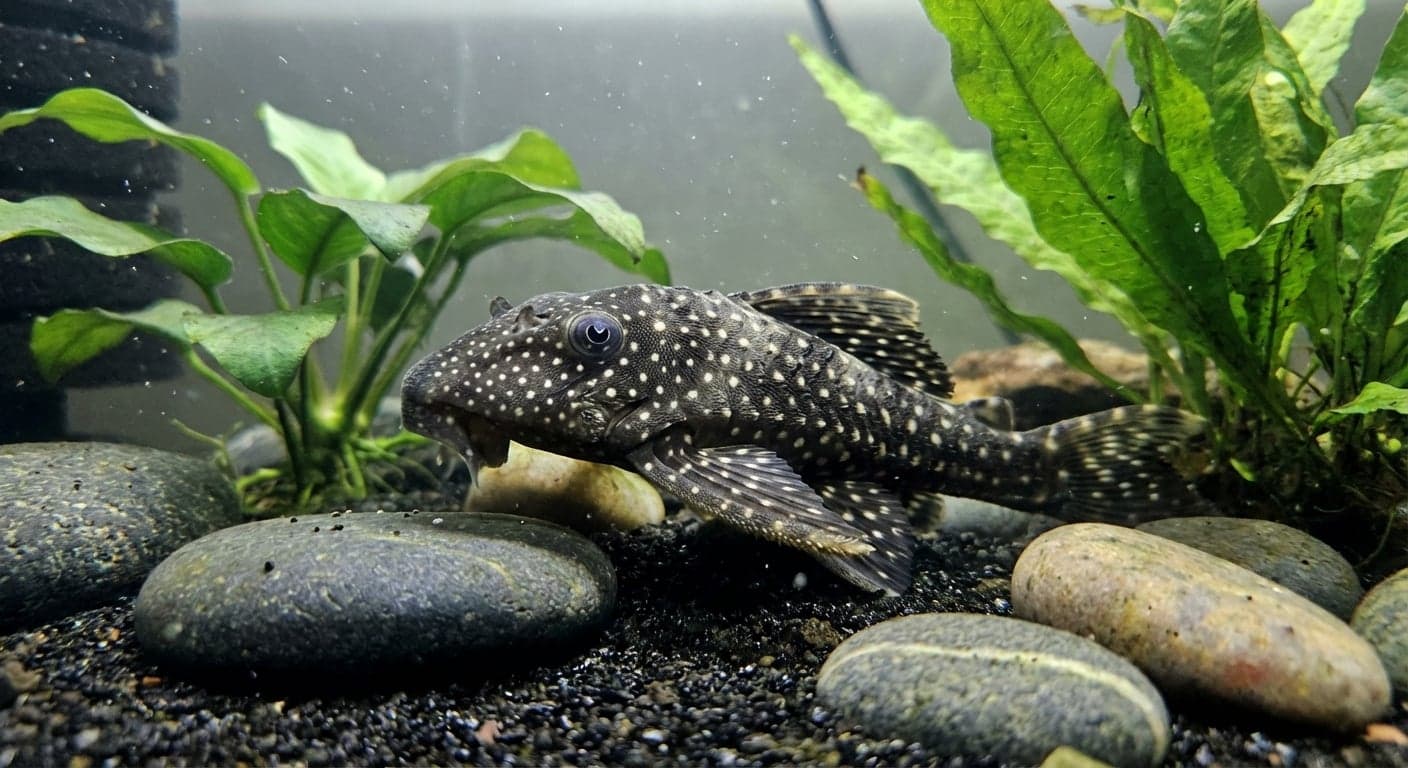
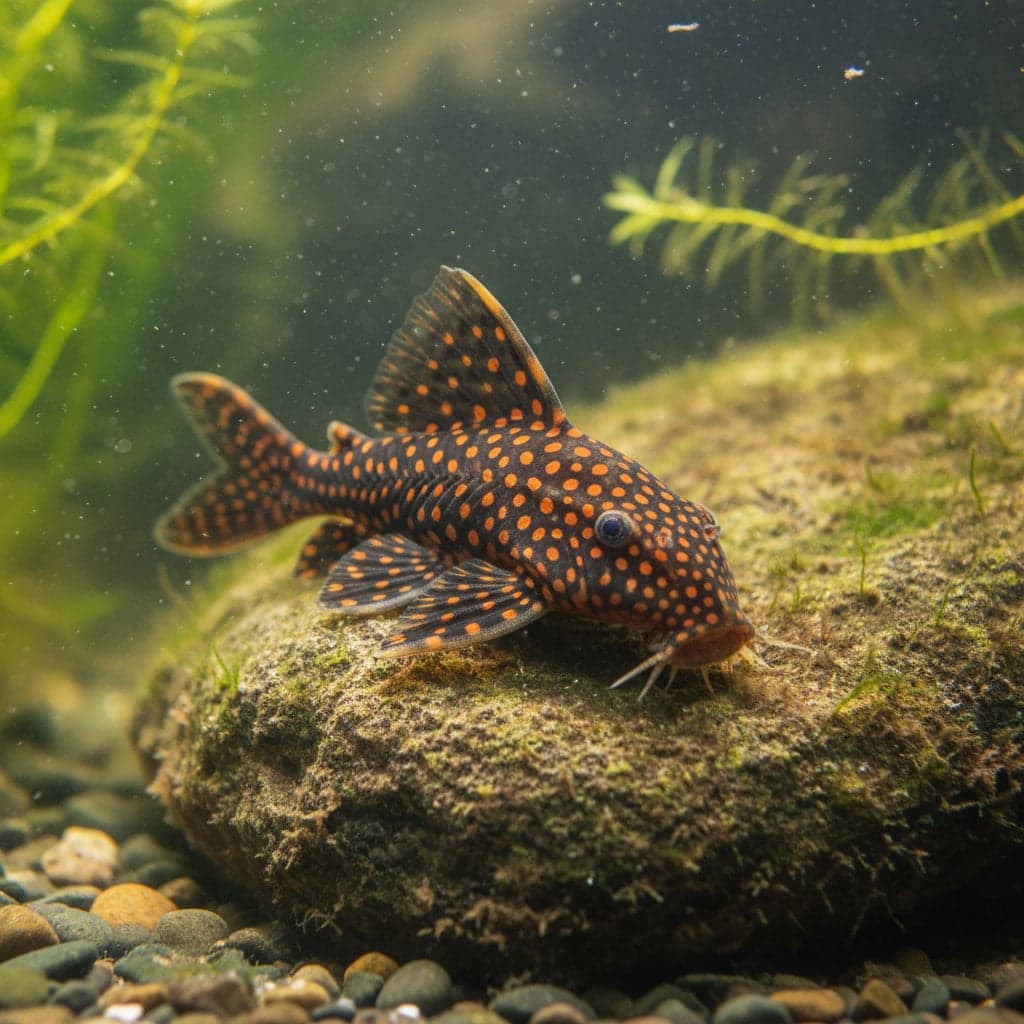
Sultan Plec L264: Leporacanthicus joselimai
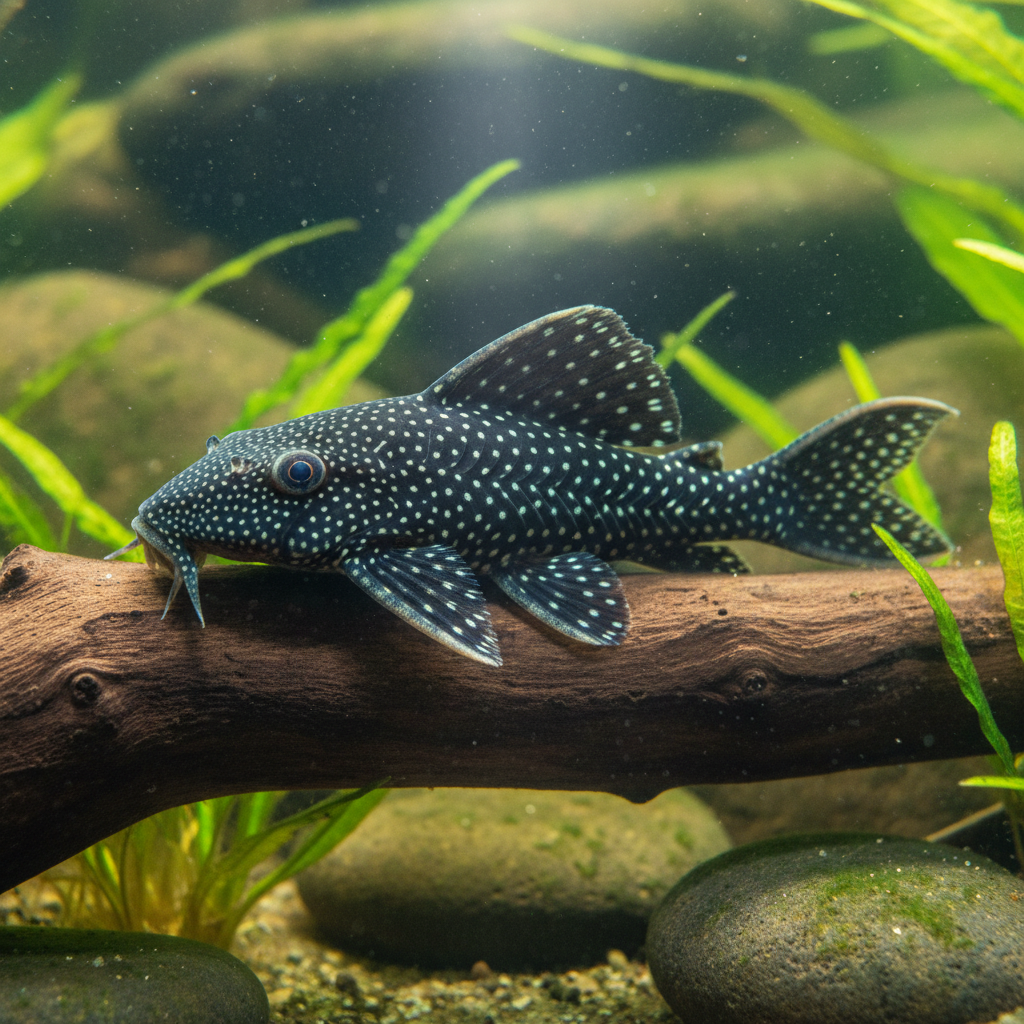
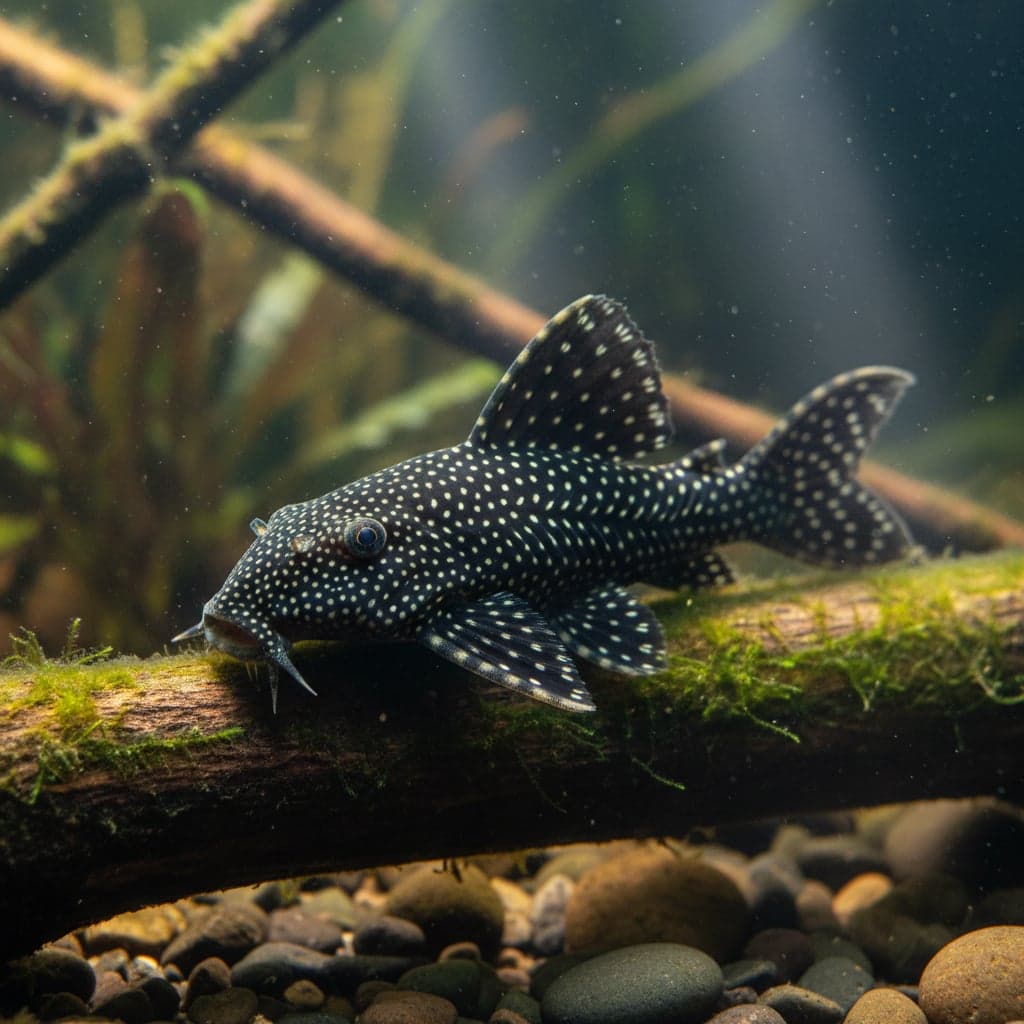
A 15cm L-number pleco with fine pale spotting. Carnivorous rather than an algae eater, and it needs driftwood and meaty food.
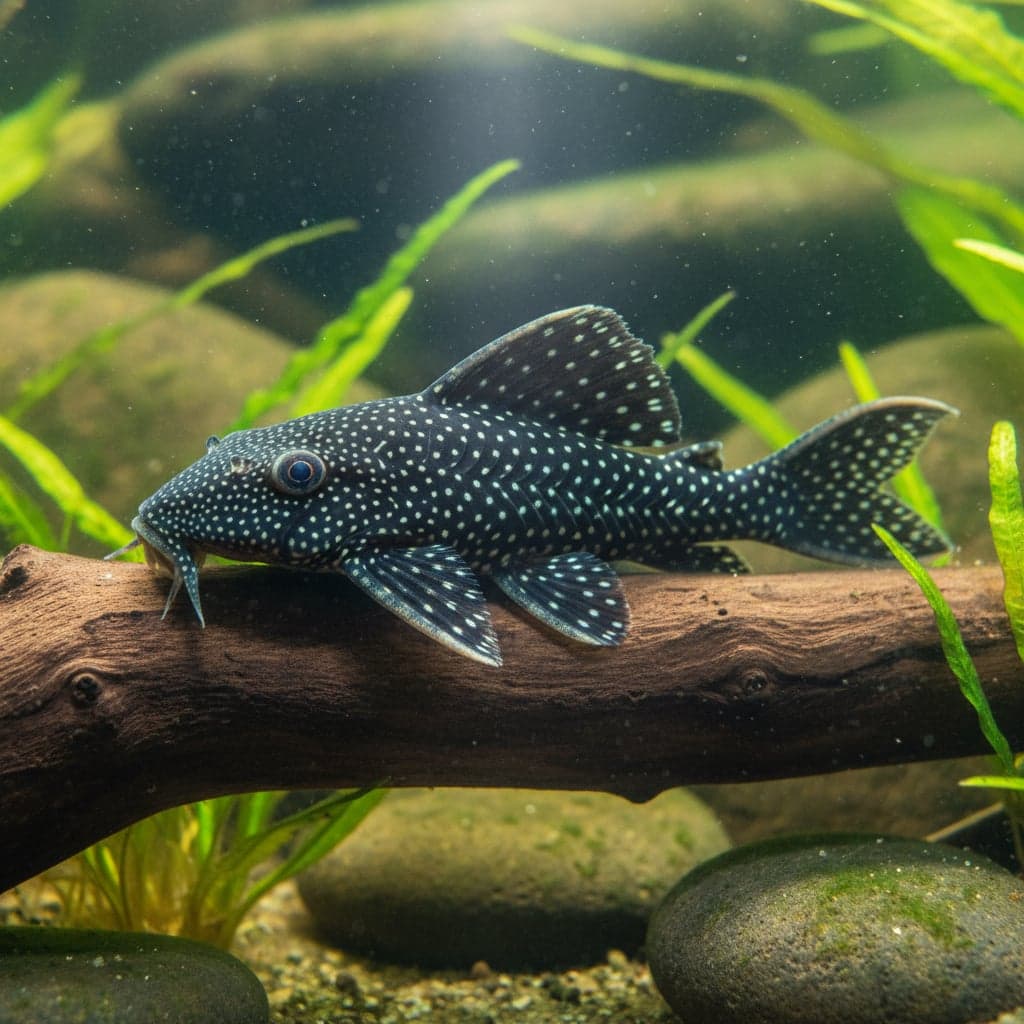
Sultan Plec L264
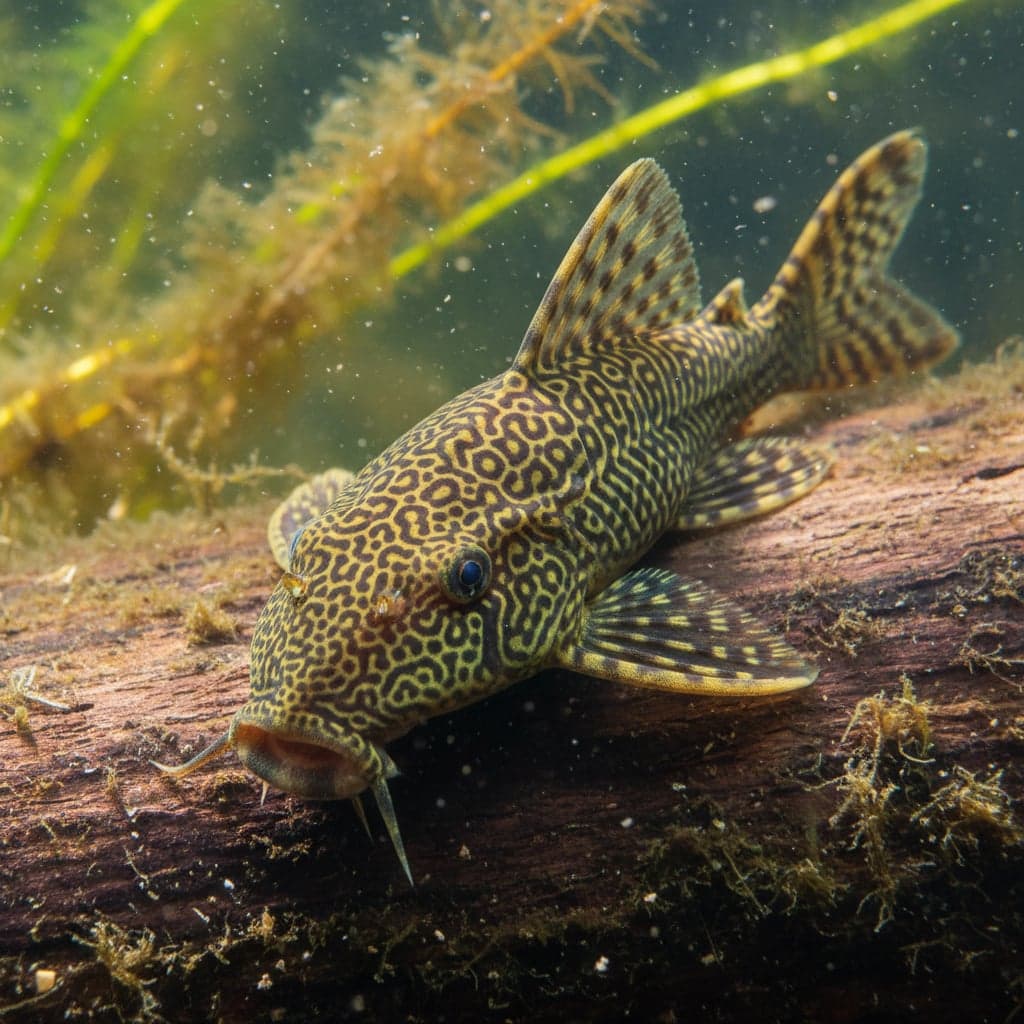
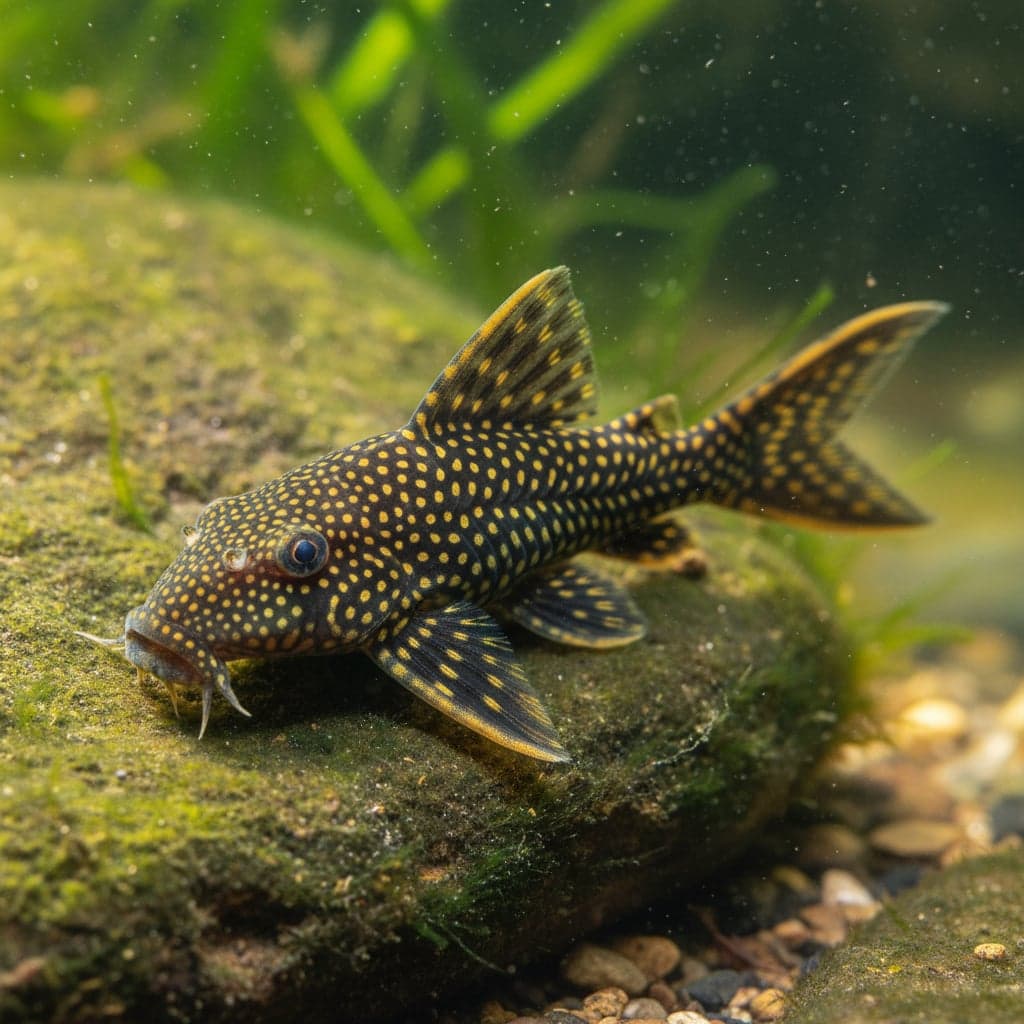
The Sultan Plec L264, scientifically known as Leporacanthicus joselimai, is a striking member of the Loricariidae family, renowned for its distinct appearance and captivating patterns. This freshwater fish boasts a body adorned with dark, sunken spots against a golden-brown or light tan backdrop, creating a visually enchanting effect that captures the attention of aquarists and underwater photography enthusiasts alike. The unique coloration of the Sultan Plec not only enhances the aesthetics of any aquarium but also serves as a reminder of the biodiversity found within South American riverine ecosystems.
In the aquarium hobby, the Sultan Plec L264 holds significant value not just for its visual appeal but also for its role in maintaining a balanced aquatic environment. As a bottom-dwelling fish, it helps in managing algae growth and contributes to the overall ecological health of the tank. Its presence in a well-maintained aquarium can promote both biodiversity and tank stability, making it a cherished addition for novice and experienced aquarists alike.
Natural Habitat & Origin
The Sultan Plec L264 is native to the tributaries and rivers of Brazil, specifically the regions surrounding the Rio Xingu and its extensive waterways. These areas are characterized by a combination of pristine, fast-flowing waters and rich aquatic vegetation, providing the ideal environment for this species. The Sultan Plec thrives in habitats where the substrate consists of fine sand or gravel, accompanied by ample hiding spots formed by rock formations and driftwood, creating a layout reminiscent of its natural habitat.
In the wild, the Sultan Plec inhabits primarily clear to slightly tannin-stained waters, where the surrounding vegetation helps diffuse the sunlight and maintain a stable environment. The gentle currents in this ecological niche create a dynamic yet stable environment, which is essential for the well-being of this species. Understanding its natural habitat is critical for aquarists seeking to replicate these conditions in a home aquarium to ensure the Sultan Plec thrives.
Care Requirements
When providing care for the Sultan Plec L264, it is essential to maintain specific water parameters to promote its health and wellbeing. The ideal pH level for this species falls between 6.5 and 7.5, with a temperature range of 76°F to 82°F (24°C to 28°C). The hardness of the water should ideally be between 3-15 dGH, ensuring it mimics the soft, slightly acidic waters of its natural habitat.
In terms of tank setup, a minimum aquarium size of 50 gallons is recommended to allow the Sultan Plec ample space to navigate and establish its territory. The substrate should consist of fine sand or smooth gravel, which is gentle on its delicate underbelly. Additionally, incorporating plenty of hiding spots using driftwood, caves, and rock formations will provide shelter and a sense of security for the fish. Moderate to low lighting is ideal, as it replicates the shady conditions of its natural environment while promoting healthy algae growth for grazing.
Diet & Feeding
The Sultan Plec L264 is primarily a herbivorous feeder with a penchant for algae and plant matter, though it is categorized as an omnivore. In captivity, a varied diet will ensure optimal health and coloration. High-quality sinking pellets specifically formulated for plecos should form the core of its diet, supplemented with fresh vegetables such as zucchini, spinach, and cucumbers. Including algae wafers and blanched greens will further enrich its nutritional intake.
In addition to prepared foods, occasional treats of frozen or live foods, such as bloodworms or brine shrimp, can be effective in promoting vibrant coloration and active behavior. Feeding should occur once daily, ensuring uneaten food is promptly removed to maintain water quality.
Behavior & Temperament
The Sultan Plec L264 is generally a peaceful fish, exhibiting docile behavior towards other tank inhabitants. As bottom-dwellers, they prefer to occupy the lower levels of the aquarium and are often found resting on substrates or exploring crevices in search of food. Although they do not form schools like some other species, they are social creatures that thrive in the presence of tankmates.
In terms of aggression, the Sultan Plec is typically non-aggressive, but males can exhibit territorial behavior when competing for hiding spots, especially during breeding periods. Therefore, it's essential to provide ample space and multiple shelters to minimize potential conflicts. Overall, this fish is a suitable addition to community tanks where care is taken to balance aggressive and peaceful species.
Tank Mates
When selecting compatible tank mates for the Sultan Plec L264, consider its peaceful nature when choosing species. Ideal tank mates include medium-sized fish such as tetras, gouramis, and peaceful cichlids like Apistogramma or Mikrogeophagus. Other bottom-dwelling companions, like otocinclus or peaceful loaches, can coexist harmoniously without posing a threat or competition for resources.
However, it's crucial to avoid keeping the Sultan Plec with overly aggressive or fin-nipping species, such as some types of barbs or cichlids known for territorial disputes. Smaller or timid species that may become stressed or harassed should also be avoided to ensure a peaceful community tank.
Breeding
Breeding the Sultan Plec L264 in captivity can be a rewarding yet challenging experience. They are cave-spawning fish, and to encourage breeding, it is vital to provide them with secure, dark places to lay their eggs. Creating a separate breeding tank equipped with cave structures and a stable environment with increased water flow can enhance spawning opportunities.
Mature males will often court females through a series of displays and its embedded guarding behavior. Eggs are typically laid in a protected area within the cave, where the male will fertilize and subsequently guard them until they hatch, usually within 4-7 days. It's essential to maintain optimal water conditions, with heightened oxygen levels and regular water changes, to foster a successful breeding environment.
Common Health Issues
Like all fish species, the Sultan Plec L264 can be susceptible to various health issues, particularly if not maintained in optimal conditions. Common diseases include ich (Ichthyophthirius multifiliis), which presents as white spots on the body and fins, and fin rot, typically caused by poor water quality or stress.
Prevention is best achieved through regular water testing, maintenance practices, and adhering to appropriate stocking levels to reduce stress. Quarantine procedures for new fish introductions can also mitigate the risk of disease in the main aquarium. Overall, maintaining a clean, well-filtered environment will significantly decrease the likelihood of health complications in the Sultan Plec L264.