Triactis Plec L091: Leporacanthicus triactis
A 12cm L-number pleco that rasps driftwood. Wood is a dietary requirement, and it needs meaty sinking food alongside it.
Triactis Plec L091
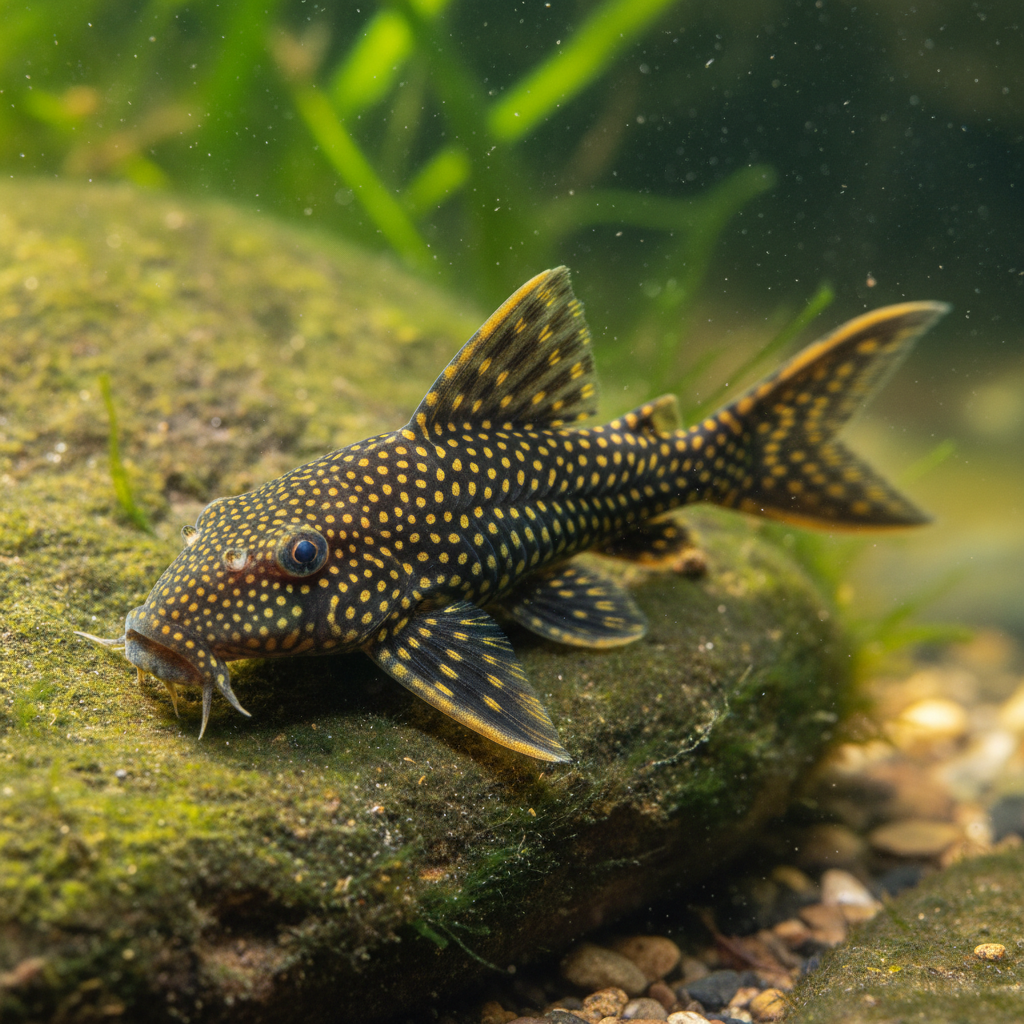
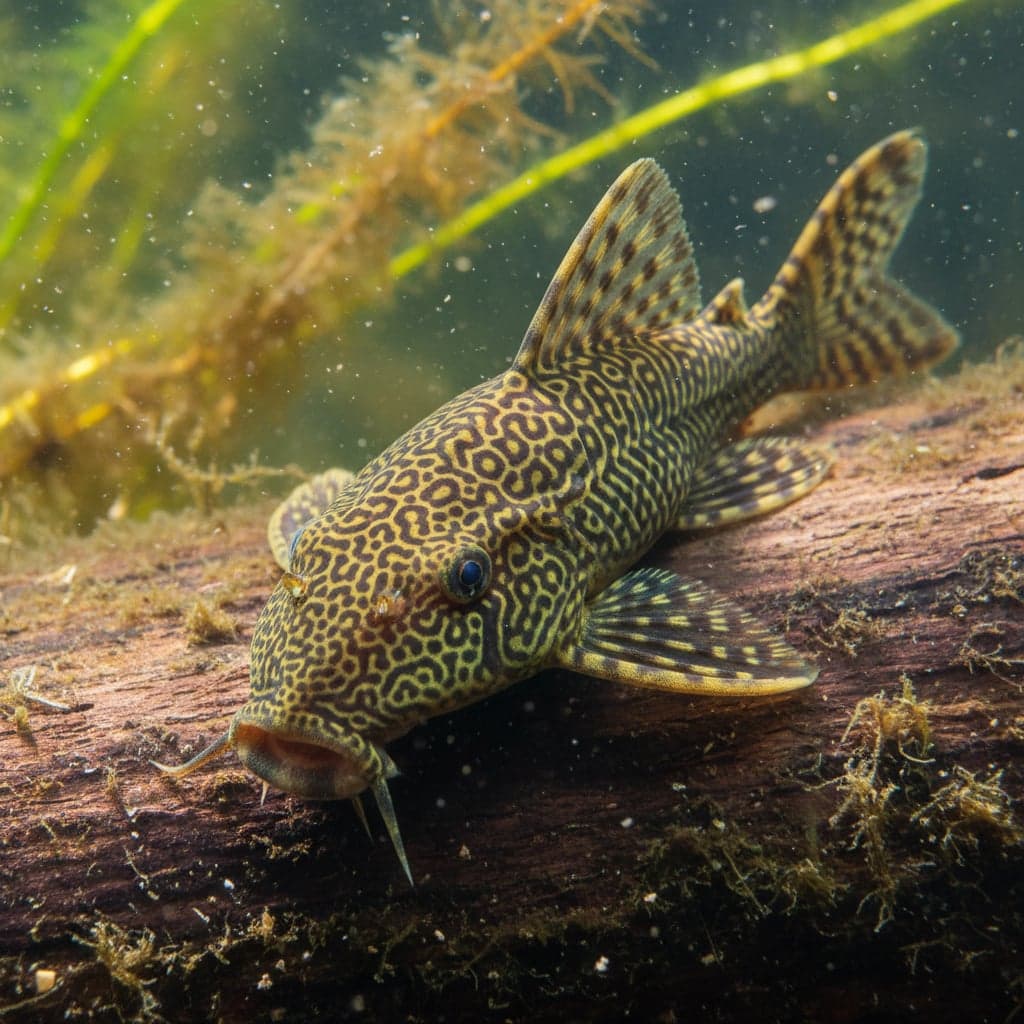
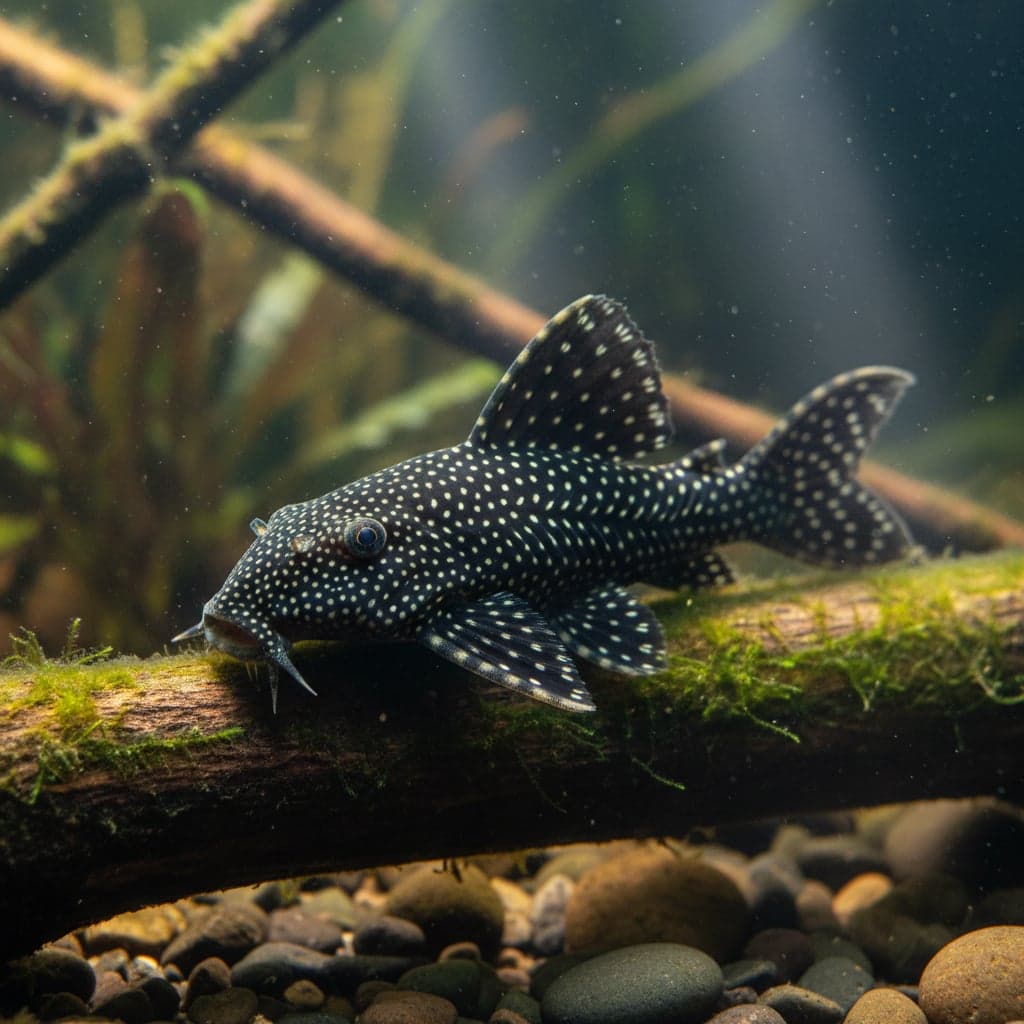
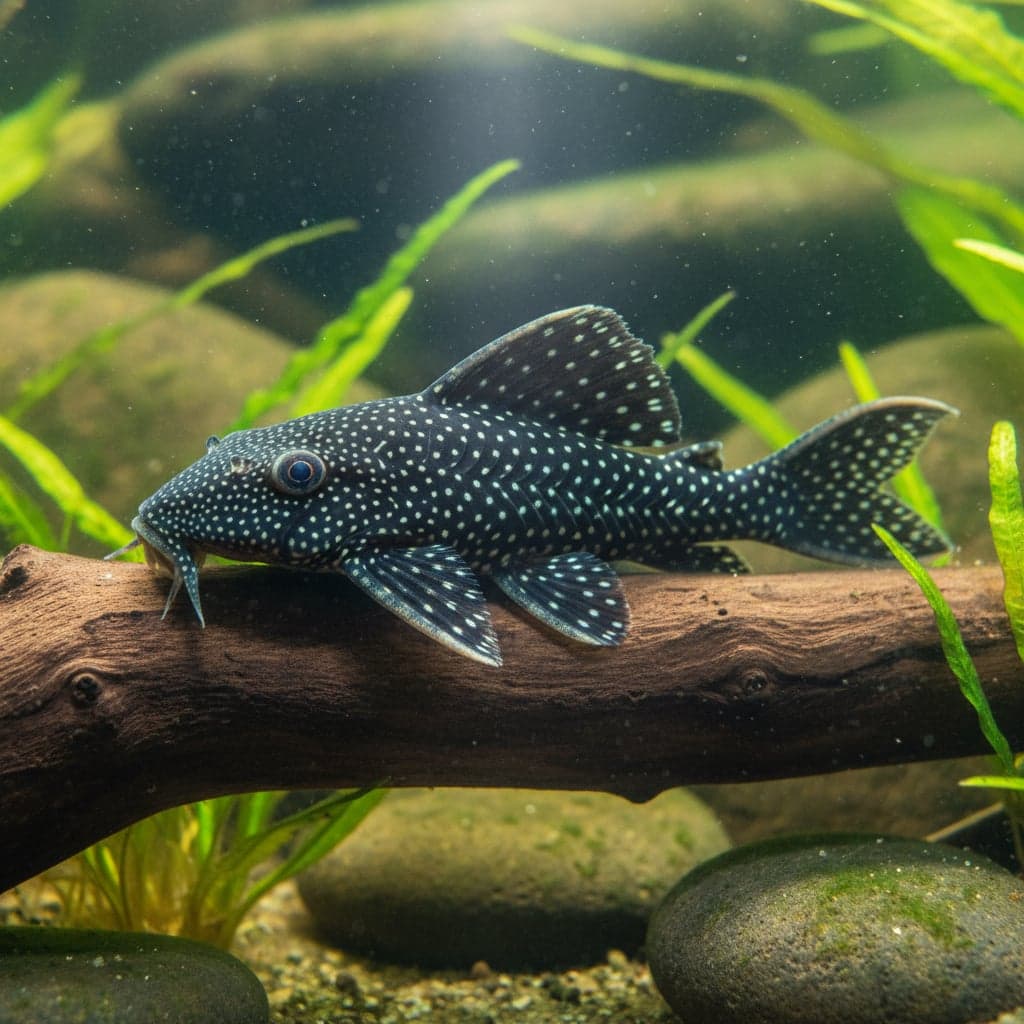
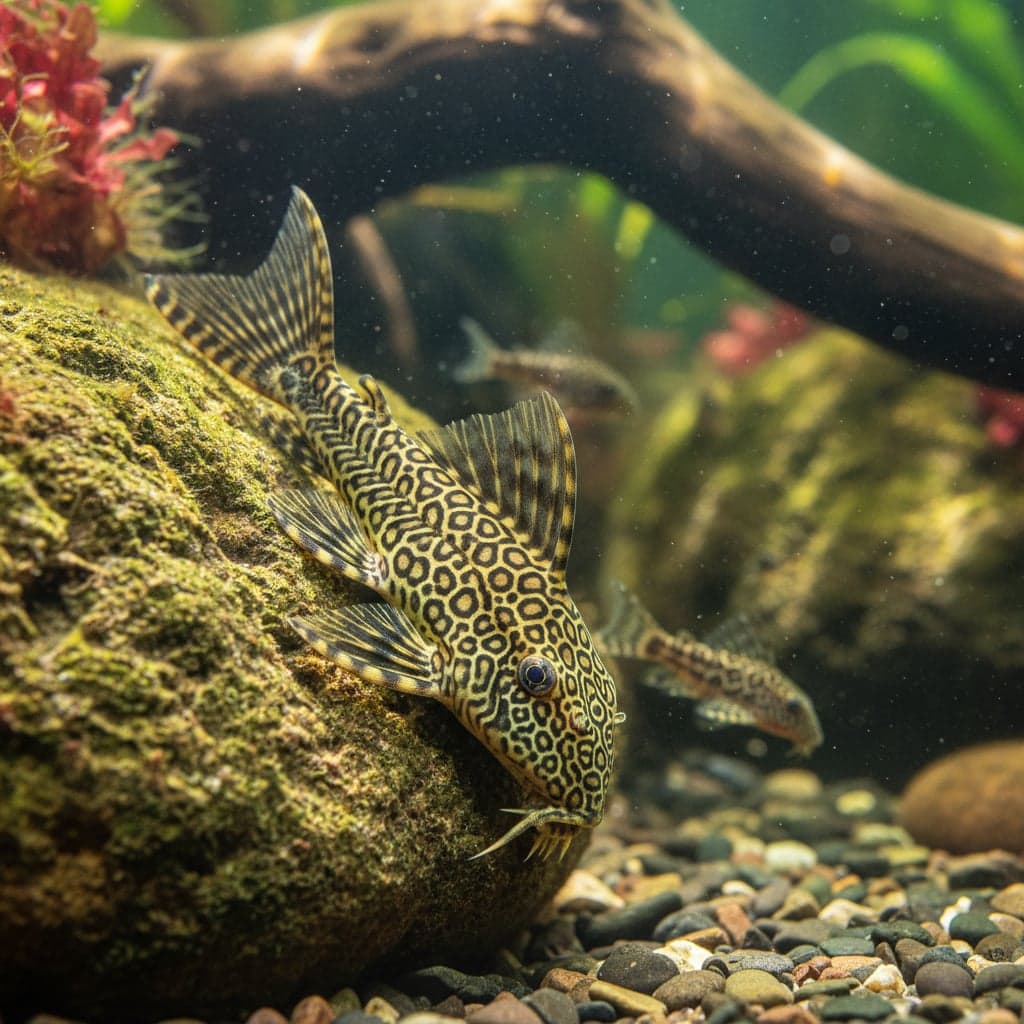
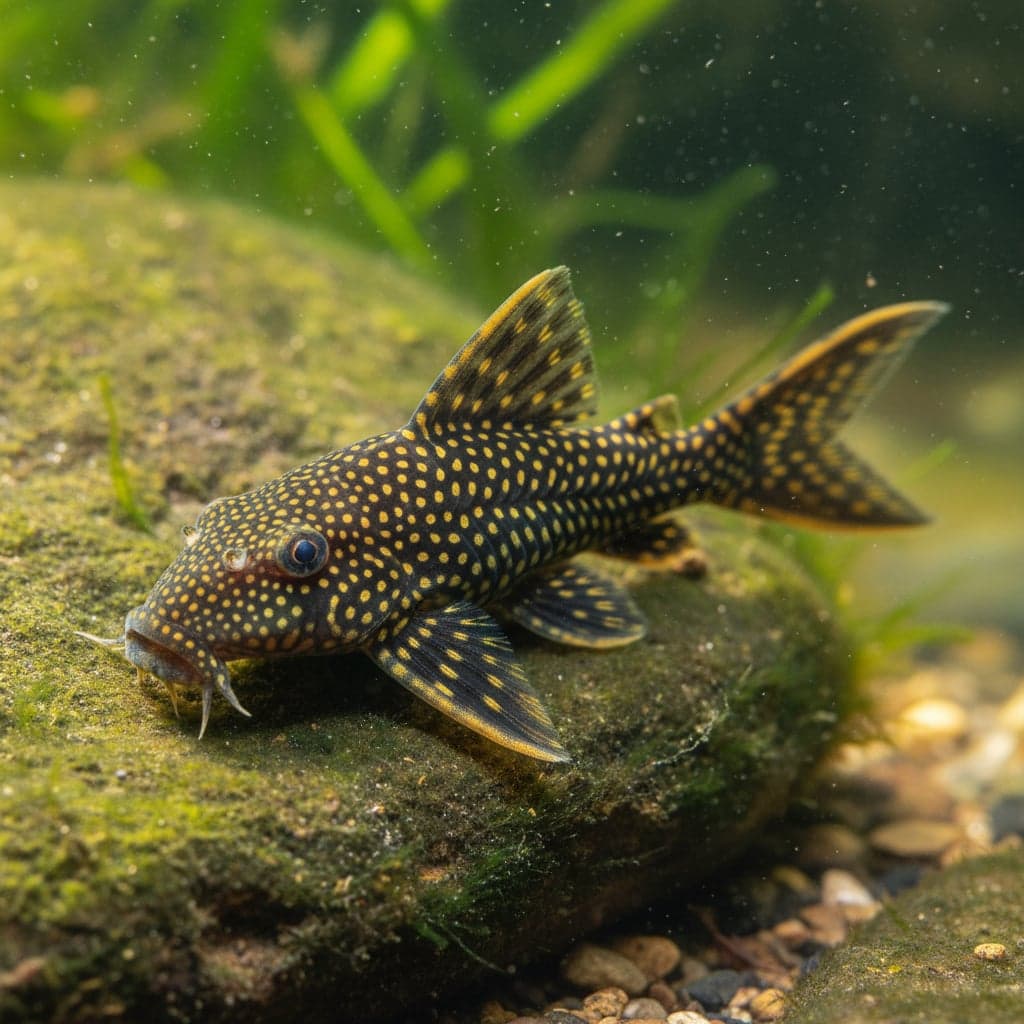
The Triactis Plec L091, scientifically known as Leporacanthicus triactis, is a captivating freshwater catfish that has garnered a significant following in the aquarium hobby. Exhibiting a richly patterned body with striking colors, the L091 features a stunning mix of dark browns, greens, and yellows, complemented by its characteristic star-like spots. Its unique appearance does not just make it visually appealing but also allows it to seamlessly blend into the aquarium environment, mimicking its natural habitat. The Triactis Plec L091 is not merely a decorative piece; it plays a crucial role in maintaining a balanced ecosystem within an aquarium by feeding on algae and organic debris.
The popularity of the Triactis Plec L091 among aquarists stems from its hardy nature and relative ease of care. As a member of the Loricariidae family, this species is renowned for its unique adaptations that allow it to thrive in a variety of conditions. Its presence enriches the biodiversity of community tanks and promotes a dynamic ecosystem. For aquarists looking to add an exotic touch to their setup, the Triactis Plec L091 stands out as both a striking and functional addition.
Natural Habitat & Origin
The Triactis Plec L091 hails from the rivers and tributaries of South America, particularly in the region of the Rio Xingu in Brazil. This geographical origin highlights its adaptation to warm, slow-moving waters typical of tropical ecosystems. The Triactis Plec thrives in blackwater habitats, characterized by dark, tannin-stained water stemming from decomposing organic matter, which influences its coloration and behavior. The natural environment is rich in submerged logs, rocks, and roots, providing ample hiding spots that influence its development and social structure.
In the wild, the Triactis Plec L091 often inhabits sandy or fine gravel substrates, where it can forage for food during its nocturnal activities. Understanding its natural habitat not only helps fishkeepers recreate a suitable environment but also calms the species, mimicking the comforting conditions found in nature.
Care Requirements
To ensure the optimal health of the Triactis Plec L091, specific water parameters and tank conditions must be maintained. The ideal pH level ranges from 6.0 to 7.5, with a temperature between 75°F and 82°F (24°C to 28°C). A hardness level of 5 to 15 dGH should be maintained to replicate the soft waters of its natural habitat.
In terms of tank setup, a minimum tank size of 50 gallons is recommended to provide enough swimming space and enrich its quality of life. The substrate should consist of fine gravel or sand, allowing the fish to dig and explore. Incorporating driftwood, stones, and numerous hiding places enhances comfort and mimics its natural environment. Moderate lighting should be implemented, complemented by live plants that provide cover and help maintain water quality.
Diet & Feeding
The Triactis Plec L091 is categorized as an omnivore, though it predominantly consumes plant matter. A varied diet is crucial for its health, encompassing high-quality algae wafers, sinking pellets, and freshly blanched vegetables such as zucchini or cucumber. Supplementing its diet with frozen or live foods, like bloodworms or brine shrimp, will promote optimal growth and coloration. It’s important to avoid overfeeding, which can lead to poor water quality and health complications. Regular dietary variation will ensure a balanced and nutritious intake, supporting the fish's overall well-being.
Behavior & Temperament
In terms of behavior, the Triactis Plec L091 is generally peaceful and ideal for community tanks. It often engages in solitary behavior but does appreciate the presence of its own kind and can be seen exploring the aquarium at night. While it is mostly non-aggressive, it might exhibit territoriality, especially during feeding times or when claiming hiding spots. They prefer to inhabit the lower levels of the aquarium, usually positioned on the substrate or among the tank decorations, where they graze and forage.
Socially, these fish do well in pairs or small groups, promoting healthy interactions and reducing stress. Care should be taken to ensure that it has enough space to establish territories and hide when desired to avoid confrontations with more aggressive tank mates.
Tank Mates
When selecting tank mates for the Triactis Plec L091, it's crucial to choose species that share similar water requirements and temperaments. Compatible tank mates include peaceful community fish such as tetras, rasboras, and other smaller catfish like Corydoras. Additionally, larger loaches and calm cichlids can make suitable companions, providing a vibrant yet tranquil aquarium environment.
However, it is best to avoid placing them with overly aggressive or territorial species, as they may stress the Triactis Plec L091. Fish known for fin-nipping, such as certain barbs, should also be avoided, as they may harass the Plec and hinder its well-being.
Breeding
Breeding the Triactis Plec L091 in captivity can be quite challenging, as it requires specific conditions. This species typically exhibits spawning behavior during the rainy season in their natural habitat. To replicate these conditions, a separate breeding tank should be set up, with slightly warmer water temperatures (around 80°F or 27°C) and increased water flow.
The spawning process is initiated when a female lays eggs in a cave or crevice, with the male subsequently fertilizing them. After fertilization, the male will often guard the eggs, providing protection until they hatch. Successful breeding relies on the availability of suitable hiding places and the right water parameters.
Common Health Issues
While the Triactis Plec L091 is a hardy species, it can be prone to certain health issues, including ich, fin rot, and skin flukes. Maintaining excellent water quality through regular monitoring and water changes is crucial in preventing these diseases. Ensuring proper temperature and stress management, along with a well-balanced diet, can greatly reduce susceptibility to health problems.
In the event of illness, prompt identification and treatment with appropriate medications, such as anti-parasitics or antibiotics, will aid in recovery. Regular observation of the fish's behavior and physical condition is key to early detection of any issues.