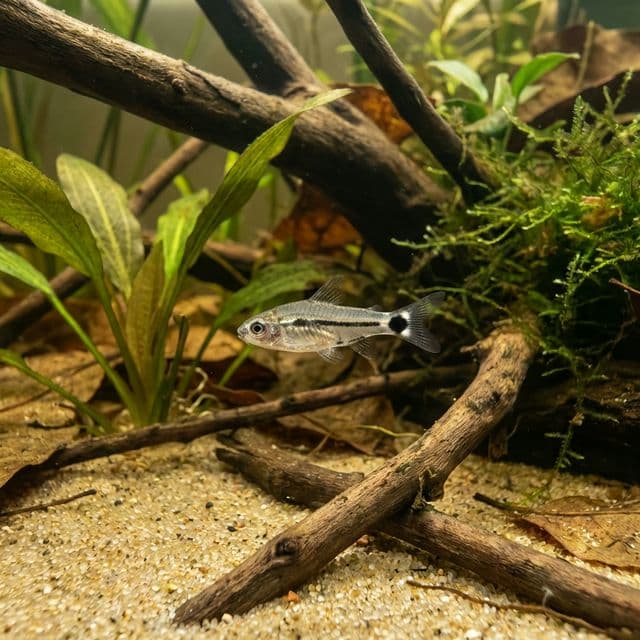
Two Stripe Lyretail Killifish: Aphyosemion bivittatum
A 6cm West African killifish with blue-and-yellow males and a lyre-shaped tail. Peaceful, for soft, planted, dimly lit tanks.

Two Stripe Lyretail Killifish
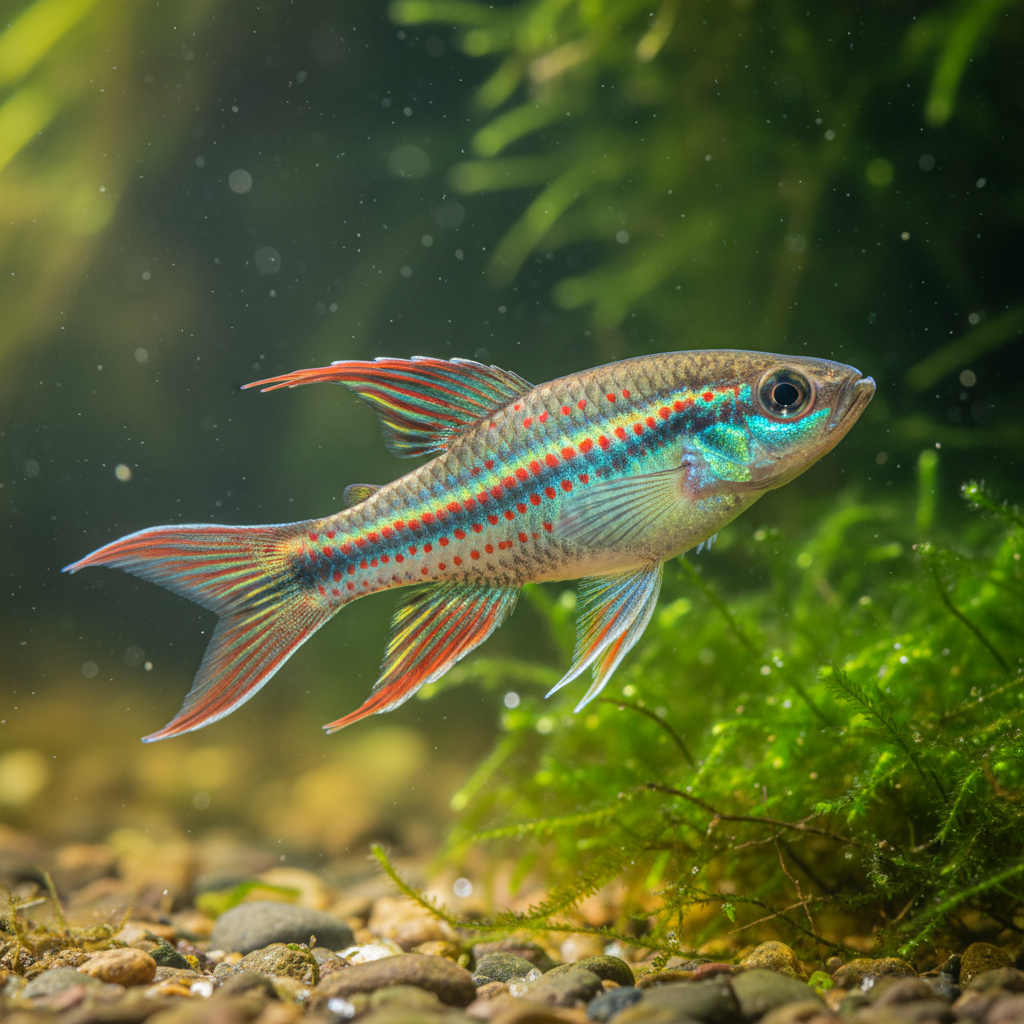
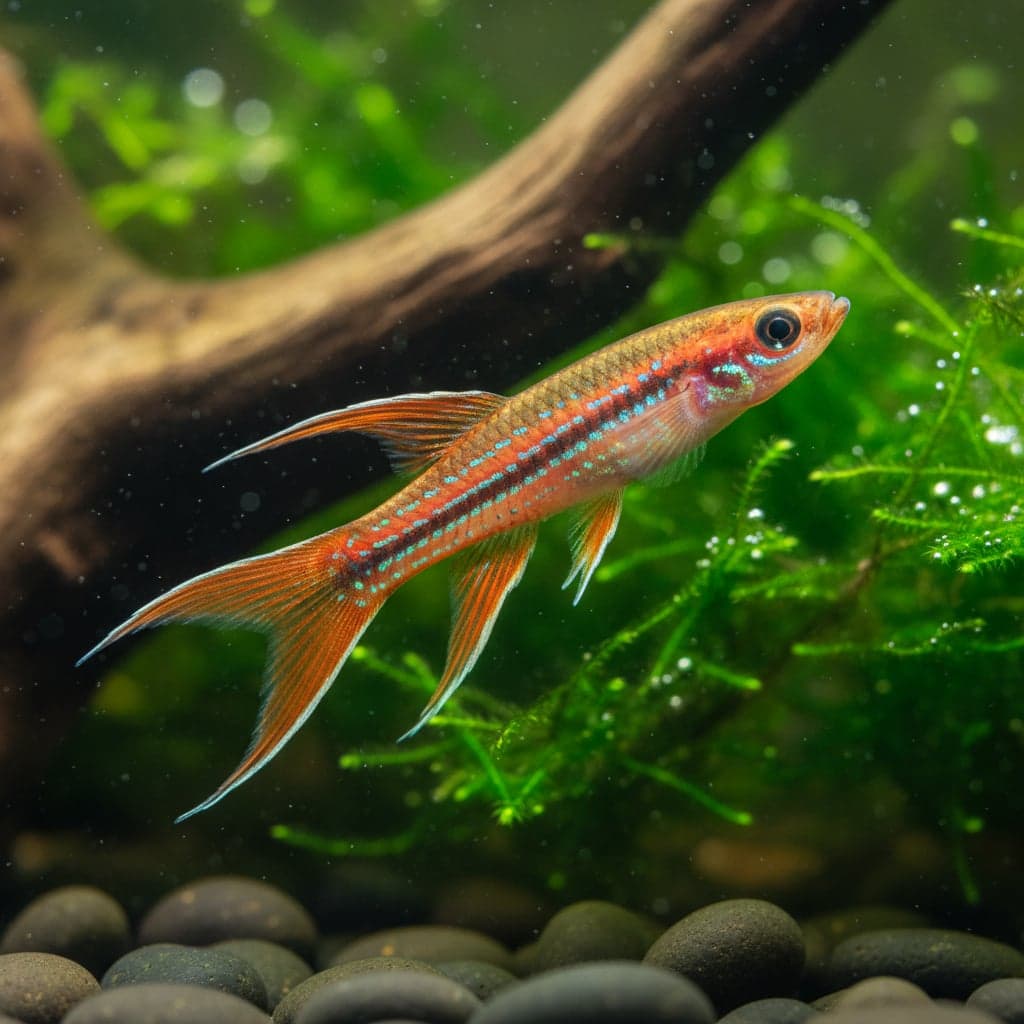
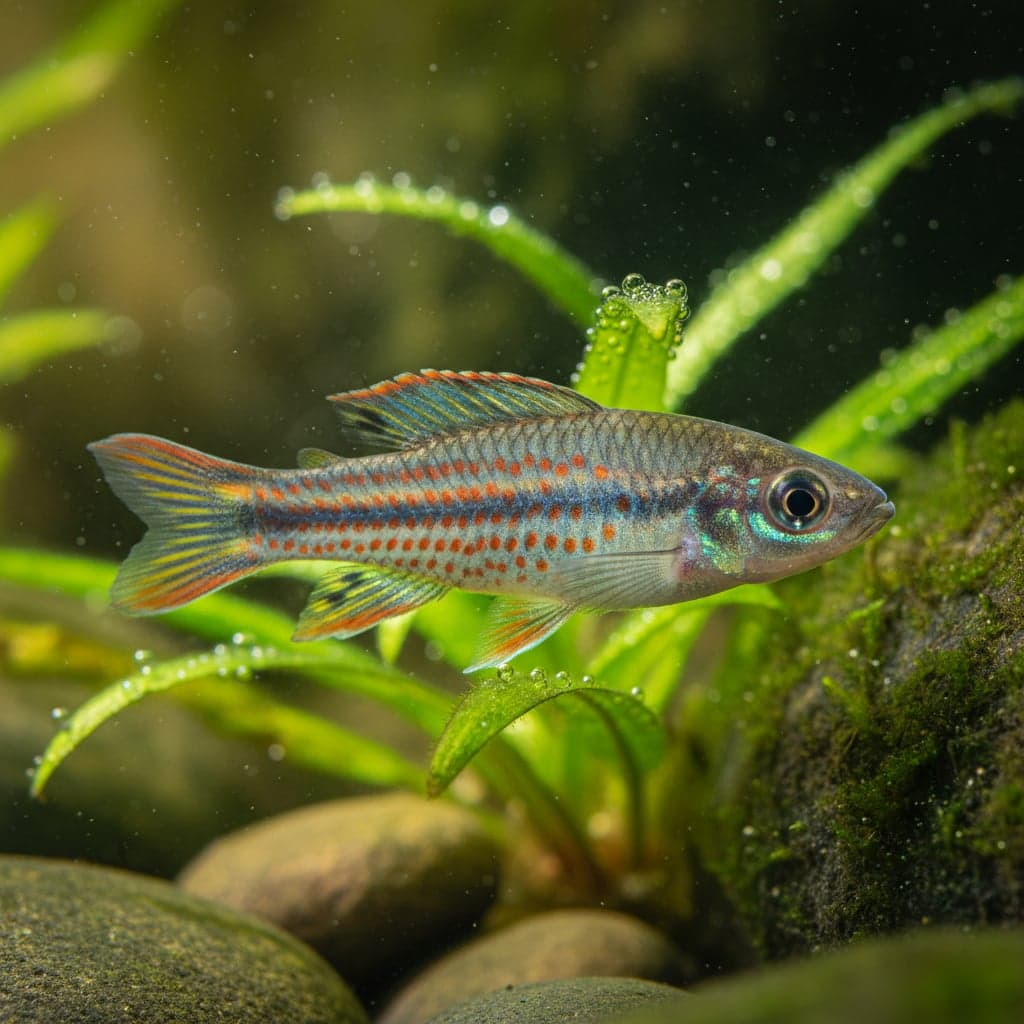
The Two Stripe Lyretail Killifish (Aphyosemion bivittatum) is a strikingly colorful and elegant fish that captivates aquarists with its vibrant hues and unique lyretail fin structure. This small, freshwater species is part of the family Aphyosemion, commonly known as killifishes, which are favored in the aquarium hobby for their stunning aesthetics and interesting behaviors. The Two Stripe Lyretail Killifish displays a stunning combination of iridescent blue and yellow markings, complemented by its long, flowing tail that resembles a lyre. The male is particularly radiant, showcasing more vivid coloration compared to the relatively duller female, making it a sought-after addition for fish enthusiasts looking to enhance their tanks with visually engaging specimens.
In addition to their exceptional beauty, the Two Stripe Lyretail Killifish holds significant value within the aquarium community due to its relatively uncomplicated care requirements and breeding practices. This species reflects rich biodiversity and showcases a minimalist yet dynamic lifestyle that appeals to both novice and experienced aquarists alike. Their intriguing behaviors bring a lively aspect to community tanks, while also introducing a layer of complexity in terms of breeding activities, spawning habits, and social interactions. Such characteristics make the Two Stripe Lyretail Killifish not only a joy to keep but also an essential part of the aquarium culture.
Natural Habitat & Origin
The Two Stripe Lyretail Killifish is indigenous to the freshwater habitats of West Africa, particularly found in regions of Cameroon and Nigeria. They inhabit quiet, slow-moving waters such as swamps, streams, and floodplains, where they thrive in a biodiverse ecosystem. These environments are often characterized by their dark, tea-colored waters, resulting from the decomposition of plant matter, which creates blackwater conditions. As such, the natural habitat of these fish typically features dense vegetation and fallen leaves, providing essential cover and foraging grounds for this species.
In the wild, the Two Stripe Lyretail Killifish is often found dwelling among submerged plants and leaf litter, where they can easily camouflage from predators and find nourishment. Their adaptation to these particular environmental conditions plays a crucial role in their overall health and behavior in captivity. For aquarists, replicating these natural water parameters and habitat features is vital to ensuring the well-being of the fish.
Care Requirements
To keep the Two Stripe Lyretail Killifish healthy and thriving, it’s essential to provide optimal water parameters that reflect their natural habitat. Ideally, the pH level should be maintained between 6.0 and 7.5, with a temperature range of 72°F to 80°F (22°C to 27°C). The water hardness should be soft to moderately hard, ideally between 3 to 15 dGH. Regular water changes and proper filtration will help maintain these conditions while contributing to better water quality.
In terms of tank setup, a minimum volume of 10 gallons is recommended for a small group of these fish. The aquarium should be decorated with fine substrate, such as sand or soft gravel, to mimic their natural environment. Adding plenty of live plants, driftwood, and leaf litter will not only enhance the aesthetic appeal of the tank but also offer hiding spots and foraging opportunities. Soft lighting is ideal, as it reduces stress levels and encourages natural behaviors among the fish while creating a serene ambiance in the aquarium.
Diet & Feeding
The Two Stripe Lyretail Killifish is an omnivorous species, benefiting from a varied diet that includes both plant and protein sources. In captivity, they thrive on high-quality flake foods or small pellets specifically formulated for carnivorous or omnivorous fish. Additionally, incorporating frozen or live foods such as brine shrimp, daphnia, and mosquito larvae can enhance their diet and stimulate natural hunting behaviors. Feed them multiple times per day in small portions, ensuring that they consume their food within a few minutes to avoid water quality issues. This balanced diet will promote vibrant colors and healthy growth in these beautiful fish.
Behavior & Temperament
The Two Stripe Lyretail Killifish exhibits a peaceful demeanor, making it an excellent choice for community tanks. These fish are best kept in small groups, ideally in a ratio of one male to multiple females to prevent aggressive behaviors that may arise during breeding. They are known to engage in mild schooling behaviors and enjoy exploring all levels of the tank, frequently utilizing the mid- to upper sections and occasionally venturing near the surface. While they are generally non-aggressive, males can exhibit territorial instincts when breeding, so it's advisable to provide ample space and hiding spots to mitigate any potential conflicts.
Tank Mates
When selecting compatible tank mates for the Two Stripe Lyretail Killifish, it is essential to choose peaceful species that share similar care requirements. Suitable companions may include small tetras, rasboras, and dwarf cichlids, which are non-aggressive and can thrive in similar water conditions. It's recommended to avoid larger or more boisterous species, such as angelfish or barbs, as they may intimidate or harass the killifish. Additionally, steer clear of aggressive bottom-dwellers like cichlids that might outcompete them for food or territory.
Breeding
Breeding the Two Stripe Lyretail Killifish can be a rewarding endeavor for aquarists willing to provide the right conditions. These fish are egg scatterers and typically prefer heavily planted tanks or spawning mops, where they feel secure to lay their eggs. To initiate spawning, a slight increase in temperature and clean water conditions may encourage breeding behavior. During the reproductive act, males will display vibrant colors and perform courtship dances, leading females to deposit eggs among the plants. After spawning, it’s crucial to remove the adult fish from the breeding tank to prevent them from consuming the eggs. With careful attention and appropriate conditions, hatching usually occurs within 10 to 14 days.
Common Health Issues
The Two Stripe Lyretail Killifish is generally robust, but like many freshwater species, it can be susceptible to certain health issues, including ich (ichthyophthiriasis), fin rot, and swim bladder disorder. Preventative measures include maintaining optimal water quality through regular testing and changes, as well as avoiding overcrowding in the tank. Ensuring a well-balanced diet will also support their immune systems and overall health. Should any health issues arise, prompt treatment with appropriate medications and isolation of affected individuals is recommended to prevent the spread of disease within the aquarium.