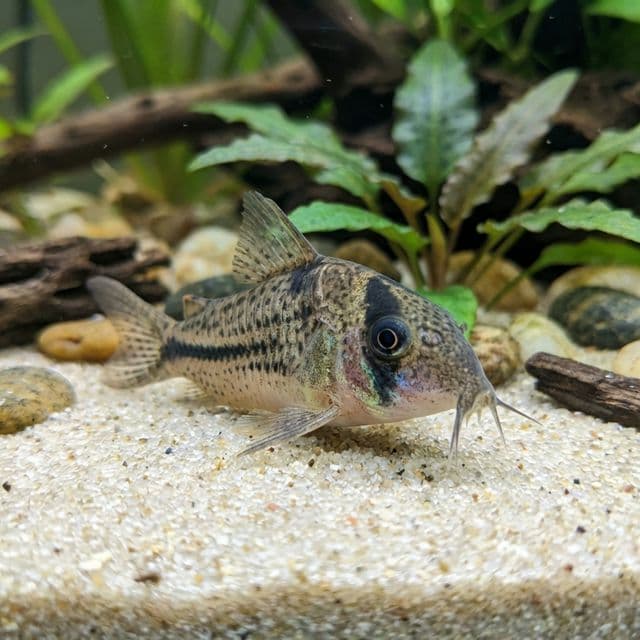
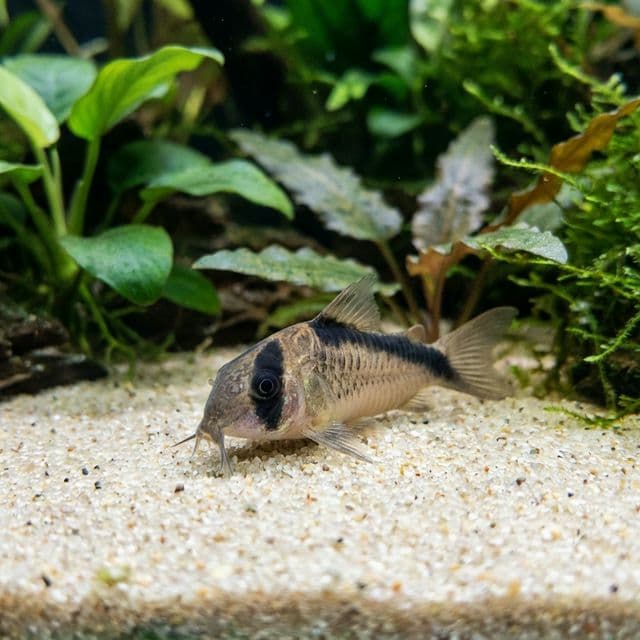
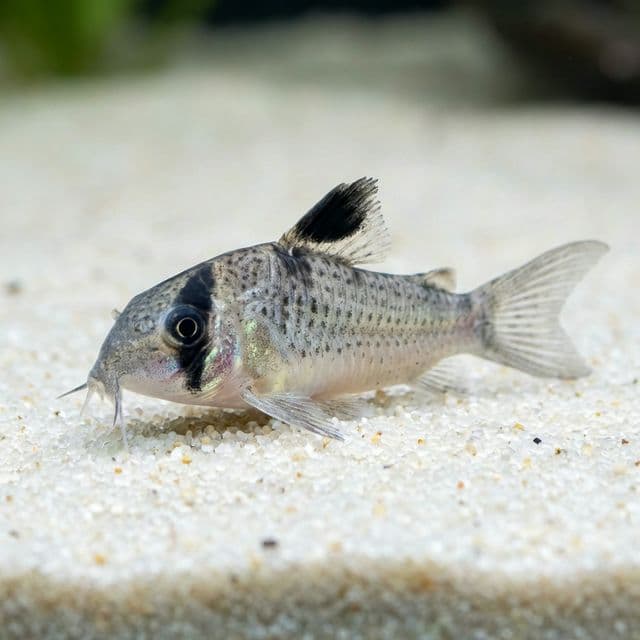
Wotroi Cory: Hoplisoma brevirostre
A charming and active dwarf corydoras known for its distinctive spotting and short snout, making it a perfect bottom dweller for small community tanks.
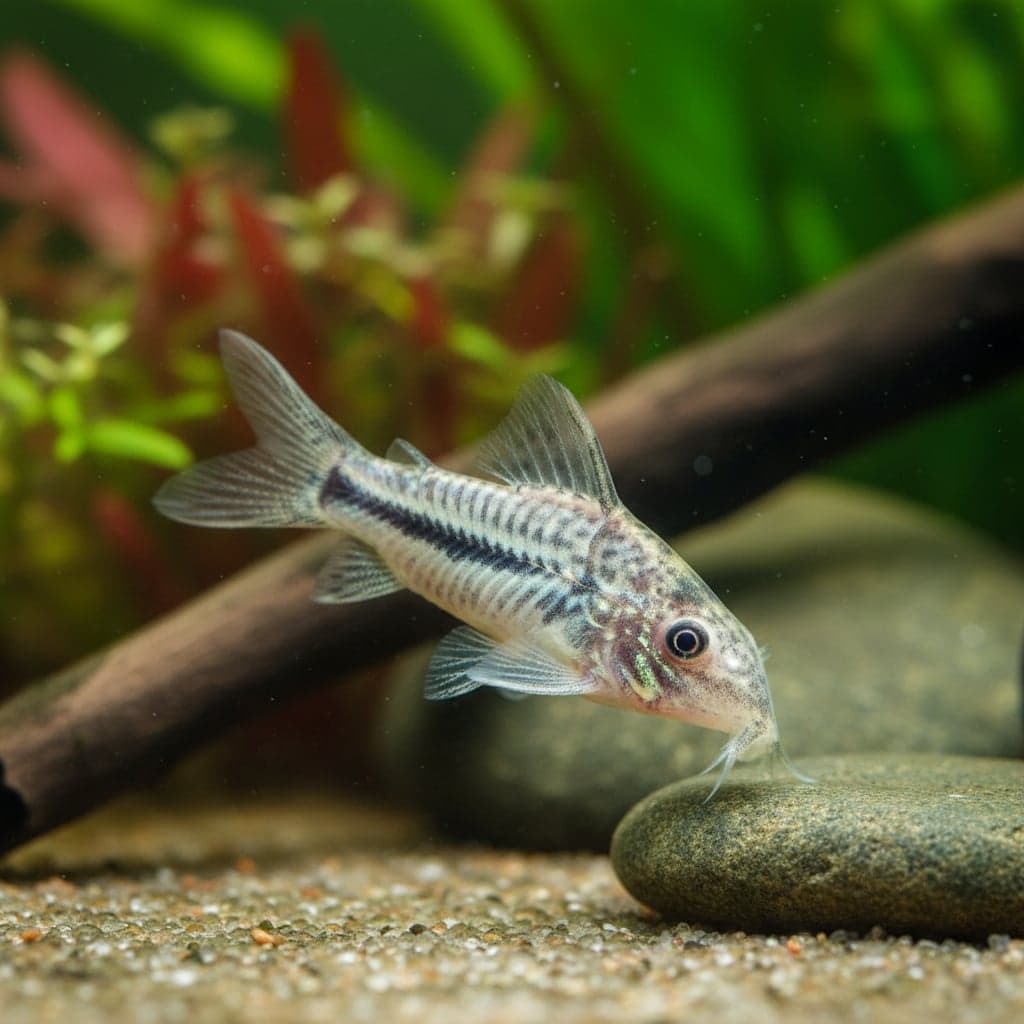
Wotroi Cory
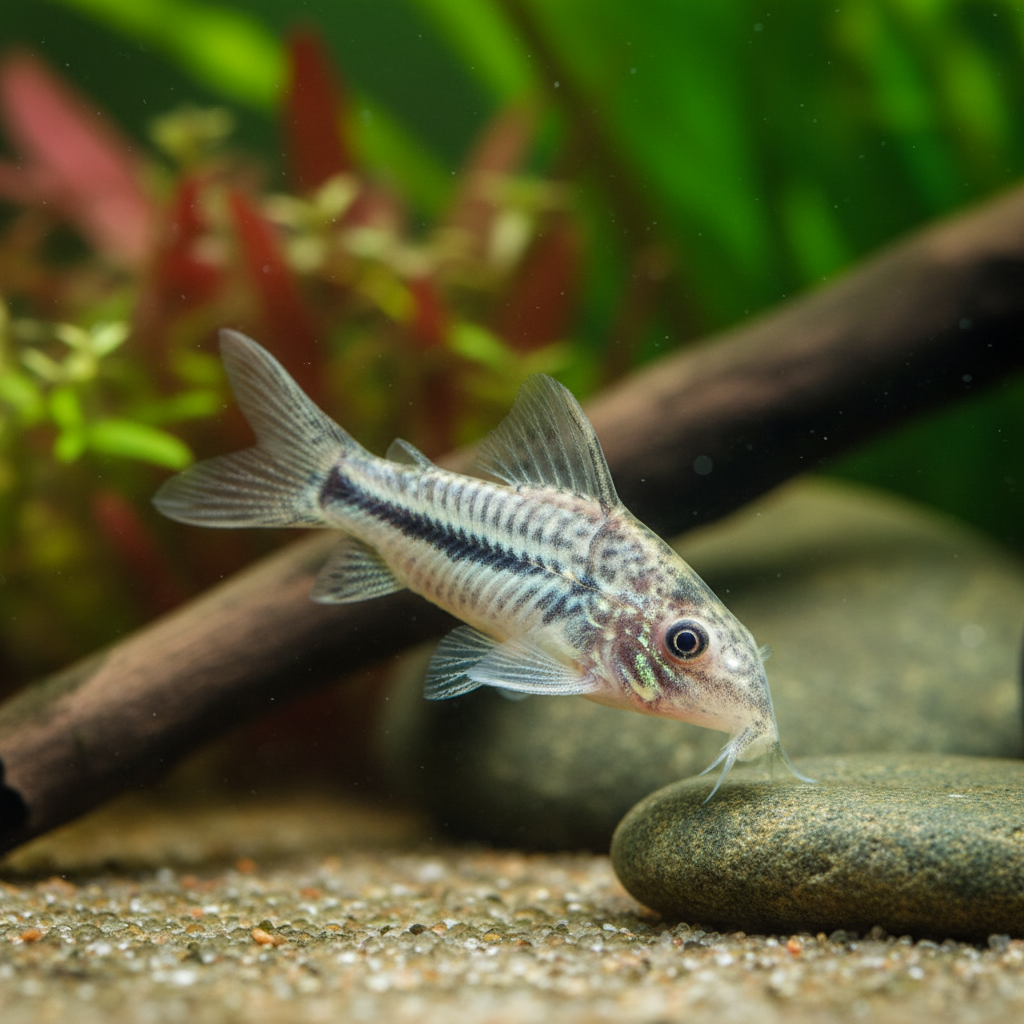
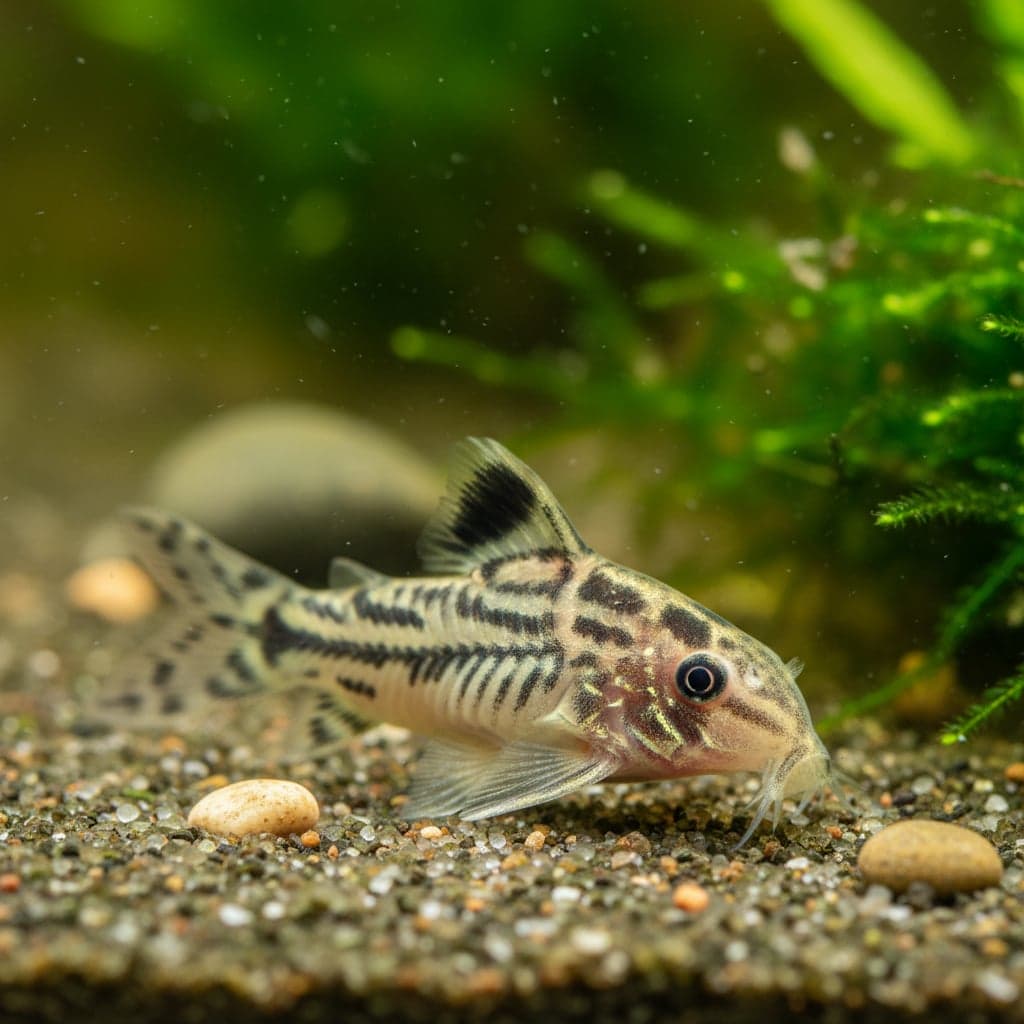
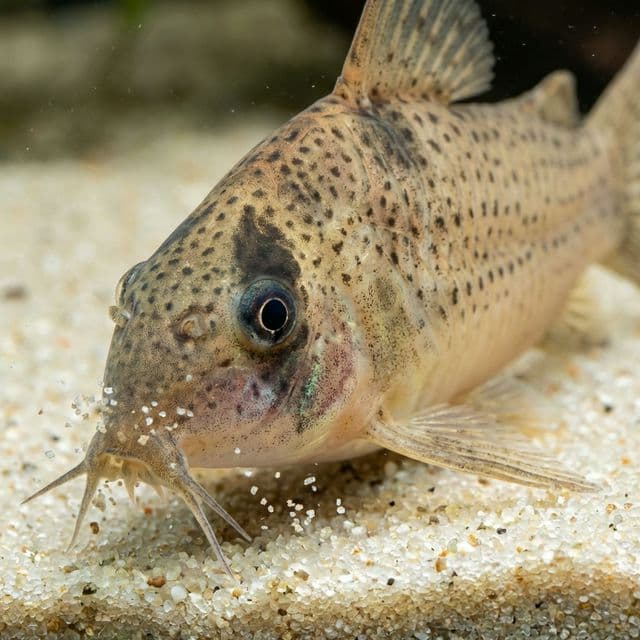
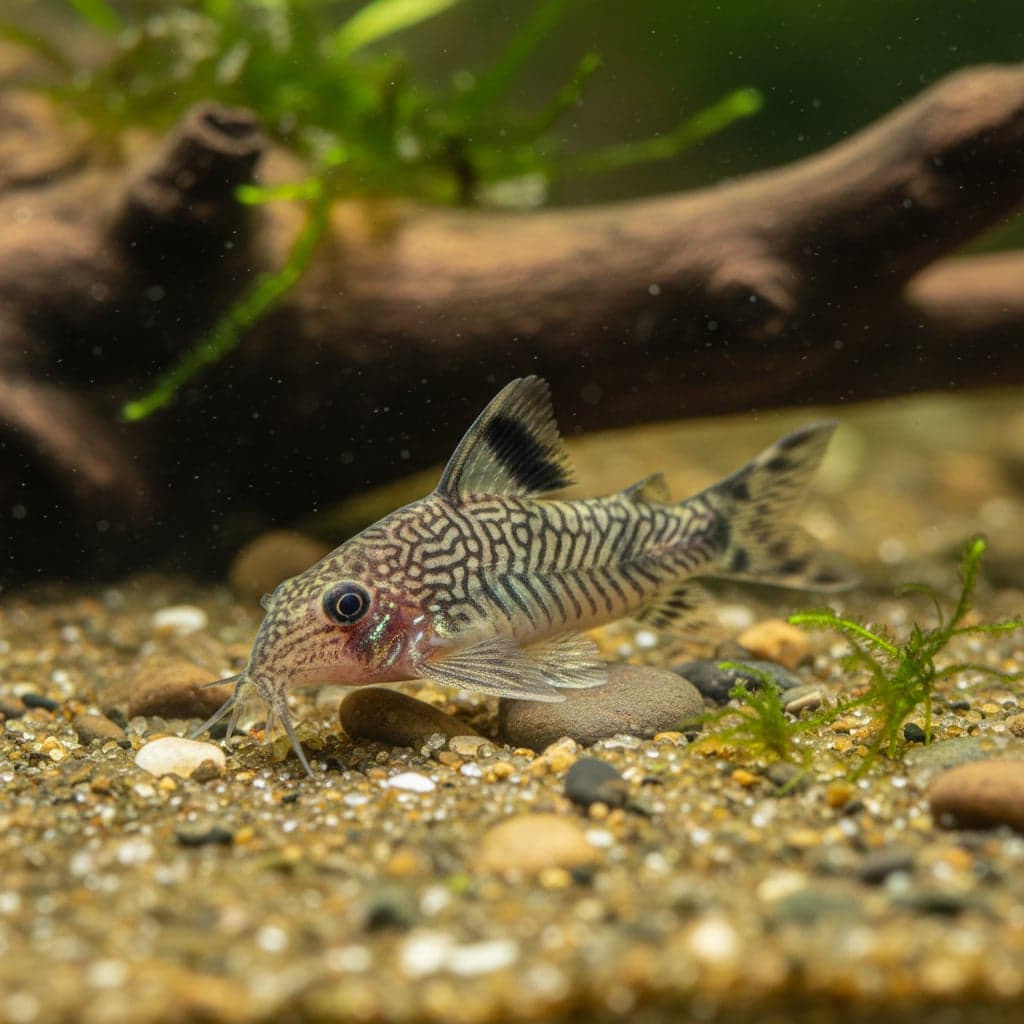
The Wotroi Cory, known scientifically as Hoplisoma brevirostre, is a captivating freshwater species that has gained popularity among aquarium enthusiasts for its beautiful appearance and gentle demeanor. This small catfish showcases a distinctive body shape adorned with striking black markings against a silvery-white to gold background, making it an eye-catching addition to community tanks. The Wotroi Cory's appealing aesthetic and engaging personality contribute not only to its significance in the ornamental fish trade but also to the richness of biodiversity in freshwater aquaria.
In addition to its visual allure, the Wotroi Cory plays an essential role in the aquarium ecosystem. As scavengers, these fish help maintain tank cleanliness by consuming leftover food and debris from the substrate. Their peaceful temperament makes them suitable companions for a variety of species, further enhancing their appeal among hobbyists seeking to create harmonious aquatic environments. Understanding the unique characteristics of the Wotroi Cory is vital for proper care and to appreciate the contribution it offers to both the aquarium hobby and the natural world.
Natural Habitat & Origin
The Wotroi Cory hails from the vibrant waters of the Amazon River basin, specifically in regions surrounding Venezuela and the Guianas. In these natural habitats, the fish thrives in slow-moving water bodies that are rich in leaf litter and organic material. This environment is typically characterized by blackwater streams, where the water is stained with tannins from decaying plant matter, resulting in a tea-like color and low visibility. The soft, slightly acidic waters of the Amazon provide an ideal environment, establishing a foundational understanding for aquarium keepers looking to replicate its natural conditions.
These waters have a unique ecological context, rich in biodiversity where numerous species of flora and fauna coalesce. The Wotroi Cory inhabits densely vegetated areas, utilizing aquatic plants as hiding places and respite from currents. Mimicking this setting in a home aquarium is crucial for their well-being, making it essential for hobbyists to consider combining suitable plants and structures that recreate the ambiance of their natural habitat.
Care Requirements
To maintain a healthy environment for the Wotroi Cory, it is imperative to establish appropriate water parameters. Ideal conditions include a pH range of 6.0 to 7.5, a water temperature between 24°C to 28°C (75°F to 82°F), and soft to moderately hard water with hardness levels of 2-15 dGH. These conditions mirror the natural habitat of the Wotroi Cory, allowing it to thrive in captivity.
When setting up the tank, a minimum size of 20 gallons is recommended to provide ample swimming space for schooling and social behavior. The substrate should consist of fine sand or smooth gravel to mimic their natural environment and protect their delicate barbels. Ambient lighting should be subdued and supplemented by floating plants to create necessary shade. Dense planting with live aquatic vegetation will not only enhance aesthetics but also offer hiding spots, making the Wotroi Cory feel secure in its surroundings.
Diet & Feeding
The Wotroi Cory is an omnivore by nature, thriving on a varied diet that consists of plant matter, small invertebrates, and detritus. To keep them healthy and vibrant in an aquarium setting, it’s recommended to provide a balanced diet comprising high-quality flakes, sinking pellets, frozen foods, and occasional live treats such as daphnia or brine shrimp. Feeding multiple small meals throughout the day can help simulate their natural foraging behavior and ensure they receive adequate nutrition.
Additionally, incorporating vegetable matter like blanched zucchini or spinach into their diet can promote digestive health. It is crucial not to overfeed, as uneaten food can lead to poor water quality and associated health issues.
Behavior & Temperament
The Wotroi Cory is a peaceful and social species that thrives in groups. They exhibit strong schooling behavior; thus, it is advisable to keep a minimum of six individuals to ensure their happiness and well-being. Their natural inclination to stay close to one another creates a dynamic social structure within the tank, contributing to their lively and engaging demeanor.
In terms of placement within the tank, the Wotroi Cory generally stays near the bottom or mid-level areas, scavenging along substrates for food. This bottom-dwelling nature allows them to interact with other fish that occupy higher water levels, creating a diverse and active aquarium environment while avoiding aggression towards other tank mates.
Tank Mates
When selecting tank mates for the Wotroi Cory, it is essential to choose compatible species that share similar water parameter needs and exhibit non-aggressive behavior. Ideal companions include small tetras, rasboras, dwarf cichlids (like Apistogramma), and peaceful catfish species.
However, it’s crucial to avoid larger or aggressive species such as oscars, cichlids, or any fish known for fin-nipping behavior, as these can stress or harm the Wotroi Cory. Overall, maintaining a community tank with similarly sized and temperamented fish will foster a peaceful coexistence and a thriving aquatic environment.
Breeding
Breeding Wotroi Cory in captivity can be rewarding, though it requires specific conditions to stimulate spawning behavior. These catfish prefer slightly cooler water temperatures ranging from 22°C to 24°C (72°F to 75°F), which can encourage them to spawn. The use of a separate breeding tank with soft, slightly acidic water, ample hiding spots, and flat surfaces for egg deposition is recommended.
During spawning, males will display courtship behaviors and guide females to suitable areas to lay eggs. After fertilization, eggs will typically adhere to surfaces such as plant leaves or spawning mats. Once the eggs are laid, it's imperative to separate the parents, as they may consume their offspring. Fry hatching usually occurs within 3-4 days, and they can be fed infusoria or finely crushed flakes once they become free-swimming.
Common Health Issues
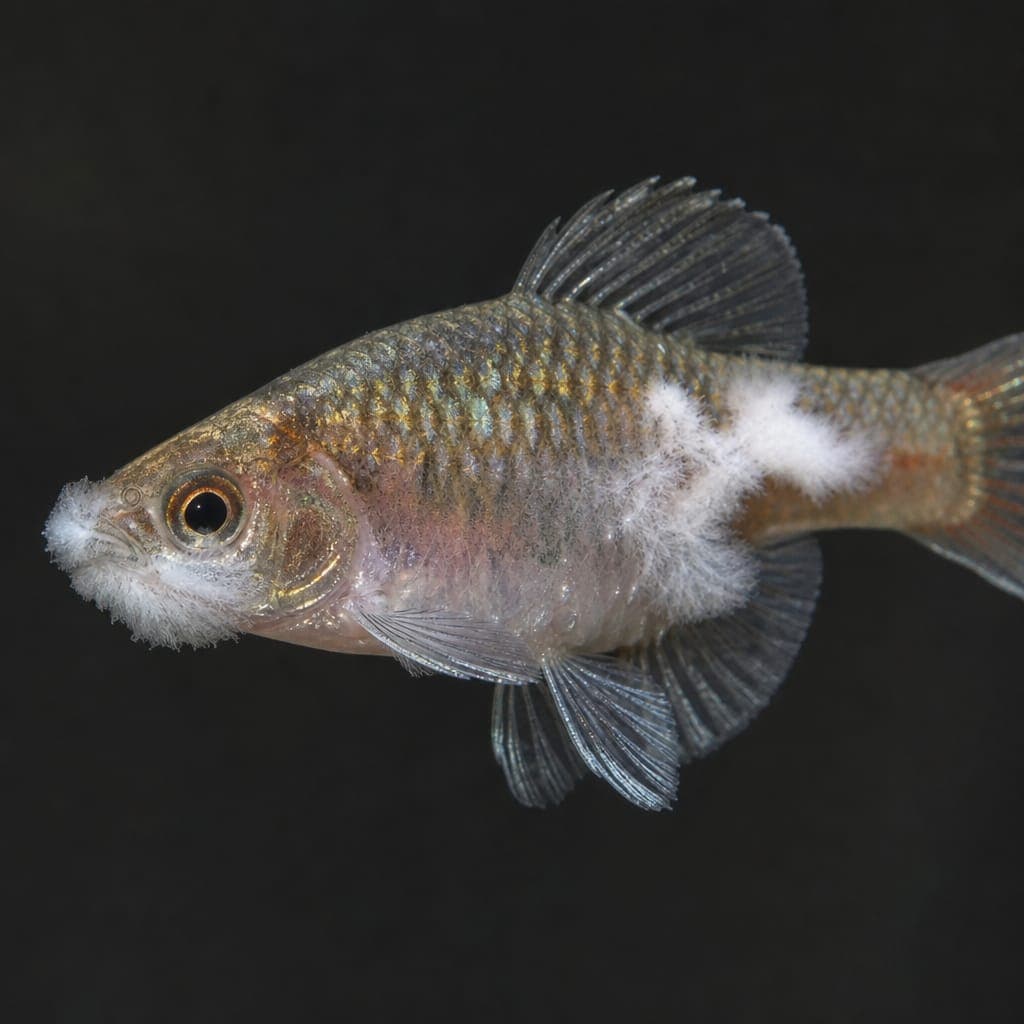
While the Wotroi Cory is generally a hardy fish, it is still susceptible to common aquatic diseases like ich, fin rot, and fungal infections. Maintaining optimal water conditions, including regular water changes and monitoring for nitrate levels, can prevent many health issues.
Quarantine new arrivals before introducing them to an established community tank to minimize the risk of disease transmission. In case of an outbreak, treating with proper medications and ensuring a stress-free environment will contribute to faster recovery. Regular observations and a proactive approach to health management will keep the Wotroi Cory thriving in its aquarium habitat.