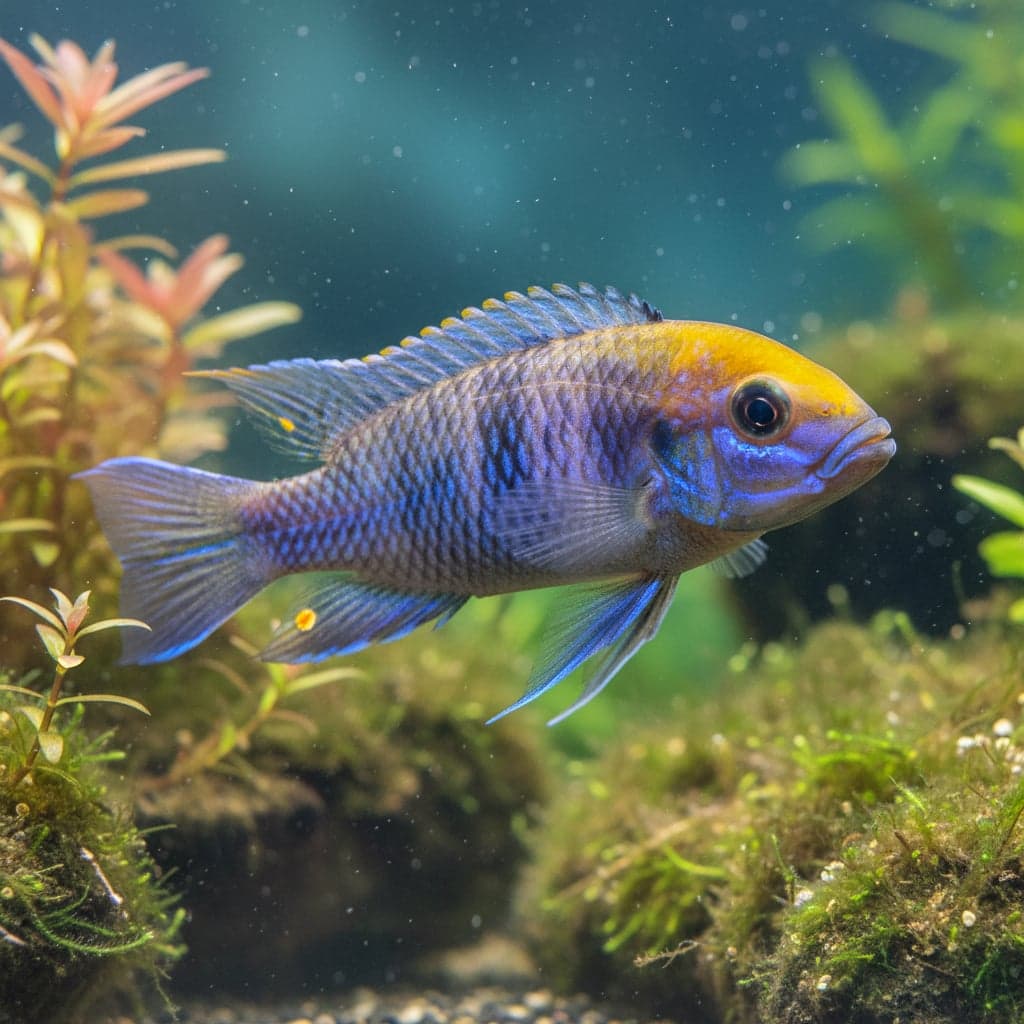
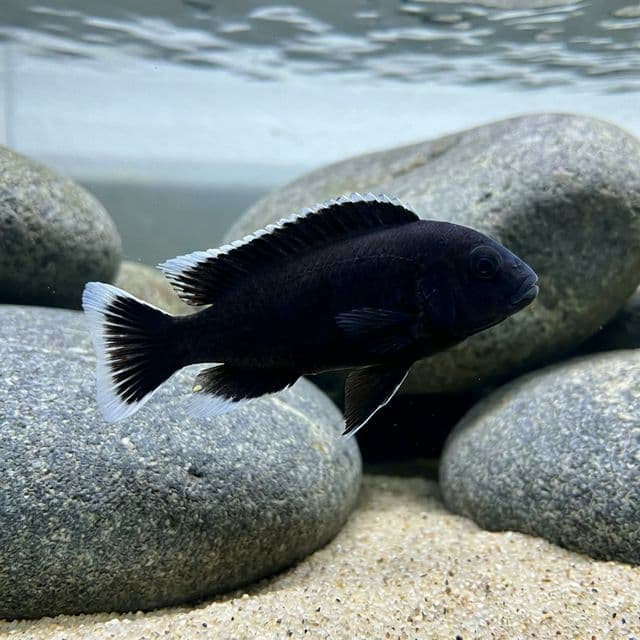
Zebra Obliquidens: Astatotilapia latifasciata
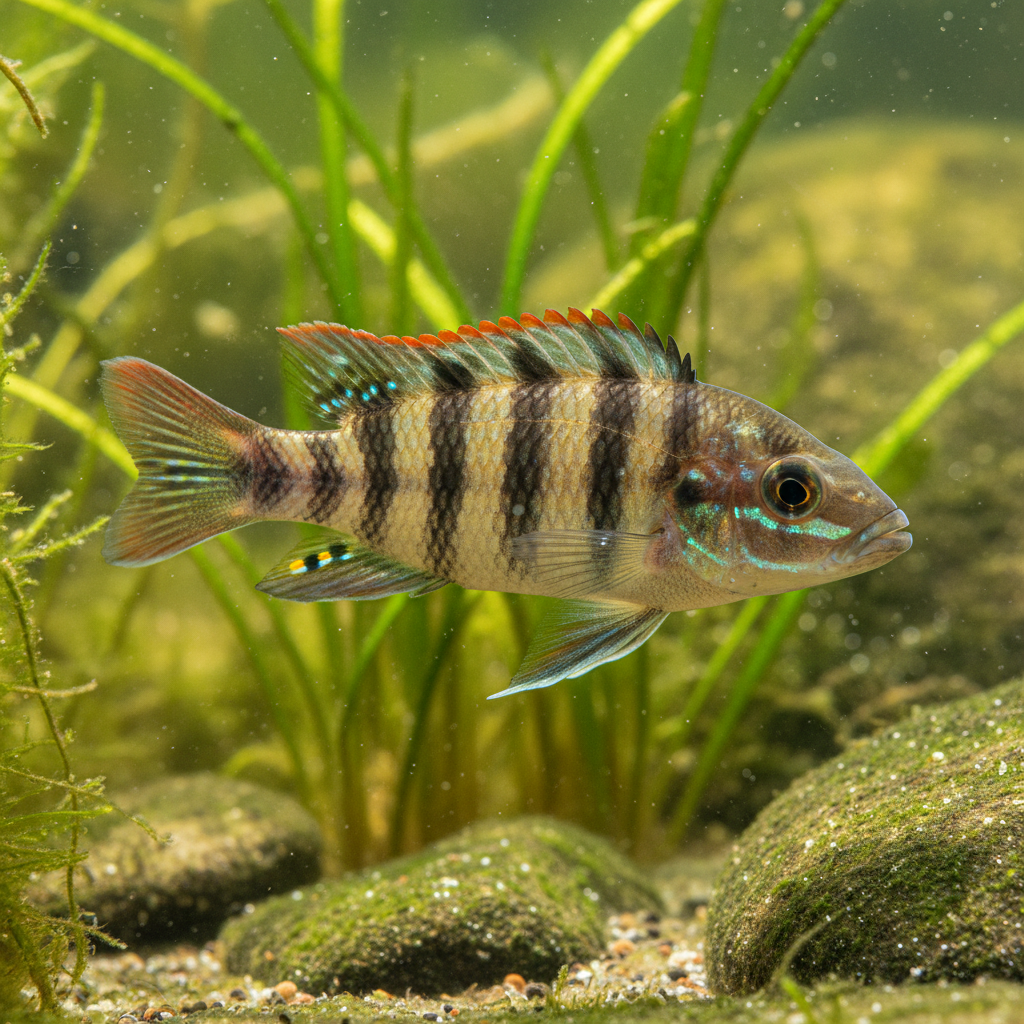
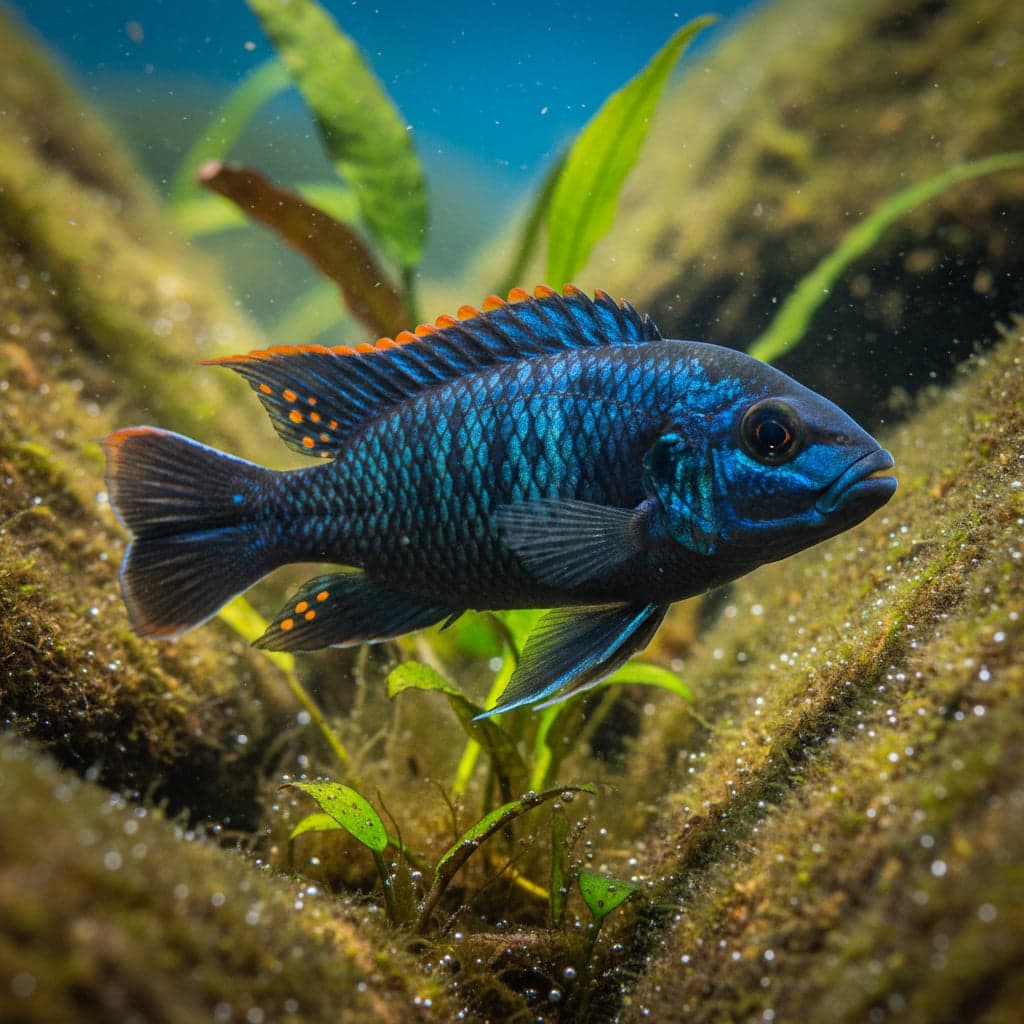
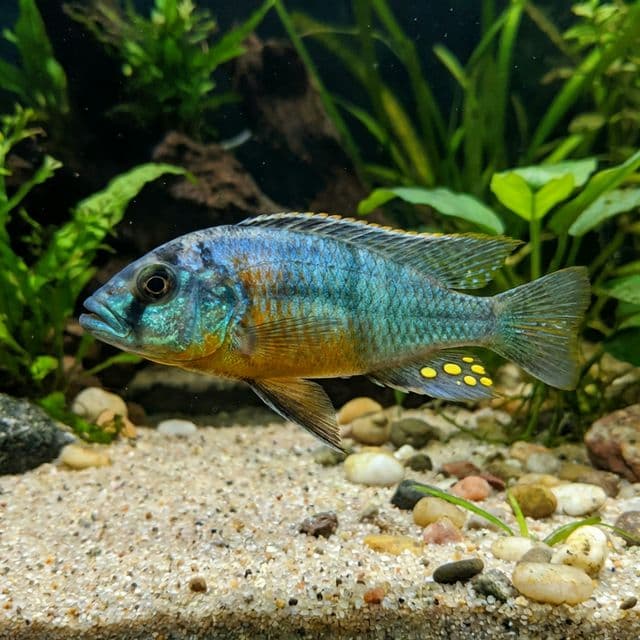
A vibrant and highly active cichlid from Lake Kyoga, featuring bold vertical bars and stunning rainbow-like highlights in mature males.
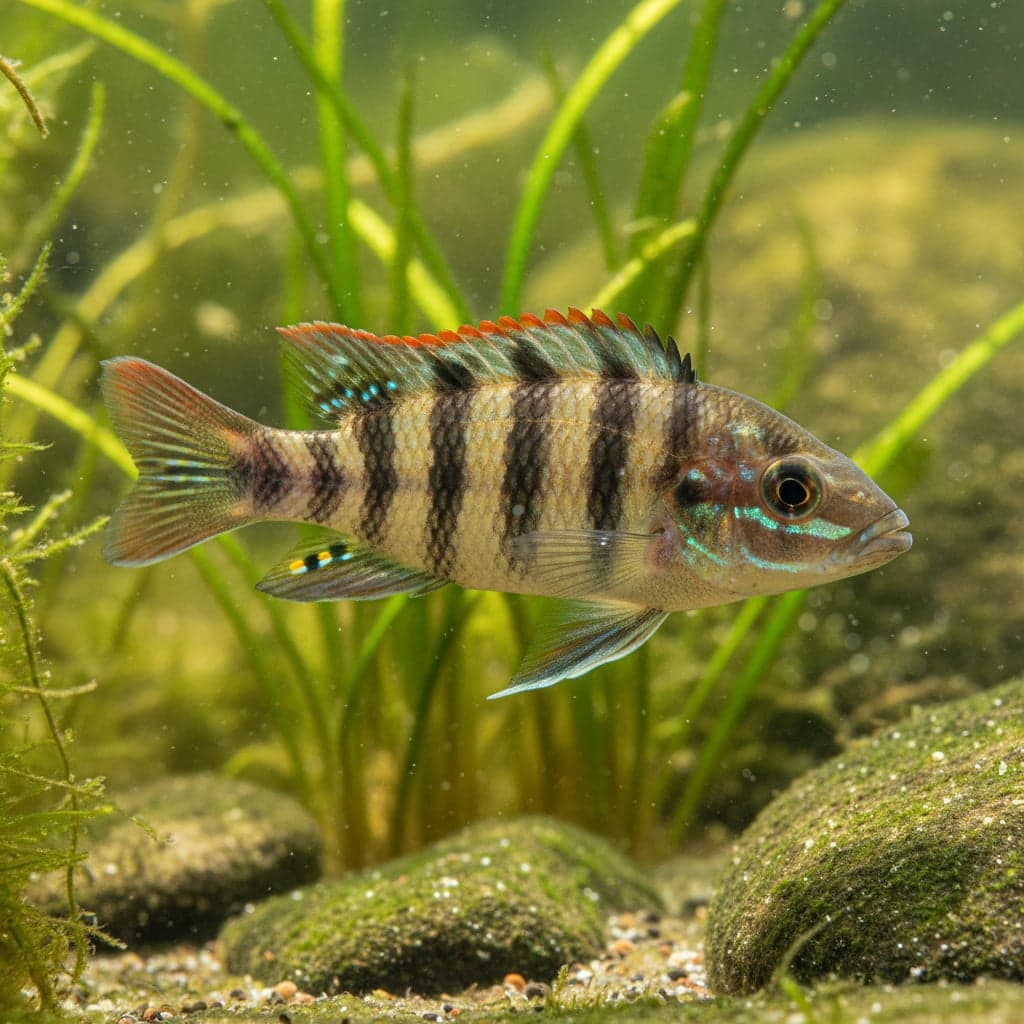
Zebra Obliquidens
The Zebra Obliquidens, also known as Astatotilapia latifasciata, is a vibrant and captivating freshwater fish native to East Africa's Lake Tanganyika and its surrounding waterways. Renowned for its striking appearance, this species features a series of distinct dark stripes against a translucent, shimmering body, creating a stunning visual effect that makes it a favorite among aquarists. The Zebra Obliquidens typically reaches sizes of 3 to 6 inches, making it an ideal centerpiece fish for community aquariums or biotope setups that mimic its natural habitat.
Its significance in the aquarium hobby cannot be overstated, as Zebra Obliquidens not only adds color and life to any tank but is also relatively resilient and hardy, making it a suitable choice for both novice and experienced aquarists. With its sociable nature and dynamic swimming patterns, it creates an interactive and lively aquarium environment. This fish’s combination of beauty, activity, and intriguing social behavior ensures that it remains a popular choice among fish enthusiasts.
Natural Habitat & Origin
Zebra Obliquidens originates from the rocky shorelines and shallow waters of Lake Tanganyika, which borders four African countries: Burundi, the Democratic Republic of the Congo, Zambia, and Tanzania. These waters are characterized by their clear, mineral-rich environment, with varying temperatures and pH levels conducive to the well-being of this species. The typical habitat consists of rocky substrates, where the fish can find shelter and breeding sites, surrounded by aquatic vegetation that provides both cover and foraging opportunities.
The water conditions in Lake Tanganyika are generally alkaline, with pH levels ranging between 7.5 and 9.0. Furthermore, the temperature in these waters usually falls within the 23 to 28 degrees Celsius (73 to 82 degrees Fahrenheit) range. The clear waters and unique geological formations of this ancient lake create a rich ecosystem that supports a variety of fish species, including the Zebra Obliquidens, making it a key species within its ecological niche.
Care Requirements
When caring for Zebra Obliquidens, maintaining the proper water parameters is crucial for their health and well-being. Ideal conditions include a slightly alkaline pH of 7.5 to 8.5, a temperature range between 24°C and 28°C (75°F to 82°F), and moderately hard water with a hardness of 10 to 20 dGH. Given their natural habitat, these fish thrive best in well-filtered, clean water to prevent the buildup of harmful toxins.
For tank setup, a minimum aquarium size of 30 gallons is recommended to provide ample swimming space while accommodating the species' social nature. Utilizing a substrate that mimics their rocky environment, such as smooth gravel or sand, is advisable. Additionally, incorporating hiding places with rocks, caves, and driftwood can offer security and promote natural behaviors. Moderate lighting levels will encourage the growth of plants like Anubias or Java Fern, creating a balanced environment that replicates their native habitat.
Diet & Feeding
Zebra Obliquidens are primarily omnivorous, with a natural diet consisting of algae, small invertebrates, and plant matter found in their freshwater habitat. In the aquarium, a varied diet is essential for their health and vibrancy. High-quality flake food or pellets formulated for cichlids can serve as a staple diet. Supplementing their diet with frozen or live foods, such as brine shrimp, bloodworms, and daphnia, will enhance their nutrition and encourage breeding behaviors.
Feeding should be carried out 2-3 times a day, with small portions that can be consumed quickly to prevent uneaten food from decaying in the water. This practice not only supports their health but also maintains good water quality, preventing potential health issues.
Behavior & Temperament
In terms of behavior, Zebra Obliquidens exhibit lively and curious personalities, often displaying social interactions within their tank. These fish are known to form small groups, where they engage in playful activities and establish hierarchies among their peers. However, they may also display territorial tendencies, especially during breeding seasons or when asserting dominance over limited resources.
Zebra Obliquidens generally thrive in the mid to upper levels of the tank, making them versatile in their vertical placement. Despite their social behavior, caution should be taken when housing multiple males together since they can become aggressive towards each other, particularly in smaller aquariums.
Tank Mates
When choosing tank mates for Zebra Obliquidens, opt for species that share similar water parameters and temperament. Suitable companions include other peaceful cichlids like the yellow lab (Labidochromis caeruleus) and various haplochromis species. Additionally, synodontis catfish can make excellent tankmates due to their calm disposition.
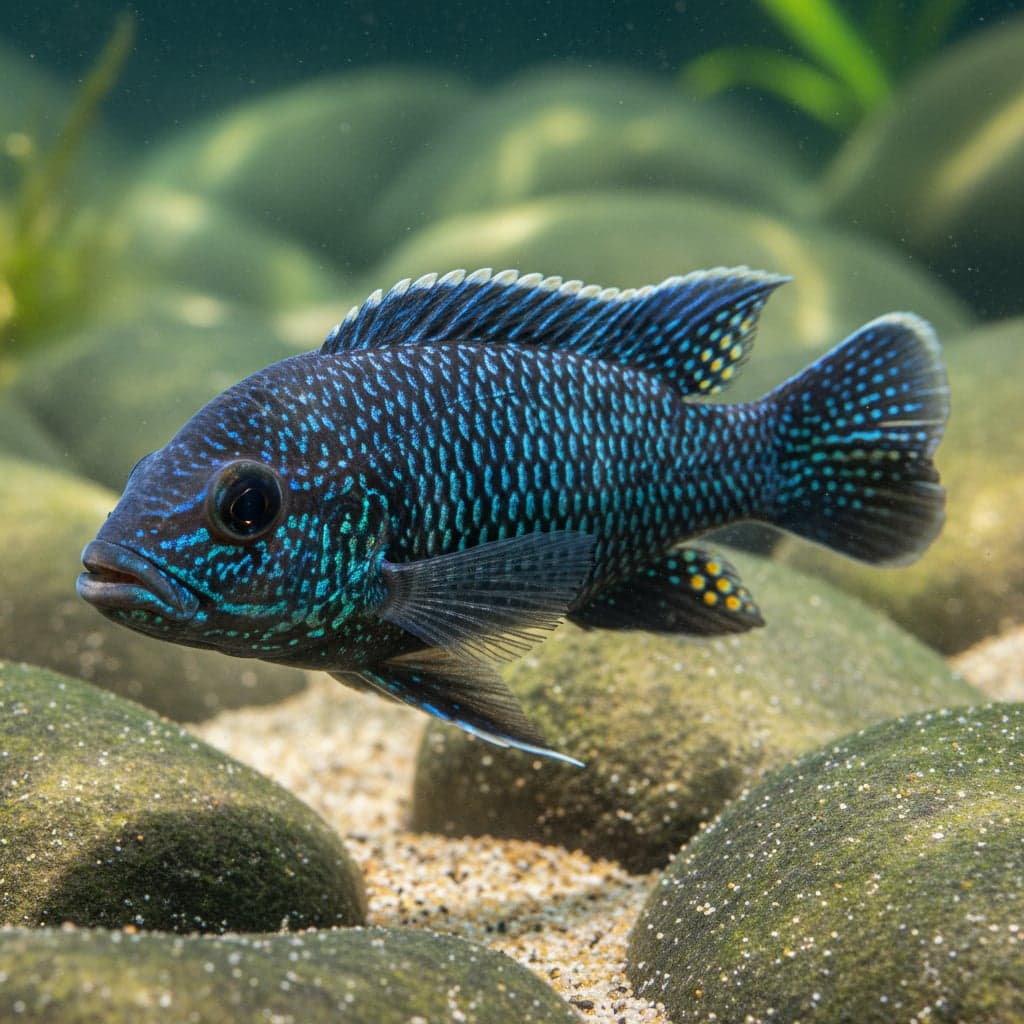
Species to avoid include overly aggressive cichlids, such as oscar fish (Astronotus ocellatus) or jaguar cichlids (Parachromis managuensis), which might pose a threat to the Zebra Obliquidens. Similarly, small, timid species may get stressed or eaten in the presence of these vibrant cichlids.
Breeding
Breeding Zebra Obliquidens in captivity can be a rewarding experience for aquarists. They are substrate brooders, which means they lay their eggs on flat surfaces such as rocks or leaves. To encourage spawning, it is essential to maintain optimal water conditions—specifically pH levels between 7.8 and 8.5, and a temperature within the range of 26°C to 28°C (78°F to 82°F).
Creating a breeding environment with plenty of hiding spots and flat surfaces will facilitate successful mating. Once the female lays eggs, she will often display maternal behavior by guarding them. After approximately 3 to 5 days, the eggs will hatch, and the fry will benefit from infusoria or finely crushed flake food until they are large enough to consume more substantial offerings.
Common Health Issues
While Zebra Obliquidens are generally hardy, they may be susceptible to common freshwater diseases. These include ich (Ichthyophthirius multifiliis), fin rot, and various forms of parasitic infections. To prevent these issues, maintaining excellent water quality through regular water changes and proper filtration is crucial.
Additionally, quarantining new arrivals before introducing them to an established tank can minimize the risk of disease transmission. Monitoring for signs of stress or illness, such as changes in behavior or physical appearance, allows for early intervention and treatment if necessary. Keeping the environment clean and ensuring a balanced diet will also contribute to their overall health and longevity.