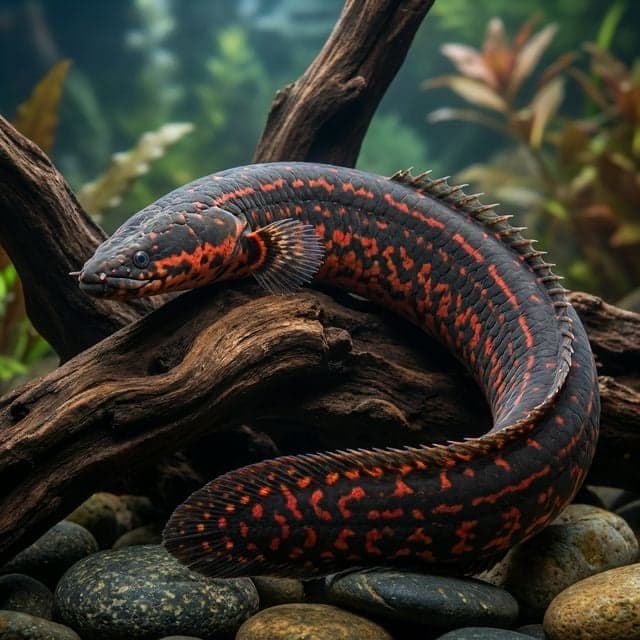
Redhump Eartheater: Geophagus steindachneri
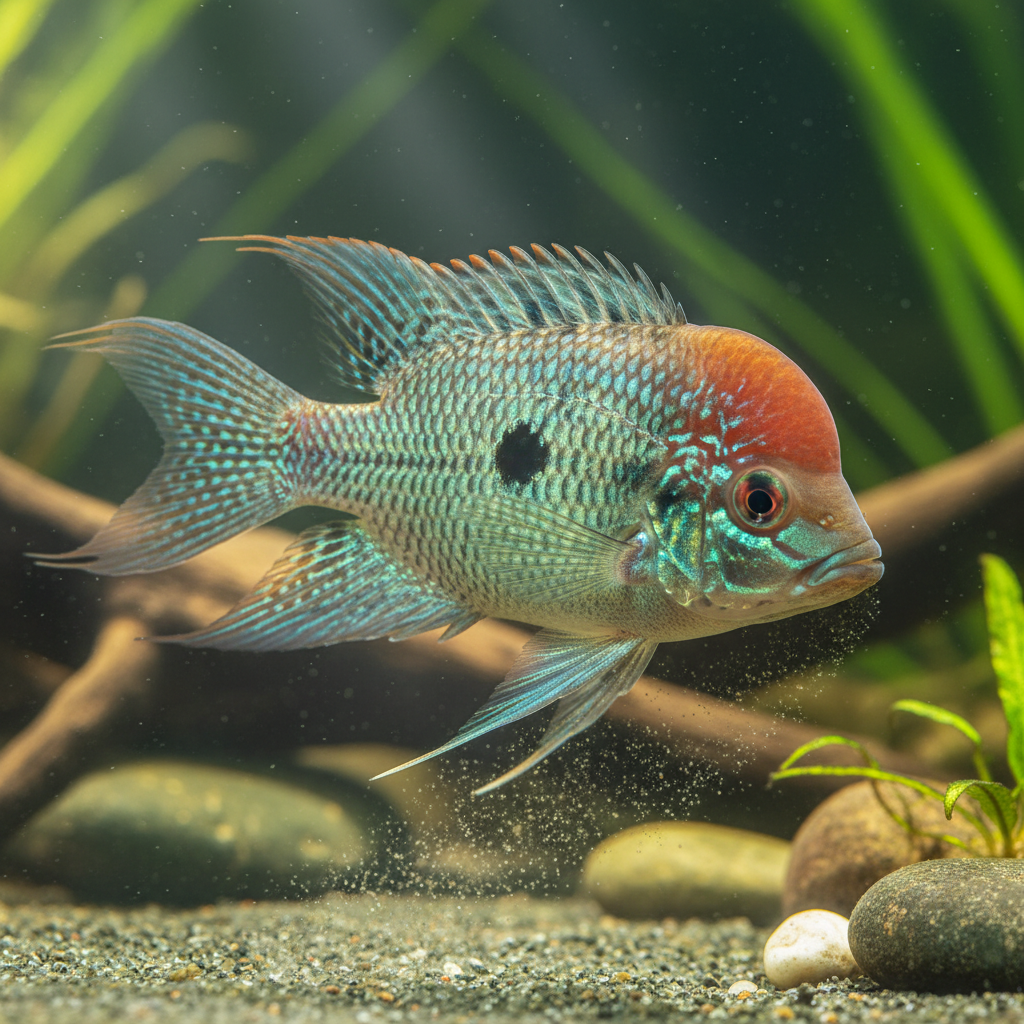
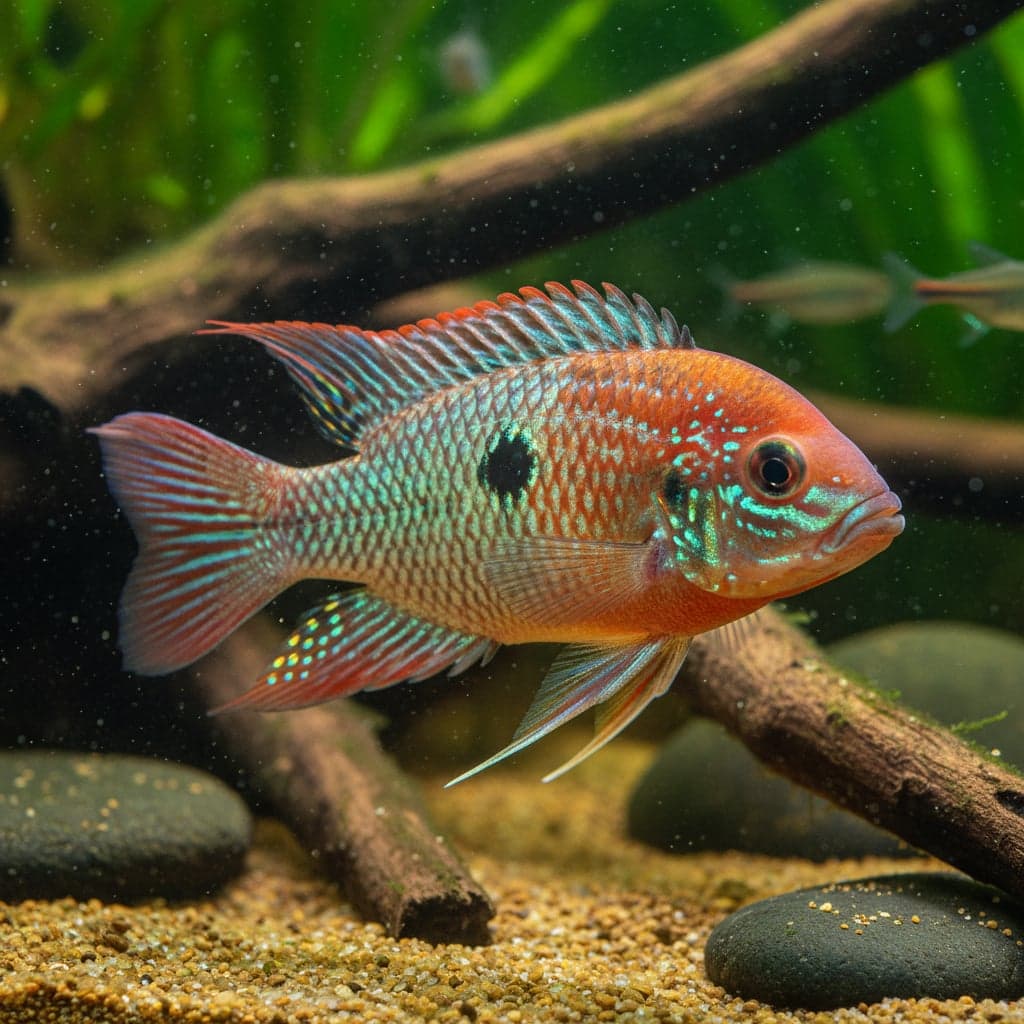
A highly unique, deeply colored South American cichlid instantly identified by the male's massive, glowing red nuchal hump.

Redhump Eartheater
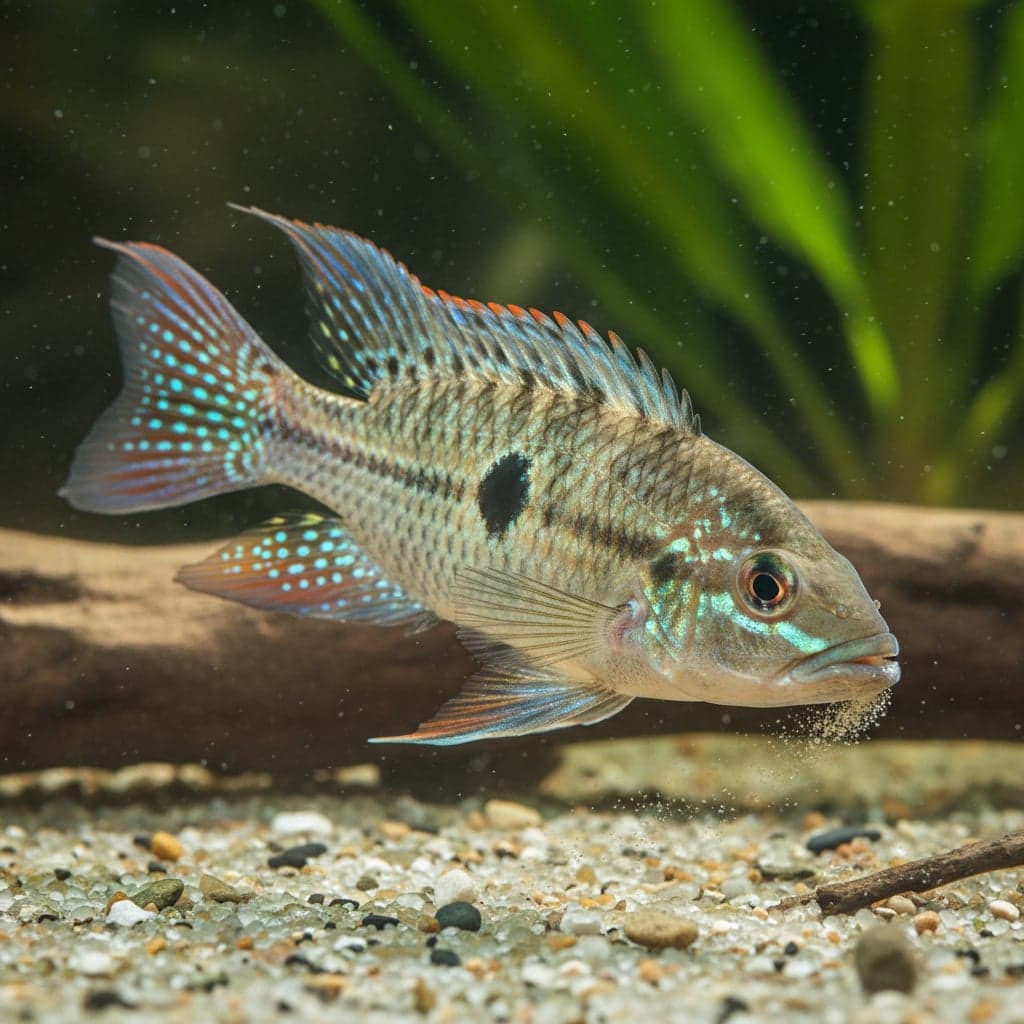
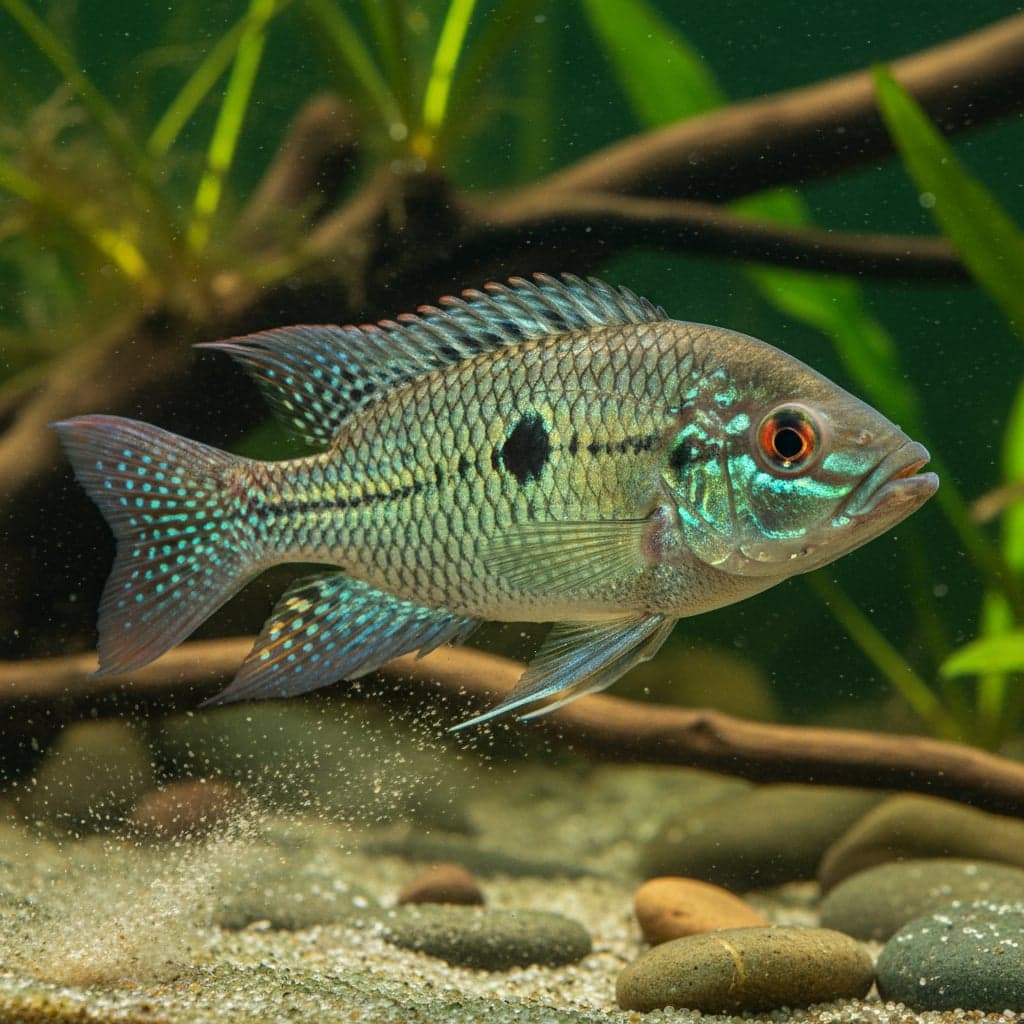
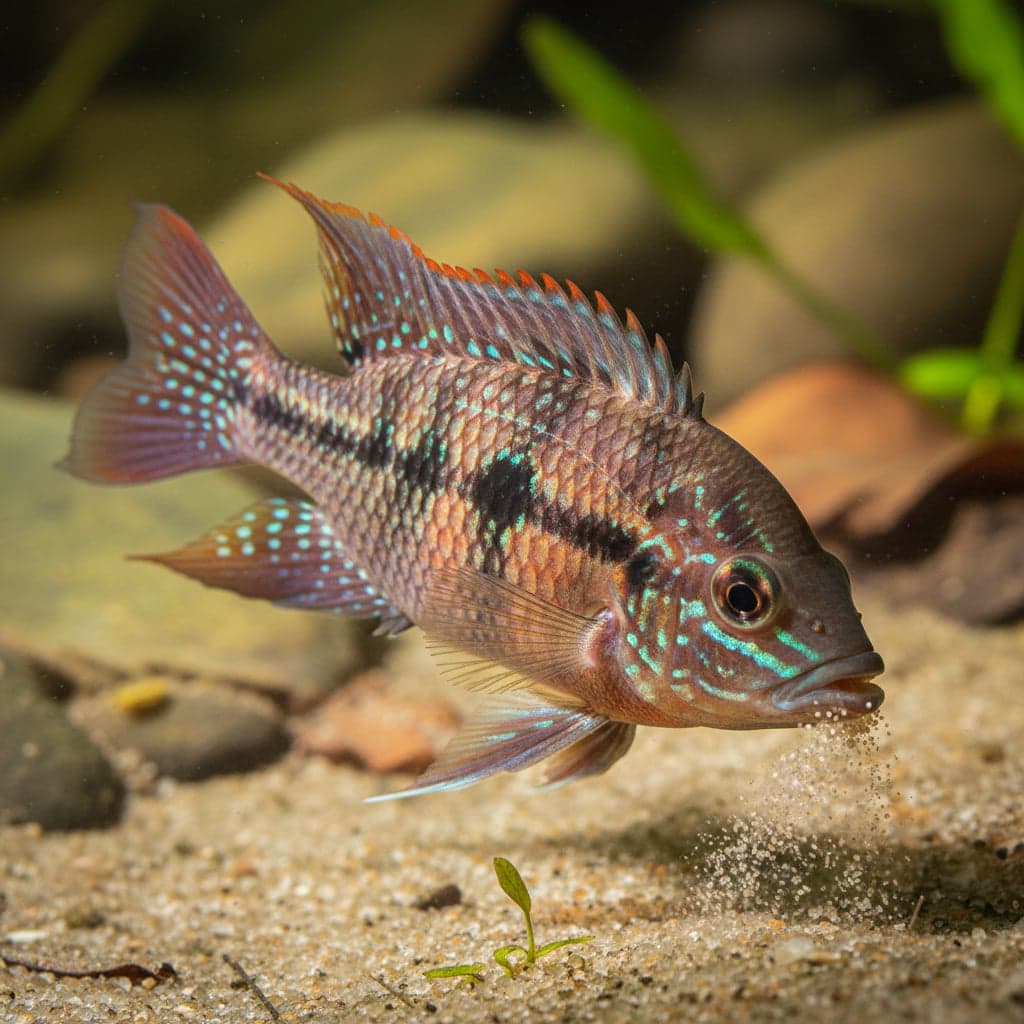
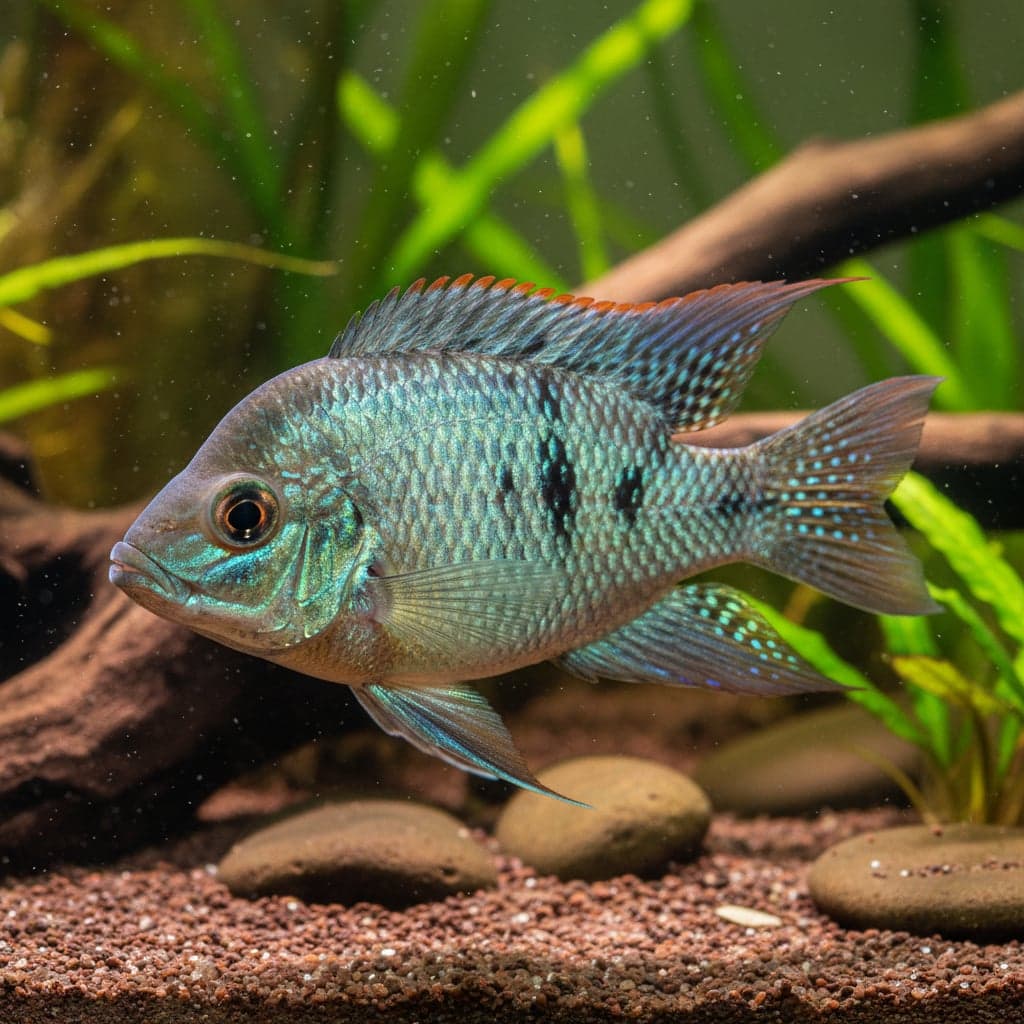
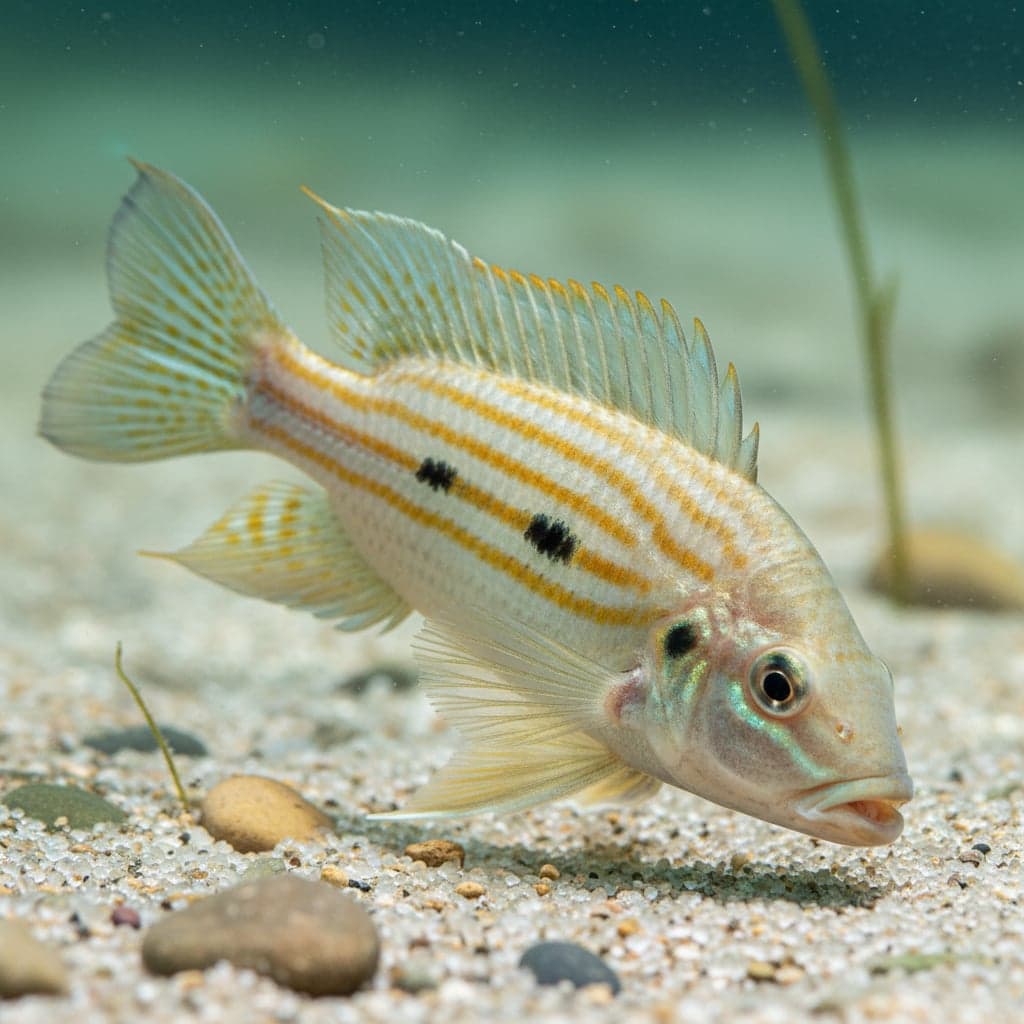
The Redhump Eartheater (Geophagus steindachneri) is a captivating cichlid that hails from the warm, lush waters of South America. Known for its vibrant coloration and unique physical traits, this fish has become a favorite among aquarists and a staple in many freshwater tanks. It features a striking red or orange hump on its forehead, particularly pronounced in mature males, which adds to its aesthetic allure. The body is typically adorned with subtle blue or green iridescent markings that shimmer under aquarium lighting, enhancing its visual appeal. This species not only captivates with its beauty but also offers an intriguing glimpse into the more peaceful side of cichlid behavior, appealing to both beginners and seasoned aquarists alike.
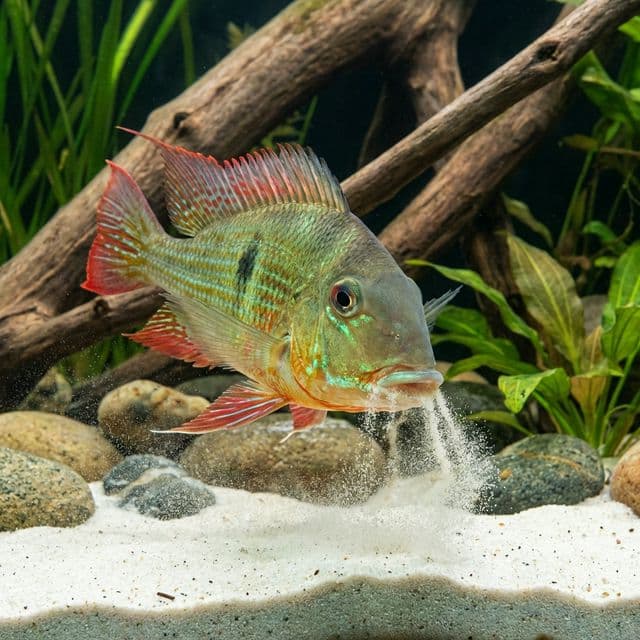
In addition to its visual charm, the Redhump Eartheater plays a significant role in the aquarium hobby as a biological filter. This fish thrives on substrate foraging, sifting through sand or fine gravel for food, which helps maintain a cleaner substrate in the aquarium ecosystem. As a result, the Redhump Eartheater not only enriches the visual landscape but also contributes positively to the health and stability of the aquarium environment. Its relatively tranquil demeanor, when housed with compatible tank mates, makes it an ideal candidate for community tanks, bridging the gap between beauty and biodiversity in freshwater aquaristics.
Natural Habitat & Origin
The Redhump Eartheater is indigenous to the freshwater river systems of the Amazon Basin, particularly found in countries like Brazil and Peru. These river systems feature a variety of habitats, from slow-moving waters with sandy bottoms to areas rich in submerged vegetation. The natural environment where the Redhump Eartheater resides is characterized by soft, slightly acidic waters, often typified as blackwater, with low to moderate light penetration. The fish thrive in these murky waters, which teem with decaying plant matter and organic material that contribute to their omnivorous diet and foraging habits.
In the wild, Redhump Eartheaters inhabit riverbanks and floodplains, often in shallow waters where they can scavenge for food. The presence of leaf litter, decaying wood, and fine substrate provides essential cover and foraging grounds, making it crucial to replicate these conditions in captive environments for optimal health and wellbeing. Understanding their natural habitat is key for aquarists intending to provide an ideal living space for this stunning species.
Care Requirements
Creating a suitable habitat for the Redhump Eartheater involves specific care requirements. The ideal water parameters include a pH level between 6.0 and 7.5, a temperature range of 75°F to 82°F (24°C to 28°C), and soft to moderately hard water with a hardness of 5 to 15 dGH. These conditions reflect their native habitat, ensuring the fish remain healthy and stress-free.
Regarding tank setup, a minimum aquarium size of 40 gallons is recommended, as this fish requires ample swimming space and territory to thrive. A soft substrate, such as sand or fine gravel, will provide a comfortable environment for the Redhump Eartheater to exhibit its natural behaviors, such as sifting through substrate for food. Lighting should be moderate to simulate their natural habitat, with the addition of plenty of hiding spots provided by rocks, driftwood, and live or artificial plants. Although plants are not essential, incorporating some hardy species can enhance the tank's aesthetics and provide cover.
Diet & Feeding
The Redhump Eartheater is considered an omnivore, and its diet should reflect its varied eating habits. In captivity, they thrive on a balanced diet that includes high-quality flake and pellet foods formulated for cichlids, which can serve as a staple in their diet. To maintain optimal health, it is advisable to supplement their diet with frozen or live foods, such as bloodworms, brine shrimp, and daphnia, which mimic the protein-rich foods they would encounter in their natural habitat.
Offering a varied diet not only supports their nutritional needs but also encourages natural foraging behavior. Additionally, it is recommended to include vegetable-based foods like spirulina and blanched greens to ensure well-rounded nutrition. Regular feeding schedules, ideally two to three times a day with small portions, can help avoid overfeeding and maintain water quality.
Behavior & Temperament
In terms of behavior, the Redhump Eartheater is generally peaceful, especially when kept with similarly sized, compatible species. They are social fish that can exhibit mild territorial tendencies, particularly during breeding or when establishing their habitats. While they are not a schooling species, keeping them in small groups can help reduce aggression and promote a more natural social dynamic within the tank.
Interestingly, the Redhump Eartheater typically occupies the middle layers of the tank, although they will venture to the bottom to forage. This vertical placement can contribute to a dynamic tank configuration, allowing aquarists to showcase the diverse behaviors of their aquatic inhabitants.
Tank Mates
When selecting tank mates for the Redhump Eartheater, it's essential to consider both size and temperament. Compatible species include larger tetras, peaceful cichlids, and other community fish that can coexist harmoniously. Examples of suitable tank mates are the Rainbowfish, Severum Cichlids, and larger species of danios. Avoid smaller, more aggressive fish that could provoke territorial behavior or be viewed as prey.
It's worth noting that while they generally tolerate their companions well, caution should be exercised with fish that demonstrate overt aggression or fin-nipping tendencies. Keeping tank mates of a similar size and demeanor can significantly enhance the stability of the aquarium environment.
Breeding
Breeding Redhump Eartheaters in captivity requires carefully controlled conditions to encourage spawning behavior. They are substrate spawners, often laying eggs on flat surfaces such as rocks or broad-leaved plants. To induce breeding, it helps to provide a well-maintained environment with optimal water parameters, including slightly elevated temperatures (around 80°F) and consistent water quality.
A breeding pair may exhibit courtship behavior, which includes colored displays and territorial guarding. Providing adequate space and hiding places is essential for the successful rearing of the fry once they hatch, as the parents will often protect their young. Regular maintenance and careful monitoring of water parameters during this period will enhance the chances of successful breeding and healthy offspring.
Common Health Issues
As with many freshwater fish, the Redhump Eartheater can be susceptible to various health issues, including ich (Ichthyophthirius multifiliis), fin rot, and various forms of parasites. Maintaining good water quality through regular water changes and a well-functioning filtration system is the first line of defense against health problems.
In addition, providing a varied diet, minimizing stress through appropriate tankmates, and avoiding overcrowding will contribute to the fish's overall wellbeing. If health issues do arise, early interventions with appropriate treatments, such as anti-parasitic medications or salt baths, can prevent further complications and help maintain the fish's health. Regular monitoring of your fish's behavior and physical appearance will aid in catching any potential health issues before they become severe.