Snowball Plec L102: Hypancistrus inspector
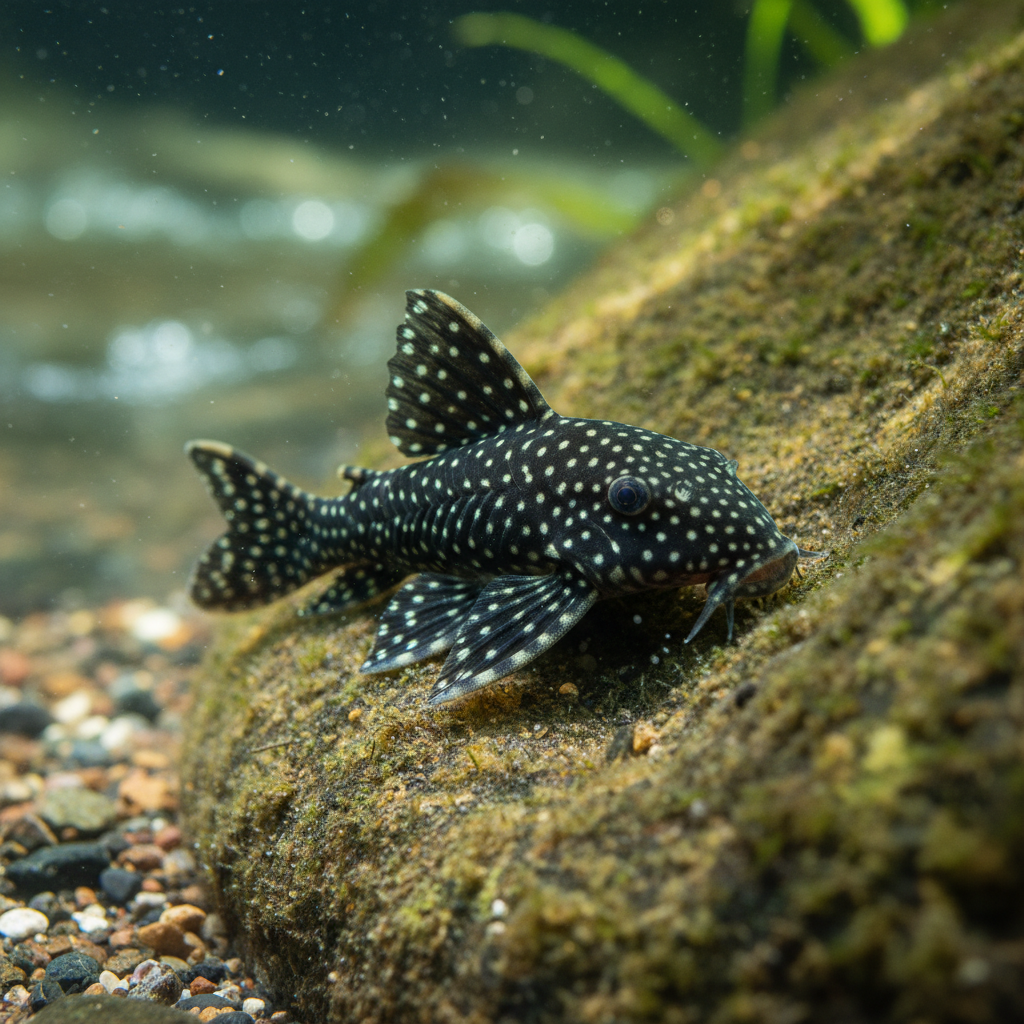
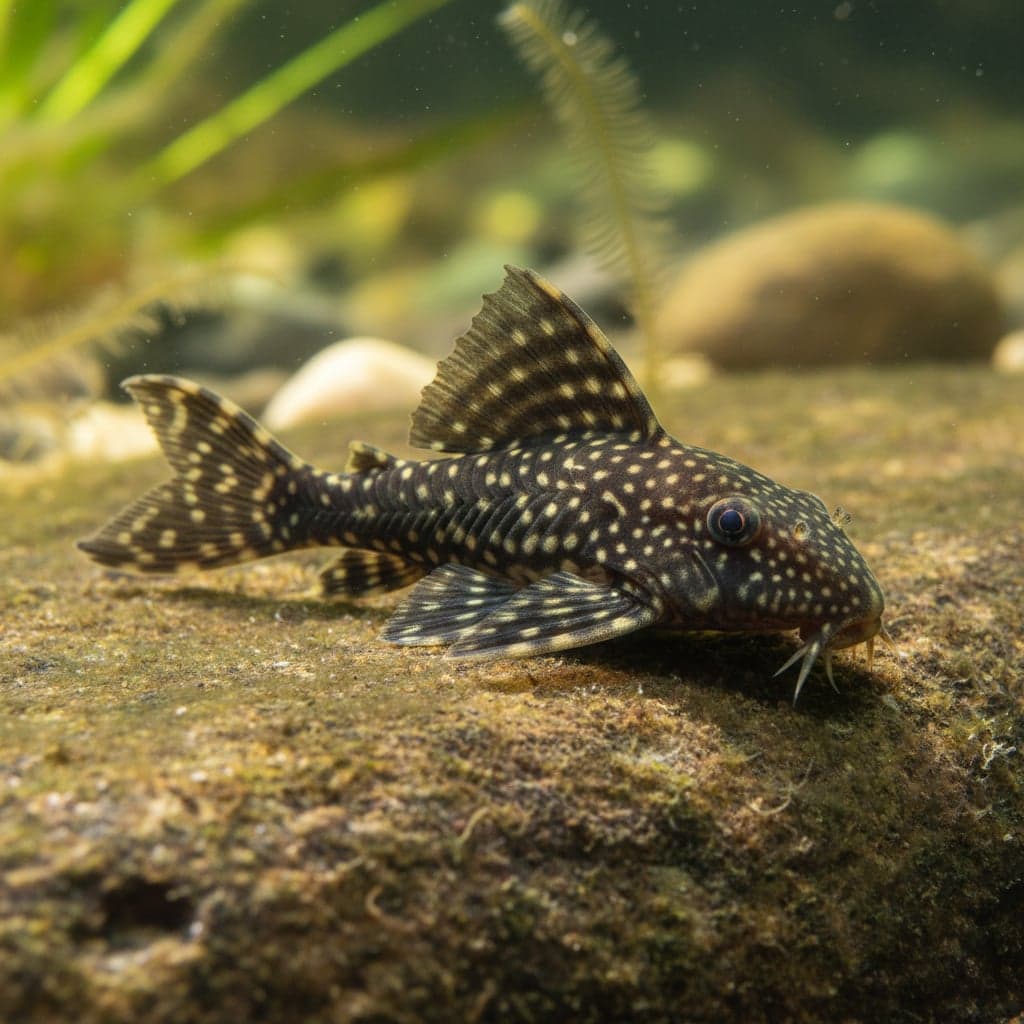
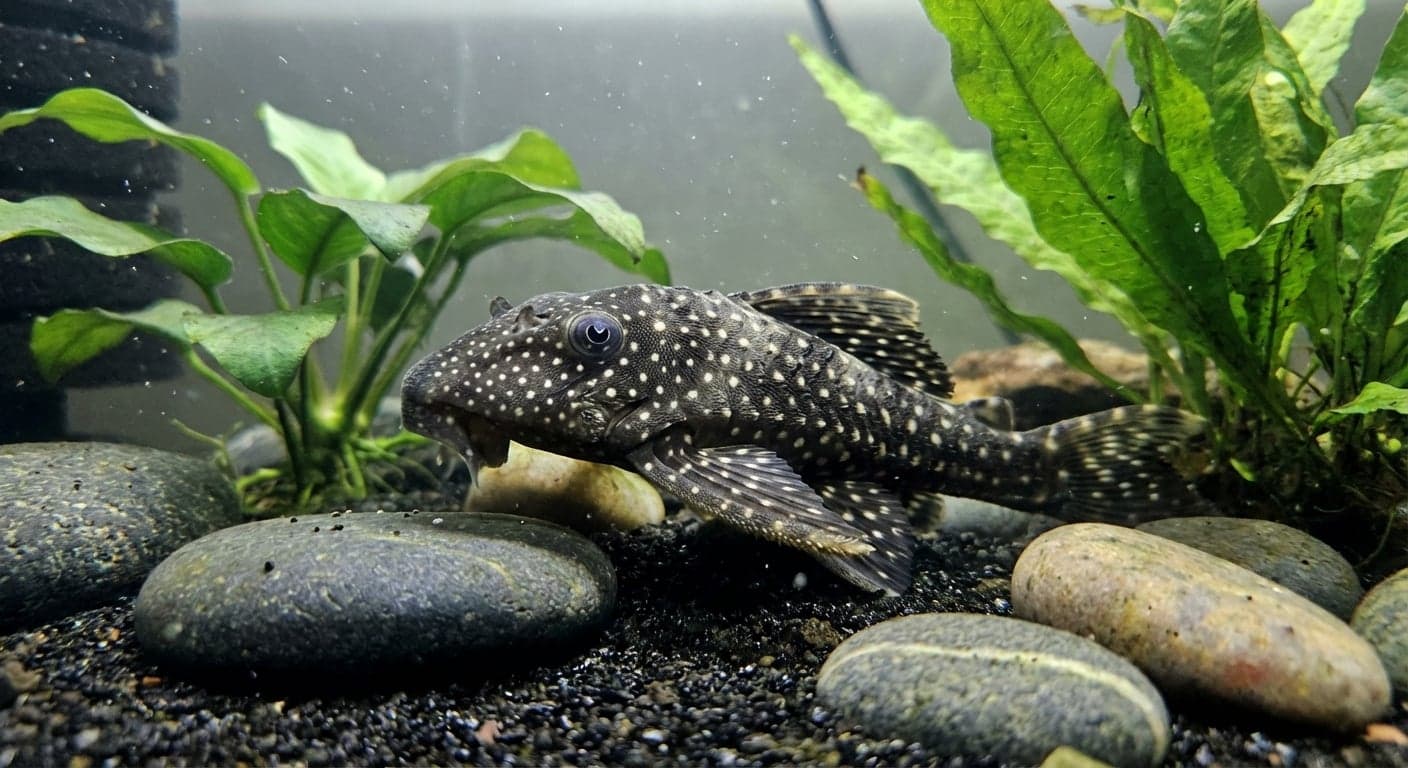
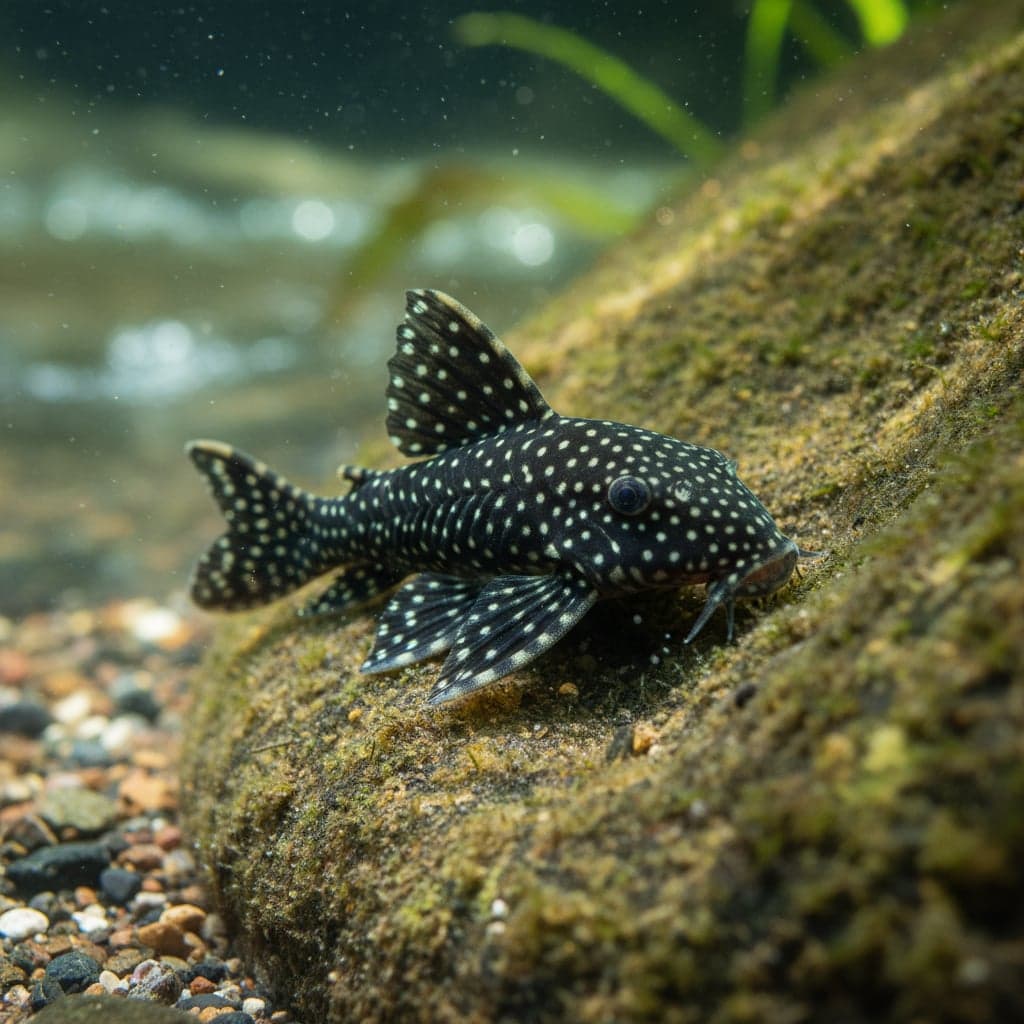
A distinctly stunning, heavily contrasted medium-sized pleco defined by a deep black body and giant, glowing white spots.
Snowball Plec L102
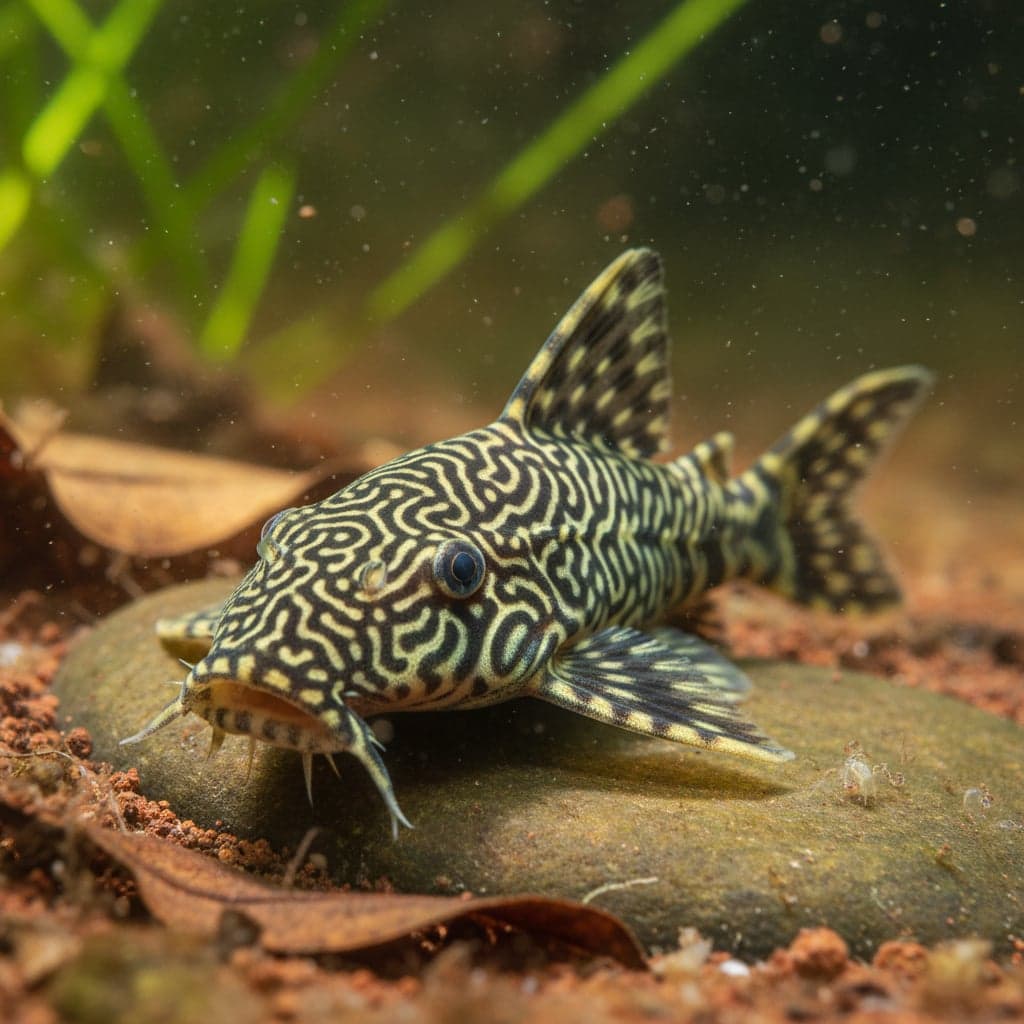
The Snowball Plec L102, also known scientifically as Hypancistrus inspector, is a strikingly beautiful freshwater fish that stands out in the aquarium hobby for its unique appearance and relatively mild temperament. This species typically features a dark base coloration adorned with contrasting white to cream-colored spots, resembling a celestial theme that captivates aquarists and enhances aquarium aesthetics. The combination of its stunning markings and the elegant, flat body shape makes the Snowball Plec a popular choice for both novice and experienced aquarists looking to add a touch of visual allure to their aquatic environments.
In addition to its visual appeal, the Snowball Plec L102 carries significance in the aquarium hobby due to its ecological role and widespread popularity. As a natural algae eater, this species contributes to the health of its tank environment by effectively controlling algae growth. Its fascinating behaviors and relatively peaceful disposition also make it an ideal addition to community tanks. Furthermore, the intrigue surrounding its breeding practices in captivity adds to the allure, prompting enthusiasts to undertake breeding projects that can yield extraordinary results while promoting responsible fishkeeping.
Natural Habitat & Origin
The Snowball Plec L102 originates from the fast-flowing rivers and streams in the Amazon Basin of South America, particularly found in regions of Brazil. This species thrives in diverse water conditions, predominantly preferring a blackwater habitat characterized by stained waters rich in organic materials from decaying plant matter and leaf litter. The soft, acidic waters, typically with a pH ranging from 6.0 to 7.0, are crucial for maintaining the overall health of this species, which showcases its adaptation to such unique environments as a facet of its natural history.
In addition to the water quality, the Snowball Plec is often found in areas with ample hiding spots created by driftwood, rocks, and dense vegetation. These features not only provide shelter from predators but also enhance the structure of the habitat, offering feeding grounds full of biofilm and algae. Understanding its natural habitat is essential for recreating an appropriate aquarium environment that mimics these conditions and contributes to the well-being of this intriguing species.
Care Requirements
To successfully keep the Snowball Plec L102, it is essential to replicate its natural habitat, which includes specific water parameters and a well-thought-out tank setup. Ideal water conditions for this species include a pH between 6.0 to 7.5, a temperature ranging from 75°F to 82°F (24°C to 28°C), and soft to moderately hard water (3-12 dGH). These parameters are vital for maintaining the health and vitality of the fish, and regular monitoring is advised to avoid sudden fluctuations that could lead to stress or disease.
When it comes to tank setup, a minimum tank size of 30 gallons is recommended to provide ample swimming space and establish territories. The substrate should ideally consist of fine sand or smooth gravel to prevent injury, while the aquarium should be decorated with driftwood, rocks, and plenty of hiding spots to create a secure environment. Moderate lighting is preferred; however, it is important to incorporate shaded areas often created by floating plants, which can mimic their natural habitat. Additionally, live plants can contribute to water quality and offer additional cover.
Diet & Feeding
The Snowball Plec L102 is primarily an herbivorous species, but it is best classified as an omnivore due to its varied diet in the wild. This fish thrives on algae, biofilms, and decaying plant matter, making it essential to provide a balanced diet in captivity that ensures their health. High-quality sinking pellets or wafers formulated for herbivorous and omnivorous species are an excellent staple diet. Supplementing their diet with fresh vegetables, such as zucchini or cucumber slices, will provide essential nutrients and keep their digestive system healthy.
In addition to plant matter, the Snowball Plec can benefit from occasional protein sources such as frozen or live foods, including bloodworms or brine shrimp. These foods not only enhance their nutritional intake but also stimulate natural behaviors. It's important to feed them multiple small meals throughout the day rather than one large feeding to promote optimal health, as their natural tendency is to graze continuously.
Behavior & Temperament
The Snowball Plec L102 exhibits a generally peaceful temperament, making it a suitable candidate for community tanks. They are primarily nocturnal, preferring to explore their surroundings and forage during the night. During the day, they often seek refuge among rocks or driftwood, so having plenty of hiding spots is crucial to reduce stress and encourage natural behaviors. While these fish can tolerate the presence of other species, they may be territorial towards their own kind, especially in smaller tanks.
In terms of social behavior, the Snowball Plec tends to thrive best in environments where they can establish their own territory. A single male should ideally be kept per tank to prevent territorial disputes; however, they can coexist peacefully with other bottom-dwelling species and midwater fish if given adequate space. It’s advisable to monitor interactions among tank mates, as individual temperaments may vary.
Tank Mates
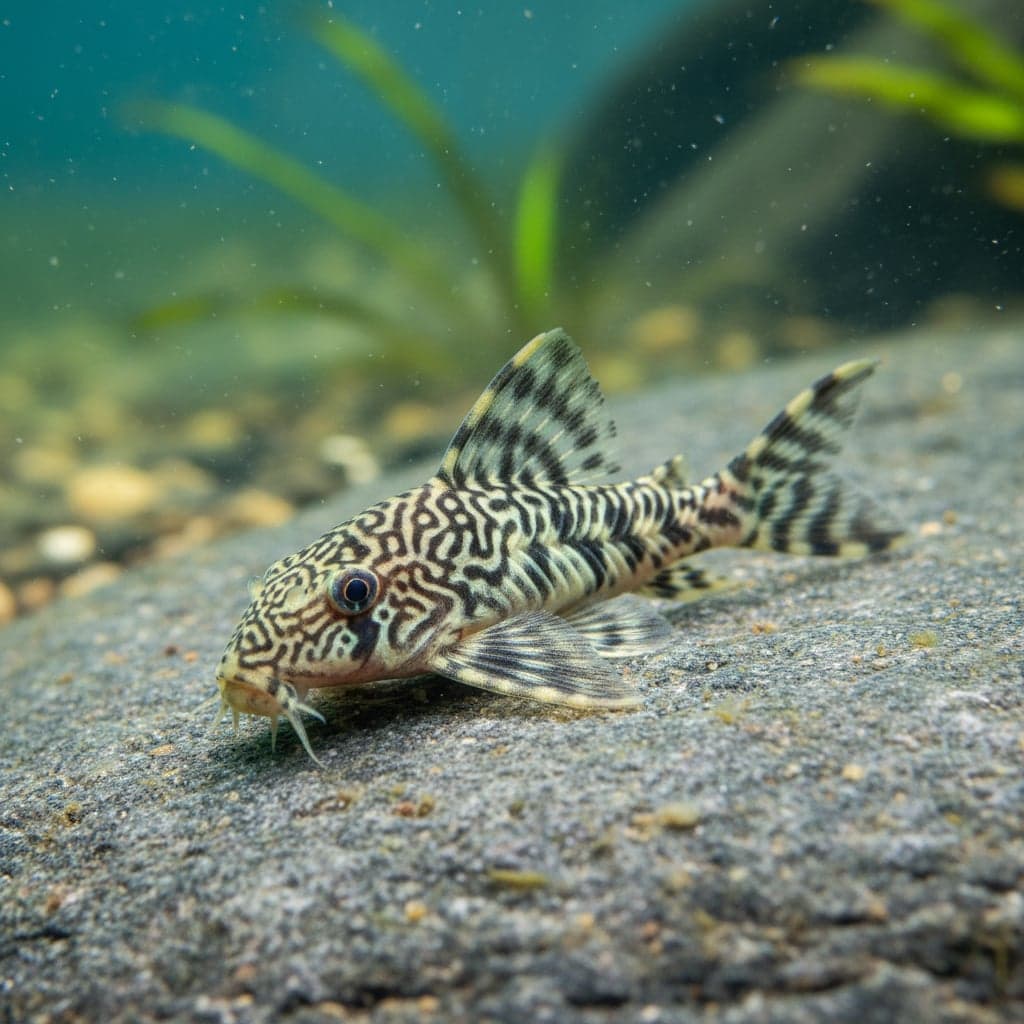
When selecting tank mates for the Snowball Plec L102, it is important to choose species that share similar water parameter preferences and exhibit compatible temperaments. Ideal tank mates include peaceful species such as Tetras, Rasboras, Guppies, and other small to medium-sized community fish. Bottom-dwelling species like Corydoras and other smaller Plecos can also be harmonious companions, provided the tank is spacious enough to accommodate their individual territorial needs.
Conversely, it is best to avoid aggressive or overly large fish that may intimidate or target the Snowball Plec. Species such as Cichlids, large livebearers, or any fish known for fin-nipping behavior should not be housed with this Pleco, as they may disrupt its natural behavior and overall health. By ensuring that tank mates are peaceful and compatible, aquarists can create a thriving aquarium environment.
Breeding
Breeding the Snowball Plec L102 in captivity can be a rewarding experience, though it requires specific conditions to encourage spawning behaviors. These fish generally reach sexual maturity around 2 to 3 years of age. To initiate breeding, aquarists should replicate their natural habitat by providing ideal water conditions—soft, slightly acidic water (pH 6.0 to 7.0) and a temperature of around 80°F (27°C).
Setting up a breeding tank with abundant hiding spots, such as caves formed from flat stones or driftwood, will encourage females to lay their eggs there. The females typically lay their eggs on a flat surface, which the male then fertilizes and guards. After about 4 to 7 days, the fry will begin to swim freely. During this time, it is essential to provide specialized fry food, as well as finely crushed flakes or powders, to ensure proper growth and development.
Common Health Issues
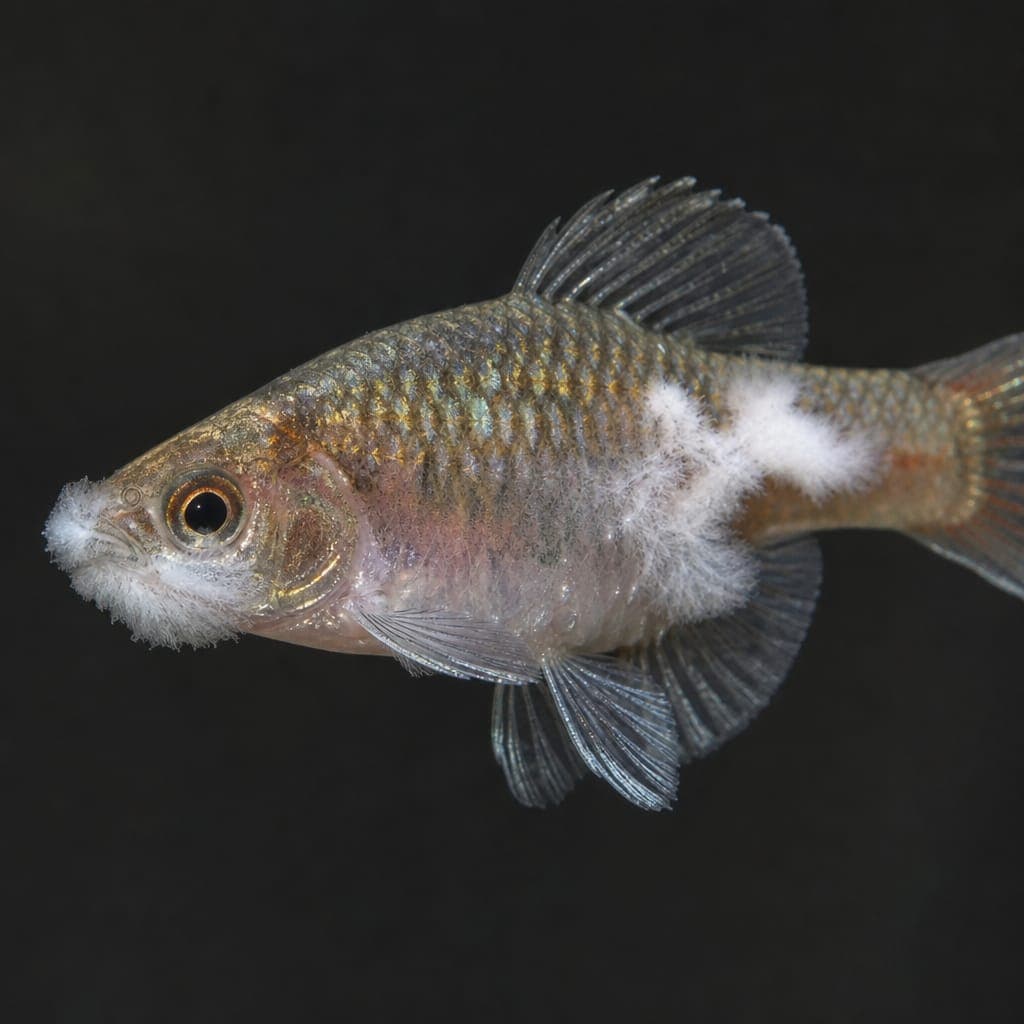
The Snowball Plec L102 can be prone to a few common health issues typical of freshwater fish. One of the most prevalent problems is ich (Ichthyophthirius multifiliis), a parasitic infection often resulting from stressful conditions or sudden changes in water parameters. To prevent ich, it is crucial to maintain stable water quality and avoid overcrowding in the tank.
Other health concerns to watch for include fin rot and fungal infections, often linked to poor substrate hygiene, overcrowding, or damaged armour plates. Quarantine new arrivals, avoid copper medications that can harm sensitive loricariids, and keep wood and caves clean. Watch for white spots, frayed fins, cottony growths, or sudden lethargy, and treat promptly while correcting water quality. A varied sinking diet supports immunity so Snowball Plec L102 remain hardy bottom-dwellers for years.