Spotted Orange Seam Plec L106: Hemiancistrus guahiborum
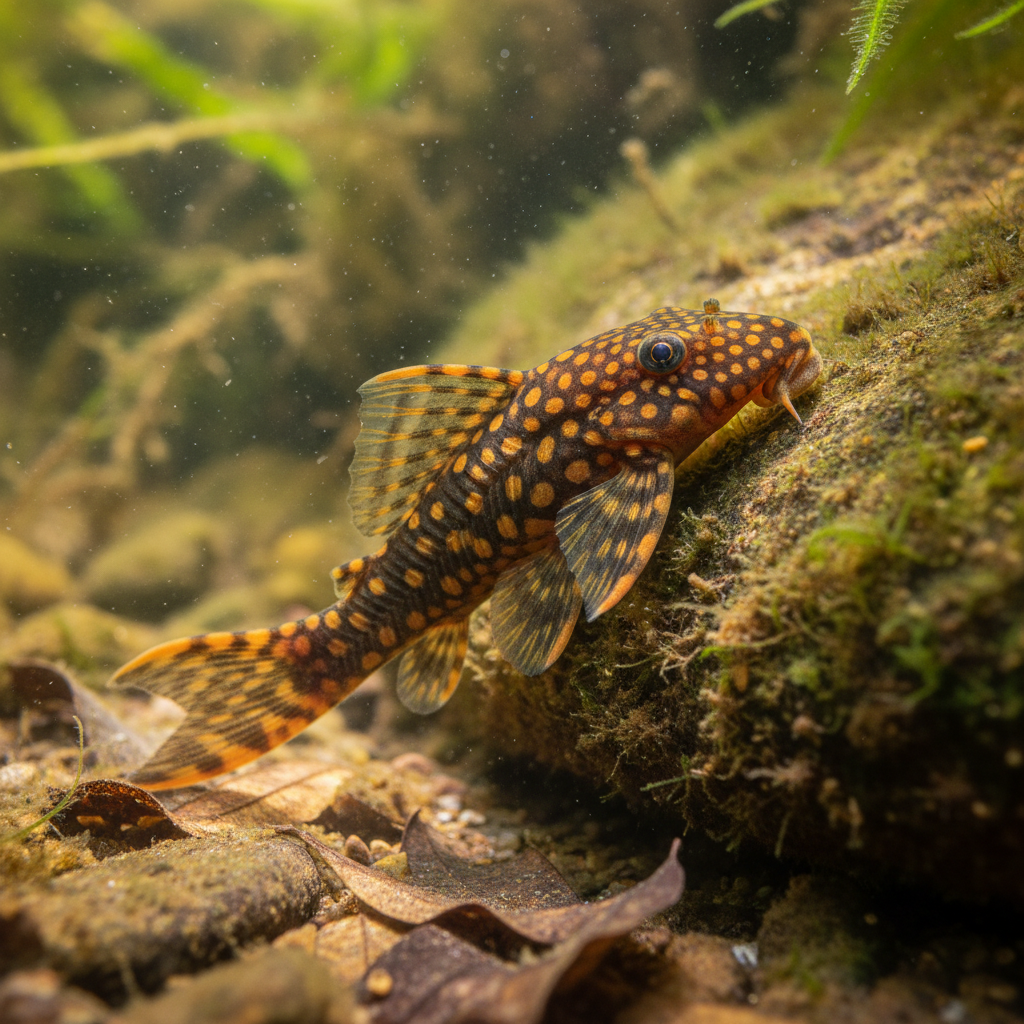
A spectacularly beautiful, heavy-bodied pleco defined by charcoal spotting and a violently bright orange dorsal fin seam.

Spotted Orange Seam Plec L106
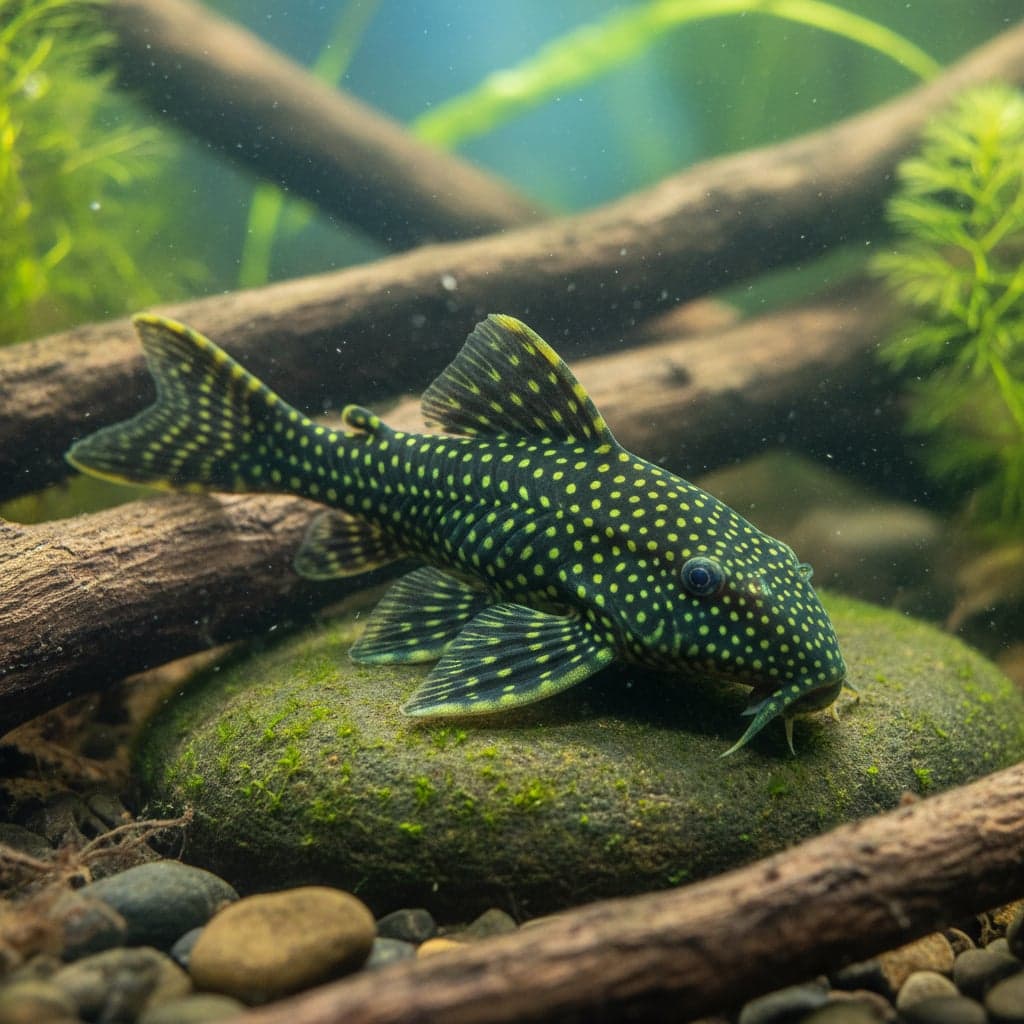
The Spotted Orange Seam Plec L106, scientifically known as Hemiancistrus guahiborum, is a stunning catfish species highly regarded among aquarists for its striking appearance and unique colorations. This fish is characterized by its rich orange-yellow seams contrasting beautifully with the dark brown to black base body, adorned with a pattern of golden to white spots that create a stunning visual effect in freshwater aquariums. Its attractive patterning not only makes it aesthetically pleasing but also adds depth and character to aquascapes, leading to its growing popularity in the aquarium hobby.
Beyond its visual appeal, the Spotted Orange Seam Plec L106 carries significance in the aquatic ecosystem as a scavenger. In its natural habitat, it plays an integral role in maintaining a balanced environment by feeding on algae and detritus. This voracious appetite for algae makes it a valuable asset for aquarium owners looking to manage tank cleanliness naturally. Furthermore, its relatively peaceful temperament allows it to coexist with a range of other species, establishing it as a favored choice for community tanks.
Natural Habitat & Origin
The Spotted Orange Seam Plec L106 hails from the Orinoco River Basin in Venezuela. This region is characterized by its diverse aquatic ecosystems, which include both blackwater and clearwater habitats. The waters are typically soft with low mineral content, and the presence of leaf litter and submerged wood contributes to the natural shelter and foraging opportunities for these fish. The warm temperatures of this region, along with the slightly acidic to neutral pH levels, define the environmental context in which this species thrives, and replicating these conditions is crucial for maintaining health in captivity.
Care Requirements
When providing care for the Spotted Orange Seam Plec L106, it's essential to replicate its natural habitat as closely as possible. Water parameters should ideally range from a temperature of 75°F to 82°F (24°C to 28°C), a pH of 6.5 to 7.5, and a hardness of 2 to 15 dGH. The aquarium should be at least 50 gallons in size to accommodate its potential growth and activity level. Tank setup should include a variety of fine sand or smooth gravel substrate that mimics its natural bottom dwelling environment, along with driftwood and rock caves to provide hiding spaces. Ambient lighting is recommended, with the use of floating plants or dense foliage to create shaded areas, as the Spotted Orange Seam Plec prefers dimly lit conditions.
Diet & Feeding
The Spotted Orange Seam Plec L106 is primarily an herbivore, although it is known to be omnivorous in captivity. This fish thrives on a diet rich in vegetable matter and algae, which can be supplemented with high-quality sinking pellets, wafers, and flakes designed for plecos. Additionally, incorporating frozen or live foods such as bloodworms and brine shrimp into their diet can enhance their nutritional intake and promote vibrant coloration. It's essential to offer a varied diet to ensure optimal growth and health, with plant-based foods forming the foundation of their feeding regimen.
Behavior & Temperament
In terms of behavior, the Spotted Orange Seam Plec L106 is a relatively peaceful species that generally exhibits a reclusive nature. While it is often solitary, some aquarists may observe them establishing a territory in larger tanks, where they may display mild hierarchies among peers. They tend to occupy the lower and middle regions of the aquarium, making use of caves and decorations. Though they can occasionally exhibit territorial disputes, especially with fellow bottom dwellers, they are typically not aggressive and can thrive alongside other non-aggressive species.
Tank Mates
Selecting appropriate tank mates for the Spotted Orange Seam Plec L106 is crucial for maintaining a harmonious aquarium environment. Compatible species include peaceful community fish such as tetras, danios, guppies, and smaller cichlids that will not compete for the same hiding spaces. It's advisable to avoid aggressive species or larger piscivorous fish, as they may pose a threat to the plec. Additionally, avoiding overly boisterous fish that may disturb its peace is essential for ensuring the Spotted Orange Seam Plec remains comfortable in a community setting.
Breeding
Breeding the Spotted Orange Seam Plec L106 in captivity can be a rewarding yet challenging endeavor. Spawning typically occurs in cave-like structures, where females will lay eggs that the males will subsequently fertilize and guard. Creating optimal breeding conditions requires maintaining stable water parameters, including elevated temperature and soft, slightly acidic water. Providing plenty of hiding spots, including flat surfaces and well-structured caves, can encourage spawning behavior. After a successful breeding event, it is essential to separate the fry from adult fish to ensure their safety and improve survival rates.
Common Health Issues
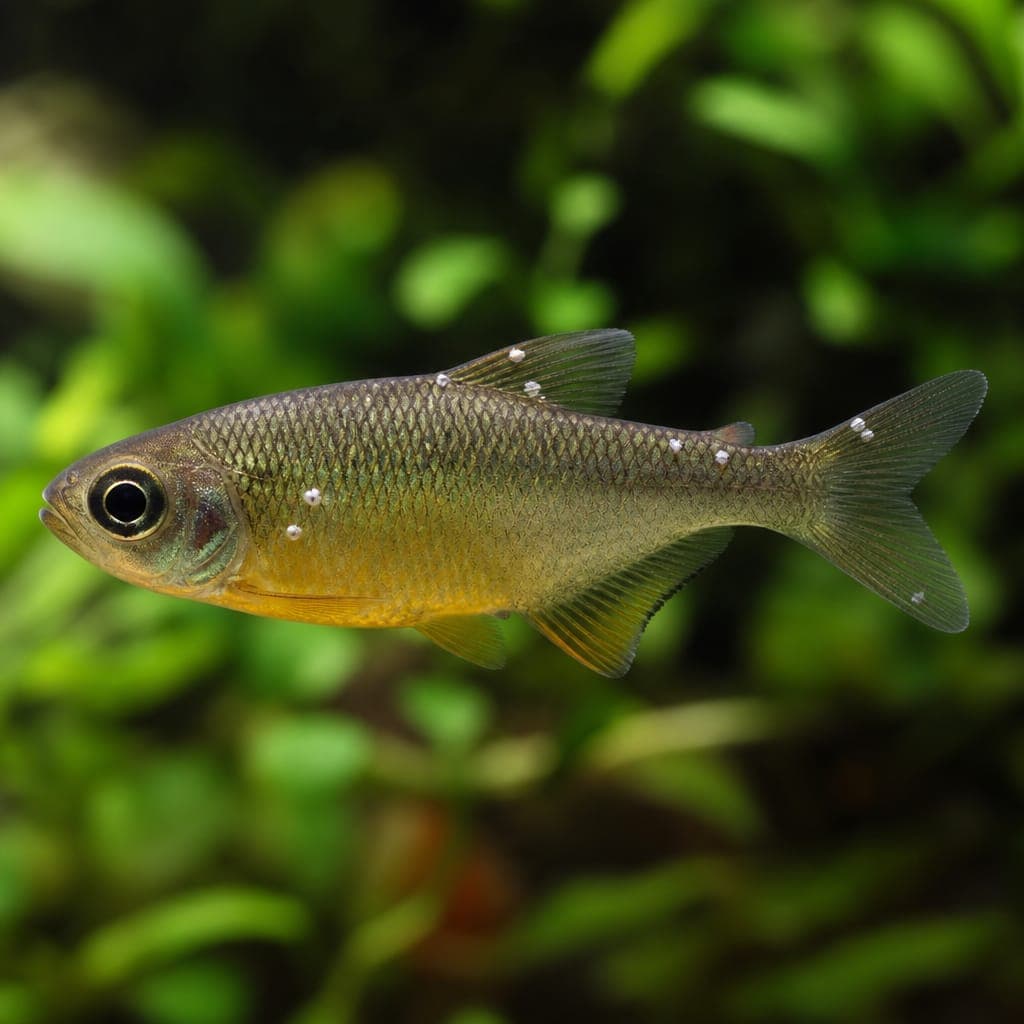
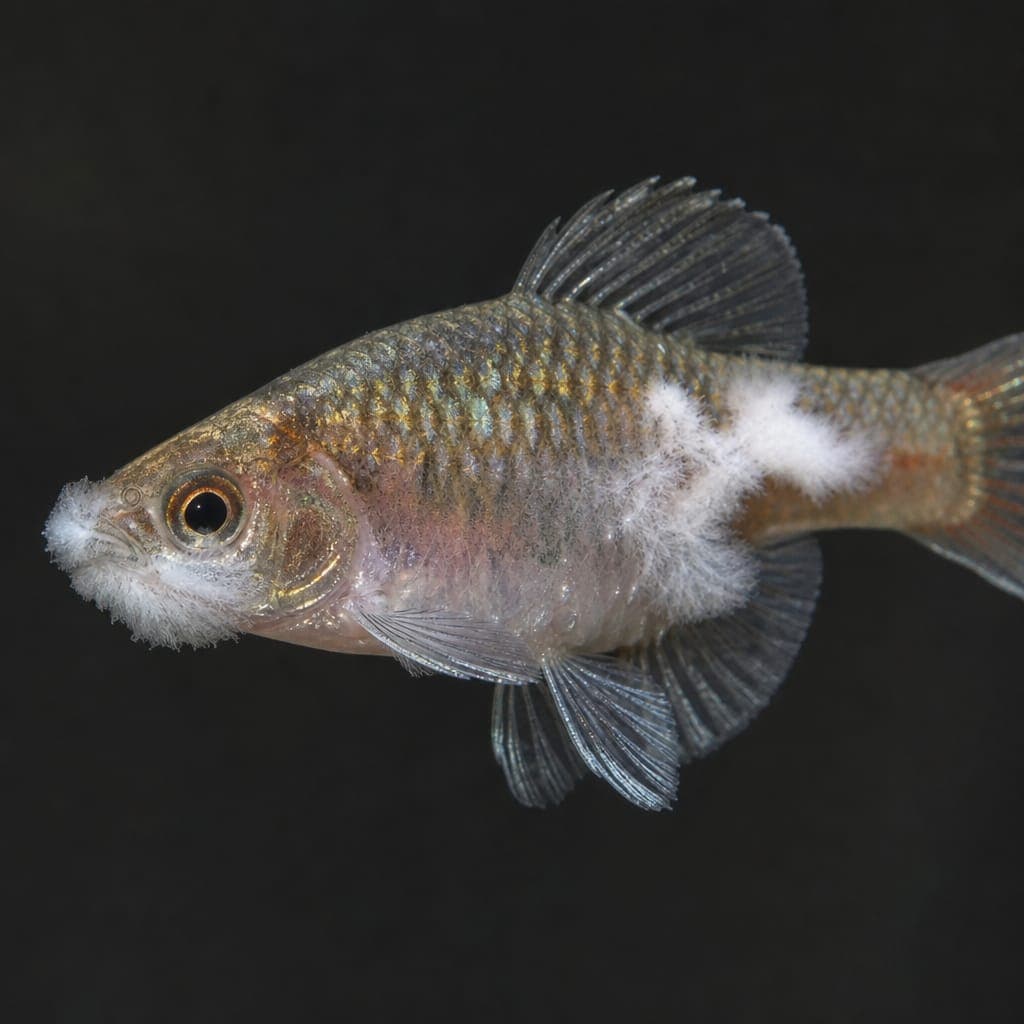
While generally hardy, the Spotted Orange Seam Plec L106 may be susceptible to certain health issues, including ich (whitespot disease), fungal infections, and poor water quality-related ailments. Maintaining a clean aquarium environment with regular water changes and appropriate filtration is essential for preventing these problems. Additionally, observing the fish for signs of stress or disease and addressing any issues promptly can significantly improve its overall health and longevity. A well-balanced diet and stable environment will also enhance its immune system, reducing the likelihood of common fish diseases.